

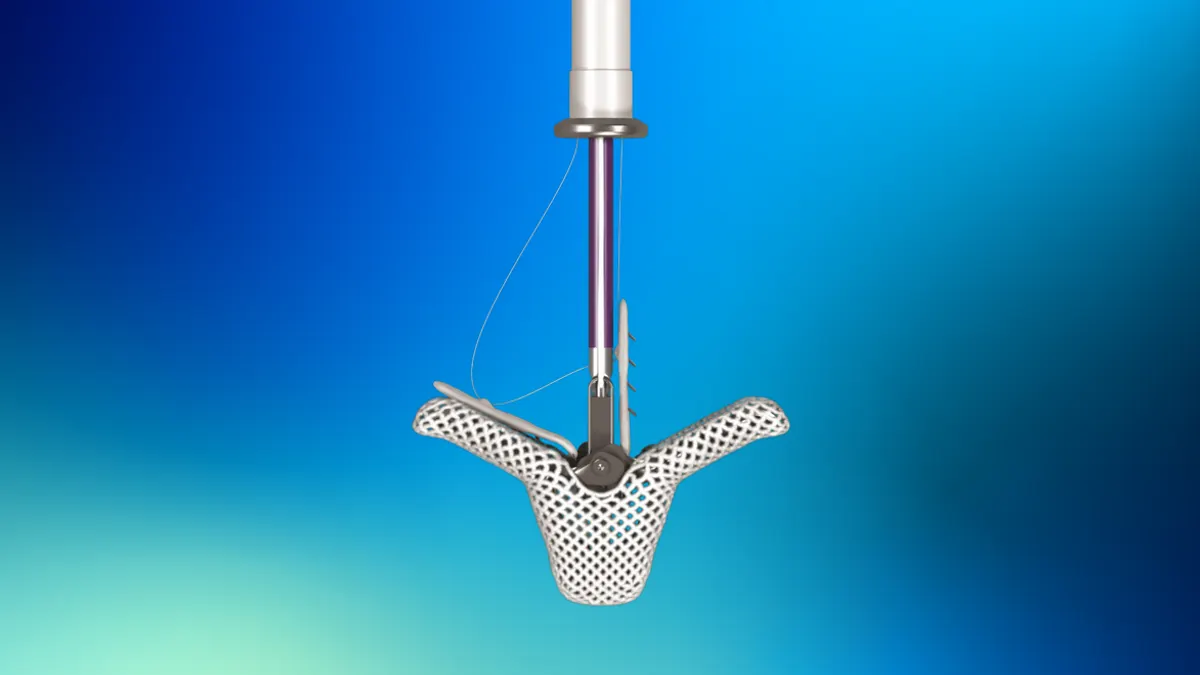
Abbott Laboratories has officially initiated a large-scale, real-world clinical study to evaluate the long-term safety and performance of its TriClip transcatheter edge-to-edge repair (TEER) system. This strategic move comes as the medical device giant seeks to solidify its dominant position in the rapidly expanding structural heart market, specifically targeting tricuspid regurgitation (TR), a condition long overlooked by the medical community. The study, which aims to enroll approximately 1,000 patients across 100 global sites, represents a critical effort to gather longitudinal data in a "real-world" setting, moving beyond the controlled environment of pivotal clinical trials.
The decision to launch this extensive post-market surveillance program follows the U.S. Food and Drug Administration (FDA) approval of TriClip earlier this year. While the device has already demonstrated significant efficacy in reducing the severity of TR and improving patient quality of life, Abbott’s new study is designed to track outcomes over a five-year period. This long-term monitoring is essential for proving the durability of the repair and understanding how the device affects the physiological structure of the heart over time.
The Clinical Significance of Tricuspid Regurgitation
Tricuspid regurgitation is a debilitating condition where the tricuspid valve—the "door" between the heart’s right atrium and right ventricle—fails to close properly. This allows blood to flow backward into the right atrium, leading to a cascade of complications including systemic venous congestion, fatigue, abdominal swelling, and eventually, right-sided heart failure. For decades, the tricuspid valve was referred to by cardiologists as the "forgotten valve" because surgical intervention was often considered too high-risk, and pharmacological treatments, such as diuretics, only managed symptoms rather than the underlying mechanical failure.
The prevalence of TR is significant, affecting millions of individuals globally, particularly the elderly. Estimates suggest that in the United States alone, over 1.6 million people suffer from moderate-to-severe TR, yet only a fraction receive surgical treatment due to the 10% to 15% mortality rate associated with traditional open-heart tricuspid surgery. The advent of transcatheter therapies like TriClip offers a minimally invasive alternative, where the device is delivered via a catheter through the femoral vein, clipping the valve leaflets together to reduce backflow.
Trial Design and the Focus on Cardiac Remodeling
The newly announced real-world study will utilize three primary endpoints to gauge success: the occurrence of adverse events, the reduction in TR severity, and improvements in patient health status 30 days post-procedure. However, the true scientific value of the study lies in its five-year follow-up period and its specific focus on cardiac remodeling.
Cardiac remodeling refers to the structural and functional changes the heart undergoes in response to chronic stress or injury. In the case of severe TR, the right side of the heart often becomes enlarged and weakened due to the constant volume overload. Abbott has integrated an imaging sub-study involving 250 patients to specifically monitor whether the reduction in regurgitation leads to a reversal of this damage. By using advanced echocardiography and potentially other imaging modalities, researchers will determine if TriClip allows the right ventricle to "shrink" back toward its normal size and regain its pumping efficiency—a process known as reverse remodeling.
Evidence of reverse remodeling would provide a powerful clinical argument for early intervention, suggesting that TriClip does more than just alleviate symptoms; it may fundamentally alter the trajectory of heart failure in TR patients.
A Chronology of Innovation and Regulatory Success
The journey of TriClip is rooted in the success of its predecessor, MitraClip, which was designed for the mitral valve. Recognizing the unmet need in the tricuspid space, Abbott adapted the TEER technology to account for the unique anatomy of the tricuspid valve, which typically has three leaflets compared to the mitral valve’s two.
- 2020: TriClip received its CE Mark in Europe, marking the first time a minimally invasive tricuspid repair device was commercially available in a major market.
- 2023: Results from the pivotal TRILUMINATE Clinical Trial were published in the New England Journal of Medicine. The trial met its primary endpoint, showing that 87% of patients treated with TriClip experienced a reduction in TR severity to "moderate or less" at 30 days, compared to only 4.8% in the control group.
- February 2024: An FDA advisory committee voted overwhelmingly in favor of the device, with a 13-to-1 vote (with one abstention) confirming that the benefits of TriClip outweigh its risks.
- April 2024: The FDA officially approved TriClip for the treatment of severe TR in patients who remain symptomatic despite medical therapy and are at high risk for surgery.
- Late 2024: Abbott initiates the real-world study to bolster its evidence base as market competition begins to peak.
Competitive Pressures: The Battle with Edwards Lifesciences
Abbott’s proactive approach to data collection is fueled by the looming entry of Edwards Lifesciences into the U.S. tricuspid market. Edwards is currently preparing for the fourth-quarter launch of its Pascal system, a transcatheter valve repair device that has already been competing with TriClip in Europe.
The competition between Abbott and Edwards is not merely about market share but about technical differentiation. During a recent earnings call, Daveen Chopra, Corporate Vice President at Edwards Lifesciences, highlighted that the Pascal device offers "independent grasping" of the valve leaflets. This feature allows interventional cardiologists to capture one leaflet at a time, which can be advantageous in complex anatomies where the gap between leaflets is wide. Chopra noted that this technical flexibility has led to increasing physician preference for Pascal in certain European centers.
Abbott, however, remains confident in TriClip’s established track record and its extensive clinical data. Robert Ford, Abbott’s CEO, noted in a July earnings call that the company’s structural heart unit is showing "good growth in tricuspid," which has helped offset increased competitive intensity in the mitral valve segment. By amassing real-world data from 1,000 patients, Abbott aims to create a "moat" of clinical evidence that Edwards will take years to match.

Financial and Strategic Implications for the Medical Device Sector
The stakes in the structural heart market are exceptionally high. Analysts predict that the transcatheter mitral and tricuspid therapies (TMTT) market could reach several billion dollars by the end of the decade. For Abbott, TriClip is a vital component of its structural heart portfolio, which also includes the market-leading MitraClip and the Amplatzer Amulet for left atrial appendage closure.
The expansion into tricuspid repair is strategically essential because the mitral valve market has become increasingly saturated and competitive. As Edwards Lifesciences and other smaller players gain ground in mitral repair, Abbott must look to the "forgotten valve" to maintain its growth trajectory. The real-world study is not just a regulatory formality; it is a marketing and reimbursement tool. Robust five-year data is often the key to securing favorable coverage decisions from the Centers for Medicare & Medicaid Services (CMS), ensuring that the procedure is accessible to the elderly population that needs it most.
Expert Reactions and Future Outlook
Clinical experts in the field of interventional cardiology have generally welcomed Abbott’s commitment to long-term data. Dr. Matthew Price, a prominent interventional cardiologist, previously noted that while the TRILUMINATE data was impressive, the "real-world" application of these devices often presents challenges not seen in trials, such as treating patients with more varied anatomies or those with multiple comorbidities.
The results of this study will likely influence future clinical guidelines. Currently, the American College of Cardiology (ACC) and the American Heart Association (AHA) are closely monitoring the outcomes of TEER procedures to determine where they fit in the "hierarchy of care" for heart failure. If Abbott can prove that TriClip significantly reduces hospitalizations and mortality over a five-year horizon—rather than just improving quality-of-life scores—the device could become the gold standard for TR treatment.
As the study progresses, the medical community will be watching for signals regarding the durability of the clips and the incidence of "single leaflet attachment" (a known complication where the device detaches from one side). Furthermore, the imaging sub-study will provide the first large-scale look at whether mechanical repair can truly stop or reverse the progression of right-sided heart failure.
In conclusion, Abbott’s launch of this real-world study marks a pivotal moment in the evolution of structural heart therapy. By moving aggressively to document TriClip’s performance in a diverse, global patient population, Abbott is attempting to secure its leadership in a market that is finally giving the "forgotten valve" the attention it deserves. With Edwards Lifesciences poised to enter the fray, the next 24 months will likely determine which company defines the future of tricuspid repair.
