

The traditional boundaries between human medicine, veterinary science, and environmental ecology are rapidly dissolving as researchers uncover the profound interconnectedness of life at the microscopic level. On this World Microbiome Day, observed on August 4, 2026, the global scientific community is centering its focus on the "One Health" perspective. This framework posits that the health of humans is inextricably linked to the health of animals and the shared environment. Far from being isolated biological entities, humans are now understood as "holobionts"—complex ecosystems comprising human cells and trillions of symbiotic microorganisms that have co-evolved over millennia. This paradigm shift suggests that the secret to maintaining a healthy gut may not lie solely within the individual, but in the soil, the animals, and the broader ecological networks that surround us.
The Holobiont Concept: Redefining Human Biology
At the core of the One Health movement is a fundamental redefinition of what it means to be human. For decades, medical science treated the human body as a self-contained vessel, with bacteria and viruses often viewed primarily as pathogens to be eradicated. However, contemporary genomic sequencing has revealed a different reality. The human body hosts approximately 38 trillion microbial cells, a figure that roughly equals or exceeds the number of human cells.
These microbes—collectively known as the microbiota—include bacteria, fungi, viruses, and archaea. They are not merely passive residents; they function as an auxiliary organ system. They synthesize essential vitamins, train the neonatal immune system, modulate inflammation, and even influence neurochemistry via the gut-brain axis. By adopting the term "holobiont," scientists acknowledge that the human "individual" is actually a multi-species collective. When the environmental or animal components of this collective are disrupted, the human component inevitably suffers, leading to a state of dysbiosis—an imbalance in microbial communities linked to chronic conditions such as obesity, diabetes, and autoimmune disorders.
The Environmental Nexus: From Soil to Table
The journey of the human microbiome begins long before birth and is continuously replenished by the environment. Soil, often dismissed as inert dirt, is one of the most microbially diverse habitats on Earth. A single gram of healthy soil can contain up to a billion bacterial cells and several kilometers of fungal hyphae. These soil microbes are the primary drivers of nutrient cycling, making minerals available to the plants that humans consume.
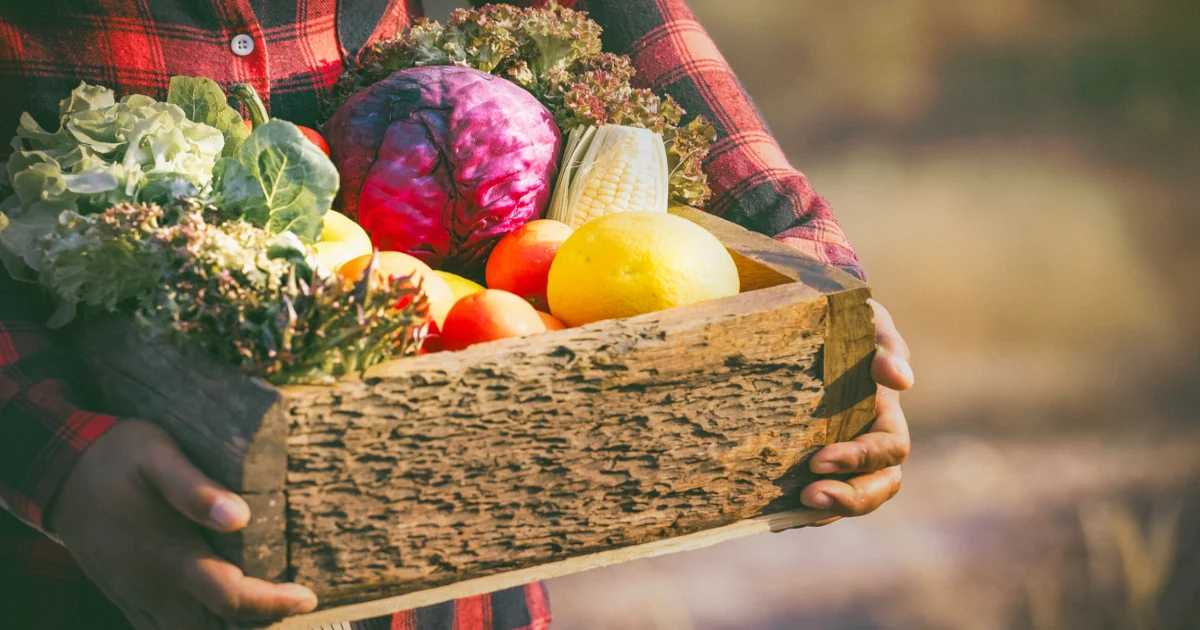
Research presented during the 2026 World Microbiome Day symposium highlights a direct correlation between soil biodiversity and human gut diversity. In industrial agricultural systems, the heavy use of synthetic pesticides and fertilizers has been shown to reduce soil microbial complexity. When humans consume crops grown in "sterile" or depleted soil, they miss out on the transient environmental microbes that historically bolstered the human immune system. Furthermore, the loss of soil diversity impacts the nutrient density of food, creating a ripple effect that terminates in the human digestive tract.
Urbanization has further exacerbated this disconnection. The "Hygiene Hypothesis," recently refined into the "Old Friends Hypothesis," suggests that the rise in allergic and inflammatory diseases in Western societies is due to a lack of exposure to the diverse microbes found in natural environments. By retreating into climate-controlled, sanitized urban spaces, humans have effectively "quarantined" themselves from the microbial inputs necessary for robust health.
The Animal Link: Shared Microbiomes and Zoonotic Health
The One Health framework also emphasizes the role of animals—both domestic and wild—in shaping the human microbiome. Domestic pets, particularly dogs, act as microbial "bridges" between the outdoors and the indoor environment. Studies have shown that households with pets have a more diverse indoor microbial profile, and children raised in these environments often exhibit lower rates of asthma and allergies. This "microbial sharing" helps to prime the human immune system, teaching it to distinguish between harmless environmental triggers and actual threats.
Conversely, the health of livestock is a critical factor in human public health. The overreliance on sub-therapeutic antibiotics in industrial animal farming has led to the rise of antimicrobial-resistant (AMR) bacteria. These resistant strains can migrate from animal waste into the soil and water systems, eventually entering the human food chain. From a One Health perspective, treating a human infection without addressing the environmental and veterinary origins of antibiotic resistance is an incomplete strategy. The health of the gut microbiome is, therefore, a reflection of the sanitary and biological integrity of the entire food production system.
A Chronology of the One Health Evolution
The realization that human and environmental health are linked is not entirely new, but its scientific validation has accelerated over the last two centuries:
- 1858: Rudolf Virchow, the father of modern pathology, coins the term "One Medicine," stating that there are no dividing lines between animal and human medicine.
- 1984: Calvin Schwabe, a veterinary epidemiologist, revives the concept in his textbook Veterinary Medicine and Human Health, emphasizing the need for a unified approach to combat zoonotic diseases.
- 2004: The Wildlife Conservation Society hosts the "One World, One Health" conference, leading to the Manhattan Principles, which outline a global strategy for preventing epidemic disease.
- 2008: The United Nations and the World Health Organization (WHO) formally adopt One Health as a primary strategy for global health security.
- 2022-2025: The "One Health Joint Plan of Action" is implemented by a quadripartite of international agencies, focusing on the integration of environmental health into medical policy.
- 2026: World Microbiome Day marks a milestone in public awareness, shifting the focus from disease prevention to the proactive cultivation of microbial diversity across all ecosystems.
Supporting Data: The Economic and Biological Stakes
The implications of the One Health perspective are supported by a growing body of statistical evidence. According to data released by the Global Microbiome Initiative:
- Microbial Diversity Loss: Since the mid-20th century, the diversity of the human gut microbiome in industrialized nations has decreased by an estimated 30% to 40%.
- Chronic Disease Correlation: Approximately 70% of the human immune system is located in the gut. Disruptions to the microbiome are now linked to over 50 distinct chronic health conditions.
- Economic Impact: The global market for microbiome-based therapeutics and diagnostics is projected to reach $2.5 billion by 2027, reflecting the urgent demand for interventions that restore microbial balance.
- Antibiotic Resistance: The WHO estimates that AMR could result in 10 million deaths annually by 2050 if the interconnected nature of human, animal, and environmental antibiotic use is not addressed.
Official Responses and Policy Shifts
International health organizations are increasingly aligning their policies with the One Health framework. Dr. Elena Rossi, a spokesperson for the World Health Organization’s Environmental Health Division, stated in a recent briefing: "We can no longer treat human health in a vacuum. If the soil is sick, the plants are nutrient-deficient, and the animals are stressed, the human gut will reflect that instability. Our policy focus must shift toward ‘Microbial Stewardship’—protecting the microscopic foundations of our world."
Similarly, agricultural departments are beginning to incentivize regenerative farming practices. These methods, which include cover cropping and the reduction of chemical inputs, are designed to restore soil life. By prioritizing soil health, governments aim to improve the nutritional quality of the food supply and, by extension, the metabolic health of the population.
Broader Impact and Future Implications
The shift toward a One Health perspective on gut health has profound implications for urban planning, food production, and personal lifestyle choices. In the coming years, "Microbial Green Zones" may become a standard feature of urban design, intended to reintroduce beneficial environmental bacteria into densely populated areas. These spaces would serve as "vaccination points" of a different kind, providing the microbial exposure necessary for immune development.
In the realm of nutrition, the focus is moving beyond simple caloric intake toward "Microbiota-Accessible Carbohydrates" (MACs) and fermented foods. Fermentation is an ancient practice that serves as a bridge between the environment and the gut, utilizing wild yeasts and bacteria to transform food and introduce beneficial strains into the human system.
As the 2026 World Microbiome Day celebrations conclude, the message is clear: human health is a subset of planetary health. The trillions of microbes residing in the human gut are a legacy of our interaction with the world around us. Protecting this delicate microbial web is not just an ecological necessity; it is a fundamental requirement for the future of human medicine. To heal the gut, we must first heal the world.
