

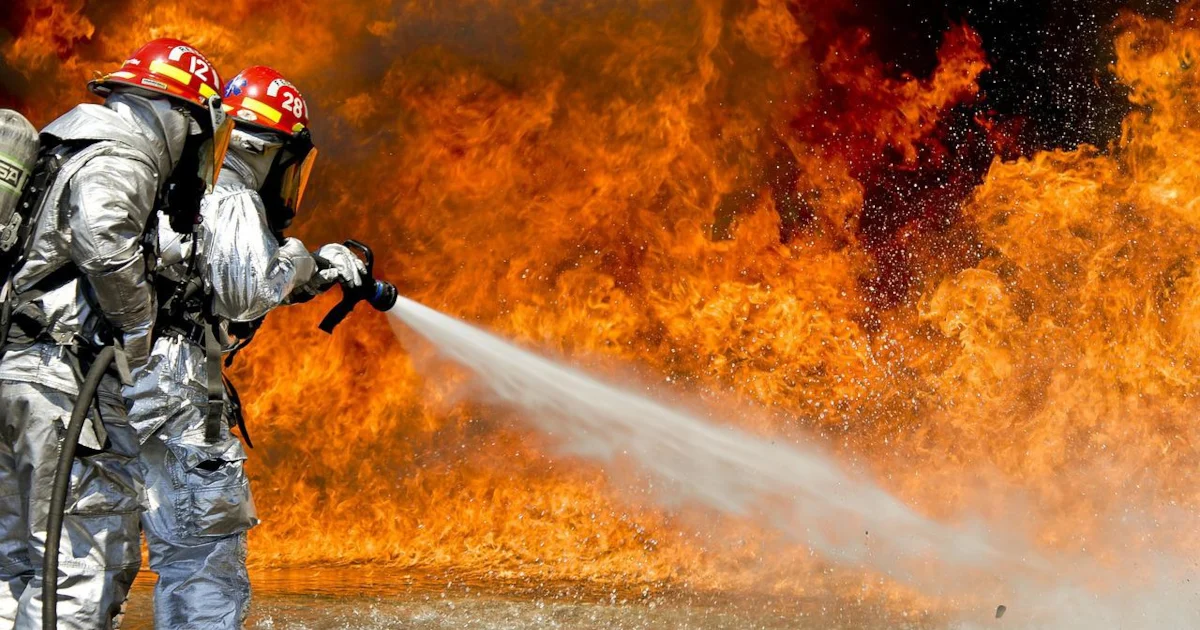
Far beyond the fires currently raging across Europe and North America, a thick, hazardous smoke hangs in the air, dimming the landscape and altering the very color of sunlight into a grimly unsettling hue. This atmospheric transformation is no longer a localized phenomenon but a global indicator of a shifting climate reality. As particulate matter from distant conflagrations drifts across borders and oceans, it serves as a visceral reminder of the interconnectedness of modern environmental crises. While the visible violence of fire captures headlines, a more insidious threat—extreme heat—is claiming lives at an unprecedented rate, fundamentally altering the human relationship with the summer season.
The Dual Threat of Fire and Heat
The current season has been marked by a staggering loss of life and property. In Europe, preliminary data and epidemiological models suggest that an estimated 20,000 people died due to extreme heat during the most recent summer surges. Unlike the dramatic and immediate destruction caused by floods or firestorms, heat is often described by public health officials as climate change’s "quiet killer." Its victims are frequently the elderly, the socially isolated, and those with pre-existing cardiovascular or respiratory conditions, making the true toll difficult to quantify in real-time.
Simultaneously, the physical destruction of the landscape has reached critical levels. In eastern Washington, specifically within the regions surrounding Medical Lake and Elk, the Gray Fire and the Oregon Road Fire recently combined to destroy approximately 600 homes. These "climate-fueled firestorms" move with a velocity that often outpaces traditional firefighting tactics. The human cost of these efforts is also mounting; across both Europe and North America, several firefighters have lost their lives this year while attempting to contain blazes that are burning hotter, faster, and longer than historical norms.
Chronology of a Record-Breaking Season
The progression of this year’s climate anomalies began early in the spring, setting the stage for a summer of extremes.
- March – April: Unseasonably high temperatures were recorded across parts of the Mediterranean and Southeast Asia, leading to early soil desiccation. This lack of moisture in the ground acted as a "force multiplier" for the heatwaves that followed.
- June: Global surface air temperatures reached record highs for the month. In North America, smoke from Canadian wildfires began to blanket the Eastern Seaboard and the Midwest, resulting in the worst air quality levels in recorded history for cities like New York and Chicago.
- July: This month was officially designated as the hottest month ever recorded globally. Heat domes settled over the Southern United States, Southern Europe, and parts of China. It was during this window that the Mediterranean region saw devastating fires in Greece, Italy, and Algeria.
- August: The focus shifted back to the Western United States and Canada. The fires in eastern Washington erupted during a period of high winds and low humidity, leading to the rapid loss of hundreds of structures in a matter of days.
- September: While traditionally a time of cooling, temperatures have remained above average, extending the "fire weather" window and delaying the recovery of parched ecosystems.
Supporting Data and Environmental Metrics
The scale of the current crisis is supported by data from the Copernicus Climate Change Service (C3S) and the World Meteorological Organization (WMO). According to C3S, the global average temperature for the year has frequently hovered near or above the 1.5°C threshold established by the Paris Agreement.
In Europe, the 20,000 estimated heat-related deaths follow a trend observed in 2022, where over 60,000 excess deaths were attributed to high temperatures. The economic impact is equally significant; the European Forest Fire Information System (EFFIS) reports that over 500,000 hectares of land have been charred across the continent this year alone.
In North America, the National Interagency Fire Center (NIFC) reports that while the total number of fires may be within historical averages in some regions, the intensity and "acreage per fire" have increased. The smoke produced by these fires contains high concentrations of PM2.5—fine particulate matter that can penetrate deep into the lungs and enter the bloodstream. During peak smoke events this year, PM2.5 levels in some urban areas reached 10 to 20 times the World Health Organization’s (WHO) recommended safety limits.
Official Responses and Policy Shifts
Governmental bodies and international organizations have been forced to re-evaluate their disaster response frameworks in light of these events. United Nations Secretary-General António Guterres recently remarked that the era of "global warming" has ended and the era of "global boiling" has arrived, calling for immediate and radical action on carbon emissions.
In the United States, the Federal Emergency Management Agency (FEMA) has seen its resources stretched thin by the dual demands of hurricane recovery and wildfire response. In Washington State, Governor Jay Inslee declared a state of emergency following the destruction of homes in Spokane County, emphasizing that the "new normal" of wildfire season requires a total overhaul of land management and building codes.
The European Union has responded by doubling its firefighting aircraft fleet, known as the rescEU reserve, which allows member states to share resources more efficiently during peak fire periods. However, European health ministers have admitted that the continent’s healthcare infrastructure is currently ill-equipped to handle the "silent" surge of heatstroke and heat-exhaustion cases that occur during prolonged heat domes.
The Psychological and Societal Shift
Beyond the statistics and the physical destruction lies a profound shift in the human experience of the seasons. For generations, across much of the world’s temperate zones, summer was viewed as a time of bounty and rejuvenation. It was characterized by long days, school holidays, and the delights of nature—camping, swimming, and travel.
However, the contemporary reality of summer is increasingly defined by "solastalgia"—a term coined by philosopher Glenn Albrecht to describe the distress caused by environmental change. Instead of looking forward to the warmth, many populations now approach the season with a sense of dread. The "summer holiday" is now frequently interrupted by evacuation orders, "code red" air quality alerts, and the necessity of staying indoors with air filtration systems.
In regions like eastern Washington and the Mediterranean, the loss of 600 homes or 20,000 lives represents more than just a momentary disaster; it represents a permanent change in the social fabric. Community events are canceled due to smoke, and the agricultural cycles that provide "summer’s bounty" are being disrupted by drought and extreme heat, leading to crop failures and rising food prices.
Analysis of Long-term Implications
The implications of these trends suggest that the current infrastructure of the Western world is not designed for the climate of the 21st century. Urban planning, which historically focused on retaining heat in temperate climates, must now pivot toward "urban cooling" strategies, such as increasing canopy cover and utilizing reflective building materials.
Furthermore, the "fire-wildland-urban interface"—the area where homes are built near flammable natural vegetation—is becoming increasingly untenable. The loss of 600 homes in Washington highlights the risk of suburban sprawl into areas that are naturally prone to fire, a risk that is exacerbated by the drying effects of climate change.
From a public health perspective, the "quiet killer" of heat will require a fundamental shift in how societies care for their most vulnerable. This includes the establishment of "cooling centers" as essential public infrastructure, similar to libraries or schools, and the implementation of labor laws to protect outdoor workers from lethal temperatures.
Conclusion: A New Seasonal Paradigm
As the smoke continues to dim the view and turn the sunlight into something grimly unsettling, the world is forced to confront a reality where the seasons themselves have been altered. The transition from summer as a time of delight to a time of dread is not merely a psychological shift but a response to a documented increase in environmental volatility.
The 20,000 deaths in Europe and the charred remains of neighborhoods in eastern Washington are not isolated incidents but part of a broader, cohesive narrative of a planet in transition. While firefighting efforts and emergency responses provide temporary relief, the long-term stability of the summer season—and the safety of those who live through it—will depend on a global commitment to addressing the underlying drivers of these climate-fueled firestorms and heatwaves. The grim light of the current sun serves as both a warning and a mandate for change.
