

Gordon Chaplin gingerly stepped out of the car at the top of the steep hill behind his farmhouse, sporting a bandage on his hand from a fall the day before. He gripped his cane as he shuffled through the knee-high grass, stopping every few feet to catch his breath and leaning on his caregiver for support. Looking out at the distant Adirondacks and Catskill mountains, he thought back to the years when he could run up the hill with ease, a stark contrast to his current physical limitations. At 81 years old, Chaplin, who has owned this farm for over four decades, represents a growing demographic of older Americans facing the onset of Parkinson’s disease without a clear genetic roadmap or family history of the condition.
The progression of Chaplin’s condition highlights a significant challenge in modern neurology: the often-protracted timeline between the emergence of early, non-motor symptoms and a formal diagnosis. Nearly a decade ago, Chaplin began experiencing subtle physiological changes that initially defied explanation. His once-pristine handwriting became increasingly cramped and unreadable—a clinical symptom known as micrographia. His facial expressions shifted toward a permanent look of worry or stoicism, a phenomenon referred to by medical professionals as "masked face" or hypomimia. Perhaps most distressing were his nights, during which he began acting out his dreams in his sleep, a condition known as REM Sleep Behavior Disorder (RBD).
Despite seeking medical counsel, Chaplin spent years navigating a labyrinth of inconclusive test results and specialist consultations. It was only after a decade of gradual decline that he received a definitive diagnosis of Parkinson’s disease, an incurable degenerative brain disorder that targets the central nervous system, affecting motor functions and eventually leading to cognitive impairment. For Chaplin, the diagnosis was particularly perplexing because he possessed no family history of the disease and no known genetic predisposition, placing him among the roughly 85% to 90% of Parkinson’s patients whose cases are classified as "idiopathic," or of unknown cause.
The Diagnostic Timeline and Early Warning Signs
The chronology of Parkinson’s disease often begins long before the onset of the hallmark tremors most commonly associated with the condition. In Chaplin’s case, the timeline spanned nearly ten years, illustrating the "prodromal" phase of the disease where symptoms are present but do not yet meet the full clinical criteria for diagnosis.
- The Initial Decade (Pre-Diagnosis): Symptoms began with subtle changes in fine motor control, specifically handwriting. This was followed by the onset of REM Sleep Behavior Disorder. In healthy individuals, the brain induces a state of temporary muscle paralysis during REM sleep to prevent the body from moving. In Parkinson’s patients, this mechanism often fails years before motor symptoms appear.
- The Middle Years: The development of hypomimia, where the muscles of the face become stiff or slow to respond, leading to a diminished range of facial expressions. During this period, Chaplin sought answers from various doctors, but the lack of a "smoking gun" in early blood tests or standard imaging often leads to a "watch and wait" approach.
- The Formal Diagnosis: The confirmation of Parkinson’s disease arrived only after the symptoms became undeniable and began to significantly impede his quality of life.
- The Current State: Now 81, Chaplin requires daily assistance. His mobility is severely restricted, and he faces the secondary risks of the disease, such as the fall that resulted in his bandaged hand.
Neurologists suggest that the delay in Chaplin’s diagnosis is not uncommon. Because there is currently no definitive blood test for Parkinson’s, diagnosis relies heavily on clinical observation and the patient’s response to dopaminergic medications. The medical community is increasingly advocating for better recognition of these early markers—micrographia, loss of smell, and sleep disturbances—to initiate supportive care earlier.
Supporting Data: The Rising Global Burden
The prevalence of Parkinson’s disease is rising at a rate that some researchers have termed a "pandemic." According to the World Health Organization (WHO), the prevalence of Parkinson’s has doubled in the past 25 years. Global estimates suggest that over 10 million people are currently living with the disease.
In the United States, approximately one million people are living with Parkinson’s, a number expected to rise to 1.2 million by 2030. It is the second most common neurodegenerative disease after Alzheimer’s. The economic impact is equally staggering; a study by the Michael J. Fox Foundation found that the total economic burden of Parkinson’s in the U.S. is approximately $52 billion per year, including $25.4 billion in direct medical costs and $26.5 billion in indirect and non-medical costs, such as lost wages and caregiver time.
Demographically, age remains the primary risk factor. While "young-onset" Parkinson’s exists, the vast majority of patients are diagnosed after the age of 60. As the "Baby Boomer" generation continues to age, the strain on the healthcare system and rural infrastructure—where patients like Chaplin often reside—is expected to intensify.
Environmental Context and Rural Implications
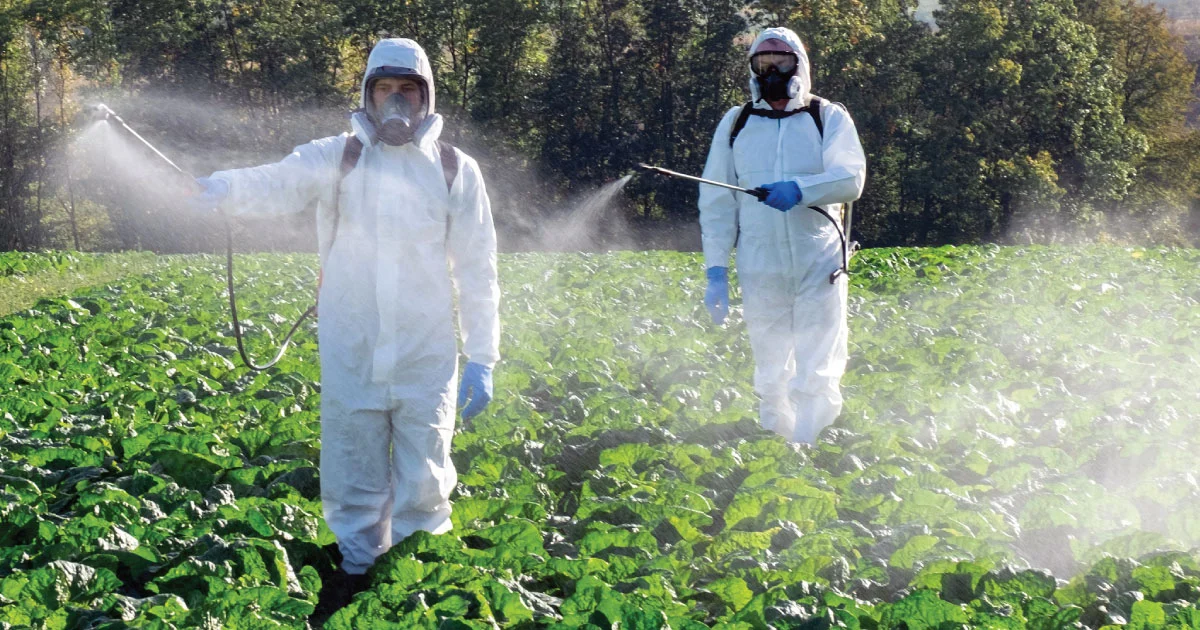
For individuals like Gordon Chaplin, who have spent decades on rural farmland, the lack of genetic markers often points researchers toward environmental factors. While not definitively linked in every case, a growing body of scientific literature suggests that exposure to certain pesticides, herbicides, and industrial chemicals may increase the risk of developing Parkinson’s.
Compounds such as paraquat, a widely used herbicide, and trichloroethylene (TCE), a solvent often found in groundwater, have been identified as potential environmental triggers. Living in a rural setting for over 40 years, as Chaplin has, potentially increases the likelihood of long-term, low-level exposure to agricultural chemicals. This "environmental hypothesis" is a major focus of current epidemiological research, as it may explain why individuals with no family history suddenly develop the disease in their 70s or 80s.
Furthermore, the rural context presents unique challenges for disease management. Access to movement disorder specialists—neurologists with specific training in Parkinson’s—is often limited in rural areas. Patients may have to travel hours for specialized care, a task that becomes increasingly difficult as motor functions decline. The presence of a caregiver is essential, yet the rural healthcare labor shortage makes finding and retaining home health aides a significant hurdle for families.
Medical and Official Responses
Health officials and advocacy groups have responded to the rising tide of Parkinson’s cases with increased calls for federal funding and regulatory changes. The "National Plan to End Parkinson’s Act," which recently moved through the U.S. legislative process, aims to create a coordinated federal effort to prevent and treat the disease, modeled after the successful National Alzheimer’s Project Act.
Medical professionals emphasize that while Parkinson’s is currently incurable, it is not a "death sentence." Dr. Rachel Dolhun, a movement disorder specialist, notes that "the goal of modern treatment is to optimize quality of life through a combination of medication, physical therapy, and exercise." However, she stresses that early intervention is key. "When we see patients like Mr. Chaplin, who have navigated a decade of uncertainty, it highlights the need for better diagnostic biomarkers that can catch the disease in the prodromal phase."
Caregivers also play a pivotal role in the official response to the disease. The emotional and physical toll on those providing support is immense. Inferred reactions from the caregiving community suggest a need for more robust respite care services and financial support for families who are often forced to choose between employment and caring for an aging relative.
Analysis of Broader Impacts and Future Outlook
The case of Gordon Chaplin is more than a personal tragedy; it is a bellwether for the future of public health in an aging society. The "falling apart" that Chaplin describes reflects a broader systemic vulnerability. As more individuals reach their 80s and 90s, the incidence of neurodegenerative diseases will inevitably climb, necessitating a shift in how society views aging and disability.
One of the most critical implications of Chaplin’s story is the necessity of shifting the research focus toward non-genetic triggers. If the majority of Parkinson’s cases are indeed idiopathic, then public health policy must address environmental safety and chemical regulations with greater urgency. Prohibiting or more strictly regulating substances like paraquat could potentially reduce the incidence of the disease in future generations.
Additionally, the development of new technologies, such as wearable sensors that can detect tremors or changes in gait before they are visible to the naked eye, offers hope for earlier diagnosis. Researchers are also investigating the "gut-brain axis," exploring how the microbiome might influence the development of Parkinson’s, which could lead to entirely new avenues for prevention.
For Gordon Chaplin, the focus remains on the immediate reality of life on the farm. The steep hill that he once ran up with ease now serves as a reminder of what has been lost, but his presence there—leaning on his cane and his caregiver—is a testament to the resilience of those living with chronic illness. His experience underscores the urgent need for a medical system that can identify symptoms earlier, a social system that supports rural patients, and a scientific community that can eventually turn "incurable" into "preventable."
As the sun sets over the Adirondacks, the quiet struggle of one farmer in New York mirrors the struggle of millions worldwide. The goal for the coming decade is to ensure that future patients do not have to wait ten years for an answer, and that "falling apart" is no longer the inevitable conclusion to a life well-lived.
