

The pursuit of a reduced waistline is a common health objective, often driven by both aesthetic desires and crucial health considerations. Abdominal fat, particularly visceral fat that surrounds internal organs, is strongly linked to an increased risk of numerous chronic diseases, including type 2 diabetes, cardiovascular disease, and certain cancers. While comprehensive weight management strategies typically involve a synergistic combination of dietary adjustments and consistent physical activity, the role of specific foods in targeting and diminishing belly fat has garnered significant attention. In this context, Tara Collingwood, MS, RDN, CSSD, LD/N, ACSM-CPT, widely recognized as The Diet Diva, a Board-Certified Sports Dietitian and co-author of Flat Belly Cookbook for Dummies, recently shared her expert insights on everyday food items that can actively contribute to fat loss, particularly in the abdominal region. Her recommendations underscore the scientific principles of satiety, blood sugar regulation, and enhanced metabolism. The following detailed analysis explores seven such foods, enriched with supporting data, nutritional context, and practical applications, alongside a broader perspective on the holistic elements essential for sustained success in fat reduction.
Understanding Abdominal Fat and Its Health Implications
Before delving into specific dietary recommendations, it is imperative to understand why targeting belly fat is more than just a cosmetic concern. Abdominal obesity is classified by excessive fat accumulation around the midsection. There are two primary types of abdominal fat: subcutaneous fat, which lies just under the skin, and visceral fat, which is deeper and surrounds vital organs like the liver, pancreas, and intestines. Visceral fat is metabolically active, releasing inflammatory compounds and hormones that can disrupt normal bodily functions. High levels of visceral fat are directly correlated with insulin resistance, elevated blood pressure, higher cholesterol levels, and increased systemic inflammation, collectively forming the basis of metabolic syndrome. This cluster of conditions significantly elevates the risk of serious health issues, making the reduction of abdominal fat a critical component of preventative health. Dietary interventions, when strategically implemented, offer a powerful tool in mitigating these risks.
The Expert’s Insight: Tara Collingwood’s Core Dietary Principles

Tara Collingwood’s approach emphasizes whole, nutrient-dense foods that work synergistically to promote satiety, stabilize blood glucose levels, and support an efficient metabolism. Her recommendations are not about restrictive dieting but rather about incorporating foods that naturally encourage the body to utilize fat stores more effectively. This strategy aligns with widely accepted nutritional science, advocating for sustainable changes over fleeting fads. Collingwood’s expertise as a sports dietitian also highlights the importance of nutrient timing and food choices that support overall energy and physical performance, which are indirect contributors to fat loss.
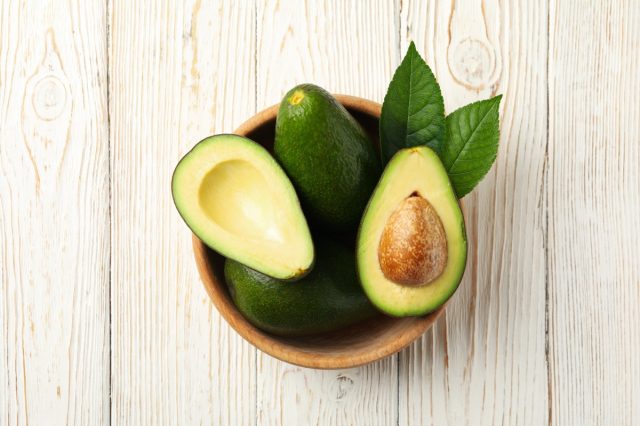
1. Avocados: A Cornerstone of Healthy Fats
Collingwood unequivocally positions avocados as a prime recommendation for shrinking belly fat, citing their abundance of healthy fats, specifically monounsaturated fatty acids (MUFAs). "Loaded with healthy fats (monounsaturated), avocados help regulate blood sugar, reduce cravings, and keep you feeling full longer, aiding in belly fat reduction," she states. This assertion is strongly supported by nutritional science. Avocados are rich in oleic acid, a type of MUFA also found in olive oil, which has been linked to reduced abdominal fat in some studies. Beyond their fat content, avocados are a significant source of dietary fiber (approximately 7 grams per half avocado), which further contributes to satiety and helps regulate blood sugar by slowing the absorption of carbohydrates. They also provide essential vitamins and minerals, including vitamin K, vitamin C, vitamin B6, vitamin E, folate, and potassium.
Nutritional Profile and Mechanism of Action:
The high fiber and healthy fat content of avocados work together to create a prolonged feeling of fullness, thereby reducing the likelihood of overeating and snacking on less healthy options. MUFAs also play a role in promoting metabolic health, potentially influencing gene expression related to fat metabolism. Studies have indicated that individuals who regularly consume avocados tend to have lower body mass indexes (BMIs) and smaller waist circumferences. Their ability to stabilize blood sugar levels is crucial because erratic blood sugar can lead to insulin spikes, which in turn can promote fat storage, particularly in the abdominal area.
Practical Integration and Considerations:
Avocados are incredibly versatile. They can be sliced and added to salads, mashed for guacamole or avocado toast, blended into smoothies for a creamy texture and nutrient boost, or served as a simple side with various meals. While highly beneficial, their caloric density (approximately 160 calories per half avocado) necessitates mindful portion control. A quarter to a half of a medium avocado daily is often a suitable serving for most individuals aiming for weight management without excessive calorie intake.
2. Eggs: The Powerhouse of Protein
Eggs are celebrated by Collingwood as a highly versatile and nutrient-dense food, particularly effective for weight loss due to their superior protein content. "Packed with high-quality protein, eggs promote satiety, stabilize blood sugar, and help your body burn more calories for digestion (the thermic effect of food)," she explains. This highlights several key mechanisms through which eggs contribute to fat loss. Eggs are considered a complete protein, meaning they contain all nine essential amino acids necessary for the body’s repair and growth processes.
Nutritional Profile and Mechanism of Action:
The high protein content of eggs is paramount for satiety. Protein takes longer to digest than carbohydrates or fats, keeping hunger at bay for extended periods. This can significantly reduce overall caloric intake throughout the day. Furthermore, protein has a higher thermic effect of food (TEF) than other macronutrients. TEF refers to the energy expended by the body to digest, absorb, and metabolize food. For protein, TEF can account for 20-30% of its caloric value, meaning a substantial portion of the calories consumed from protein is burned during digestion. Eggs are also rich in vital micronutrients such as choline, which supports liver function and fat metabolism, as well as vitamins D and B12. Research consistently shows that a protein-rich breakfast, such as one including eggs, can lead to greater satiety and reduced calorie intake later in the day compared to a carbohydrate-heavy breakfast.
Practical Integration and Considerations:
Eggs can be incorporated into any meal. Scrambled, poached, boiled, or as an omelet, they offer diverse culinary options. For those concerned about caloric intake, Collingwood suggests a practical approach: "consider mixing an egg or two with egg whites to add protein without much caloric impact." This strategy allows individuals to benefit from the protein and micronutrients of whole eggs while managing fat and cholesterol intake if desired, though current dietary guidelines generally support whole egg consumption for most healthy individuals.
3. Berries: Nature’s Sweet, Fiber-Rich Antioxidants

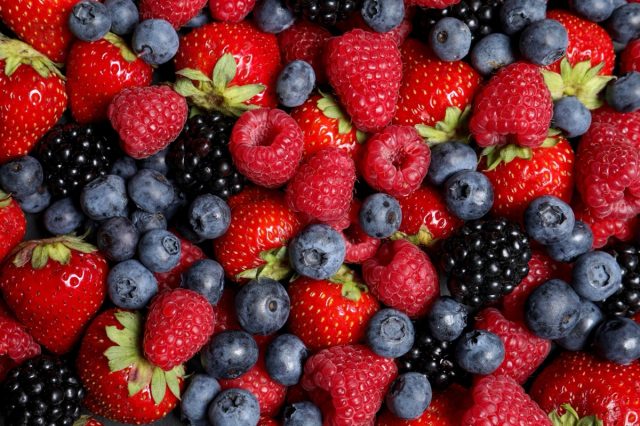
Berries, encompassing varieties like blueberries, strawberries, and raspberries, are another top recommendation from Collingwood for their role in shrinking belly fat. "Berries are low in calories and high in fiber and antioxidants, which fight inflammation and support fat loss, especially around the belly," she elaborates. This emphasizes their dual benefit of low energy density combined with potent health-promoting compounds.
Nutritional Profile and Mechanism of Action:
Berries are renowned for their high antioxidant content, particularly anthocyanins (which give them their vibrant colors), ellagic acid, and resveratrol. These compounds combat oxidative stress and inflammation, both of which are underlying factors contributing to metabolic dysfunction and fat accumulation. The high fiber content (e.g., raspberries boast about 8 grams of fiber per cup) is crucial for digestive health and satiety. Both soluble and insoluble fibers contribute to a feeling of fullness, help regulate blood sugar levels by slowing glucose absorption, and support a healthy gut microbiome, which is increasingly recognized for its influence on weight management and metabolism. Their relatively low glycemic index compared to many other fruits means they cause a slower, more gradual rise in blood sugar, preventing the spikes that can lead to fat storage.
Practical Integration and Considerations:
Berries are incredibly versatile and enjoyable both fresh and frozen. They can be consumed on their own as a refreshing snack, added to yogurt, oatmeal, or cereal, or blended into smoothies. Frozen berries are an excellent and often more cost-effective option, retaining their nutritional value and providing a convenient way to always have them on hand.
4. Olive Oil: The Healthy Fat for Fat Loss
While often perceived as a fat to be limited, olive oil, particularly extra virgin olive oil (EVOO), is highlighted by Collingwood as a "good kind" of fat that actively aids in fat burning. It is a "healthy fat that helps control appetite and supports fat metabolism," she explains. This challenges the outdated notion that all fats contribute equally to weight gain, emphasizing the crucial distinction between healthy and unhealthy fats.
Nutritional Profile and Mechanism of Action:
Extra virgin olive oil is primarily composed of monounsaturated fatty acids (MUFAs), with oleic acid being the most prominent. Beyond its fat composition, EVOO is rich in polyphenols and other antioxidants, which contribute to its anti-inflammatory properties and overall health benefits. The MUFAs in olive oil have been shown to increase satiety, helping to reduce overall calorie intake. They can also influence appetite-regulating hormones, such as glucagon-like peptide-1 (GLP-1), which signals fullness to the brain. Furthermore, regular consumption of olive oil, as part of a Mediterranean-style diet, has been associated with improved metabolic markers and reduced visceral adiposity. Its role in supporting fat metabolism involves providing a readily available energy source that can encourage the body to burn fat for fuel, especially when combined with a calorie-controlled diet.
Practical Integration and Considerations:
Collingwood advises a simple approach: "A drizzle on salads or in cooking can make a difference without overloading calories." Olive oil is ideal for salad dressings, sautéing vegetables, roasting, or as a finishing oil for various dishes. It’s important to use high-quality extra virgin olive oil for maximum health benefits due to its higher antioxidant content. While beneficial, its caloric density (about 120 calories per tablespoon) means moderation is key to avoid exceeding daily calorie targets.
5. Nuts: Smart Snacking for Satiety and Metabolism
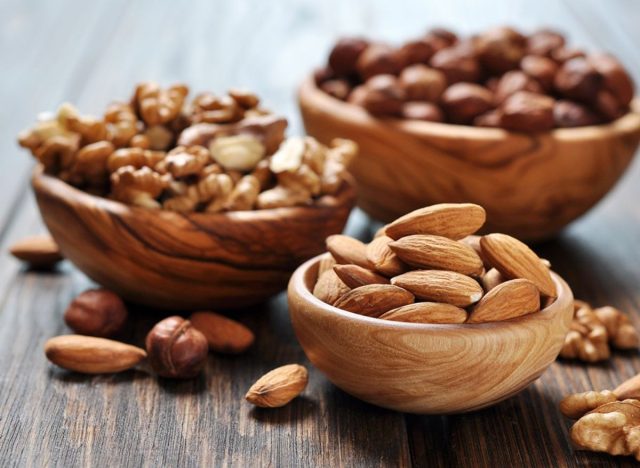
Nuts, including almonds, walnuts, and pistachios, are another category of healthy fats that Collingwood recommends for fat loss. "Rich in healthy fats and protein, nuts help curb cravings, stabilize blood sugar, and promote a healthy metabolism. Just stick to a small handful per day!" she cautions. This highlights the balance between their potent benefits and the need for portion control due to their energy density.
Nutritional Profile and Mechanism of Action:
Nins offer a powerful trifecta of healthy fats (MUFAs and polyunsaturated fatty acids, including omega-3s in walnuts), plant-based protein, and dietary fiber. This unique combination makes them exceptionally satiating, helping to reduce hunger and prevent overeating. The fiber content further aids in blood sugar regulation and promotes healthy digestion. Nuts are also rich in various micronutrients such as magnesium, zinc, and vitamin E, all of which play roles in metabolic function and overall health. Despite being calorie-dense, studies suggest that nuts may not contribute to weight gain as much as expected, possibly due to their high satiety value and the fact that some of their fat calories may not be fully absorbed by the body. Their impact on blood sugar stabilization is crucial in preventing the insulin spikes that promote fat storage.

Practical Integration and Considerations:
Nuts are an excellent portable snack. A small handful (typically ¼ cup or about 1 ounce) can effectively bridge the gap between meals. They can also be sprinkled on salads, incorporated into yogurt or oatmeal, or used as a crunchy topping for stir-fries. The caveat, as Collingwood notes, is strict portion control. It is easy to overconsume nuts, leading to excess calorie intake. Opt for raw or dry-roasted, unsalted varieties to avoid added sugars and sodium.
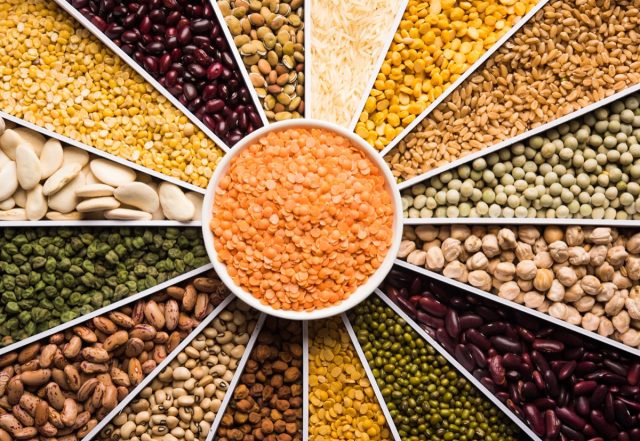
6. Beans and Lentils: Fiber and Protein Powerhouses
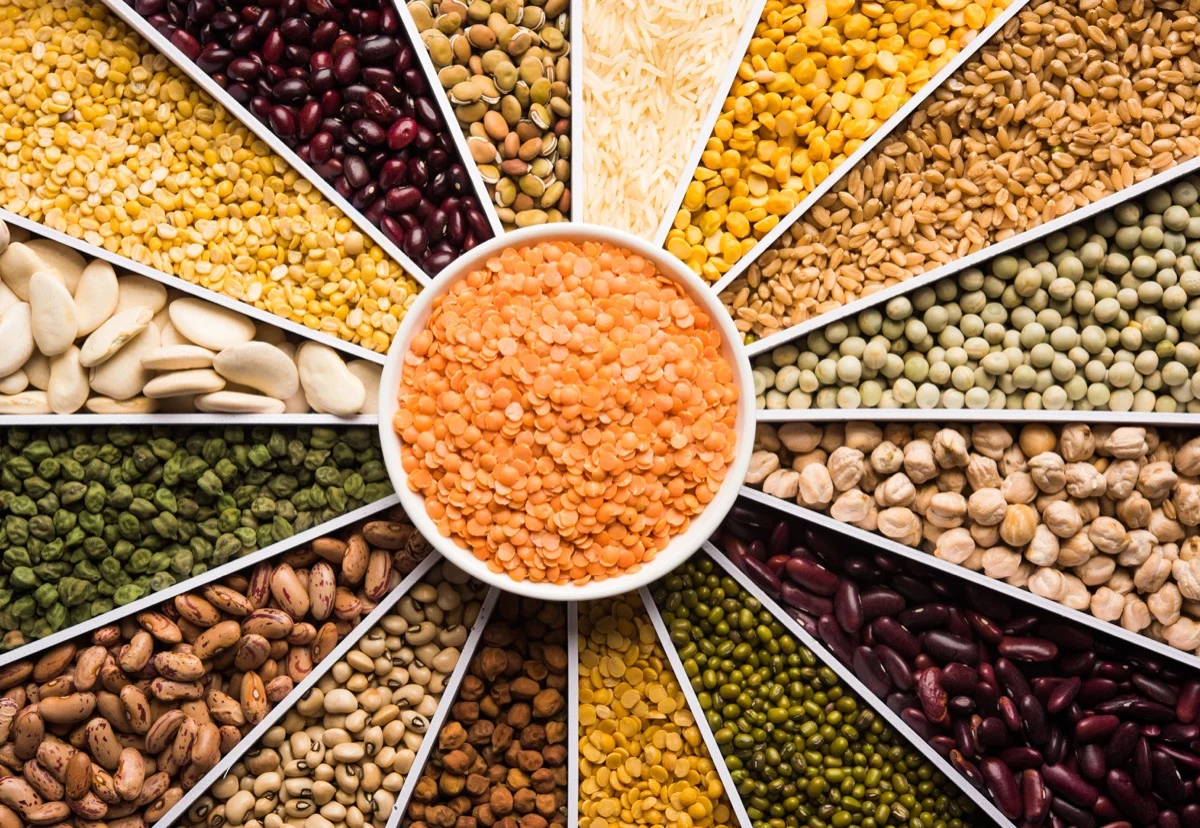
Collingwood identifies beans (such as white, black, and pinto) and lentils as potent belly fat-blasting foods. "High in fiber and protein, they stabilize blood sugar and improve digestion, helping you feel full longer," she states, emphasizing their dual macronutrient benefits. These legumes are foundational in many healthy dietary patterns worldwide.
Nutritional Profile and Mechanism of Action:
Legumes are exceptional sources of both soluble and insoluble dietary fiber. Soluble fiber forms a gel-like substance in the digestive tract, slowing digestion and nutrient absorption, which helps to stabilize blood sugar levels and prolong satiety. Insoluble fiber adds bulk to stool, promoting regular bowel movements and preventing constipation, which can contribute to a bloated appearance. Beyond fiber, beans and lentils are excellent sources of plant-based protein, making them particularly valuable for vegetarians and vegans, but beneficial for all. They also contain resistant starch, a type of carbohydrate that acts like fiber, feeding beneficial gut bacteria and further improving blood sugar control and satiety. Their rich profile of vitamins (e.g., B vitamins) and minerals (e.g., iron, magnesium, zinc) further supports metabolic health. The combined effect of high fiber and protein significantly contributes to feeling full faster and for longer, naturally reducing overall calorie intake.
Practical Integration and Considerations:
Beans and lentils are incredibly versatile and economical. They can be served as a hearty side dish, added to salads, soups, stews, chilis, or even blended into dips like hummus. Canned beans should be rinsed thoroughly to reduce sodium content. For individuals unaccustomed to high-fiber diets, it is advisable to gradually increase intake to allow the digestive system to adjust, preventing potential discomfort like gas and bloating.
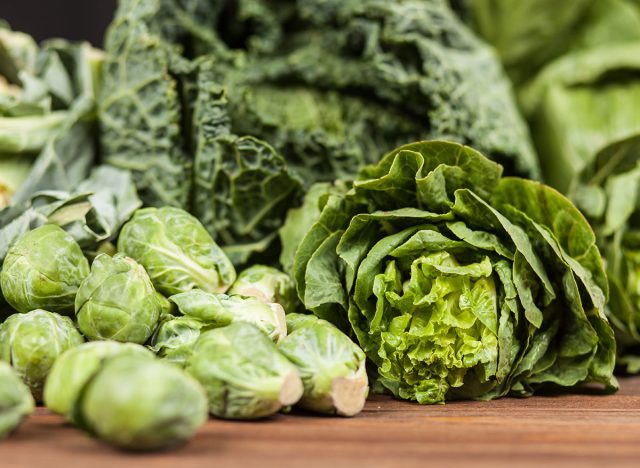
7. Leafy Greens: Nutrient-Dense, Calorie-Sparse
Leafy greens, including spinach, kale, and arugula, are crucial components of a fat-loss diet, according to Collingwood. "Low-calorie, nutrient-dense, and high in fiber—greens aid digestion, reduce bloating, and help create a calorie deficit for fat loss," she explains. This highlights their exceptional nutrient-to-calorie ratio, making them a cornerstone of any healthy eating plan.
Nutritional Profile and Mechanism of Action:
Leafy greens are packed with vitamins (especially K, A, and C), minerals (such as iron, calcium, and magnesium), and a wide array of antioxidants and phytochemicals, all while being remarkably low in calories. Their high water and fiber content contribute significantly to satiety and fullness, allowing individuals to consume large volumes of food without excessive caloric intake. This "volume eating" strategy is highly effective for weight management as it satisfies hunger signals with minimal energy cost, thereby facilitating a calorie deficit necessary for fat loss. The fiber also supports a healthy digestive system, preventing constipation and reducing bloating, which can improve the appearance of the midsection. Their rich antioxidant profile helps reduce inflammation, an important factor in metabolic health and fat accumulation.
Practical Integration and Considerations:
Leafy greens are incredibly adaptable. They can form the base of vibrant salads, be sautéed as a side dish, incorporated into scrambled eggs or omelets, blended into smoothies (especially spinach, which has a mild flavor), or added to soups, stir-fries, and pasta dishes. Regular consumption of a variety of leafy greens ensures a broad spectrum of nutrients and health benefits. Washing them thoroughly is important to remove any residues.
Beyond the Plate: A Holistic Approach to Sustained Fat Loss
Collingwood provides a crucial "bonus tip" that encapsulates the broader, holistic perspective necessary for effective and sustainable fat loss: "Of course, one food alone will not shrink belly fat. Combine these with hydration, exercise, and sleep for best results!" This statement underscores the multifaceted nature of health and weight management, where diet is a powerful but not solitary component.
The Critical Role of Hydration:
Adequate water intake is fundamental for numerous bodily functions, including metabolism. Dehydration can slow down metabolic rate, making fat burning less efficient. Water also plays a role in satiety; sometimes, thirst signals are mistaken for hunger, leading to unnecessary calorie consumption. Drinking water before meals can help reduce appetite and overall food intake. Aiming for at least 8 glasses (approximately 2 liters) of water daily is a general recommendation, though individual needs may vary based on activity level and climate.
The Indispensable Role of Physical Activity:
Regular exercise is non-negotiable for fat loss and overall health. A combination of cardiovascular exercise (e.g., brisk walking, jogging, cycling, swimming) and strength training (e.g., weightlifting, bodyweight exercises) is most effective. Cardiovascular exercise burns calories and improves cardiovascular health, while strength training builds muscle mass. Muscle is metabolically active tissue, meaning it burns more calories at rest than fat, thus increasing basal metabolic rate (BMR). Exercise, particularly high-intensity interval training (HIIT) and resistance training, has been shown to specifically target visceral fat.
The Criticality of Sleep:
Often overlooked, sufficient and quality sleep is a cornerstone of effective weight management. Sleep deprivation disrupts the balance of appetite-regulating hormones: ghrelin (which stimulates hunger) increases, while leptin (which signals satiety) decreases. This hormonal imbalance can lead to increased cravings for high-calorie, sugary foods and greater overall calorie intake. Poor sleep also elevates cortisol levels, a stress hormone that promotes abdominal fat storage. Aiming for 7-9 hours of quality sleep per night is vital.
The Impact of Stress Management:
Chronic stress, similar to sleep deprivation, leads to elevated cortisol levels. Sustained high cortisol levels encourage the body to store fat, particularly around the midsection. Implementing stress-reduction techniques such as mindfulness, meditation, yoga, spending time in nature, or engaging in hobbies can significantly contribute to overall well-being and indirectly support fat loss efforts.
Broader Implications and Public Health Perspective
The prevalence of abdominal obesity and related metabolic diseases represents a significant public health challenge globally. The insights provided by experts like Tara Collingwood offer practical, evidence-based strategies that can be integrated into daily life. Emphasizing whole, unprocessed foods rich in fiber, lean protein, and healthy fats is a message consistently echoed by major health organizations such as the World Health Organization (WHO) and the Academy of Nutrition and Dietetics. This approach moves away from restrictive diets that are often unsustainable and towards a balanced, nutrient-rich eating pattern.
The societal implication of widespread adoption of such dietary principles could be profound, potentially leading to a reduction in the incidence of chronic diseases, lower healthcare costs, and an overall improvement in public health and quality of life. Educating the public on these straightforward, accessible food choices and reinforcing the importance of a holistic lifestyle is crucial in addressing the ongoing obesity epidemic. The consistent message from dietitians and health professionals is clear: there are no magic pills or single foods for fat loss. Instead, it is a consistent commitment to a balanced diet composed of nutrient-dense foods, combined with regular physical activity, adequate sleep, and effective stress management, that yields the most impactful and lasting results.
In conclusion, while the allure of quick fixes for belly fat remains strong, the scientific consensus, reinforced by experts like Tara Collingwood, points to a sustainable, holistic approach. By strategically incorporating avocados, eggs, berries, olive oil, nuts, beans, lentils, and leafy greens into one’s diet, individuals can harness the power of nutrition to enhance satiety, stabilize blood sugar, boost metabolism, and combat inflammation. These dietary adjustments, when synergistically combined with proper hydration, consistent exercise, sufficient sleep, and mindful stress management, form the comprehensive framework for effectively reducing abdominal fat and fostering long-term health and well-being.
