



The long-held belief that late-night snacking inevitably leads to weight gain is being critically re-evaluated by nutritional science, particularly concerning the needs of adults over the age of 55. Far from being a dietary indulgence to be avoided, strategically chosen bedtime snacks can serve as powerful tools to support crucial physiological processes like metabolism, muscle maintenance, and blood sugar control, all of which become more challenging with advancing age. This paradigm shift, championed by leading dietitians, offers a practical and evidence-based approach to healthy aging and sustainable weight management.
Tara Collingwood, MS, RDN, CSSD, LD/N, ACSM-CPT, a Board Certified Sports Dietitian and co-author of the Flat Belly Cookbook for Dummies, emphasizes the unique metabolic landscape of individuals over 55. "After 55, muscle loss and blood sugar fluctuations can make weight management harder. A protein and fiber-rich bedtime snack supports muscle maintenance, better sleep, and appetite control, all of which contribute to fat loss over time," Collingwood states. She clarifies an important distinction: "No food literally burns fat overnight, but the right bedtime snacks can support muscle, metabolism, blood sugar control, and sleep, which influence fat loss." This nuanced understanding underscores a proactive approach to evening nutrition, focusing on supportive physiological functions rather than passive caloric burn.
The Evolving Landscape of Aging and Metabolism

As individuals age, particularly beyond their mid-fifties, several physiological changes occur that significantly impact metabolism and body composition. One of the most prominent is sarcopenia, the progressive and generalized loss of skeletal muscle mass and strength. Research indicates that muscle mass can decline by 3-8% per decade after the age of 30, with this rate accelerating after 60. Muscle is metabolically active tissue, meaning it burns more calories at rest than fat tissue. Consequently, sarcopenia directly contributes to a slowdown in basal metabolic rate (BMR), making it easier to gain weight and harder to lose it. Preserving muscle mass is therefore paramount for maintaining a healthy metabolism in later life.

Beyond muscle loss, hormonal shifts also play a critical role. For women, menopause brings a decrease in estrogen, which can lead to increased abdominal fat accumulation and changes in insulin sensitivity. Men experience a more gradual decline in testosterone, which also impacts muscle mass and fat distribution. Blood sugar regulation often becomes less efficient with age, leading to greater fluctuations. This can manifest as increased cravings, energy dips, and a higher risk of developing insulin resistance or type 2 diabetes. Furthermore, sleep quality frequently deteriorates with age, and numerous studies have established a strong link between poor sleep and adverse metabolic outcomes, including increased appetite, altered hormone levels (like ghrelin and leptin), and reduced insulin sensitivity. Addressing these interconnected challenges through targeted nutritional interventions, such as strategic bedtime snacking, represents a key strategy for healthy aging.
The Science Behind Smart Snacking: Protein, Fiber, and Sleep Synergy
The core principles behind effective bedtime snacks for the over-55 demographic revolve around protein, fiber, and their synergistic effects on blood sugar stability and sleep quality.
-
Protein’s Role: Protein is essential for muscle protein synthesis (MPS), the process by which the body repairs and builds muscle tissue. While MPS occurs throughout the day, providing a source of protein before sleep ensures a steady supply of amino acids for overnight muscle repair and growth. This is particularly crucial for older adults, who often exhibit "anabolic resistance," meaning they require a higher protein intake to stimulate MPS compared to younger individuals. Slow-digesting proteins, such as casein found in dairy products like cottage cheese and Greek yogurt, are particularly beneficial as they release amino acids gradually, sustaining MPS throughout the night.
-
Fiber’s Impact: Dietary fiber plays a critical role in digestive health and blood sugar regulation. Soluble fiber, found in foods like chia seeds, flax seeds, apples, and berries, forms a gel-like substance in the digestive tract, slowing down glucose absorption and preventing sharp spikes and drops in blood sugar. Stable blood sugar levels overnight contribute to better sleep by preventing nocturnal hypoglycemia (low blood sugar) which can trigger cortisol release and disrupt sleep. Fiber also promotes satiety, reducing the likelihood of late-night hunger pangs that could lead to less healthy snack choices.
-
Sleep Quality: The relationship between sleep and metabolic health is bidirectional. While proper nutrition can enhance sleep, quality sleep, in turn, positively impacts metabolism and weight management. Adequate sleep helps regulate hormones involved in appetite control (ghrelin and leptin) and improves insulin sensitivity. Disrupted sleep, conversely, can lead to increased cravings for high-calorie, high-sugar foods, making weight control more challenging. The right bedtime snack, by stabilizing blood sugar and providing a sense of satiety, can promote more restful sleep, creating a virtuous cycle for metabolic health.
Expert Consensus: Shifting Paradigms in Evening Nutrition
The nutritional community broadly supports the concept of mindful evening eating, moving away from blanket bans on nighttime food consumption. Leading health organizations and registered dietitians increasingly advocate for personalized nutrition strategies that consider individual needs, activity levels, and metabolic status. The emphasis for older adults is consistently placed on nutrient density, particularly adequate protein and fiber intake, to counteract age-related physiological changes. This approach is not about adding extra calories unnecessarily but about optimizing nutrient delivery to support vital bodily functions during the overnight fasting period. The consensus underscores that the type of food consumed before bed is far more important than the mere act of eating.
Optimizing Overnight Recovery: Five Dietitian-Approved Bedtime Snacks
Based on these principles, Tara Collingwood and other dietitians recommend specific combinations of protein and fiber to create effective bedtime snacks. These choices are designed to be easily digestible, nutrient-dense, and supportive of metabolic health.

1. Greek Yogurt with Chia or Flax Seeds: A Metabolic Powerhouse
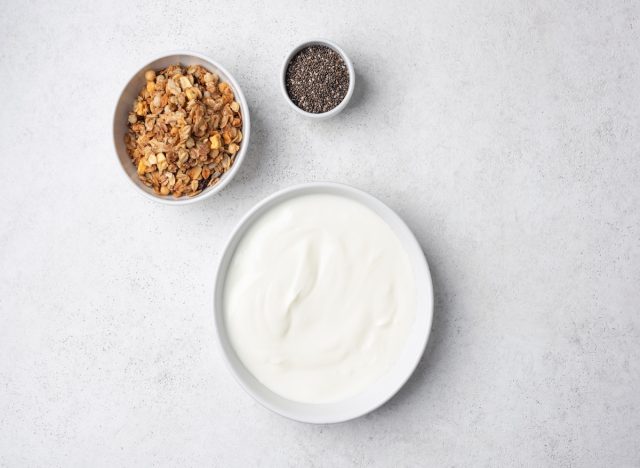
This combination stands out as a prime recommendation. Greek yogurt is renowned for its high protein content, often double that of regular yogurt. It provides both whey protein (fast-acting) and casein protein (slow-digesting), offering sustained amino acid release throughout the night for muscle maintenance and repair. "Greek yogurt provides protein that supports muscle maintenance overnight, which is important because muscle plays a key role in metabolism as we age," Collingwood explains. To this, the addition of chia or flax seeds introduces a significant fiber boost. Chia seeds are a complete protein source themselves and are packed with soluble fiber, which helps stabilize blood sugar. Flax seeds are also rich in fiber and provide alpha-linolenic acid (ALA), an omega-3 fatty acid, which offers anti-inflammatory benefits. "Adding chia or flax brings fiber, which helps stabilize blood sugar while you sleep. This combo supports satiety and prevents late-night hunger," she adds. Opt for plain, unsweetened Greek yogurt to avoid added sugars, and consider a small portion (e.g., 4-6 ounces of yogurt with 1-2 tablespoons of seeds).
2. Cottage Cheese with Berries: Sustained Support for Lean Mass
Cottage cheese, much like Greek yogurt, is an excellent source of casein protein, making it ideal for overnight muscle repair. Its slow-digesting nature ensures a steady supply of amino acids, crucial for combating sarcopenia and maintaining lean muscle mass, which directly influences metabolic rate. "Cottage cheese is rich in slow-digesting protein, which can support overnight muscle repair. That matters later in life, when preserving lean mass helps support fat loss over time," Collingwood notes. Berries, such as blueberries, raspberries, or strawberries, are perfect accompaniments. They are low in sugar, high in fiber, and packed with antioxidants. These antioxidants combat oxidative stress, which can increase with age and contribute to cellular damage. The fiber in berries further aids in blood sugar stabilization, making this a well-rounded snack that satisfies hunger without leading to a sugar crash. A half-cup of cottage cheese with a handful of fresh or frozen berries makes for a delicious and beneficial snack.
3. The Strategic Protein Smoothie: Liquid Nutrition for Restful Repair

For those who prefer a lighter, easier-to-digest option before bed, a small protein smoothie can be highly effective. The key is to keep it simple and nutrient-dense, avoiding excessive sugars or high-calorie additions. "A light smoothie with protein powder, milk or soy milk, and fiber-rich ingredients can support muscle recovery overnight without feeling heavy before bed," Collingwood advises. She highlights its convenience: "This works well for people who don’t want to chew late at night." The base can be milk (dairy or fortified plant-based like soy or almond milk for extra protein and calcium), a scoop of protein powder (whey, casein, or a plant-based blend like pea or rice protein), and a small amount of fiber-rich ingredients such as a handful of spinach (which blends seamlessly and adds nutrients without altering flavor much) or a few berries. Avoid added sweeteners or large amounts of fruit, which can increase sugar content. The liquid format allows for quick absorption of nutrients, supporting muscle recovery without burdening the digestive system.
4. Apple Slices with Nut Butter: Balancing Blood Sugar and Satiety
This classic combination offers a satisfying blend of fiber, healthy fats, and protein. Apples provide soluble fiber, specifically pectin, which aids in digestion and helps regulate blood sugar. When paired with nut butter (almond, peanut, or cashew butter), the healthy monounsaturated and polyunsaturated fats, along with a moderate amount of protein, further slow down sugar absorption. "Fiber from fruit paired with protein and healthy fats helps prevent nighttime blood sugar dips that can disrupt sleep and lead to next-day cravings," Collingwood explains. This combination is particularly effective in promoting satiety and preventing the kind of blood sugar fluctuations that can interrupt sleep or trigger hunger upon waking. "Sleep quality and blood sugar stability are key to weight management," she emphasizes. Opt for natural nut butters without added sugars or hydrogenated oils. A small to medium apple with 1-2 tablespoons of nut butter provides a balanced snack.
5. Handful of Nuts with a Protein Source: A Compact Nutritional Boost
Nuts are a treasure trove of healthy fats, fiber, vitamins, and minerals. They offer a modest amount of plant-based protein and contribute to satiety. However, to maximize their benefits as a bedtime snack, particularly for muscle support, Collingwood suggests pairing them with an additional protein source. "Nuts provide healthy fats and some fiber, but pairing them with a protein source like yogurt or milk helps keep the snack balanced and more filling," she advises. A small handful of almonds, walnuts, or pistachios (rich in magnesium, which can aid sleep) combined with a small glass of milk or a dollop of Greek yogurt creates a synergistic effect. The fats and fiber in nuts contribute to sustained energy release and satiety, while the added protein ensures ample amino acids for overnight repair. Portion control is crucial here, as nuts are calorie-dense. "Portion control matters here, small but satisfying," Collingwood reiterates.

Beyond the Plate: Holistic Lifestyle Factors
While strategic bedtime snacking is a valuable tool, it operates within a broader context of healthy aging. For individuals over 55, a holistic approach to wellness is essential. Regular physical activity, particularly resistance training, is critical for combating sarcopenia and maintaining metabolic health. Adequate hydration throughout the day supports all bodily functions, including metabolism. Stress management techniques, such as mindfulness or meditation, can also positively impact sleep quality and hormone balance, indirectly aiding weight management. Lastly, consistent meal timing and a balanced diet rich in whole foods, lean proteins, and diverse plant-based options form the foundation upon which targeted interventions like bedtime snacks can be most effective.
Implications for Healthy Aging
The implications of adopting these dietitian-recommended bedtime snack strategies extend far beyond mere weight control. By actively supporting muscle maintenance, stabilizing blood sugar, and improving sleep quality, older adults can significantly reduce their risk of age-related health issues such as type 2 diabetes, cardiovascular disease, and metabolic syndrome. Improved muscle mass translates to better mobility, strength, and independence, enhancing overall quality of life. Better sleep contributes to improved cognitive function, mood, and energy levels. This approach empowers individuals over 55 to take proactive steps in managing their health, fostering vitality, and enjoying a higher degree of wellness as they age.
In conclusion, the era of fearing all late-night snacks is giving way to a more informed, science-backed approach. For those over 55, embracing protein and fiber-rich bedtime snacks, as advocated by experts like Tara Collingwood, is not just about satisfying a craving; it’s about strategically nourishing the body to optimize metabolism, preserve muscle, and support overall health through the night.