


The persistent challenge of reducing abdominal fat is a common concern for individuals worldwide, extending beyond mere aesthetics to significant public health implications. Trimming the waistline is a multifaceted endeavor, fundamentally anchored in a synergistic combination of dietary choices and consistent physical activity. In the realm of nutrition, specific foods exhibit superior properties in promoting fat burning and overall metabolic health, as affirmed by leading experts. Tara Collingwood, MS, RDN, CSSD, LD/N, ACSM-CPT, widely recognized as The Diet Diva, a Board-Certified Sports Dietitian and co-author of Flat Belly Cookbook for Dummies, recently shared her expert recommendations for everyday foods that can significantly contribute to the reduction of stubborn abdominal fat. This comprehensive report delves into these seven strategic food choices, supported by scientific rationale and practical integration strategies, along with crucial supplementary lifestyle advice.
Understanding Abdominal Fat: A Critical Health Perspective
Abdominal fat, particularly visceral fat, which accumulates around internal organs, represents a profound health concern. Unlike subcutaneous fat, which lies just beneath the skin, visceral fat is metabolically active, releasing inflammatory compounds and hormones that can disrupt normal bodily functions. Elevated levels of visceral fat are strongly correlated with an increased risk of developing severe chronic conditions, including type 2 diabetes, cardiovascular disease, certain cancers, and metabolic syndrome. The Centers for Disease Control and Prevention (CDC) reported that the prevalence of obesity in the United States was 41.9% from 2017–2020, with a significant proportion of this population exhibiting central adiposity, or excessive abdominal fat. Addressing this specific fat distribution is therefore not solely about achieving a desired physique but is a vital component of preventive healthcare and long-term well-being.

The Scientific Framework of Fat Loss: Beyond Calorie Counting

While a caloric deficit remains the fundamental principle of weight loss, the quality of calories consumed profoundly influences the body’s ability to burn fat, especially in the abdominal region. Key dietary principles for effective fat loss involve prioritizing macronutrients that promote satiety, stabilize blood sugar levels, and enhance metabolic efficiency. Protein, healthy fats, and fiber are paramount in this regard. Protein has a higher thermic effect of food (TEF), meaning the body expends more energy to digest and metabolize it compared to carbohydrates or fats. It also plays a crucial role in preserving lean muscle mass during weight loss, which is metabolically active tissue. Healthy fats, particularly monounsaturated and polyunsaturated fats, contribute to satiety and hormone regulation, while fiber supports digestive health, slows glucose absorption, and promotes sustained fullness. Tara Collingwood’s recommendations align precisely with these established scientific principles, offering practical food solutions that leverage these mechanisms.
Expert Insight: Tara Collingwood’s Strategic Food Choices
Tara Collingwood’s extensive credentials and practical experience position her as an authoritative voice in sports nutrition and weight management. Her role as a Board-Certified Sports Dietitian underscores her understanding of the physiological demands of the human body and how nutrition can optimize performance and body composition. Her co-authorship of Flat Belly Cookbook for Dummies further indicates her ability to translate complex nutritional science into accessible, actionable advice for the general public. The foods she advocates are not exotic superfoods but readily available items, making her guidance both effective and sustainable for integration into daily life.
1. Avocados: The Power of Monounsaturated Fats
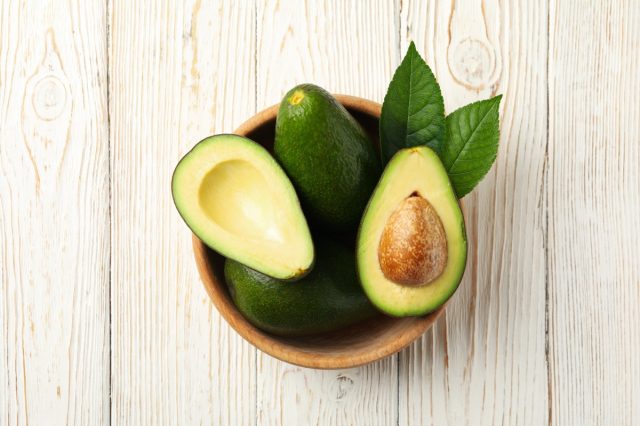
Collingwood unequivocally positions avocados as a primary dietary ally in the quest to reduce abdominal fat. This recommendation is rooted in the fruit’s exceptional nutritional profile, predominantly its high content of monounsaturated fatty acids (MUFAs). "Loaded with healthy fats (monounsaturated), avocados help regulate blood sugar, reduce cravings, and keep you feeling full longer, aiding in belly fat reduction," Collingwood states.
Supporting Data and Mechanisms:
Avocados are rich in oleic acid, a MUFA known for its anti-inflammatory properties and its potential role in reducing abdominal fat. A study published in the Journal of the American Heart Association indicated that a diet rich in MUFAs could help reduce abdominal fat when consumed as part of a calorie-controlled diet. Furthermore, avocados are an excellent source of dietary fiber, with approximately 10 grams per medium avocado. This fiber content contributes significantly to satiety, helping to reduce overall calorie intake by promoting a feeling of fullness and delaying gastric emptying. The combination of healthy fats and fiber also plays a pivotal role in stabilizing blood sugar levels, preventing the sharp spikes and subsequent crashes that can lead to increased cravings and fat storage, particularly around the midsection.
Practical Integration:
While nutrient-dense, avocados are also calorie-dense. A typical serving size is about one-third of a medium avocado. They can be seamlessly incorporated into various meals: sliced into salads for added richness, mashed into avocado toast as a wholesome breakfast, blended into smoothies for creaminess, or served as a flavorful side with lean protein. Mindful portion control is crucial to harness their benefits without exceeding daily caloric targets.
2. Eggs: A Complete Protein Powerhouse
Eggs, long celebrated for their versatility and nutritional value, are another cornerstone of Collingwood’s fat-loss recommendations. She highlights their potent impact on satiety and metabolism. "Packed with high-quality protein, eggs promote satiety, stabilize blood sugar, and help your body burn more calories for digestion (the thermic effect of food)," she explains.
Supporting Data and Mechanisms:
Each large egg contains approximately 6 grams of high-quality protein, encompassing all nine essential amino acids necessary for muscle repair and growth. Research published in the International Journal of Obesity has demonstrated that consuming eggs for breakfast can lead to greater satiety and reduced calorie intake throughout the day compared to a carbohydrate-rich breakfast. The high protein content significantly contributes to the thermic effect of food (TEF), meaning a notable portion of the calories consumed from eggs is expended simply through their digestion and absorption. This metabolic boost, combined with their ability to stabilize blood sugar, makes eggs a powerful tool for preventing energy crashes and subsequent unhealthy snacking. Furthermore, eggs are a rich source of choline, a vital nutrient involved in fat metabolism and liver function.

Practical Integration:
Eggs offer unparalleled flexibility in meal preparation. They can be boiled, scrambled, poached, or used in omelets and frittatas. To manage caloric and fat intake, particularly for individuals with specific dietary restrictions or higher cholesterol concerns, Collingwood suggests mixing whole eggs with egg whites. This strategy allows for an increased protein volume without significantly escalating the overall caloric density or fat content, making them an ideal choice for a nutrient-dense, belly-fat-blasting meal.
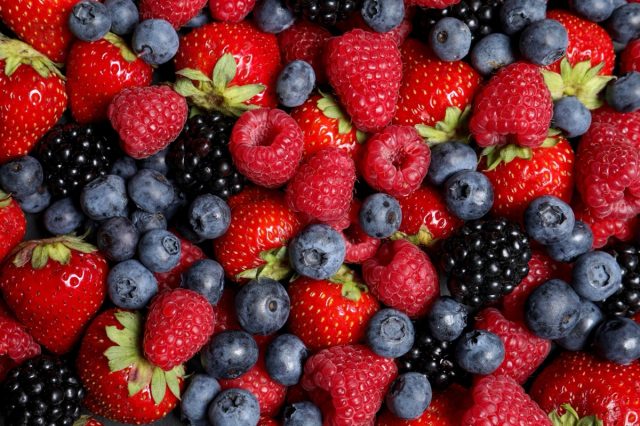
3. Berries: Antioxidants and Fiber for Metabolic Health
Berries, including blueberries, strawberries, and raspberries, are lauded by Collingwood for their exceptional ability to target belly fat. "Berries are low in calories and high in fiber and antioxidants, which fight inflammation and support fat loss, especially around the belly," she notes.
Supporting Data and Mechanisms:
Berries are renowned for their high antioxidant content, particularly anthocyanins, which give them their vibrant colors. These compounds play a critical role in combating oxidative stress and inflammation, both of which are strongly linked to the accumulation of visceral fat and metabolic dysfunction. Chronic low-grade inflammation can hinder fat loss and promote fat storage. By mitigating this inflammation, berries create a more favorable environment for fat reduction. Moreover, berries are an excellent source of dietary fiber, with raspberries boasting an impressive 8 grams per cup. This fiber content contributes to sustained satiety, improved gut health by feeding beneficial bacteria, and more stable blood sugar levels, thereby reducing the likelihood of fat deposition. Their low caloric density allows for generous portions, helping to fill the stomach without contributing excessive calories.
Practical Integration:
Berries are delicious and versatile, equally beneficial whether consumed fresh or frozen. They can be enjoyed as a standalone snack, added to yogurt or oatmeal for a fiber and antioxidant boost, or blended into nutrient-packed smoothies. Their natural sweetness can also help curb cravings for less healthy sugary treats.
4. Olive Oil: The Mediterranean Secret to Fat Metabolism
Despite being a fat, olive oil is championed by Collingwood as a beneficial component for fat burning. She emphasizes its role as a "healthy fat that helps control appetite and supports fat metabolism."
Supporting Data and Mechanisms:
Extra virgin olive oil (EVOO), the highest quality olive oil, is primarily composed of monounsaturated fatty acids (MUFAs), specifically oleic acid. Like avocados, these healthy fats are crucial for promoting satiety and regulating appetite hormones, which can prevent overeating. Furthermore, EVOO is rich in polyphenols and vitamin E, powerful antioxidants that contribute to its anti-inflammatory properties. Chronic inflammation is a known contributor to insulin resistance and increased abdominal fat storage. By reducing inflammation, olive oil supports a healthier metabolic state conducive to fat loss. The Mediterranean diet, which heavily features olive oil, has consistently been associated with lower rates of obesity and chronic diseases, including reduced abdominal circumference, underscoring its efficacy.
Practical Integration:
Collingwood suggests a simple yet effective approach: "A drizzle on salads or in cooking can make a difference without overloading calories." Using extra virgin olive oil as a dressing for salads, a finishing oil for roasted vegetables, or as a cooking medium for lean proteins can enhance flavor while delivering its metabolic benefits. It’s important to use it judiciously due to its caloric density (about 120 calories per tablespoon), but its satiety-inducing properties often lead to overall reduced food intake.
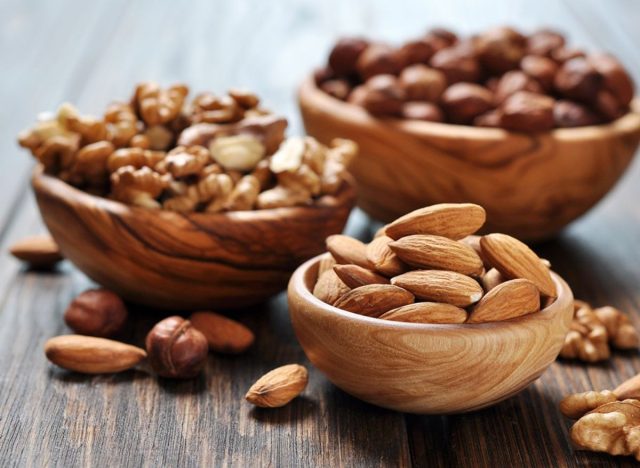
5. Nuts: Smart Snacking for Satiety and Metabolism

Nuts, including almonds, walnuts, and pistachios, are another category of healthy fats recommended by Collingwood for their fat-burning potential. "Rich in healthy fats and protein, nuts help curb cravings, stabilize blood sugar, and promote a healthy metabolism," she states.
Supporting Data and Mechanisms:
Nuts are a powerhouse of nutrition, offering a blend of healthy monounsaturated and polyunsaturated fats, plant-based protein, and dietary fiber. This unique combination makes them highly effective at promoting satiety, thus reducing the likelihood of overeating between meals. Studies published in the Journal of the American Heart Association and Obesity Reviews have indicated that regular nut consumption, as part of a balanced diet, is associated with a lower risk of weight gain, reduced waist circumference, and improved metabolic markers. The fiber content in nuts aids digestion and helps stabilize blood sugar, while their protein further contributes to the thermic effect of food and muscle maintenance. Minerals like magnesium, often found in nuts, are also crucial for energy metabolism.
Practical Integration:
Portion control is particularly important with nuts due to their caloric density. Collingwood advises sticking to "a small handful per day." This measured approach ensures that the benefits of healthy fats, protein, and fiber are reaped without consuming excessive calories. Nuts are an excellent on-the-go snack, can be added to salads for crunch and nutrition, or incorporated into stir-fries and other main dishes.
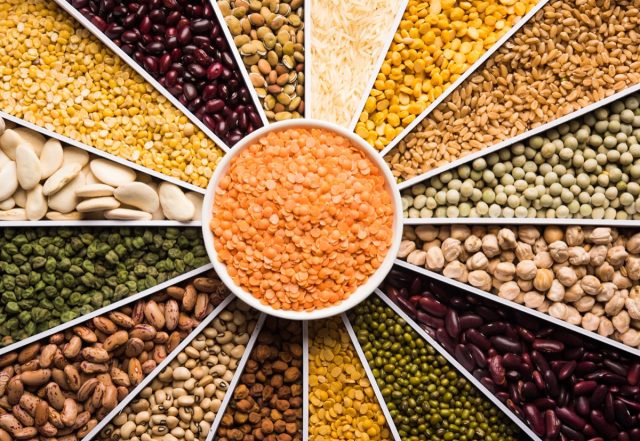
6. Beans and Lentils: Fiber and Protein for Digestive Health
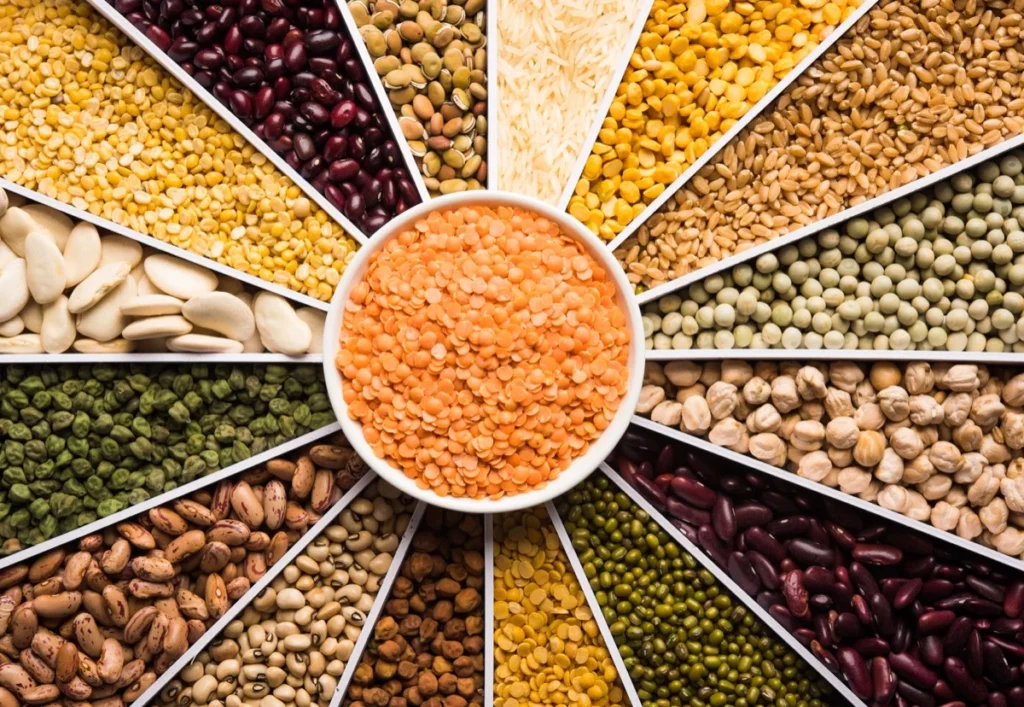
Collingwood identifies beans (white, black, pinto) and lentils as critical belly fat-blasting foods, emphasizing their high fiber and protein content. "High in fiber and protein, they stabilize blood sugar and improve digestion, helping you feel full longer," she explains.
Supporting Data and Mechanisms:
Legumes like beans and lentils are exceptional sources of both soluble and insoluble dietary fiber, as well as plant-based protein. The high fiber content is instrumental in promoting digestive health, preventing constipation, and acting as a prebiotic to nourish beneficial gut bacteria. A healthy gut microbiome is increasingly recognized for its role in weight management and metabolic health. Furthermore, the fiber and complex carbohydrates in beans and lentils lead to a slower, more sustained release of glucose into the bloodstream, preventing blood sugar spikes that contribute to fat storage. Their protein content, combined with fiber, creates a powerful satiety effect, reducing overall food intake. Research in The American Journal of Clinical Nutrition has shown that incorporating legumes into the diet can significantly contribute to weight loss and improved body composition. They also contain resistant starch, a type of carbohydrate that functions like fiber, aiding in gut health and potentially boosting fat oxidation.
Practical Integration:
Beans and lentils are incredibly versatile and economical. They can be served as a hearty side dish, added to soups, stews, and chili, or incorporated into salads for a significant boost of nutrients and satiety. Using dried beans, soaked and cooked, can be more cost-effective and allow for control over sodium content, although canned varieties are convenient if rinsed thoroughly.
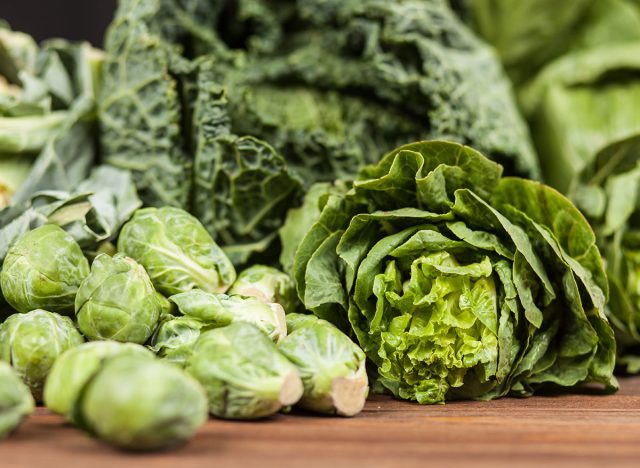
7. Leafy Greens: Nutrient Density with Minimal Calories
Leafy greens, such as spinach, kale, and arugula, round out Collingwood’s list of essential belly fat-burning foods. She underscores their low-calorie, nutrient-dense profile: "Low-calorie, nutrient-dense, and high in fiber—greens aid digestion, reduce bloating, and help create a calorie deficit for fat loss."
Supporting Data and Mechanisms:
Leafy greens are nutritional powerhouses, packed with vitamins (K, A, C), minerals (iron, calcium, magnesium), and phytochemicals, all while being remarkably low in calories. Their high water and fiber content means they provide significant volume, filling the stomach and promoting satiety with minimal caloric impact. This characteristic is crucial for achieving a calorie deficit, which is fundamental for fat loss. The fiber also supports healthy digestion and helps prevent bloating, contributing to a flatter stomach. Many leafy greens also contain nitrates, which have been linked to improved cardiovascular health, and their antioxidant compounds further contribute to reducing inflammation, similar to berries.
Practical Integration:
Leafy greens can form the base of almost any meal. They are excellent in salads, can be sautéed as a flavorful side dish, incorporated into egg scrambles or omelets for added nutrition, or blended into green smoothies. Their mild flavors make them adaptable to a wide range of cuisines and preparations, making it easy to consume significant quantities without culinary fatigue.
Beyond Food: A Holistic Approach to Abdominal Fat Reduction
Collingwood offers a crucial bonus tip that transcends dietary choices, emphasizing that "one food alone will not shrink belly fat. Combine these with hydration, exercise, and sleep for best results!" This holistic perspective is vital for sustainable and effective abdominal fat reduction.
Hydration: Adequate water intake is essential for nearly every bodily function, including metabolism. Water helps transport nutrients, regulate body temperature, and can aid in satiety, often preventing mistaken hunger for thirst. Staying well-hydrated supports the body’s natural detoxification processes and can enhance the efficiency of fat metabolism.
Exercise: Regular physical activity, encompassing both cardiovascular exercise and strength training, is indispensable. Cardiovascular exercise, such as brisk walking, running, or cycling, burns calories and helps reduce overall body fat, including visceral fat. Strength training builds and maintains lean muscle mass, which boosts resting metabolism, meaning the body burns more calories even at rest. A combination of both types of exercise yields the most comprehensive results for body composition.
Sleep: The quality and quantity of sleep profoundly impact weight management. Sleep deprivation disrupts hormones that regulate appetite—ghrelin (which stimulates hunger) and leptin (which signals fullness)—leading to increased cravings, particularly for high-calorie, sugary foods. Lack of sleep also elevates cortisol levels, a stress hormone known to promote abdominal fat storage. Prioritizing 7-9 hours of quality sleep per night is a non-negotiable component of effective fat loss.
Stress Management: Chronic stress also leads to elevated cortisol levels, which can redistribute fat to the abdominal area. Incorporating stress-reduction techniques such as mindfulness, meditation, yoga, or spending time in nature can significantly contribute to a more favorable hormonal environment for fat loss and overall well-being.
Conclusion: A Sustainable Path to Metabolic Health
The journey to reduce abdominal fat is complex but achievable through a strategic and sustainable approach. Tara Collingwood’s expert recommendations for incorporating avocados, eggs, berries, olive oil, nuts, beans, lentils, and leafy greens into the daily diet provide an evidence-based framework for dietary intervention. These foods collectively offer a potent combination of healthy fats, high-quality protein, and abundant fiber and antioxidants, all of which work synergistically to enhance satiety, stabilize blood sugar, reduce inflammation, and optimize metabolic function.
However, as Collingwood rightly emphasizes, dietary adjustments must be integrated into a broader healthy lifestyle. Adequate hydration, consistent physical activity, sufficient sleep, and effective stress management are equally critical pillars supporting the reduction of abdominal fat and promoting long-term metabolic health. By adopting these comprehensive strategies, individuals can move beyond temporary fixes toward a sustainable path of improved health, vitality, and a reduced risk of chronic diseases associated with excessive abdominal adiposity. The implications extend beyond individual well-being, contributing to a healthier public and a more informed approach to nutrition and lifestyle choices.