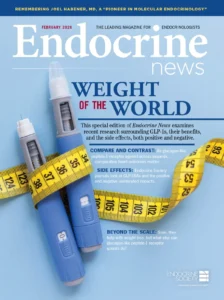










Recent clinical evidence presented at the ENDO 2026 annual meeting suggests that glucagon-like peptide-1 (GLP-1) receptor agonists may provide a dual benefit for men, addressing both metabolic dysfunction and reproductive health. The study, led by Pratibha Natesh, MBBS, MRCP, MRes, an endocrinologist at Warwick Medical School and University Hospitals Coventry and Warwickshire, indicates that these medications can significantly improve testosterone levels and sperm quality in men suffering from obesity-related low testosterone. This finding marks a potential paradigm shift in how clinicians approach male hypogonadism, moving away from simple hormone replacement toward treating the underlying metabolic causes of endocrine disruption.
The research arrives at a time when the global prevalence of obesity continues to rise, bringing with it a secondary epidemic of male reproductive issues. Obesity-related hypogonadism is characterized by a decrease in testosterone production due to the complex interplay between adipose tissue, insulin resistance, and the hypothalamic-pituitary-gonadal (HPG) axis. By utilizing GLP-1 analogs—a class of drugs originally designed for type 2 diabetes and later approved for chronic weight management—researchers are finding that the restoration of metabolic health can naturally recalibrate the male reproductive system.
Methodology and Chronology of the Systematic Review
The study conducted by the team at University Hospitals Coventry and Warwickshire and Warwick Medical School was a comprehensive systematic review and meta-analysis. The researchers began their investigation by scouring major medical databases for published randomized controlled trials (RCTs) that examined the impact of GLP-1 receptor agonists on male reproductive parameters. The inclusion criteria were strict: the trials had to involve men between the ages of 18 and 65 and compare GLP-1 treatments against either a placebo or alternative therapies.

Initially, the researchers identified a broad range of studies focusing on metabolic outcomes. However, through a rigorous screening process involving two independent reviewers to minimize selection bias, the team narrowed the field down to five high-quality clinical trials that specifically met the eligibility criteria for reproductive data. These trials provided a combined look at how drugs like semaglutide and liraglutide influence the male endocrine environment over periods ranging from 16 to 24 weeks.
The primary metrics analyzed included serum testosterone levels, luteinizing hormone (LH), and follicle-stimulating hormone (FSH)—the messengers that signal the testes to produce testosterone and sperm. Beyond hormones, the researchers also scrutinized data regarding sperm concentration, morphology (shape), and motility, as well as broader metabolic indicators such as body weight, glycemic control, and lipid profiles.
Detailed Findings: Semaglutide and Liraglutide Outcomes
The data extracted from the selected trials revealed consistent positive trends, with no evidence suggesting that GLP-1 medications have a detrimental effect on male sexual function or fertility. This is a critical finding, as many medications used for chronic conditions can inadvertently impair reproductive health.
In one specific 24-week study involving semaglutide, researchers observed a notable improvement in sperm morphology. Healthy sperm shape is a vital component of male fertility, as it influences the ability of the sperm to navigate the female reproductive tract and penetrate the egg. Additionally, participants in this trial saw a stabilization of their hormone levels and a significant reduction in cholesterol, suggesting a holistic improvement in cardiovascular and reproductive health.
The 16-week study involving liraglutide focused more specifically on men with obesity and established low testosterone. In this cohort, the administration of the GLP-1 analog led to a measurable increase in total testosterone and related gonadotropins. Perhaps most significantly, the study noted that these men experienced better overall health outcomes compared to those who received traditional testosterone replacement therapy (TRT) alone. While TRT can elevate testosterone levels, it often fails to address the underlying metabolic syndrome and can actually suppress natural sperm production—a side effect that GLP-1 therapy appears to avoid.
The Pathophysiology of Obesity-Related Hypogonadism
To understand the significance of Natesh’s findings, it is necessary to examine the biological link between excess weight and low testosterone. In men with obesity, adipose tissue (fat) does not just store energy; it functions as an active endocrine organ. Adipose tissue contains high levels of the enzyme aromatase, which converts testosterone into estrogen. This creates a feedback loop where high estrogen levels signal the brain to reduce the production of LH and FSH, further lowering testosterone production.
Furthermore, obesity is often accompanied by insulin resistance and systemic inflammation. High levels of insulin can lower the production of Sex Hormone-Binding Globulin (SHBG), the protein that carries testosterone through the blood, thereby reducing the amount of bioavailable hormone. By inducing weight loss and improving insulin sensitivity, GLP-1 medications appear to break this cycle. As the volume of adipose tissue decreases, aromatase activity drops, and the HPG axis can resume its normal function.
Shifting the Treatment Paradigm: Moving Away from TRT
The traditional clinical response to low testosterone in men with obesity has been the prescription of exogenous testosterone. While effective at raising blood levels of the hormone, TRT is increasingly viewed by some specialists as a "Band-Aid" solution that ignores the root cause of the problem. Moreover, exogenous testosterone provides negative feedback to the pituitary gland, which can lead to testicular shrinkage and a total cessation of sperm production, rendering the patient infertile during treatment.
"This work supports a shift away from prescribing testosterone replacement in men with obesity and low testosterone and toward treating the underlying cause—excess weight and poor metabolic health," stated Dr. Pratibha Natesh. She emphasized that by treating the metabolic root, clinicians can naturally restore hormone levels while simultaneously preserving or even enhancing fertility. This is particularly important for younger men who may wish to father children but are struggling with the hormonal consequences of obesity.
Direct vs. Indirect Effects on the Reproductive Axis
A central question remaining for researchers is whether the improvements seen with GLP-1s are purely a result of weight loss (the indirect effect) or if the medications have a direct stimulatory effect on the reproductive system (the direct effect). GLP-1 receptors are found not only in the gut and brain but also in various other tissues throughout the body. There is emerging evidence that these receptors may exist within the hypothalamus or even the testes themselves.
If GLP-1s have a direct impact on the reproductive axis, they could potentially be used to treat certain types of infertility even in patients who do not have significant weight to lose. However, Natesh and her team remain cautious. Current evidence suggests that the majority of the benefits are likely indirect, mediated by the profound metabolic changes and weight reduction that GLP-1s facilitate. Distinguishing between these two pathways will be a primary focus of future research in the field of reproductive endocrinology.
Expert Reactions and Clinical Implications
The presentation at ENDO 2026 has sparked significant interest among endocrinologists and fertility specialists. While the medical community has long known that weight loss improves hormonal health, the use of pharmacological agents like semaglutide to achieve these results offers a more predictable and potent intervention than diet and exercise alone for many patients.
Other experts in the field have noted that while the results are promising, the "small number of studies with varying results" cited by Natesh means that GLP-1s are not yet ready to be labeled as primary treatments for male infertility. Dr. Natesh herself stressed that physicians must remain mindful that GLP-1s have not yet been officially evaluated or approved by regulatory bodies like the FDA or EMA specifically for the treatment of hypogonadism or male factor infertility.
Nevertheless, the data provides a strong foundation for informed decision-making. For patients already considering GLP-1s for weight loss or diabetes management, the potential for improved reproductive health is a significant "side benefit" that may influence their treatment choices.
Future Research and Data Gaps
Despite the positive outlook, the study highlights several gaps in the current body of literature. Most existing trials on GLP-1s were designed to measure weight loss or cardiovascular outcomes as their primary endpoints, with reproductive data often collected as a secondary or exploratory measure. To move toward a formal recommendation, the scientific community requires large-scale, prospective clinical trials where male fertility and testosterone levels are the primary focus.
Future studies will also need to examine the long-term sustainability of these hormonal improvements. It remains to be seen whether testosterone levels remain stable if a patient plateaus in their weight loss or if the benefits are maintained if the medication is discontinued. Furthermore, the impact on specific sperm parameters, such as DNA fragmentation—a key indicator of sperm quality that affects embryo development—requires deeper investigation.
Conclusion: A Holistic Approach to Men’s Health
The research presented by Pratibha Natesh and her colleagues at Warwick Medical School underscores the inextricable link between metabolic and reproductive health. By demonstrating that GLP-1 receptor agonists can safely and effectively improve the hormonal profiles of men with obesity, the study opens new doors for patient care in the field of endocrinology.
The potential to move away from lifelong testosterone replacement therapy in favor of a treatment that restores natural function represents a major advancement in medical philosophy. As Dr. Natesh concluded, "Improving metabolic health can have positive effects far beyond weight alone." For the millions of men worldwide dealing with the dual challenges of obesity and low testosterone, these findings offer a path toward comprehensive health restoration that addresses the body as an integrated system rather than a collection of isolated symptoms. As more robust data becomes available, GLP-1s may become a cornerstone not just of metabolic medicine, but of reproductive recovery as well.