

Efforts to reduce abdominal fat are a widespread health objective, driven by both aesthetic considerations and, more critically, the profound health implications associated with excess visceral fat. This type of fat, stored deep within the abdominal cavity around vital organs, is a known contributor to a range of chronic conditions including cardiovascular disease, type 2 diabetes, and metabolic syndrome. While a comprehensive approach involving regular exercise and caloric management is fundamental, the role of specific dietary choices in targeting and reducing belly fat has garnered significant scientific attention. Recently, Tara Collingwood, MS, RDN, CSSD, LD/N, ACSM-CPT, a Board-Certified Sports Dietitian widely recognized as "The Diet Diva" and co-author of Flat Belly Cookbook for Dummies, shared her expert recommendations for seven everyday foods that can actively contribute to shrinking abdominal fat. These insights underscore the power of nutrient-dense, satiating foods as critical components of an effective fat-loss strategy.
The accumulation of excess abdominal fat, particularly visceral fat, is not merely a cosmetic concern. Unlike subcutaneous fat, which lies just beneath the skin, visceral fat is metabolically active and releases inflammatory compounds and hormones that can disrupt normal bodily functions. This chronic low-grade inflammation contributes to insulin resistance, elevated blood pressure, and adverse cholesterol profiles, collectively increasing the risk of serious health issues. Understanding the mechanisms through which certain foods can influence fat metabolism, satiety, and blood sugar regulation is crucial for effective weight management. Collingwood’s recommendations align with current nutritional science, focusing on foods rich in healthy fats, high-quality protein, and dietary fiber, all of which play pivotal roles in promoting a healthy metabolism and fostering a sustainable calorie deficit. The following foods are not presented as "magic bullets" but rather as powerful allies within a balanced dietary framework.

The Science Behind Fat-Burning Foods
The concept of "fat-burning foods" often evokes images of rapid, effortless weight loss, which can be misleading. In reality, these foods support fat loss by enhancing satiety, stabilizing blood sugar levels, boosting metabolism through the thermic effect of food, and providing essential nutrients that optimize bodily functions. Satiety, or the feeling of fullness, is paramount in preventing overeating and reducing overall caloric intake. Foods rich in protein and fiber are particularly effective at promoting sustained satiety. Blood sugar stability is crucial because spikes and crashes can lead to increased cravings and fat storage, especially around the midsection. Furthermore, some foods require more energy to digest and metabolize than others, a phenomenon known as the thermic effect of food (TEF), with protein having the highest TEF. Anti-inflammatory properties also play a role, as chronic inflammation can impede weight loss and contribute to fat accumulation.
Avocados: A Powerhouse of Healthy Fats
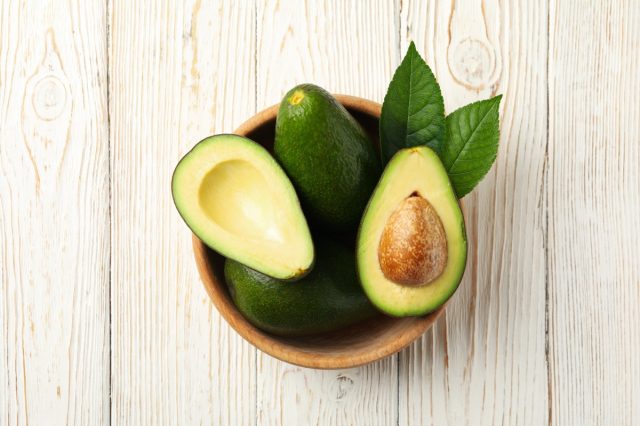
Collingwood’s first recommendation, avocados, highlights the importance of incorporating healthy fats into the diet. "Loaded with healthy fats (monounsaturated), avocados help regulate blood sugar, reduce cravings, and keep you feeling full longer, aiding in belly fat reduction," she explains. Avocados are rich in monounsaturated fatty acids (MUFAs), particularly oleic acid, which have been linked to reduced abdominal fat. Research, such as a study published in the Journal of Nutrition, has shown that daily avocado consumption can lead to a redistribution of belly fat in women, specifically a reduction in visceral fat. Beyond MUFAs, avocados are an excellent source of dietary fiber, with a single medium avocado containing approximately 10 grams. This fiber content contributes significantly to satiety, helping to curb hunger pangs and prevent excessive snacking.
Moreover, avocados provide a wealth of vitamins and minerals, including vitamin K, vitamin C, several B vitamins, vitamin E, and folate, all of which support overall health and metabolic function. For instance, B vitamins are essential cofactors in energy metabolism, ensuring that the body can efficiently convert food into energy rather than storing it as fat. Despite their nutritional density, avocados are calorie-dense, meaning portion control is key. While beneficial, consuming them in excess can lead to a caloric surplus, counteracting fat loss efforts. A quarter to half of an avocado per day is often a recommended serving size, easily integrated into salads, smoothies, or as a spread on whole-grain toast.
Eggs: The Protein-Packed Metabolism Booster
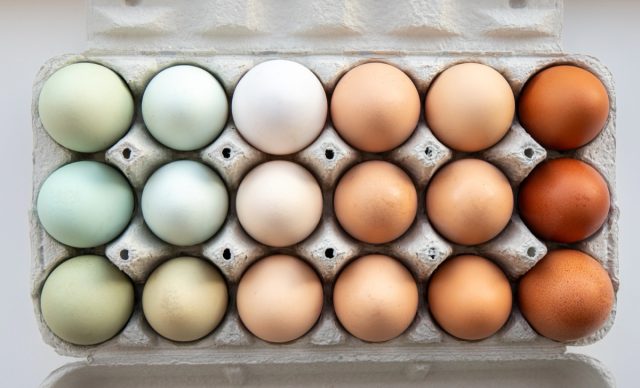
Eggs are lauded by Collingwood as another vital food for weight loss due to their high protein content. "Packed with high-quality protein, eggs promote satiety, stabilize blood sugar, and help your body burn more calories for digestion (the thermic effect of food)," she notes. The protein in eggs is considered "complete," meaning it contains all nine essential amino acids necessary for the body’s physiological functions, including muscle repair and growth. This high-quality protein content is particularly effective at promoting satiety, leading to reduced calorie intake later in the day. A study published in the International Journal of Obesity found that participants who consumed eggs for breakfast experienced greater satiety and consumed fewer calories over the next 36 hours compared to those who ate a bagel breakfast.
The thermic effect of protein is also a significant advantage. Protein requires more energy to digest and metabolize than carbohydrates or fats, meaning a portion of the calories consumed from protein is expended during digestion, slightly boosting overall calorie expenditure. Eggs are also a good source of choline, a nutrient crucial for liver function and fat metabolism, and vitamin D, which plays a role in numerous bodily processes, including immune function and bone health, and has been linked to weight management. To manage calorie and fat intake, Collingwood suggests a practical approach: "Consider mixing an egg or two with egg whites to add protein without much caloric impact." This strategy allows individuals to benefit from the nutrient density of the yolk while increasing the overall protein volume without excessive calories.
Berries: Antioxidant-Rich Allies Against Inflammation
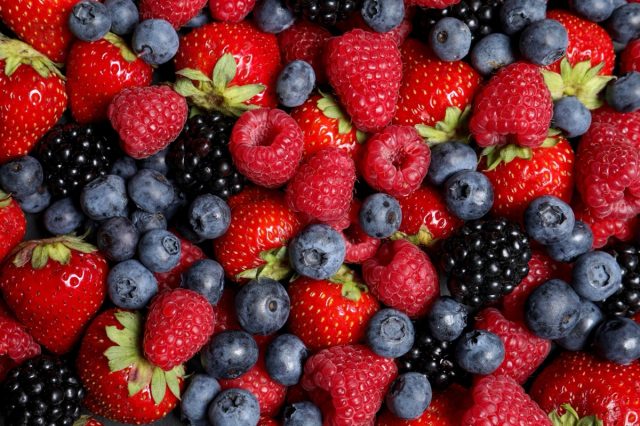
"Berries are low in calories and high in fiber and antioxidants, which fight inflammation and support fat loss, especially around the belly," Collingwood emphasizes. Blueberries, strawberries, raspberries, and blackberries are packed with powerful antioxidants, particularly anthocyanins and flavonoids. These compounds combat oxidative stress and chronic inflammation, which are increasingly recognized as underlying factors in obesity and metabolic dysfunction. Chronic inflammation can disrupt hormone signaling, leading to insulin resistance and increased fat storage, particularly in the abdominal region. By reducing inflammation, berries create a more favorable environment for fat loss.
Furthermore, berries are exceptionally high in dietary fiber, both soluble and insoluble. Soluble fiber forms a gel-like substance in the digestive tract, slowing down digestion and nutrient absorption, which helps stabilize blood sugar levels and prolong satiety. Insoluble fiber adds bulk to stool, promoting regular bowel movements and gut health. Their low caloric density and high fiber content make them an ideal snack or addition to meals, allowing for substantial volume consumption without a significant calorie load. Their natural sweetness can also satisfy cravings for sugary foods, making them a healthier alternative. Whether fresh or frozen, berries can be easily incorporated into yogurt, oatmeal, smoothies, or enjoyed on their own.
Olive Oil: The Healthy Fat for Metabolism Support
Olive oil, particularly extra virgin olive oil (EVOO), is a cornerstone of the Mediterranean diet and a key recommendation for fat loss. Collingwood states, "It’s a healthy fat that helps control appetite and supports fat metabolism. A drizzle on salads or in cooking can make a difference without overloading calories." EVOO is primarily composed of MUFAs, similar to avocados, which have been shown to positively impact satiety hormones like cholecystokinin (CCK), leading to reduced food intake. Studies suggest that MUFAs can also help improve insulin sensitivity and reduce inflammation, both crucial for preventing and reducing visceral fat.
Beyond MUFAs, EVOO is rich in polyphenols and other antioxidants, which contribute to its anti-inflammatory effects. These compounds protect cells from oxidative damage and support overall metabolic health. While olive oil is a healthy fat, it is calorically dense, providing about 120 calories per tablespoon. Therefore, moderation is essential. Using it judiciously as a dressing for salads, for sautéing vegetables, or as a finishing oil for cooked dishes can impart flavor and health benefits without significantly increasing calorie intake. The quality of olive oil matters, with extra virgin varieties offering the most potent health benefits due to minimal processing.
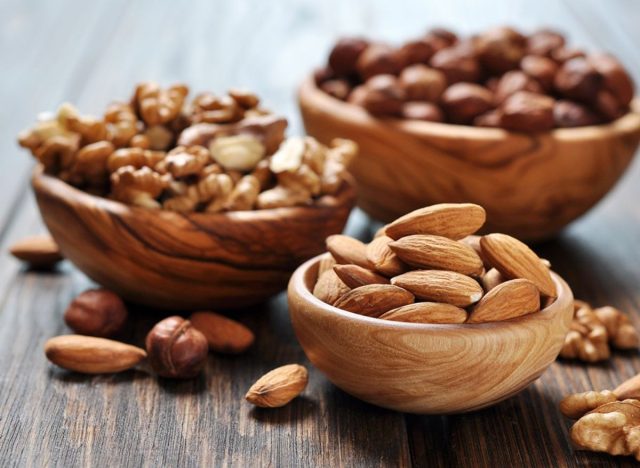
Nuts: A Satisfying Snack for Metabolic Health
Nuts, including almonds, walnuts, and pistachios, are another category of healthy fats recommended by Collingwood. "Rich in healthy fats and protein, nuts help curb cravings, stabilize blood sugar, and promote a healthy metabolism. Just stick to a small handful per day!" she advises. Nuts are a nutrient powerhouse, offering a blend of healthy fats (MUFAs and polyunsaturated fatty acids, including omega-3s in walnuts), plant-based protein, and fiber. This trifecta makes them highly satiating, helping to prevent overeating and reduce overall caloric intake.
Research has consistently linked regular nut consumption to better weight management and a lower risk of obesity. For example, a meta-analysis published in the American Journal of Clinical Nutrition found that increased nut consumption was associated with a decreased risk of weight gain. The fiber in nuts also contributes to digestive health and blood sugar control, while their protein content supports muscle maintenance, which is vital for a healthy metabolism. Despite their benefits, nuts are calorie-dense, making portion control non-negotiable. A "small handful," typically about 1 ounce or 28 grams, provides significant nutritional value without excessive calories. Incorporating them as a mid-day snack, sprinkling them over salads, or adding them to oatmeal can enhance nutrient intake and satiety.
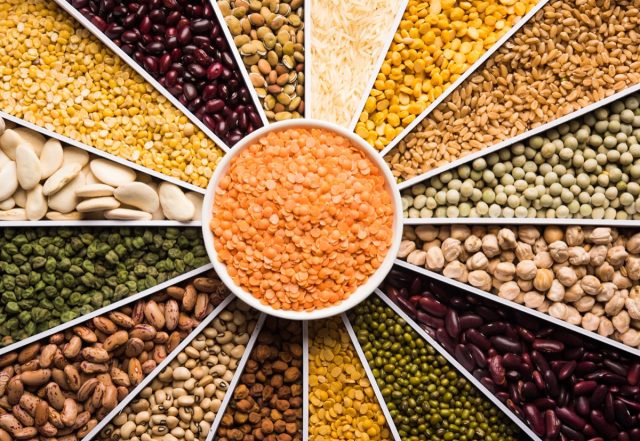
Beans and Lentils: Fiber and Protein Powerhouses
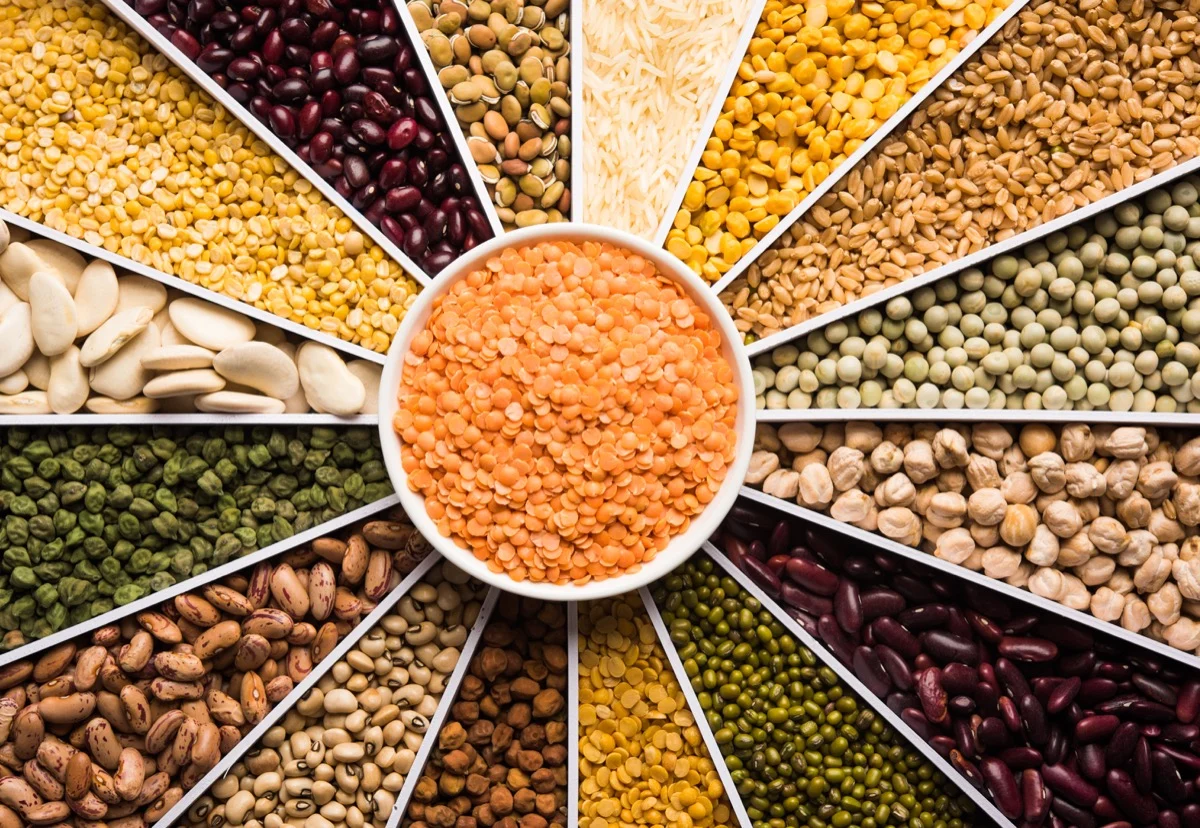
Collingwood identifies beans (white, black, pinto) and lentils as excellent belly fat-blasting foods. "High in fiber and protein, they stabilize blood sugar and improve digestion, helping you feel full longer," she states. Legumes are unique in their combined high content of both dietary fiber and plant-based protein, a combination that makes them incredibly effective for satiety and blood sugar regulation. The soluble fiber in beans and lentils slows gastric emptying, creating a prolonged feeling of fullness and helping to prevent sharp rises and falls in blood glucose levels. This stability is crucial for reducing cravings and avoiding the fat-storing effects of insulin spikes.

Furthermore, beans and lentils are rich in complex carbohydrates and resistant starch, which act as prebiotics, feeding beneficial gut bacteria. A healthy gut microbiome is increasingly recognized for its role in metabolism, weight management, and overall health. Studies have shown that diets rich in legumes can lead to greater weight loss and improved body composition, including reductions in abdominal fat. Their versatility allows them to be incorporated into a wide array of dishes, from soups and stews to salads and side dishes, providing an economical and nutritious boost to any meal.
Leafy Greens: Nutrient Density for Calorie Deficit
For effective fat loss, Collingwood champions leafy greens such as spinach, kale, and arugula. "Low-calorie, nutrient-dense, and high in fiber—greens aid digestion, reduce bloating, and help create a calorie deficit for fat loss," she explains. Leafy greens are the epitome of nutrient density, offering an abundance of vitamins (A, C, K), minerals (iron, calcium, magnesium), and antioxidants for very few calories. This allows individuals to consume large volumes of food, promoting satiety without contributing significantly to caloric intake, thereby facilitating a calorie deficit necessary for weight loss.
The high fiber content of leafy greens supports healthy digestion, helps prevent constipation, and reduces bloating, contributing to a flatter stomach appearance. Their rich antioxidant profile also helps combat inflammation, similar to berries, further supporting metabolic health. From salads and smoothies to sautéed side dishes or additions to egg scrambles, leafy greens are incredibly versatile and can easily be incorporated into every meal, maximizing nutrient intake and promoting a feeling of fullness.
The Holistic Approach: Beyond Just Food
While the selection of specific foods is undeniably powerful, Collingwood underscores a critical "bonus tip" for sustainable and effective belly fat reduction: "Of course, one food alone will not shrink belly fat. Combine these with hydration, exercise, and sleep for best results!" This holistic perspective is paramount, recognizing that dietary choices are but one pillar of overall metabolic health.
Hydration: Adequate water intake is fundamental for numerous bodily functions, including metabolism. Water helps transport nutrients, regulate body temperature, and lubricate joints. Furthermore, drinking water before meals can increase satiety, potentially leading to reduced food intake. Often, thirst is mistaken for hunger, leading to unnecessary caloric consumption.
Exercise: Regular physical activity is indispensable for fat loss, particularly for reducing visceral fat. A combination of cardiovascular exercise (e.g., brisk walking, running, cycling) and strength training (e.g., weightlifting, bodyweight exercises) is most effective. Cardio helps burn calories and improve cardiovascular health, while strength training builds muscle mass, which boosts resting metabolism. High-intensity interval training (HIIT) has also shown particular efficacy in targeting abdominal fat.
Sleep: The importance of sufficient, quality sleep cannot be overstated. Chronic sleep deprivation disrupts hormone regulation, specifically ghrelin (the hunger hormone) and leptin (the satiety hormone), leading to increased appetite and cravings for high-calorie foods. It also elevates cortisol levels, a stress hormone linked to increased abdominal fat storage. Aiming for 7-9 hours of quality sleep per night is crucial for metabolic balance.
Stress Management: Chronic stress, independent of sleep, also triggers the release of cortisol, which promotes the accumulation of visceral fat. Incorporating stress-reducing practices such as meditation, yoga, mindfulness, or spending time in nature can significantly impact overall well-being and fat distribution.
In conclusion, addressing belly fat requires a multifaceted strategy. The foods recommended by Tara Collingwood—avocados, eggs, berries, olive oil, nuts, beans and lentils, and leafy greens—offer powerful nutritional tools to support fat loss by promoting satiety, stabilizing blood sugar, and enhancing metabolic function. However, these dietary components are most effective when integrated into a lifestyle that prioritizes consistent hydration, regular physical activity, adequate sleep, and effective stress management. This comprehensive approach, grounded in scientific understanding and expert guidance, offers a sustainable path toward improved body composition and long-term health. Individuals considering significant dietary changes should always consult with a healthcare professional or registered dietitian to ensure their plan is appropriate for their specific health needs and goals.
