
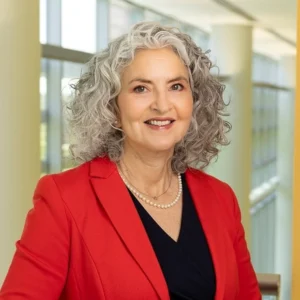








In a strategic move to bolster its leadership in metabolic research and clinical care, NYU Langone Health has announced the appointment of Marcus D. Goncalves, MD, PhD, as the new director of the Holman Division of Endocrinology, Diabetes, and Metabolism. Dr. Goncalves, a distinguished physician-scientist with a focus on the intersection of systemic metabolism and oncology, succeeds Ira J. Goldberg, MD, who has steered the division through a period of significant growth since 2014. While stepping down from the directorship, Dr. Goldberg will remain a vital member of the NYU Langone faculty, continuing his contributions to the field of lipid research and cardiovascular health.
The appointment of Dr. Goncalves represents a pivotal transition for one of the nation’s leading endocrinology programs. Bringing a wealth of expertise from his previous roles at Weill Cornell Medicine and New York-Presbyterian Hospital, Dr. Goncalves is tasked with advancing the division’s three-fold mission: delivering world-class patient care, spearheading groundbreaking scientific inquiry, and training the next generation of endocrine specialists. His leadership comes at a time when the global healthcare landscape is increasingly focused on the metabolic underpinnings of chronic diseases, ranging from type 2 diabetes to advanced stage cancers.
A Legacy of Leadership and Growth
The Holman Division of Endocrinology, Diabetes, and Metabolism at NYU Langone has long been recognized as a center of excellence. Under the ten-year tenure of Dr. Ira J. Goldberg, the division expanded its clinical footprint and research output, consistently ranking among the top programs in the United States. Dr. Goldberg’s leadership was characterized by a commitment to understanding how lipid metabolism influences vascular disease, a critical area given the high prevalence of heart disease among diabetic patients.

During his decade at the helm, Dr. Goldberg oversaw the recruitment of numerous high-caliber faculty members and the expansion of specialized clinics. His transition back to full-time faculty work allows the division to retain his immense institutional knowledge while opening the door for Dr. Goncalves to implement a fresh vision centered on multidisciplinary metabolic health. The transition is viewed by hospital leadership as a seamless evolution of the division’s long-term strategy to integrate basic science with clinical application.
Profile of a Physician-Scientist: Marcus D. Goncalves
Dr. Marcus D. Goncalves joined the NYU Langone community in 2024, quickly establishing himself as a key figure within the NYU Grossman School of Medicine. In addition to his new role as division director, he serves as the Clarissa and Edgar Bronfman, Jr., Associate Professor of Endocrinology. His academic appointments are notably diverse, reflecting the interdisciplinary nature of his work; he holds positions in both the Department of Medicine and the Department of Radiation Oncology.
As the director of Systemic Metabolism Research, Dr. Goncalves has dedicated much of his career to investigating how the body’s metabolic state influences disease progression. His research laboratory is particularly renowned for its work on "cachexia"—a debilitating muscle-wasting syndrome common in patients with chronic illnesses like cancer and heart failure. By studying the hormonal and nutritional drivers of cachexia, Dr. Goncalves aims to develop therapies that can improve both quality of life and survival rates for patients with advanced disease.
Beyond cachexia, Dr. Goncalves has made significant contributions to the understanding of dietary impacts on health. His research into the metabolic effects of fructose and other dietary sugars has provided critical insights into the development of obesity and insulin resistance. His work suggests that the way the body processes specific nutrients can fundamentally alter endocrine signaling, potentially fueling the growth of certain types of tumors. This "metabolism-first" approach to oncology and endocrinology has earned him national recognition and consistent funding from the National Institutes of Health (NIH).
Strategic Priorities for the Holman Division
As Dr. Goncalves assumes the directorship, he has outlined a comprehensive roadmap for the division’s future. His priorities reflect a modern understanding of endocrinology as a field that intersects with almost every other medical specialty.
1. Strengthening Core Clinical Programs
NYU Langone is already a destination for patients with complex endocrine disorders. Dr. Goncalves intends to further refine and expand the division’s core programs in diabetes management, thyroid disorders, and pituitary disease. This includes the adoption of the latest medical technologies, such as advanced continuous glucose monitors (CGMs) and automated insulin delivery systems, ensuring that patients have access to the most sophisticated tools for managing chronic conditions.
2. Expanding Multidisciplinary Initiatives
Recognizing that metabolic health does not exist in a vacuum, Dr. Goncalves is championing the expansion of multidisciplinary care models. This includes a specific focus on:
- Bone Health: Integrating endocrinology with orthopedics and rheumatology to treat osteoporosis and metabolic bone diseases.
- Obesity Medicine: Developing comprehensive weight management programs that combine medical, nutritional, and surgical interventions.
- Onco-Endocrinology: Formalizing the link between cancer care and endocrine health, particularly in managing the metabolic side effects of chemotherapy and radiation.
3. Accelerating the Research Pipeline
A central pillar of the new director’s vision is the growth of investigator-initiated and industry-sponsored clinical trials. By creating a robust infrastructure for clinical research, the Holman Division aims to shorten the gap between laboratory discoveries and bedside treatments. Dr. Goncalves is particularly interested in trials that explore how dietary interventions and metabolic drugs (such as SGLT2 inhibitors or GLP-1 receptor agonists) can be used in novel ways to treat non-traditional endocrine conditions, including certain cancers.

The Broader Context of Metabolic Health in America
The appointment of Dr. Goncalves arrives at a critical juncture for public health in the United States. According to the Centers for Disease Control and Prevention (CDC), more than 38 million Americans have diabetes, and approximately 97 million adults have prediabetes. Furthermore, the obesity rate in the U.S. continues to hover around 42%, contributing to a surge in metabolic syndrome and related complications.
New York City, in particular, faces unique challenges. Data from the NYC Department of Health and Mental Hygiene indicates that diabetes prevalence is significantly higher in lower-income neighborhoods, highlighting the need for a division that not only performs high-level research but also focuses on health equity and community outreach. Dr. Goncalves’s focus on translating "discovery into better care" is expected to manifest in programs that improve access to specialized endocrine care across NYU Langone’s diverse patient population.
The rise of new classes of metabolic medications, such as GLP-1 agonists, has also transformed the field. These drugs, originally developed for type 2 diabetes, are now being utilized for weight loss and are showing promise in reducing cardiovascular risk and treating fatty liver disease. Under Dr. Goncalves’s leadership, the Holman Division is poised to be at the forefront of studying these "blockbuster" drugs and determining their long-term impact on systemic metabolism.
Official Responses and Institutional Impact
The transition in leadership has been met with enthusiasm from the NYU Langone administration. Hospital leaders emphasize that Dr. Goncalves’s unique background as both a clinician and a researcher makes him the ideal candidate to navigate the complexities of modern academic medicine.
In his own statement regarding the appointment, Dr. Goncalves expressed a deep sense of responsibility and optimism. "I am honored to lead the division and to build on the extraordinary foundation established by Dr. Goldberg and our faculty," he stated. "Our goal is to bring the very best science to our patients—through innovative clinical trials, expanding and refining our subspecialty programs, and fostering multidisciplinary collaboration that leads to new therapies and better outcomes while reinforcing NYU Langone’s position as a destination for complex endocrine care."
Colleagues within the Department of Medicine have also noted that Dr. Goncalves’s appointment reinforces NYU Langone’s reputation for recruiting top-tier talent from other prestigious institutions. His move from Weill Cornell is seen as a testament to the growing influence and resources available at NYU Langone, which has seen its national rankings climb steadily over the past decade.
Analysis: Implications for the Future of Endocrinology
The shift in leadership at the Holman Division signals a broader trend in medicine: the "metabolic turn." For decades, endocrinology was often viewed through the lens of individual hormone deficiencies or excesses. Today, the field is increasingly focused on how systemic metabolic health—the way the body generates and uses energy—serves as the foundation for overall wellness.
By appointing a director who specializes in the intersection of metabolism and cancer, NYU Langone is betting on a future where endocrine care is more integrated into specialty medicine. For example, the treatment of a cancer patient may soon involve a metabolic specialist who manages the patient’s insulin levels to starve a tumor of its energy source, while simultaneously treating cachexia to preserve muscle mass.
Furthermore, the emphasis on clinical trials suggests that NYU Langone intends to compete more aggressively for federal research grants and private-sector partnerships. As the cost of drug development rises, academic medical centers that can provide a "one-stop shop" for clinical research—from basic science labs to a diverse patient pool—will hold a significant advantage.
Conclusion
The appointment of Marcus D. Goncalves, MD, PhD, marks the beginning of a new chapter for the Holman Division of Endocrinology, Diabetes, and Metabolism. With a clear focus on multidisciplinary collaboration, innovative research, and the translation of scientific data into clinical practice, Dr. Goncalves is well-positioned to lead the division into an era where metabolic health is central to the prevention and treatment of the world’s most pressing diseases.
As Dr. Goldberg passes the torch, the division remains a cornerstone of NYU Langone’s mission to provide exceptional care. The medical community will be watching closely as Dr. Goncalves implements his vision, potentially setting new standards for how endocrine divisions operate in the 21st century. For patients, the move promises a future where the most advanced science is not just a laboratory concept, but a tangible part of their daily care and long-term health outcomes.