







A growing body of scientific evidence has identified a significant link between common environmental chemicals and adverse maternal health outcomes, specifically regarding the development of hypertension during pregnancy. According to a comprehensive study published in the Journal of the Endocrine Society, phthalates—a class of synthetic chemicals found in a vast array of consumer products ranging from plastics to personal care items—may contribute to elevated blood pressure in pregnant women. This research, led by experts from the Harvard T.H. Chan School of Public Health, suggests that exposure to these endocrine-disrupting chemicals represents a modifiable risk factor for hypertensive disorders of pregnancy, such as preeclampsia, which remain a leading cause of maternal morbidity and mortality in the United States.
The Pervasiveness of Phthalates in Modern Life
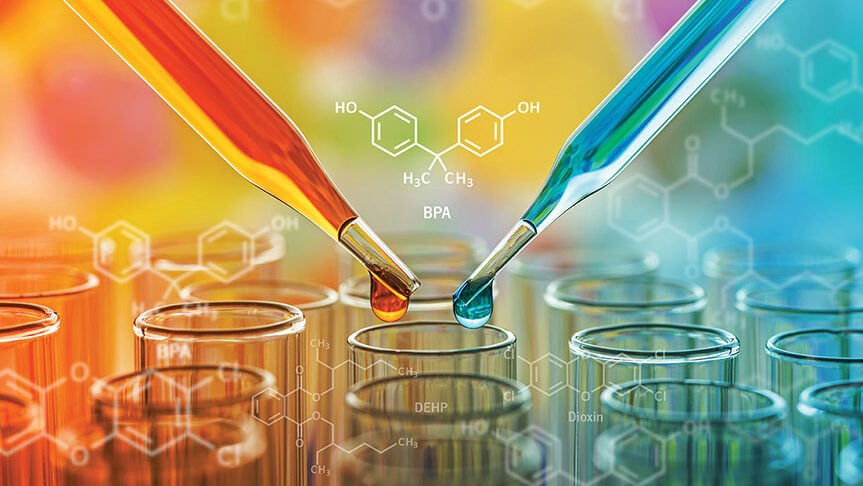
Phthalates are often referred to as "everywhere chemicals" due to their ubiquity in the modern environment. They are primarily used as plasticizers to make polyvinyl chloride (PVC) plastics more flexible and durable, and as solvents in personal care products to help stabilize fragrances and improve the absorption of lotions. These chemicals are found in everything from vinyl flooring and medical tubing to shampoos, perfumes, nail polishes, and food packaging.
Because phthalates are not chemically bound to the products in which they are used, they easily leach into the environment. Humans are exposed through ingestion, inhalation, and dermal contact. Once they enter the body, phthalates are rapidly metabolized and excreted in urine, which allows researchers to measure recent exposure levels with high accuracy. The endocrine-disrupting nature of these chemicals means they can mimic, block, or interfere with the body’s natural hormones, potentially leading to systemic physiological changes, including those that regulate cardiovascular health.

Understanding the Maternal Health Crisis
The implications of this study are particularly poignant given the current state of maternal health in the United States. Hypertensive disorders of pregnancy (HDP) affect approximately 5% to 10% of pregnancies globally and are rising in prevalence. Preeclampsia, characterized by high blood pressure and signs of damage to another organ system (often the liver or kidneys), can lead to fatal complications for both the mother and the fetus if left unmanaged.
High blood pressure during gestation is not merely a temporary complication of pregnancy; it has long-term health consequences. For the mother, it increases the lifetime risk of cardiovascular disease, stroke, and chronic hypertension. For the child, it is associated with intrauterine growth restriction, preterm birth, and an increased risk of developing metabolic and cardiovascular issues later in life. While traditional risk factors like obesity, advanced maternal age, and family history are well-documented, the role of environmental toxins has remained a critical, yet under-researched, piece of the puzzle.
Study Methodology and Participant Chronology
The research team, led by Kimberly Parra, PhD, of the Harvard T.H. Chan School of Public Health, utilized data from The Environmental Reproductive and Glucose Outcomes (ERGO) study. This prospective cohort study followed 338 pregnant women in the Boston area, providing a detailed look at chemical exposure and physiological responses over the course of pregnancy.
The study followed a rigorous chronological framework, measuring phthalate concentrations and blood pressure at three distinct intervals during the gestational period. This longitudinal approach allowed researchers to assess how chemical exposure early in pregnancy might influence health outcomes in the later trimesters. By analyzing urine samples for various phthalate metabolites and replacement chemicals, the team could distinguish between different types of phthalate exposure—specifically those linked to industrial plastics versus those found in personal care products.
Detailed Findings: The Fragrance Connection
The researchers found a clear correlation between higher concentrations of specific phthalates and increased blood pressure readings. Specifically, women with higher urinary levels of phthalates commonly used in personal care products and those associated with synthetic fragrances exhibited higher systolic and diastolic blood pressure.
Systolic blood pressure (the top number) measures the pressure in the arteries when the heart beats, while diastolic blood pressure (the bottom number) measures the pressure when the heart rests between beats. Both markers are critical for diagnosing hypertension. The study noted that approximately 13% of the participants developed a clinical hypertensive disorder during their pregnancy. Those with the highest levels of exposure to fragrance-related phthalates were significantly more likely to fall into this category.
"Our study suggests that having higher concentrations of personal care products-associated chemicals, known as phthalates, in the body might contribute to elevated blood pressure in pregnancy," stated Dr. Parra. She emphasized that while the study establishes a strong association rather than a direct cause-and-effect relationship, the data points toward a need for precautionary measures.
The Role of Replacement Chemicals
A significant aspect of this study was its focus on "replacement chemicals." As public awareness of the dangers of traditional phthalates like DEHP (di(2-ethylhexyl) phthalate) has grown, many manufacturers have transitioned to alternative chemicals. However, these replacement chemicals often share similar molecular structures and may carry similar health risks—a phenomenon often referred to by toxicologists as "regrettable substitution."
The Harvard-led team analyzed whether these newer chemicals also impacted blood pressure. The findings suggested that the threat is not limited to legacy phthalates; the entire class of chemicals, including their modern replacements, requires closer scrutiny. This highlights a regulatory challenge: as one chemical is restricted, others with potentially similar endocrine-disrupting profiles enter the market, often without exhaustive safety testing regarding their impact on pregnant populations.
Expert Analysis and Official Responses
The study was a collaborative effort involving several prestigious institutions, including the Beth Israel Deaconess Medical Center, Harvard Medical School, and the Centers for Disease Control and Prevention (CDC). The involvement of the CDC’s Antonia Calafat and Julianne Cook Botelho underscores the public health significance of these findings, as the CDC is responsible for national biomonitoring of chemical exposures.
Experts in maternal-fetal medicine suggest that these findings should prompt a shift in how clinicians advise pregnant patients. "While our study does not show that phthalates cause high blood pressure during pregnancy, it suggests that reducing exposure to this class of chemicals… may be a way to address high blood pressure in pregnancy and improve pregnancy health," Parra noted.
The recommendation is practical: pregnant women may benefit from choosing "fragrance-free" products and limiting the use of plastics in food preparation and storage. However, experts also acknowledge that individual consumer choices can only go so far when these chemicals are so deeply embedded in the industrial supply chain.
Broader Implications for Public Health Policy
The data from the ERGO study adds to a growing mountain of evidence suggesting that current chemical regulations may be insufficient to protect vulnerable populations. From a policy perspective, the study supports the call for more transparent labeling of ingredients in personal care products. Currently, "fragrance" is often listed as a single ingredient on labels, but it can contain a cocktail of dozens of undisclosed chemicals, including phthalates.
Furthermore, the study raises questions about environmental justice. Previous research has shown that exposure to endocrine disruptors is often higher in lower-income communities and among women of color, who may live in areas with higher pollution or have access to a more limited range of personal care products. If phthalates contribute to pregnancy-related hypertension, they may also be contributing to the stark racial and socioeconomic disparities seen in maternal mortality rates in the U.S.
Future Research Directions
While the findings are compelling, the research team emphasized the need for further investigation. One area of particular interest is the biological mechanism by which phthalates influence blood pressure. Dr. Parra suggested that these chemicals might drive changes in estrogen-related pathways, which play a vital role in vascular health and the body’s ability to adapt to the increased blood volume required during pregnancy.
Future studies will likely examine:
- The synergistic effects of multiple chemical exposures (the "exposome").
- The impact of phthalates on the placenta, which regulates blood flow between mother and fetus.
- The long-term cardiovascular health of children born to mothers with high phthalate exposure.
- The effectiveness of "phthalate-free" interventions in reducing gestational blood pressure.
Conclusion
The study titled "Associations of Urinary Phthalate Metabolite and Replacement Chemical Concentrations with Gestational Blood Pressure" serves as a critical reminder of the intersection between environmental science and clinical medicine. As the medical community continues to grapple with rising rates of maternal hypertension, the role of everyday chemical exposure can no longer be ignored.
By identifying fragrance-associated phthalates as a potential risk factor, the research provides a tangible path for risk reduction. While systemic change in chemical manufacturing and regulation is the ultimate goal, providing pregnant women with the knowledge to reduce their personal exposure may offer an immediate, if partial, solution to a pressing public health crisis. The work of the Harvard T.H. Chan School of Public Health and its partners continues to shed light on the invisible environmental factors that shape the health of the next generation.