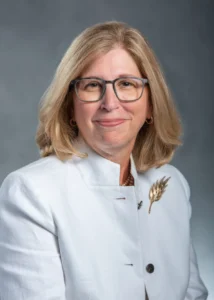









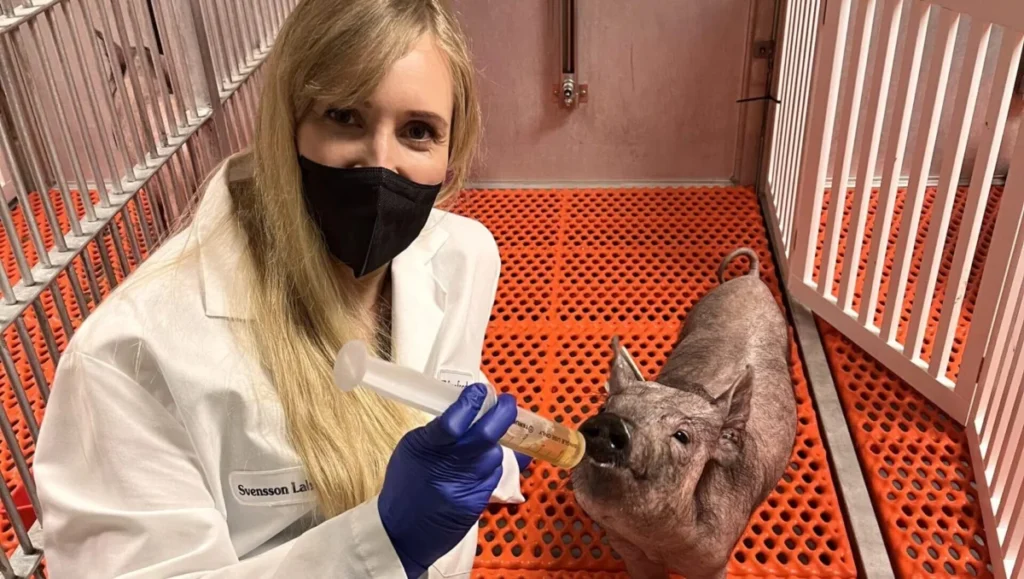
The Endocrine Society has officially named Katrin Svensson, PhD, as the recipient of the 2026 Richard E. Weitzman Outstanding Early Career Investigator Award, a distinction that highlights her transformative contributions to the understanding of endocrine signaling and metabolic homeostasis. As an associate professor in the Department of Pathology at Stanford University and the Metabolic Core Director at the Stanford Diabetes Research Center, Dr. Svensson has distinguished herself through the discovery of novel secreted proteins that regulate glucose and lipid metabolism. This prestigious accolade, part of the Society’s annual Laureate Awards, recognizes individuals who have demonstrated exceptional promise and whose research is poised to exert a long-term influence on the field of endocrinology.
The recognition of Dr. Svensson comes at a critical juncture in global health. With the prevalence of metabolic disorders such as type 2 diabetes and obesity reaching record levels, the scientific community is increasingly focused on identifying non-traditional signaling pathways that could serve as therapeutic targets. Dr. Svensson’s work, which focuses on the "hidden conversations" between cells, offers a new paradigm for treating insulin resistance and appetite dysregulation. By uncovering proteins like Isthmin-1 and BRINP2-related peptide (BRP), her laboratory is bridging the gap between fundamental mechanistic science and clinical application.
The Significance of the Richard E. Weitzman Award
The Richard E. Weitzman Outstanding Early Career Investigator Award is one of the highest honors bestowed by the Endocrine Society upon scientists in the early stages of their independent careers. Established to honor the legacy of Richard E. Weitzman, a respected researcher known for his work on vasopressin and hormone action, the award is strictly merit-based, evaluating the totality of a candidate’s scientific output rather than a single breakthrough.

For the 2026 cycle, the selection committee emphasized the importance of curiosity-driven discovery. Dr. Svensson’s selection reflects a shift in the field toward valuing the identification of previously unknown endocrine systems. In an era where much of metabolic research is focused on refining existing treatments, such as GLP-1 receptor agonists, Dr. Svensson’s pursuit of "dark matter" in the proteome—peptides and ligands with unknown functions—represents a high-risk, high-reward approach to pathology. The award serves not only as a personal milestone for Dr. Svensson but also as a validation of the exploratory methodology employed by her team at Stanford.
A Chronological Trajectory of Scientific Excellence
Dr. Svensson’s path to the 2026 Laureate Award is marked by a consistent focus on how cells interact with their environment. Her academic journey began in Sweden at Lund University, where she earned both her Master of Science and her PhD. During her doctoral studies, which commenced in 2007, she focused on the tumor microenvironment, specifically investigating angiogenesis—the process through which tumors develop new blood vessels to source nutrients. This early work in oncology provided her with a foundational understanding of intercellular communication, though her interests eventually shifted from the pathological signaling of cancer to the physiological signaling of healthy metabolism.
In 2013, Dr. Svensson moved to the United States to pursue postdoctoral training at Harvard Medical School under the mentorship of Bruce Spiegelman, PhD. Dr. Spiegelman, a titan in the field of metabolic biology known for discovering the "browning" of white fat, had a profound influence on her career. It was in his laboratory that Dr. Svensson began to investigate how secreted peptides and hormones regulate systemic physiology across different organ systems. This period was instrumental in shaping her belief that the human body contains numerous "hidden" endocrine systems that remain to be mapped.
In 2018, she joined the faculty at Stanford University, establishing the Svensson Lab within the Department of Pathology. Since then, she has ascended to leadership roles, including Affinity Group Leader at the Stanford Diabetes Research Center. Her rapid progression from a junior faculty member to a tenured associate professor and a recognized Laureate underscores the velocity and impact of her research program.
Breakthrough Discoveries: Isthmin-1 and BRP
The cornerstone of Dr. Svensson’s research is the discovery of Isthmin-1 (ISM1), a secreted protein that has profound implications for the treatment of diabetes. In a landmark study, her lab demonstrated that ISM1 functions as an "adipokine"—a signaling molecule secreted by fat tissue—that regulates glucose uptake in muscle and adipose cells. Critically, ISM1 operates through a signaling pathway that is independent of the insulin receptor. This discovery is of paramount importance for patients with type 2 diabetes, who often suffer from insulin resistance. By bypassing the traditional insulin signaling route, ISM1-based therapies could potentially lower blood sugar levels in patients who no longer respond effectively to insulin.
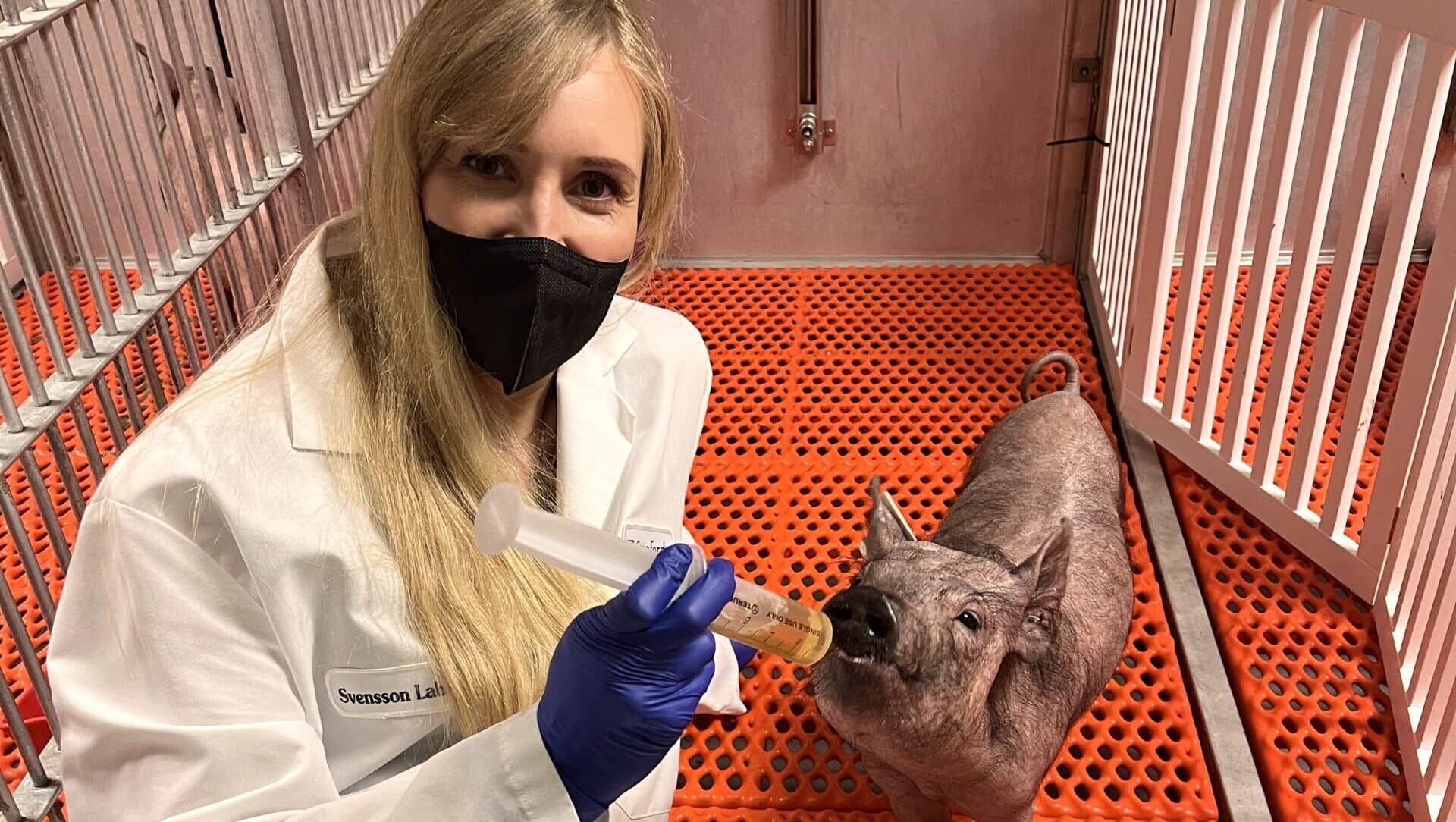
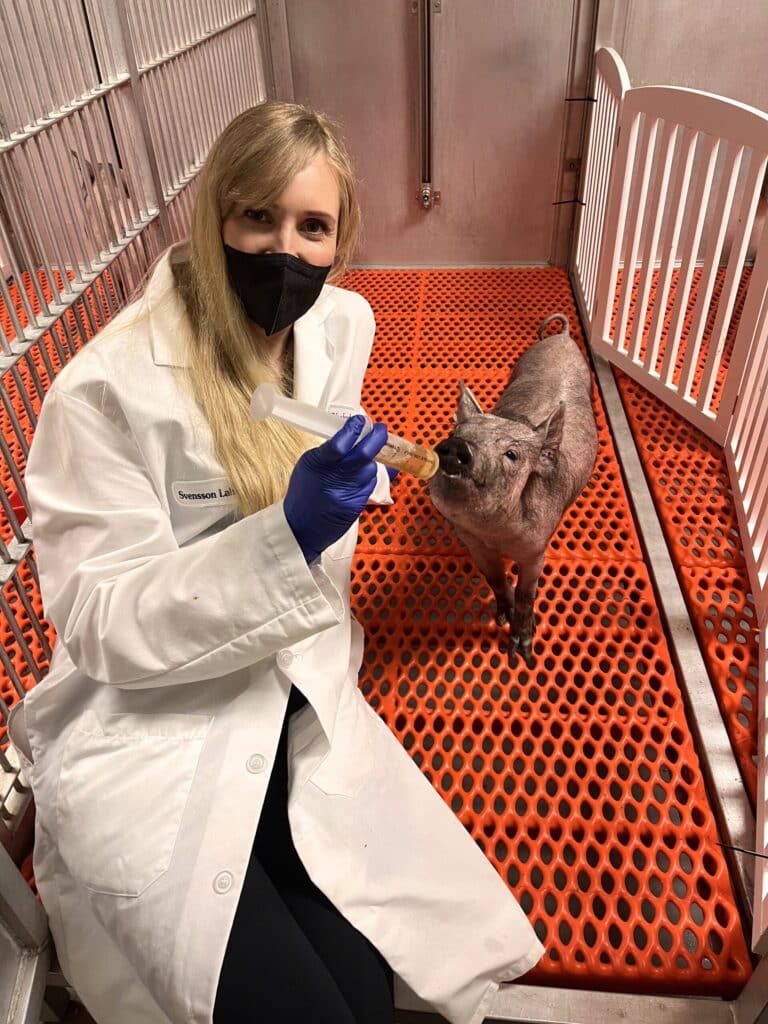
In addition to ISM1, the Svensson Lab identified the BRINP2-related peptide (BRP), a non-incretin peptide with potent anti-obesity properties. Unlike current weight-loss medications that primarily target the incretin system (such as GLP-1 and GIP), BRP offers a different mechanistic approach to appetite suppression and energy expenditure. Dr. Svensson’s research has extended beyond rodent models; her lab conducted successful trials in piglets, demonstrating that BRP significantly reduced appetite in a species with a digestive system more closely resembling that of humans.
To accelerate these discoveries, Dr. Svensson’s group developed advanced computational methods to predict new peptides and ligand-receptor pairs. This "in-silico" approach allows researchers to scan the genome for potential signaling molecules before validating them in the lab, significantly reducing the time required to identify novel endocrine pathways.
Supporting Data and the Global Burden of Metabolic Disease
The urgency of Dr. Svensson’s research is underscored by global health statistics. According to the World Health Organization (WHO), over 422 million people worldwide live with diabetes, and the prevalence has been rising more rapidly in low- and middle-income countries. In the United States, the Centers for Disease Control and Prevention (CDC) reports that more than 38 million Americans have diabetes, with 90-95% of them having type 2.
Furthermore, the economic burden of these conditions is staggering. The American Diabetes Association estimates the total cost of diagnosed diabetes in the U.S. at $412.9 billion annually. Dr. Svensson’s work on Isthmin-1 and BRP directly addresses the physiological roots of these statistics. By providing alternatives to insulin and incretin-based therapies, her research aims to expand the toolkit available to clinicians, potentially improving outcomes for millions of patients who struggle with current treatment regimens.
The translational potential of her work is already being realized through Merrifield Therapeutics, a biotechnology startup Dr. Svensson co-founded. The company holds the licenses for two patents stemming from her research, focusing on turning biological discoveries into viable therapeutic targets for obesity and metabolic syndrome. This integration of basic science and entrepreneurship is a key factor in her recognition as a 2026 Laureate.
Mentorship and the Philosophy of Organized Thinking
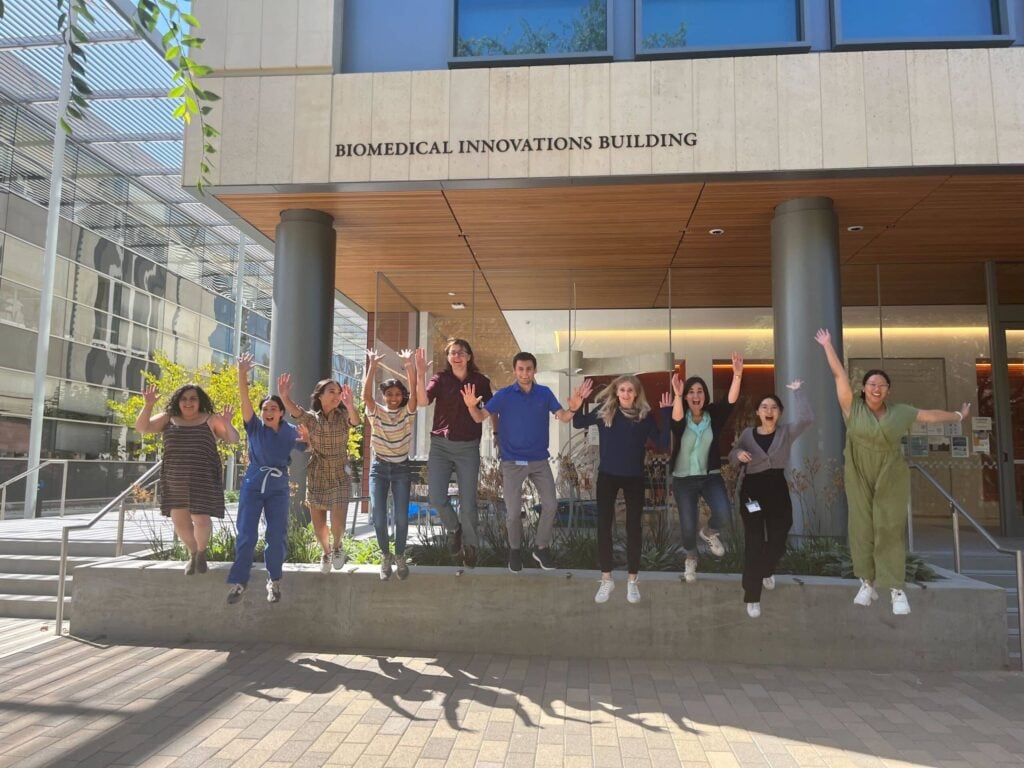
Beyond her technical achievements, Dr. Svensson is recognized for her leadership and dedication to the next generation of scientists. Leading a diverse team of postdocs, graduate students, and undergraduates at Stanford, she emphasizes a philosophy of "organized thinking." In her view, the success of a laboratory depends not just on the availability of funding or equipment, but on the clarity of the biological questions being asked.
Dr. Svensson often advises her trainees to focus on the most critical experiments rather than those that are merely convenient. This disciplined approach to experimental design is intended to mitigate the frustrations inherent in exploratory biology, where failure rates are high. She encourages her team to "follow the data honestly," even when it contradicts initial hypotheses—a trait she attributes to her time in the Spiegelman lab.
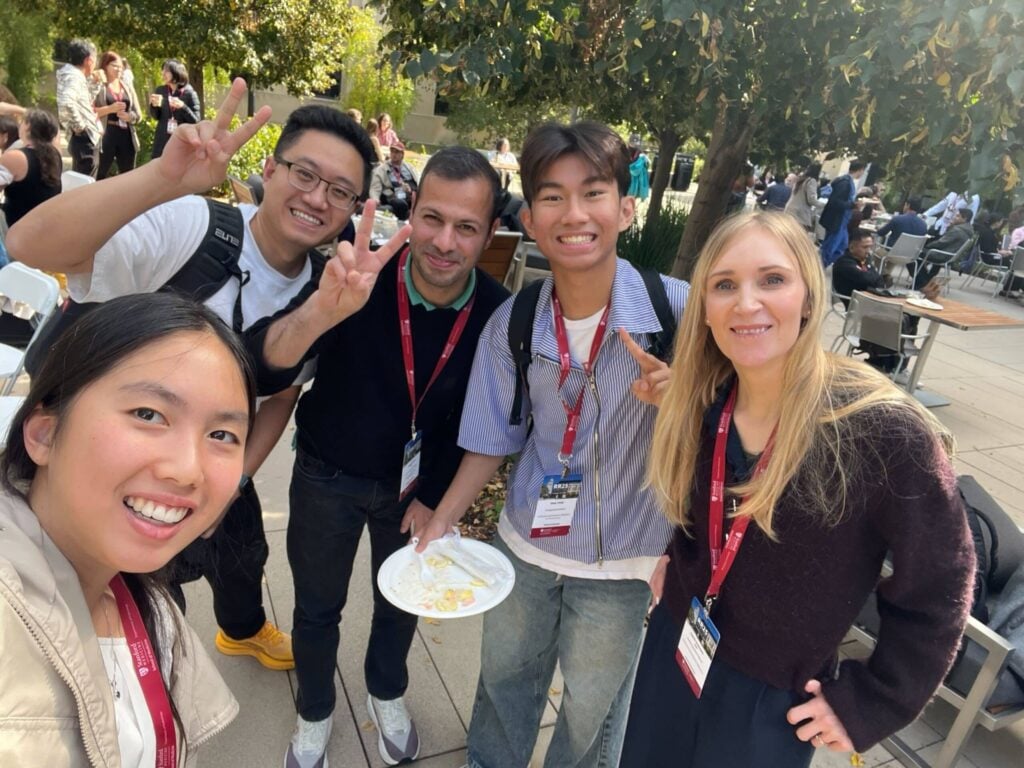
Her influence as a leader is also felt in her role as the Metabolic Core Director at Stanford, where she oversees the infrastructure that supports dozens of other research groups. By facilitating high-quality metabolic phenotyping for the broader scientific community, she has amplified the impact of her expertise beyond the walls of her own laboratory.
Broader Impact and Future Implications for Endocrinology
The selection of Katrin Svensson for the Weitzman Award signals a broader trend in endocrinology toward exploring the diversity of the "secretome"—the collection of all proteins secreted by a cell. For decades, the field was dominated by a handful of well-known hormones. However, the success of recent peptide-based drugs has sparked a "gold rush" in endocrine signaling research.
In the next decade, Dr. Svensson aims to continue mapping the unknown signaling pathways that govern human physiology. She posits that many other diseases, beyond diabetes and obesity, may be rooted in the dysfunction of these hidden endocrine systems. The computational tools developed in her lab are expected to play a central role in this effort, providing a blueprint for discovering the next generation of peptide therapeutics.
As the Endocrine Society prepares to formally present the award in 2026, the scientific community views Dr. Svensson’s work as a testament to the power of fundamental mechanistic research. By asking how cells "talk" to each other, she is providing the answers needed to silence the global epidemic of metabolic disease. Her career serves as a model for early-career investigators, demonstrating that with persistence, organized thinking, and a willingness to pursue the unknown, it is possible to redefine the boundaries of medical science.