








Snacking has long carried a contentious reputation within the realm of dietary advice, particularly when the goal is weight management. Historically, it has often been viewed as an indulgence, a habit that adds superfluous calories to one’s daily intake and derails progress. However, contemporary nutritional science and expert consensus are increasingly challenging this reductive perspective, advocating instead for a nuanced, strategic approach to snacking, especially for individuals navigating the unique physiological changes that accompany aging. Far from being a dietary impediment, well-chosen snacks can serve as potent tools to enhance nutrient intake, manage hunger, stabilize blood sugar, and, crucially, support metabolic health, muscle preservation, and healthy weight management in the over-60 demographic.
The latter half of life introduces a distinct set of nutritional imperatives. As individuals progress beyond their sixties, the body undergoes significant transformations that necessitate a re-evaluation of dietary patterns. Metabolism naturally slows, muscle mass begins to decline (a condition known as sarcopenia), bone density can diminish, and digestive efficiency may change. These physiological shifts underscore the critical importance of nutrient-dense foods that deliver high-quality protein, fiber, and essential micronutrients without excessive calories. Recognizing these evolving needs, Tara Collingwood, MS, RDN, CSSD, LD/N, ACSM-CPT, a Board Certified Sports Dietitian and co-author of the Flat Belly Cookbook for Dummies, has provided expert recommendations for daily snacks designed to specifically address these concerns. Her insights offer practical, palatable options that not only satiate cravings but also actively contribute to improved body composition and overall vitality, even in the absence of a rigorous exercise regimen.
Understanding Nutritional Shifts in the Golden Years
The human body’s nutritional requirements are dynamic, evolving significantly with age. For those over 60, these changes are particularly pronounced and directly impact metabolism, muscle integrity, and fat distribution. A deeper understanding of these shifts provides essential context for Collingwood’s snack recommendations.

- Metabolic Slowdown: One of the most commonly observed changes is a deceleration of basal metabolic rate (BMR). This means the body burns fewer calories at rest, primarily due to a reduction in muscle mass, which is metabolically more active than fat. This slowdown, if not compensated for by reduced caloric intake or increased physical activity, can lead to gradual weight gain, particularly around the abdominal area (visceral fat), which is associated with increased risks of chronic diseases like type 2 diabetes and cardiovascular issues.
- Combatting Sarcopenia and Muscle Loss: Sarcopenia, the age-related loss of muscle mass, strength, and function, is a critical concern for older adults. It begins subtly around age 40 and accelerates after 60, with individuals potentially losing 0.5% to 1% of muscle mass per year. Sarcopenia impacts mobility, balance, strength, and overall independence, increasing the risk of falls and frailty. Adequate protein intake is paramount to counteract this decline, as protein provides the amino acids necessary for muscle protein synthesis (MPS). Studies suggest that older adults may require a higher protein intake per kilogram of body weight compared to younger adults to stimulate MPS effectively.
- Bone Health: While often associated with calcium and Vitamin D, protein also plays a vital role in bone health. It constitutes about 50% of bone volume and one-third of bone mass. Insufficient protein intake can negatively impact bone mineral density, increasing the risk of osteoporosis and fractures, which are significant health concerns for seniors.
- Digestive Health and Fiber: As people age, digestive transit time can slow, leading to issues like constipation. Additionally, the gut microbiome can change, potentially affecting nutrient absorption and immune function. Dietary fiber becomes even more crucial for maintaining regularity, supporting a healthy gut microbiome, and promoting satiety, which helps with weight management. Fiber also plays a key role in stabilizing blood sugar levels, preventing spikes and crashes that can lead to cravings and energy dips.
- Hormonal Changes: Hormonal shifts, such as decreased estrogen in women and testosterone in men, can influence fat distribution, often leading to an increase in central adiposity (belly fat). These hormonal changes can also affect appetite regulation and metabolism.
- Nutrient Absorption: The efficiency of nutrient absorption can diminish with age. For instance, the stomach’s production of acid may decrease, impacting the absorption of vitamin B12 and some minerals. Therefore, making every calorie count by choosing nutrient-dense foods is essential.
The Strategic Approach to Snacking: Beyond Just Hunger
Given these physiological shifts, snacking transcends mere hunger alleviation; it becomes a strategic opportunity to optimize nutrient delivery. A well-planned snack acts as a bridge between meals, preventing excessive hunger that can lead to overeating at the next meal and ensuring a steady supply of essential nutrients throughout the day. The focus shifts from simply "eating less" to "eating smarter."
Strategic snacking for older adults involves balancing macronutrients – protein, fiber, and healthy fats – to maximize satiety, support muscle maintenance, and regulate blood sugar. This approach consciously minimizes reliance on highly processed snacks, which are typically high in refined sugars, unhealthy fats, and sodium, offering transient energy boosts followed by crashes and contributing to systemic inflammation and weight gain. By integrating these carefully selected snacks, individuals over 60 can proactively manage their health, combat age-related decline, and foster a more vibrant, energetic lifestyle.
Expert-Recommended Snacks for Optimal Aging
Tara Collingwood’s recommendations are grounded in these principles, offering practical and delicious options that are easy to incorporate into daily routines. Each snack is designed to deliver a potent combination of protein and fiber, two critical nutrients for fat loss, muscle preservation, and metabolic health in seniors.
1. Greek Yogurt with Berries: A Powerhouse Duo
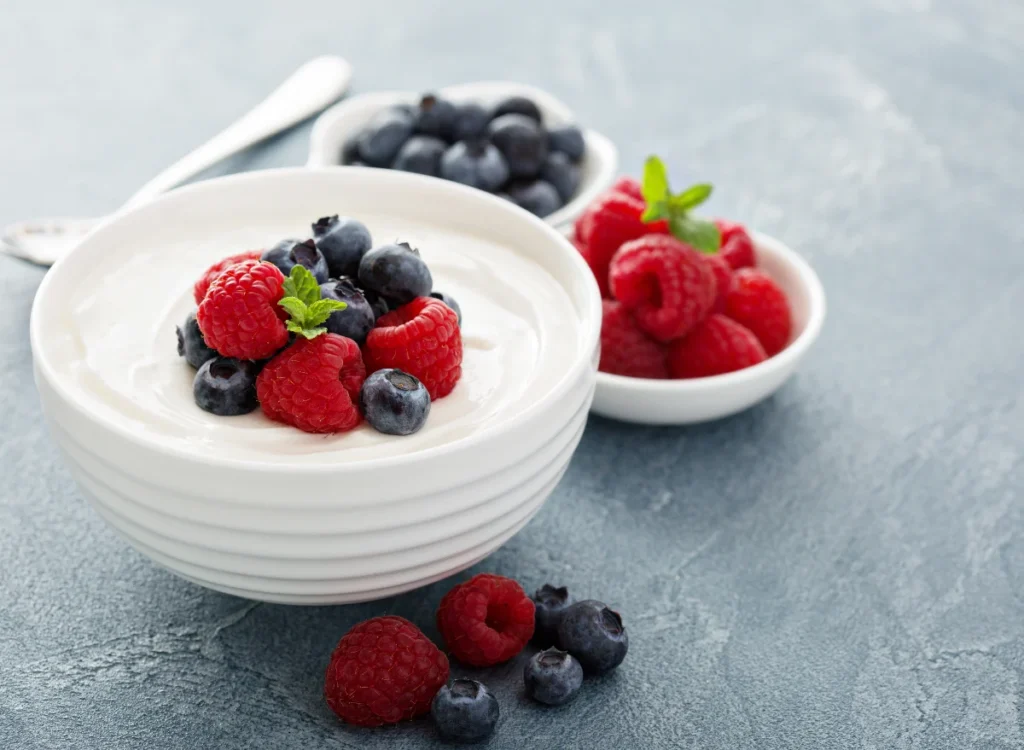
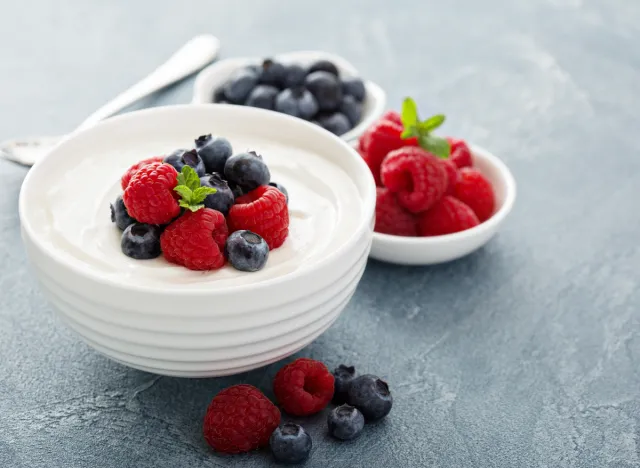
Collingwood places Greek yogurt with berries at the top of her list, and for good reason. "Protein becomes especially important as we age to help preserve muscle, and Greek yogurt delivers a solid protein boost in a small, easy-to-eat snack. Adding berries adds fiber, which helps keep hunger at bay longer. This combo supports muscle health, digestion, and steady energy," she explains.
- Why Greek Yogurt? Unlike regular yogurt, Greek yogurt undergoes a straining process that removes much of the whey, resulting in a thicker, creamier product with significantly higher protein content. A standard 6-ounce serving of plain, non-fat Greek yogurt can provide 15-20 grams of protein, a substantial amount for a snack. This protein is primarily casein, a slow-digesting protein that provides a sustained release of amino acids, ideal for muscle repair and maintenance, particularly crucial in combating sarcopenia. Greek yogurt is also an excellent source of calcium, vital for bone density and preventing osteoporosis, and contains probiotics (live active cultures) that support gut health, aiding digestion and potentially boosting immunity, which can be compromised with age.
- Why Berries? Berries (strawberries, blueberries, raspberries, blackberries) are nutritional superstars. They are low in calories, high in water content, and packed with dietary fiber. A cup of raspberries, for instance, can provide 8 grams of fiber. This fiber contributes significantly to satiety, helping to prevent overeating and managing weight. Beyond fiber, berries are rich in antioxidants, such as anthocyanins, quercetin, and vitamin C. These compounds combat oxidative stress and inflammation, which are implicated in various age-related diseases, including cognitive decline and cardiovascular disease. Their natural sweetness satisfies cravings without the need for added sugars, and their relatively low glycemic index helps stabilize blood sugar levels.
- Synergy and Impact: The combination of Greek yogurt and berries creates a powerful synergy. The protein from the yogurt and the fiber from the berries work in concert to slow digestion, leading to prolonged feelings of fullness and stable blood sugar levels. This sustained energy release prevents the energy crashes often associated with high-sugar snacks, making it an excellent choice for maintaining focus and vitality throughout the day. For individuals over 60, this means better appetite control, a reduced likelihood of unhealthy snacking, and a direct contribution to muscle mass preservation and overall metabolic health. Studies have consistently shown that higher protein intake, especially distributed throughout the day, is beneficial for muscle synthesis in older adults. Furthermore, the calcium and protein in this snack support bone health, an essential consideration for seniors.
2. Harvest Snaps with Hummus or Cottage Cheese: Savory Satisfaction with Substance
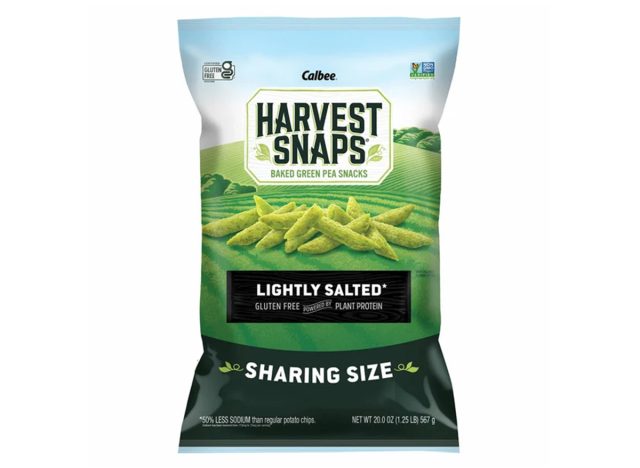
For those who lean towards savory snacks and crave a satisfying crunch, Collingwood suggests Harvest Snaps paired with hummus or cottage cheese. "Harvest Snaps Lightly Salted are made from real veggies, so they naturally provide 4g of fiber and 5g of satiating, whole food-sourced protein. Pairing them with hummus or cottage cheese adds even more protein. The crunch satisfies cravings, while protein and fiber work together to promote fullness," Collingwood elaborates.
- Harvest Snaps Analysis: Harvest Snaps are baked crisps made primarily from legumes like green peas or red lentils. This distinguishes them from traditional potato chips, as they naturally offer a superior nutritional profile. A serving typically provides 4-5 grams of fiber and 5-6 grams of plant-based protein. This combination of fiber and protein derived from whole food sources is crucial for sustained energy and satiety. They are also often lower in saturated fat and sodium compared to many conventional snack foods. The "lightly salted" variety helps manage sodium intake, which is important for blood pressure regulation in older adults.
- Hummus Benefits: Hummus, a dip made from chickpeas, tahini (sesame paste), olive oil, lemon juice, and garlic, is a nutritional powerhouse. Chickpeas are legumes rich in plant protein and dietary fiber, contributing to digestive health and blood sugar control. Tahini and olive oil provide healthy monounsaturated and polyunsaturated fats, including omega-3 and omega-6 fatty acids, which are beneficial for heart health and reducing inflammation. Hummus also contains various micronutrients like folate, iron, magnesium, and phosphorus. Its creamy texture adds another dimension of satiety.
- Cottage Cheese Benefits: Cottage cheese is another excellent protein source, particularly rich in casein protein, similar to Greek yogurt. A half-cup serving can provide approximately 12-14 grams of high-quality protein with relatively few calories. It’s also a good source of calcium and phosphorus, supporting bone health. Its mild flavor and soft texture make it versatile and easy to pair with crunchy elements.
- The Crunch Factor and Nutrient Density: The psychological satisfaction derived from crunchy foods is undeniable. Pairing the satisfying crunch of Harvest Snaps with the creamy texture and rich flavor of hummus or cottage cheese creates a multi-sensory experience that can effectively curb cravings for less healthy, processed snacks. This pairing provides a balanced macronutrient profile, offering complex carbohydrates, substantial protein, fiber, and healthy fats. For individuals over 60, this means a snack that not only tastes good but also actively supports muscle maintenance, gut health, and sustained energy, contributing to overall metabolic balance and weight management without the guilt often associated with traditional savory snacks. Legumes, the base for both Harvest Snaps and hummus, are increasingly recognized for their role in healthy aging and chronic disease prevention due to their unique fiber and protein composition.
3. Apple Slices with Peanut or Almond Butter: The Classic Fiber-Protein Pair
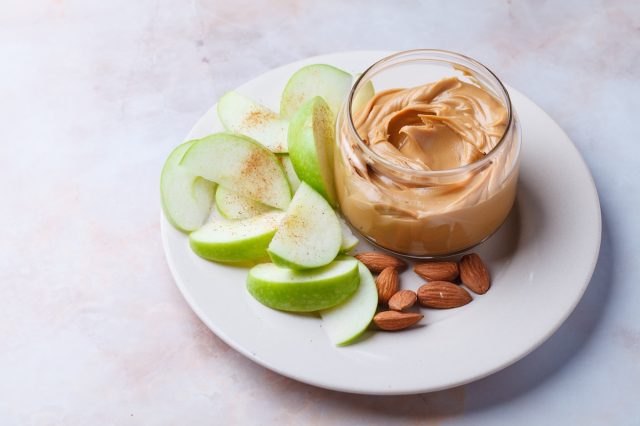
A timeless and universally loved snack, apple slices with nut butter remains a top recommendation for its simplicity and potent nutritional benefits. "Fiber from fruit plus protein and fat from nut butter is a classic combination that works especially well after 50, when blood sugar stability and satiety really matter," Collingwood explains. "This snack is portable, satisfying, and easy to adjust for appetite."
- Apple Benefits: Apples are an excellent source of dietary fiber, particularly pectin, a soluble fiber that forms a gel-like substance in the digestive tract. Pectin aids in digestion, helps lower cholesterol levels, and, crucially for blood sugar management, slows the absorption of glucose, preventing rapid spikes. Apples also provide vitamin C, an antioxidant that supports immune function, and various polyphenols, such as quercetin, which possess anti-inflammatory properties. The crisp texture and natural sweetness of apples make them a refreshing and satisfying fruit.
- Nut Butter Benefits (Peanut/Almond): Peanut butter and almond butter are rich in healthy fats, primarily monounsaturated and polyunsaturated fatty acids. These fats are beneficial for cardiovascular health, can help reduce bad cholesterol (LDL), and contribute significantly to satiety, keeping hunger at bay for longer periods. Beyond healthy fats, nut butters are good sources of plant protein (typically 7-8 grams per two-tablespoon serving) and some fiber. They also provide essential micronutrients like vitamin E (a powerful antioxidant), B vitamins, magnesium, and potassium. Magnesium is particularly important for muscle and nerve function, blood sugar control, and bone health, all relevant for older adults.
- Synergy and Impact: The brilliance of this snack lies in its balanced macronutrient profile. The fiber from the apple slows the digestion of its natural sugars, while the protein and healthy fats from the nut butter further moderate blood sugar response and provide sustained energy. This combination is particularly effective for individuals over 50-60, as it helps prevent energy dips and cravings that can lead to less healthy food choices. The portability and adjustability of this snack make it incredibly practical for daily life; simply vary the amount of apple and nut butter based on individual hunger levels and caloric needs. This snack contributes to stable energy, prolonged satiety, and the intake of heart-healthy fats, all vital components of a diet supporting fat loss and metabolic health in later life. When selecting nut butter, opt for natural varieties with minimal added sugars and oils to maximize health benefits.
4. Smoothie with Protein and Fiber: A Customizable Nutrient Boost
Finally, for a versatile and easily digestible option, Collingwood recommends a smoothie packed with protein and fiber. "A small smoothie with protein powder, berries, and chia or flax offers both protein and fiber in a convenient form. You can customize the type of protein you prefer and drink it at your desk or on the go," she advises.
- Smoothie Advantages for Seniors: Smoothies are an exceptional vehicle for nutrient delivery, especially for older adults. They are easy to consume, which can be beneficial for those with dental issues or reduced appetite. The liquid form can also contribute to hydration, a common concern in older populations. Their customizable nature means they can be tailored to individual taste preferences and specific nutritional needs.
- Protein Powder: The addition of protein powder is key to elevating a fruit smoothie into a muscle-supporting, metabolism-boosting snack. Options abound, including whey protein (fast-absorbing, excellent for MPS), casein protein (slow-absorbing, good for sustained release), soy protein (plant-based, complete protein), and various other plant-based proteins like pea, rice, or hemp. A scoop of protein powder can easily add 20-30 grams of protein, ensuring that muscle protein synthesis is adequately stimulated. Choosing a high-quality protein powder with minimal added sugars and artificial ingredients is crucial.
- Berries/Fruits: As with the Greek yogurt snack, berries are an ideal addition for their fiber, antioxidant, and vitamin content. Other fruits like bananas (for potassium and creaminess), spinach, or kale (for added vitamins, minerals, and fiber without significantly altering taste) can also be incorporated.
- Chia or Flax Seeds: These tiny seeds are nutritional powerhouses. Chia seeds are an excellent source of soluble fiber, omega-3 fatty acids (alpha-linolenic acid, ALA), and plant protein. Flax seeds offer similar benefits, particularly ground flax seeds, which enhance absorption of their beneficial compounds. Omega-3s are crucial for reducing inflammation, supporting heart health, and potentially benefiting cognitive function. The fiber content further enhances satiety and aids digestion.
- Liquid Base: The choice of liquid base also impacts the nutritional profile. Unsweetened almond milk, soy milk, skim milk, or even water can be used. Dairy milk provides additional protein and calcium, while plant-based milks offer alternatives for those with dietary restrictions.
- Customization and Impact: The beauty of the protein and fiber smoothie lies in its endless customization. Individuals can add a handful of spinach for greens, a tablespoon of nut butter for healthy fats, or a dash of cinnamon for blood sugar regulation. This makes it a highly adaptable snack that can be optimized for specific health goals. For older adults, this means a convenient, nutrient-dense beverage that directly contributes to muscle preservation, sustained energy, digestive health, and a robust intake of vitamins, minerals, and antioxidants. It’s an efficient way to bridge nutritional gaps and provide a significant boost to metabolic function and overall well-being.
Beyond the Plate: Holistic Well-being for Individuals Over 60
While these expertly recommended snacks offer a powerful dietary intervention for individuals over 60 seeking to support fat loss, muscle maintenance, and metabolic health, it is crucial to emphasize that diet is but one pillar of holistic well-being. The initial article notes that these snacks can help "without exercise," and while they certainly provide significant benefits independently, it’s important to clarify that physical activity remains an indispensable cornerstone of healthy aging. Regular, even moderate, physical activity—be it walking, swimming, light strength training, or yoga—works synergistically with optimal nutrition to enhance muscle strength, improve bone density, boost metabolism, and improve cardiovascular health.
Beyond diet and exercise, other factors profoundly influence health in later life. Adequate hydration is often overlooked but critical for metabolic function, organ health, and preventing fatigue. Sufficient, quality sleep plays a vital role in hormonal regulation, muscle repair, and cognitive function. Stress management techniques, social engagement, and maintaining mental activity are also crucial for overall vitality and longevity.
Furthermore, proactive health management involves regular consultations with healthcare professionals, including primary care physicians and registered dietitians. These experts can provide personalized advice, address specific health concerns, and help tailor dietary and lifestyle plans to individual needs and medical conditions.
Conclusion: Empowering Healthy Choices for a Vibrant Senior Life
The journey through the golden years is characterized by unique physiological changes that demand a thoughtful and proactive approach to nutrition. Far from being a source of dietary guilt, strategic snacking, as advocated by experts like Tara Collingwood, emerges as a powerful tool to navigate these changes effectively. By focusing on nutrient-dense options rich in protein and fiber, individuals over 60 can actively support their metabolism, preserve vital muscle mass, manage weight, and enhance overall vitality.
The four recommended snacks—Greek yogurt with berries, Harvest Snaps with hummus or cottage cheese, apple slices with nut butter, and protein and fiber-packed smoothies—are more than just convenient bites; they are scientifically sound choices designed to empower healthier aging. Integrating these simple yet effective dietary habits can contribute significantly to a more energetic, resilient, and vibrant senior life, demonstrating that small, consistent nutritional choices can yield profound and lasting health benefits.