






The conventional wisdom surrounding snacking often casts it in a negative light, particularly when the goal is weight management. Many individuals mistakenly equate between-meal consumption with an automatic increase in daily caloric intake, viewing it as an impediment to achieving health objectives. However, a more nuanced understanding reveals that strategic snacking can serve as a potent tool for optimizing nutritional intake, particularly protein and fiber, while effectively managing hunger and mitigating unhealthy cravings. For individuals navigating the physiological shifts that accompany aging, especially those over the age of sixty, the judicious selection of snacks transcends mere calorie control; it becomes a critical component of a holistic strategy to support lean muscle mass, maintain a healthy metabolism, and facilitate fat loss.
As the human body ages, it undergoes a series of natural transformations that significantly impact nutritional requirements and metabolic function. Muscle mass, for instance, begins to decline steadily after the age of 30, a process known as sarcopenia, which accelerates after 60. This loss of muscle not only diminishes strength and mobility but also directly affects metabolic rate, as muscle tissue is more metabolically active than fat tissue. A slower metabolism can make weight management, particularly fat loss, considerably more challenging. Concurrently, hormonal changes, shifts in appetite regulation, and often a decrease in physical activity contribute to an increased propensity for fat accumulation, especially around the abdominal area (visceral fat), which is strongly linked to a higher risk of chronic diseases such as type 2 diabetes, cardiovascular disease, and certain cancers. Bone density also tends to decrease, increasing the risk of osteoporosis and fractures.
In this context, the role of protein in the diet becomes paramount. Adequate protein intake is essential for counteracting sarcopenia, supporting muscle protein synthesis, and maintaining strength and functional independence. Fiber, another often-overlooked nutrient, is crucial for digestive health, blood sugar regulation, and promoting satiety, which helps prevent overeating. Recognizing these evolving needs, nutrition experts advocate for a deliberate approach to snacking that prioritizes nutrient density over empty calories.
To shed light on effective snacking strategies for the over-sixty demographic, we consulted Tara Collingwood, MS, RDN, CSSD, LD/N, ACSM-CPT. As a Board Certified Sports Dietitian and co-author of the Flat Belly Cookbook for Dummies, Collingwood brings extensive expertise in tailoring nutritional advice to specific physiological requirements. Her recommendations emphasize choices that are not only delicious and satisfying but also scientifically formulated to support fat loss, muscle maintenance, and metabolic health without necessarily requiring strenuous exercise. Her approach offers practical, accessible options for both sweet and savory preferences, ensuring sustained energy and satiety between meals.
The Foundational Importance of Protein and Fiber for Seniors
Before delving into specific snack recommendations, it’s crucial to understand the scientific rationale behind prioritizing protein and fiber. Protein is comprised of amino acids, the building blocks of muscle tissue. As we age, our bodies become less efficient at utilizing dietary protein for muscle synthesis, a phenomenon known as anabolic resistance. This means older adults often require a higher relative intake of protein compared to younger adults to maintain muscle mass. Beyond muscle, protein plays vital roles in enzyme production, hormone regulation, immune function, and satiety.

Fiber, categorized as soluble or insoluble, contributes significantly to digestive health by promoting regular bowel movements and supporting a healthy gut microbiome. Soluble fiber helps regulate blood sugar by slowing glucose absorption and can lower cholesterol levels. Both types contribute to a feeling of fullness, which is invaluable for managing appetite and preventing overconsumption of calories. Together, protein and fiber form a powerful duo for metabolic health, helping to stabilize blood sugar, reduce insulin spikes, and keep hunger at bay for longer periods.
Expert-Endorsed Snacking Solutions for Optimal Health After 60
Collingwood’s recommendations are designed with these physiological needs in mind, offering practical, nutrient-dense choices.
1. Greek Yogurt with Berries: A Powerhouse of Protein and Antioxidants
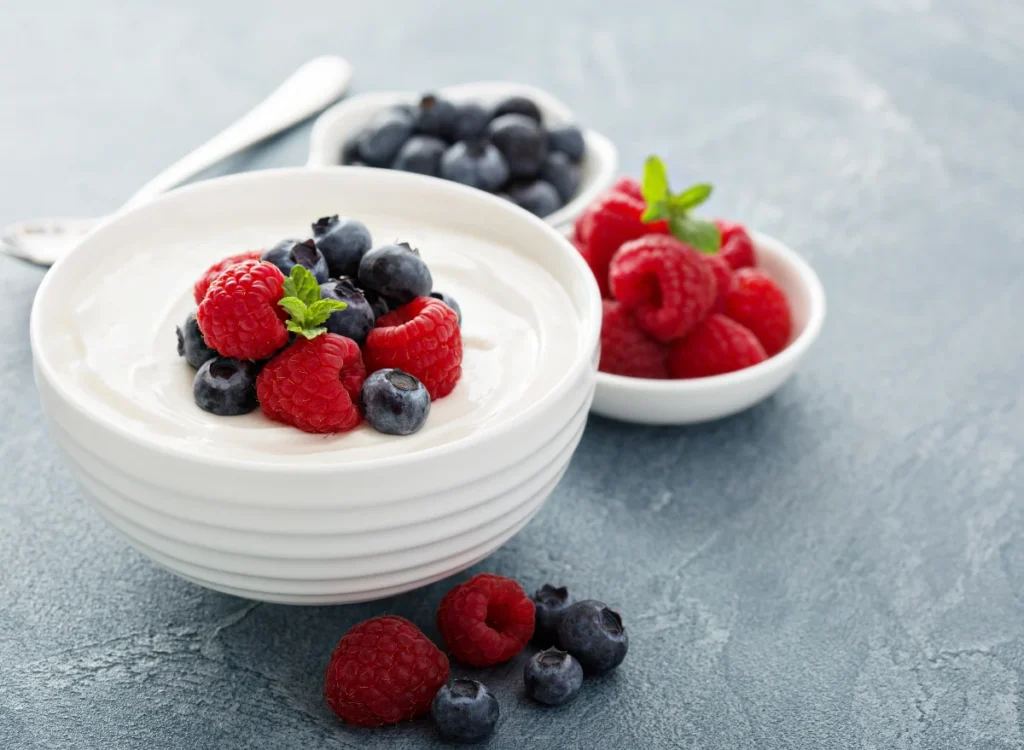
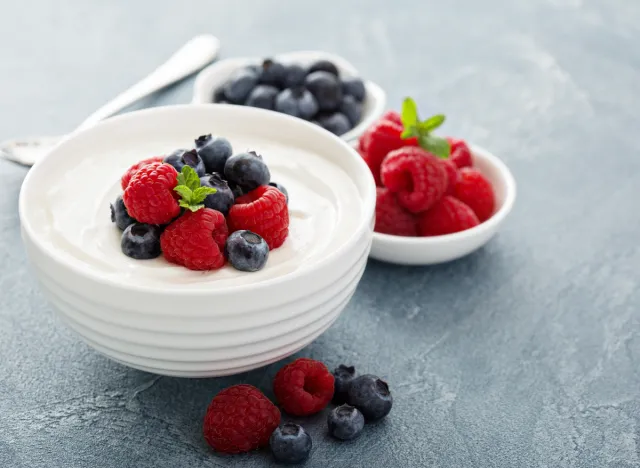
At the top of Collingwood’s list is Greek Yogurt with Berries, a classic combination lauded for its nutritional density and versatility. "Protein becomes especially important as we age to help preserve muscle, and Greek yogurt delivers a solid protein boost in a small, easy-to-eat snack," Collingwood explains. A standard 5-6 ounce serving of plain, non-fat Greek yogurt can provide upwards of 15-20 grams of protein, significantly more than traditional yogurt. This high protein content is crucial for mitigating age-related muscle loss (sarcopenia) and supporting muscle repair and growth, even without intense physical activity. It also contributes to a profound sense of satiety, helping to reduce overall caloric intake throughout the day.
Beyond protein, Greek yogurt is an excellent source of calcium, vital for maintaining bone density, which is particularly important for seniors prone to osteoporosis. Many varieties also contain live and active cultures (probiotics), which support gut health, enhance nutrient absorption, and may even boost immune function – critical considerations for an aging immune system.
The addition of berries elevates this snack further. Berries, such as blueberries, raspberries, and strawberries, are low in calories and sugar but exceptionally rich in fiber and antioxidants. "Adding berries adds fiber, which helps keep hunger at bay longer. This combo supports muscle health, digestion, and steady energy," Collingwood states. The fiber content in berries contributes to gut regularity and helps moderate blood sugar responses, preventing energy crashes. Antioxidants, like anthocyanins in blueberries, combat oxidative stress and inflammation, which are implicated in various age-related diseases, including cognitive decline and cardiovascular issues. The natural sweetness of berries also satisfies a sweet craving without the need for added sugars, making it a healthier alternative to processed desserts. For enhanced benefits, consider adding a sprinkle of chia or flax seeds for extra omega-3 fatty acids and fiber.
2. Harvest Snaps with Hummus or Cottage Cheese: The Savory Crunch Solution
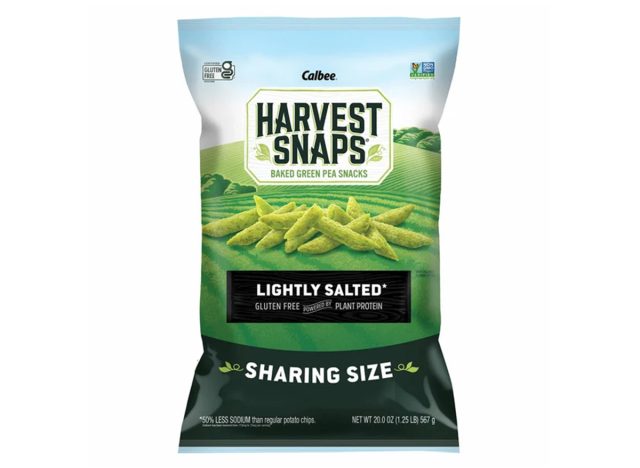
For those who crave a savory snack with satisfying crunch, Collingwood recommends Harvest Snaps paired with hummus or cottage cheese. This option addresses the desire for a salty, crispy texture often found in less healthy processed snacks, but delivers a significant nutritional upgrade. "Harvest Snaps Lightly Salted are made from real veggies, so they naturally provide 4g of fiber and 5g of satiating, whole food-sourced protein," Collingwood notes. These baked pea crisps offer a substantial amount of plant-based protein and dietary fiber, promoting fullness and aiding digestion.
The genius of this snack lies in its pairing. "Pairing them with hummus or cottage cheese adds even more protein. The crunch satisfies cravings, while protein and fiber work together to promote fullness," she elaborates. Hummus, made from chickpeas, tahini, olive oil, and lemon juice, is a rich source of plant-based protein, fiber, and healthy monounsaturated fats. It also provides essential micronutrients like folate, iron, and magnesium. Cottage cheese, on the other hand, is a dairy-based protein powerhouse, particularly rich in casein protein, which is slow-digesting and provides a sustained release of amino acids, making it excellent for muscle preservation throughout the day and even overnight. It is also a good source of calcium and B vitamins.
This combination offers a balanced macronutrient profile, combining complex carbohydrates from the Harvest Snaps and chickpeas, healthy fats from the hummus, and abundant protein from both the Harvest Snaps and the dip. This balance is key to stabilizing blood sugar levels, preventing energy dips, and ensuring sustained satiety, crucial for avoiding overeating and supporting fat loss efforts. When selecting Harvest Snaps, opt for lightly salted versions to manage sodium intake. For hummus, choose brands with minimal added oils and preservatives, or consider making it fresh at home.
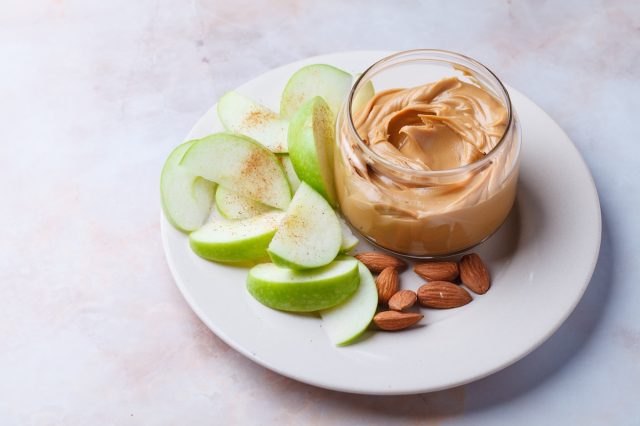
3. Apple Slices with Peanut or Almond Butter: The Classic Sweet and Sustaining Choice
A timeless and universally appealing snack, Apple Slices with Peanut or Almond Butter, remains a top recommendation for its simplicity, portability, and powerful nutritional synergy. Collingwood highlights its effectiveness, stating, "Fiber from fruit plus protein and fat from nut butter is a classic combination that works especially well after 50, when blood sugar stability and satiety really matter."
Apples are an excellent source of dietary fiber, particularly pectin, a soluble fiber that aids digestion, helps regulate blood sugar, and can contribute to lower cholesterol levels. They also provide essential vitamins and antioxidants, supporting overall health and immunity. The natural sugars in apples provide a quick energy boost, but the fiber ensures a gradual release, preventing sharp blood sugar spikes.
Nut butters, such as peanut or almond butter, complement the apples perfectly by adding healthy fats, protein, and additional fiber. These healthy fats, primarily monounsaturated and polyunsaturated fats, are beneficial for heart health, can help lower bad cholesterol (LDL), and contribute significantly to satiety. The protein content further enhances fullness and supports muscle maintenance. "This snack is portable, satisfying, and easy to adjust for appetite," Collingwood adds. It’s an ideal choice for a quick energy pick-me-up that won’t leave you feeling hungry shortly after.
When choosing nut butters, it is imperative to select natural varieties that list only nuts (and perhaps a touch of salt) in their ingredients, avoiding those with added sugars, hydrogenated oils, or excessive sodium. The portion size of nut butter is also important, as it is calorie-dense. A standard serving size is typically two tablespoons. This snack provides a balanced blend of complex carbohydrates, healthy fats, and protein, making it an exemplary choice for maintaining stable blood sugar, preventing cravings, and supporting metabolic health in older adults.
4. Smoothie with Protein and Fiber: The Customizable Nutrient Delivery System
Finally, for ultimate convenience and nutrient density, Collingwood suggests a Smoothie with Protein and Fiber. "A small smoothie with protein powder, berries, and chia or flax offers both protein and fiber in a convenient form," she explains. Smoothies are particularly beneficial for seniors who may have difficulty chewing, experience reduced appetite, or require a quick, nutrient-packed meal replacement or snack.
The foundation of a health-promoting smoothie for seniors is a high-quality protein source. This could be whey protein (fast-absorbing, excellent for muscle synthesis), casein protein (slow-absorbing, good for sustained release), soy protein (plant-based complete protein), or pea protein (another popular plant-based option). Protein powder ensures a concentrated dose of amino acids critical for muscle preservation and repair.
The "fiber" component can come from a variety of sources. Berries, as previously discussed, are excellent for fiber and antioxidants. Spinach or kale can be added for a boost of vitamins, minerals, and fiber without significantly altering the taste. Chia seeds and flax seeds are superstar additions, providing not only soluble and insoluble fiber but also omega-3 fatty acids, which are vital for brain health, reducing inflammation, and cardiovascular well-being. These seeds also contribute to a thicker consistency, enhancing satiety.
Collingwood emphasizes the customizability: "You can customize the type of protein you prefer and drink it at your desk or on the go." This flexibility allows individuals to tailor their smoothie to their taste preferences, dietary restrictions (e.g., dairy-free, vegan), and specific nutritional needs. For instance, adding a handful of oats can provide additional complex carbohydrates and soluble fiber, while a dollop of Greek yogurt or cottage cheese can further boost protein and add creaminess. Liquid bases can include water, unsweetened almond milk, soy milk, or low-fat dairy milk.
The benefits of a well-crafted protein and fiber smoothie extend beyond muscle and metabolism. It promotes hydration, delivers a broad spectrum of micronutrients, and can be an easy way to increase fruit and vegetable intake, which many older adults struggle to achieve. Careful attention should be paid to the ingredients to avoid excessive added sugars, especially from fruit juices or sweetened protein powders. Opting for unsweetened ingredients and relying on the natural sweetness of berries is key.
Broader Implications for Healthy Aging and Quality of Life
The strategic incorporation of these dietitian-approved snacks into the daily routine of individuals over sixty carries significant implications beyond merely managing weight or building muscle. By focusing on nutrient-dense, protein- and fiber-rich choices, seniors can experience a cascading effect of health benefits that profoundly impact their quality of life and long-term well-being.
- Enhanced Energy Levels: Stable blood sugar and sustained energy from balanced snacks help combat the fatigue often experienced by older adults, enabling them to remain more active and engaged.
- Improved Cognitive Function: The antioxidants in berries, healthy fats in nuts and seeds, and stable blood sugar levels all contribute to better brain health, potentially reducing the risk of cognitive decline.
- Stronger Immune System: Adequate protein intake is fundamental for immune cell production and function, offering better protection against infections, which can be more severe in older age. Probiotics in yogurt further support immune health.
- Better Bone Health: Consistent intake of calcium from dairy products like Greek yogurt and cottage cheese, along with other bone-supporting nutrients, helps maintain bone density and reduce fracture risk.
- Greater Independence and Mobility: Preserving muscle mass and strength directly translates to improved functional independence, allowing seniors to perform daily activities with greater ease and confidence. This reduces the risk of falls and the need for assistance.
- Prevention of Chronic Diseases: A diet rich in protein, fiber, healthy fats, and antioxidants helps manage risk factors for chronic conditions such as type 2 diabetes, heart disease, and certain cancers, thereby extending healthy lifespan.
- Mental Well-being: The act of making healthy choices and feeling energized and well-nourished can significantly boost mood and overall mental health, counteracting feelings of lethargy or dietary restriction.
The shift in perspective from viewing snacking as a dietary indulgence to recognizing it as a critical component of nutritional strategy is pivotal for healthy aging. The recommendations provided by experts like Tara Collingwood underscore that smart snacking is not about adding unnecessary calories but about strategically fueling the body with essential nutrients that support its evolving needs. These four daily snack options offer practical, delicious, and scientifically sound pathways to bolster fat loss, preserve vital muscle mass, and optimize metabolic function, empowering individuals over sixty to live more vibrant, healthy, and independent lives.