








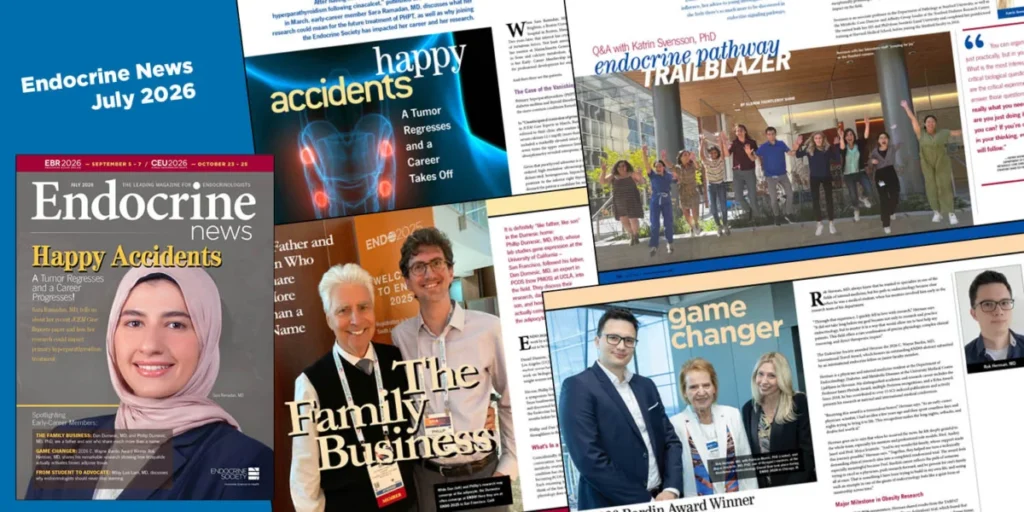
The field of endocrinology is currently undergoing a period of profound transformation, marked by a shift toward more personalized patient care, the rebranding of long-standing clinical conditions, and the discovery of multi-systemic benefits for existing pharmacological treatments. From the halls of prestigious medical conferences to the front lines of community health centers, endocrinologists are redefining their roles not only as clinicians but as advocates and leaders. These developments are highlighted by new data regarding breast cancer treatment adherence, the bone-protective qualities of GLP-1 receptor agonists, and a landmark proposal to rename Polycystic Ovary Syndrome (PCOS) to better reflect its metabolic complexity.
The Human Side of Specialized Medicine: Leadership and Advocacy
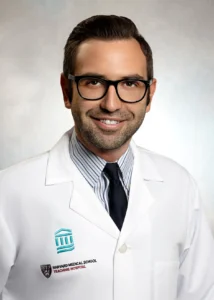
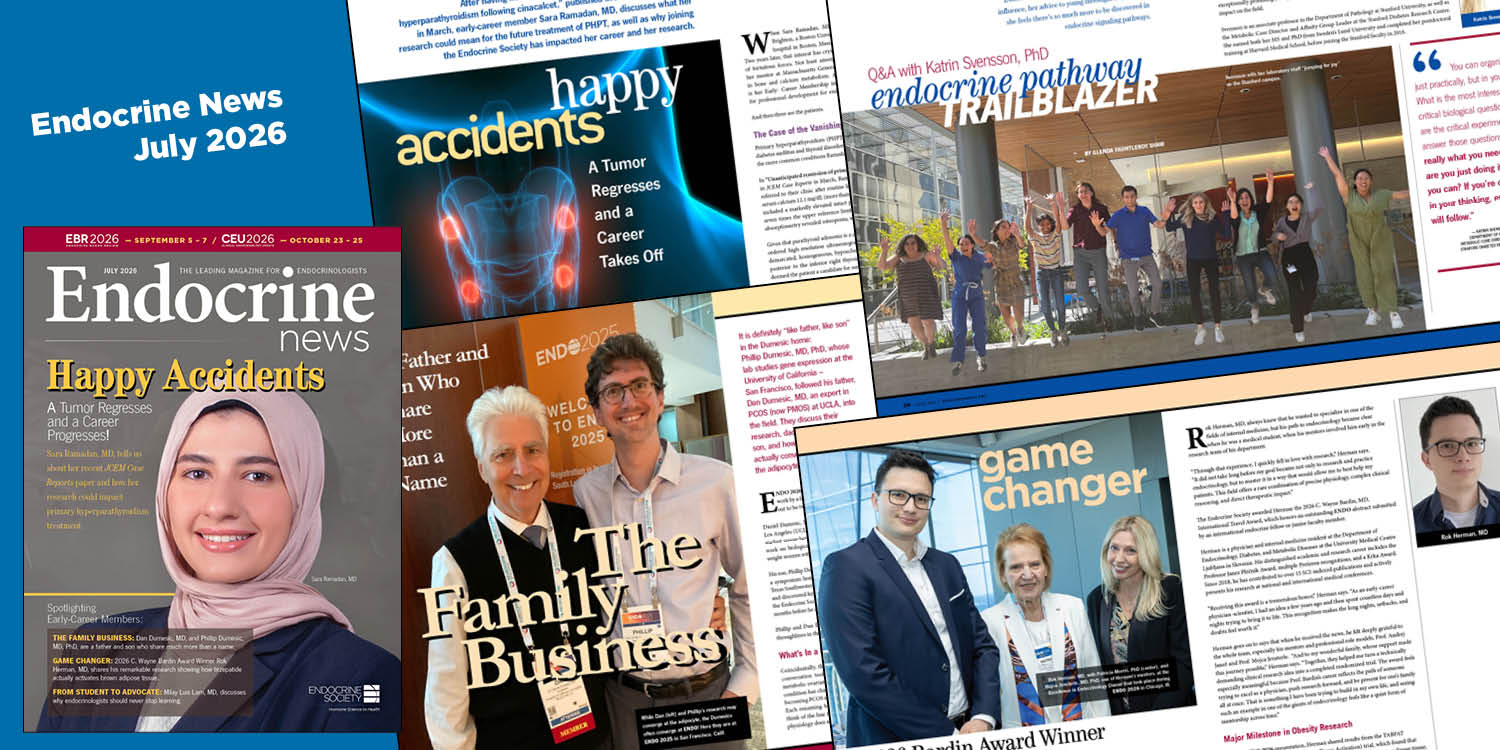
At the heart of the evolution in endocrinology is the recognition that clinical excellence requires more than just diagnostic proficiency; it demands leadership and a deep connection to the "human side" of medicine. This sentiment was recently articulated by Milay Luis Lam, MD, who serves as the division chief and medical director at Meritus Endocrinology, Meritus Medical Center in Hagerstown, Maryland. Following her participation in the Endocrine Society’s Excellence in Clinical Endocrinology Leadership (EXCEL) program, Dr. Luis Lam emphasized that professional organizations are increasingly serving as vital conduits for reflection and connection.
The EXCEL program is designed to bridge the gap between clinical fellowship and high-level medical management. As the healthcare landscape becomes increasingly complex, physicians are often thrust into administrative and leadership roles without formal training in conflict resolution, healthcare economics, or strategic advocacy. Dr. Luis Lam’s reflections underscore a broader trend: a renewed sense of responsibility among specialists to advocate for their patients and their profession. This shift from "learner to advocate" is essential in a field where chronic conditions—such as diabetes and thyroid disorders—require long-term, empathetic management and systemic policy support.

The significance of these leadership initiatives cannot be overstated. By fostering a community of practice that values "spaces for reflection," organizations like the Endocrine Society are addressing the growing issue of physician burnout. When specialists feel empowered as leaders, they are better equipped to implement patient-centered models that improve outcomes in their local communities, such as the rural and suburban populations served by Meritus Medical Center.
Addressing the Adherence Crisis in Breast Cancer Endocrine Therapy
While leadership focuses on the provider, new clinical data focuses on the patient experience—specifically the challenges faced by those undergoing endocrine therapy for breast cancer. Recent reports from OncLive highlight a critical barrier to successful oncology outcomes: nearly 20% of breast cancer patients do not consistently follow their prescribed endocrine therapy.
Endocrine therapy, which often involves selective estrogen receptor modulators (SERMs) like tamoxifen or aromatase inhibitors (AIs) like letrozole, is a cornerstone of treatment for hormone receptor-positive breast cancer. These medications are typically prescribed for five to ten years to reduce the risk of recurrence. However, the efficacy of these life-saving drugs is frequently undermined by vasomotor symptoms (VMS), commonly known as hot flashes and night sweats.
The 20% non-adherence rate is a staggering figure for the oncology community. VMS are not merely "nuisance" symptoms; they represent a significant deterioration in the quality of life, leading to sleep deprivation, mood swings, and cognitive fog. When patients perceive the side effects of the medication to be more detrimental than the abstract threat of cancer recurrence, they are likely to discontinue treatment.
This data suggests a need for a more integrated approach between oncology and endocrinology. Managing the hormonal fallout of cancer treatment requires specialized knowledge of the endocrine system. The emergence of new non-hormonal treatments for VMS, such as NK3 receptor antagonists, provides a potential pathway to improve adherence. By proactively managing these symptoms, clinicians can ensure that the 20% of patients currently struggling with therapy remain on their life-saving regimens.
Semaglutide and Bone Health: A New Frontier in Fracture Prevention
In the realm of metabolic pharmacology, the conversation continues to be dominated by GLP-1 receptor agonists, specifically semaglutide. While semaglutide is widely recognized for its efficacy in weight loss and glycemic control, new research presented by Sun H. Kim, MD, MS, an associate professor at Stanford University, reveals an unexpected benefit: a significant reduction in fracture risk.

According to data presented at the ENDO conference, the use of semaglutide is associated with a 15% decrease in fractures when compared to other weight-loss strategies. This finding is particularly noteworthy because rapid weight loss is traditionally associated with a decrease in bone mineral density (BMD), which can increase the risk of osteoporosis and subsequent fractures.
Dr. Kim’s research indicates that semaglutide may possess bone-protective properties that counteract the typical skeletal decline seen during caloric restriction. The study further noted that the drug appeared most effective in promoting weight loss among patients with type 2 diabetes—a group already at an elevated risk for bone fragility.
The implications of a 15% reduction in fractures are immense for public health. Fractures, particularly of the hip and spine, are major drivers of morbidity and mortality in the elderly. If semaglutide can provide metabolic benefits while simultaneously fortifying skeletal integrity, it may become the preferred therapeutic option for obese patients with comorbid osteopenia or osteoporosis. This research shifts the narrative of GLP-1 therapies from "weight-loss drugs" to "comprehensive metabolic stabilizers."
From PCOS to PMOS: Rebranding a Global Health Crisis
One of the most significant shifts in the nomenclature of women’s health was recently proposed in The Lancet. Experts are advocating for a name change for Polycystic Ovary Syndrome (PCOS), suggesting the new Polyendocrine Metabolic Ovarian Syndrome (PMOS).
The estimated 170 million women worldwide affected by this condition have long dealt with a name that many clinicians argue is a misnomer. The term "polycystic" suggests that the primary issue is the presence of cysts on the ovaries. However, the "cysts" observed in the condition are actually underdeveloped follicles, and many women diagnosed with the syndrome do not exhibit them at all. Furthermore, the name fails to capture the systemic metabolic and endocrine dysfunctions that define the disorder.

The proposed name, PMOS, highlights three critical components:
- Polyendocrine: Acknowledges the involvement of multiple hormonal axes, including insulin, androgens, and luteinizing hormone.
- Metabolic: Recognizes the high prevalence of insulin resistance, obesity, and the increased risk of type 2 diabetes and cardiovascular disease.
- Ovarian: Maintains the link to reproductive health while placing it within a broader systemic context.
By rebranding the condition, the medical community aims to reduce the stigma and confusion associated with "cysts" and redirect the focus toward metabolic health. For the 170 million women impacted, this change could lead to more comprehensive diagnostic criteria and a multidisciplinary treatment approach that addresses long-term health risks rather than just fertility.
Chronology of Recent Advancements in Endocrinology
The current landscape of endocrinology is the result of a rapid acceleration in research and professional development over the last five years.
- 2020–2021: The COVID-19 pandemic highlighted the vulnerability of patients with endocrine disorders, particularly diabetes and obesity, sparking a renewed focus on metabolic resilience.
- 2022: The widespread adoption of GLP-1 receptor agonists for weight management began to change the clinical approach to obesity, moving it from a lifestyle issue to a chronic hormonal disease.
- 2023: Professional societies, including the Endocrine Society, intensified their focus on leadership training (EXCEL) to address the shortage of specialists and the complexity of modern healthcare systems.
- 2024: Landmark studies in The Lancet and presentations at ENDO began to formalize the shift toward renaming PCOS and identifying the bone-protective benefits of metabolic drugs.
This timeline reflects a field that is moving away from siloed thinking—where the thyroid, the pancreas, and the ovaries were treated in isolation—toward a holistic understanding of how hormones regulate every facet of human health.
Broader Impact and Future Implications
The synthesis of these developments points toward a future where endocrinology is the "connective tissue" of internal medicine. The 15% reduction in fractures linked to semaglutide suggests that metabolic specialists will increasingly collaborate with orthopedists and gerontologists. The 20% non-adherence rate in breast cancer therapy calls for a stronger partnership between oncologists and endocrinologists to manage the "survivorship phase" of cancer care.

Furthermore, the renaming of PCOS to PMOS is more than a linguistic update; it is a call to action for global health systems to treat hormonal disorders as systemic metabolic threats. With 170 million women affected, PMOS represents a significant portion of the global burden of disease. Improved naming leads to better coding, more targeted research funding, and clearer communication between doctor and patient.
As leaders like Dr. Luis Lam continue to advocate for the "human side" of this science, the focus will likely remain on improving the quality of life alongside clinical markers. Whether it is through the prevention of a fracture, the management of a hot flash, or the proper naming of a complex syndrome, the goal of modern endocrinology is to treat the person, not just the hormone. The responsibility that comes with these advancements is, as Dr. Luis Lam noted, a source of both gratitude and purpose for those dedicated to this vital field of medicine.