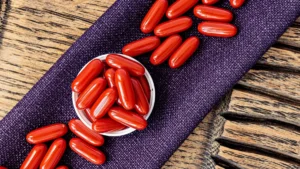



The dietary supplement market has a new, intriguing entrant: Happy Caapi, a product derived from a key botanical component of the traditional Amazonian psychoactive brew, ayahuasca. This innovative supplement, which formally debuted at Biohackers World NYC in late June 2026, is positioned as a cognitive enhancer and adaptogen, specifically formulated to harness the non-psychedelic benefits of Banisteriopsis caapi vine. The launch follows a notable win for the product, securing the audience choice award at the Nutrition Capital Network meeting, also held in New York City, signaling early industry and consumer interest.
Ayahuasca, a complex concoction steeped in indigenous shamanistic traditions, has seen a significant rise in mainstream awareness in recent years. This increased visibility is attributed to a confluence of factors, including widespread discussion by wellness influencers and a notable documentary featuring NFL star Aaron Rodgers detailing his personal experience with the brew in the Amazon. For many outside of its traditional cultural context, ayahuasca is primarily associated with intense physical purging (vomiting) and profound, often disorienting, visual and auditory hallucinations, properties stemming from its primary psychoactive component, DMT (N,N-dimethyltryptamine).
However, Happy Caapi’s developers have meticulously separated its formulation from the elements that induce these powerful psychedelic experiences. Jose Gonzalo, co-founder of the company behind Happy Caapi, explained that the product’s efficacy and market viability hinge on this precise distinction. "Our approach is to isolate and concentrate the beneficial aspects of Banisteriopsis caapi without incorporating the DMT found in Psychotria viridis leaves, which is the other primary botanical in ayahuasca," Gonzalo stated. "This allows us to offer a product with demonstrable cognitive and mood-regulating benefits, while strictly adhering to regulatory frameworks and consumer expectations for dietary supplements."

The Science Behind the Supplement: Isolating the Power of B. caapi
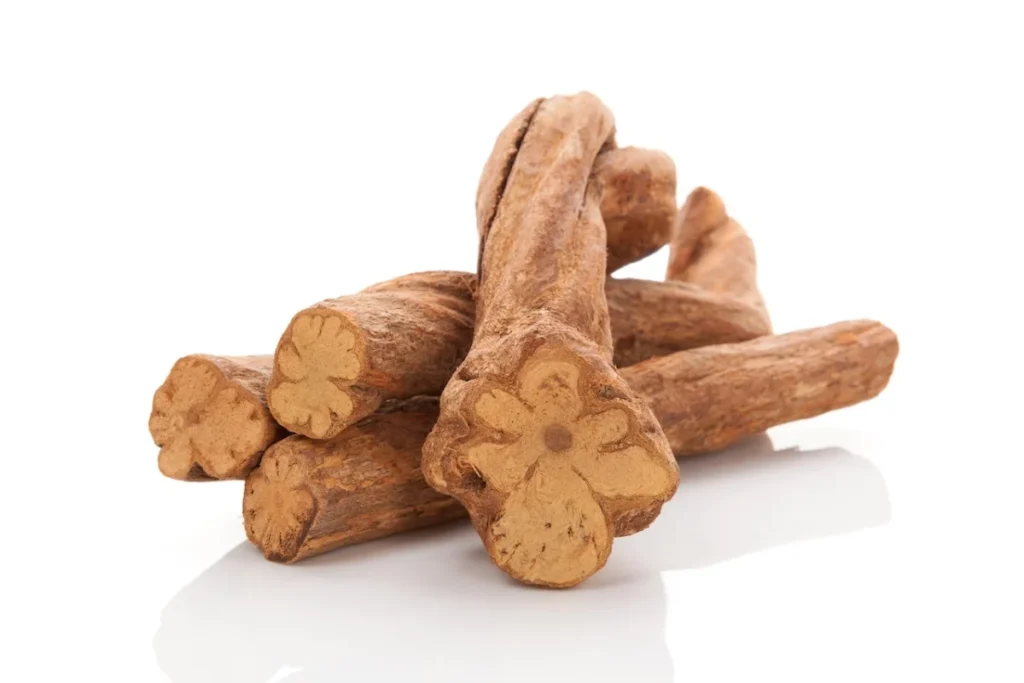
The foundation of Happy Caapi lies in understanding the synergistic interaction of the plants used in traditional ayahuasca. The Psychotria viridis shrub contributes DMT, the potent psychedelic compound. However, it is the Banisteriopsis caapi vine that plays a crucial role in enabling DMT’s effects. B. caapi contains a group of compounds known as beta-carbolines, including harmine, harmaline, and tetrahydroharmine. These compounds are natural monoamine oxidase-A (MAO-A) inhibitors.
MAO-A is an enzyme responsible for breaking down key neurotransmitters such as serotonin, dopamine, and norepinephrine. By inhibiting MAO-A, B. caapi effectively increases the availability and longevity of these neurotransmitters in the brain. In the context of traditional ayahuasca, this MAO-A inhibition is essential for allowing DMT to enter the bloodstream and remain active long enough to induce its characteristic psychoactive effects. Without the MAO-A inhibitor, ingested DMT would be rapidly metabolized by the body, negating its psychedelic potential.
Jose Gonzalo recognized that the MAO-A inhibiting properties of B. caapi alone could offer significant benefits independent of DMT. "The vine itself has a profound impact," he explained. "It has positively influenced my own life and that of my family for years. We identified an opportunity to leverage this natural mechanism to support cognitive function and emotional well-being in a way that is safe and accessible."
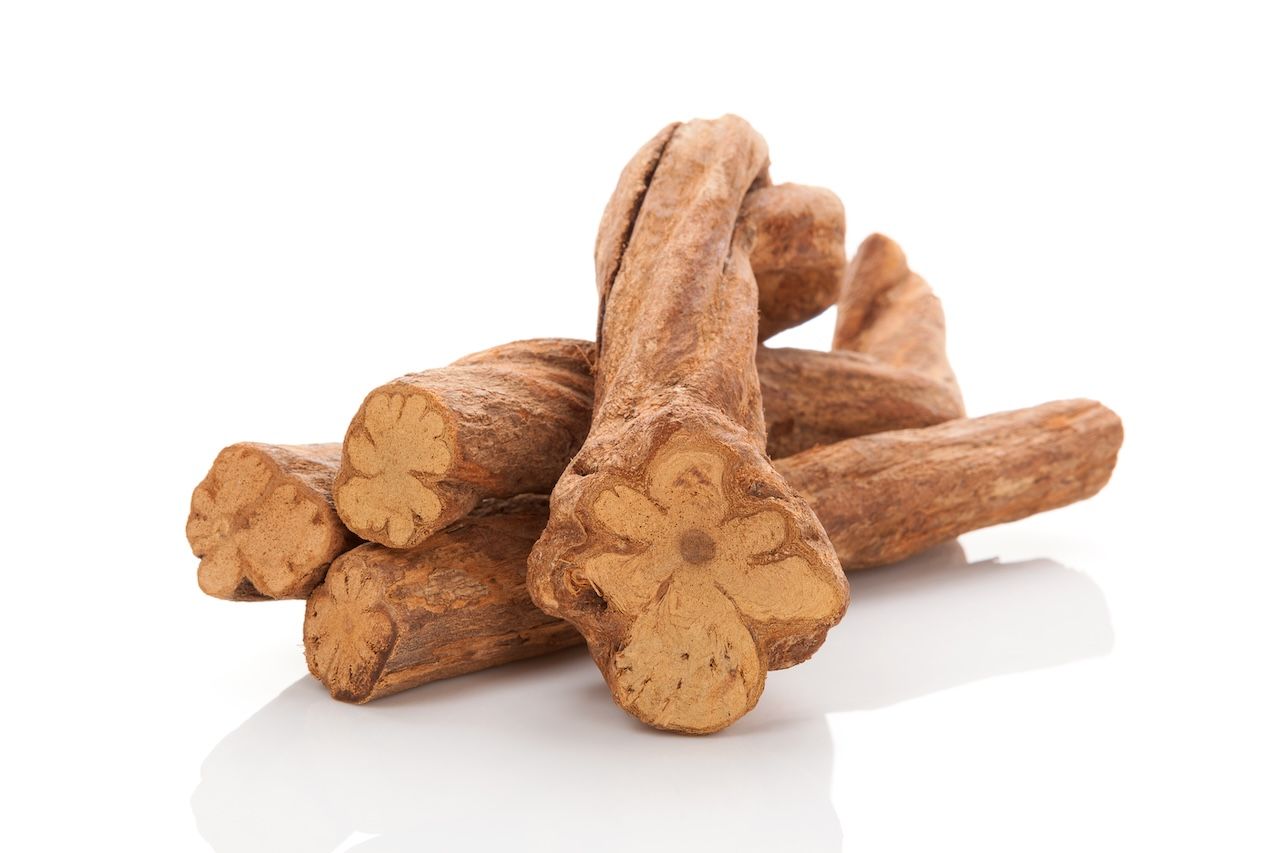
The Happy Caapi product is a liquid extract derived directly from the B. caapi vines. The company rigorously ensures that the extract contains no DMT. The ratio of beta-carbolines in the extract is reportedly maintained to mirror that found naturally in the B. caapi plant. Currently, the supplement is available for purchase online, offered in a 10-serving pump bottle priced at $40, equating to approximately $8 per 500 mg serving.
The company asserts that the extract gently inhibits MAO-A, which in turn "gives serotonin more room to operate." This mechanism is presented as a more nuanced approach to mood support compared to conventional antidepressant medications. While some antidepressants aim to boost serotonin levels, they often require significant titration periods and can have prolonged effects. The developers of Happy Caapi highlight that their product’s MAO-A inhibition is reversible and dissipates within hours, offering a potentially more immediate and controllable effect for users seeking enhanced mood and focus.
Debut and Industry Reception: A Strategic Entry into the Biohacking and Wellness Markets
The choice of Biohackers World NYC for the formal market debut was strategic. This event serves as a nexus for individuals actively engaged in optimizing their physical and mental performance through various scientific and technological means. The biohacking community often demonstrates a keen interest in novel compounds and natural remedies with scientifically supported mechanisms of action.
The prior recognition at the Nutrition Capital Network (NCN) meeting further validated the product’s appeal. NCN events are key gatherings for ingredient suppliers, finished product manufacturers, and industry analysts, providing a platform for discovering emerging trends and innovative products. Winning the audience choice award suggests that Happy Caapi resonated with a knowledgeable and discerning industry audience, indicating potential for broad market adoption.
Evolving Sourcing and Sustainability: A Commitment to Ethical Practices
Recognizing the importance of responsible sourcing, especially for botanicals with deep cultural significance and potential ecological impact, the company behind Happy Caapi is actively developing its own cultivation program. Currently, the B. caapi vines used for the extract are sourced from third-party vendors. However, Gonzalo revealed that a significant cultivation project is underway in Panama. This initiative aims to ensure a consistent and sustainable supply of high-quality B. caapi while upholding ethical and environmental standards.
The maturation process for B. caapi vines is lengthy, often requiring several years before they reach optimal harvest readiness. This long-term investment underscores the company’s commitment to the longevity and integrity of its supply chain. "Our mission is to bring nature’s ancestral wisdom to the adapting modern human, with the highest standards of sustainability, quality, and cultural respect," Gonzalo articulated. "And Banisteriopsis caapi is where that mission begins."
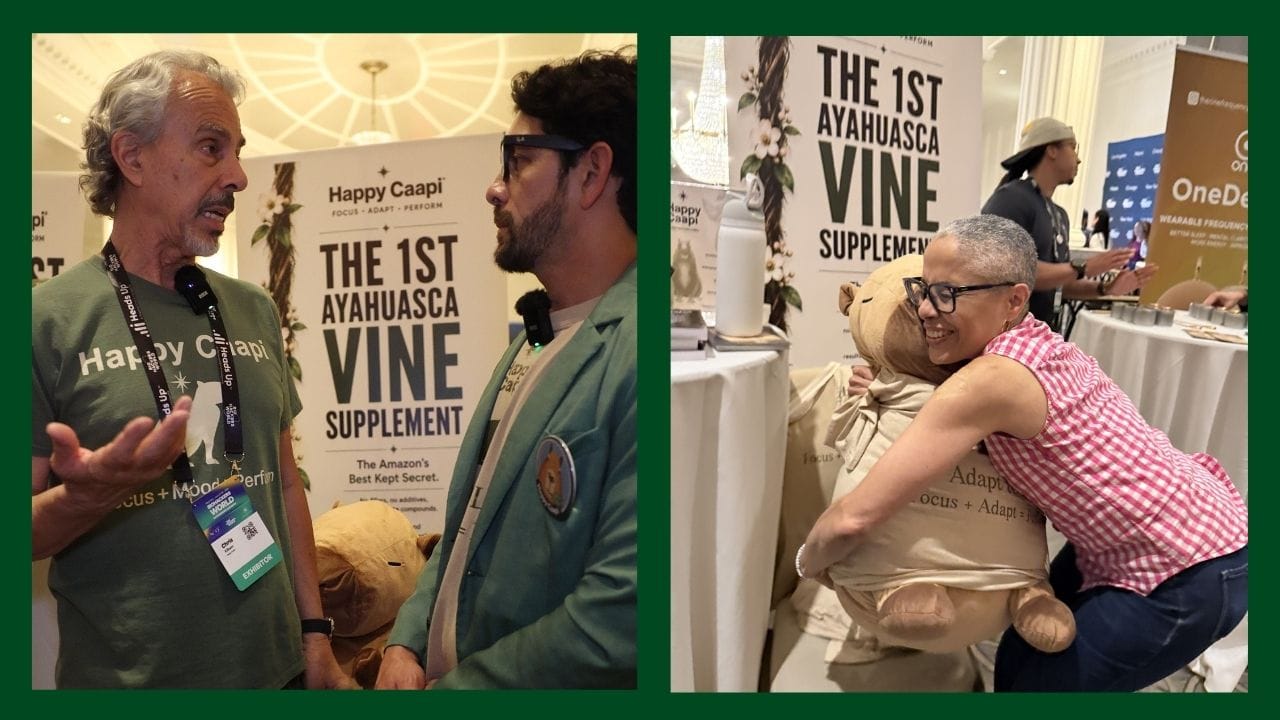
The company is collaborating with Chris Kilham, a renowned ethnobotanist and advocate for natural medicine, often referred to as "The Medicine Hunter," on this cultivation project. Kilham’s expertise in Amazonian flora and his dedication to sustainable and ethical botanical sourcing align with Happy Caapi’s stated values.
"I’ve admired Banisteriopsis caapi for decades and spent two years researching its sustainability in the Amazon," Kilham commented during the product’s launch event. "It stands at the top of the pyramid among Amazonian plants in terms of cultural and botanical significance. Happy Caapi has done the hard work of bringing it to market the right way, and that matters immensely." Kilham’s endorsement lends significant credibility to the product’s approach to sourcing and ethical considerations.
Analysis of Market Implications and Future Outlook
The introduction of Happy Caapi represents a significant development in the dietary supplement landscape, particularly within the burgeoning market for cognitive enhancers and adaptogens. By carefully isolating a specific botanical constituent of a traditionally used, albeit controversial, substance, the company has navigated complex regulatory and cultural sensitivities.
The product’s positioning as a "mild focus booster" and adaptogen, with the tagline "Adapt to Life: Focus + Adapt = Perform," taps into the growing consumer demand for products that support resilience, mental clarity, and overall well-being in the face of modern stressors. The emphasis on a natural mechanism of action, distinct from synthetic stimulants or pharmaceuticals, is likely to appeal to a segment of the market actively seeking holistic health solutions.
The success of Happy Caapi could pave the way for further exploration of other ethnobotanicals and traditional remedies, provided they can be similarly deconstructed and presented in a safe, regulated, and efficacious manner. The challenge will be to maintain the integrity of the source material while ensuring clear communication about the product’s specific benefits and limitations, distinguishing it from its more potent ancestral preparations.
Furthermore, the company’s proactive approach to sustainable cultivation and cultural respect sets a benchmark for future ventures in this space. As the global demand for natural products continues to rise, ethical sourcing and transparent practices will become increasingly critical differentiators. The long-term success of Happy Caapi will likely depend not only on its product efficacy but also on its continued commitment to these principles, building trust with consumers and stakeholders alike. The early positive reception at industry events suggests a promising trajectory for this novel supplement, which aims to bridge ancient botanical wisdom with contemporary wellness needs.