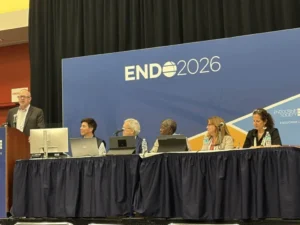









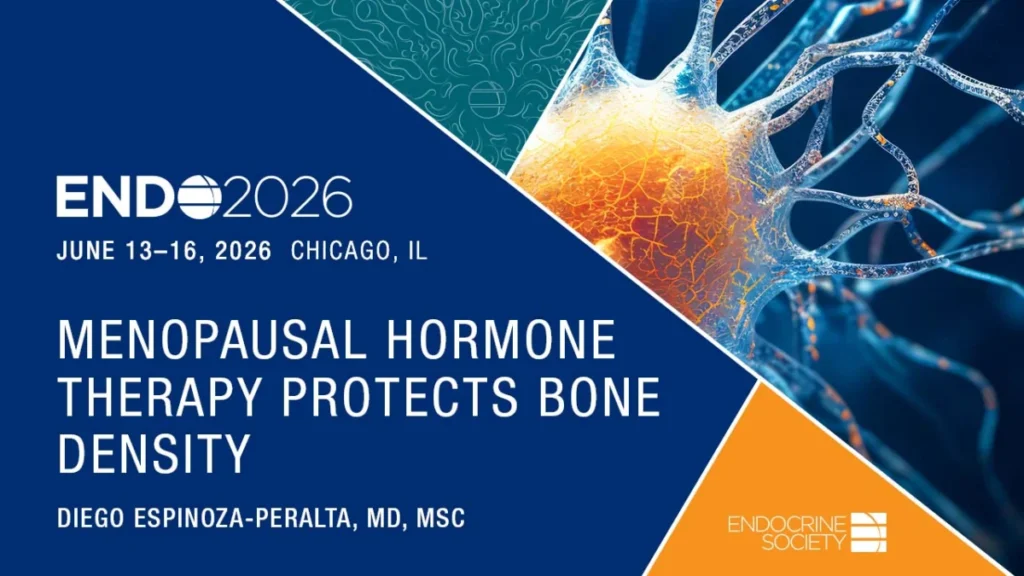
Recent clinical findings presented at the ENDO 2026 annual meeting have provided compelling evidence that menopausal hormone therapy (MHT) plays a pivotal role in protecting skeletal integrity in postmenopausal women. The research, spearheaded by Diego Espinoza-Peralta, MD, MSc, indicates that women utilizing MHT face a substantially lower risk of developing low bone mineral density (BMD), a condition that frequently progresses to osteopenia and osteoporosis. By analyzing data from a multi-year cohort, the study suggests a shift in the clinical paradigm, moving away from the cautious avoidance of hormone therapy that has characterized the last two decades toward a more nuanced, preventative approach to women’s long-term health.
The study’s conclusions arrive at a critical juncture in geriatric and endocrine medicine. As the global population ages, the incidence of osteoporotic fractures—particularly of the hip and spine—is projected to rise, placing an immense burden on healthcare systems and individual quality of life. The research led by Dr. Espinoza-Peralta, who serves as the Vice President of the Mexican Society of Nutrition and Endocrinology (SMNE) and a principal investigator at Investigación Médica Sonora (INMEDS), highlights MHT as a potent tool not only for the management of vasomotor symptoms like hot flashes but as a foundational intervention for metabolic bone health.
The Evolution of Menopausal Hormone Therapy and Bone Health
To understand the significance of the findings presented at ENDO 2026, it is necessary to examine the historical context of hormone therapy. For much of the late 20th century, MHT was widely prescribed to manage menopausal symptoms. However, the publication of the Women’s Health Initiative (WHI) study in the early 2000s led to a dramatic decline in its use. The WHI raised concerns regarding the risks of breast cancer, stroke, and cardiovascular events, prompting regulatory bodies to issue "black box" warnings and advising clinicians to prescribe the lowest effective dose for the shortest possible duration.

In recent years, however, a re-analysis of the WHI data and subsequent longitudinal studies have suggested that the risks were often overstated or specific to older populations who started therapy long after the onset of menopause. The new research presented by Dr. Espinoza-Peralta contributes to this evolving narrative by focusing on the "added benefit" of bone protection. According to the investigators, the conversation is shifting from "avoid if possible" to "reconsider in the right patient," particularly those in the early stages of the menopausal transition when bone loss is most rapid.
Study Methodology and Chronological Framework
The research was designed as a retrospective cohort study, drawing from a pool of 387 postmenopausal women who underwent Dual-Energy X-ray Absorptiometry (DXA) scans between 2021 and 2025. This timeframe is significant as it captures a modern demographic of women and utilizes contemporary diagnostic standards for measuring bone density.
The participants were categorized into two distinct groups:
- MHT Users (33%): Women who were actively receiving or had recently used menopausal hormone therapy.
- Non-Users (67%): Women who did not utilize hormone therapy during their postmenopausal years.
Low bone mineral density was defined using the World Health Organization (WHO) criteria, which classifies BMD based on T-scores. Osteopenia is generally defined as a T-score between -1.0 and -2.5, while osteoporosis is defined as a T-score of -2.5 or lower. By tracking these patients over a four-year period, the researchers were able to correlate hormone use with the prevalence of these skeletal conditions.
Key Findings: A 69% Reduction in Risk
The data presented at ENDO 2026 revealed a striking disparity between the two groups. Women who utilized MHT demonstrated a 69% lower risk of developing low bone mineral density in both the spine and the hip compared to non-users. These two areas are of particular clinical concern because spinal fractures can lead to chronic pain and kyphosis (stooped posture), while hip fractures are associated with high rates of mortality and permanent disability in the elderly.
Crucially, this 69% risk reduction was not merely a result of lifestyle factors or demographic coincidences. The research team employed rigorous statistical modeling to account for a wide array of confounding variables, including:
- Age and Time Since Menopause: Recognizing that bone density naturally declines with age.
- Vitamin D Levels: Ensuring that the results were not skewed by differences in calcium metabolism or supplementation.
- Smoking Status: Accounting for the known negative impact of tobacco on bone health.
- Comorbidities: Controlling for other health conditions that might influence skeletal strength.
"In simple terms: menopausal hormone therapy appears to independently protect bones, not just by coincidence," Dr. Espinoza-Peralta stated during his presentation. The independence of this finding suggests that estrogen plays a direct physiological role in maintaining the balance between bone resorption and bone formation.
The Biological Mechanism: Estrogen and the Skeleton
The protective effect of MHT is rooted in the fundamental biology of bone remodeling. Bone is a living tissue that is constantly being broken down by cells called osteoclasts and rebuilt by cells called osteoblasts. During the reproductive years, estrogen acts as a regulator of this process, primarily by inhibiting the activity of osteoclasts.
When a woman enters menopause and estrogen levels plummet, the "brakes" on bone resorption are removed. Osteoclasts become overactive, leading to a net loss of bone mass. This accelerated loss typically occurs in the first five to ten years following the final menstrual period. By introducing exogenous hormones through MHT, clinicians can effectively simulate the premenopausal environment, slowing the rate of resorption and preserving the structural integrity of the bone matrix.
Official Responses and Clinical Implications
The presentation of these findings has sparked significant discussion among the international endocrine community. While the full transcript of peer reactions will emerge as the conference concludes, the general sentiment among attendees suggests a move toward personalized medicine in menopause care.
Clinicians representing various international endocrine societies have noted that these findings reinforce the "window of opportunity" hypothesis. This theory suggests that MHT provides the greatest cardiovascular and skeletal benefits when started in women under the age of 60 or within 10 years of menopause onset. For these women, the benefit-to-risk ratio appears increasingly favorable.
Dr. Espinoza-Peralta emphasized that the findings should encourage clinicians to weigh the benefits of MHT more carefully. "Clinicians may begin to weigh its benefits more carefully, especially in women early after menopause, potentially improving long-term health and quality of life," he remarked. This sentiment is echoed by many who argue that the fear-based approach to MHT has inadvertently led to an "undertreatment" of bone loss, resulting in preventable fractures.
Broader Public Health Impact
The implications of this research extend far beyond the doctor’s office. Osteoporosis is often called a "silent disease" because it progresses without symptoms until a fracture occurs. According to global health statistics, approximately one in three women over the age of 50 will experience an osteoporotic fracture. These injuries often lead to a loss of independence, with many patients requiring long-term nursing care following a hip fracture.
By identifying MHT as a robust preventative measure, the medical community may be able to reduce the incidence of these catastrophic events. The economic impact is also noteworthy; the cost of treating fractures and providing post-operative rehabilitation runs into the billions of dollars annually. If MHT can reduce the risk of low BMD by 69%, the potential for healthcare cost savings is substantial.
Furthermore, the study highlights the importance of DXA scanning as a routine part of postmenopausal care. The fact that the study relied on scans from 2021 to 2025 underscores the need for regular monitoring to catch bone loss in the osteopenic stage before it reaches the threshold of osteoporosis.
Future Research and Directions
While the results from the INMEDS and SMNE study are promising, researchers acknowledge that further investigation is required to refine MHT protocols. Future studies may look into:
- Dosage and Delivery: Determining the minimum effective dose of estrogen required for bone protection and whether transdermal patches offer different benefits compared to oral medications.
- Duration of Therapy: Investigating how long the bone-protective benefits last after a woman ceases MHT.
- Combination Therapies: Exploring how MHT interacts with other bone-building medications like bisphosphonates or RANK ligand inhibitors.
As the ENDO 2026 conference continues, the medical community remains focused on integrating these findings into updated clinical guidelines. The goal is to provide women with a comprehensive toolkit for aging—one that addresses both the immediate symptoms of menopause and the long-term risks of skeletal frailty.
In conclusion, the research presented by Dr. Diego Espinoza-Peralta serves as a powerful reminder of the multifaceted benefits of menopausal hormone therapy. By shifting the narrative from a narrow focus on risk to a broader appreciation of preventative health, this study paves the way for a new era in postmenopausal care. For millions of women, the "reconsideration" of MHT could mean the difference between a future of fragility and a life of continued mobility and independence.