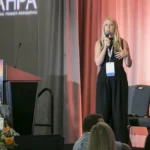








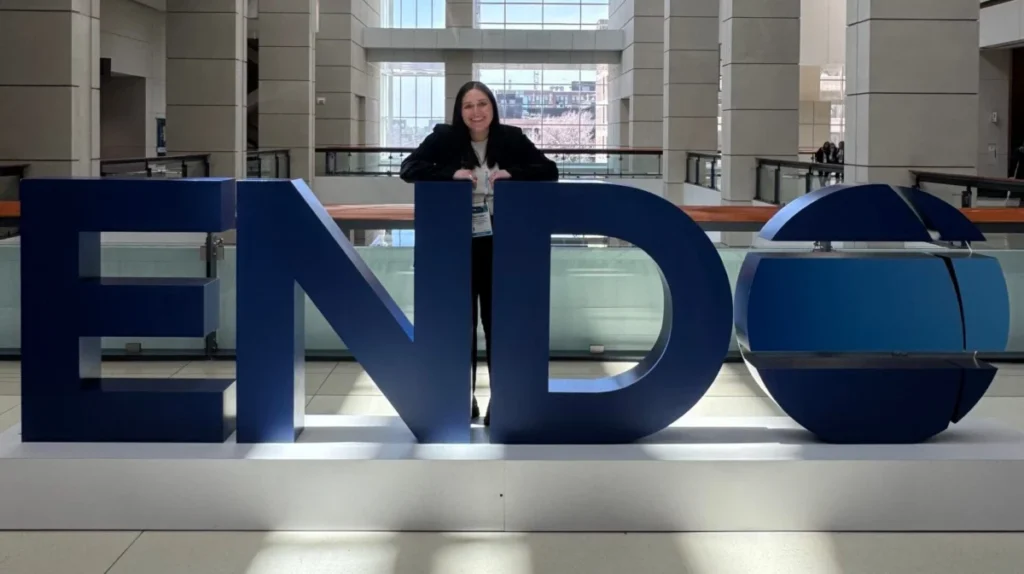
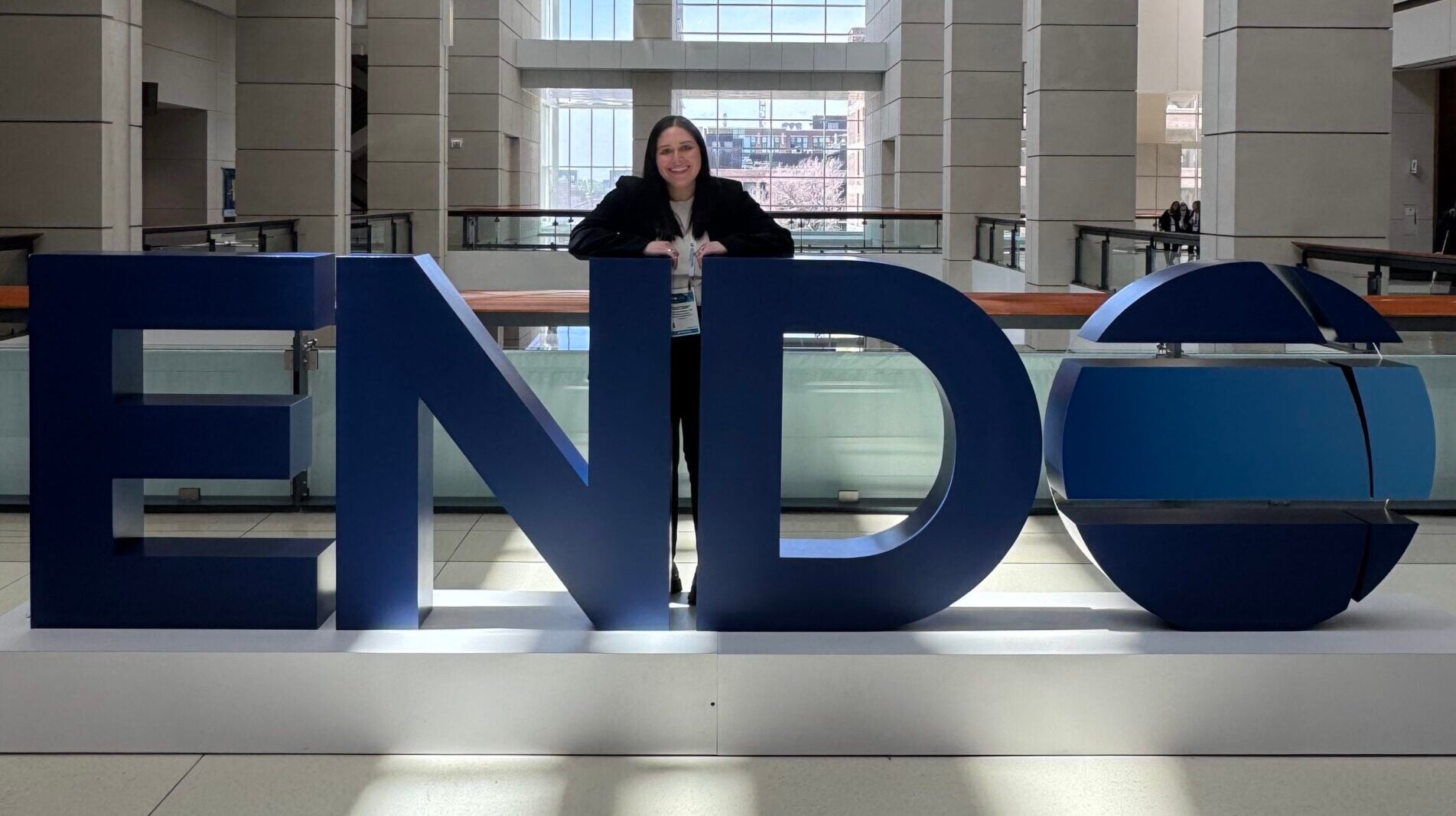
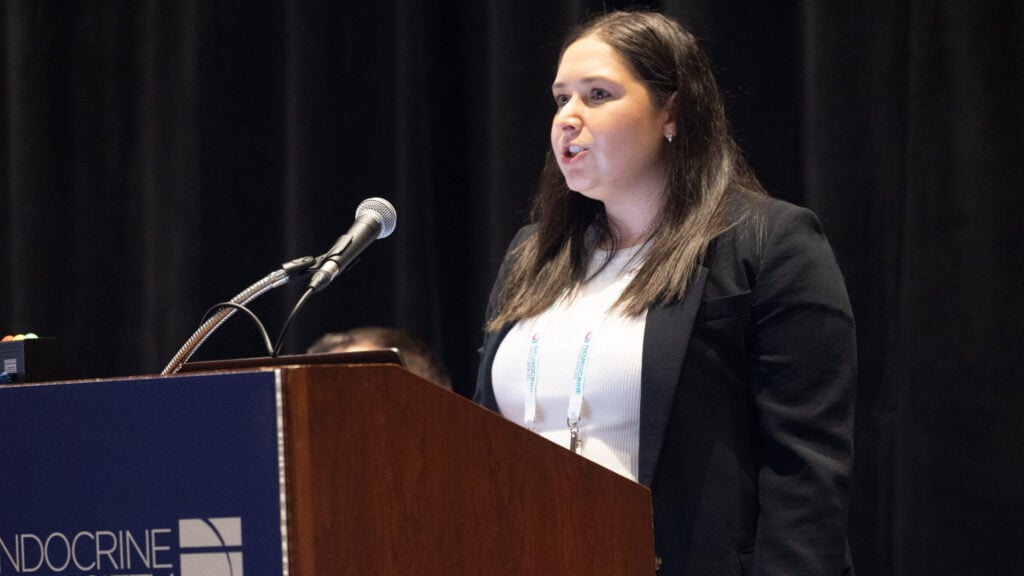
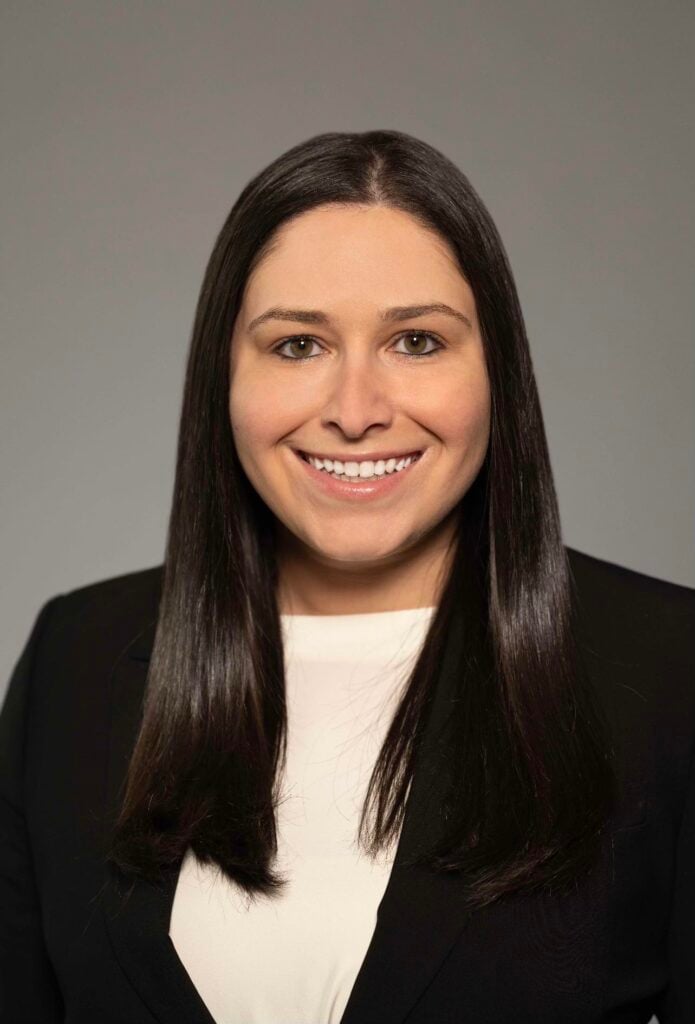
The annual meeting of the Endocrine Society, known as ENDO 2026, recently served as the backdrop for one of the most high-stakes and fast-paced academic competitions in the field of hormone research: the Rising Star Power Talks. This year, the spotlight shone brightly on Brittany Weisbrot, an internal medicine resident at Loyola University Medical Center in Maywood, Illinois, who was named the winner in the Clinical Science category. Her presentation, which distilled complex diagnostic challenges into a three-minute narrative, highlighted a rare intersection of bariatric surgery, autoimmune disorders, and reproductive health. The competition, designed to test the communication skills and scientific rigor of early-career researchers, continues to be a cornerstone of the ENDO program, providing a platform for the next generation of endocrinologists to present their findings to an international audience of peers, mentors, and industry leaders.
The Mechanics of the Rising Star Power Talks
The Rising Star Power Talks are characterized by a "blitz" style of research communication that demands precision, clarity, and poise. Each participant is granted exactly three minutes to deliver their presentation, a format inspired by the "Three Minute Thesis" (3MT) competitions held at universities worldwide. The pressure is intensified by a single, auto-advancing slide that provides visual support but requires the speaker to maintain a perfect cadence with their delivery. Following the presentation, a two-minute question-and-answer session allows judges and audience members to probe the depth of the researcher’s understanding.
This format is specifically designed to address a growing need in the scientific community: the ability to translate complex clinical data into accessible, impactful insights. For residents and fellows like Weisbrot, the competition is more than just an academic exercise; it is a professional crucible. The judges for 2026 evaluated participants based on the significance of their research, the clarity of their presentation, and their ability to handle spontaneous clinical inquiries under the gaze of some of the world’s foremost experts in endocrinology.
The 2026 winners represented a diverse cross-section of the field. Alongside Weisbrot, Lila Dabill, a PhD student at Washington University in St. Louis, took home the Basic Science award. Dillon Boulton, a postdoctoral fellow at the University of Colorado’s Anschutz Medical Campus, won for Translational Science. The Audience’s Choice award was presented to Konstantinos Stefanakis, a cardiology and postdoctoral research fellow at Harvard Medical School’s Beth Israel Medical Center. Together, these individuals represent the vanguard of endocrine research, addressing everything from cellular mechanisms to large-scale clinical outcomes.
A Deep Dive into the Winning Research: The Intersection of Estrogen and IAS
Brittany Weisbrot’s winning presentation centered on a diagnostic mystery that challenged the conventional understanding of post-bariatric complications. Her research focused on a female patient who presented with new-onset and recurrent hypoglycemia 15 years after undergoing bariatric surgery. In clinical practice, post-bariatric hypoglycemia (PBH) is a recognized late complication, typically characterized by postprandial (after-meal) drops in blood glucose due to altered nutrient delivery and exaggerated insulin response.
However, Weisbrot’s case did not follow the standard trajectory of PBH. Through meticulous investigation, the clinical team discovered that the patient was suffering from Insulin Autoimmune Syndrome (IAS), also known as Hirata disease. IAS is an exceedingly rare condition characterized by the presence of high titers of insulin autoantibodies in the absence of prior insulin exposure. These antibodies bind to insulin, making it ineffective in the short term, but then release the insulin unpredictably, leading to severe, often fasting, hypoglycemia.
The most provocative aspect of Weisbrot’s findings was the cyclical nature of the patient’s symptoms. The research team noted that the hypoglycemic episodes appeared to fluctuate in tandem with the patient’s estrogen levels. Further diagnostic imaging and laboratory work revealed that the patient had markedly elevated estradiol levels and bilateral ovarian fibromas and cystadenomas. Following a bilateral oophorectomy (removal of the ovaries), the patient’s insulin autoantibodies plummeted, her estradiol levels normalized, and the hypoglycemic episodes ceased.
This case study suggests a potential, yet poorly understood, link between high estrogen states and the development or exacerbation of insulin autoimmunity. While it is well-established that autoimmune diseases disproportionately affect women and are often influenced by sex hormones, Weisbrot’s research provides a concrete clinical example of how reproductive pathology can manifest as a metabolic crisis.
Clinical Context: Hypoglycemia and Bariatric Surgery
To appreciate the significance of Weisbrot’s work, one must consider the broader landscape of bariatric medicine. As of 2024, nearly 280,000 bariatric procedures are performed annually in the United States alone to combat the obesity epidemic. While these surgeries are life-saving for many, the long-term metabolic consequences are still being mapped.
Standard post-bariatric hypoglycemia usually involves non-insulinoma pancreatogenous hypoglycemia syndrome (NIPHS) or nesidioblastosis, where the insulin-producing beta cells in the pancreas become overactive. Weisbrot’s case serves as a critical reminder to clinicians that when a patient’s symptoms do not align with the typical post-bariatric profile—such as experiencing fasting hypoglycemia or symptoms many years after surgery—uncommon etiologies like IAS must be considered.
IAS was first described in Japan in 1970 and remains rare in Western populations, though its recognition is increasing. It is often associated with the use of certain medications containing sulfhydryl groups (such as methimazole or captopril) or other autoimmune conditions. Weisbrot’s research adds a new dimension to the literature by highlighting the role of estrogen-producing ovarian tumors as a potential trigger for this metabolic-autoimmune crossover.
The Impact of Mentorship and Environment
In her reflections on the competition, Weisbrot emphasized the importance of the "What are we missing?" mindset. This philosophy, encouraged by her mentors at Loyola University Medical Center, is essential in a field as complex as endocrinology, where symptoms of different disorders frequently overlap. Loyola, located in the Chicago metropolitan area, is a major academic medical center known for its robust internal medicine residency program and its emphasis on clinical research.
Presenting in Chicago held special significance for Weisbrot, as it is the city where she is currently honing her skills as a resident. The opportunity to share her work in front of a global audience while remaining grounded in her local training environment provided a unique sense of professional fulfillment. She noted that the collaborative atmosphere of the Endocrine Society has been instrumental in her development. The Society, which boasts over 18,000 members from 122 countries, provides a network of support that is particularly vital for residents who are in the process of applying for specialized fellowships.
Broader Implications for Endocrinology and Women’s Health
The success of Weisbrot’s presentation at ENDO 2026 underscores several emerging trends in the medical field:
- Precision Communication: The move toward "Power Talk" formats reflects a broader shift in science toward brevity and impact. As the volume of medical literature grows, the ability to summarize key findings quickly and accurately is becoming a mandatory skill for researchers.
- Multidisciplinary Approaches: Weisbrot’s case required a synthesis of bariatric medicine, immunology, gynecology, and endocrinology. The future of medicine increasingly relies on "breaking down silos" to understand how different organ systems interact.
- Hormonal Influence on Autoimmunity: By linking ovarian pathology to insulin antibodies, this research contributes to the growing body of knowledge regarding how sex steroids modulate the immune system. This has implications not only for IAS but for other autoimmune conditions like lupus and rheumatoid arthritis, which also show sensitivity to hormonal shifts.
Future Outlook for the Awardee
Looking ahead, Brittany Weisbrot is currently in the process of applying for an endocrinology fellowship, the next step in her journey toward becoming a specialized clinician-researcher. Her long-term career goals involve a trifecta of patient care, clinical research, and medical education. She has expressed a particular interest in obesity medicine and metabolic health, fields that are increasingly relevant as the global prevalence of metabolic syndrome continues to rise.
Her research trajectory suggests a focus on "bedside-to-bench-to-bedside" science—where clinical observations in a single patient lead to broader research questions that eventually refine the standard of care for the general population. For the Endocrine Society, the Rising Star Power Talks serve as a vital pipeline, identifying talent like Weisbrot early and providing them with the platform necessary to influence the future of hormone health.
The 2026 session of the Power Talks concluded with a sense of optimism. As the editor of Endocrine News, Mark Newman, noted, the event captured a front-row seat to the future of the field. By rewarding curiosity and the rigorous investigation of "atypical" cases, the Endocrine Society ensures that the field of endocrinology remains dynamic and responsive to the complexities of human biology. For Weisbrot and her fellow winners, the accolades received at ENDO 2026 are not just a recognition of past work, but a catalyst for future discovery in the intricate world of endocrine science.