

The field of endocrinology often resembles a high-stakes detective novel, where clinicians must look beyond obvious symptoms to uncover hidden physiological interactions. A remarkable case recently highlighted at the ENDO 2026 conference in Chicago exemplifies this complexity, detailing how one rare endocrine tumor effectively acted as a "natural treatment" for another. The case, originally published in the April 2025 issue of JCEM Case Reports, involves a 52-year-old male whose diagnosis of an aggressive pituitary mass was complicated—and partially obscured—by a secondary, dopamine-secreting tumor located in his chest.
This rare clinical occurrence, described by lead author Tamaryn Fox, MD, a clinical fellow at Cedars-Sinai Medical Center, demonstrates a phenomenon known as "endogenous pharmacotherapy." In this instance, the dopamine produced by a mediastinal paraganglioma suppressed the hormonal output of a large pituitary prolactinoma, leading to a diagnostic challenge that was only resolved after the first tumor was surgically removed.
Clinical Presentation and Initial Discovery
The patient’s journey into the medical system began with a distressing and specific symptom: cerebrospinal fluid (CSF) rhinorrhea. This condition occurs when the protective fluid surrounding the brain leaks through the skull base and exits through the nose, often indicating a structural breach. Upon seeking medical attention, the 52-year-old male underwent diagnostic imaging that revealed a significant 4.2-centimeter invasive pituitary mass.
In the context of pituitary tumors, size and hormonal output usually correlate. A mass of this magnitude—classified as a macroadenoma—typically results in extremely high levels of prolactin, the hormone responsible for lactation and various reproductive functions. However, the patient’s initial biochemical screening showed only modestly elevated prolactin levels. This discrepancy immediately raised red flags for the clinical team. While a "hook effect" (a laboratory artifact that can cause falsely low readings in very high hormone concentrations) is often suspected in such cases, further investigation pointed toward a more biological explanation.
Subsequent imaging of the torso, performed as part of a comprehensive diagnostic workup, revealed an additional finding: a large mediastinal mass suspicious for a thoracic paraganglioma. Paragangliomas are rare neuroendocrine tumors that arise from the extra-adrenal autonomic nervous system. While many paragangliomas are "silent" or secrete catecholamines like norepinephrine, this specific tumor was found to be secreting massive amounts of dopamine. Biochemical screening confirmed marked elevations in both plasma and urinary dopamine levels.
The Chronology of Treatment and the "Aha!" Moment
The management of the patient required a staged surgical and medical approach. Because the thoracic paraganglioma posed a potential cardiovascular risk and was the primary source of the abnormal catecholamine levels, it was prioritized for resection.
The most striking clinical development occurred two weeks following the successful removal of the dopamine-secreting paraganglioma. Without the "treatment" provided by the secondary tumor, the patient’s prolactin levels surged. Specifically, the medical team recorded a six-fold increase in prolactin concentrations. This dramatic rise confirmed the authors’ hypothesis: the dopamine produced by the paraganglioma had been acting as a natural dopamine agonist, suppressing the prolactinoma’s hormonal activity.
In standard clinical practice, prolactinomas are treated with synthetic dopamine agonists such as cabergoline or bromocriptine. These drugs bind to D2 receptors on the pituitary gland to inhibit prolactin secretion and shrink the tumor. In this patient, the mediastinal tumor had been providing a constant, endogenous supply of dopamine, effectively masking the true secretory potential of the pituitary adenoma. Once the source of that dopamine was removed, the "unmasked" prolactinoma began to secrete at levels more consistent with its massive size.
Pathological Analysis and the PIT-1 Lineage
The complexity of the case extended to the pathology of the pituitary tumor itself. Following the surge in prolactin, the clinical team pursued further analysis of the pituitary mass. Immunohistochemical staining revealed that the tumor was PIT-1 positive. The PIT-1 (pituitary-specific positive transcription factor 1) lineage is a specific category of pituitary tumors that includes those secreting growth hormone, prolactin, and thyroid-stimulating hormone.
However, the staining was negative for the expected lineage hormones, including prolactin, despite the clear clinical evidence of prolactin secretion. Dr. Fox noted that this profile is consistent with an "immature PIT-1-lineage pituitary adenoma." These are rare and often aggressive tumors that can be less differentiated than typical adenomas. Their lack of standard hormone staining, despite active secretion, often leads to diagnostic confusion and requires a high degree of clinical suspicion.
The aggressive nature of the tumor was evident in its size and its invasion of surrounding structures, which had caused the initial CSF leak. The patient’s treatment plan eventually shifted to the use of cabergoline—this time administered as a pharmaceutical rather than an endogenous byproduct—to manage the remaining pituitary mass.
Genetic Implications and SDHC Variants
Given the presence of two distinct neuroendocrine tumors, the medical team performed germline genetic testing to investigate a possible hereditary syndrome. Multiple endocrine tumors often point toward mutations in genes such as MEN1 or the SDHx complex (succinate dehydrogenase subunits).
Testing revealed a previously unreported variant of uncertain significance (VUS) in the SDHC gene. The SDHx genes are well-known drivers of hereditary paraganglioma-pheochromocytoma syndromes. While a VUS does not provide a definitive diagnosis, it carries significant implications for long-term monitoring.
"Genetic testing is important for all patients with pheochromocytoma or paraganglioma," Dr. Fox emphasized during her presentation. "In our patient, the presence of multiple endocrine tumors made the possibility of an underlying hereditary syndrome particularly relevant." Even without a "pathogenic" label for the specific variant, the discovery necessitates ongoing surveillance for the patient and potentially for his family members, as our understanding of genetic variants continues to evolve.
Expert Reactions and the ENDO 2026 Symposium
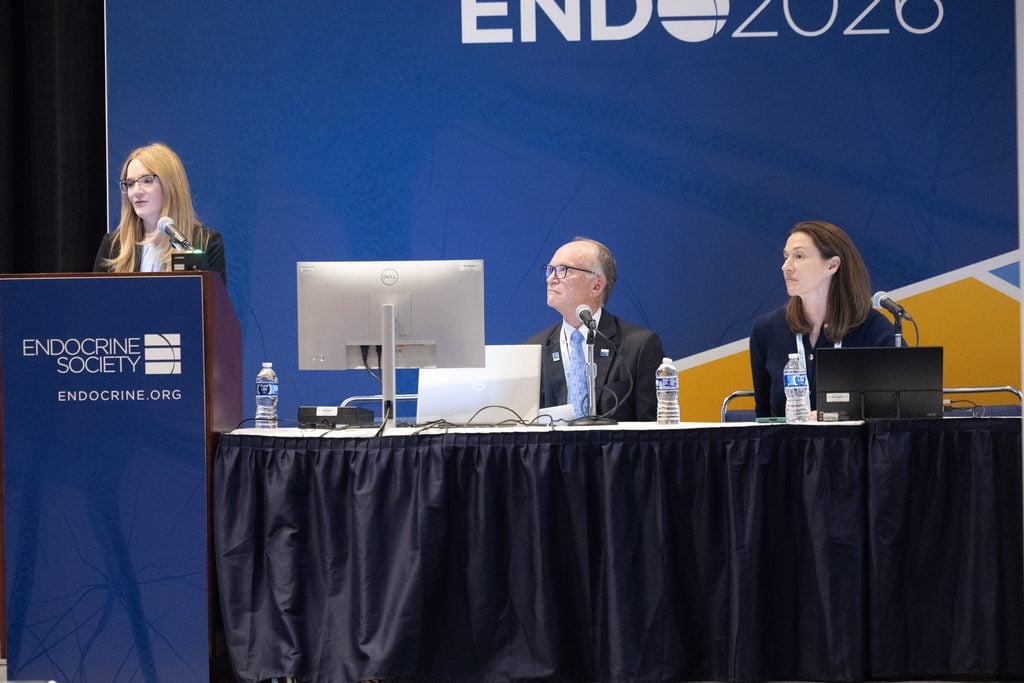
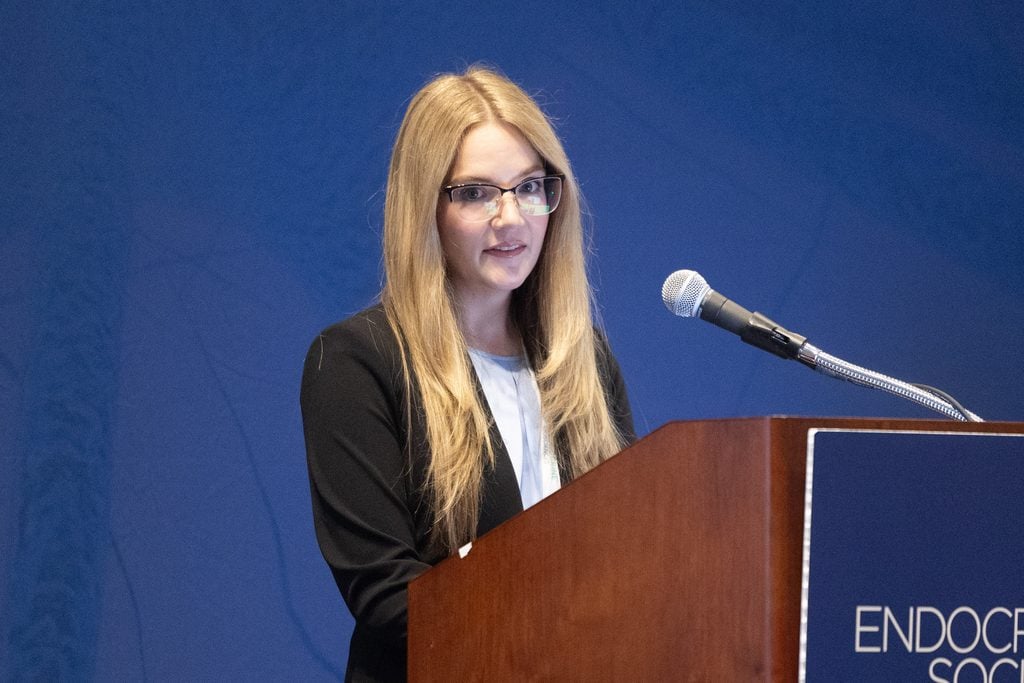
The case was a centerpiece of the "Clinical Pearls from JCEM Case Reports" symposium at ENDO 2026. William F. Young, MD, MSc, the Tyson Family Endocrinology Clinical Professor at the Mayo Clinic and editor-in-chief of JCEM Case Reports, expressed profound interest in the biological crosstalk demonstrated by the case.
"It is not often that you see this type of endogenous pharmacotherapy," Dr. Young remarked. He highlighted the case as a perfect example of why endocrinologists must remain vigilant when biochemical data does not align with imaging. The "treatment" of one tumor by another is a rare physiological irony that underscores the interconnectedness of the endocrine system.
Sarah Mayson, MD, and Lauren Fishbein, MD, also provided insights during the session, noting that dopamine-secreting paragangliomas are frequently underrecognized. Because they do not always produce the classic "fight or flight" symptoms associated with adrenaline-secreting tumors (such as palpitations, sweating, and hypertension), they can remain hidden until they reach a large size or, as in this case, interfere with other hormonal axes.
Broader Impact and Clinical Takeaways
The implications of this case reach beyond a single patient, offering several critical lessons for the broader medical community:
- Biochemical Discordance: When a large pituitary tumor is accompanied by unexpectedly low prolactin levels, clinicians should consider factors beyond the "hook effect," including the presence of secondary tumors secreting dopamine or other inhibitory substances.
- The Subtlety of Dopamine-Secreting Tumors: Unlike norepinephrine or epinephrine, excess dopamine may not present with dramatic clinical symptoms. This case suggests that screening for dopamine should be a standard part of the workup for suspected paragangliomas.
- The Importance of Longitudinal Monitoring: The dramatic rise in prolactin post-surgery highlights the need for frequent biochemical testing following the removal of any neuroendocrine tumor, as the internal hormonal environment can shift rapidly.
- Genetic Vigilance: The discovery of an SDHC variant, even if classified as a VUS, underscores the necessity of genetic counseling in patients with multiple primary tumors. It highlights the role of the SDHx pathway in both paragangliomas and potentially aggressive pituitary adenomas.
As of the latest reports, the patient remains asymptomatic and has chosen to manage his condition with cabergoline rather than radiation therapy. His case serves as a lasting reminder of the "detective work" required in modern medicine. By sharing these findings at ENDO 2026, Dr. Fox and her colleagues have provided a valuable roadmap for other clinicians facing similar diagnostic puzzles, ensuring that the lessons learned from this "double whammy" of rare tumors will benefit the wider field of endocrinology.
