




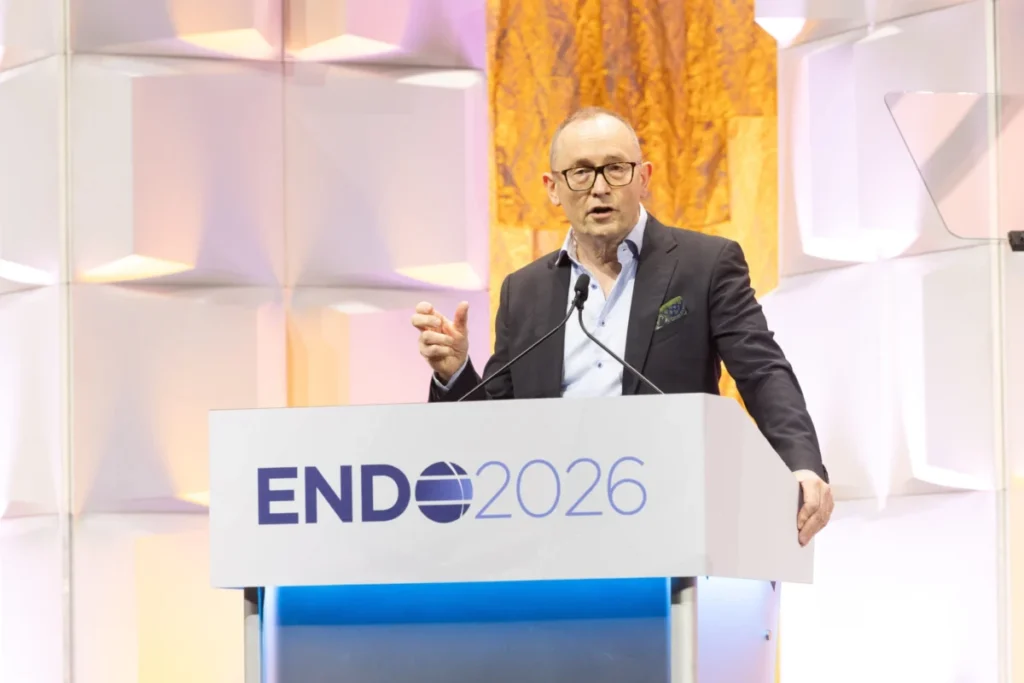
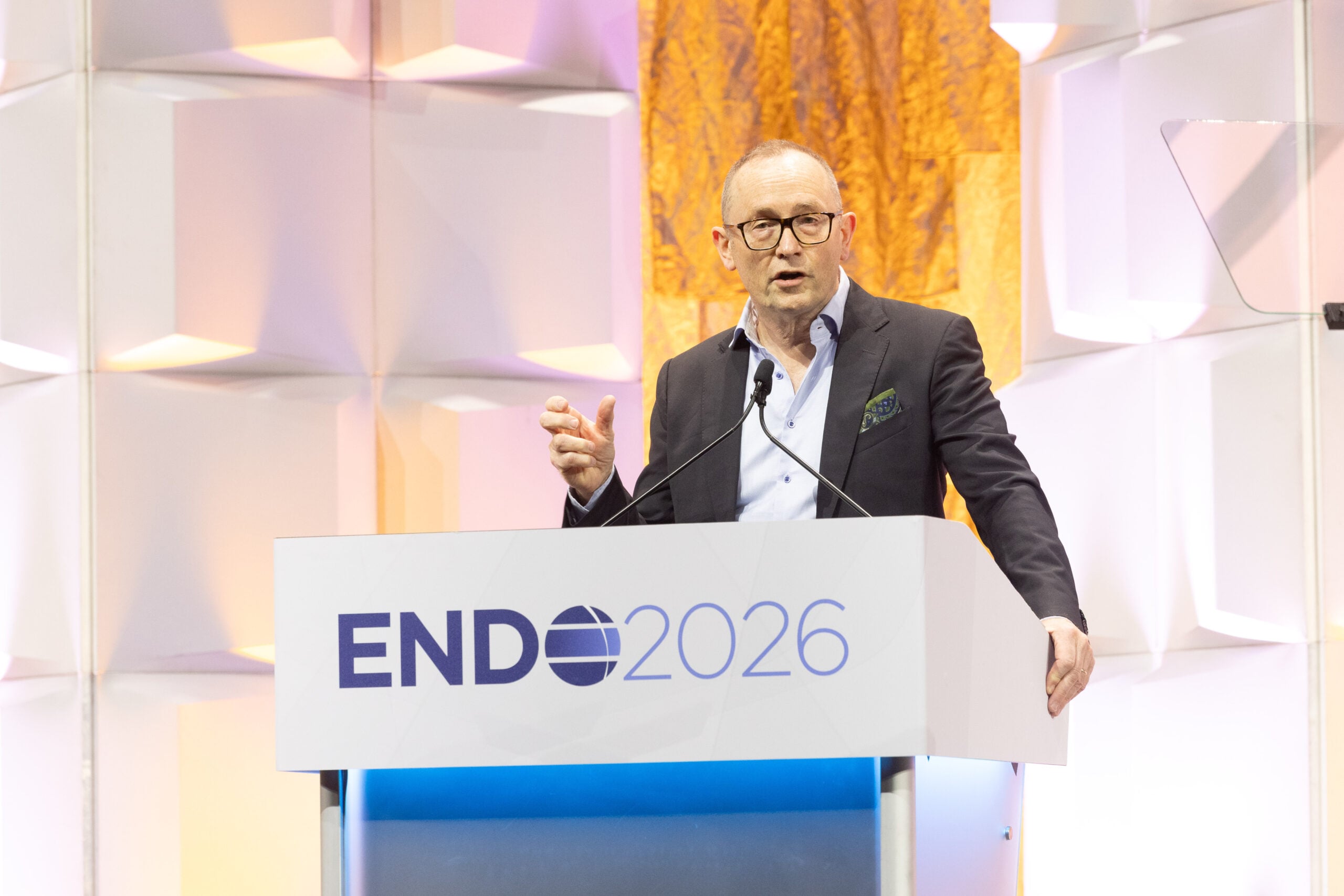
The announcement of the 2026 Laureate Awards by the Endocrine Society marks a significant milestone in the field of hormonal research and clinical practice, highlighting individuals who have demonstrated a lifetime of dedication to the advancement of endocrine science. Among the distinguished honorees, Dr. Martin Reincke stands out for his dual contributions as a high-level researcher and a dedicated clinician. This specific award, the Outstanding Scholarly Physician Award, is reserved for those who have made exceptional contributions to the practice of clinical endocrinology within an academic setting, bridging the often-wide gap between laboratory discovery and bedside application.
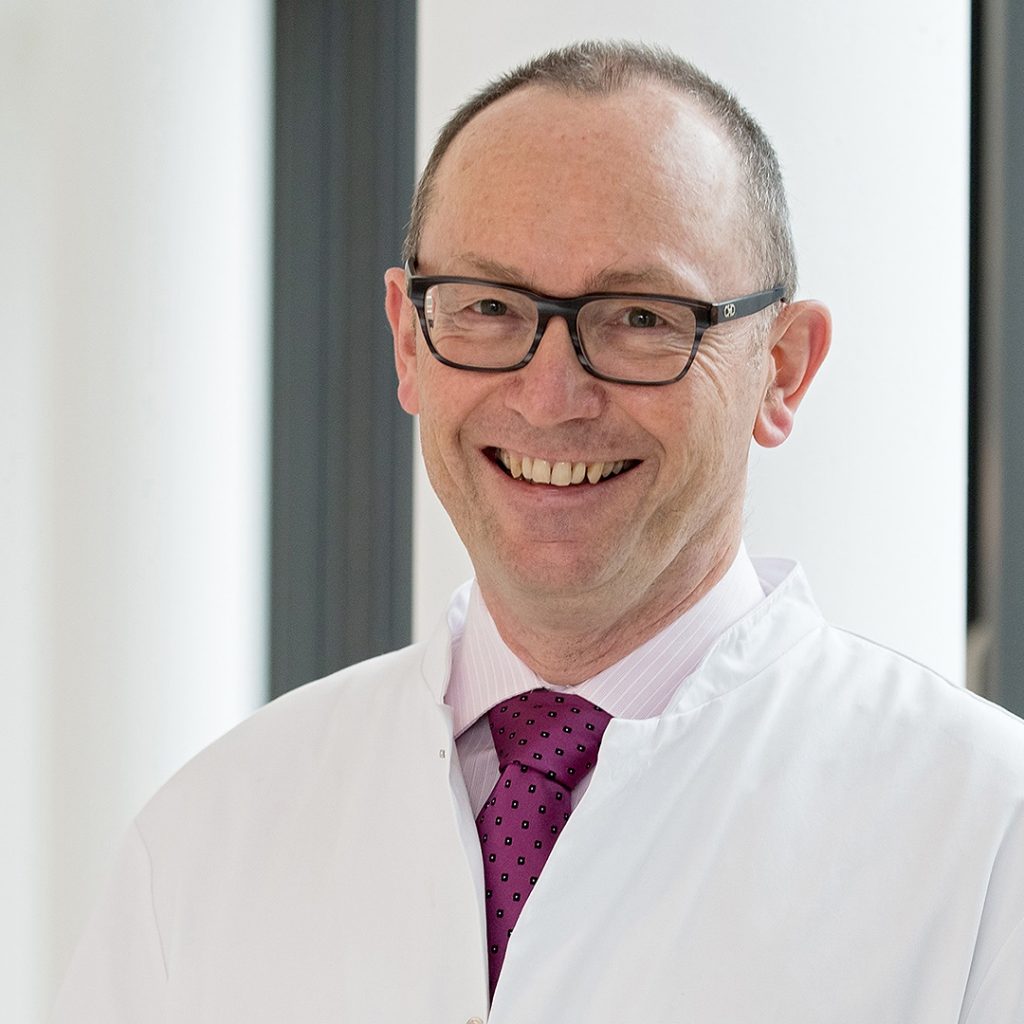
Dr. Reincke, a Professor of Endocrinology and the former Chair of Medical Department IV at Ludwig-Maximilians University (LMU) Hospital in Munich, Germany, has spent decades unraveling the complexities of the adrenal and pituitary glands. His work has not only advanced the scientific understanding of these organs but has also fundamentally shifted the diagnostic and therapeutic landscape for patients suffering from rare and debilitating endocrine disorders. As the global medical community looks toward the 2026 ENDO conference, Reincke’s recognition serves as a testament to the enduring importance of physician-scientists in an increasingly specialized healthcare environment.
A Legacy of Academic Excellence and Clinical Innovation
The trajectory of Dr. Reincke’s career reflects a commitment to international collaboration and the pursuit of excellence in specialized medicine. At LMU Munich, one of Europe’s most prestigious medical institutions, he has been a driving force behind some of the most significant clinical trials and observational studies in adrenal medicine. His leadership in Medical Department IV focused on a holistic approach to internal medicine, with a sharp focus on the endocrine system’s "master regulators."
The Endocrine Society’s Laureate Awards, established in 1944, are among the highest honors in the field. To receive the Outstanding Scholarly Physician Award, a candidate must demonstrate a consistent record of published research that has influenced clinical guidelines. Dr. Reincke’s portfolio includes hundreds of peer-reviewed articles, many of which focus on the surgical and pharmacological management of adrenal tumors and hyperaldosteronism. His work is characterized by a "patient-first" methodology, ensuring that every molecular discovery has a clear path toward improving patient survival rates or quality of life.
The Adrenal and Pituitary Glands: A Fascination with Precision
Dr. Reincke’s focus on the pituitary and adrenal glands stems from their roles as the body’s primary chemical signaling hubs. The pituitary gland, often called the "master gland," regulates a wide array of vital functions, from growth and blood pressure to reproduction. However, it is the adrenal gland that Reincke describes as perhaps the most fascinating organ in the human body.
Despite weighing only a few grams, the adrenal gland is composed of distinct layers—the cortex (with its three zones) and the medulla—each responsible for producing essential hormones like cortisol, aldosterone, and adrenaline. Dr. Reincke’s research has been instrumental in clarifying the pathophysiology of primary aldosteronism (PA), a condition where the adrenal glands produce too much aldosterone, leading to hypertension and cardiovascular disease.
Statistical data indicates that primary aldosteronism is far more common than previously thought, affecting between 5% and 10% of all patients with hypertension. By leading international research consortia, Dr. Reincke has helped standardize the screening and treatment protocols for PA, potentially preventing thousands of strokes and heart attacks globally. His work in Cushing’s syndrome—a condition caused by an excess of cortisol—has similarly provided new insights into the genetic mutations that drive adrenal tumor growth.
A Chronology of Influence: From Würzburg to the NIH and Munich
Dr. Reincke’s journey in medicine was shaped by early exposure to visionary mentors and international research environments. He credits much of his foundational knowledge to his time working with the late German endocrinologist Bruno Allolio in Würzburg. For 12 years, Allolio mentored Reincke, instilling in him the belief that a physician can be both a compassionate caregiver and a rigorous scientist.
In the 1990s, Reincke’s career took a pivotal turn when he joined the National Institutes of Health (NIH) in the United States. There, he worked alongside George Chrousos, MD, a giant in the field of pediatric endocrinology and stress research. At the NIH, Reincke was introduced to the burgeoning field of molecular biology. This experience allowed him to look beyond the symptoms of endocrine disease and investigate the genetic and molecular triggers of hormonal imbalances.
Upon returning to Germany, Reincke brought this molecular focus to LMU Munich. Over the following decades, he held various leadership positions, eventually becoming a central figure in the European Network for the Study of Adrenal Tumors (ENS@T). This consortium has been vital in collecting data on rare adrenal cancers and disorders, providing the large-scale datasets necessary for meaningful clinical breakthroughs.
Mentorship and the Digital Transformation of Endocrinology
One of the most significant aspects of Dr. Reincke’s recognition is his role as a mentor. In his interview with Endocrine News, he expressed a profound optimism for the next generation of medical professionals. He noted that today’s young endocrinologists are entering the field at a time of unprecedented technological integration.
"I am excited by their fearlessness," Reincke stated, referring to the ease with which early-career physicians navigate the intersections of artificial intelligence (AI), genomics, and advanced imaging. This technological fluency is seen as essential for the future of "precision endocrinology," where treatments are tailored to a patient’s specific genetic profile.
However, Reincke also offered a cautionary reminder: "Every dataset represents a person waiting for a better diagnosis or treatment." This philosophy echoes the sentiments of other global health leaders, such as Francis Collins, former director of the NIH, who have emphasized that the human element of medicine must never be lost in the sea of "big data."
Supporting Data: The Impact of Adrenal Research
To understand the weight of Dr. Reincke’s contributions, one must look at the clinical implications of his primary areas of study:
- Primary Aldosteronism (PA): Once considered a rare cause of high blood pressure, research led by figures like Reincke has shown that PA is the most common form of secondary hypertension. Early diagnosis through adrenal vein sampling—a technique Reincke has championed—can lead to a surgical cure, eliminating the need for lifelong blood pressure medication.
- Cushing’s Syndrome: This rare disorder has a mortality rate significantly higher than the general population if left untreated. Reincke’s work with international consortia has improved the diagnostic accuracy of dexamethasone suppression tests and late-night salivary cortisol tests, which are now standard in clinical practice.
- Adrenal Insufficiency (Addison’s Disease): Dr. Reincke has advocated for better patient education and the use of "emergency cards" and injection kits for patients at risk of adrenal crisis, a life-threatening complication of cortisol deficiency.
The Intersection of Science and Art
Beyond the laboratory and the clinic, Dr. Reincke finds balance through music. A passionate violinist, he recently performed Dvořák’s Dumky Trio, a piece known for its emotional volatility, ranging from deep melancholy to vibrant joy. For Reincke, music is not just a hobby but a necessary counterweight to the pressures of high-stakes medical research.
He noted that the complexities of a musical score often mirror the complexities of the human endocrine system. Engaging with the arts allows for a mental "unplugging" that he believes makes him a better scientist. After a performance, the stresses of peer-review comments or administrative challenges are viewed with a healthier perspective.
Broader Implications and Future Outlook
The recognition of Dr. Martin Reincke as the 2026 Outstanding Scholarly Physician Laureate comes at a time when the field of endocrinology is facing both challenges and opportunities. The rising prevalence of metabolic disorders and the increasing complexity of hormonal cancers require a workforce that is both technically skilled and deeply empathetic.
Dr. Reincke’s career serves as a blueprint for the modern academic physician. By fostering international partnerships, he has shown that the most difficult medical questions cannot be answered in isolation. The consortia he helped build continue to produce data that informs World Health Organization (WHO) guidelines and clinical practice parameters used by doctors on every continent.
As the Endocrine Society prepares to honor him and his fellow laureates—including Alvin C. Powers, MD, Bradley Anawalt, MD, and Samuel Klein, MD—the focus remains on the future. The "fearless" generation of endocrinologists that Reincke admires will inherit a field that he has helped stabilize and advance. His legacy will be measured not only in the awards he has received but in the lives of the patients who now have access to more accurate diagnoses and more effective treatments for adrenal and pituitary diseases.
In conclusion, the 2026 Laureate Award is more than a personal achievement for Dr. Reincke; it is a celebration of the scholarly physician’s role in society. As medicine moves toward an AI-driven future, the principles Reincke has championed—generosity in mentorship, curiosity in science, and compassion in care—remain the essential foundations of the healing arts.