
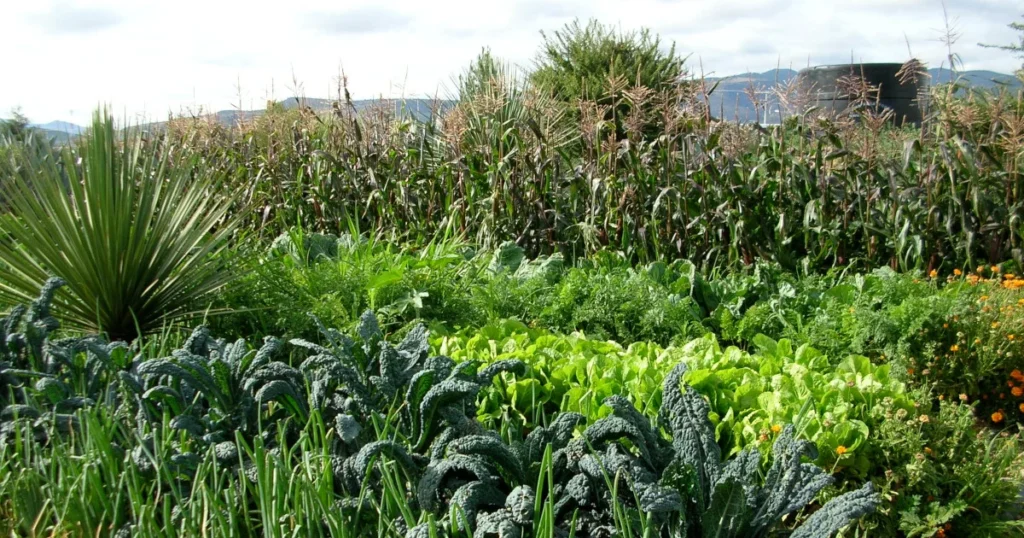
The global agricultural landscape is currently witnessing a profound shift as the concept of regenerative agriculture moves from the fringes of ecological farming into the mainstream boardrooms of multinational food corporations, investment firms, and government agencies. While this surge in interest represents a significant opportunity to address the climate crisis and soil degradation, it has also sparked a contentious debate within the organic movement regarding the integrity of the term "regenerative." The Alliance for Organic Integrity, led by figures such as Lua Studt Solano, has issued a clarion call to stakeholders to distinguish between holistic, high-bar ecological stewardship and the growing trend of "regen greenwashing," where the term is used to mask continued reliance on synthetic inputs and industrial farming models.
The Rise of Regenerative Agriculture and the Crisis of Definition
Regenerative agriculture has captured the imagination of the public and the private sector alike due to its aspirational and solution-oriented messaging. Unlike the early days of the organic movement, which often focused on the prohibition of specific substances, regenerative agriculture emphasizes outcomes: the restoration of soil health, the sequestering of carbon, the improvement of water cycles, and the enhancement of biodiversity. For many farmers, this focus on craftsmanship and the biological vitality of the land feels like a return to the roots of true husbandry.
However, a fundamental tension has emerged. While "organic" is a legally protected term in major markets—governed by the USDA National Organic Program (NOP) in the United States and similar frameworks in the European Union—the term "regenerative" remains largely unregulated. This lack of a legal baseline has created a vacuum that is increasingly being filled by what critics describe as an "army of consultants" and marketing departments. The Alliance for Organic Integrity points out that the current momentum is being driven as much by genuine ecological concern as it is by the ease with which the "regenerative" label can be applied to practices that remain fundamentally degenerative.

A Chronology of the Movement: From Rodale to the Corporate Boardroom
The roots of the current debate can be traced back to the mid-20th century. J.I. Rodale, a pioneer of the organic movement in the United States, used the term "regenerative organic" as early as the 1940s to describe a system that goes beyond merely avoiding chemicals to actively improving the soil. For decades, the organic and regenerative movements were essentially synonymous, sharing a common goal of working with nature rather than against it.
The divergence began in the late 1990s and early 2000s as organic became a multi-billion-dollar global industry. While the legalization of "organic" provided consumer trust and a clear market premium, some felt the standards had become a "floor" rather than a "ceiling." This led to a renewed interest in the term "regenerative" in the 2010s, popularized by organizations like the Rodale Institute and films such as "Kiss the Ground."
By 2020, major food conglomerates including General Mills, PepsiCo, and Nestlé had announced ambitious regenerative agriculture targets, aiming to transition millions of acres to regenerative practices by 2030. While these commitments were initially hailed as a breakthrough, the organic movement grew wary. The concern was that these corporate definitions often excluded the prohibition of synthetic pesticides and fertilizers—the very substances that the organic movement argues are the primary drivers of soil degradation. By 2026, this tension has reached a boiling point, leading to the current push by the Alliance for Organic Integrity to "stand together" and demand a higher standard.
Supporting Data: The Economic and Environmental Stakes
The debate over definitions is not merely academic; it involves significant economic and environmental stakes. According to market research data from 2024 and 2025, the global organic food market is valued at over $220 billion. Simultaneously, investments in "regenerative" projects have surged, with carbon credit markets alone projected to reach tens of billions of dollars by the end of the decade.
Scientific data supports the efficacy of the practices championed by both movements. Studies published in journals such as Nature and Science have demonstrated that practices like cover cropping, diverse crop rotations, and reduced tillage can increase soil organic matter by 1% to 3% over a decade, significantly enhancing the soil’s ability to hold water and resist erosion. Furthermore, research indicates that organic systems often produce food with higher nutrient density, including increased levels of antioxidants and omega-3 fatty acids.
However, the Alliance for Organic Integrity highlights a troubling data point: a significant portion of "regenerative" acreage in the United States still utilizes glyphosate and other synthetic herbicides as a primary tool for weed management in no-till systems. The AOI argues that a system cannot be truly regenerative if it continues to rely on chemicals that harm soil microbiology and pollinator populations.
The Mechanics of Greenwashing in Policy and Investment
Greenwashing in the regenerative space manifests in several ways, often appearing at investment conferences and within policy circles. One common tactic is the "practice-based" approach versus the "outcome-based" approach. Companies may claim to be regenerative because they have implemented a single practice, such as cover cropping, while ignoring the broader ecological impact of their overall operations, such as the heavy use of synthetic nitrogen fertilizers which contribute to nitrous oxide emissions—a potent greenhouse gas.
In policy circles, the lack of a clear definition allows for "flexibility," which is often a euphemism for lower standards. This allows industrial-scale monoculture operations to access "green" subsidies and carbon credits without making the systemic changes necessary for true ecological restoration. The Alliance for Organic Integrity warns that if "regenerative" becomes a diluted term, it will eventually lose consumer trust, much like "natural" or "eco-friendly" did in previous decades.
Stakeholder Reactions and the Call for Alignment
The reaction from the organic community has been a mixture of cautious optimism and defensive posture. Leading certification bodies, such as the Regenerative Organic Alliance (ROA), which oversees the Regenerative Organic Certified® (ROC) label, argue that regenerative must be built upon a foundation of organic.
"You cannot have regenerative without organic," says Elizabeth Whitlow, Executive Director of the ROA, in a recent industry forum. "Organic is the baseline. If you are still using synthetic toxins that kill the life in the soil, you are not regenerating; you are simply slowing the rate of degeneration."
Conversely, some corporate sustainability officers argue for a "big tent" approach. They contend that requiring organic certification as a prerequisite for regenerative status would exclude the vast majority of conventional farmers who are taking meaningful, albeit incremental, steps toward sustainability. They argue that "perfection should not be the enemy of the good."
The Alliance for Organic Integrity, however, maintains that this "big tent" approach risks collapsing the entire movement into a marketing gimmick. Their position is that while any improvement in farming practices is welcome, the term "regenerative" must be reserved for systems that prioritize the health of the entire ecosystem, which includes the elimination of synthetic chemicals.
Implications for the Future of Global Agriculture
The outcome of this "battle for the soul of regenerative agriculture" will have long-term implications for global food security and climate mitigation. If the organic movement succeeds in elevating the standard, "regenerative organic" could become the gold standard for high-integrity food production, driving a massive shift in how capital is allocated in the agricultural sector.
If, however, greenwashing prevails, the term "regenerative" may become a hollow marketing buzzword. This would not only deceive consumers but also waste a critical window of opportunity to implement the radical changes needed to stabilize the climate and restore the planet’s thinning skin of topsoil.
As we move toward the late 2020s, the pressure is mounting on regulators. In the European Union, discussions are already underway to include regenerative agriculture within the framework of the Green Deal and the Farm to Fork Strategy, with a focus on ensuring that any claims made are substantiated by rigorous, third-party verification. In the United States, the debate is expected to take center stage in the upcoming Farm Bill negotiations, where the definition of "climate-smart agriculture" will determine the flow of billions of dollars in federal conservation programs.
Conclusion: A Unified Front for Integrity
The message from the Alliance for Organic Integrity is clear: the organic movement must stand firm. By embracing the aspirational energy of the regenerative movement while insisting on the rigorous standards of organic certification, proponents believe they can create a food system that is truly restorative.
The goal is to move beyond the "ease" of greenwashing and toward the "craftsmanship" of true regeneration. This requires a commitment to transparency, a rejection of shortcut solutions offered by consultants focused on branding rather than biology, and a steadfast focus on the health of the soil, the farmer, and the consumer. As Lua Studt Solano and the AOI suggest, the opportunity to grow the organic movement through new allies is immense, but only if the movement remains rooted in the uncompromising integrity that defined it from the beginning. The next few years will determine whether "regenerative" becomes a transformative force for the planet or merely another chapter in the history of corporate rebranding.