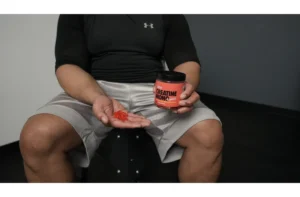




The global dietary supplement industry has experienced an unprecedented surge over the last decade, with the pre-workout category emerging as one of its most lucrative and widely consumed segments. Valued at billions of dollars, these multi-ingredient formulas promise enhanced athletic performance, heightened mental focus, and delayed fatigue. However, as the potency of these concoctions increases, so too does the prevalence of adverse reactions among users. While the judicious application of a pre-workout can facilitate high-intensity training sessions, the pharmacological complexity of these products often leads to a range of physiological disruptions. Understanding the mechanisms behind these side effects is critical for athletes and fitness enthusiasts who seek to balance ergogenic benefits with long-term health.
The Evolution of the Pre-Workout Market
The history of pre-training supplementation has transitioned from simple stimulant use to complex biochemical engineering. In the mid-20th century, "pre-workout" often consisted of nothing more than a cup of black coffee or basic glucose tablets. By the 1980s and 90s, the market saw the introduction of early-stage powders that focused primarily on creatine and simple carbohydrates. The modern era, however, is defined by "high-stim" formulas and nitric oxide boosters.
The shift toward more aggressive formulations began in the early 2000s, characterized by the inclusion of potent stimulants and proprietary blends that often obscured the exact dosages of active ingredients. This lack of transparency, coupled with a cultural "more is better" philosophy, has led to a rise in reported side effects. Today, the industry faces increasing scrutiny from regulatory bodies and health professionals who warn that the benefits of "one more rep" may not always outweigh the metabolic costs.

Categorizing the Active Agents
To understand why side effects occur, one must examine the three primary categories of ingredients found in most commercial mixtures:

- Stimulants: This group includes anhydrous caffeine, green tea extract, yohimbine, and theacrine. These substances target the central nervous system (CNS) to increase alertness and catecholamine production.
- Vasodilators and Blood Flow Enhancers: Ingredients such as L-arginine, L-citrulline, and Nitrosigine are designed to increase nitric oxide production, leading to vasodilation. This process, known as "the pump," is intended to improve nutrient delivery to working muscles.
- Endurance and Power Buffers: Beta-alanine, creatine monohydrate, and betaine anhydrous are utilized to buffer lactic acid and increase ATP (adenosine triphosphate) resynthesis, allowing for sustained physical output.
Detailed Analysis of the 10 Most Common Side Effects
The interaction between these potent compounds and the human body is not always seamless. Below is a fact-based analysis of the most frequent side effects reported by users and clinical researchers.
1. Central Nervous System (CNS) Burnout
While stimulants are designed to excite the CNS, chronic overstimulation can lead to a state of systemic fatigue. The central nervous system requires more time to recover than muscular tissue. By using high-potency pre-workouts to mask underlying exhaustion, athletes risk "CNS burnout," characterized by a decrease in motor unit recruitment, reduced grip strength, and a general decline in athletic drive. Research suggests that excessive reliance on stimulants can disrupt the hypothalamic-pituitary-adrenal (HPA) axis, leading to altered cortisol rhythms.
2. Sleep Fragmentation and Insomnia
Caffeine, the cornerstone of most pre-workouts, has a half-life of approximately five to six hours. For an athlete consuming a 300mg to 400mg dose during a late-afternoon workout, a significant portion of the stimulant remains in the bloodstream during the onset of sleep. This interferes with the adenosine receptors in the brain, preventing the natural "sleep pressure" required for deep, restorative REM cycles. Chronic sleep deprivation subsequently impairs muscle protein synthesis and hormonal balance.
3. Gastrointestinal Distress and Nausea
Nausea is frequently cited in clinical surveys of supplement users. This is often the result of "osmotic pull," where high concentrations of undissolved powders in the stomach draw water into the digestive tract, causing cramping and queasiness. Furthermore, certain stimulants can irritate the gastric lining or trigger the "fight or flight" response, which naturally diverts blood flow away from the digestive system, leading to mid-workout stomach upset.
4. Acute Diarrhea and GI Upset
Similar to nausea, the concentrated nature of pre-workout ingredients can lead to rapid gastric emptying. High doses of magnesium, caffeine, and certain artificial sweeteners (such as sugar alcohols) used in these formulas act as mild laxatives. In extreme cases, this can lead to urgency that forces the cessation of physical activity, potentially causing dehydration and electrolyte imbalances.

5. Stimulant Attenuation and Tolerance
The human body is remarkably adaptive. Regular exposure to high doses of caffeine and other stimulants leads to the upregulation of adenosine receptors. Over time, the "kick" once felt from a single scoop diminishes, leading many users to increase their dosage to dangerous levels. This cycle of attenuation reduces the supplement’s efficacy and increases the likelihood of cardiovascular strain. Experts recommend "cycling" pre-workouts—taking one to two weeks off every month—to reset systemic sensitivity.
6. Systemic Dehydration
Many pre-workout ingredients have diuretic properties. Caffeine, in particular, encourages the kidneys to release more sodium into the urine, which takes water with it. When combined with the heavy sweating associated with high-intensity training, the risk of dehydration increases significantly. Dehydration of as little as 2% of body mass has been shown to reduce aerobic performance and muscular power, effectively neutralizing the intended benefits of the supplement.
7. Vasodilation-Induced Headaches
Nitric oxide boosters like citrulline malate are designed to expand blood vessels to improve muscular blood flow. However, this vasodilation is not localized solely to the muscles; it also affects the blood vessels in the brain. For individuals sensitive to pressure changes or those with pre-existing hypertension, this rapid expansion can trigger "exertional headaches" or migraines during or after a workout.
8. Tachycardia and Cardiac Arrhythmia
Stimulants increase the heart rate and blood pressure by stimulating the release of epinephrine. While a certain increase in heart rate is expected during exercise, the addition of pharmacological stimulants can push the heart into "tachycardia" (a heart rate exceeding 100 beats per minute at rest) or cause palpitations. For users with undiagnosed underlying cardiac conditions, this presents a significant medical risk, including the potential for arrhythmias.
9. Paresthesia (The Beta-Alanine "Tingle")
One of the most unique side effects is paresthesia, a tingling or itching sensation on the skin, typically felt in the face, neck, and back of the hands. This is caused by beta-alanine, which binds to certain nerve endings in the skin. While clinical data suggests that paresthesia is harmless and transient, it can be highly distracting and uncomfortable for uninitiated users. Dividing the dose into smaller increments throughout the day is the standard method for mitigating this reaction.

10. Negative Medication Interactions
Pre-workout formulas often contain "hidden" complexities that interact poorly with prescription drugs. For example, the amino acid Tyrosine can dangerously increase blood pressure when taken with MAO inhibitors (antidepressants). Similarly, nitric oxide boosters can cause a life-threatening drop in blood pressure if combined with medications for erectile dysfunction or nitrates for heart disease. The lack of standardized labeling in the supplement industry makes these interactions a primary concern for medical professionals.
The Regulatory Landscape and Expert Responses
In the United States, the Food and Drug Administration (FDA) regulates dietary supplements under a different set of rules than "conventional" foods and drug products. Under the Dietary Supplement Health and Education Act of 1994 (DSHEA), the FDA is not authorized to review dietary supplement products for safety and effectiveness before they are marketed.
"The burden of proof lies with the FDA to prove a product is unsafe after it has already reached the shelves," notes Dr. Elizabeth Chen, a sports pharmacologist. "This ‘post-market’ regulation means that consumers are essentially the test subjects for many new, high-potency formulas. We frequently see ‘proprietary blends’ that allow companies to hide the exact amount of stimulants they are using, which is a major factor in the side effects we see in clinics."
Sports nutritionists generally advise a "food-first" approach, suggesting that while pre-workouts can be a tool, they should not be a crutch. The consensus among experts is that the most common side effects are preventable through lower dosages, increased water intake, and better timing.
Broader Impact and Industry Implications
The prevalence of side effects has sparked a shift in the market. A growing "stim-free" (stimulant-free) movement is gaining traction among lifters who want the blood flow and endurance benefits of citrulline and beta-alanine without the jitters and insomnia associated with caffeine. This diversification of the market suggests that consumers are becoming more aware of the physiological costs of overstimulation.

Furthermore, the rise in adverse reactions has led to a push for third-party testing and certifications, such as "Informed-Choice" or "NSF Certified for Sport." These labels ensure that the product contains what is listed on the label and is free from banned substances, providing a layer of safety in an otherwise loosely regulated environment.
Conclusion
Pre-workout supplements remain a powerful tool for enhancing athletic performance, but they are not without significant physiological consequences. From CNS burnout to cardiac strain and gastrointestinal distress, the side effects of these formulas are a direct reflection of their potency. As the industry continues to evolve, the responsibility falls on the consumer to move beyond marketing claims and understand the biochemical impact of the ingredients they ingest. By practicing moderation, ensuring proper hydration, and consulting with medical professionals, athletes can harness the benefits of these supplements while minimizing the risks to their long-term health and well-being.