







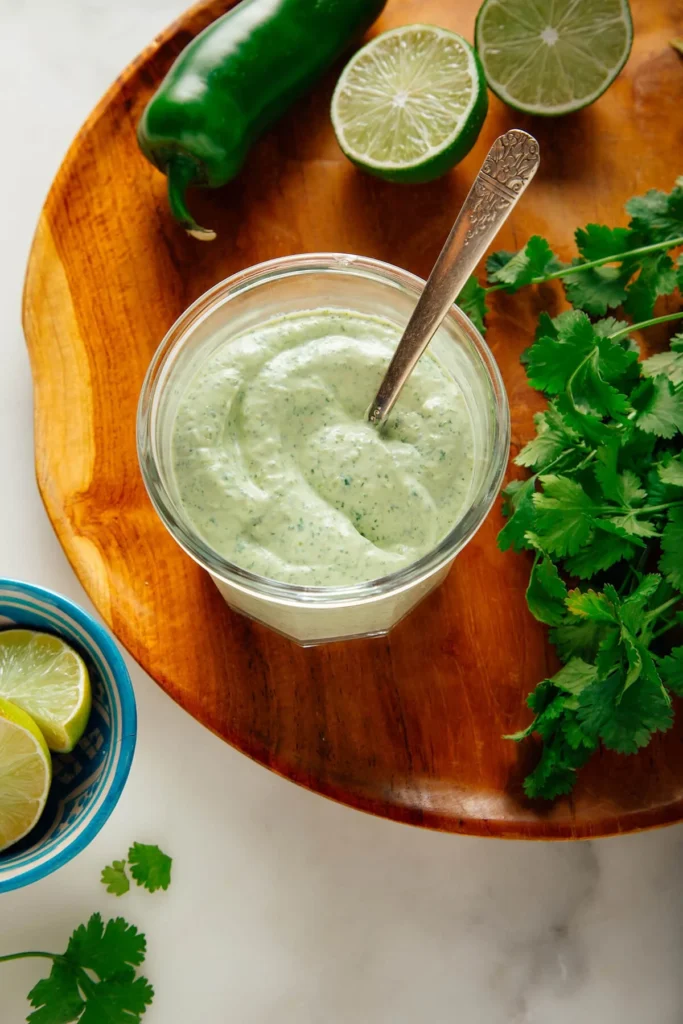
The recent successful reverse-engineering of Chipotle Mexican Grill’s highly popular cilantro lime sauce has captivated the home cooking community, demonstrating the enduring appeal of fast-casual dining flavors and the ingenuity of culinary enthusiasts. This meticulously replicated recipe, developed by a prominent food blogger, offers consumers an accessible pathway to recreate a beloved condiment known for its creamy texture, vibrant freshness, and subtle spicy kick, effectively bringing a restaurant-quality experience into home kitchens. The endeavor highlights a broader trend in gastronomy where popular commercial food items inspire a vibrant culture of DIY replication, driven by desires for customization, cost efficiency, and ingredient control.
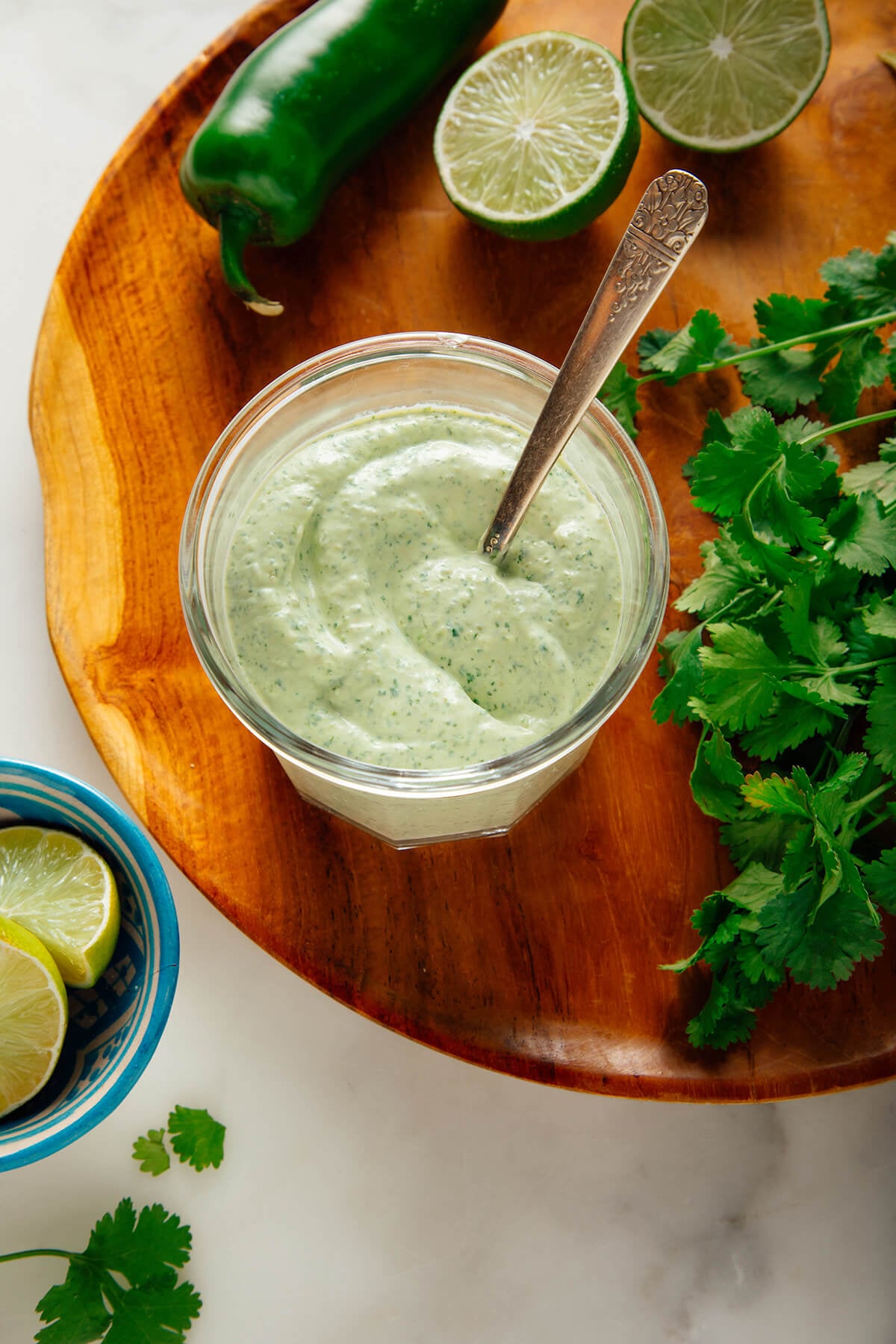
The Rise of a Culinary Phenomenon: Copycat Recipes in Modern Cuisine
The pursuit of "copycat" recipes has become a significant facet of contemporary culinary culture. This trend is fueled by several factors, including consumers’ desire to replicate favorite restaurant dishes at home, often for health, cost, or convenience reasons. In an era dominated by food blogs, social media, and online recipe databases, the sharing of these replicated recipes has created a dynamic ecosystem where culinary secrets, once guarded by professional kitchens, are democratized. Data from various food analytics platforms indicate a steady increase in search queries for "copycat recipes" over the past decade, reflecting a growing engagement from home cooks seeking to expand their repertoire with familiar, well-loved flavors. The phenomenon underscores a shift in consumer behavior, moving beyond passive consumption to active participation in food creation.
Chipotle Mexican Grill, a titan in the fast-casual sector, has long been a subject of this culinary reverse-engineering. Known for its commitment to fresh ingredients and customizable menu options, Chipotle’s offerings have cultivated a loyal following. Their menu items, from their signature guacamole to various salsas and protein preparations, frequently inspire home cooks. The recent introduction of their cilantro lime sauce quickly garnered attention, distinguishing itself from standard sour cream toppings by offering a more complex and integrated flavor profile that elevates the entire meal experience. This sauce exemplifies Chipotle’s strategy of incremental innovation within its core menu, often leading to immediate popularity and, subsequently, a flurry of attempts by home chefs to replicate its unique taste.
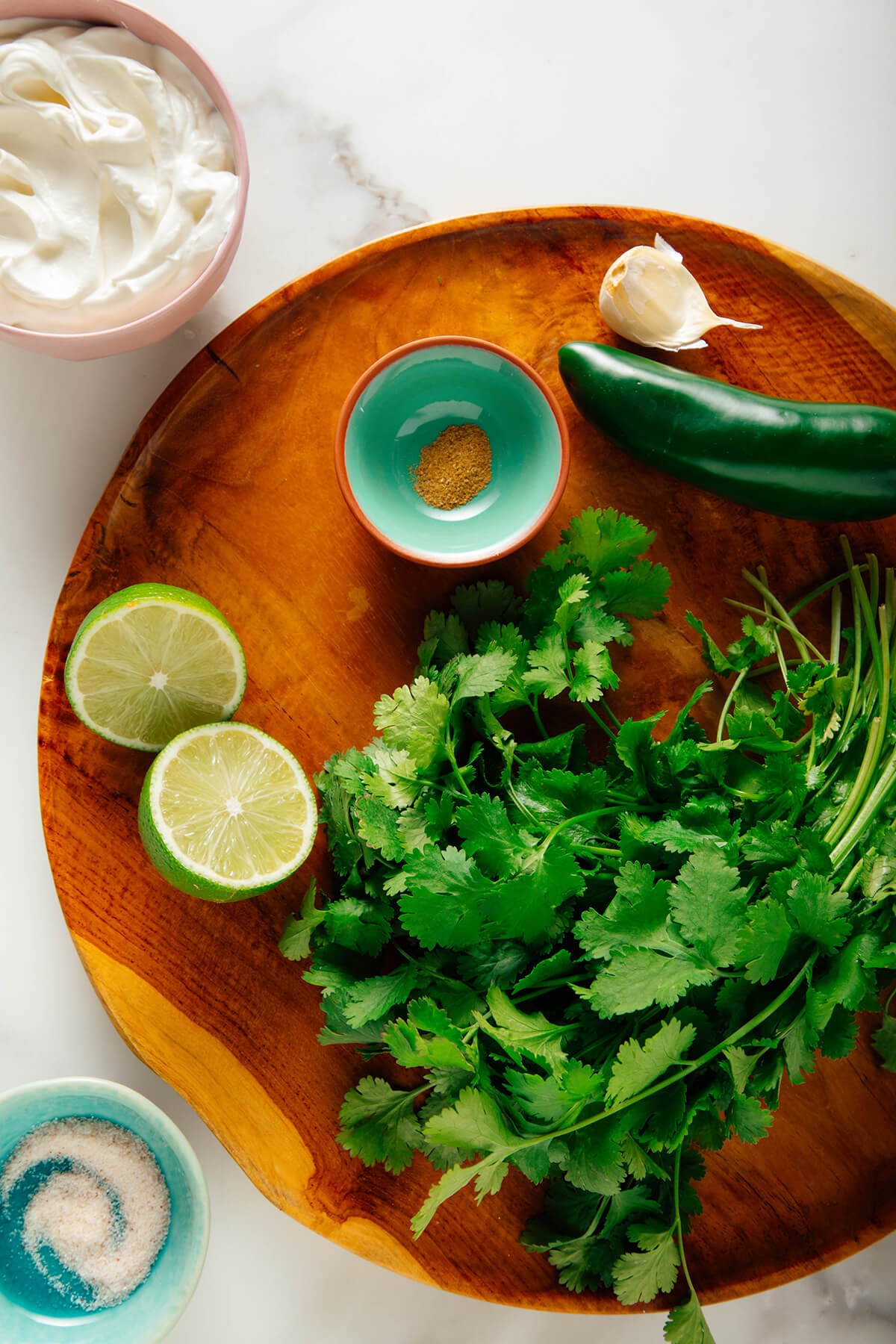
Deconstructing the Flavor Profile: Ingredients and Essential Techniques
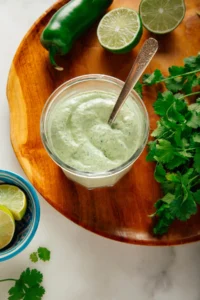
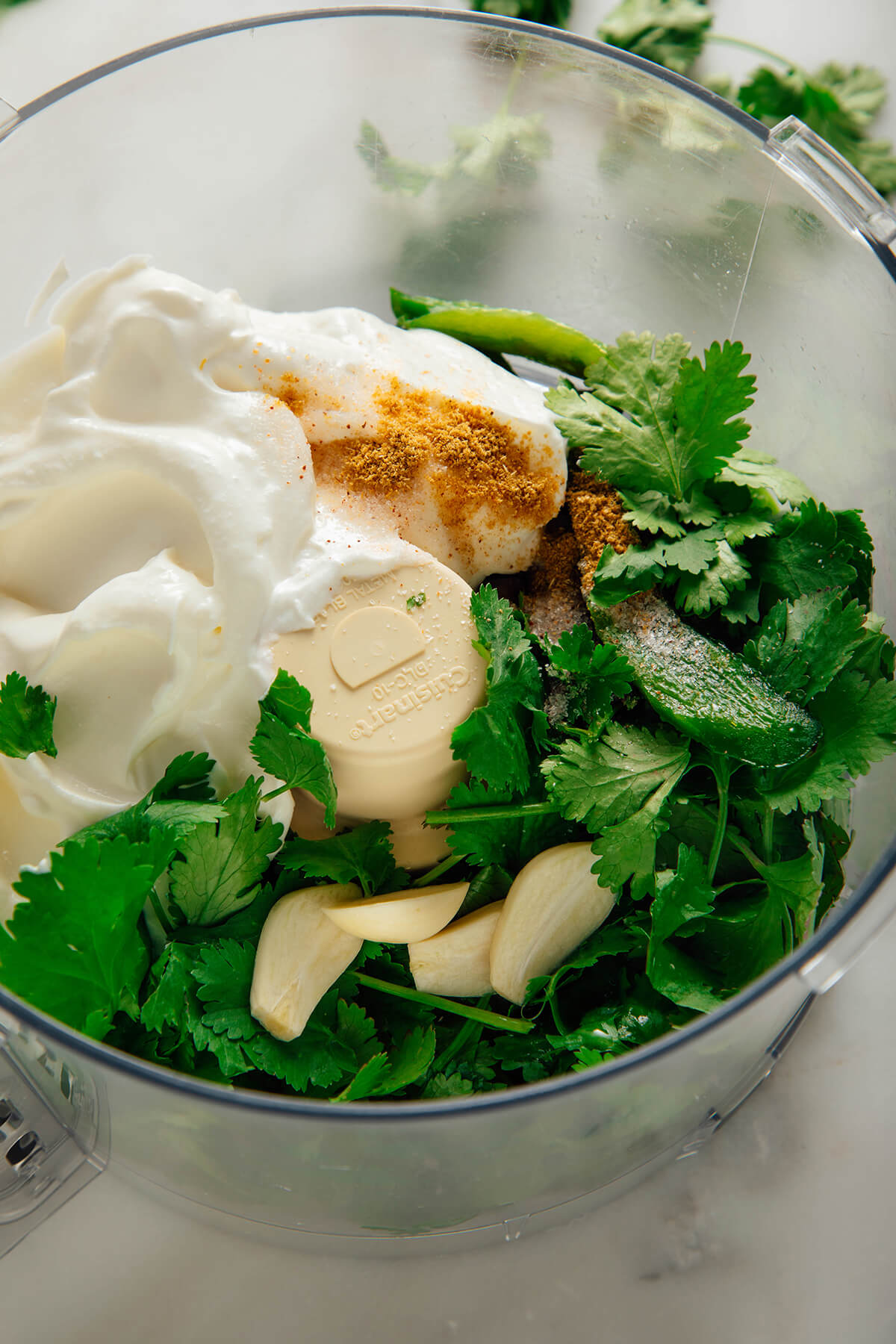
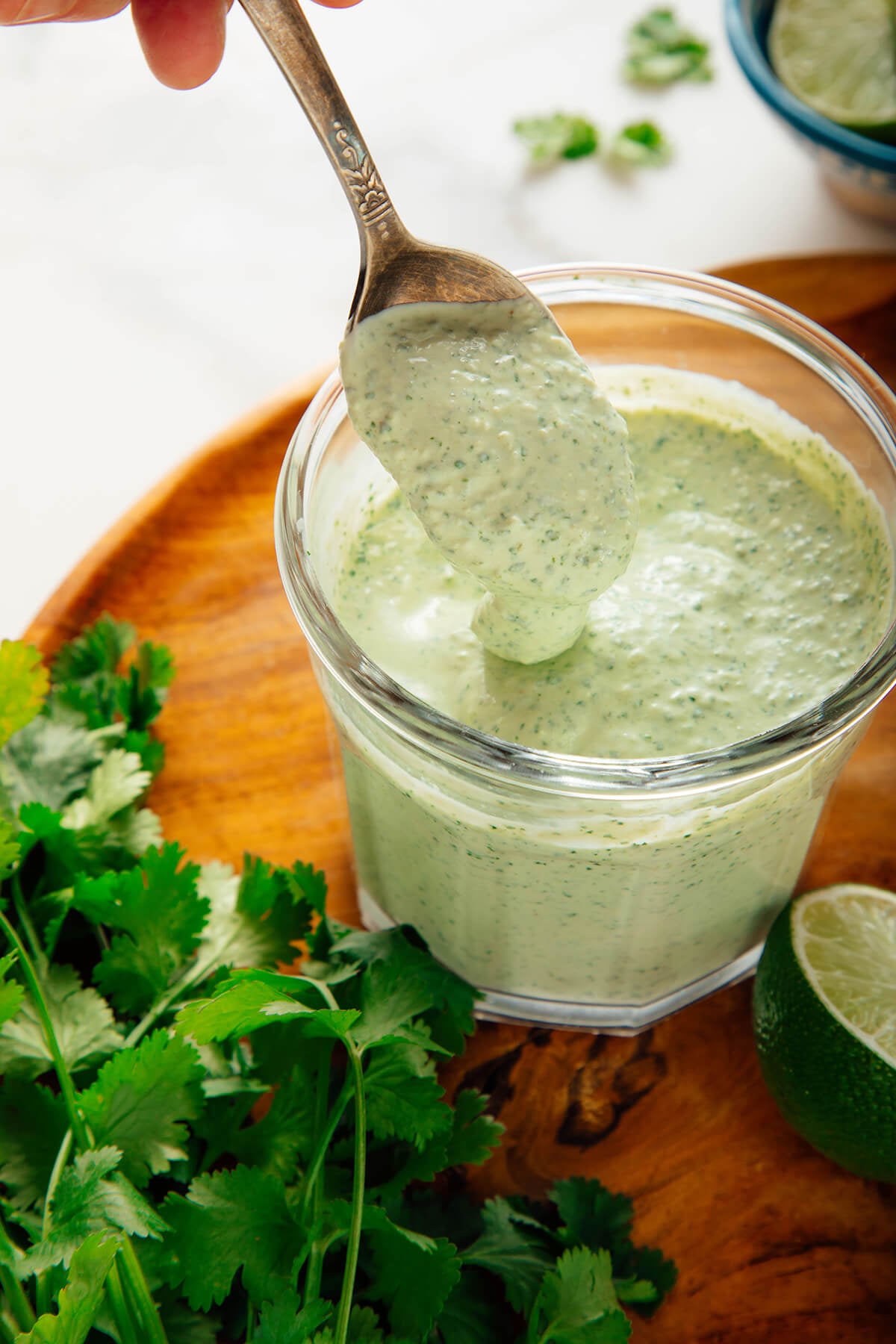
The essence of Chipotle’s cilantro lime sauce, and consequently its successful replication, lies in a precise balance of key ingredients: fresh cilantro, zesty lime, Mexican spices (predominantly cumin), creamy sour cream, and the distinctive addition of roasted jalapeños. Each component plays a critical role in achieving the sauce’s characteristic flavor and texture.
Cilantro, a herb celebrated for its bright, citrusy notes, forms the aromatic backbone. Its freshness is paramount, contributing a vibrant green hue and a clean finish. Lime juice provides the essential acidity, cutting through the richness of the sour cream and enhancing the herbaceous qualities of the cilantro. Cumin, a staple in Mexican cuisine, adds an earthy warmth and depth, rounding out the flavor profile without overpowering the fresh elements. Sour cream delivers the desired creaminess, acting as a binding agent and imparting a tangy richness that balances the other strong flavors.
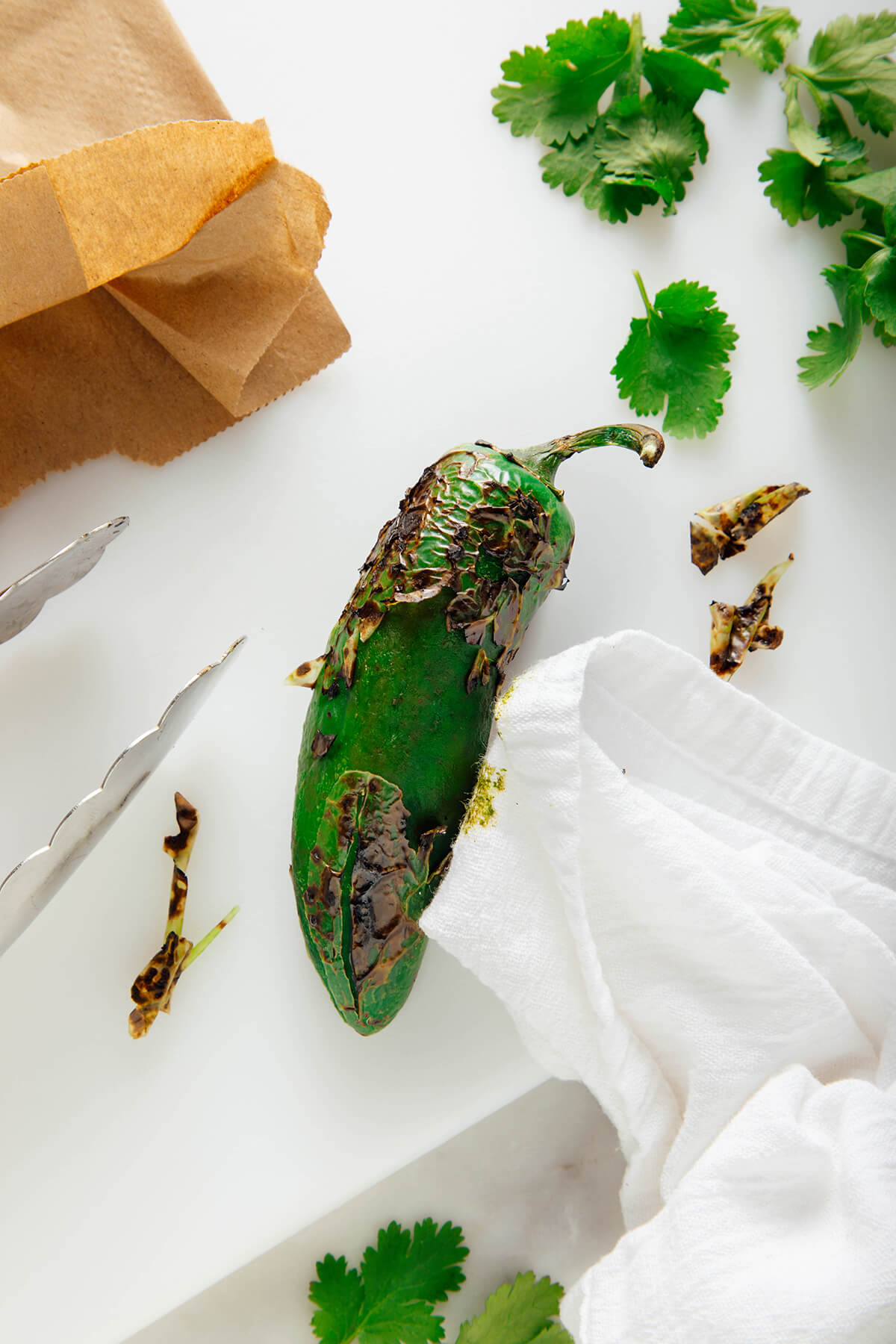
Perhaps the most crucial, and often overlooked, element is the jalapeño. The original Chipotle sauce utilizes charred jalapeños, a technique that significantly alters the pepper’s flavor and texture. Charring involves exposing the jalapeño directly to high heat, either over a gas flame or in a hot skillet, until its skin blackens and blisters. This process achieves several culinary objectives:
- Mellowing the Heat: The intense heat from the charring process breaks down some of the capsaicin compounds responsible for the pepper’s spiciness, resulting in a milder, more approachable warmth.
- Increasing Flavor Complexity: The Maillard reaction and caramelization that occur during charring develop new, smoky, and slightly sweet notes, adding a layer of depth that fresh jalapeños cannot provide.
- Smoother Texture: The charring softens the pepper’s flesh and allows the tough outer skin to be easily removed, contributing to a smoother sauce consistency.
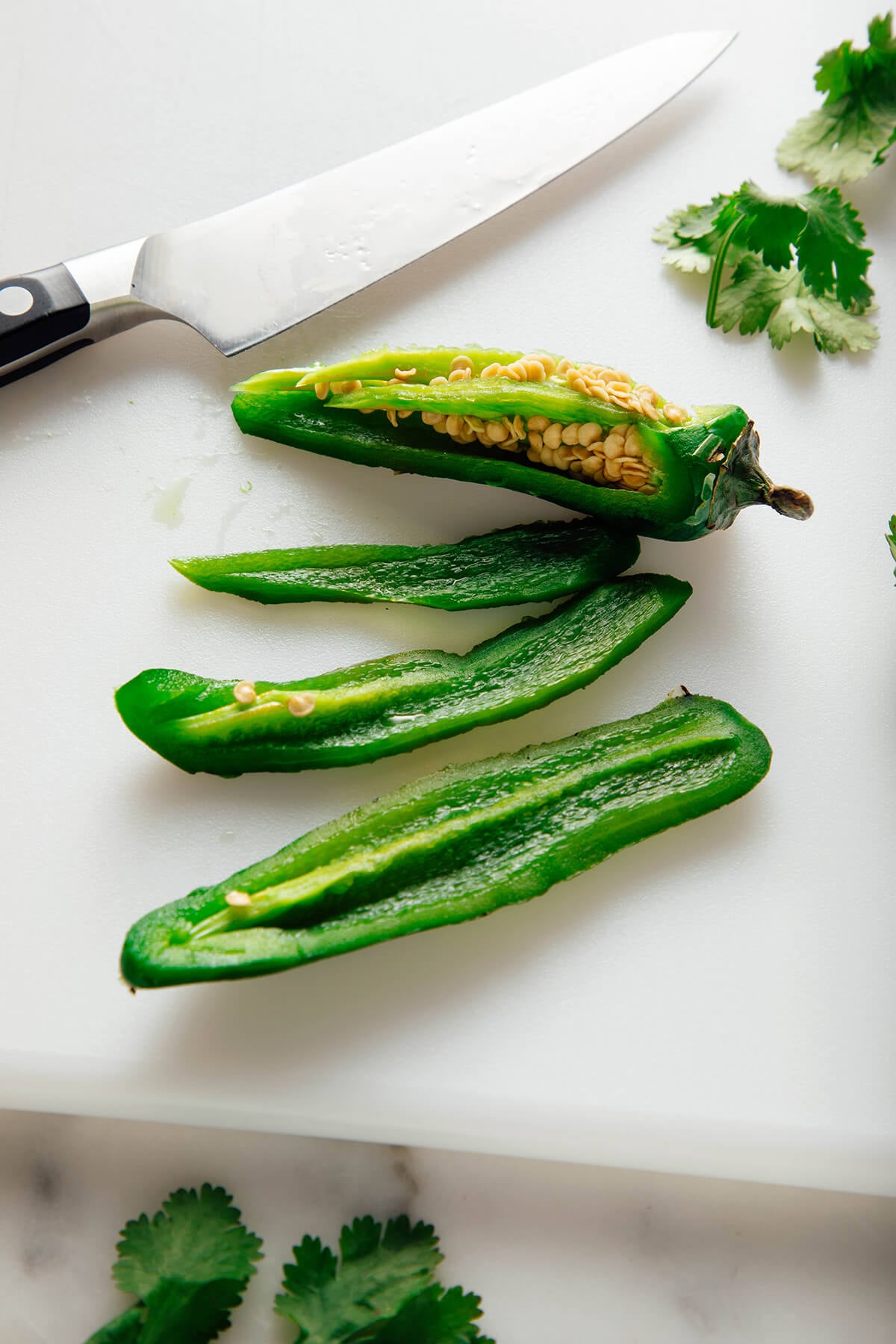
While the charring technique is integral to replicating the authentic Chipotle flavor, the recipe acknowledges that fresh jalapeños can be used as an alternative. This offers a simpler preparation method, albeit resulting in a bolder, potentially spicier flavor profile. Home cooks are advised to adjust the quantity of fresh jalapeño, starting with a smaller amount and increasing to taste, to manage the spice level effectively.
The Art of Reverse Engineering: A Culinary Detective Story
The process of reverse-engineering a popular restaurant recipe is akin to culinary detective work. It begins with careful sensory analysis – tasting the original product to identify its primary flavor notes, texture, and aroma. Following this, the ingredient list, often publicly available from restaurant chains for allergy and nutritional transparency, provides crucial clues. In the case of Chipotle’s cilantro lime sauce, the published list of ingredients served as the foundation for the replication effort.
The challenge then shifts to determining the correct proportions of each ingredient. This iterative process involves hypothesis, experimentation, and rigorous taste-testing. The developer of this particular recipe engaged in side-by-side comparisons, meticulously adjusting quantities of cilantro, lime, spices, sour cream, and jalapeño until the homemade version closely mirrored the original. This scientific approach to cooking, where variables are systematically tested and refined, is a hallmark of successful recipe development and underscores the dedication required to achieve such a close approximation. The claim that the homemade version is "hard to tell the difference" and even preferred by the creator speaks volumes about the precision achieved in this culinary endeavor.
Beyond the Burrito Bowl: Versatility and Culinary Applications
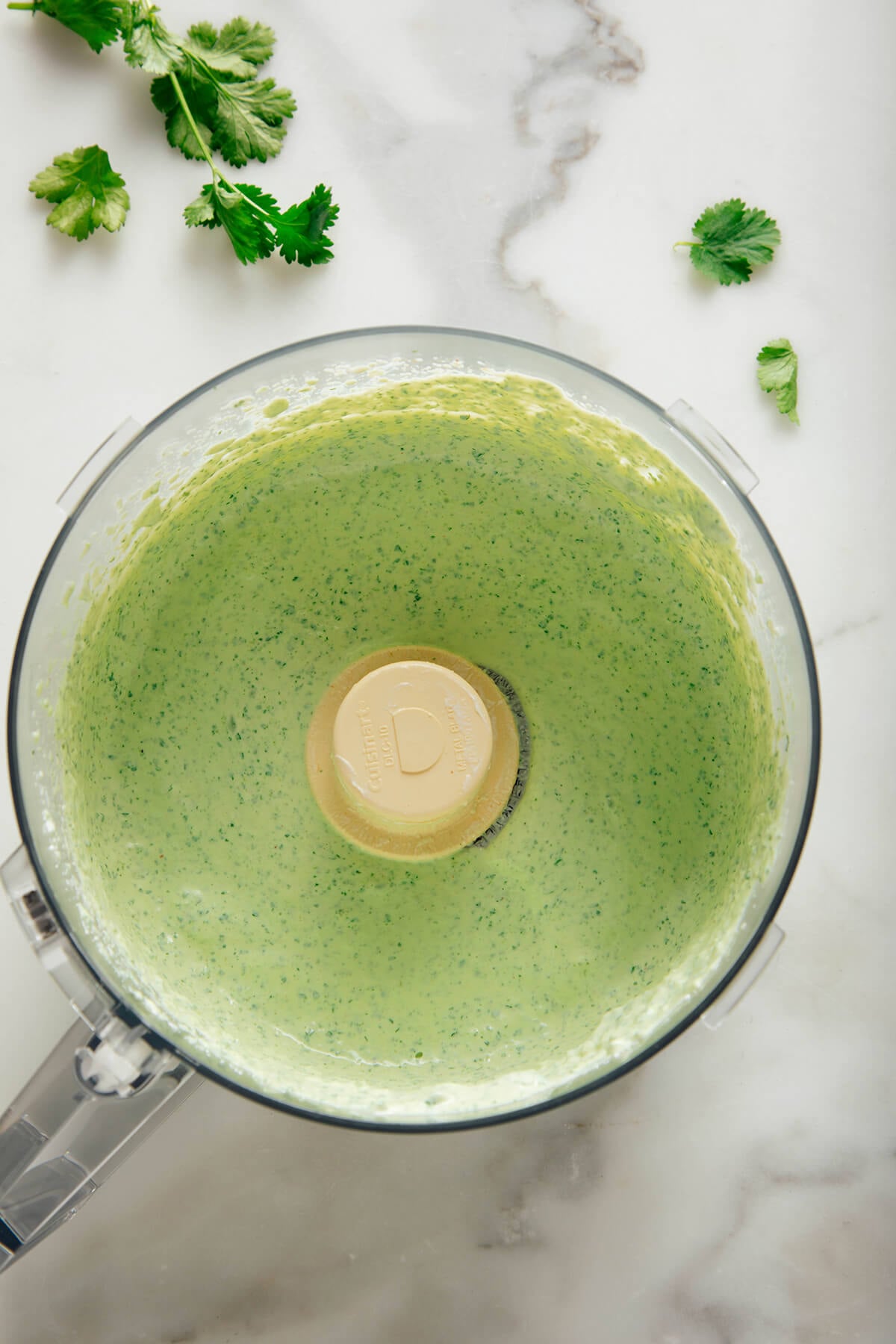
A significant appeal of this replicated cilantro lime sauce lies in its remarkable versatility. While it seamlessly enhances Chipotle-inspired burrito bowls, its application extends far beyond. Its vibrant, tangy, and creamy profile makes it an ideal accompaniment for a wide array of dishes, transforming simple meals into gourmet experiences.
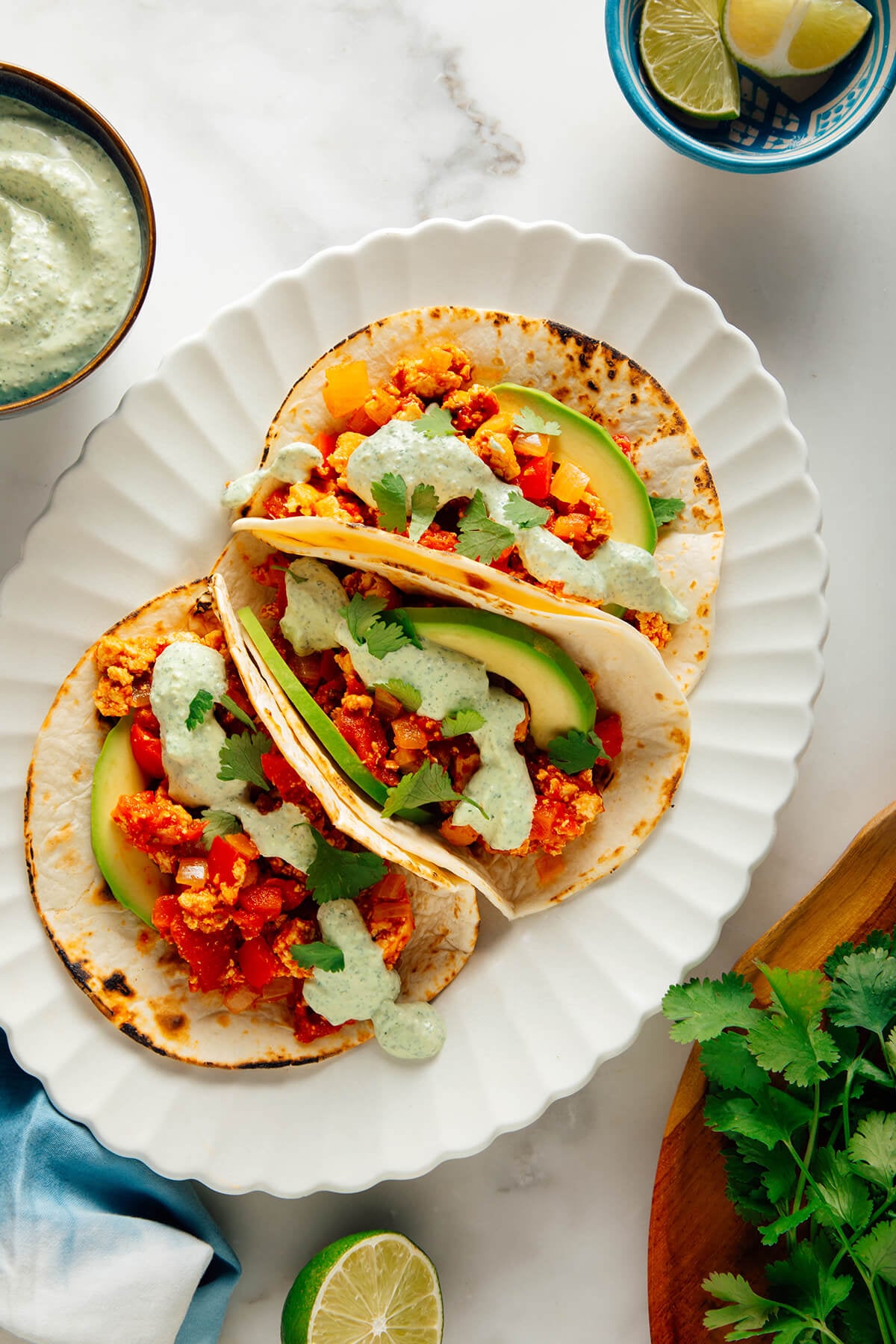
- Mexican Cuisine Staples: It serves as an excellent topping for nachos, quesadillas, tacos (especially with plant-based fillings like sofritas), and other burritos.
- Dipping Sauce: Its rich flavor makes it perfect for dipping tortilla chips, crudités, or even as a unique alternative to traditional ranch or blue cheese dressings for wings.
- Salad Dressing: A simple addition of mayonnaise can transform the sauce into a creamy, flavorful salad dressing, imparting a zesty, herbaceous kick to mixed greens or grain bowls.
- Protein Enhancer: Its bright notes complement grilled meats, particularly chicken and steak, much like a chimichurri sauce, adding a layer of freshness and spice. Seafood, such as grilled fish or shrimp, also benefits immensely from its flavor.
- Global Fusion: Its core flavors are adaptable enough to be incorporated into various fusion dishes, perhaps as a dressing for Asian-inspired noodle salads or a dollop alongside a spicy curry.
This broad applicability underscores the sauce’s potential to become a staple in home kitchens, offering an easy way to inject bold, fresh flavors into diverse meals.
The Home Cooking Movement and Economic Implications
The success and widespread sharing of recipes like the homemade cilantro lime sauce are emblematic of a larger movement towards increased home cooking. The COVID-19 pandemic significantly accelerated this trend, with many consumers rediscovering the joys and benefits of preparing meals from scratch. Even as dining out has resumed, the habits formed during lockdowns have persisted, driven by factors such as:
- Health Consciousness: Greater control over ingredients, allowing for healthier alternatives and reduced sodium, sugar, or unhealthy fats.
- Cost Savings: Cooking at home is generally more economical than frequent restaurant meals or takeout, offering substantial savings over time.
- Dietary Needs: Easier accommodation of specific dietary restrictions or preferences (e.g., gluten-free, dairy-free, vegan) by customizing ingredients.
- Culinary Skill Development: A desire to learn new techniques and expand personal cooking abilities.
The ability to create a sauce like Chipotle’s cilantro lime at home provides a direct economic benefit. A single batch, yielding approximately one cup, can be made for a fraction of the cost of purchasing multiple servings at a restaurant. Furthermore, the option to make it dairy-free or vegan by substituting traditional sour cream with a plant-based alternative, such as a homemade vegan sour cream, broadens its appeal and accessibility, catering to a wider range of dietary requirements. This flexibility empowers consumers to align their eating habits with their values and needs without sacrificing flavor.
Broader Impact on Food Culture and Industry
The continuous cycle of popular restaurant items inspiring home recipes, and conversely, home cooking trends influencing commercial products, forms a dynamic feedback loop within the food industry. This interrelationship fosters innovation and responsiveness. While Chipotle maintains its brand loyalty, the availability of high-quality copycat recipes encourages a deeper appreciation for the nuanced flavors they offer.
Moreover, the emphasis on fresh, green herbs and bold, tangy flavors in this sauce reflects broader culinary preferences. Consumers are increasingly seeking out vibrant, fresh ingredients that offer both taste and perceived health benefits. The inclusion of jalapeños, whether charred or fresh, taps into the growing global appreciation for spicy foods and complex heat profiles.
The rise of food bloggers and online culinary communities plays a pivotal role in this ecosystem. These platforms serve as vital conduits for sharing knowledge, techniques, and inspiration, transforming once-specialized culinary skills into accessible everyday practices. They foster a sense of community among home cooks, providing a space for sharing successes, troubleshooting challenges, and celebrating the joy of food creation.
In conclusion, the successful replication of Chipotle’s cilantro lime sauce is more than just a recipe; it is a testament to the evolving landscape of food culture. It underscores the power of home cooks to deconstruct and recreate beloved flavors, driven by a blend of culinary curiosity, economic prudence, and a desire for customization. As consumers continue to seek fresh, flavorful, and adaptable options, such recipes will undoubtedly remain at the forefront of the home cooking movement, inspiring countless meals and fostering a deeper connection to the food we consume. The ability to transform a simple burrito bowl or a plate of tacos with a homemade, restaurant-inspired sauce truly elevates the everyday dining experience, confirming that some of the best culinary innovations often begin in the comfort of one’s own kitchen.