






The supplement industry is abuzz with advancements spanning scientific innovation, product development, and manufacturing improvements. This edition of Supplement Shorts highlights a significant breakthrough in berberine bioavailability, promising new avenues for metabolic health support. Additionally, functional mushrooms are garnering attention through preclinical research and expanded pet product offerings, while manufacturers are investing in enhanced production capabilities.
Revolutionary Encapsulation Boosts Berberine’s Impact on Glucose and Lipid Biomarkers
A recent clinical trial has unveiled the substantial benefits of a novel, polysaccharide-encapsulated form of berberine, significantly improving key metabolic health indicators. The study, focusing on berberine marketed as Metaberine by Zeus Hygia and distributed in North America by CK Ingredients, demonstrated that a daily dose of just 200 mg over a two-week period led to statistically significant reductions in fasting glucose, total cholesterol, and LDL (low-density lipoprotein) cholesterol. Concurrently, the supplementation resulted in a notable increase in HDL (high-density lipoprotein) cholesterol and circulating glucagon-like peptide-1 (GLP-1) levels.

Michael Chernyak, president of CK Ingredients, elaborated on the long-standing challenge with conventional berberine: "The main challenge with conventional berberine is not its biological potential, but how poorly it is absorbed by the body." This inherent limitation, characterized by low solubility and poor bioavailability, has historically restricted the widespread efficacy of berberine despite its recognized therapeutic properties. Formulators have long grappled with these issues, seeking ways to unlock berberine’s full potential.
To address this, a pharmacokinetic study was conducted comparing native berberine with its encapsulated counterpart, branded as BioSOLVE by Zeus Hygia, which is the technology behind Metaberine. The findings, observed in a rat model, indicated a significant improvement in the absorption rates of the encapsulated form, thereby overcoming the bioavailability hurdle. This enhanced absorption is a critical development, paving the way for more consistent and potent effects in human supplementation.
Chernyak identifies metabolic health formulations as the primary area of opportunity for this advanced berberine. He specifically pointed to its potential in supporting cardiometabolic health, addressing Poly-Ovarian Syndrome (POS), and contributing to weight management strategies. He further commented on the public discourse surrounding berberine, noting, "The ‘nature’s Ozempic’ storyline certainly created substantial consumer awareness, but we don’t believe that is the most sustainable scientific positioning for berberine. We see the bigger opportunity in positioning it as a clinically supported metabolic health ingredient." This strategic shift emphasizes a science-backed approach over sensationalism, aiming for long-term credibility and sustained market interest.
While historical concerns regarding berberine’s safety have been raised in Europe, the ongoing research, including three additional studies evaluating the benefits of encapsulated berberine currently in progress, is expected to provide further clarity and strengthen the scientific foundation for its use. The company is optimistic that these future studies will further solidify the efficacy and safety profile of this innovative delivery system.

The Science Behind Berberine’s Bioavailability Enhancement
Berberine, a bioactive compound found in several plants such as Berberis vulgaris (Barberry), has been utilized in traditional medicine for centuries. Its therapeutic applications are diverse, ranging from antimicrobial and anti-inflammatory effects to potential roles in managing diabetes and cardiovascular diseases. However, its poor oral bioavailability has been a significant barrier to realizing its full therapeutic potential. This low absorption is attributed to factors like its limited solubility in the gastrointestinal tract and rapid metabolism.
The development of polysaccharide encapsulation technology represents a significant leap forward. Polysaccharides, complex carbohydrates, can form a protective matrix around the berberine molecules. This matrix not only shields the berberine from degradation in the digestive system but also facilitates its release in a more controlled manner, thereby enhancing absorption. The specific polysaccharide used in Metaberine/BioSOLVE is designed to optimize these properties, ensuring that a greater proportion of the ingested berberine reaches the bloodstream.
The clinical trial’s results, demonstrating improvements in fasting glucose, LDL cholesterol, and HDL cholesterol, align with the known mechanisms of berberine. Berberine has been shown to activate AMP-activated protein kinase (AMPK), a key enzyme involved in energy metabolism, which can lead to improved glucose uptake and lipid regulation. The observed increase in GLP-1 levels is also noteworthy, as GLP-1 is a hormone that plays a crucial role in regulating blood sugar by stimulating insulin secretion and suppressing glucagon release. This multi-faceted approach to metabolic regulation underscores the potential of this enhanced berberine formulation.
The reference to "nature’s Ozempic" likely stems from the growing interest in GLP-1 receptor agonists, such as Ozempic, for weight management and diabetes treatment. While berberine’s mechanism of action differs from these pharmaceutical drugs, its ability to influence GLP-1 pathways and improve metabolic markers has drawn parallels. However, as Chernyak suggests, focusing on its broader metabolic health benefits, supported by robust clinical evidence, offers a more sustainable and scientifically grounded positioning for the ingredient.
Functional Mushrooms: Preclinical Insights and Product Expansion
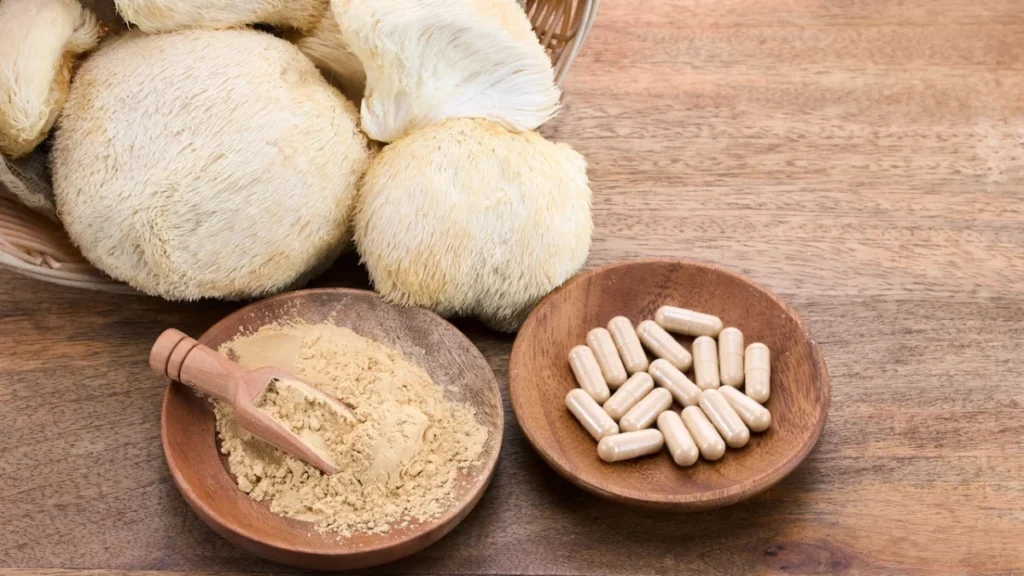
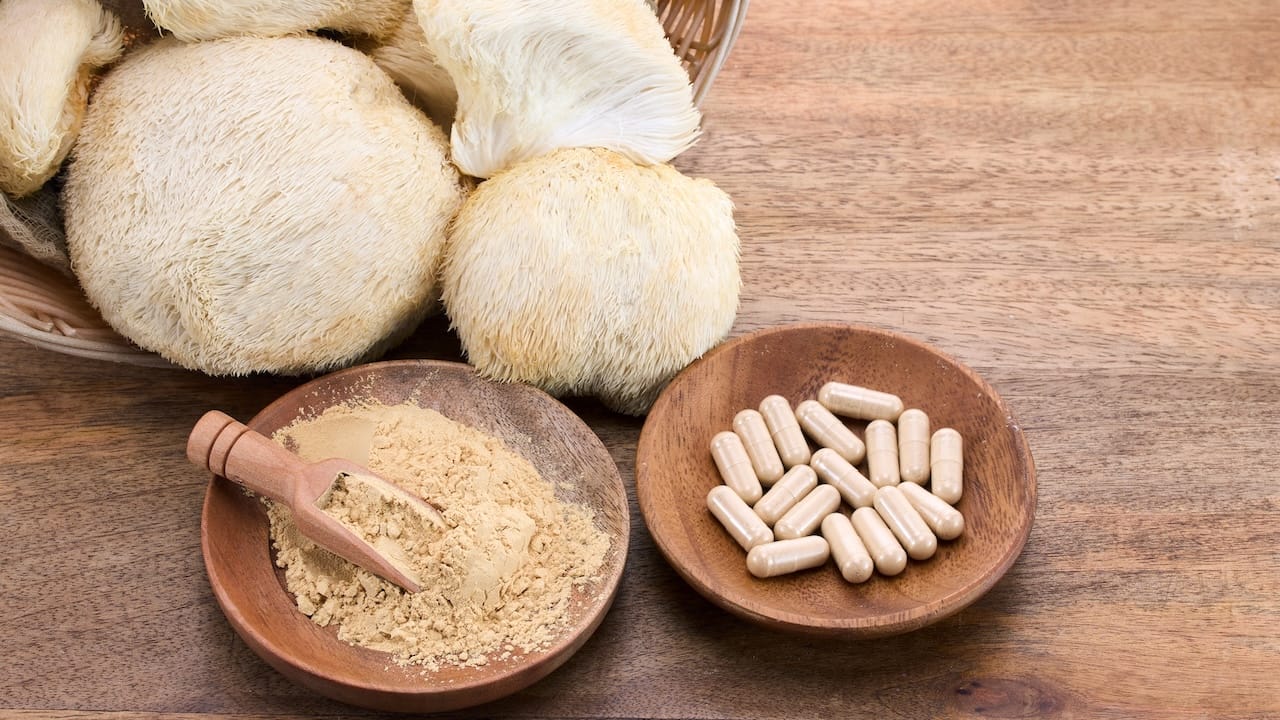
Beyond berberine, the realm of functional mushrooms continues to expand, with new research and product introductions. Preclinical studies are exploring the neuroprotective and cognitive-enhancing properties of various mushroom species. Lion’s Mane mushroom (Hericium erinaceus), for instance, is being investigated for its potential to stimulate nerve growth factor (NGF) synthesis, which is crucial for neuronal health and function. Research suggests that compounds like hericenones and erinacines found in Lion’s Mane may promote neurogenesis and improve cognitive functions such as memory and focus.
In parallel, the market is witnessing a surge in the availability of mushroom-based dietary supplements, catering to a growing consumer demand for natural health solutions. This includes a diversification of product formats, from powders and capsules to tinctures and teas, incorporating a wide array of mushroom species like Reishi, Chaga, Cordyceps, and Turkey Tail, each valued for its unique adaptogenic, immune-modulating, or antioxidant properties.
The pet product sector is also embracing the potential of functional mushrooms. Several manufacturers are launching new lines of pet supplements featuring mushroom extracts, aimed at supporting immune health, reducing inflammation, and improving overall vitality in companion animals. This expansion reflects a broader trend of integrating human wellness trends into the pet care market, recognizing the shared biological pathways and the desire for natural, preventative health solutions for pets.
Manufacturing Sector Sees Investment and Upgrades
The supplement industry’s growth is also underpinned by significant investments in manufacturing infrastructure and technological advancements. Companies are expanding and modernizing their production facilities to meet increasing demand, enhance quality control, and improve efficiency. This includes the adoption of advanced processing techniques, automation, and stricter adherence to Good Manufacturing Practices (GMPs).
Such investments are crucial for ensuring the consistent quality and safety of dietary supplements. Enhanced manufacturing capabilities allow for greater precision in ingredient sourcing, formulation, and production, minimizing the risk of contamination and ensuring accurate dosing. Furthermore, these upgrades often enable companies to develop more sophisticated delivery systems, like the encapsulated berberine discussed earlier, which are critical for improving the efficacy of various compounds.
The ongoing commitment to upgrading manufacturing facilities signifies the industry’s dedication to producing high-quality, science-backed products that meet evolving consumer expectations and regulatory standards. This infrastructure development is a vital, albeit less visible, component of the innovation pipeline that fuels the supplement market.
Looking Ahead: Continued Innovation and Scientific Scrutiny
The dynamic nature of the supplement industry, characterized by continuous scientific exploration and product innovation, suggests a promising future. The advancements in ingredient bioavailability, such as the encapsulated berberine, coupled with the expanding research into functional foods like mushrooms, indicate a trend towards more targeted and effective health solutions.
As more clinical trials are conducted and more data becomes available, the scientific understanding and application of these ingredients will undoubtedly deepen. The industry’s ability to translate scientific findings into accessible and reliable consumer products, supported by robust manufacturing practices, will be key to its sustained growth and credibility. The focus on scientifically validated ingredients and transparent communication about their benefits and limitations will continue to shape the landscape of dietary supplements.