


Background and Evolution of Granola
Granola, in its traditional form, has long been celebrated as a healthy breakfast or snack option. Originating in the late 19th century as "Granula," a baked whole-grain product, it gained widespread popularity in the 1960s and 70s as part of the counterculture and health food movements. Typically composed of rolled oats, nuts, sweeteners like honey or maple syrup, and sometimes dried fruit, traditional granola provides fiber, complex carbohydrates, and sustained energy. However, as dietary science evolved and various health concerns gained prominence, particularly around carbohydrate intake and gluten sensitivity, the market began to demand innovations that retained the beloved texture and convenience of granola while addressing these specific nutritional parameters.
The emergence of grain-free diets, such as Paleo, Keto, and Whole30, in the early 21st century marked a pivotal point. These diets advocate for the elimination of grains, legumes, and processed foods, focusing instead on whole, unprocessed ingredients like nuts, seeds, fruits, vegetables, and lean proteins. For individuals adhering to these eating patterns, traditional granola, with its oat base, became incompatible. This created a significant market gap for a product that could deliver the same satisfying crunch and versatility without grains.
The Genesis of Grain-Free Granola: Addressing Specific Health Needs
The development of grain-free granola was often born out of personal necessity, as highlighted by anecdotal accounts from recipe developers and nutrition experts. One notable example traces its inspiration to managing gestational diabetes, a condition where pregnant individuals develop high blood sugar levels. Managing blood sugar often requires careful monitoring of carbohydrate intake. Oats, while healthy, are a source of carbohydrates, prompting the search for alternatives. Dietitians like Lily Nichols, author of "Real Food for Pregnancy," have been instrumental in advocating for nutrient-dense, low-carbohydrate options for maternal health, including grain-free granola recipes. This illustrates how specific medical and nutritional guidance can directly influence culinary innovation, providing practical solutions for dietary challenges. The adaptation of such recipes by home cooks and food bloggers further democratized the concept, making it accessible to a wider audience facing similar dietary constraints or simply seeking healthier alternatives.
Composition and Nutritional Profile
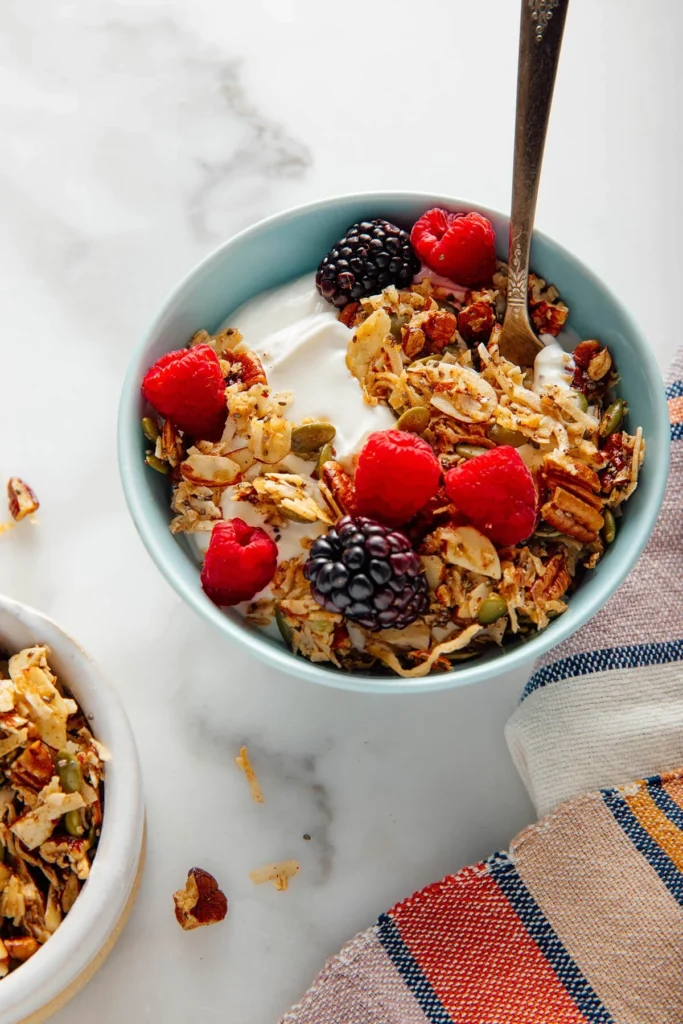
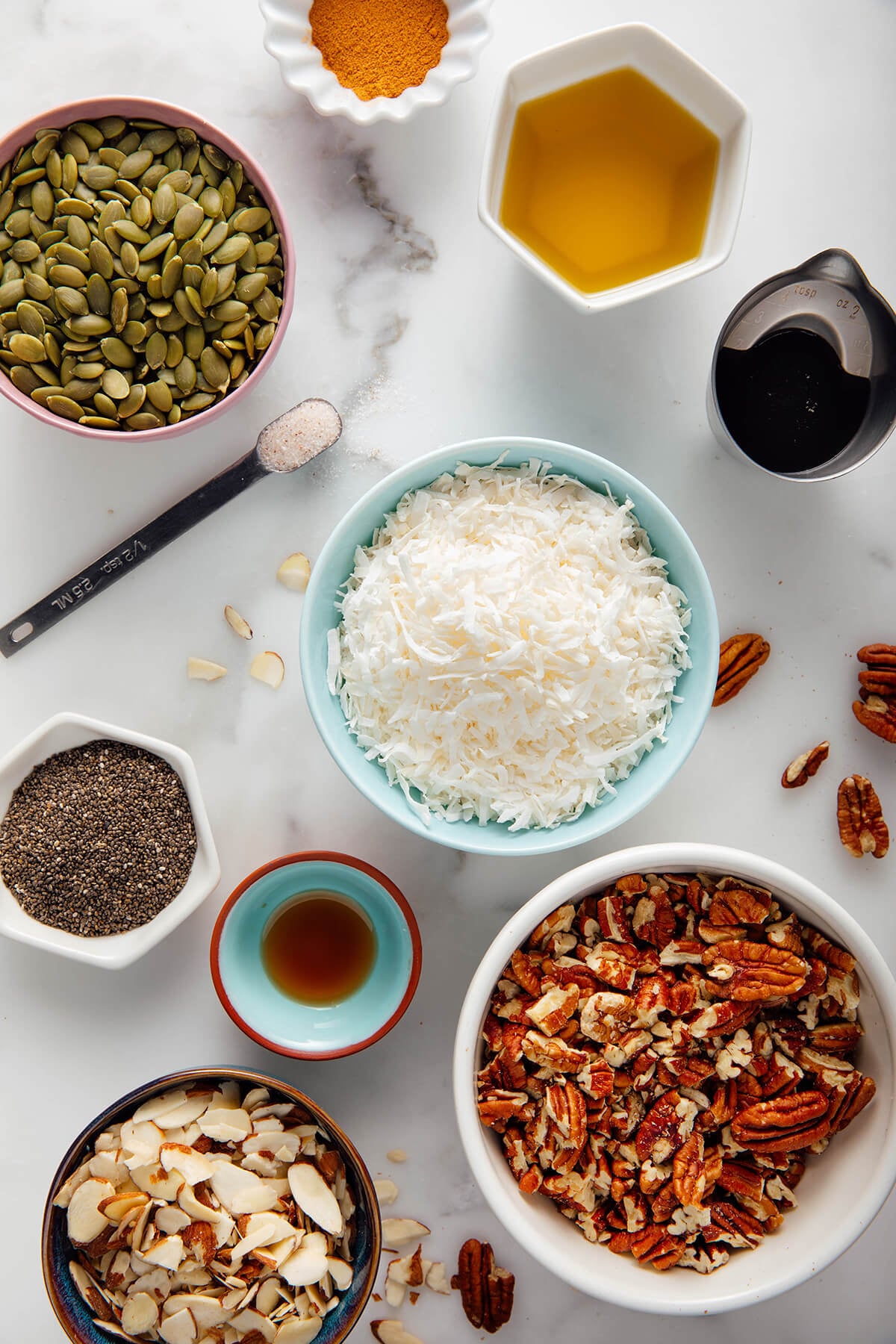
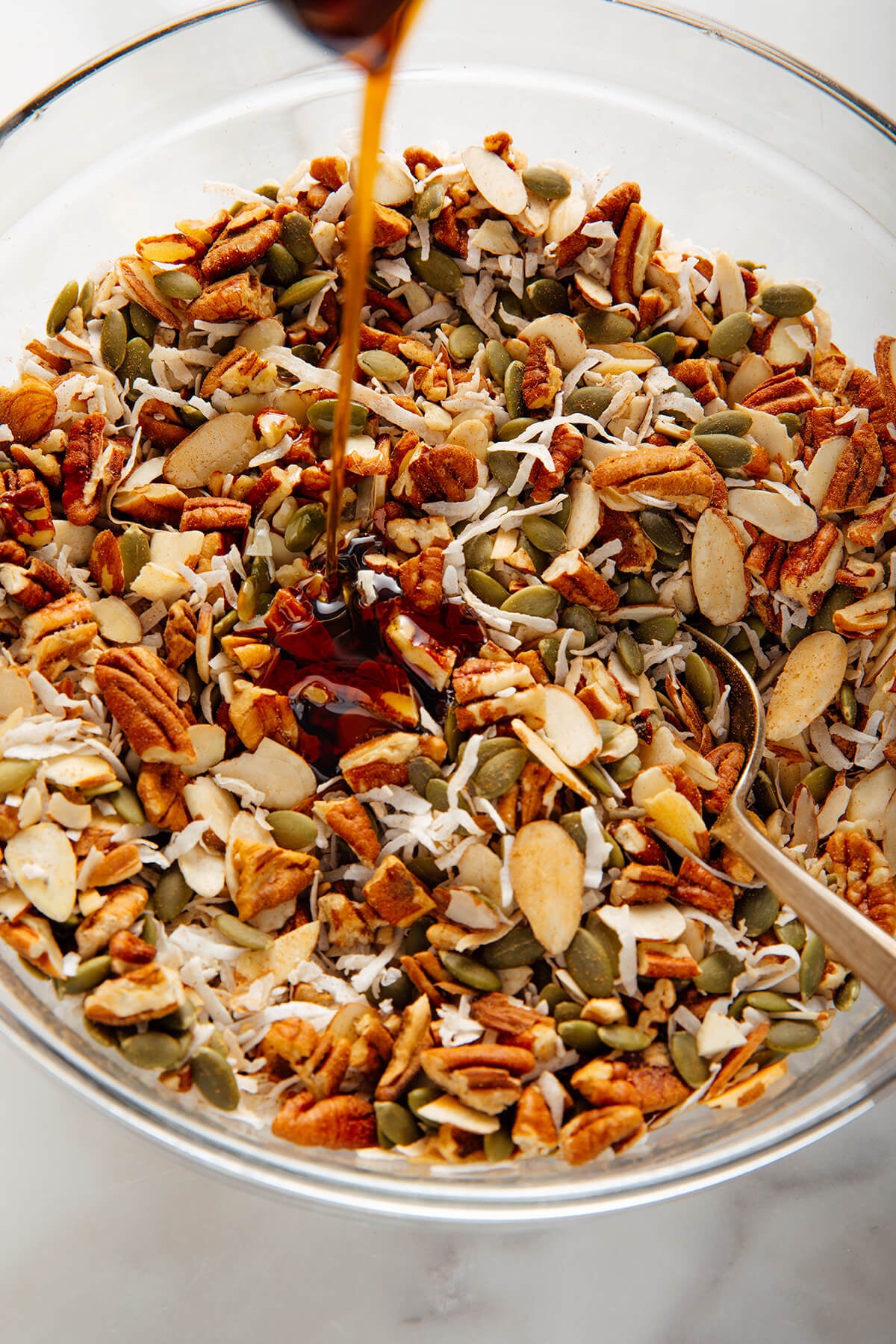
Unlike its oat-centric counterpart, grain-free granola relies heavily on a diverse array of nuts and seeds to form its base. Common ingredients include almonds (sliced, slivered, or chopped), pecans, walnuts, pumpkin seeds (pepitas), sunflower seeds, and often shredded or flaked coconut. These components are typically bound together with natural sweeteners like maple syrup or honey, healthy fats such as coconut oil, and flavorings like cinnamon or vanilla. The absence of grains inherently reduces the carbohydrate content, making it suitable for low-carb and ketogenic diets.
From a nutritional standpoint, grain-free granola offers several distinct advantages. Nuts and seeds are powerhouses of healthy fats, particularly monounsaturated and polyunsaturated fats, which are beneficial for heart health. They are also excellent sources of plant-based protein, dietary fiber, vitamins (such as Vitamin E and B vitamins), and essential minerals (magnesium, zinc, iron). For instance, almonds contribute Vitamin E and magnesium, while pumpkin seeds are rich in zinc and antioxidants. Chia and flax seeds, often added for a nutritional boost, provide omega-3 fatty acids and additional fiber, aiding in digestion and satiety. This robust nutrient profile makes grain-free granola a dense source of energy and micronutrients, distinguishing it from many processed breakfast cereals that may be high in refined sugars and low in essential nutrients.
A comparative analysis often reveals that while traditional granola offers complex carbohydrates, grain-free versions excel in delivering healthy fats and proteins, which can lead to more stable blood sugar levels and prolonged feelings of fullness. This makes it a particularly attractive option for those managing blood sugar, seeking sustained energy, or simply aiming to reduce their overall carbohydrate intake without sacrificing taste or texture.
Market Trends and Consumer Adoption
The "free-from" food market has experienced exponential growth over the past decade, driven by increased awareness of food sensitivities, allergies, and lifestyle dietary choices. Reports from market research firms indicate that the global gluten-free market alone is projected to reach billions of dollars, with grain-free products forming a significant segment of this expansion. Consumers are increasingly scrutinizing food labels, seeking transparency in ingredients, and opting for products that align with their personal health goals.
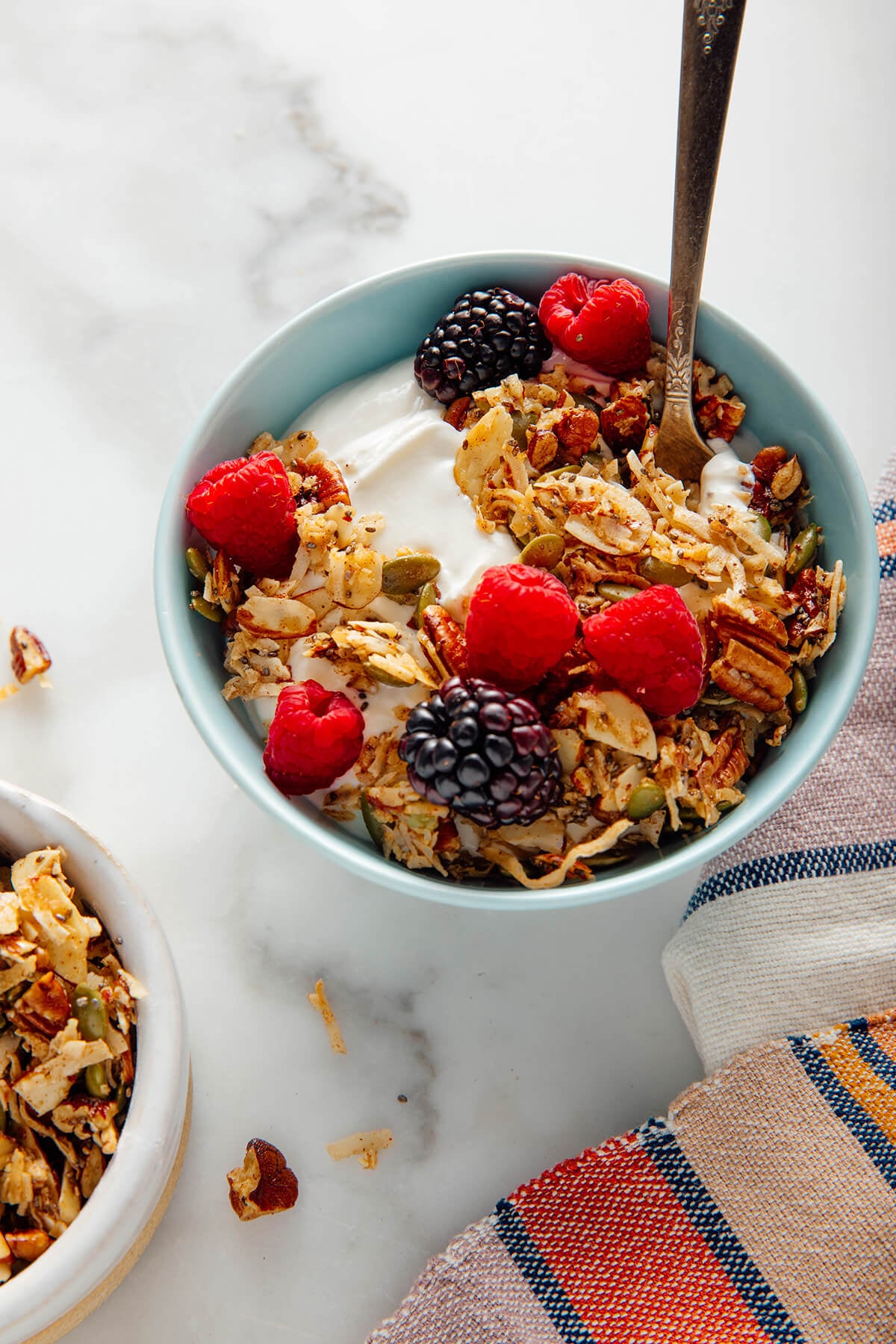
Grain-free granola fits perfectly into this evolving landscape. Its appeal extends beyond individuals with diagnosed conditions like celiac disease or gluten intolerance. A substantial segment of consumers chooses grain-free options for perceived digestive benefits, weight management, or as part of a general wellness strategy. The versatility of grain-free granola also contributes to its market success; it can be enjoyed as a standalone snack, sprinkled over yogurt, incorporated into smoothie bowls, or used as a topping for desserts, making it a multifaceted product for diverse consumption occasions.
Food manufacturers and artisanal producers have responded to this demand by introducing a wide array of grain-free granola products. Innovation in ingredients, flavor profiles, and packaging continues, with brands exploring exotic nut and seed combinations, superfood additions, and novel sweeteners to capture consumer interest. This competitive market has led to both premium and more accessible options, broadening the reach of grain-free granola across different consumer demographics.
Preparation and Customization: A Culinary Canvas
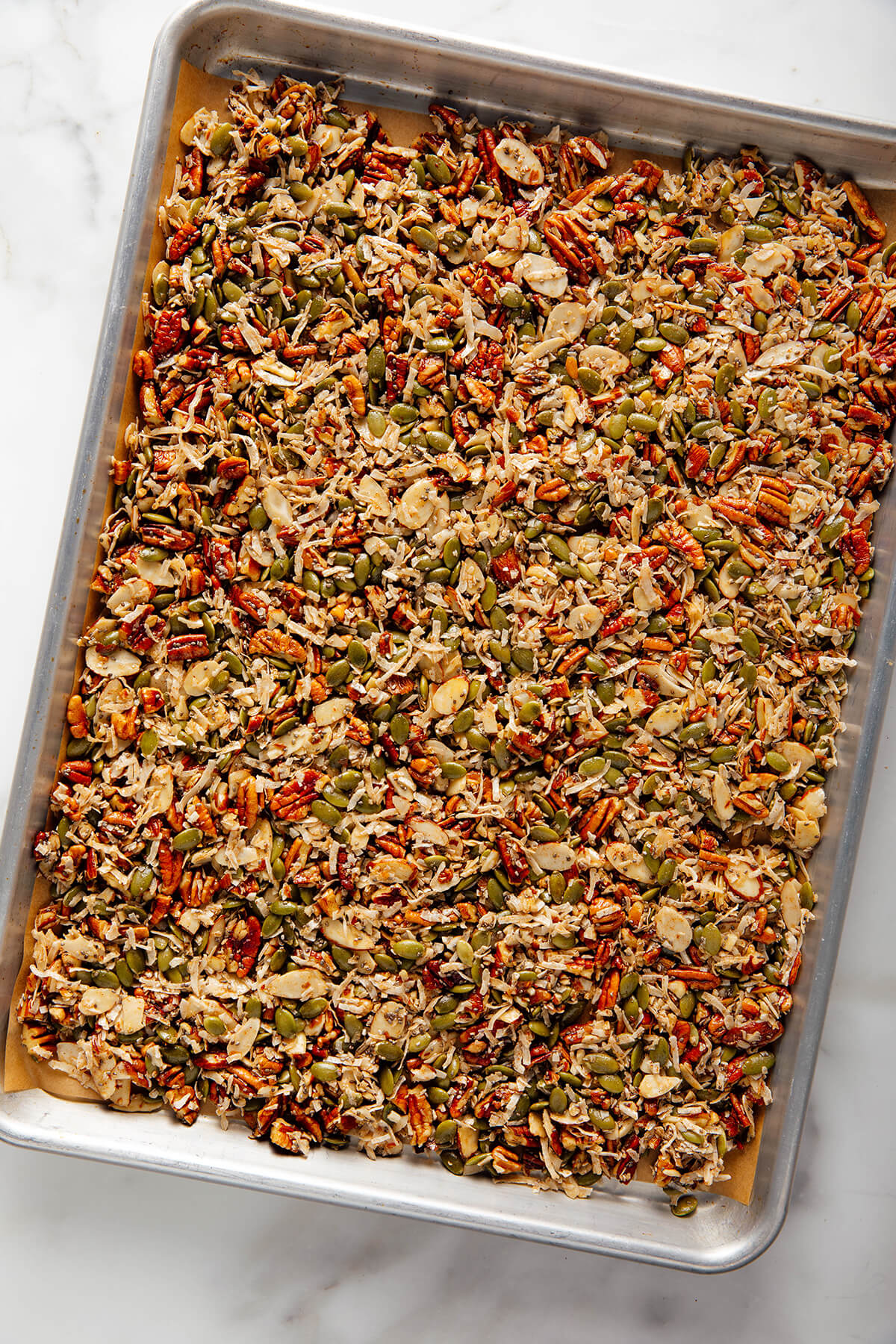
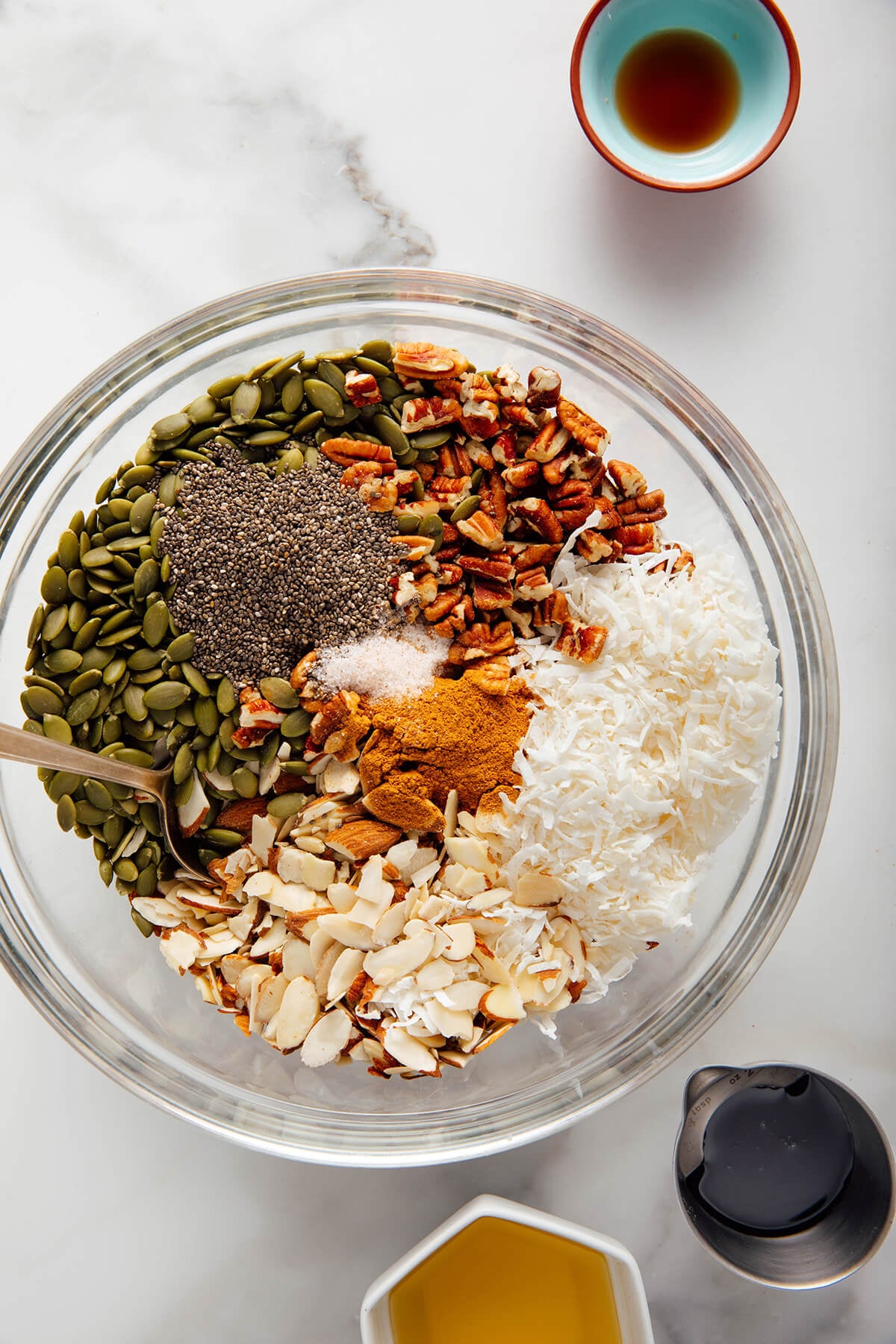
One of the key attributes contributing to the enduring popularity of grain-free granola is its adaptability. Home cooks can easily customize recipes to suit their pantry availability, taste preferences, and specific dietary needs. The core principle involves combining a mix of chopped nuts and seeds, a binding agent (sweetener + fat), and seasonings, followed by baking until crisp.
- Nut and Seed Variations: The choice of nuts and seeds is highly flexible. While almonds, pecans, and walnuts are popular, cashews, hazelnuts, macadamia nuts, and various seeds like sesame, chia, and hemp can also be incorporated. The key is often to chop larger nuts for a more uniform texture and even baking.
- Sweetener Options: Maple syrup and honey are common, but agave nectar or even sugar-free alternatives can be used. The amount can be adjusted based on desired sweetness levels.
- Flavor Enhancements: Cinnamon is a classic, but other spices like nutmeg, cardamom, or even a pre-made pumpkin spice blend can create seasonal variations. Vanilla extract enhances overall flavor, and a pinch of salt balances the sweetness.
- Add-ins: Post-baking additions like dried fruit (cranberries, cherries, goji berries – added after cooling to prevent burning), cacao nibs, or chocolate chips can further diversify the granola’s appeal.
- Dietary Modifications: For individuals with nut allergies, a completely nut-free version can be made by exclusively using seeds like sunflower and pumpkin seeds. Vegan versions simply require opting for maple syrup over honey.
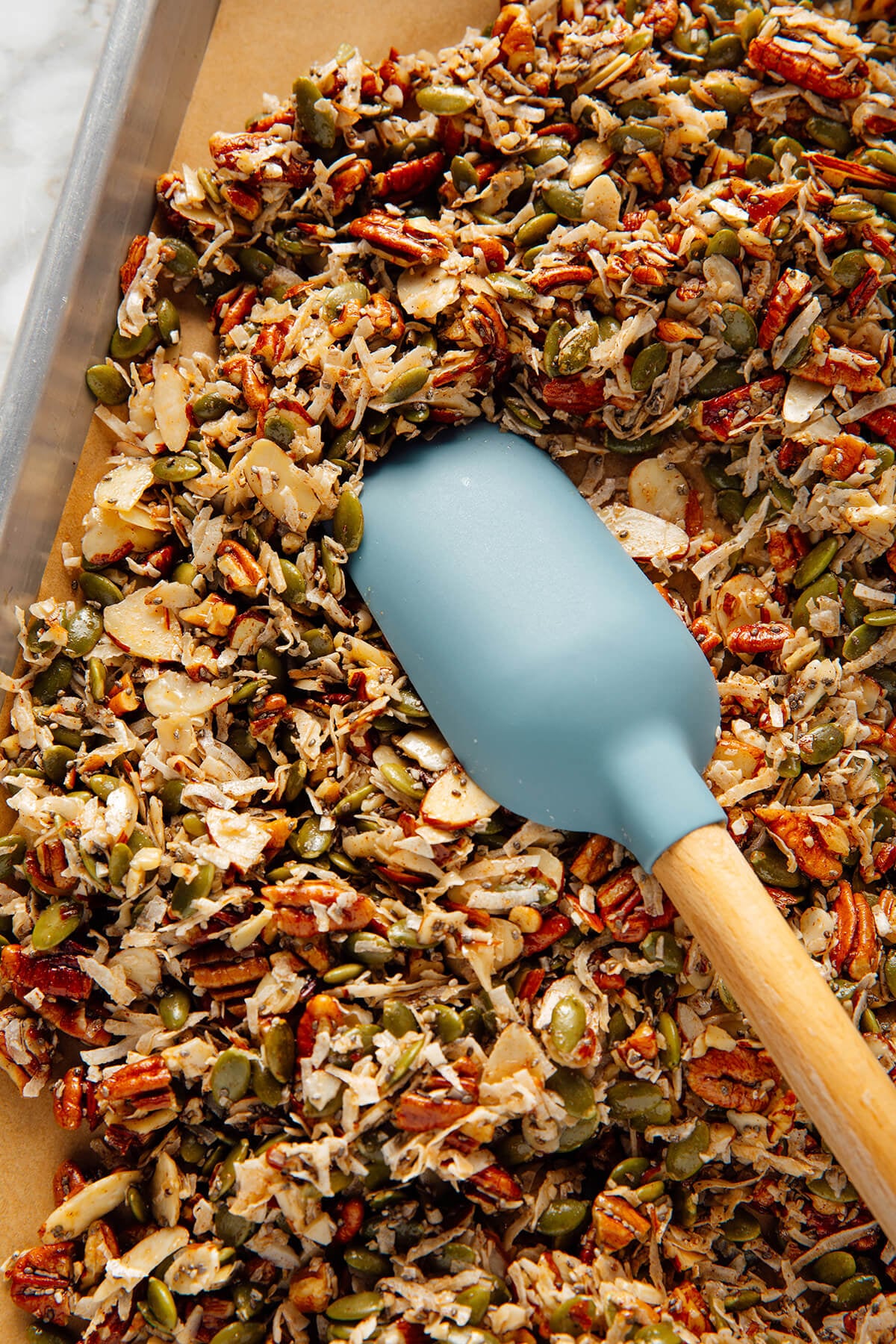
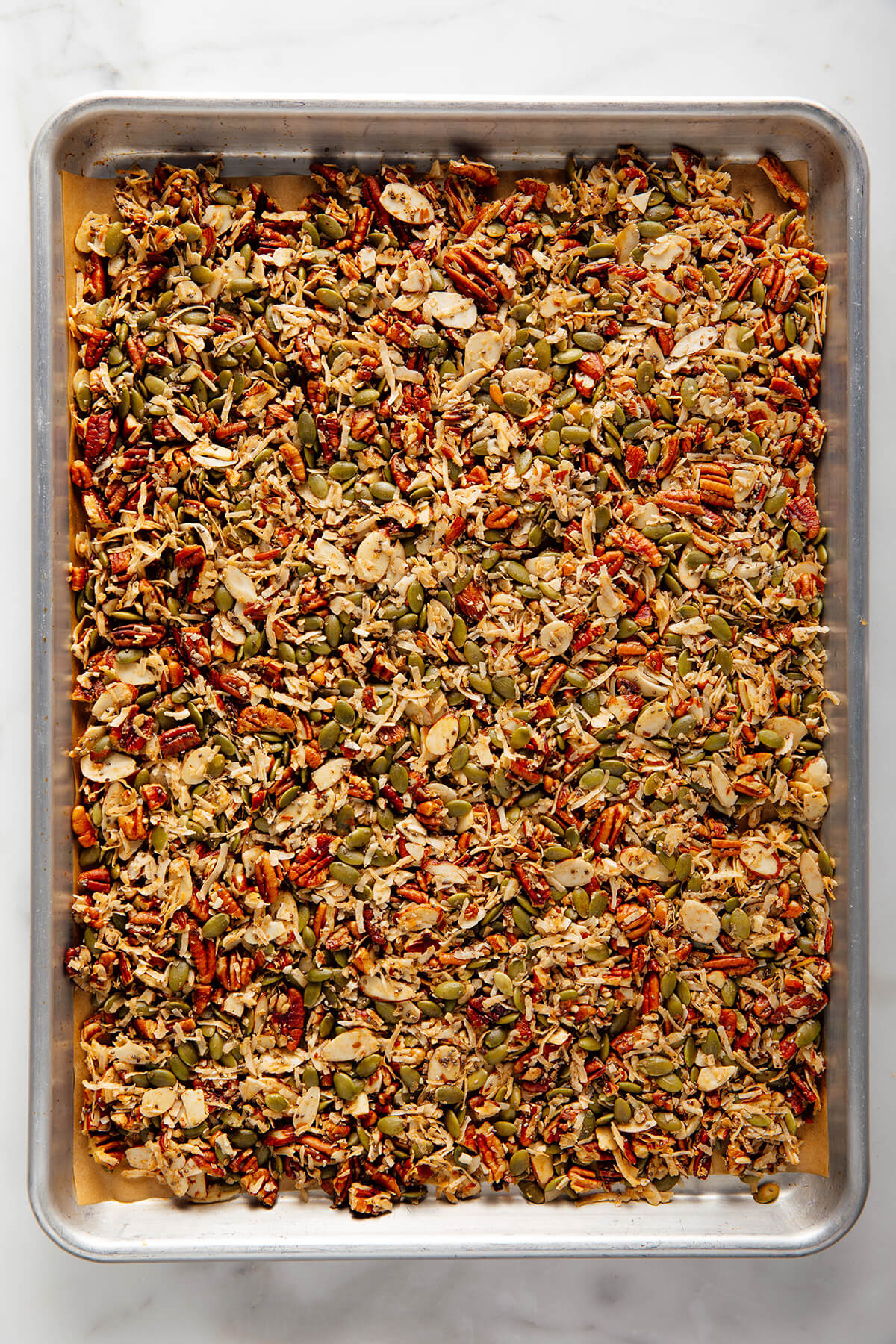
The process of making grain-free granola is relatively straightforward, typically involving mixing the dry ingredients, coating them with the wet ingredients, spreading them on a baking sheet, and baking at a low temperature until golden and crisp. Achieving desirable "clumps" often involves pressing the mixture firmly onto the baking sheet before baking and allowing it to cool completely without disturbance. This ease of preparation, combined with the ability to control ingredients, empowers consumers to create a personalized product that meets their exact specifications.
Implications and Future Outlook
The sustained interest in grain-free granola and similar "free-from" products carries significant implications for the food industry, public health, and agricultural sectors. For the food industry, it necessitates continuous innovation in product development, supply chain management for diverse ingredients, and transparent labeling practices. The emphasis on whole, unprocessed ingredients also encourages a shift towards sustainable sourcing and ethical production.
From a public health perspective, the availability of grain-free options provides valuable alternatives for individuals with specific dietary requirements, helping them maintain enjoyable and nutritious eating patterns. However, it also underscores the importance of informed nutritional choices. While beneficial for some, grain-free does not automatically equate to healthier for everyone. Nutrition experts emphasize that a balanced diet, tailored to individual needs, remains paramount. Whole grains, for example, offer significant health benefits for many people and should not be universally dismissed without cause.
The agricultural sector sees a diversified demand, with increased focus on nut and seed cultivation. This could lead to shifts in crop allocation and research into optimizing yields and sustainability for these ingredients.
Looking ahead, the grain-free granola segment is likely to continue its growth trajectory, driven by ongoing health consciousness, evolving dietary research, and consumer demand for convenient, personalized, and nutritious food options. As awareness of personalized nutrition grows, and technology allows for even more tailored dietary advice, products like grain-free granola will remain at the forefront of the culinary landscape, symbolizing a responsive and adaptable food system committed to meeting diverse consumer needs. The enduring appeal of its sweet, nutty crunch, coupled with its robust nutritional profile and adaptability, ensures its place as a staple in modern healthy eating.