









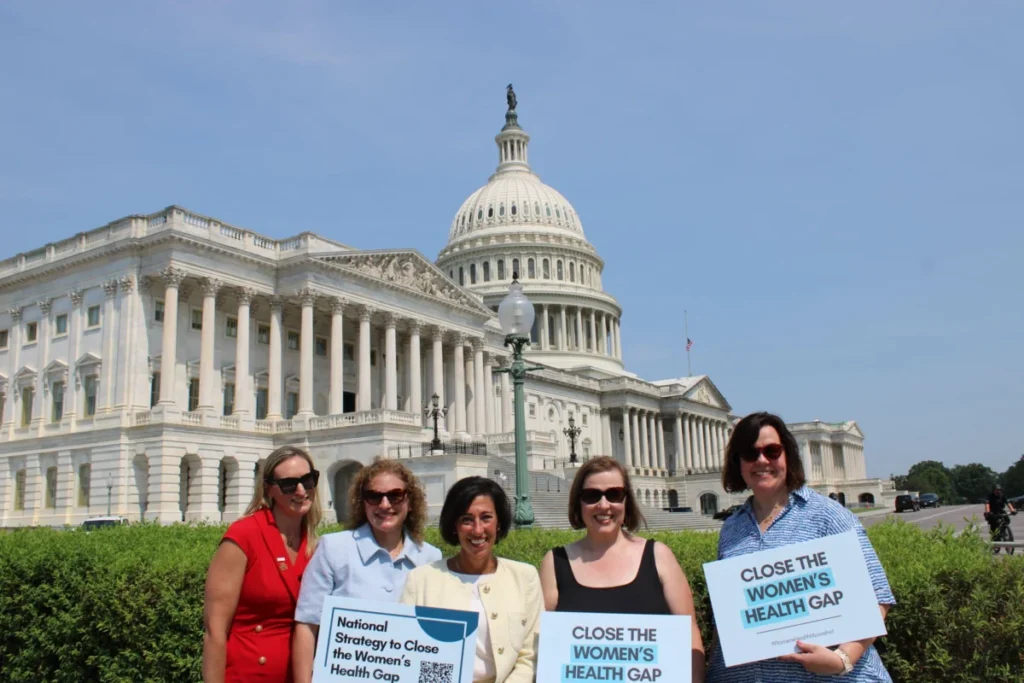
On July 15, a landmark coalition of 38 professional medical organizations, patient advocacy groups, and research institutions formally endorsed the National Strategy to Close the Women’s Health Gap, a comprehensive policy framework designed to address systemic inequities in the American healthcare system. Led by the Society for Women’s Health Research (SWHR), the American College of Obstetricians and Gynecologists (ACOG), and the Women First Research Coalition (WFRC), the initiative calls upon the United States Congress to authorize a $20 billion investment over the next decade. This funding is intended to overhaul the landscape of women’s health research, modernize regulatory oversight, and improve clinical outcomes for a demographic that comprises more than 50% of the national population but has historically been underrepresented in biomedical studies.
The Endocrine Society, a global organization representing thousands of physicians and scientists dedicated to hormone research and clinical care, joined the coalition to emphasize the critical role of endocrine health in the broader context of women’s wellness. The strategy comes at a pivotal moment when federal policymakers are increasingly scrutinizing the "research gap"—a term used to describe the lack of sex-specific data in medical science, which often leads to delayed diagnoses, ineffective treatments, and higher mortality rates for women across various disease states.
Historical Context and the Evolution of Women’s Health Advocacy
The push for a national strategy is the culmination of decades of advocacy aimed at correcting a historical "male-as-default" bias in medical research. For much of the 20th century, women of childbearing age were often excluded from clinical trials due to concerns regarding hormonal fluctuations and potential risks to future pregnancies. This exclusion resulted in a significant lack of data on how drugs, medical devices, and therapies affect female physiology differently than male physiology.

A major turning point occurred in 1993 with the passage of the NIH Revitalization Act, which mandated the inclusion of women and minorities in clinical research funded by the National Institutes of Health (NIH). However, critics and medical professionals argue that inclusion alone has not been sufficient. While women are now participants in trials, data is frequently not "disaggregated" by sex, meaning the specific effects on women are often buried within a general average.
The National Strategy to Close the Women’s Health Gap represents the next phase of this evolution. It moves beyond mere inclusion toward a dedicated, well-funded infrastructure that treats women’s health as a distinct and complex field of study rather than a niche sub-specialty. The timing of the July 15 announcement aligns with the White House Initiative on Women’s Health Research, launched in late 2023, signaling a rare moment of alignment between executive priorities and professional medical advocacy.
The Five Pillars of the National Strategy
The proposed $20 billion investment is structured around five core pillars designed to create a sustainable and equitable healthcare ecosystem. Each pillar addresses a specific failure point in the current system.
1. Research and Innovation
The strategy calls for a massive infusion of capital into basic and translational research. This includes investigating conditions that exclusively affect women (such as endometriosis and uterine fibroids), conditions that are more prevalent in women (such as autoimmune diseases and Alzheimer’s), and conditions that manifest differently in women (such as cardiovascular disease). By funding innovation, the coalition aims to incentivize the development of new diagnostics and therapeutics tailored to female biology.
2. Regulatory Coordination and Modernization
A significant portion of the strategy focuses on the federal regulatory apparatus. The coalition advocates for modernized standards at the Food and Drug Administration (FDA) to ensure that sex-specific data is a prerequisite for drug and device approval. This pillar also emphasizes the need for better coordination between various federal agencies, including the NIH, the Centers for Disease Control and Prevention (CDC), and the Centers for Medicare & Medicaid Services (CMS), to ensure that research findings are quickly translated into covered clinical services.
3. Data and Evidence Infrastructure
Modern medicine relies on "big data," yet current health databases often lack the granularity required to analyze sex-based differences effectively. The strategy proposes the creation of a robust national data infrastructure that standardizes the collection of sex-specific health metrics. This would allow researchers to track long-term health outcomes for women across their lifespans, from puberty through menopause and into post-menopausal aging.
4. Strengthening the Clinical and Research Workforce
There is a growing shortage of specialists trained in the nuances of women’s health. The strategy outlines a plan to bolster the workforce by providing grants and incentives for medical students to enter fields like obstetrics, gynecology, and endocrinology. Furthermore, it seeks to increase the number of female researchers in leadership positions, as studies have shown that female scientists are more likely to pursue research topics relevant to women’s health.
5. Public Awareness and Education
The final pillar addresses the information gap among the general public and healthcare providers. Many women are unaware of the sex-specific symptoms of life-threatening conditions, such as heart attacks. The strategy proposes large-scale educational campaigns to empower women with the knowledge needed to advocate for their own care and to educate primary care physicians on the latest evidence-based protocols for female patients.
Supporting Data: The Cost of the Health Gap
The economic and human costs of the women’s health gap are staggering. According to data cited by coalition members, women are 50% more likely than men to be misdiagnosed following a heart attack. Cardiovascular disease remains the leading cause of death for women in the United States, yet only about one-third of participants in cardiovascular clinical trials are female.
In the realm of autoimmune diseases, the disparity is even more pronounced. Approximately 80% of patients diagnosed with autoimmune conditions—such as lupus, rheumatoid arthritis, and multiple sclerosis—are women. Despite this, these conditions remain among the most difficult to diagnose, often requiring years of clinical visits before a definitive conclusion is reached.
The Endocrine Society highlights that hormonal imbalances, which are central to conditions like Polycystic Ovary Syndrome (PCOS), affect up to 10% of women of childbearing age. PCOS is a leading cause of infertility and is linked to higher risks of Type 2 diabetes and heart disease. However, research funding for PCOS is a fraction of the funding allocated to conditions with similar prevalence and morbidity in men.
From an economic perspective, a 2024 report by the World Economic Forum and the McKinsey Health Institute estimated that closing the women’s health gap could boost the global economy by $1 trillion annually by 2040. In the U.S. alone, improving health outcomes for women would reduce absenteeism in the workforce and lower long-term disability costs, providing a significant return on the proposed $20 billion federal investment.
Chronology of Key Events Leading to the July 15 Launch
The July 15 launch in Washington, D.C., was the result of a coordinated effort that gained momentum over the last 18 months.
- September 2023: SWHR and WFRC began preliminary meetings to draft a framework for a national research strategy, citing the need for a unified voice among medical societies.
- November 2023: The Biden-Harris administration announced the first-ever White House Initiative on Women’s Health Research, led by Dr. Jill Biden. This move provided the political tailwind necessary for professional societies to advance their own legislative proposals.
- February 2024: The Endocrine Society and ACOG formally joined the steering committee, bringing clinical depth to the research-heavy proposal.
- May 2024: A draft of the "National Strategy to Close the Women’s Health Gap" was circulated among 40 organizations for endorsement.
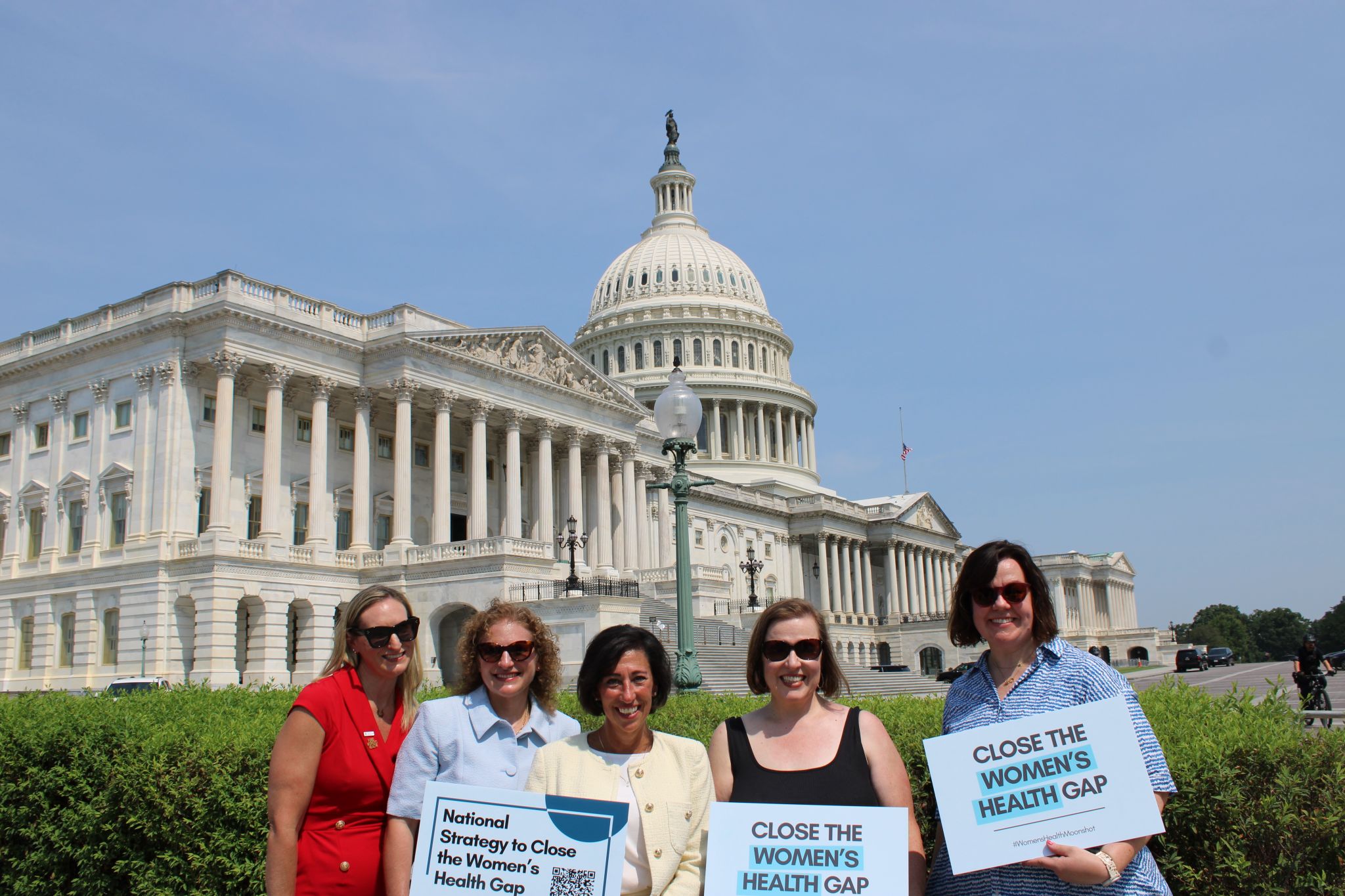
- July 15, 2024: Representatives from the Endocrine Society, SWHR, ACOG, UsAgainstAlzheimer’s, and the National MS Society gathered at the U.S. Capitol to officially unveil the strategy and present it to members of Congress.
Official Responses and Stakeholder Perspectives
The launch featured prominent voices from across the medical spectrum. Mila Becker, representing the Endocrine Society, emphasized the foundational nature of endocrine research. "Endocrinologists are at the front lines of women’s health, managing the complex hormonal balances that dictate everything from reproductive health to metabolic function," Becker stated. "We are encouraged to see this collaborative effort. Our Society will continue to advocate for the funding necessary to address the profound gaps in endocrine-related care."
Katie Schubert, President and CEO of the Society for Women’s Health Research, highlighted the necessity of federal intervention. "For too long, women’s health has been treated as a footnote in the story of American medicine. This $20 billion strategy is not just a request for funding; it is a demand for a fundamental shift in how we value the lives and health of women."
Ashleigh Thorpe of the National MS Society and Erika Sward of UsAgainstAlzheimer’s pointed to the specific needs of women living with chronic neurological conditions. They noted that because women are disproportionately affected by MS and Alzheimer’s, any national strategy that fails to prioritize sex-based research is essentially ignoring the majority of the patient population.
Broader Impact and Future Implications
The introduction of the National Strategy to Close the Women’s Health Gap is expected to trigger a series of legislative hearings in both the House and Senate. If adopted, the $20 billion investment would represent one of the largest targeted increases in health research funding in U.S. history.
The implications for the medical field are profound. For clinicians, it means a shift toward "precision medicine" for women—treatments that are calibrated based on sex-specific biomarkers rather than generic protocols. For the pharmaceutical industry, it creates a roadmap for new market opportunities, as the demand for female-specific diagnostics and therapeutics grows.
However, the path forward is not without challenges. In a divided political climate, securing a multi-year, multi-billion-dollar commitment requires sustained advocacy and bipartisan support. Proponents of the strategy argue that women’s health is not a partisan issue but a matter of national productivity and family stability.
As the Endocrine Society and its partners move into the next phase of advocacy, the focus will shift to specific legislative vehicles, such as the annual appropriations bills for the Department of Health and Human Services. The success of the July 15 launch has set the stage for a long-term transformation, positioning women’s health research not as a special interest, but as a cornerstone of the national healthcare agenda. By addressing the "health gap" now, the coalition aims to ensure that future generations of women receive care that is as scientifically rigorous and effective as the care provided to their male counterparts.