

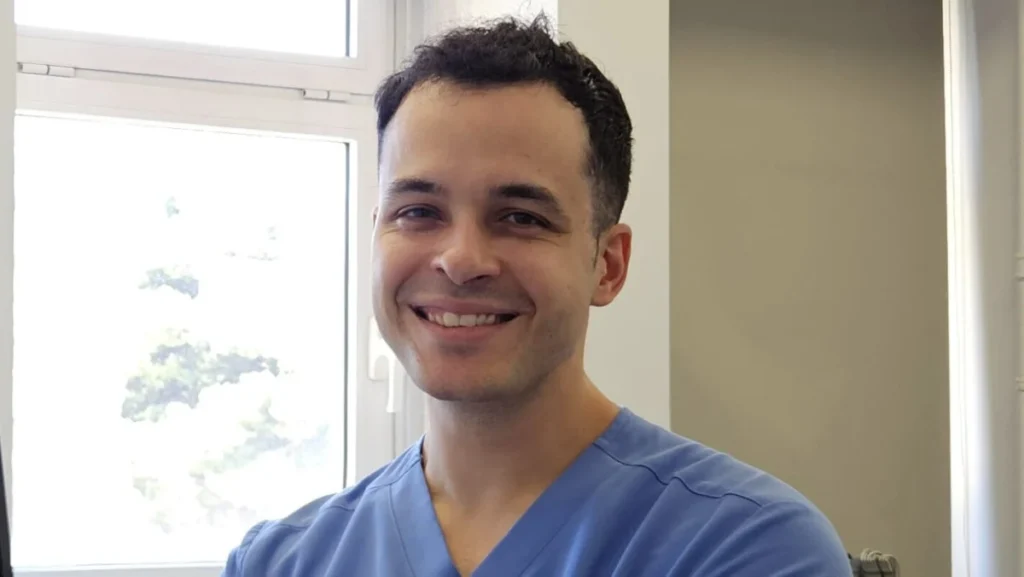
The annual ENDO conference, the flagship meeting of the Endocrine Society, serves as the premier global stage for the dissemination of cutting-edge research in hormone health and metabolic medicine. Among its most anticipated sessions is the Rising Star Power Talks, a high-stakes, "blitz-style" competition designed to provide early-career investigators and in-training members with a national platform. At ENDO 2026, this session once again highlighted the intersection of rigorous academic inquiry and the urgent need for clinical innovation. This year’s Audience’s Choice winner, Konstantinos Stefanakis, MD, PhD (candidate), a cardiology and postdoctoral research fellow at Harvard Medical School and Beth Israel Deaconess Medical Center, captured the attention of his peers with a presentation focused on the proteomic signatures of metabolic dysfunction-associated steatotic liver disease (MASLD).
The Rising Star Power Talks are more than a simple research presentation; they represent a strategic effort by the Endocrine Society to bridge the gap between early-stage research and professional visibility. According to Nichole Ehrhardt, MD, co-medical director of the Seattle Clinical Research Center and co-chair of the Trainee and Career Development Core Committee (TCDCC), the visibility provided by this platform is critical for the long-term success of emerging scientists. By placing these investigators in the spotlight, the Society fosters the connections and collaborations necessary to advance complex research careers in an increasingly competitive funding environment.
A Strategic Shift in Research Evaluation
The 2026 iteration of the Rising Star Power Talks introduced a notable evolution in its judging criteria and panel composition. Christine Krieger, PhD, a science program manager at the National Institutes of Diabetes and Digestive and Kidney Diseases (NIDDK) and TCDCC co-chair, noted that the panel this year featured a significant presence from the private sector. Judges were drawn from industry leaders such as Crinetics, Argenx, and Abbvie, reflecting a growing emphasis on translational science—research that can be moved efficiently from the laboratory bench to the patient’s bedside.

This shift underscores a broader trend in the endocrine community: the necessity of aligning academic research with the developmental pipelines of the pharmaceutical and biotech industries. By inviting industry experts to evaluate the "blitz" presentations, the Endocrine Society provided participants with a unique opportunity to receive feedback from those responsible for the next generation of metabolic therapeutics. This "fresh perspective" ensures that the science being presented is not only robust in its methodology but also viable in its potential for commercial and clinical application.
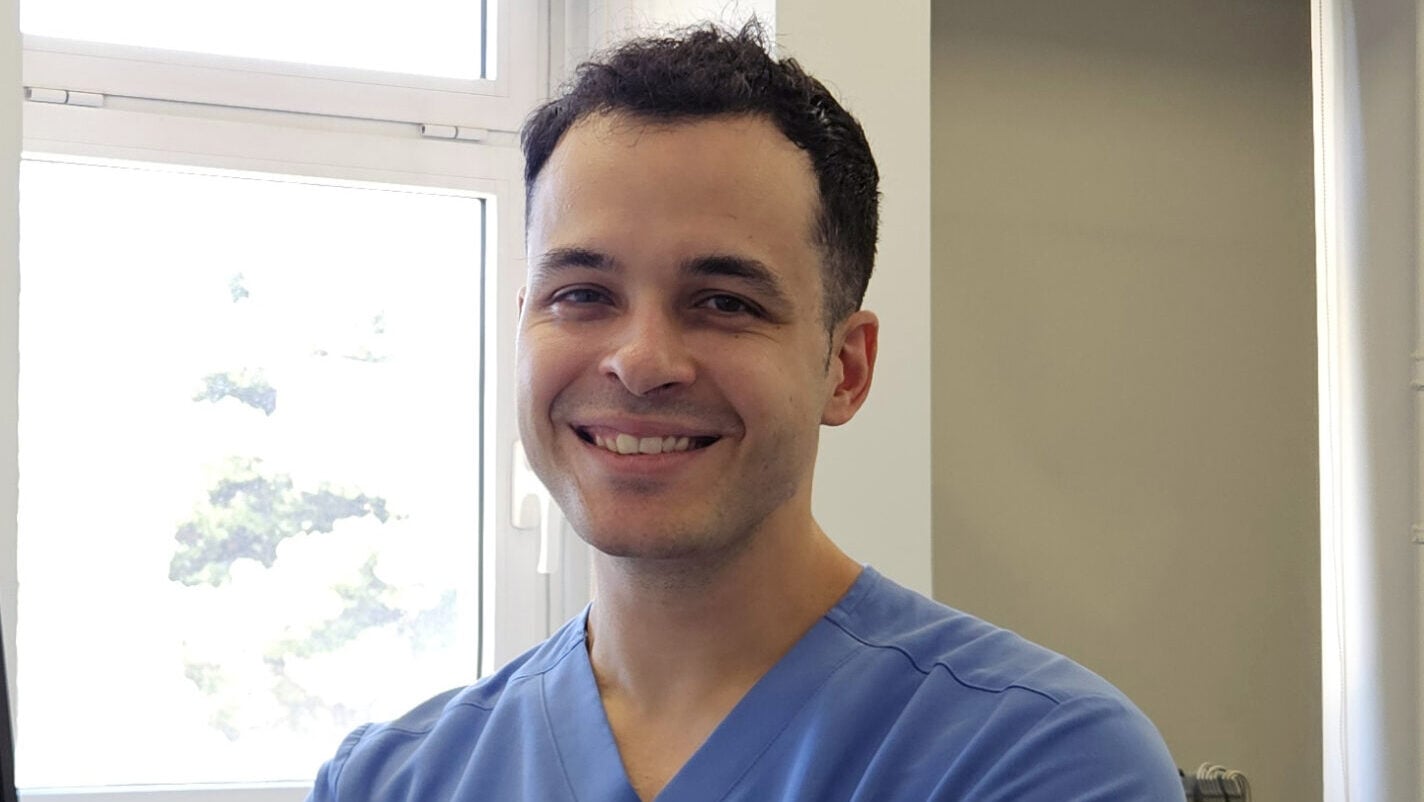
The 2026 Award Recipients
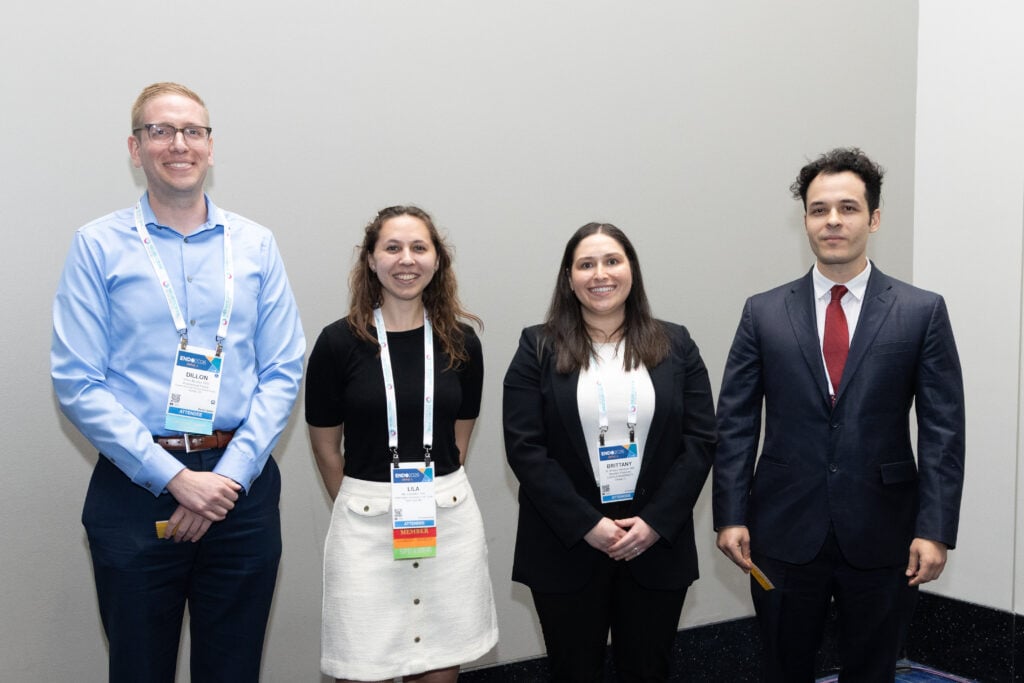
Following a series of intense, high-speed presentations where 15 finalists distilled years of work into concise, impactful summaries, the judges and the audience selected four standout winners across various disciplines:
- Basic Science: Lila Dabill, a PhD student at Washington University in St. Louis, Missouri.
- Clinical Science: Brittany Weisbrot, an internal medicine resident at Loyola University Medical Center in Maywood, Illinois.
- Translational Science: Dillon Boulton, PhD, a postdoctoral fellow in the Department of Pathology at the University of Colorado – Anschutz Medical Campus.
- Audience’s Choice: Konstantinos Stefanakis, MD, PhD (candidate), Harvard Medical School, Beth Israel Deaconess Medical Center.
The recognition of these individuals highlights the diverse range of inquiry currently driving the field of endocrinology, from the fundamental molecular mechanisms of hormone action to the implementation of new diagnostic tools in clinical practice.
Advancing the Diagnosis of MASLD and MASH
The research presented by Konstantinos Stefanakis addresses one of the most significant public health challenges in modern metabolic medicine: the rising prevalence of MASLD and its more severe form, metabolic dysfunction-associated steatohepatitis (MASH). Formerly known as NAFLD and NASH, these conditions are characterized by the accumulation of fat in the liver, which can lead to inflammation, fibrosis, cirrhosis, and eventually liver failure or hepatocellular carcinoma.
Stefanakis’s work, conducted within the Mantzoros Laboratory at Harvard Medical School, utilizes blood-based "omics"—specifically proteomics—to identify patients at high risk for progressive liver disease. The clinical stakes are high. MASLD affects more than one billion people worldwide, fueled by the global epidemics of obesity and type 2 diabetes. While liver biopsy remains the gold standard for diagnosis and staging, its invasive nature, high cost, and potential for complications make it unsuitable for large-scale screening or frequent monitoring.
In his presentation, Stefanakis detailed how his team studied circulating proteins in serum and plasma from patients with biopsy-confirmed MASLD/MASH. By analyzing these proteomic profiles, the researchers aimed to determine if specific blood proteins could reflect the biological activity occurring within the liver, such as inflammatory stress and tissue remodeling. The goal is to develop non-invasive tests (NITs) that can provide a "biological layer" of data, allowing clinicians to identify "at-risk MASH" (MASH with moderate to advanced fibrosis) without the need for a biopsy.
The Role of Mentorship in Scientific Excellence
A recurring theme in the success of the Rising Star participants is the influence of dedicated mentorship. Stefanakis credits much of his development to Dr. Christos Mantzoros, a renowned figure in the field of endocrinology and the recipient of the Outstanding Scholarly Physician Laureate Award in 2025. The Mantzoros Laboratory has established a "scientific family" within the Endocrine Society, demonstrating a multi-generational commitment to excellence.
This cycle of mentorship is evident in the trajectory of the lab’s members. Stefanakis himself was a recipient of the Summer Research Fellowship (now REGMS) in 2020, a program that provided the initial momentum for his career. In a testament to the lab’s culture of passing on knowledge, an MD student co-mentored by Stefanakis and Dr. Mantzoros received the same REGMS fellowship in 2026. This continuity is vital for the sustainability of physician-scientist pathways, which are often challenged by the dual demands of clinical practice and rigorous research.
Future Implications: Toward Precision Metabolic Medicine
The implications of Stefanakis’s research extend beyond the identification of biomarkers. The ultimate objective is the realization of precision medicine for metabolic diseases. By integrating proteomics with other data layers—such as transcriptomics, genetics, imaging, and clinical variables—researchers hope to create a comprehensive multi-omic map of disease progression.
This holistic approach would allow for:
- Earlier Intervention: Identifying patients who are likely to progress to advanced fibrosis before irreversible damage occurs.
- Rational Monitoring: Utilizing simple blood tests to track a patient’s response to treatment or lifestyle changes over time.
- Targeted Drug Discovery: Delineating specific pathophysiological pathways that can be targeted by novel medications, such as the recently approved treatments for MASH.
- Inclusivity in Research: Expanding validation studies to include underrepresented populations, including Latin American communities and pediatric patients, who may exhibit different disease biologies.
The "blitz" format of the Power Talks, while challenging, serves as a metaphor for the rapid pace of modern medical innovation. As Stefanakis noted during the session, the discussion following his talk was instrumental in shaping the next steps of his research, particularly regarding the integration of diverse biological data layers to strengthen the predictive power of non-invasive tests.
The Endocrine Society as a Scientific Home
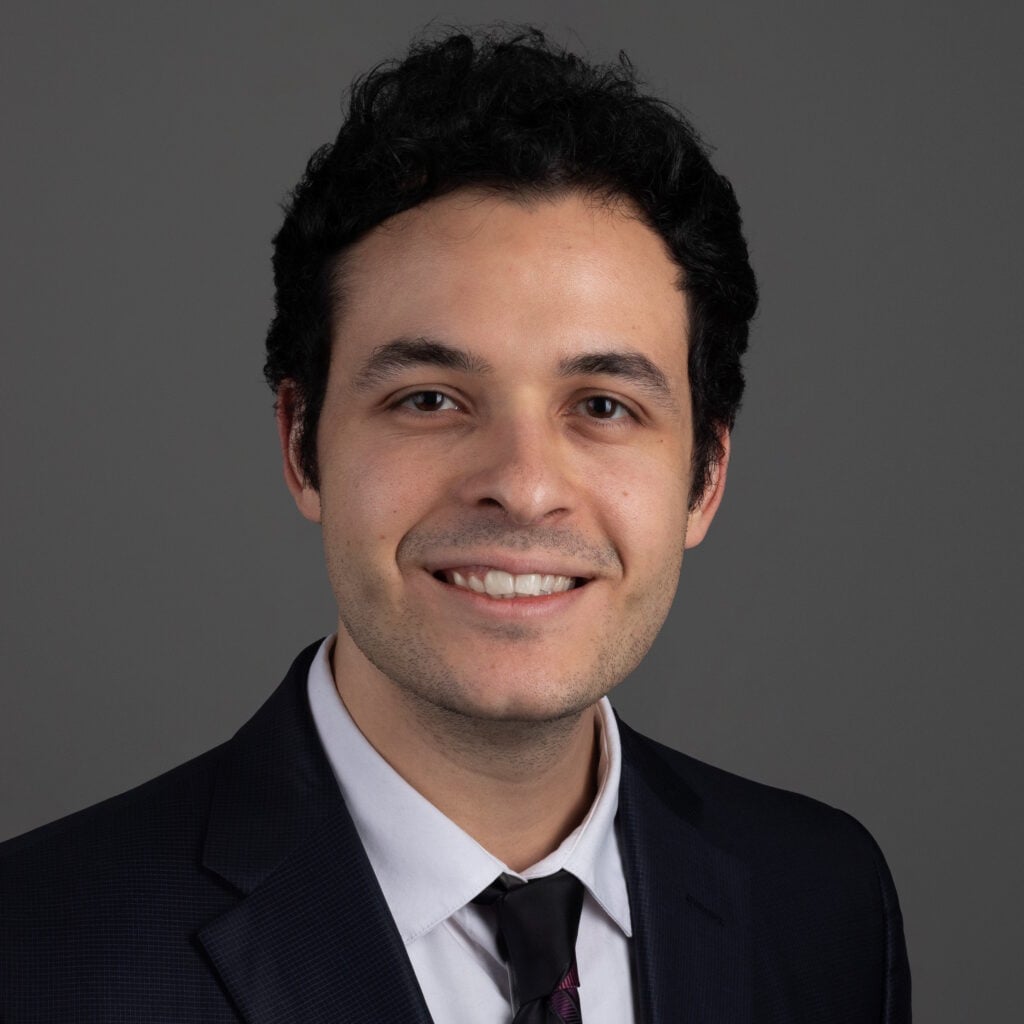
For early-career researchers like the 2026 Rising Stars, the Endocrine Society provides more than just an annual meeting; it offers a professional ecosystem. Stefanakis’s experience of receiving the Outstanding Abstract Award at every ENDO from 2022 through 2026 illustrates the consistent support available to those who engage deeply with the Society’s resources.
The intersectional nature of endocrinology—touching on obesity, diabetes, cardiology, and hepatology—requires a community where these disciplines can converge. As the medical community moves toward a "cardio-renal-liver-metabolic" framework of care, the role of the endocrinologist becomes increasingly central. The Rising Star Power Talks at ENDO 2026 demonstrated that the next generation of investigators is well-equipped to lead this charge, armed with sophisticated omics tools and a commitment to reducing the burden of metabolic disease through translational science.
As the conference concluded, the focus shifted from the stage to the laboratory, where these "Rising Stars" continue the slow, meticulous work of validating their findings. The success of these talks ensures that when the next breakthrough in metabolic medicine arrives, it will be driven by scientists who have already been tempered by the spotlight of their peers and mentors. Through the continued support of organizations like the Endocrine Society and the NIDDK, the transition from "rising star" to established leader remains a viable and vital path for the future of global health.