








The Syilx Okanagan people have maintained a sophisticated relationship with the landscape of British Columbia’s Okanagan Valley for millennia, predating the modern agricultural and viticultural industries by thousands of years. Central to this relationship is a profound cultural framework known as the Four Food Chiefs, which serves as both a creation story and a governing philosophy for land stewardship and resource management. In the contemporary era, as the Okanagan Valley becomes globally recognized for its wine and tourism, the Syilx people are actively working to ensure that their traditional food systems and ecological responsibilities are not only preserved but integrated into the region’s modern identity. This movement encompasses a wide range of initiatives, from large-scale salmon restoration projects to the promotion of Indigenous-led culinary tourism, all rooted in an ancient agreement to care for the land that sustains the population.
The Foundation of Syilx Identity: The Four Food Chiefs
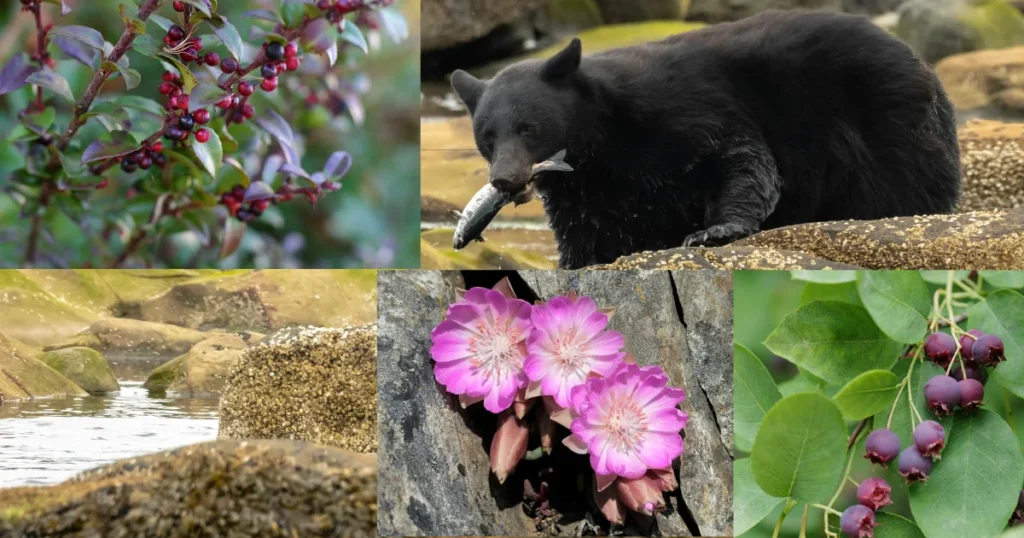
The cultural and spiritual life of the Syilx Okanagan Nation is anchored in an oral history that explains the origins of sustenance and the responsibilities of human beings. According to the Syilx creation story, before the "people-to-be" arrived, the Four Food Chiefs held a meeting to determine how the newcomers would survive. These chiefs represented the four major categories of food provided by the natural world.
The first chief is Skimxist (Black Bear), who represents the animals of the land and occupies the highest rank of leadership. He offered his life to provide meat for the people. The second is Ntytxix (Chinook Salmon), representing the water creatures and the vital cycles of the river systems. The third is Speetlum (Bitterroot), representing the plants that grow under the ground, and the fourth is Siya (Saskatoon Berry), representing the plants that grow above the ground.
This story is more than a myth; it functions as a constitutional document for the Syilx people. It establishes a reciprocal relationship: the chiefs provide sustenance, and in return, the people must provide "t’kwilnt"—a term encompassing the acts of giving thanks, showing respect, and actively tending to the environment to ensure the survival of these species. This mandate has dictated Syilx land-use patterns for over 10,000 years, creating a sustainable balance that lasted until the massive disruptions of the 19th and 20th centuries.
Historical Disruptions and the Impact of Industrialization
The traditional food systems of the Okanagan were systematically altered following the arrival of European settlers and the subsequent industrialization of the Canadian West. The transformation of the Okanagan Valley into an agricultural hub involved the clearing of native plants to make way for orchards and, eventually, the vineyards that define the region today.
The most significant disruption occurred within the river systems. For the Syilx, Ntytxix (Chinook Salmon) was a cornerstone of both diet and trade. However, the construction of large-scale hydroelectric dams on the Columbia River system, particularly the Grand Coulee Dam in the United States (completed in 1942), created impassable barriers for migrating salmon. This effectively cut off the upper Columbia and Okanagan watersheds from the Pacific Ocean, leading to a near-total collapse of salmon runs in Syilx territory.
Furthermore, the introduction of cattle ranching and urban development led to the degradation of riparian zones and the loss of traditional gathering grounds for Speetlum (Bitterroot) and Siya (Saskatoon Berry). By the mid-20th century, the Syilx people found themselves increasingly alienated from the very resources the Four Food Chiefs had promised them, leading to a period of forced dietary transition and the erosion of traditional ecological knowledge (TEK).
Data-Driven Restoration: The Return of the Chinook Salmon
In recent decades, the Okanagan Nation Alliance (ONA) has led a scientifically rigorous and culturally driven effort to reverse these historical losses. The restoration of the sockeye and Chinook salmon runs stands as one of the most successful Indigenous-led environmental initiatives in North America.
Data from the ONA’s fisheries department highlights the scale of this recovery. In the late 1990s, sockeye salmon returns to the Okanagan River had plummeted to fewer than 3,000 fish. Through the implementation of the "kł cp̓əlk̓ stim̓" Hatchery in Penticton and intensive habitat restoration, returns have reached record highs in recent years, sometimes exceeding 500,000 fish.
The focus has now shifted toward the restoration of the Chinook salmon, the second Food Chief. The ONA, in collaboration with Fisheries and Oceans Canada (DFO), is working on a long-term Integrated Fisheries Management Plan. This involves:
- Habitat Rehabilitation: Restoring the natural meanders of the Okanagan River, which were straightened for flood control in the 1950s.
- Fish Passage Advocacy: Working with international partners to address the "blocked area" above the Chief Joseph and Grand Coulee dams.
- Selective Harvesting: Utilizing traditional "weir" fishing methods that allow for the selective harvest of hatchery fish while releasing wild spawners to maintain genetic diversity.
According to ONA biologists, these efforts are not merely about food security; they are about fulfilling the ancient obligation to Ntytxix. "The salmon are our relatives," a spokesperson for the ONA fisheries department noted in a recent briefing. "When we bring them back, we are bringing back a piece of ourselves."
The Modern Harvest: Integrating Tradition and Tourism
While large-scale restoration projects address the animal and fish chiefs, the plant chiefs—Bitterroot and Saskatoon Berry—are being revitalized through cultural education and the burgeoning Indigenous tourism sector. The Syilx people continue to gather these foods in their traditional seasons, often held in late spring and mid-summer, but they are also sharing these flavors with the wider world.
The Okanagan Valley is home to North America’s first Indigenous-owned and operated winery, Nk’Mip Cellars. This institution serves as a primary example of how the Syilx people are blending modern economic success with traditional values. The winery, located on the Osoyoos Indian Reserve, incorporates Syilx imagery and stories into its branding, emphasizing the connection between the soil, the climate, and the people.
Similarly, the Kekuli Cafe, with locations in Westbank and Merritt, has popularized "Indigenous cuisine" by incorporating traditional ingredients like Saskatoon berries into accessible menu items. This "food sovereignty" movement aims to move beyond the colonial diet and reintroduce nutrient-dense, native foods to both the Syilx community and the general public.
Supporting data from Destination British Columbia suggests that Indigenous tourism is one of the fastest-growing sectors in the province’s travel industry. Visitors are increasingly seeking "authentic" experiences that go beyond sightseeing, showing a 20% increase in interest in Indigenous culinary experiences over the last five years. This shift provides a platform for the Syilx to educate the public about the Four Food Chiefs while generating revenue to support further land stewardship.
Official Responses and Collaborative Governance
The success of the Syilx Okanagan Nation in preserving their food culture has garnered recognition from various levels of government. The Canadian federal government, through its commitment to the United Nations Declaration on the Rights of Indigenous Peoples (UNDRIP), has increasingly sought the expertise of the Syilx people in environmental management.
In a joint statement regarding the Okanagan River Restoration Initiative (ORRI), federal and provincial representatives acknowledged the ONA as "equal partners in the management of the watershed." This marks a significant departure from previous decades where Indigenous voices were largely excluded from resource management decisions.
The Syilx Okanagan Nation Alliance has also been vocal in its response to climate change, which threatens the delicate balance of the Four Food Chiefs. The ONA leadership has stated that "traditional knowledge is not a relic of the past, but a tool for the future." They argue that the resilience of native species like the Bitterroot and the drought-resistant Saskatoon Berry offers critical lessons for food security in a warming world.
Broader Impact and Implications for the Region
The revitalization of the Four Food Chiefs framework has implications that extend far beyond the borders of the Okanagan Valley. It serves as a model for how Indigenous nations can reclaim their food systems while navigating the complexities of a modern global economy.
- Ecological Resilience: By focusing on the restoration of keystone species like the Chinook salmon, the Syilx are improving the health of the entire ecosystem. Salmon transport nutrients from the ocean to the inland forests, benefiting everything from the soil quality to the health of the Black Bear (the first Chief).
- Economic Diversification: Indigenous-led businesses are creating jobs and attracting international investment, proving that cultural preservation and economic development are not mutually exclusive.
- Cultural Continuity: For Syilx youth, the resurgence of traditional food practices provides a tangible connection to their heritage. Programs at the En’owkin Centre in Penticton teach the n’syilxcən language alongside the harvesting of the Four Foods, ensuring that the oral history remains a living, breathing part of the community.
- Food Sovereignty: Reducing reliance on global supply chains by revitalizing local, traditional food sources creates a more resilient community. The Syilx approach emphasizes that food is a gift and a responsibility, rather than just a commodity.
As the Okanagan Valley continues to grow, the presence of the Syilx people and their Four Food Chiefs ensures that the region’s development is grounded in a deep history of respect for the land. The vineyards and orchards may be the most visible signs of the valley’s productivity today, but the underlying map of the territory remains defined by the bear, the salmon, the root, and the berry. The ongoing work of the Syilx Okanagan Nation serves as a reminder that the health of a society is inextricably linked to the health of the land that feeds it, a truth that has remained unchanged since the chiefs first convened to prepare for the arrival of the people.