








Composition and Core Elements
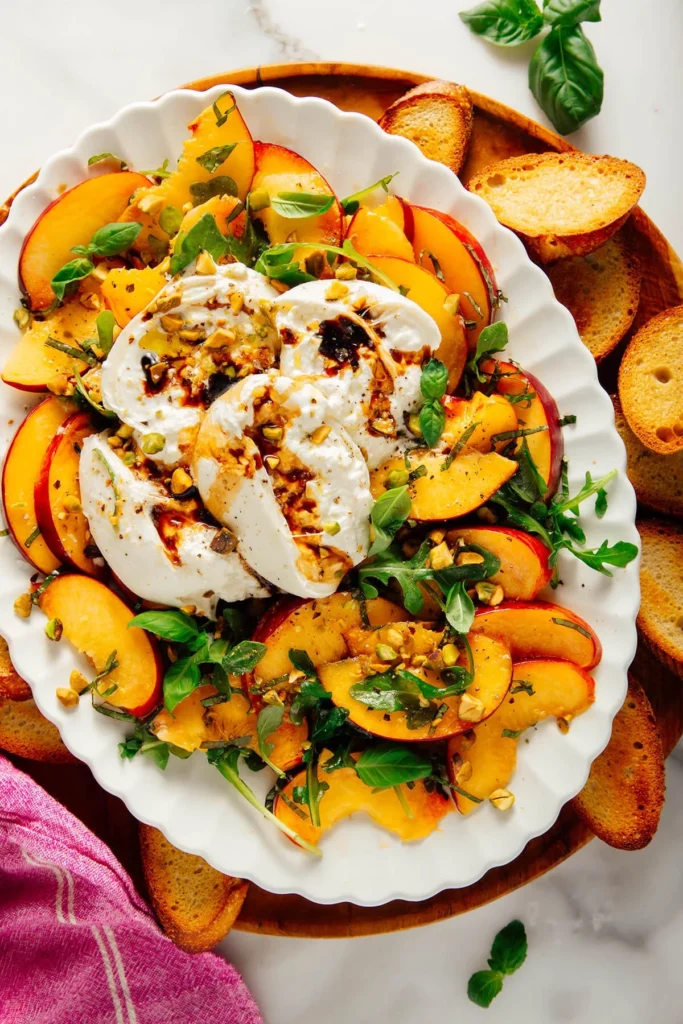
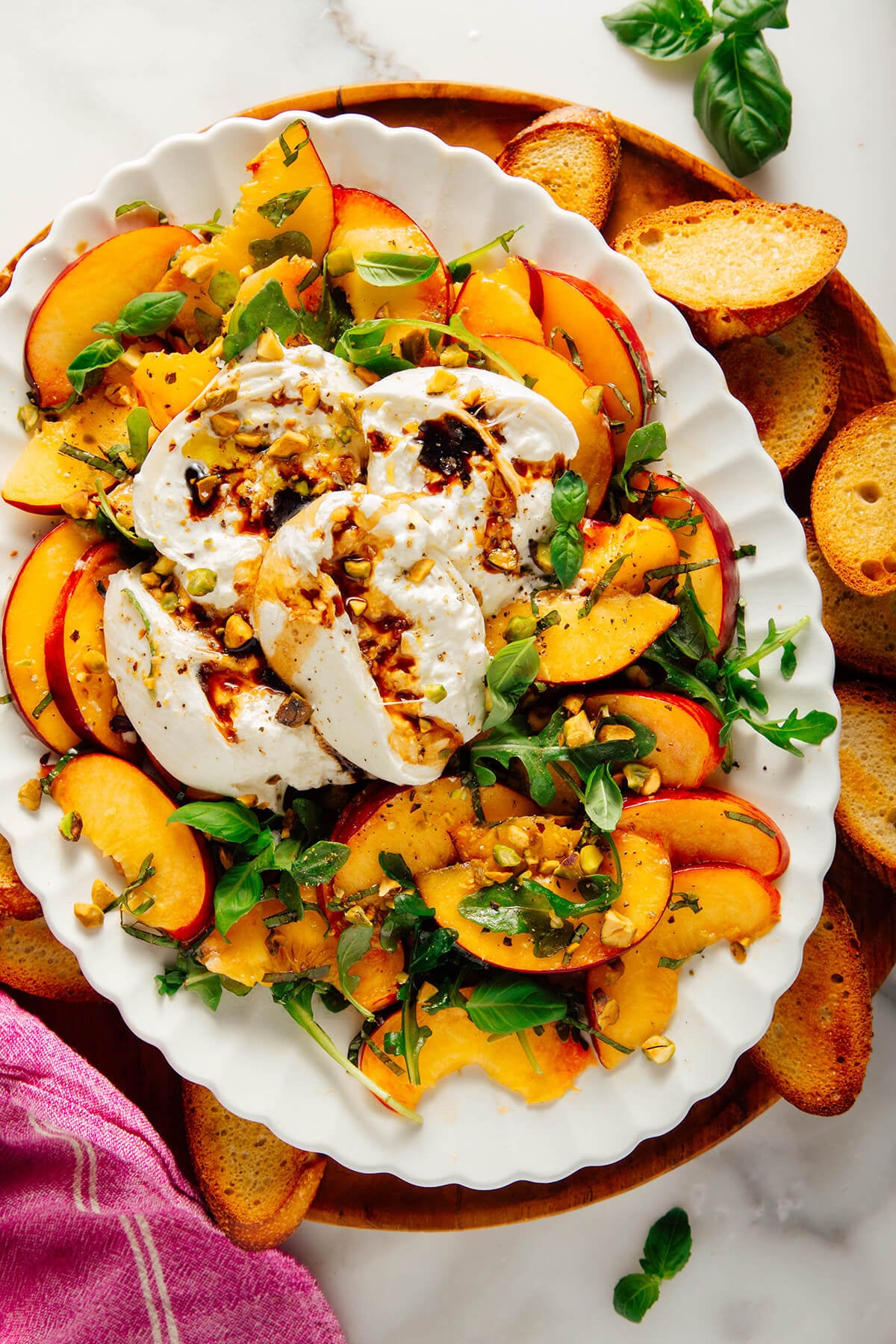
The Peach and Burrata Salad is characterized by a precise interplay of key components: succulent sliced peaches, crisp fresh arugula, aromatic basil leaves, luxurious creamy burrata cheese, and crunchy toasted pistachios. These elements are traditionally brought together with a simple yet effective dressing of high-quality olive oil and a drizzle of balsamic vinegar. The resulting dish is a visually stunning presentation of diverse textures and tastes, making it suitable for both a standalone salad course or an elegant appetizer. Its appeal lies significantly in its minimal preparation time, typically requiring only 15 minutes, and the complete absence of cooking, positioning it as an ideal option for warm weather dining.
Culinary Context and Evolution

The genesis of this particular peach and burrata combination can be traced to a desire to adapt existing popular recipes, specifically the Burrata with Tomatoes and Basil, by introducing a seasonal fruit component. This approach reflects a growing culinary philosophy that prioritizes ingredient seasonality and creative ingredient substitution to refresh classic dishes. The transition from tomatoes to peaches introduces a distinct sweetness and delicate acidity that transforms the salad’s character, offering a novel experience while retaining the familiar creamy richness of burrata and the peppery notes of arugula. This evolution underscores a broader movement in contemporary cuisine to explore unexpected pairings that challenge traditional flavor boundaries.
The Allure of Seasonal Ingredients: Peaches
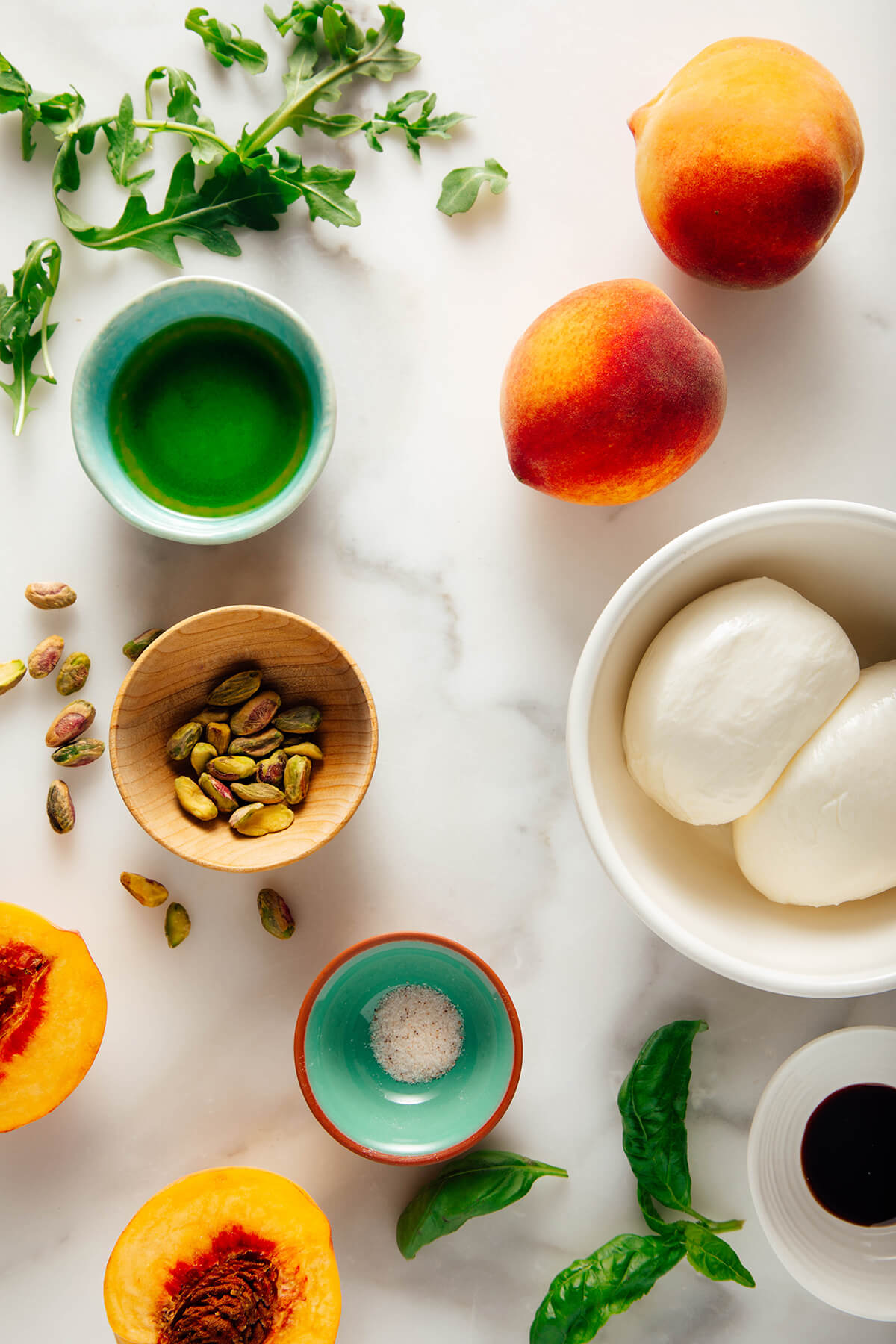
Peaches, the cornerstone of this summer salad, are stone fruits known for their sweet, juicy flesh and fragrant aroma. Their peak season typically spans from late spring through early autumn, with July and August often cited as the prime months for optimal ripeness and flavor. Major peach-producing regions globally include China, Italy, Spain, and the United States, where states like California, Georgia, and South Carolina are renowned for their abundant harvests. The quality of peaches is paramount to the success of this salad; ripe peaches offer a soft texture and intense sweetness that contrasts beautifully with the other ingredients. Historically, peaches have been cultivated for thousands of years, originating in China, and have played a significant role in various cuisines, often symbolizing longevity and prosperity. Their seasonal availability dictates the optimal window for enjoying this particular salad, making it a highly anticipated dish during warmer months.
Burrata: The Creamy Heart of the Salad
Burrata cheese, an Italian cow’s milk cheese, has experienced a remarkable surge in popularity in recent years, becoming a darling of gourmet kitchens and home cooks alike. Originating from Puglia, a region in southern Italy, burrata literally means "buttered" in Italian, a fitting description for its rich, buttery interior. Unlike traditional mozzarella, which is solid throughout, burrata features an outer shell of solid mozzarella enclosing a creamy filling of stracciatella (shreds of mozzarella mixed with cream). This unique composition provides an unparalleled textural experience: a firm exterior that yields to a luscious, flowing interior. The soft, milky flavor of burrata serves as an ideal canvas for both savory and sweet accompaniments, making it a versatile ingredient. Its rise can be attributed to increased availability in specialty stores and a global appreciation for artisanal cheeses that offer a luxurious mouthfeel and delicate flavor.
Arugula and Basil: The Aromatic Foundations
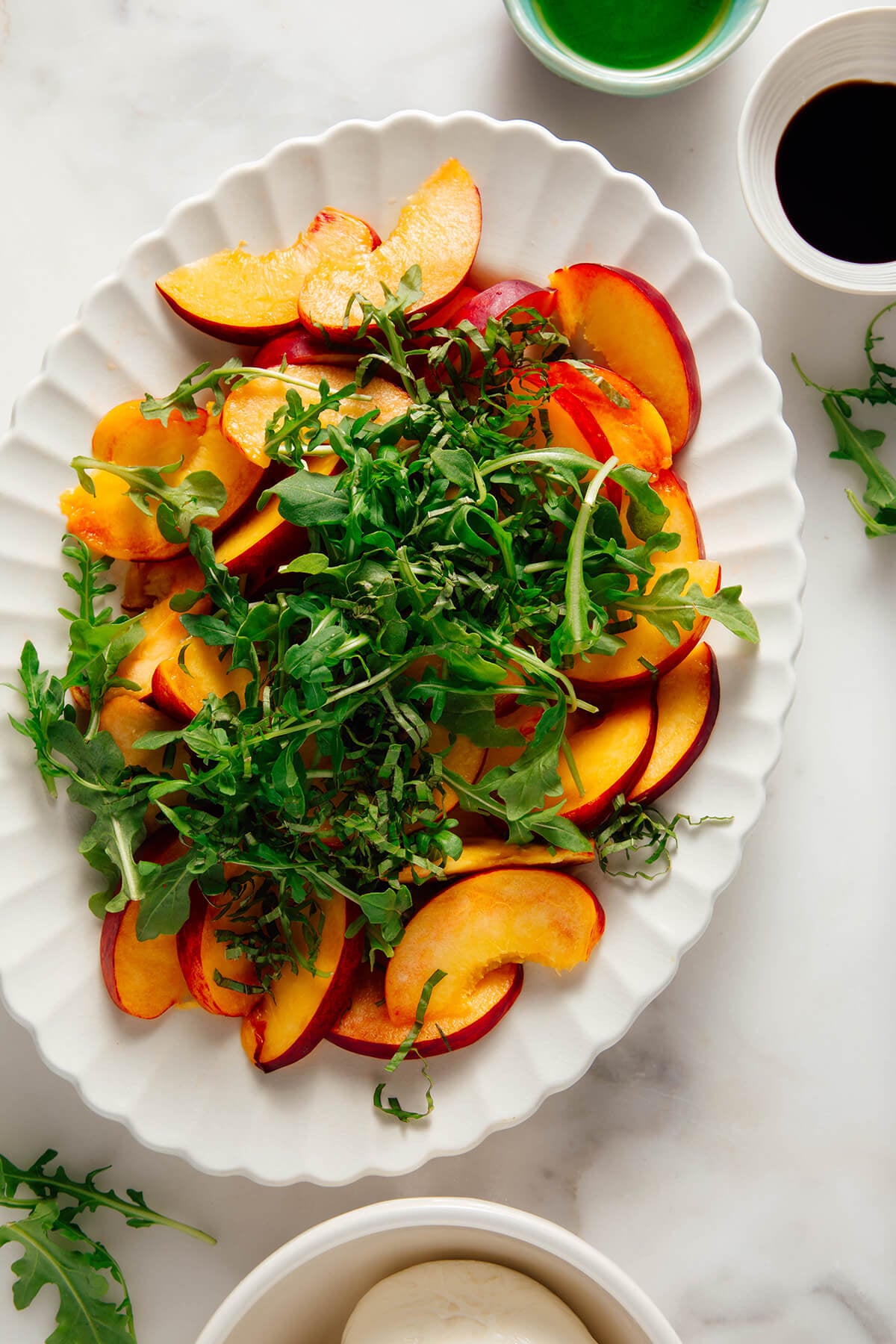
Arugula, with its distinct peppery and slightly bitter notes, provides a crucial counterpoint to the sweetness of the peaches and the richness of the burrata. This leafy green, also known as rocket, is a member of the brassica family and is prized for its vibrant flavor and nutritional density. Rich in vitamins K and A, calcium, and iron, arugula contributes both flavor complexity and health benefits to the salad. Basil, another essential herb in this composition, brings a sweet, pungent, and aromatic quality that is synonymous with Mediterranean cuisine. Its fresh, slightly peppery flavor enhances the overall bouquet of the dish and ties together the diverse ingredients. Both arugula and basil are best utilized fresh, harvested at their peak to ensure maximum flavor and aroma, further underscoring the recipe’s reliance on high-quality, seasonal produce.
Pistachios and Balsamic: Finishing Touches and Flavor Depth
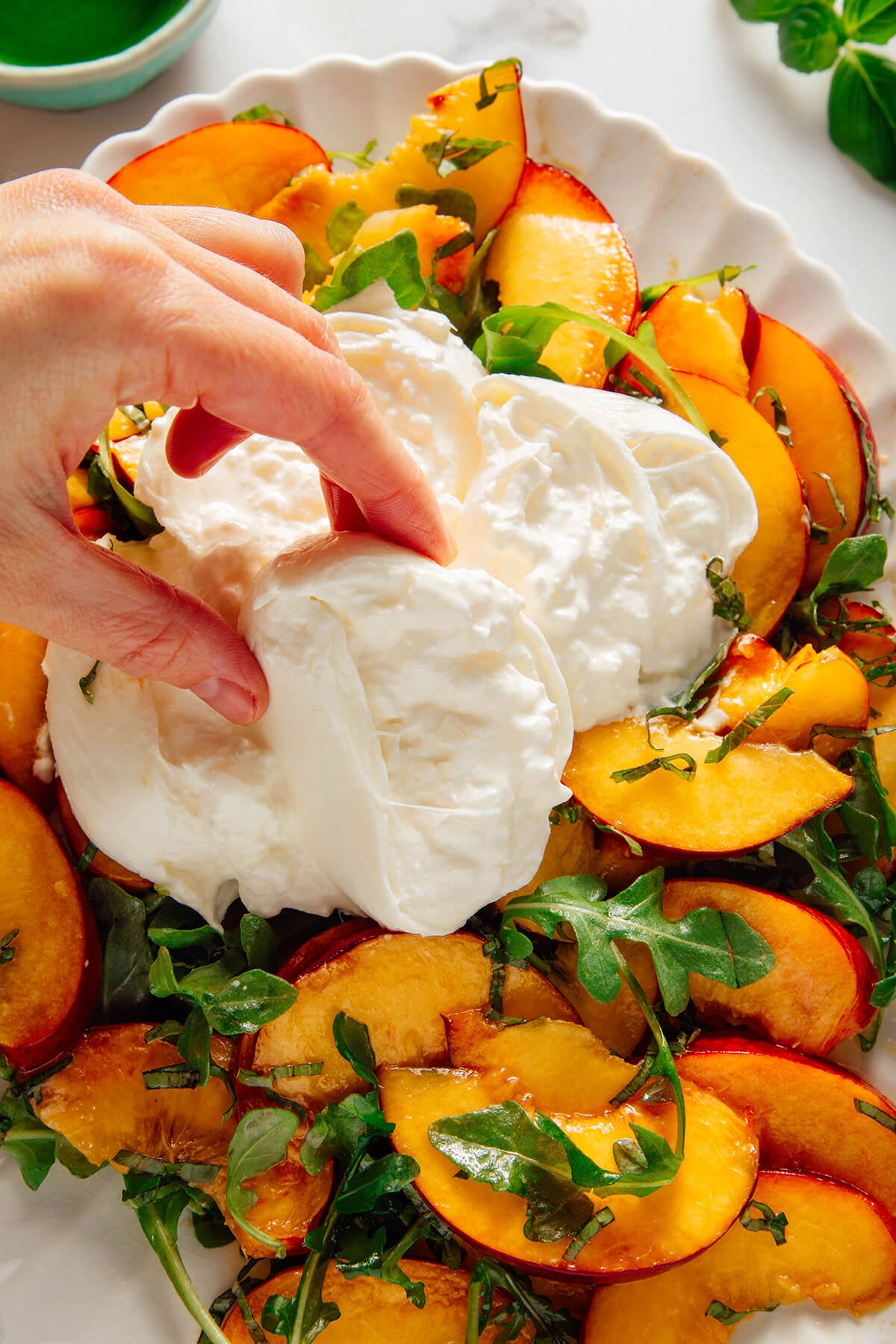
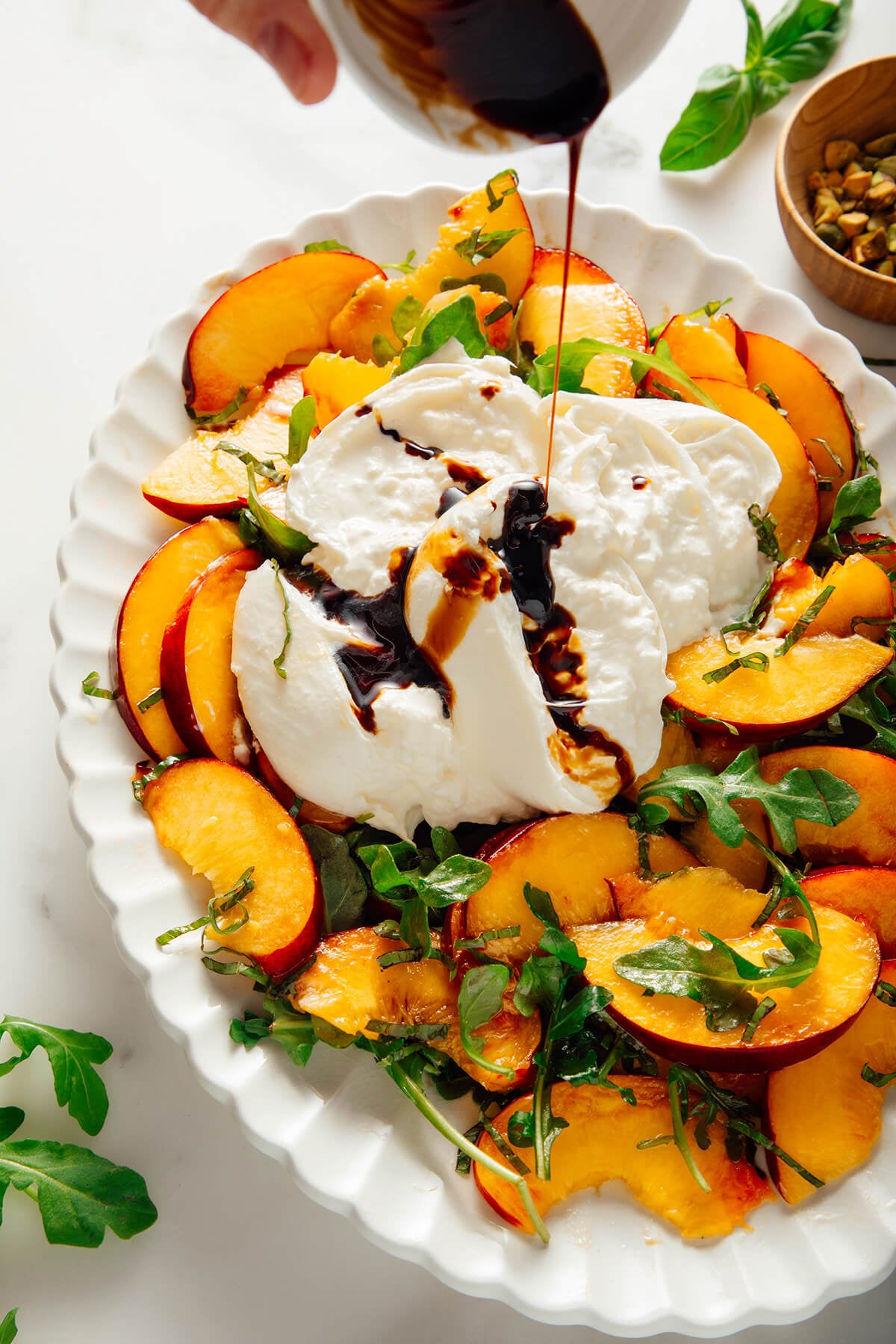
Toasted pistachios introduce a delightful crunch and nutty flavor, adding another layer of texture and complexity. Pistachios are rich in healthy fats, protein, fiber, and antioxidants, contributing to the dish’s nutritional value. Their subtle saltiness, often enhanced by toasting, provides a pleasing contrast to the sweet and creamy elements. The final flourish comes from the drizzle of olive oil and balsamic vinegar. Extra virgin olive oil, a staple of Mediterranean diets, contributes a fruity, sometimes peppery, undertone and healthy monounsaturated fats. Balsamic vinegar, particularly aged varieties, offers a complex sweet-tart profile that acts as a natural enhancer, drawing out the flavors of the peaches and cutting through the richness of the burrata. The quality of both the olive oil and balsamic vinegar significantly impacts the overall flavor of the finished salad, making ingredient selection a critical step.
Nutritional Profile and Health Implications
An analysis of the Peach and Burrata Salad reveals a favorable nutritional profile, emphasizing fresh, whole foods. While specific caloric and macronutrient counts can vary based on portion size and ingredient sourcing, general estimates provided by online nutrition calculators indicate a dish rich in vitamins, minerals, and healthy fats. Peaches contribute Vitamin C and A, fiber, and antioxidants. Arugula and basil are powerhouses of vitamins K and A, folate, and various phytonutrients. Burrata, while rich in saturated fats, also provides significant protein and calcium. Pistachios offer healthy monounsaturated and polyunsaturated fats, fiber, and protein. Olive oil is a source of heart-healthy fats. The combination makes for a relatively balanced meal or appetizer that supports healthy eating patterns, particularly when consumed in moderation as part of a varied diet. The emphasis on fresh, unprocessed ingredients aligns with current dietary recommendations for reducing intake of processed foods and increasing consumption of fruits and vegetables.
Serving Suggestions and Culinary Versatility
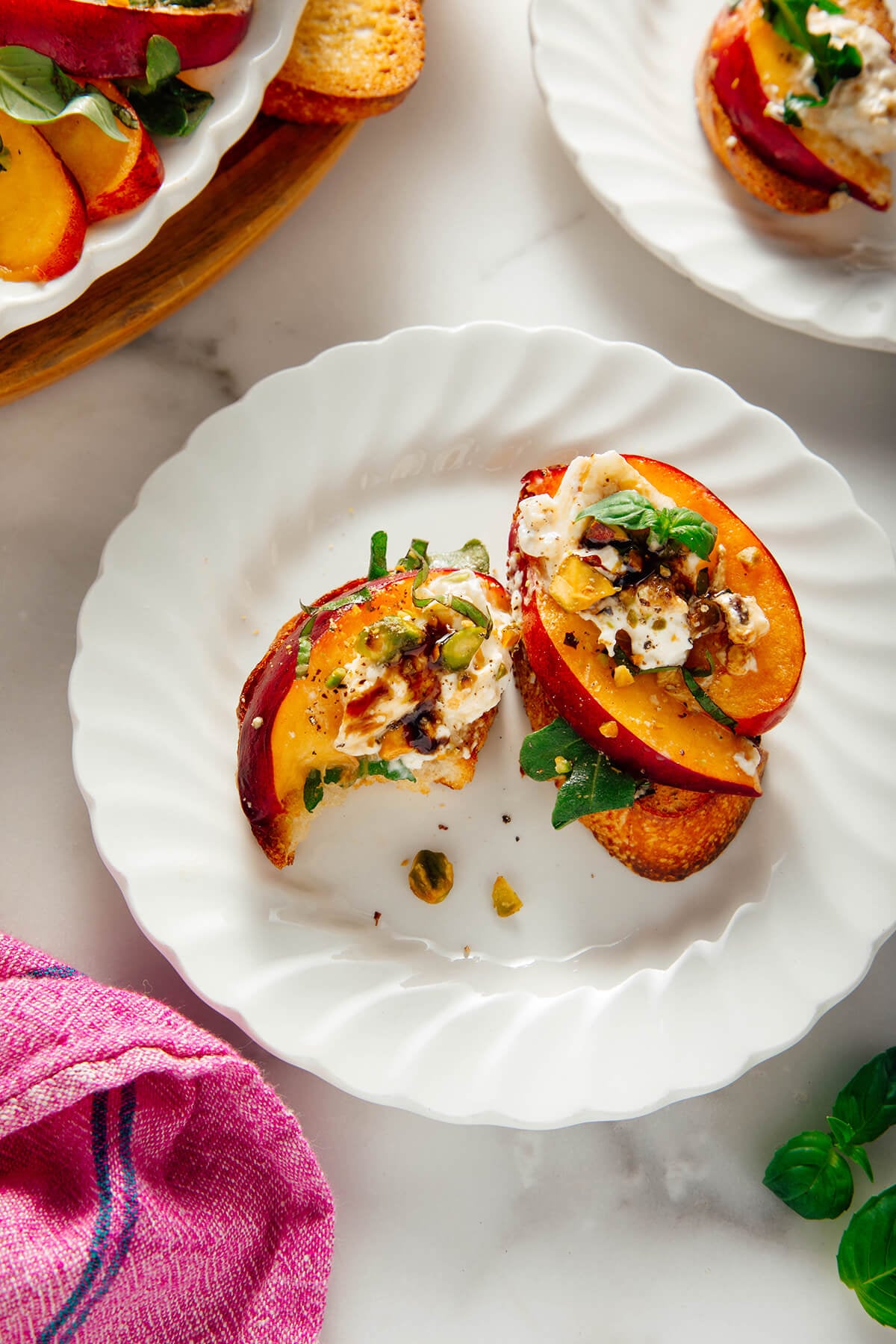
The Peach and Burrata Salad’s versatility extends to its serving applications. As a light main course, it pairs excellently with other fresh, summery fare. The original recipe creator suggests complementing it with grilled mains such as vegetarian burgers or grilled pizzas, highlighting its ability to brighten and balance richer dishes. It also harmonizes well with pasta dishes like pesto pasta or classic grilled corn, enhancing the overall summer dining experience. For those seeking an elevated culinary experience, the salad is often recommended with a glass of crisp white wine or a dry rosé, where the wine’s acidity and fruit notes can beautifully echo and complement the salad’s flavors. This adaptability makes it a valuable addition to various menus, from casual backyard barbecues to more formal al fresco gatherings.
Broader Culinary Impact and Market Trends
The popularity of dishes like the Peach and Burrata Salad reflects several significant trends in the food industry and home cooking. Firstly, there is an increasing consumer demand for "no-cook" or minimal-cook recipes, driven by busy lifestyles and a desire for lighter fare, especially during warmer months. Secondly, the salad capitalizes on the growing appreciation for artisanal and specialty ingredients, with burrata being a prime example of a once-niche product now widely available. Thirdly, it underscores the movement towards seasonal eating, where ingredients are celebrated at their peak freshness and flavor, which often translates to more sustainable and environmentally conscious food choices. This approach not only enhances taste but also supports local agriculture when ingredients are sourced regionally. Finally, the dish embodies the ongoing innovation in salad preparations, moving beyond simple greens to incorporate complex flavor profiles, diverse textures, and unexpected ingredient combinations, thereby elevating the humble salad to a gourmet experience. Culinary experts frequently cite such recipes as prime examples of how simplicity, when combined with high-quality, seasonal ingredients, can yield profoundly sophisticated results, encouraging both seasoned chefs and novice home cooks to explore new gastronomic horizons.