








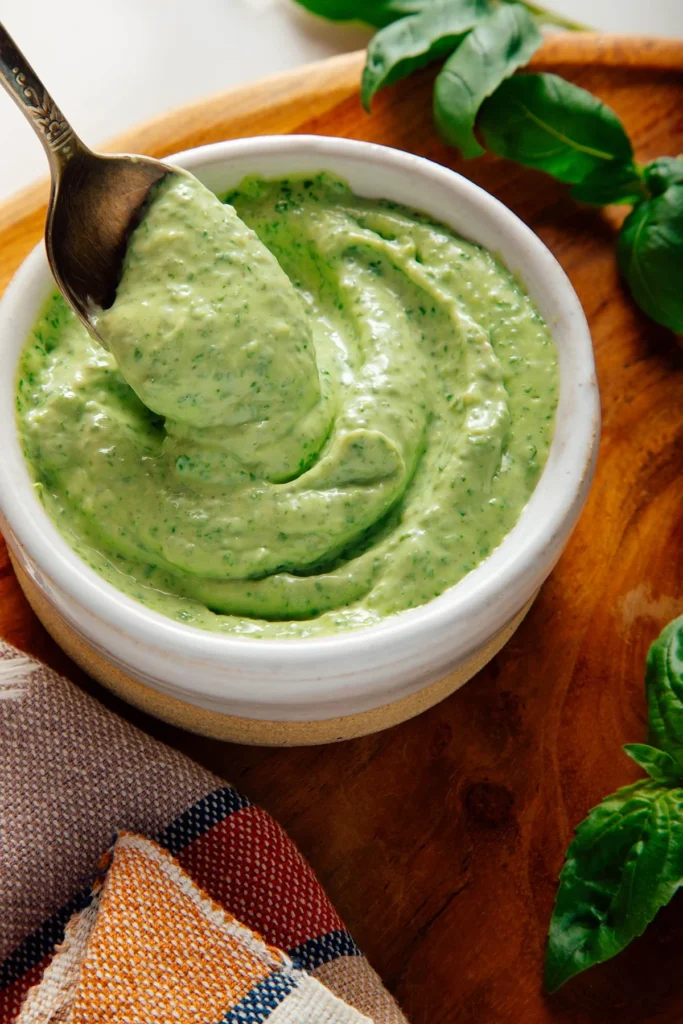
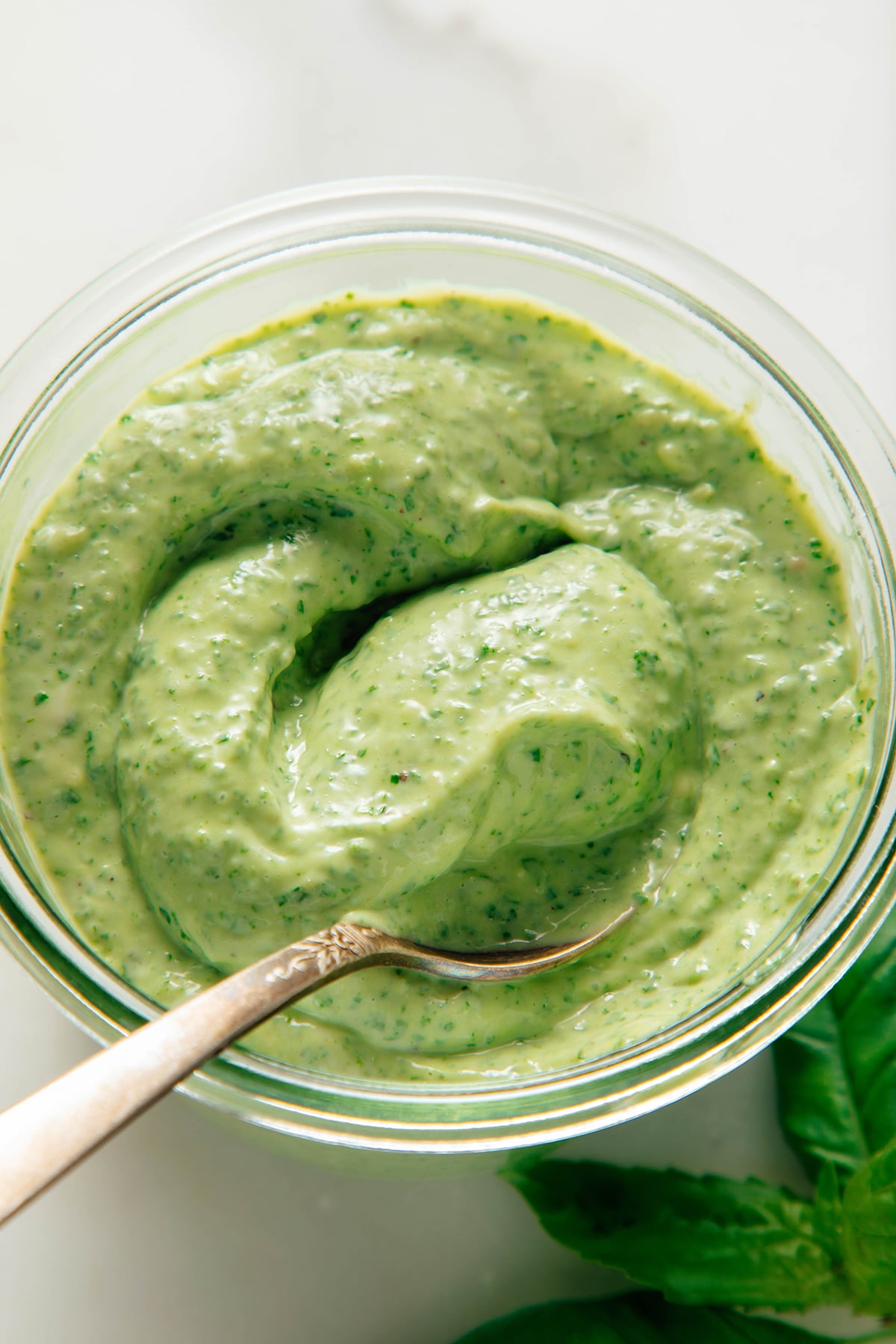
The culinary landscape is witnessing a notable rise in the prominence of simple yet profoundly flavorful condiments, with a creamy basil sauce recently gaining significant traction among home cooks and food enthusiasts alike. Described as a super fresh, summertime aioli, this versatile sauce is lauded for its ability to transform everyday sandwiches, snacks, and meals into vibrant gastronomic experiences. Its appeal lies in its quick preparation, requiring only a few minutes and a handful of accessible ingredients, making it an ideal addition to the modern kitchen’s repertoire. This burgeoning popularity underscores a broader trend towards fresh, homemade flavor enhancers that prioritize natural ingredients and ease of integration into diverse diets.
The Enduring Allure of Basil in Modern Cuisine
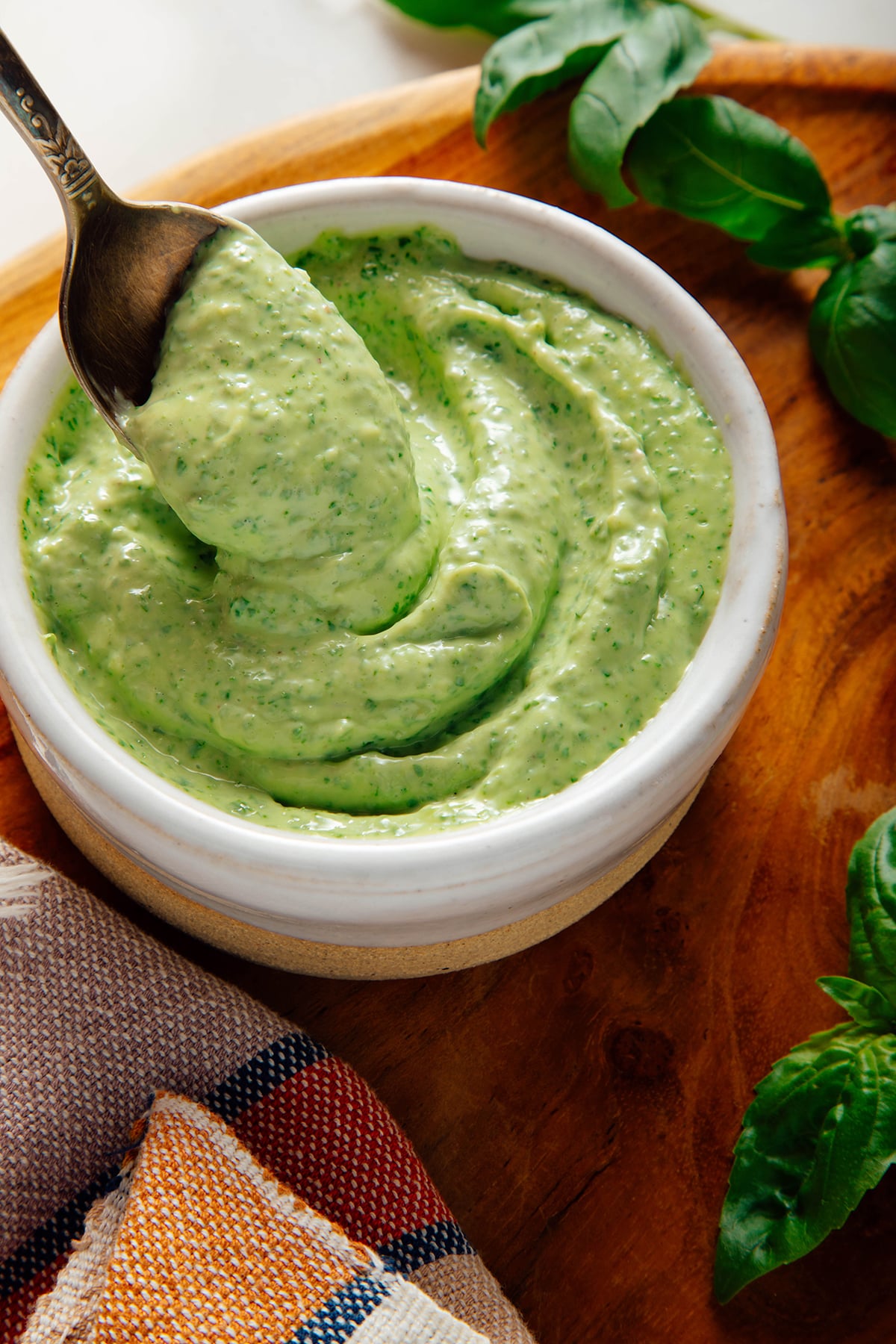
Basil, a herb celebrated for centuries across various global cuisines, continues to captivate palates with its distinctive aroma and peppery-sweet flavor profile. From the sun-drenched fields of Italy, where it is an indispensable component of pesto, to the vibrant markets of Southeast Asia, where it adds depth to curries and stir-fries, basil has proven its adaptability. The current enthusiasm for creamy basil sauce represents an evolution in how this beloved herb is utilized, moving beyond traditional applications to embrace new textures and flavor combinations. This particular sauce, with its luxurious creaminess, offers a refreshing alternative to more acidic or oil-heavy dressings, providing a milder yet equally impactful basil essence.

The seasonality of basil plays a crucial role in its appeal. Summertime, characterized by an abundance of fresh produce and outdoor dining, naturally fosters a desire for light, invigorating flavors. For those with thriving herb gardens or access to fresh local produce, a surplus of basil often prompts a search for innovative recipes beyond the ubiquitous pesto. This creamy basil sauce steps into that void, offering a novel method to harness the herb’s peak freshness, thereby extending the joy of summer’s bounty. Culinary experts suggest that the timing of such recipes aligns perfectly with consumer desires for seasonal eating and reducing food waste by utilizing garden oversupply.
A Deep Dive into the Simplicity of Ingredients
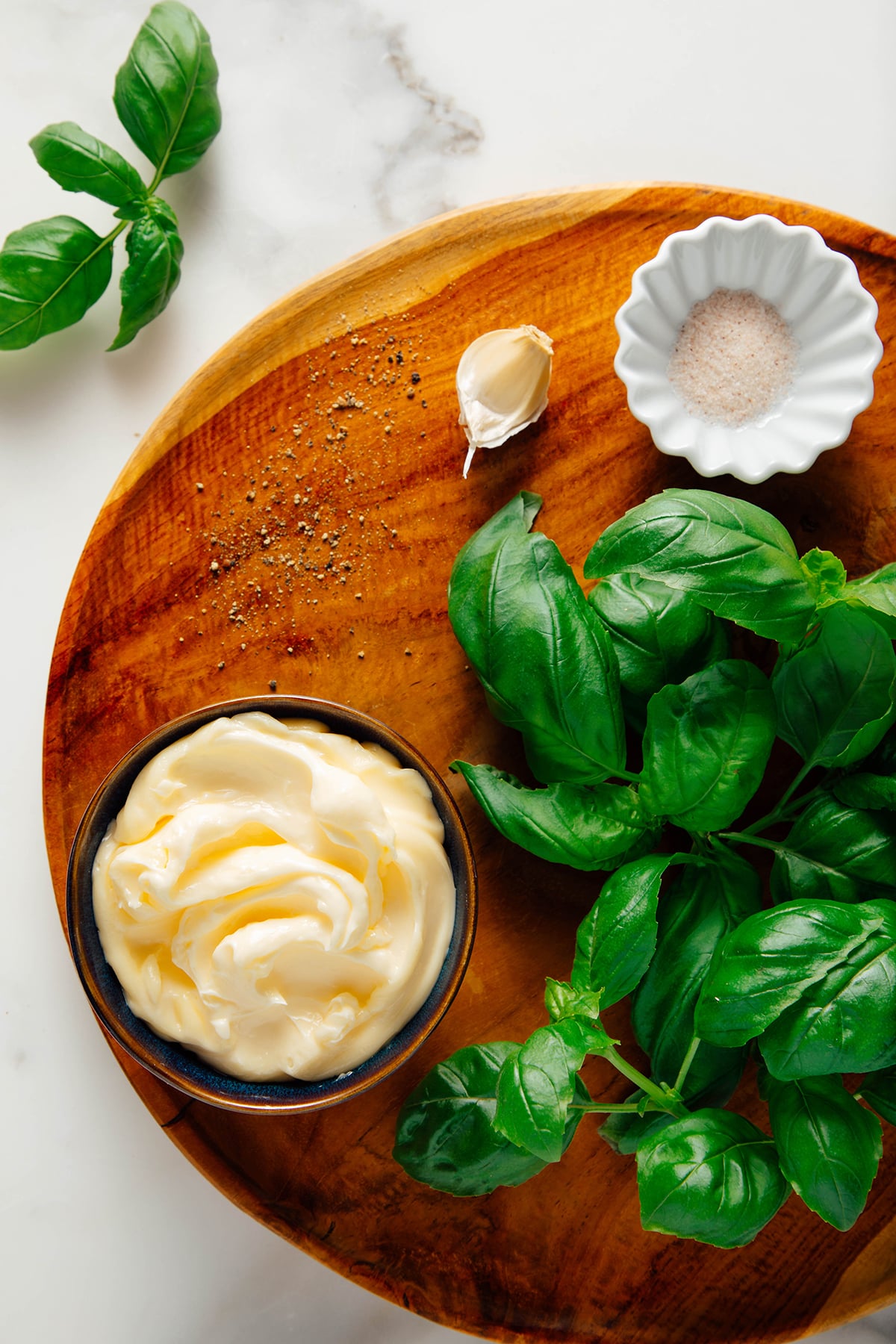
The magic of this creamy basil sauce, as often noted by those who prepare it, lies in its ability to taste like more than the sum of its humble parts. Each ingredient plays a pivotal role in creating the sauce’s distinctive character:
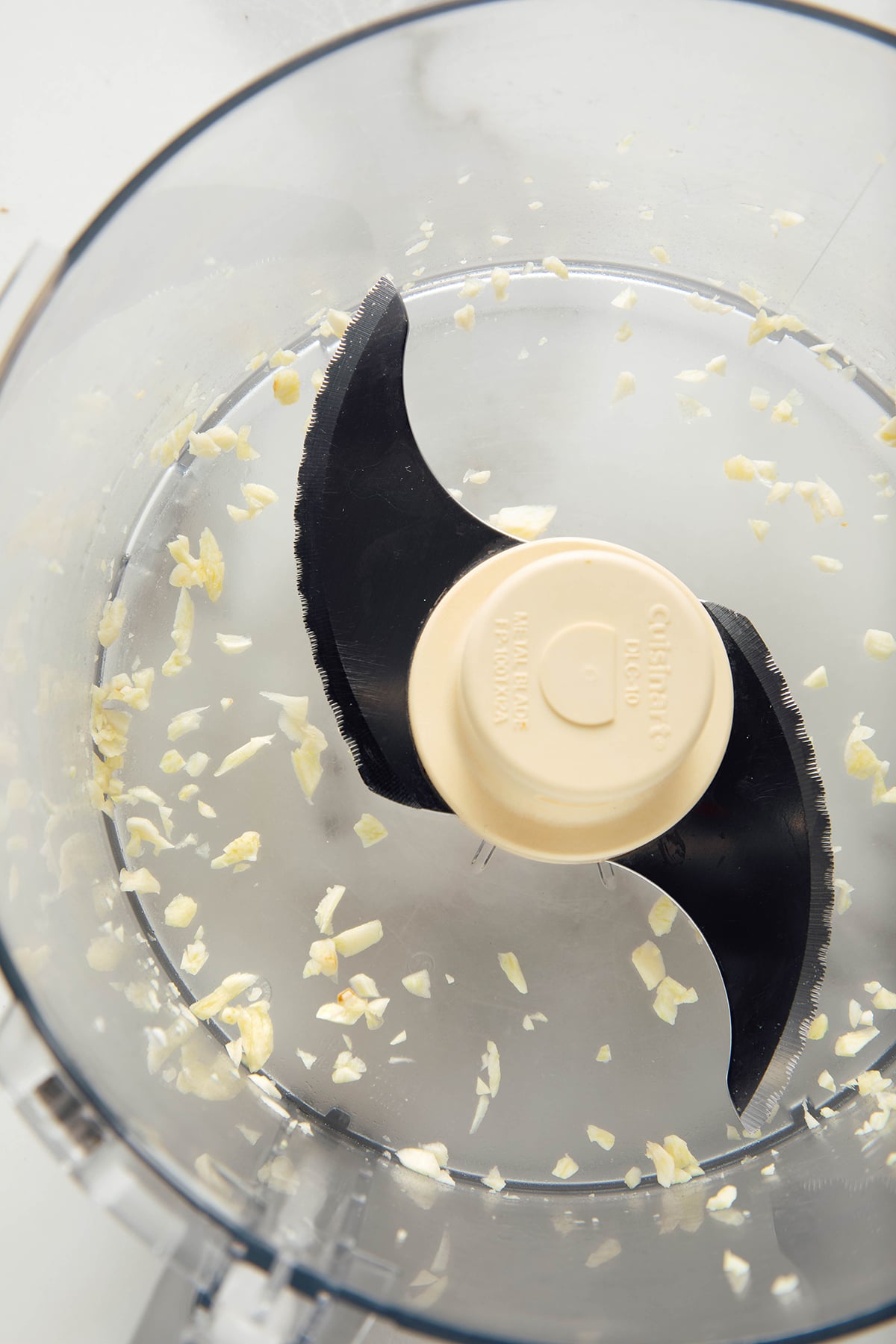
- Garlic: A single clove of garlic forms the foundational aromatic base. Its pungent, savory notes are critical for grounding the fresh basil and adding complexity. The recommendation to blitz garlic in a food processor first highlights a practical approach to cooking, minimizing cleanup while maximizing flavor extraction. This technique ensures an even distribution of garlic throughout the sauce without the harshness of raw, unevenly chopped pieces.
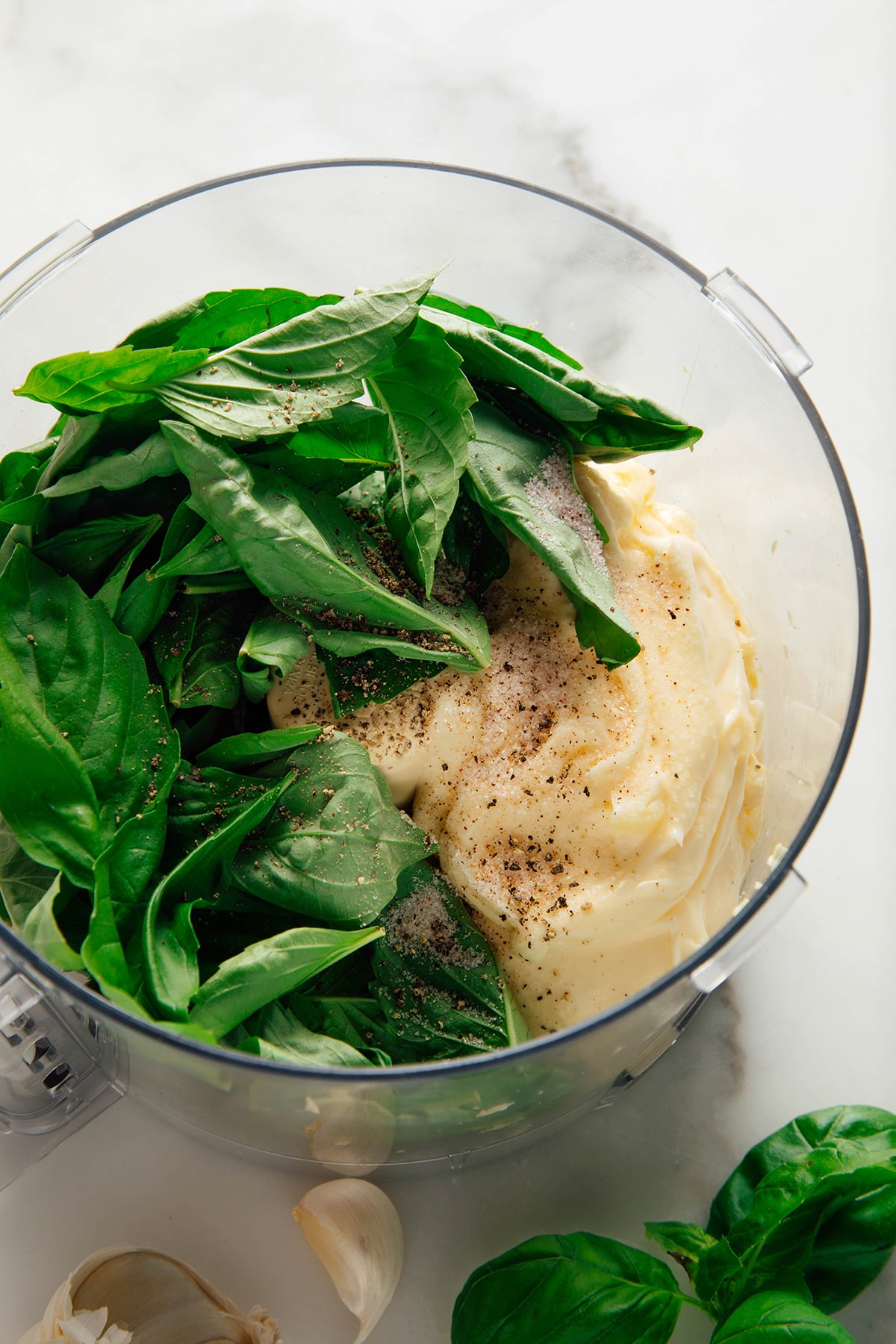
- Fresh Basil: Undeniably the star, fresh basil dictates the sauce’s vibrant green hue and signature flavor. The recipe emphasizes using both leaves and tiny stems, discarding only the thicker, tougher stems that might impart a fibrous texture. The freshness of the basil is paramount, directly influencing the sauce’s brightness and aromatic intensity. Tips for maintaining basil’s integrity, such as storing it at room temperature and ensuring it’s completely dry before blending, are crucial for achieving a vivid green color and preventing oxidation that can dull both appearance and taste.
- Mayonnaise: The choice of mayonnaise is central to achieving the sauce’s luxurious, creamy texture and tangy undertone. Mayonnaise, an emulsion of oil, egg yolk, and vinegar or lemon juice, provides a stable and rich base that carries the basil flavor beautifully. While traditional varieties are often preferred for their classic taste, the growing market for healthier alternatives made with avocado oil reflects a consumer trend towards more conscious ingredient choices. The specific mention of Duke’s mayonnaise, a brand known for its distinctive tangy profile, suggests a preference for a particular flavor balance that enhances the basil without overpowering it.
- Salt and Pepper: These fundamental seasonings are not mere afterthoughts but essential components for elevating the sauce. Salt enhances the overall flavor profile, drawing out the natural sweetness of the basil and balancing the richness of the mayonnaise. Black pepper, added generously, introduces a subtle kick and aromatic warmth, providing a counterpoint to the fresh herbiness and creamy texture. Proper seasoning is key to transforming a collection of ingredients into a harmonious and delectable condiment.
Chronology of Condiment Evolution and Basil’s Ascent
The evolution of condiments has mirrored broader culinary shifts, from ancient fermented sauces to elaborate European preparations and the modern era’s focus on freshness and health. For centuries, basic condiments like mustard and vinegar served primarily functional roles. The 20th century saw the industrialization of sauces, making staples like mayonnaise and ketchup widely accessible. However, the late 20th and early 21st centuries have witnessed a pendulum swing back towards artisanal, fresh, and often vegetable-based sauces.
Basil’s journey within this timeline is particularly interesting. While fresh basil has always been cherished, its most prominent role was perhaps solidified with the popularization of pesto in the mid-20th century. Pesto, originating from Genoa, Italy, became a global phenomenon, demonstrating basil’s capacity for concentrated flavor. This success paved the way for other basil-centric innovations. The creamy basil sauce can be seen as a natural progression, offering a different textural experience and a less intense, more versatile flavor profile than traditional pesto. It caters to a growing demand for sauces that are both flavorful and adaptable, capable of enhancing a wide array of dishes without dominating them. This chronological development highlights a continuous search for new ways to experience familiar ingredients, driven by both culinary creativity and consumer preferences for variety and freshness.
Expert Perspectives and Broader Implications
The emergence of a simple, versatile sauce like this creamy basil concoction carries broader implications for the food industry, home cooking, and even agricultural practices. Culinary experts observe that such recipes align with several prevailing trends.
"We’re seeing a clear shift towards ‘flavor boosters’ that are easy to prepare at home, leveraging fresh, seasonal ingredients," states Dr. Eleanor Vance, a food trend analyst. "Consumers are increasingly health-conscious and seek alternatives to heavily processed store-bought dressings. A sauce like this fits perfectly, offering vibrant taste without complicated ingredients or extensive cooking times." Dr. Vance also points to the "garden-to-table" movement, where home cooks are eager to utilize produce from their own gardens, making recipes that can absorb a surplus of herbs particularly attractive.
From a nutritional standpoint, registered dietitian Maria Chen notes, "Incorporating fresh herbs like basil into daily meals is an excellent way to boost antioxidant intake and add flavor without relying on excessive salt or unhealthy fats. While mayonnaise provides the creamy base, opting for varieties made with healthier oils like avocado oil can further enhance the nutritional profile, offering omega-3s and monounsaturated fats. It encourages a more mindful approach to condiment consumption."
The economic impact, though niche, is also noteworthy. Local farmers and herb growers may see increased demand for fresh basil, especially during peak growing seasons. This supports sustainable agriculture and local economies. Furthermore, the simplicity of the recipe encourages more people to engage in home cooking, potentially reducing reliance on takeout and processed foods. The inspiration for this particular recipe, reportedly from a basil dip served with French fries at "French Market" in Kansas City, illustrates how restaurant innovations often trickle down to inspire home cooks, creating a virtuous cycle of culinary creativity.
Versatile Applications: Elevating Everyday Meals
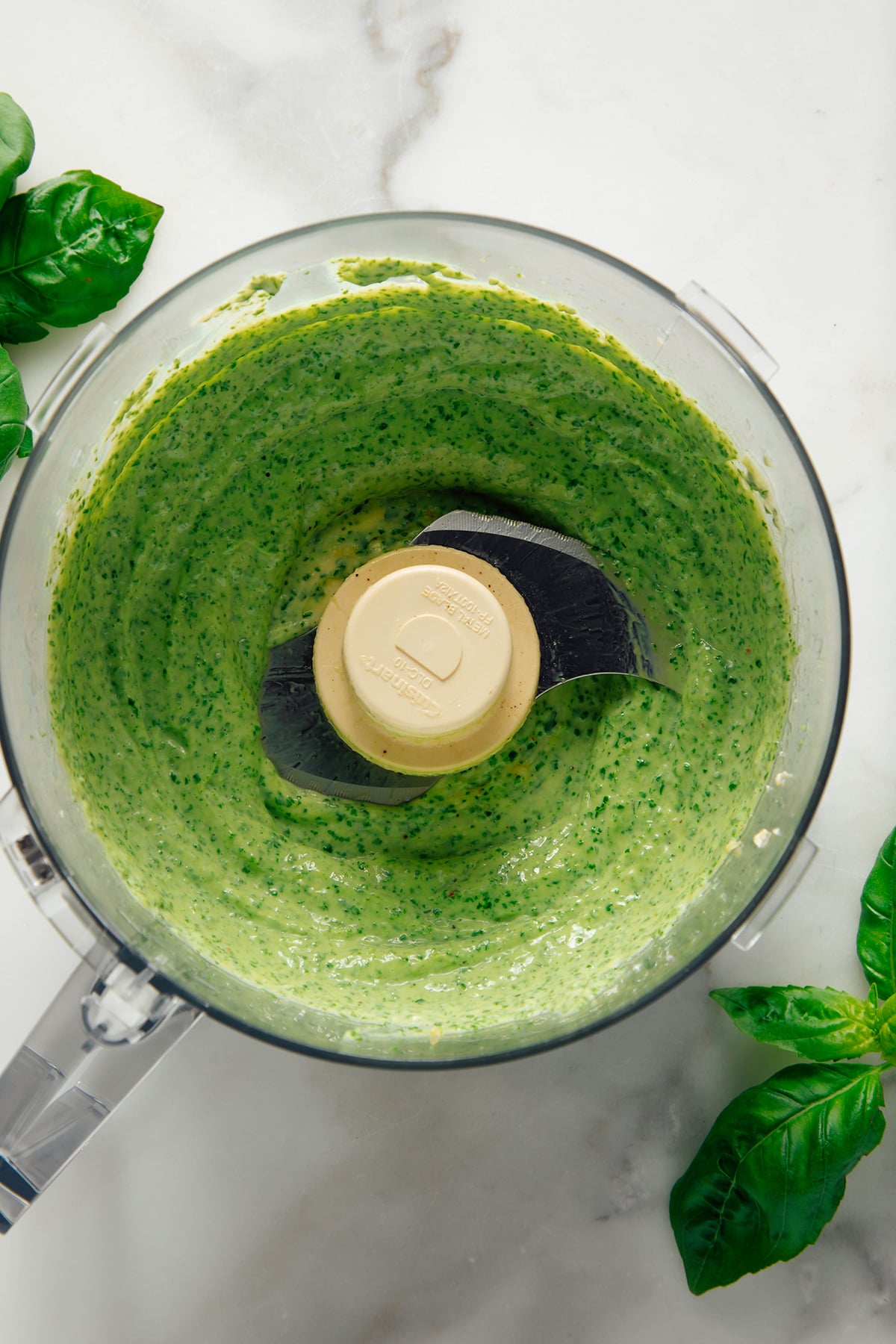
The true testament to this creamy basil sauce’s potential lies in its remarkable versatility. Unlike specialized sauces, its balanced flavor profile allows it to complement a vast array of dishes, making it a true kitchen multi-tasker.
- Sandwiches and Wraps: As a direct replacement for ranch dressing or plain mayonnaise, it injects a burst of freshness. Imagine a grilled cheese sandwich transformed by its herby creaminess, or a classic Caprese sandwich elevated with an extra layer of basil flavor. It acts as a bridge, tying together diverse ingredients like fresh mozzarella, ripe tomatoes, and crusty bread.
- Vegetables: The sauce pairs exceptionally well with summery produce. Drizzled over sautéed zucchini, roasted asparagus, or grilled corn, it enhances their natural sweetness and adds a creamy counterpoint. It can also serve as a delightful dip for crudités, making raw vegetables more appealing.
- Proteins: Grilled chicken, baked fish, or pan-seared tofu can all benefit from a generous dollop of this sauce. Its fresh, herbaceous notes cut through the richness of proteins, providing a light and invigorating finish. It could even be whisked into a marinade for a subtle basil infusion before cooking.
- Potatoes: Whether as a dip for French fries (as its inspiration suggests), a dressing for potato salad, or a topping for baked potatoes, the sauce brings a gourmet touch to humble spuds.
- Pasta and Grains: While not a traditional pasta sauce, it can be lightly tossed with warm pasta, cherry tomatoes, and perhaps some crumbled feta for a quick, light summer pasta dish. It can also uplift grain bowls or rice salads.
For those seeking an extra layer of complexity, a drizzle of thick balsamic vinegar or balsamic glaze can introduce a sweet and tangy counterpoint, further enhancing the basil’s vibrant notes. This adaptability makes the creamy basil sauce not just a recipe, but a foundational condiment that encourages culinary experimentation and elevates the everyday dining experience.
Beyond the Creamy Sauce: Continued Basil Exploration
The burgeoning interest in this creamy basil sauce also highlights the broader utility of basil in the kitchen. For gardeners facing an overwhelming basil harvest, or cooks simply looking to expand their repertoire, exploring other basil-centric recipes is a natural next step. Options range from traditional pesto—the classic way to preserve basil’s flavor—to basil vinaigrettes, basil-infused oils, and even basil in sweet applications like basil lemonade or desserts. Each method offers a unique way to celebrate the herb’s distinct character, ensuring that no leaf goes to waste. The cultivation of basil itself is relatively straightforward, making it an ideal herb for home gardens and container planting, further cementing its status as a readily available and perpetually inspiring ingredient.
In conclusion, the creamy basil sauce stands as a testament to the power of simple ingredients combined with thoughtful preparation. Its rapid ascent in popularity reflects a collective desire for fresh, flavorful, and versatile condiments that enhance meals without fuss. As consumers continue to seek healthier, more natural options and embrace the joys of home cooking, this delightful sauce is poised to become a quintessential flavor booster, inspiring a "basil sauce summer" and beyond, solidifying its place as a cherished culinary innovation. Its impact, though seemingly modest, contributes to a larger narrative of culinary exploration and a renewed appreciation for the vibrant gifts of nature.