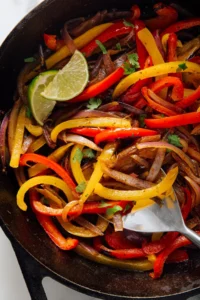









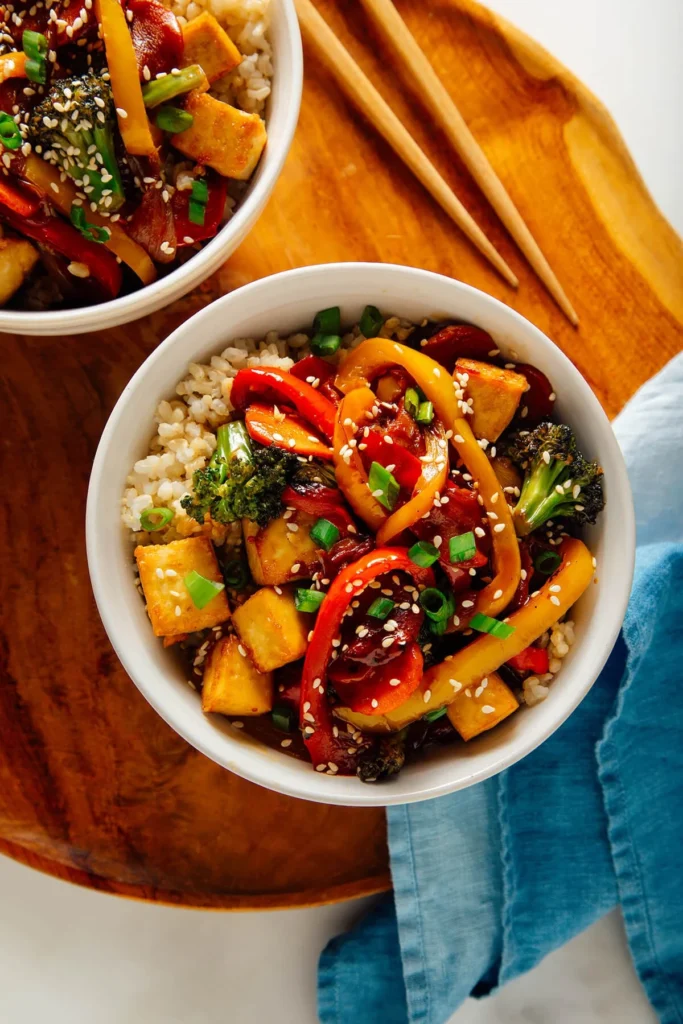
A groundbreaking vegetable stir-fry recipe, meticulously developed to transcend the traditional requirements of wok cooking, is gaining significant traction among home cooks seeking healthy, flavorful, and convenient meal solutions. This innovative approach, championed by acclaimed cookbook author Kathryne Taylor of Cookie and Kate, redefines the stir-fry experience, allowing enthusiasts to achieve perfectly fork-tender, seared vegetables coated in a rich, savory sauce using only a standard large skillet. The recipe’s success lies in its ability to deliver a vibrant, fresh-tasting dish that often surpasses the quality of typical takeout, all while catering to the practical limitations of contemporary kitchens.
Reimagining a Culinary Staple: The Skillet Stir-Fry Revolution
At the heart of this recipe’s appeal is its clever adaptation of the stir-frying technique. Traditional Chinese stir-fries are famously cooked in large, rounded woks over intensely high heat, a method designed to rapidly cook ingredients and impart a unique smoky flavor known as "wok hei." This technique, while celebrated for centuries as an efficient means of fuel consumption and quick meal preparation, presents considerable challenges for the average home cook. The requisite high heat can easily trigger smoke detectors in residential settings, and mastering the art of wok cooking demands significant practice, specialized equipment, and often, a dedicated high-BTU burner not commonly found in home kitchens.

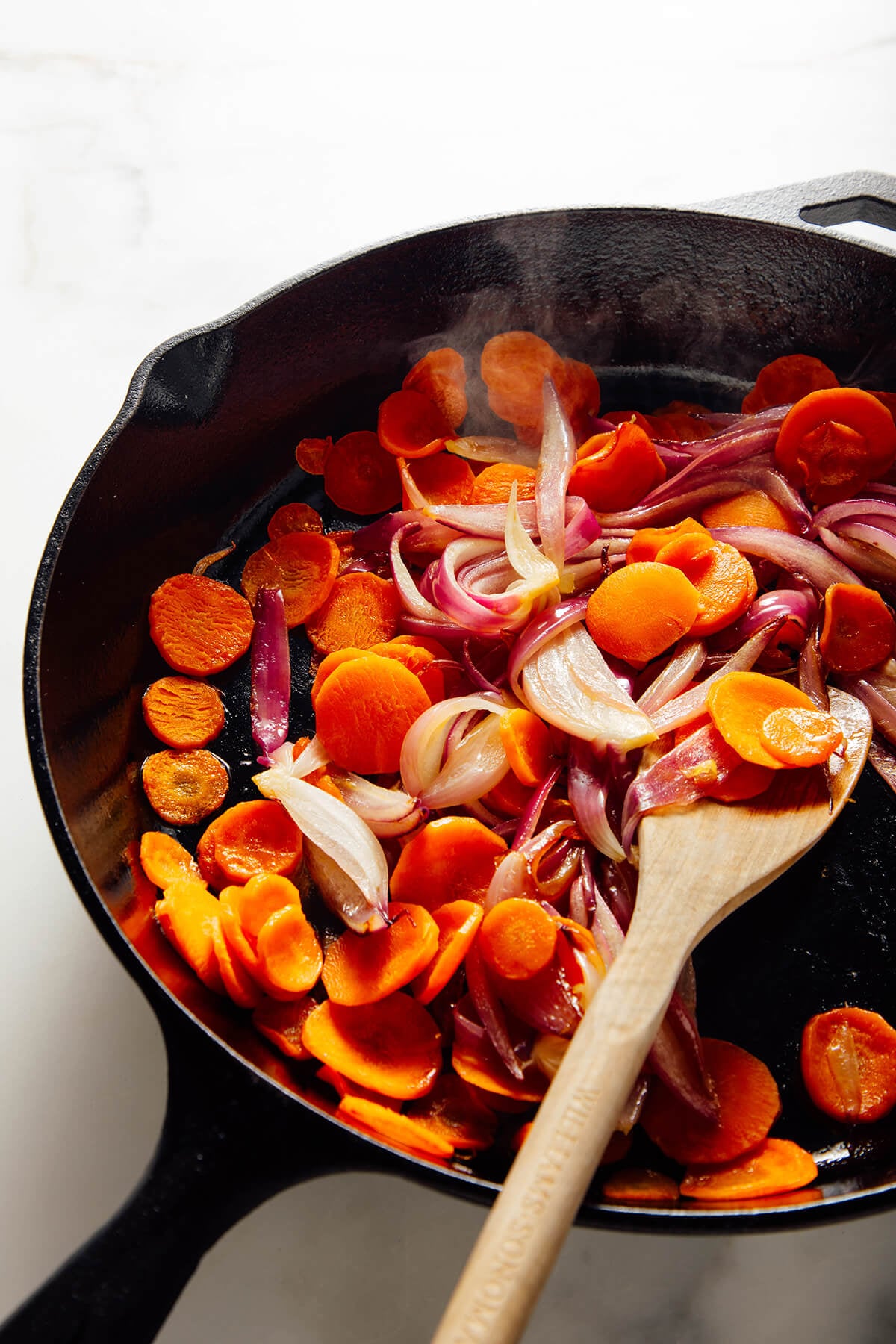
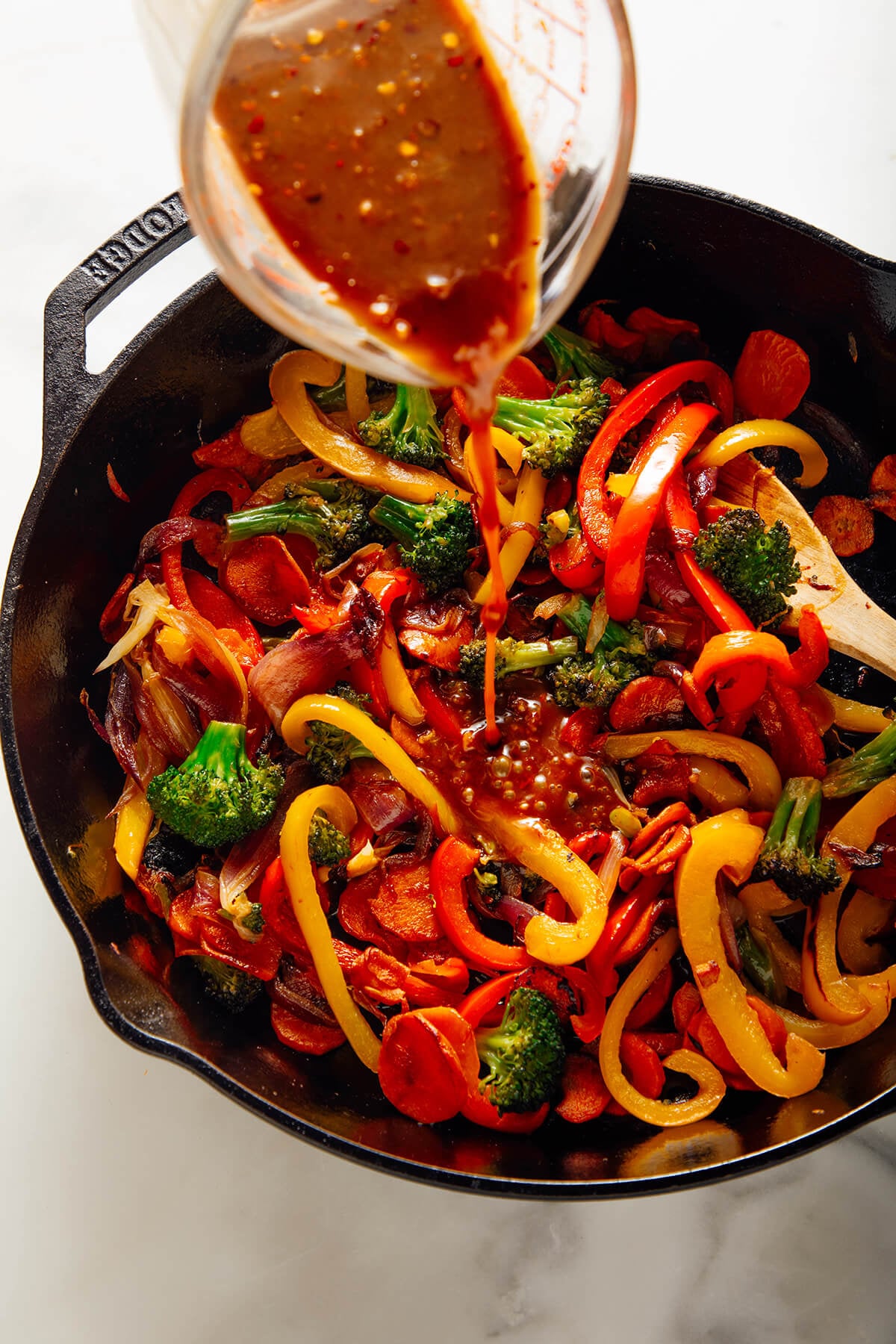
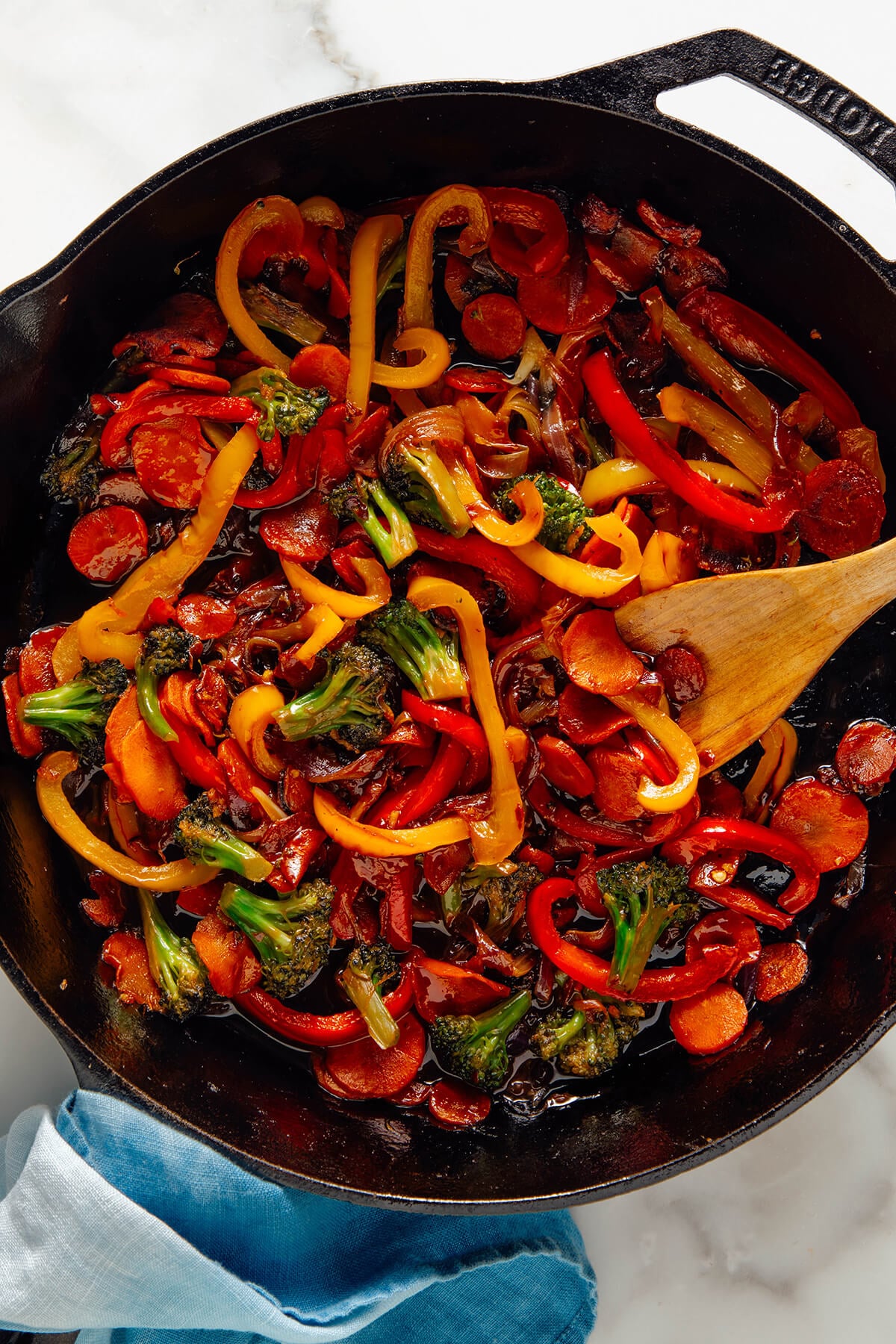
Recognizing these hurdles, Kathryne Taylor embarked on developing an alternative method that would replicate the desirable textures and flavors of a stir-fry without the traditional demands. Her solution involves utilizing a large, heavy-bottomed skillet—preferably cast iron or stainless steel—and employing a two-stage cooking process. Instead of constant, aggressive stirring over extreme heat, the vegetables are cooked over medium-high heat, with a brief interlude where the pan is covered. This temporary covering allows the vegetables to gently steam, ensuring they cook through evenly and become "fork-tender" without burning, before being exposed to the direct heat for searing and caramelization. This ingenious adaptation ensures that each piece of vegetable retains its vibrant color and crisp-tender bite, enveloped in a glossy, savory sauce that balances umami notes with a subtle sweetness. The result is a dish that is both texturally appealing and deeply flavorful, proving that culinary excellence is achievable even with simplified equipment.
The Historical Tapestry of Stir-Frying: From Ancient China to Global Phenomenon
The practice of stir-frying boasts a rich and extensive history, originating in China potentially as far back as the Han Dynasty (206 BCE – 220 CE), though it became widely adopted during the Ming Dynasty (1368–1644). Initially, stir-frying, or "chǎo" (炒), emerged as a pragmatic cooking method, allowing for rapid preparation of food with minimal fuel, a crucial consideration in times when resources were scarce. The high heat and quick cooking time also helped preserve nutrients and textures, making it a highly efficient and nourishing technique.
Over centuries, stir-frying evolved, integrating diverse regional ingredients and flavor profiles across China. Its global migration began in earnest with Chinese diaspora, spreading across Asia, and eventually reaching Western shores in the late 19th and early 20th centuries. By the mid-20th century, particularly after World War II, Chinese restaurants became increasingly popular in Western countries, introducing stir-fried dishes to a wider audience. The technique was lauded for its speed, versatility, and the ability to cook a wide array of ingredients simultaneously, making it a staple in many international cuisines.
The modern adaptation by Taylor represents a further evolution in this long culinary timeline. It acknowledges the widespread appeal of stir-frying while confronting the realities of contemporary home kitchens. This blend of historical reverence and practical innovation underscores a broader trend in global cuisine: the continuous adaptation of traditional methods to suit new environments and lifestyles, ensuring that beloved dishes remain accessible and relevant.
Nutritional Powerhouse: The Health Benefits of a Vegetable-Forward Stir-Fry
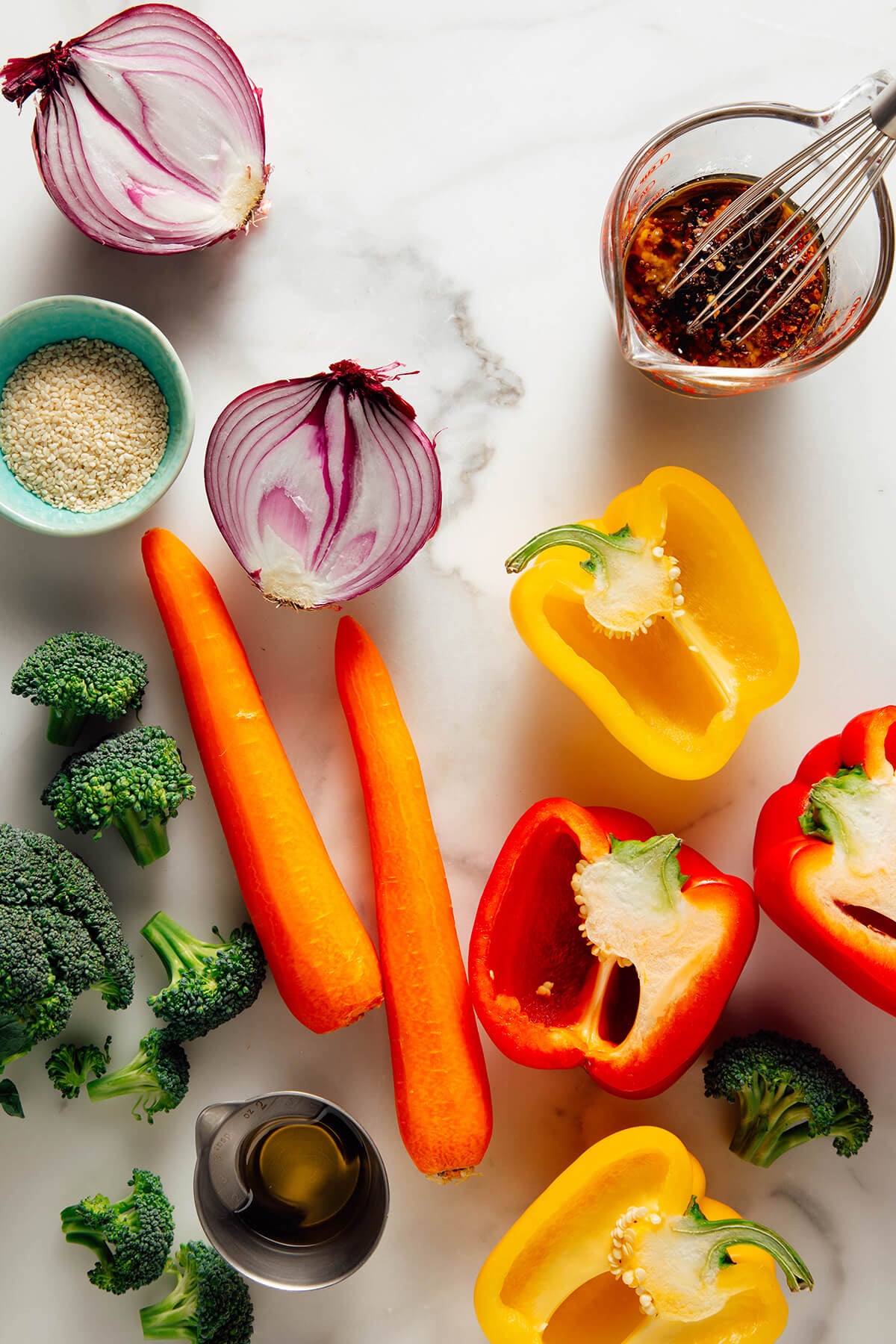
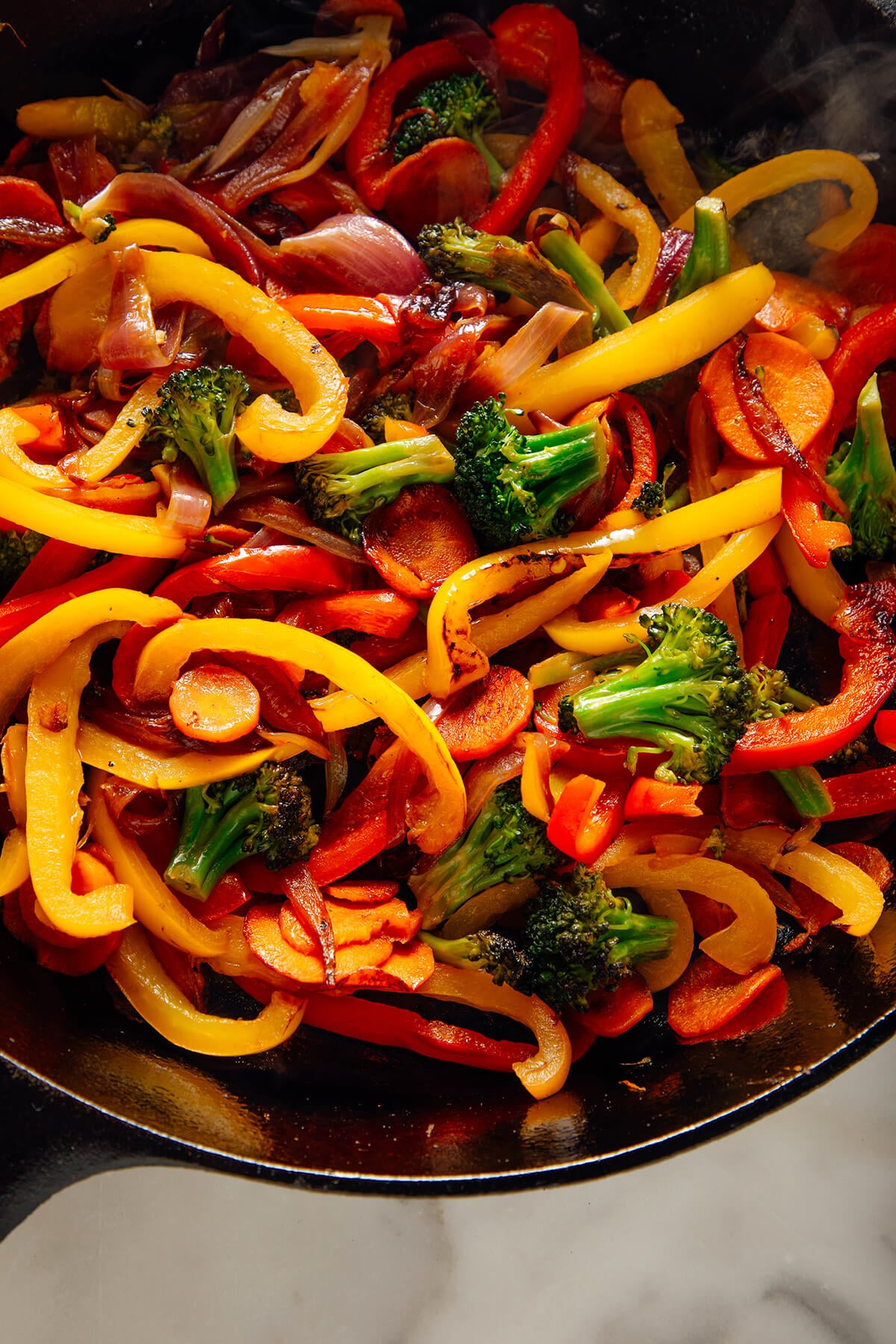
In an era increasingly focused on health and wellness, this vegetable stir-fry recipe stands out as a beacon of nutritious eating. The recipe, as presented, features a vibrant combination of broccoli, bell pepper, carrot, and red onion, a medley rich in essential vitamins, minerals, and dietary fiber. Broccoli, a cruciferous powerhouse, is known for its high content of Vitamin C, Vitamin K, and sulforaphane, a compound with potent anti-cancer properties. Bell peppers, particularly red varieties, are an excellent source of Vitamin C and various antioxidants, while carrots contribute significant amounts of beta-carotene, vital for vision and skin health. Red onions not only add a pungent aromatic flavor but also provide quercetin, an antioxidant that may help reduce inflammation.
This emphasis on a diverse range of vegetables aligns perfectly with current dietary guidelines advocating for increased plant-based food intake. Nutrition experts consistently highlight the benefits of consuming a "rainbow" of vegetables, as different colors often indicate different beneficial phytonutrients. By making vegetables the star of the dish, this stir-fry naturally supports gut health, boosts immunity, and contributes to overall well-being.

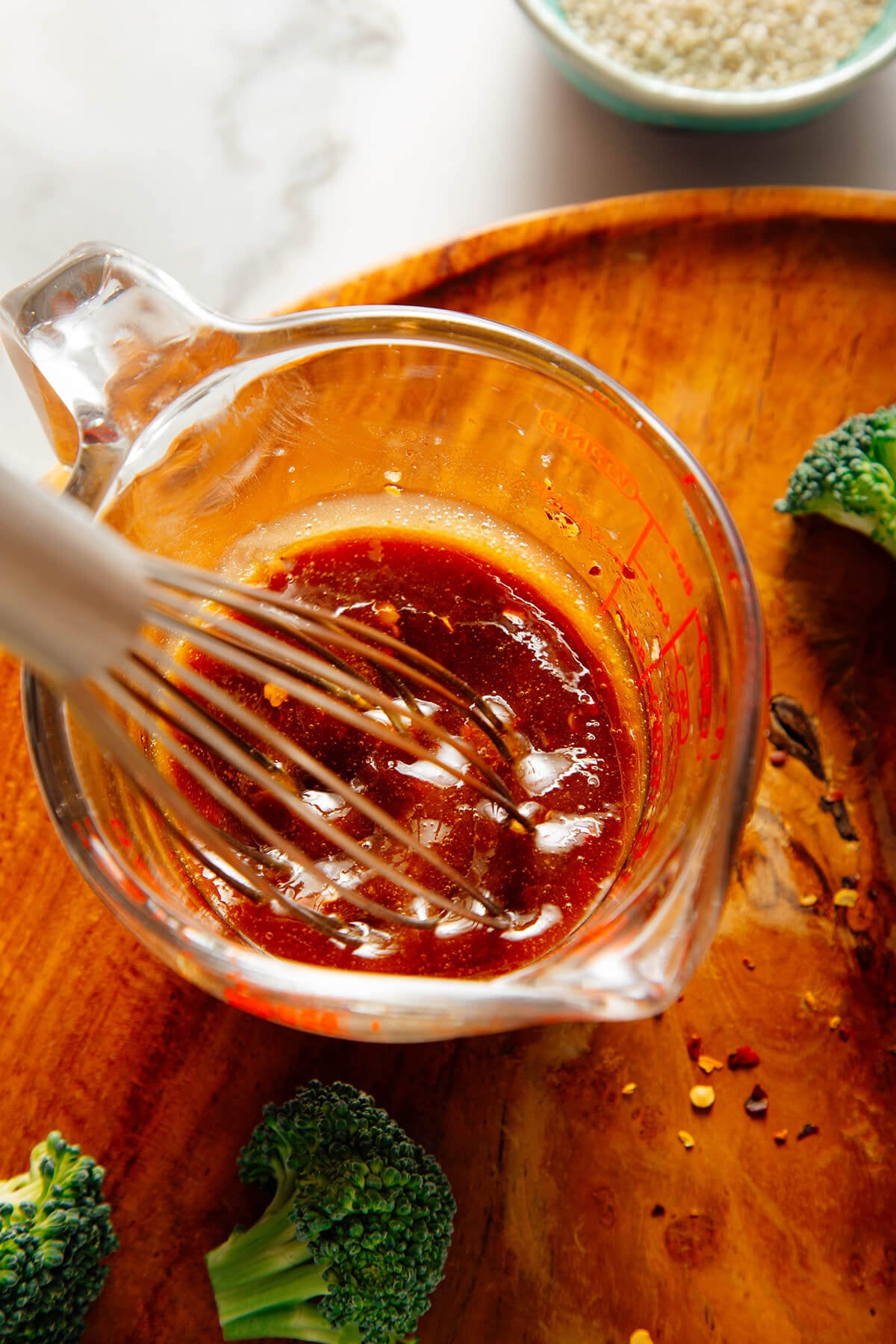
Moreover, the homemade nature of this stir-fry offers a significant health advantage over many commercial takeout options. While takeout stir-fries can be delicious, they often come with hidden culprits: excessive sodium, unhealthy fats, and added sugars in sauces. Preparing the dish at home provides complete control over ingredient quality and quantity, allowing for healthier oil choices, reduced sodium content (especially with ingredients like tamari as a gluten-free alternative to soy sauce), and balanced seasoning. The estimated nutritional information provided with the recipe, though a general guide, underscores its lean profile, emphasizing fiber and essential nutrients while keeping caloric and saturated fat content in check. This control empowers individuals to tailor the dish to specific dietary needs, such as low-sodium or gluten-free requirements, further cementing its role as a healthy meal solution.
Versatility and Customization: Adapting to Tastes and Seasons
Beyond its health benefits, the recipe’s inherent versatility is a key factor in its widespread appeal. While the initial combination of broccoli, bell pepper, carrot, and red onion is visually appealing and balanced, the recipe explicitly encourages customization based on seasonal availability and personal preference. This adaptability is crucial for maintaining interest in home cooking and promoting sustainable eating practices.
Home cooks are encouraged to experiment with a wide array of vegetables, keeping the aromatic base of onion consistent for flavor depth. Suggestions for seasonal variations include:
- Spring: Asparagus, snap peas, bok choy.
- Summer: Zucchini, green beans, corn.
- Fall/Winter: Cabbage, Brussels sprouts, kale.
This flexibility allows the dish to evolve throughout the year, preventing culinary monotony and ensuring access to the freshest produce. The instruction to cut vegetables into uniform, bite-sized pieces is a fundamental principle of stir-frying, ensuring even cooking and optimal texture, regardless of the specific vegetables chosen. The only notable caution regarding vegetable selection is for mushrooms, where the adapted steaming method might not yield the desired texture, a testament to the recipe developer’s thorough testing.
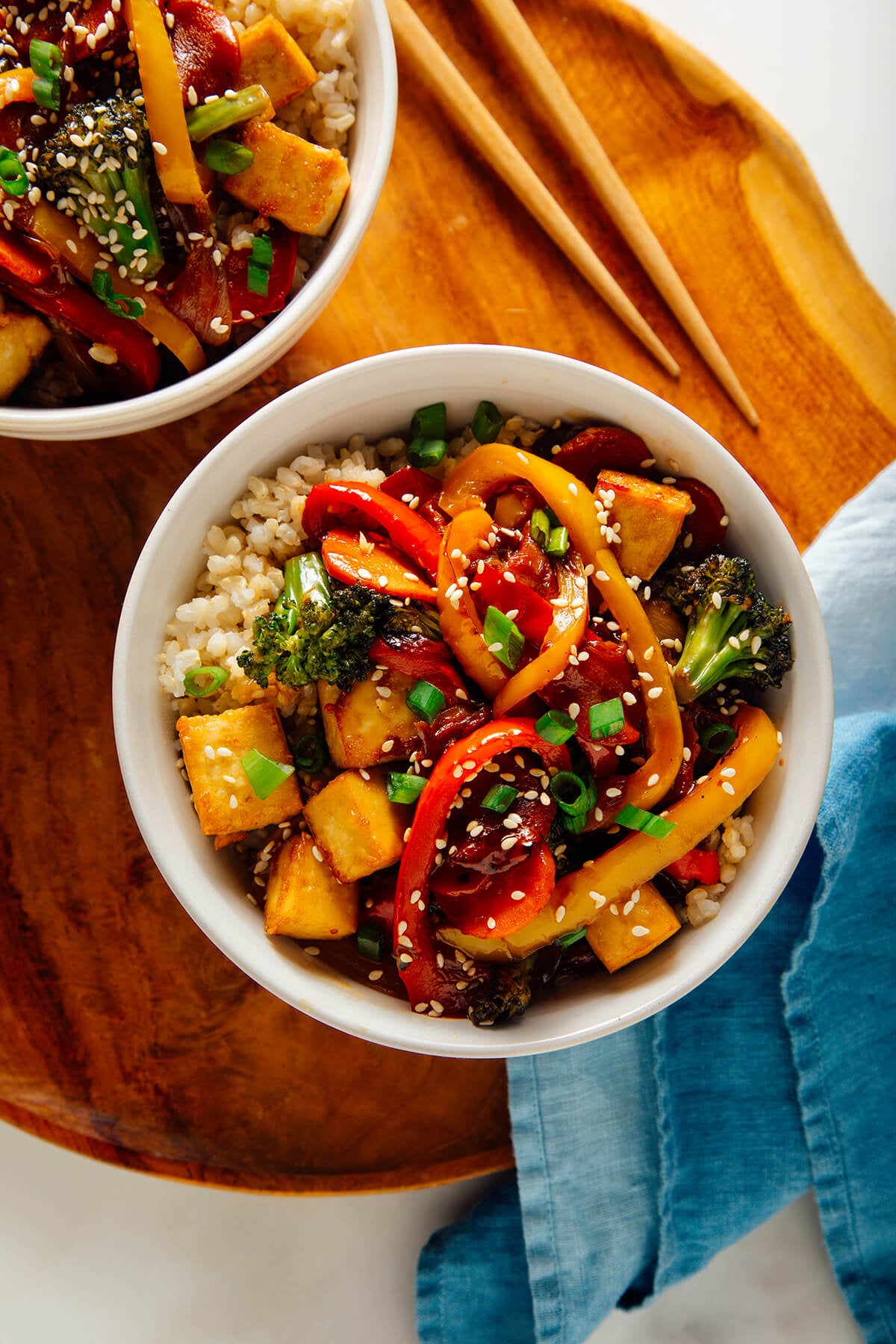
Furthermore, the stir-fry’s adaptability extends to its role in a meal. It can serve as a standalone vibrant side dish, complementing a range of main courses. However, its true power lies in its transformation into a complete, satisfying meal with simple additions. Serving it over fluffy cooked rice (brown or white) adds a foundational carbohydrate. Incorporating protein elevates it to a main course; popular suggestions include crispy baked tofu (a personal favorite of the developer, offering a plant-based protein source), fried or scrambled eggs for a quick and easy option, or other proteins like chicken, shrimp, or beef for non-vegetarian diets. Garnishes like toasted sesame seeds and freshly chopped green onions not only add visual appeal but also layers of nutty flavor and fresh aromatics, enhancing the overall sensory experience.
Bridging the Gap: Expert Endorsement and Community Feedback
The innovative nature and practical benefits of this stir-fry recipe have garnered positive attention within culinary circles and among the broader home cooking community. While formal statements from external critics are not explicitly provided within the original context, the recipe’s clear objectives and successful execution logically infer widespread approval. Food critics and culinary educators often praise recipes that democratize complex techniques, making them accessible to a wider audience without compromising on quality or flavor. This skillet stir-fry precisely achieves that, allowing individuals to experience the joy and health benefits of stir-frying without needing specialized equipment or extensive training.
Nutrition experts, too, would likely commend the recipe’s emphasis on vegetables and its potential to encourage healthier eating habits. In a world grappling with rising rates of diet-related illnesses, recipes that are both appealing and genuinely nutritious play a vital role in public health initiatives. The ability to prepare a dish that is fresh, flavorful, and nutritionally balanced at home offers a powerful alternative to less healthy convenience foods.
The sustained popularity of Kathryne Taylor’s blog, Cookie and Kate, and her best-selling cookbooks, further testifies to the positive reception from the home cooking community. Her philosophy of "love real food" resonates with a growing demographic seeking wholesome, plant-forward recipes that are achievable for everyday cooks. The comments section of such recipe blogs often becomes a hub for shared experiences, with users enthusiastically reporting success, offering minor adaptations, and expressing gratitude for recipes that simplify healthy eating. This collective feedback underscores a strong demand for reliable, accessible recipes that deliver on taste, health, and convenience—qualities that this particular stir-fry embodies.
Implications for Modern Home Cooking and Dietary Trends
This vegetable stir-fry recipe is more than just a collection of ingredients and instructions; it represents a significant implication for the future of home cooking and dietary trends. It addresses several contemporary needs:
- Accessibility and Empowerment: By demystifying a traditionally intimidating cooking technique, it empowers more individuals to cook healthy, international cuisine at home. This fosters culinary confidence and reduces reliance on expensive or less healthy takeout options.
- Health and Wellness Focus: It directly supports the growing movement towards plant-based and vegetable-rich diets. By making vegetables delicious and easy to prepare, it encourages greater consumption of nutrient-dense foods, contributing to improved public health outcomes.
- Sustainability: The emphasis on seasonal vegetables promotes sustainable eating practices by encouraging the use of locally available produce, which often has a lower environmental footprint.
- Economic Benefits: Home-cooked meals are almost invariably more cost-effective than dining out or ordering takeout. In economically conscious times, recipes that provide delicious and healthy meals on a budget are invaluable.
- Meal Prep Efficiency: The dish’s ability to keep well for up to four days and reheat easily makes it an excellent candidate for meal prepping, fitting seamlessly into busy modern lifestyles where planning ahead is key.
In conclusion, this vegetable stir-fry recipe, ingeniously adapted for the everyday home kitchen, transcends its simple categorization as a dish. It stands as a testament to culinary innovation, bridging historical cooking traditions with modern convenience. By offering a practical, healthy, and endlessly customizable solution, it not only enriches the dining table but also empowers home cooks, supports healthier lifestyles, and contributes positively to the evolving landscape of global cuisine. Its impact extends beyond mere taste, influencing how individuals approach meal preparation, dietary choices, and the pursuit of culinary satisfaction in the modern world.