

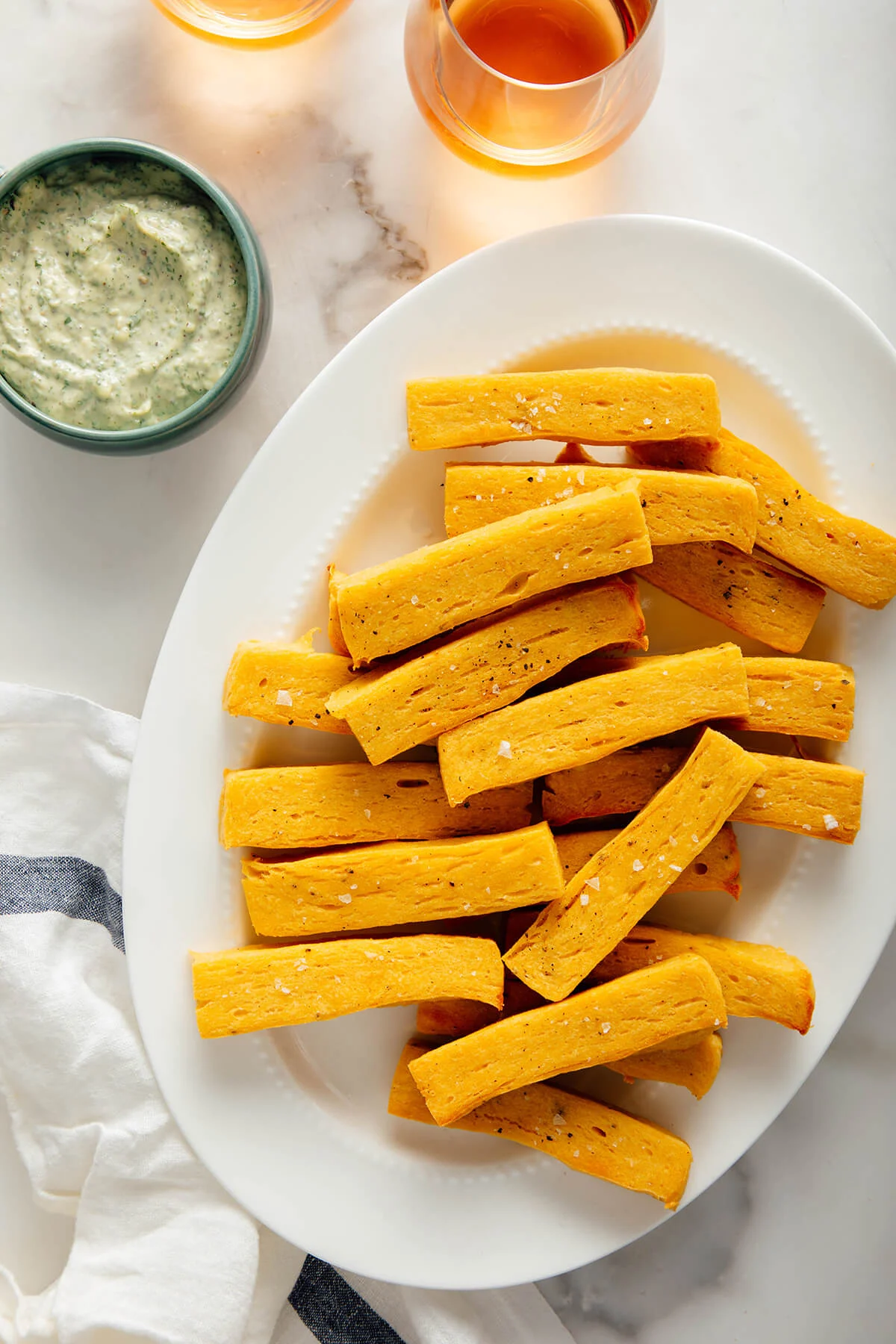
Panisses, the delectable chickpea fries hailing from the sun-drenched Provence region of France, are rapidly emerging as an irresistible culinary sensation, captivating palates with their unique combination of a crisp, golden exterior and a remarkably pillowy-soft interior. Often likened to a creamy polenta in texture, these savory snacks offer a compelling alternative to traditional potato fries, distinguishing themselves not only through their distinctive flavor profile but also their superior nutritional benefits. Far from a mere novelty, Panisses represent a deep-rooted tradition within Mediterranean cuisine, showcasing the versatility and healthful properties of chickpea flour, an ancient staple now experiencing a modern resurgence in global culinary consciousness.
The Deep Roots of a Provençal Delight
The history of Panisses is intrinsically linked to the broader culinary heritage of the Mediterranean basin, where chickpea flour, known as farinata in Italian or besan in South Asian cuisine, has been a foundational ingredient for centuries. While famously associated with Provence, particularly around the coastal city of Nice and its surrounding areas, similar preparations are found across the Ligurian coast of Italy, where it is known as farinata or cecina, and in other parts of the Mediterranean as socca. These regional variations underscore a shared tradition of utilizing readily available and nutrient-rich chickpea flour to create satisfying, economical, and naturally gluten-free dishes. The earliest forms of these chickpea flatbreads and fritters can be traced back to ancient Roman times, evolving through centuries of trade and cultural exchange across the Mediterranean.
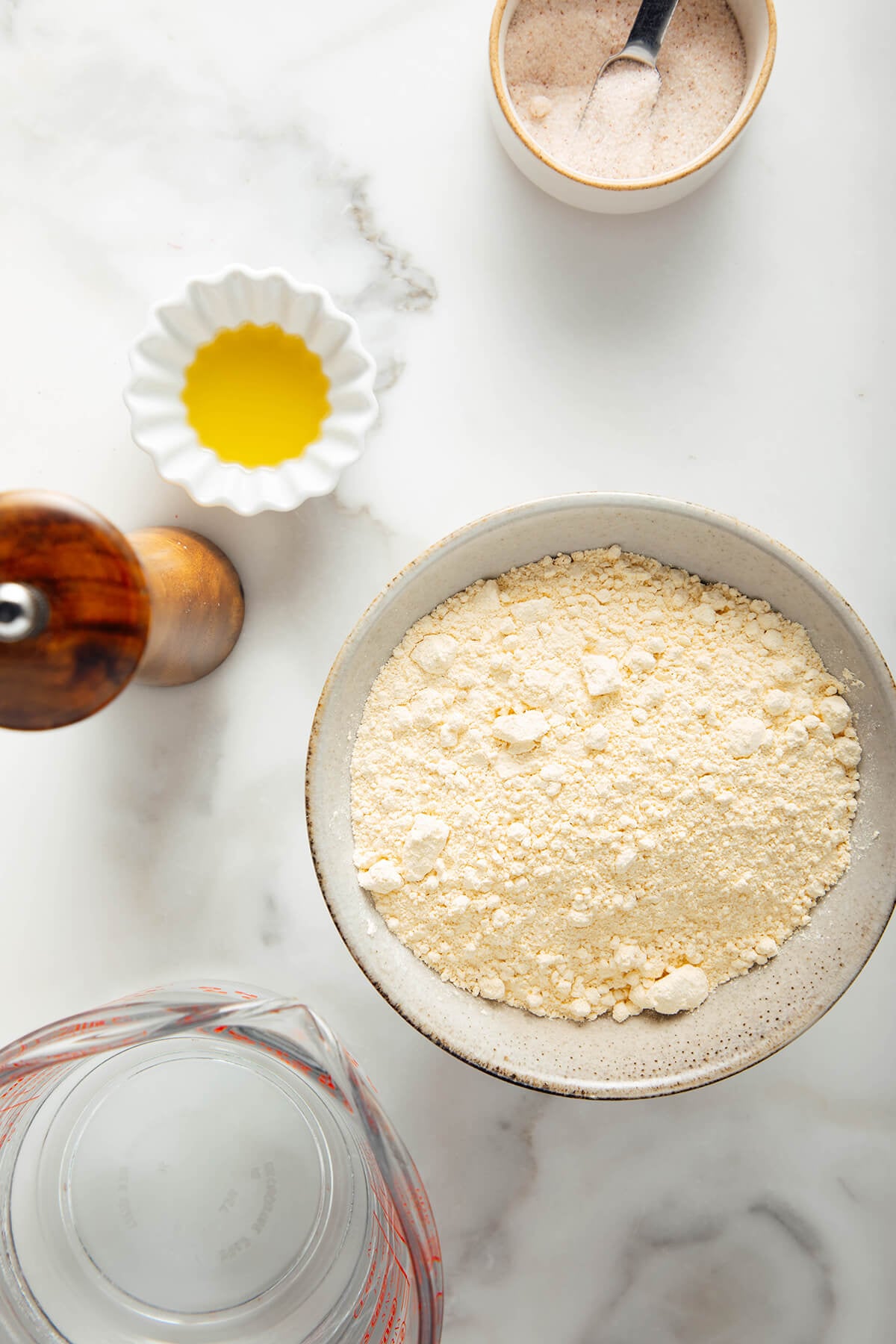
In Provence, Panisses have long been a cherished part of the local diet, enjoyed as a street food, an appetizer (or apéritif), or a light snack. Their simple yet profound character reflects the essence of Provençal cooking: a reliance on high-quality, local ingredients transformed through straightforward techniques into dishes that are both comforting and elegant. The preparation of Panisses typically involves cooking a batter of chickpea flour, water, olive oil, salt, and pepper until it thickens, then allowing it to set before being sliced and fried or baked. This process, while seemingly simple, requires a keen understanding of the ingredients and a patient hand to achieve the desired texture and flavor, a skill often passed down through generations in Provençal kitchens.
A Symphony of Texture and Taste
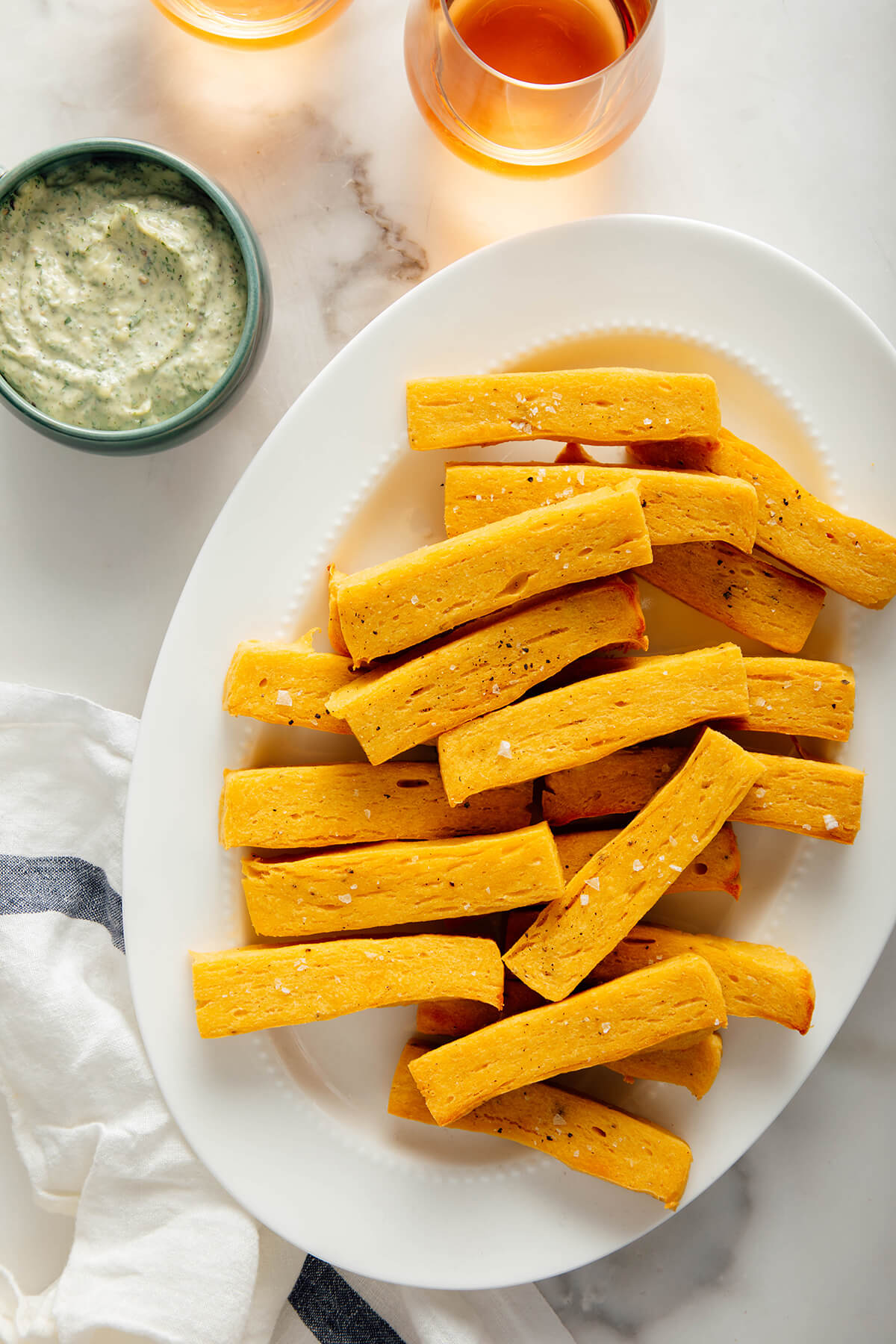
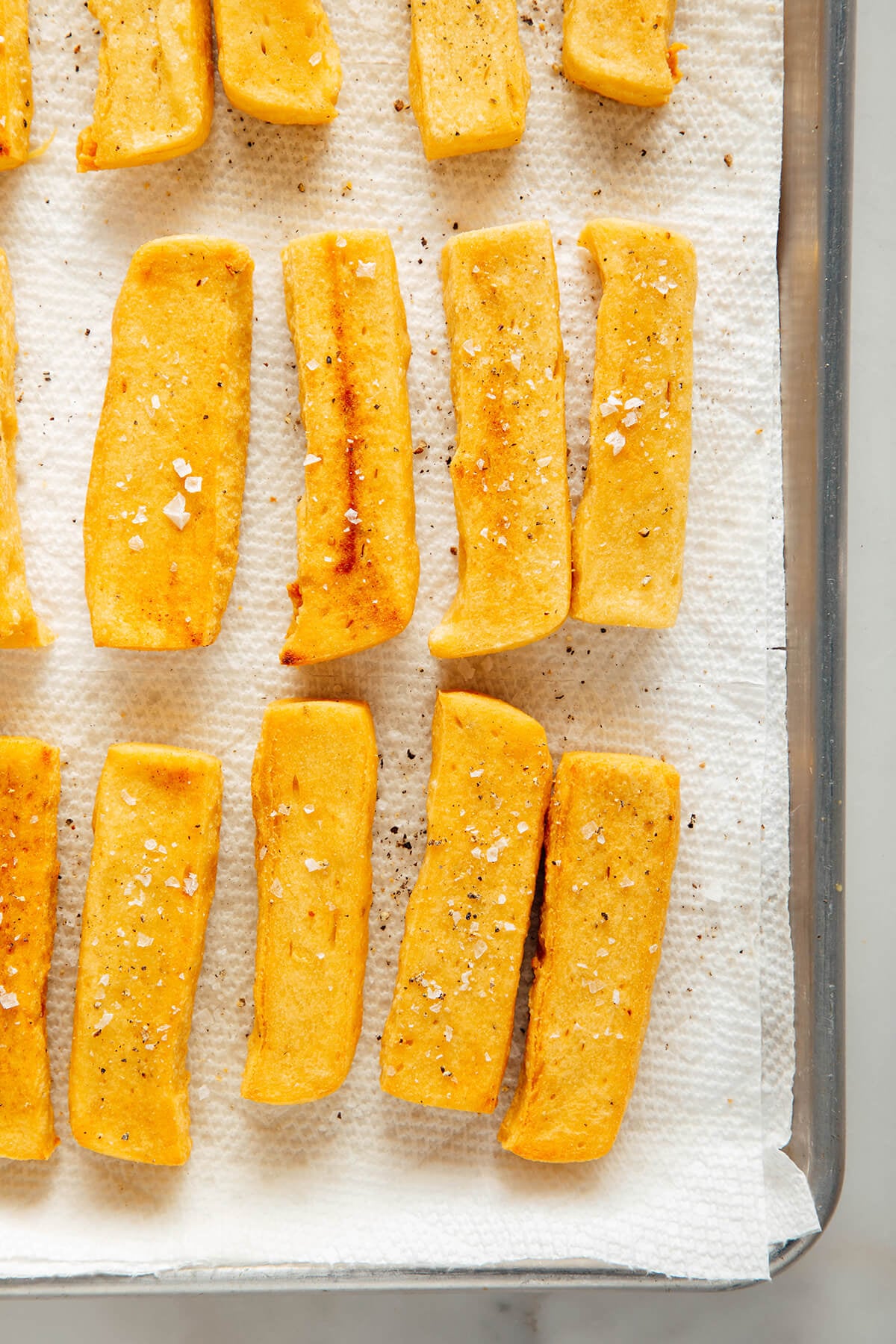
What sets Panisses apart is their remarkable textural dichotomy. The initial bite delivers a satisfying crunch, a golden crispness developed through careful cooking, which then yields to an interior that is surprisingly tender and creamy. This soft, almost custard-like core, often compared to the smooth consistency of well-made polenta, creates a luxurious mouthfeel that elevates the humble "fry" to a more sophisticated culinary experience. The subtle, earthy flavor of the chickpea flour provides a robust base, which is beautifully enhanced by the richness of olive oil and the judicious application of salt. As with any exceptional fried or baked delicacy, proper seasoning is paramount; a sufficient salting brings out the full depth of flavor, transforming them from good to truly amazing.
The versatility of Panisses extends beyond their inherent deliciousness. They serve as an excellent canvas for a myriad of dipping sauces, allowing for customization to suit individual preferences. Traditional accompaniments often lean towards fresh, vibrant flavors that complement the chickpea’s earthiness without overpowering it, reflecting the regional emphasis on fresh produce and aromatic herbs.
The Nutritional Edge: A Healthier Indulgence
In an era where consumers increasingly seek healthier alternatives without compromising on taste, Panisses offer a compelling proposition. Nutritionally, they present a significant advantage over conventional potato fries. A standard serving of potato fries, typically made from white potatoes, provides a carbohydrate-heavy profile with relatively lower protein and fiber. In contrast, chickpea flour, the primary ingredient in Panisses, is a powerhouse of essential nutrients. It is notably high in plant-based protein, making Panisses a hearty and satisfying snack that contributes to muscle maintenance and prolonged satiety. A 100-gram serving of chickpea flour can contain approximately 22 grams of protein, significantly higher than the protein content in an equivalent amount of potato.
Furthermore, chickpeas are an excellent source of dietary fiber, offering around 11 grams per 100 grams of flour, which is crucial for digestive health, blood sugar regulation, and prolonged feelings of fullness. This fiber content helps mitigate the glycemic impact, offering a more stable energy release compared to potato-based options, which can lead to rapid spikes in blood sugar. Moreover, the preparation of Panisses often incorporates olive oil, a cornerstone of the Mediterranean diet renowned for its monounsaturated fatty acids. These healthy fats are associated with numerous cardiovascular benefits, including reducing "bad" LDL cholesterol levels and supporting overall heart health. While frying can sometimes be perceived as unhealthy, when done correctly with high-quality oils like avocado oil (known for its high smoke point, around 520°F or 271°C) or extra-virgin olive oil (smoke point around 375°F or 190°C), the fat content is predominantly beneficial.
Dr. Elena Petrova, a prominent nutritionist specializing in Mediterranean diets, commented on the trend, stating, "Panisses perfectly align with contemporary dietary recommendations. They offer a plant-based, naturally gluten-free, and fiber-rich snack that doesn’t sacrifice flavor. It’s a smart choice for anyone looking to diversify their diet with wholesome ingredients, especially given the growing interest in pulses as a sustainable and nutritious food source." This makes Panisses not just a delicious treat but a genuinely nutritious one, suitable for a wide range of dietary preferences, including vegan, dairy-free, egg-free, and gluten-free diets, and they are also typically nut-free and soy-free.
The Culinary Process: From Batter to Golden Fry
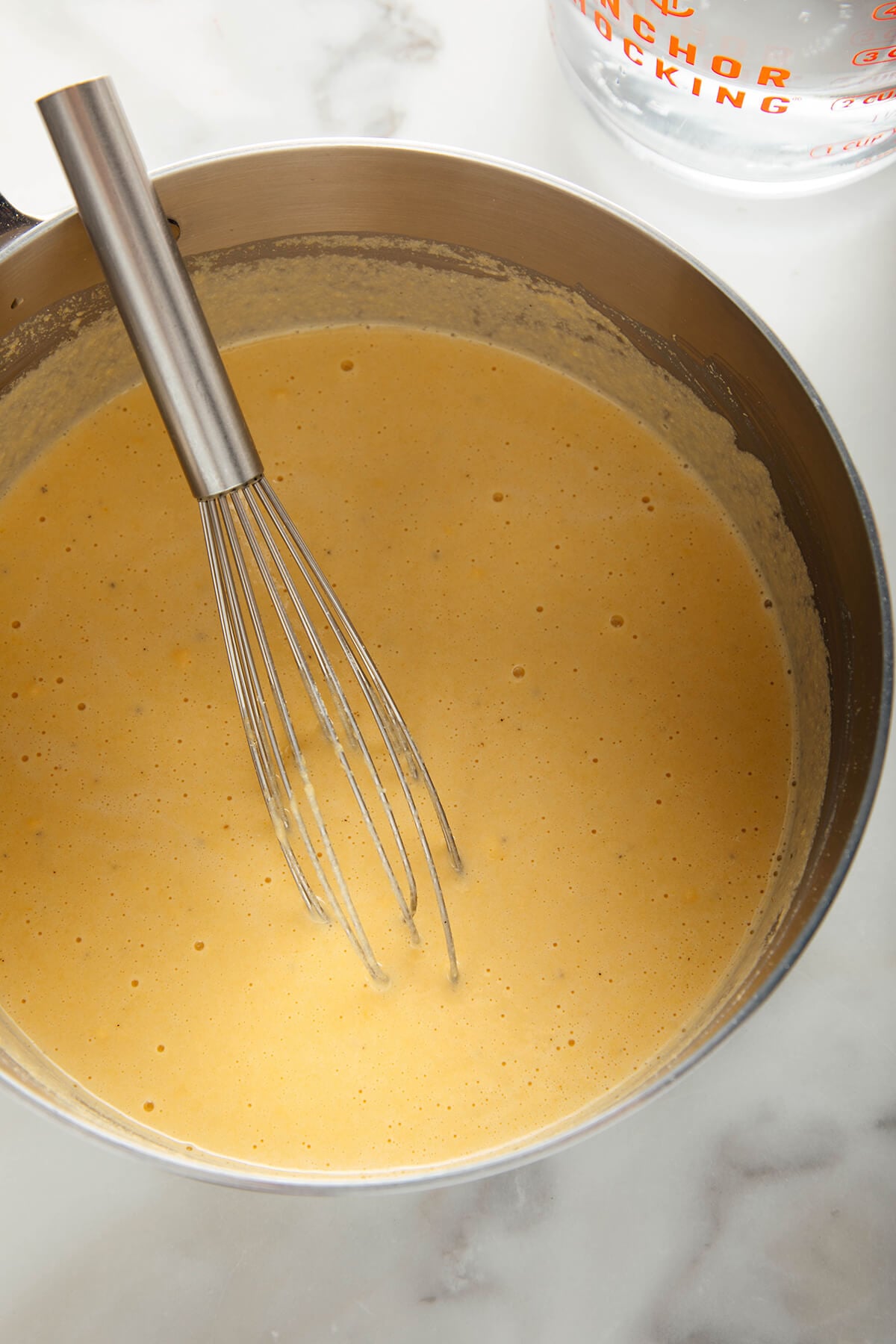
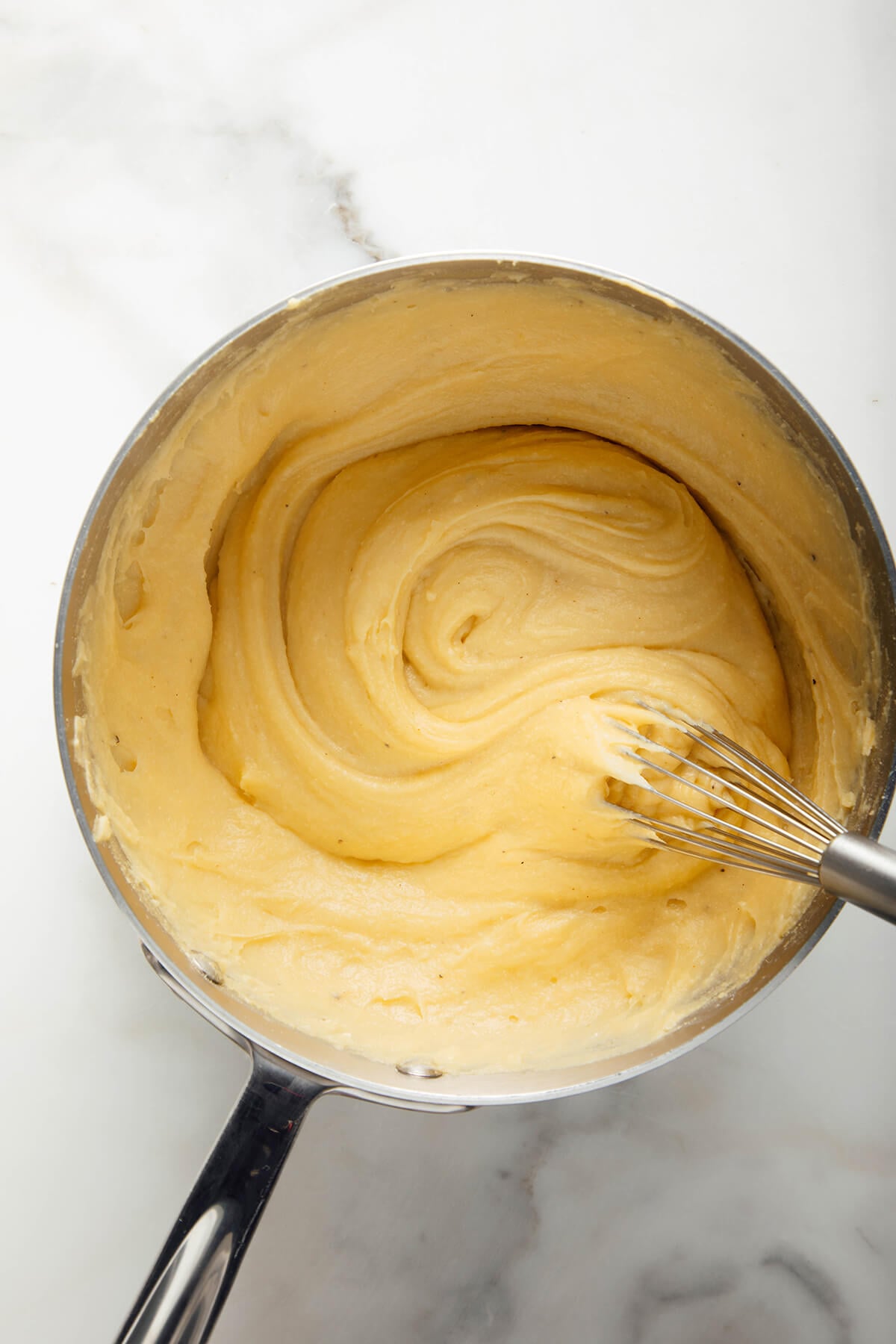
Creating Panisses at home, while requiring a few distinct steps, is a rewarding endeavor that can be transformed into a leisurely weekend project. The journey begins with the meticulous preparation of the chickpea flour batter. Unlike many batters that are simply mixed and cooked, Panisse batter undergoes an initial cooking phase on the stovetop. This critical step involves whisking chickpea flour with water, olive oil, salt, and pepper over medium heat until the mixture thickens considerably, transforming into a dense, polenta-like paste. This cooking process gelatinizes the starches in the chickpea flour, creating the foundational structure that will yield the characteristic creamy interior. The batter must be stirred continuously to prevent lumps and ensure even cooking, typically for 10-15 minutes, until it pulls away from the sides of the pan.
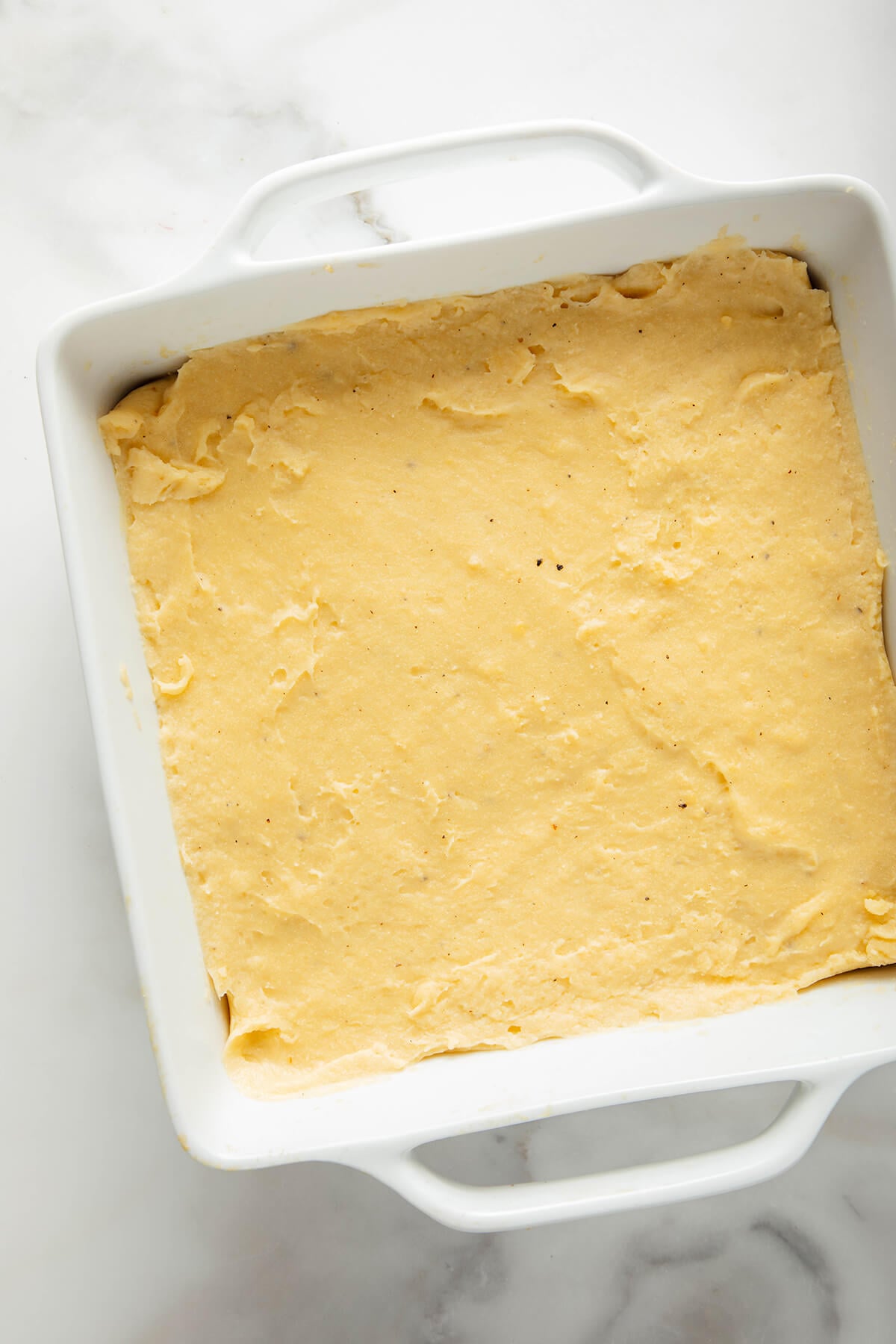
Once the batter has achieved the correct consistency, it is poured into a shallow dish or mold—often a rectangular baking dish or a loaf pan—and allowed to cool and firm up. This chilling period, often several hours or overnight in the refrigerator, is crucial. It allows the batter to set completely, making it firm enough to be cleanly sliced into the desired fry-like shapes without crumbling. Precision in slicing is key to achieving uniform pieces that will cook evenly. The subsequent stage involves the final cooking, offering two popular methods: pan-frying or baking, each with its own merits and distinct textural outcomes.
Mastering the Finish: Pan-Frying vs. Baking
The choice between pan-frying and baking Panisses often comes down to personal preference, the desired level of crispness, and practical considerations for the home cook.
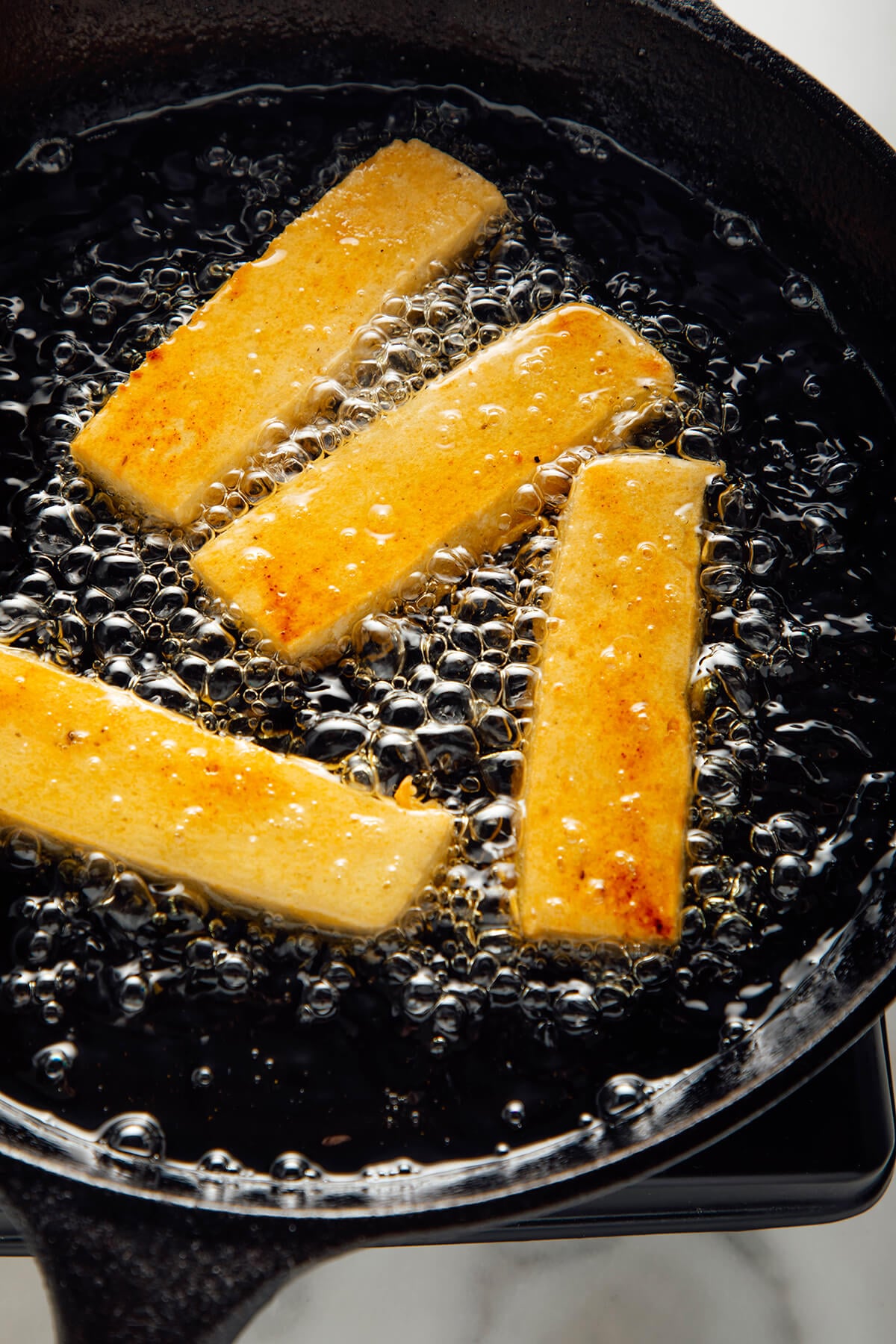
Traditional Pan-Frying: In France, the classic method involves pan-frying the sliced chickpea blocks in a generous amount of olive oil or a blend of olive and vegetable oils. This technique, when executed properly, yields an intensely crispy, deeply golden exterior that is truly irresistible. The high heat and direct contact with the oil create a rich, complex flavor and an unparalleled crunch, a result of the Maillard reaction that develops savory notes and browning. However, pan-frying can be a more finicky process. It demands close supervision to prevent the oil from overheating, which can lead to smoking (and even smoke alarms, as some home cooks have experienced) and an unpleasant burnt flavor. For optimal results and a higher smoke point, many culinary experts recommend using oils like avocado oil, which can withstand temperatures exceeding 500°F (260°C) without degrading, thereby ensuring a cleaner frying experience. The traditionalist view often emphasizes the depth of flavor imparted by frying in quality olive oil, but acknowledges the need for careful temperature control and ventilation.
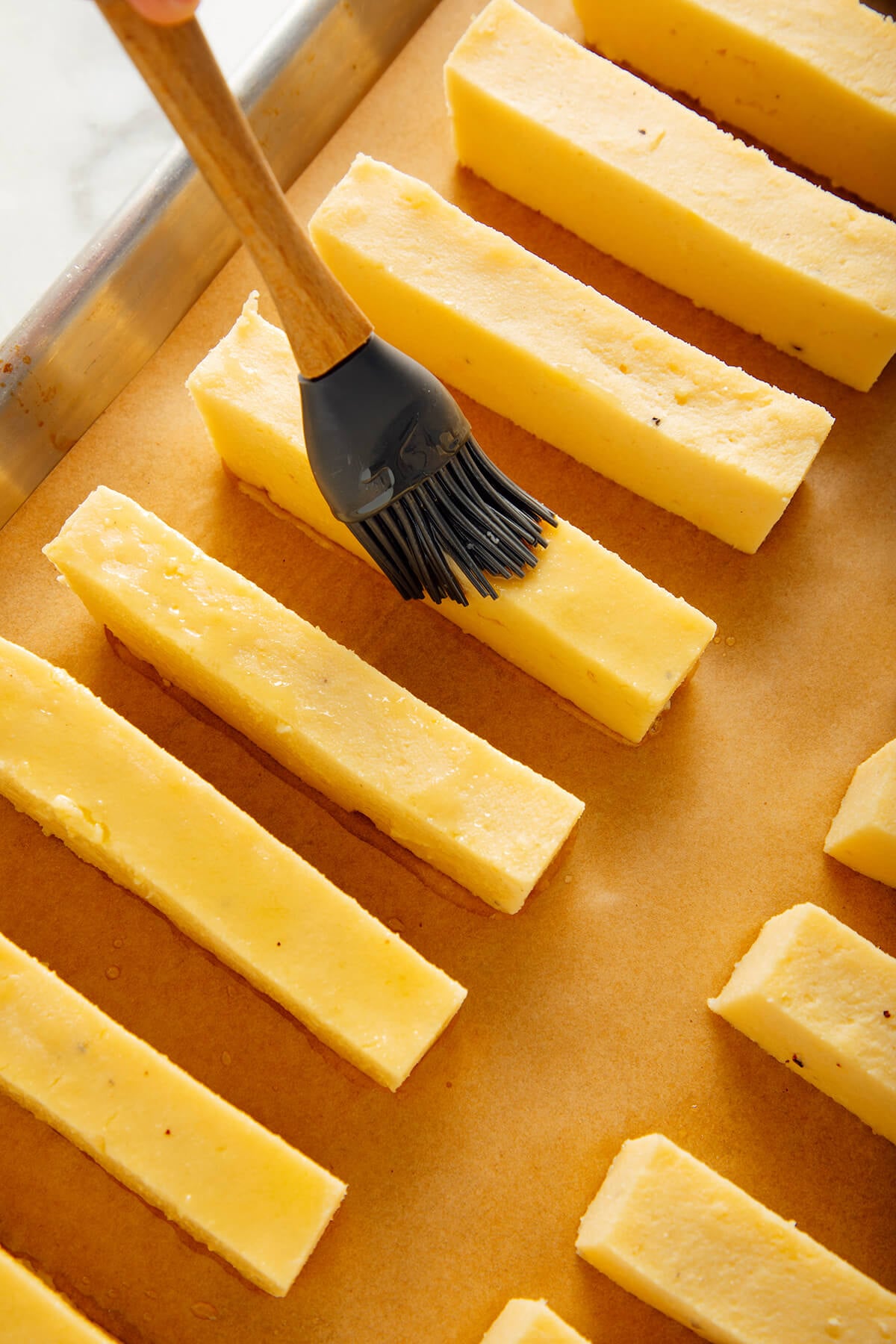
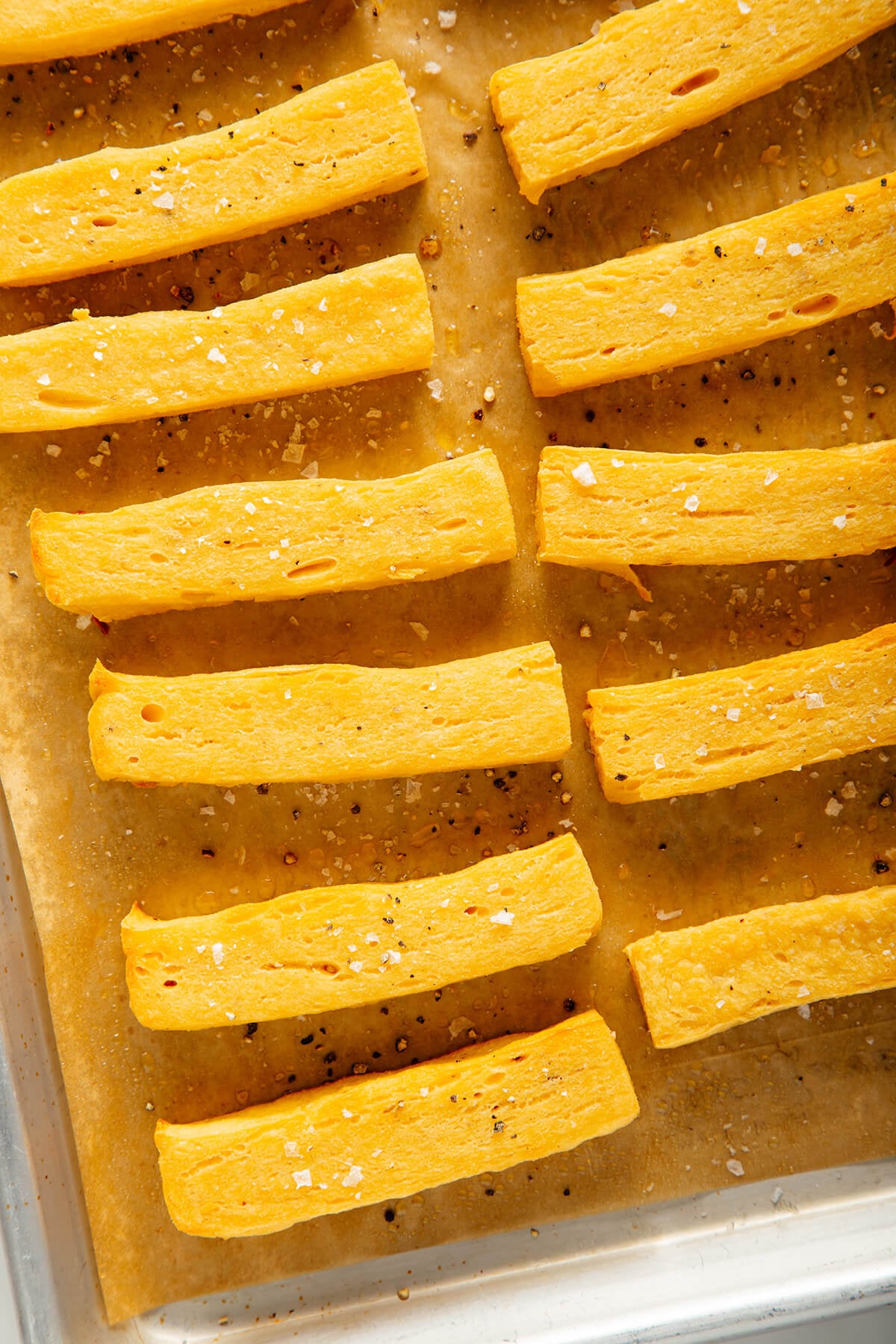
The Baked Alternative: For those seeking a less hands-on approach or a lighter option, baking Panisses presents an excellent alternative. While it typically takes longer than frying (approximately 25-35 minutes compared to 5-8 minutes per batch for frying), the baking method offers a more evenly golden exterior and a consistent crispness without the need to stand over a hot stove. The process involves brushing the Panisses with olive oil before their initial bake until golden on one side. A clever technique to maximize crispness in the baked version, as discovered through extensive recipe development, is to flip the Panisses halfway through and then drizzle a little more olive oil down the length of each piece before returning them to the oven. This targeted application of oil helps achieve a result remarkably close to the irresistible crispness of their fried counterparts, creating a beautifully textured, golden-brown finish that is both satisfying and visually appealing. This method also minimizes cleanup and reduces the overall fat content slightly.
The Art of Dipping: Elevating the Panisse Experience
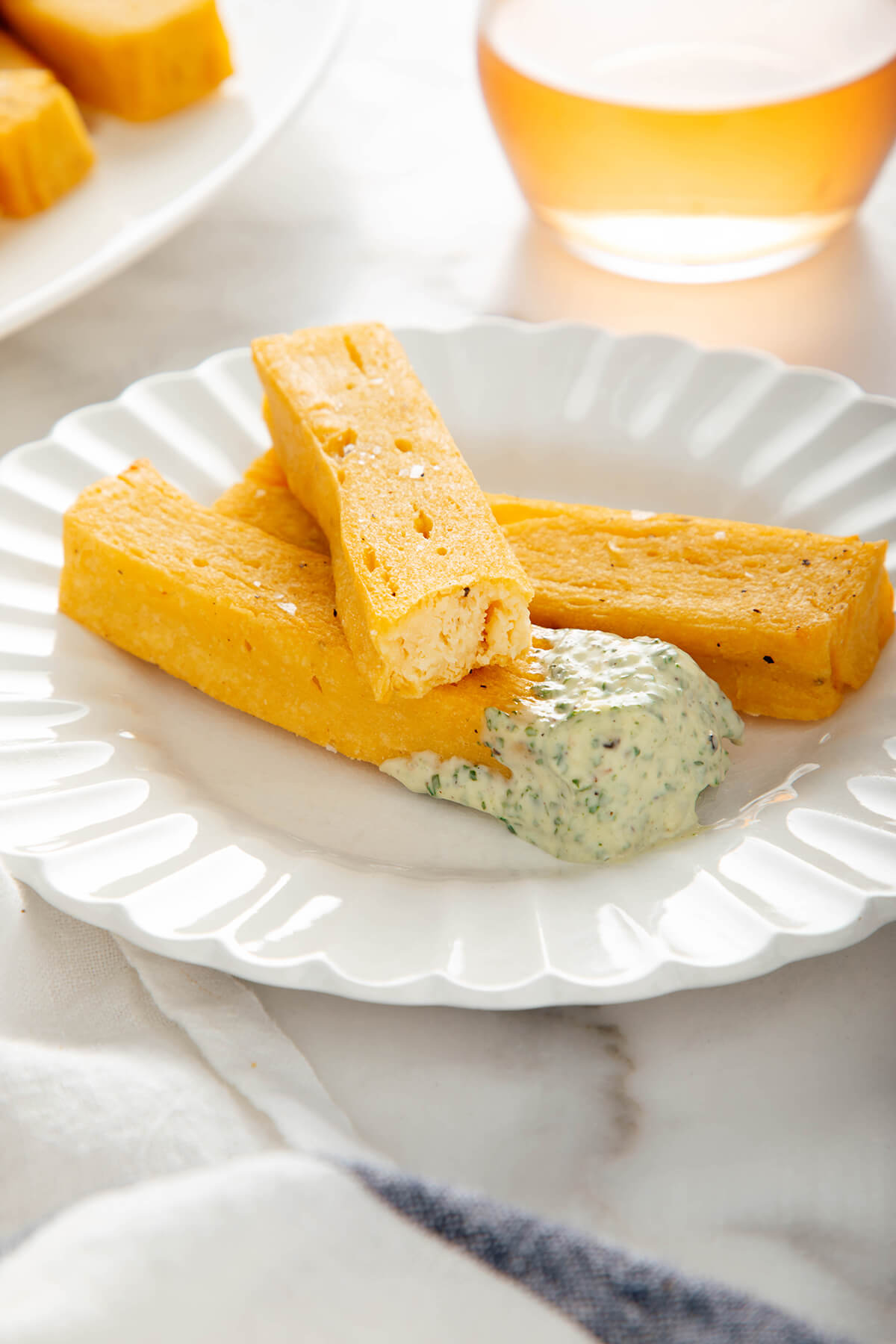
Panisses, with their neutral yet inviting chickpea flavor, are perfectly poised to be paired with a wide array of dipping sauces. While they are delightful on their own, a creamy accompaniment can elevate the entire experience, adding layers of flavor and moisture. Mayonnaise-based sauces are particularly popular, offering a luxurious, silky counterpoint to the Panisses’ crisp texture. The key is to infuse the mayonnaise with robust flavors. Options range from mixing in vibrant pesto for an herbaceous kick, rich romesco for a nutty and roasted pepper profile, or spicy harissa for a fiery Mediterranean flair.
Beyond these, a simple garlic aioli, a zesty lemon-herb yogurt dip, a cooling tzatziki, or even a spicy sriracha mayo can provide an excellent contrast. The "Creamy Basil Sauce" mentioned by many enthusiasts is a prime example of how fresh herbs and bright acidity can transform a basic mayonnaise into a gourmet dipping experience, highlighting the Panisses’ inherent charm. The choice of sauce allows for endless creativity, making Panisses a versatile snack that can be adapted to various meal themes and personal tastes, from casual gatherings to more formal apéritif settings.
Serving Suggestions and Culinary Companions
In their native France, warm Panisses are often served alongside a chilled glass of local rosé, embodying the relaxed elegance of Provençal life. However, their adaptability means they can be incorporated into a multitude of culinary settings. They make for an excellent light meal when paired with a fresh, crisp salad, providing a substantial and flavorful component. For larger gatherings or as part of a more elaborate dining experience, Panisses shine as a component of a Mediterranean spread or mezze platter.
Imagine them alongside bowls of creamy hummus, smoky baba ghanoush, marinated olives, vibrant tabbouleh, or a fresh Greek salad. They complement dishes rich in Mediterranean flavors, such as grilled halloumi with tomatoes and herbs, various lentil and bean salads, roasted red pepper dips, or even alongside simple grilled vegetables. Their robust yet refined character makes them a perfect addition to a diverse table, appealing to both casual diners and gourmands alike. Their versatility allows them to be served at any time of year, from light spring lunches to hearty winter appetizers.
Storage and Accessibility: Practicality for the Home Cook
The practicality of Panisses extends to their storage. While they are undoubtedly best enjoyed hot and fresh, they can be prepared in advance. Cooked Panisses will keep well in the refrigerator for up to five days, making them an excellent candidate for meal prep or convenient future snacks. For longer storage, they can be frozen for up to six months, ideally after being par-cooked and then flash-frozen on a baking sheet before being transferred to an airtight container. Reheating them in a microwave is a quick solution, though a brief stint in an oven or air fryer at 375°F (190°C) can help restore some of their initial crispness and golden exterior. This ease of storage further enhances their appeal for the modern home cook, allowing for spontaneous indulgence without extensive preparation.
Broader Culinary Trends and Market Impact
The rising popularity of Panisses reflects several overarching trends in the global food landscape. The increasing demand for plant-based foods, driven by health consciousness, environmental concerns, and ethical considerations, has placed ingredients like chickpea flour firmly in the spotlight. Panisses, being naturally vegan and gluten-free, cater to a broad demographic, making them a highly inclusive dish. Data from recent market reports indicates a consistent annual growth in the plant-based food sector, with chickpea-derived products experiencing particularly strong upward trends. The resurgence of interest in regional, traditional European cuisines, particularly those from the Mediterranean, also contributes to their growing recognition. Consumers are increasingly seeking authentic, wholesome, and flavorful experiences that connect them to culinary traditions from around the world.
Furthermore, the "snackification" of meals and the desire for healthier snacking options have created a fertile ground for items like Panisses. They bridge the gap between indulgent comfort food and nutritious eating, offering a satisfying experience that aligns with modern lifestyle choices. Food critics and culinary trendwatchers predict that dishes like Panisses will continue to gain traction, influencing restaurant menus and home cooking practices globally. "The humble chickpea is truly having its moment," observes Marcus Thorne, a prominent food industry analyst. "From hummus to plant-based pastas and now these incredible fries, its versatility and nutritional benefits are undeniable. Panisses are a testament to how traditional ingredients can be reimagined for a modern palate, appealing to both gourmet diners and health-conscious consumers alike."
In conclusion, Panisses are more than just chickpea fries; they are a culinary emblem of Provençal heritage, a testament to the nutritional power of simple ingredients, and a delicious answer to the demand for wholesome, flavorful, and versatile plant-based options. Whether enjoyed as a sophisticated appetizer, a healthy snack, or a component of a larger meal, their unique texture, appealing taste, and inherent goodness ensure their continued rise in the global gastronomic scene. Their accessibility for home preparation, coupled with their inherent dietary advantages, positions Panisses as a timeless dish poised for enduring popularity.
