

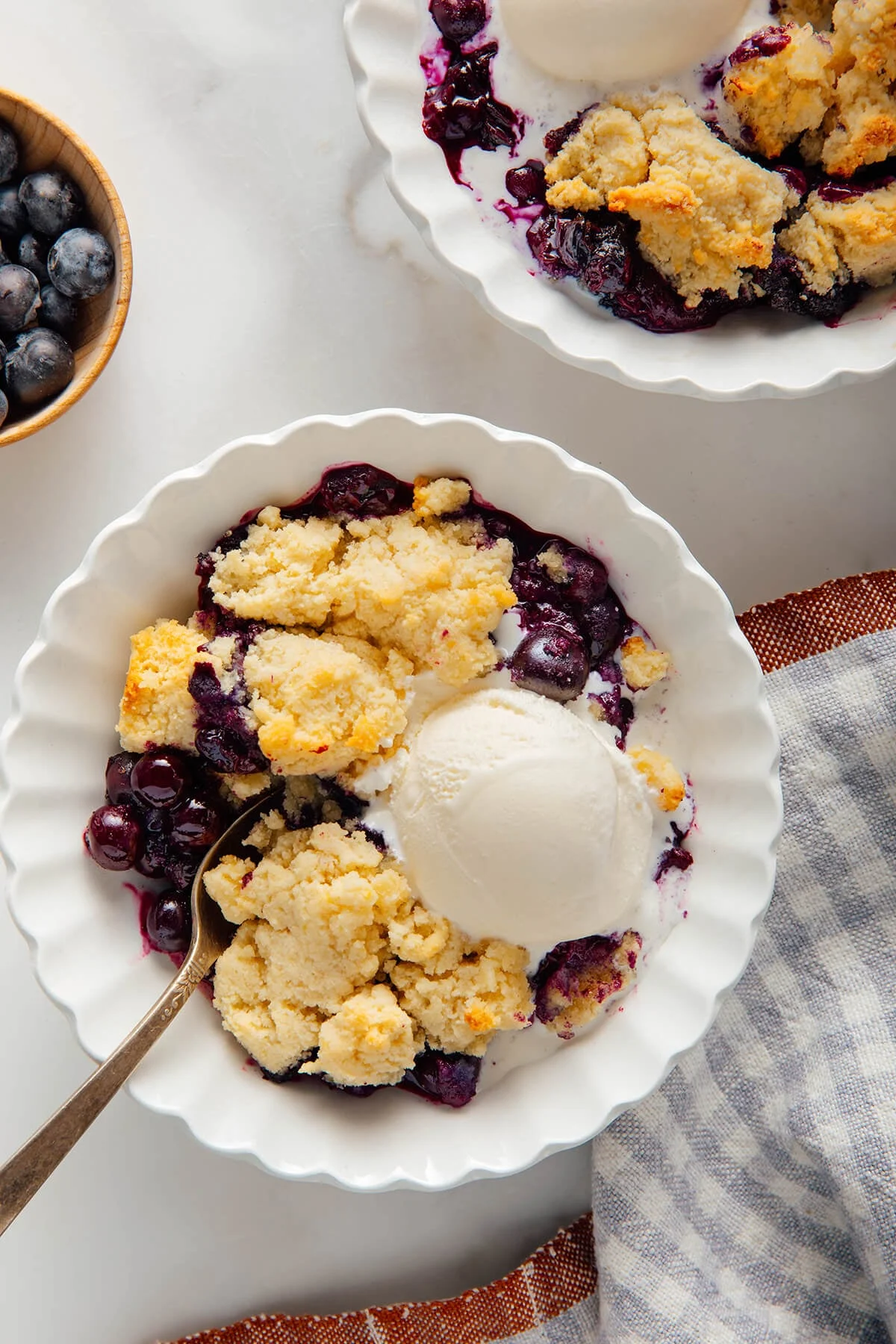
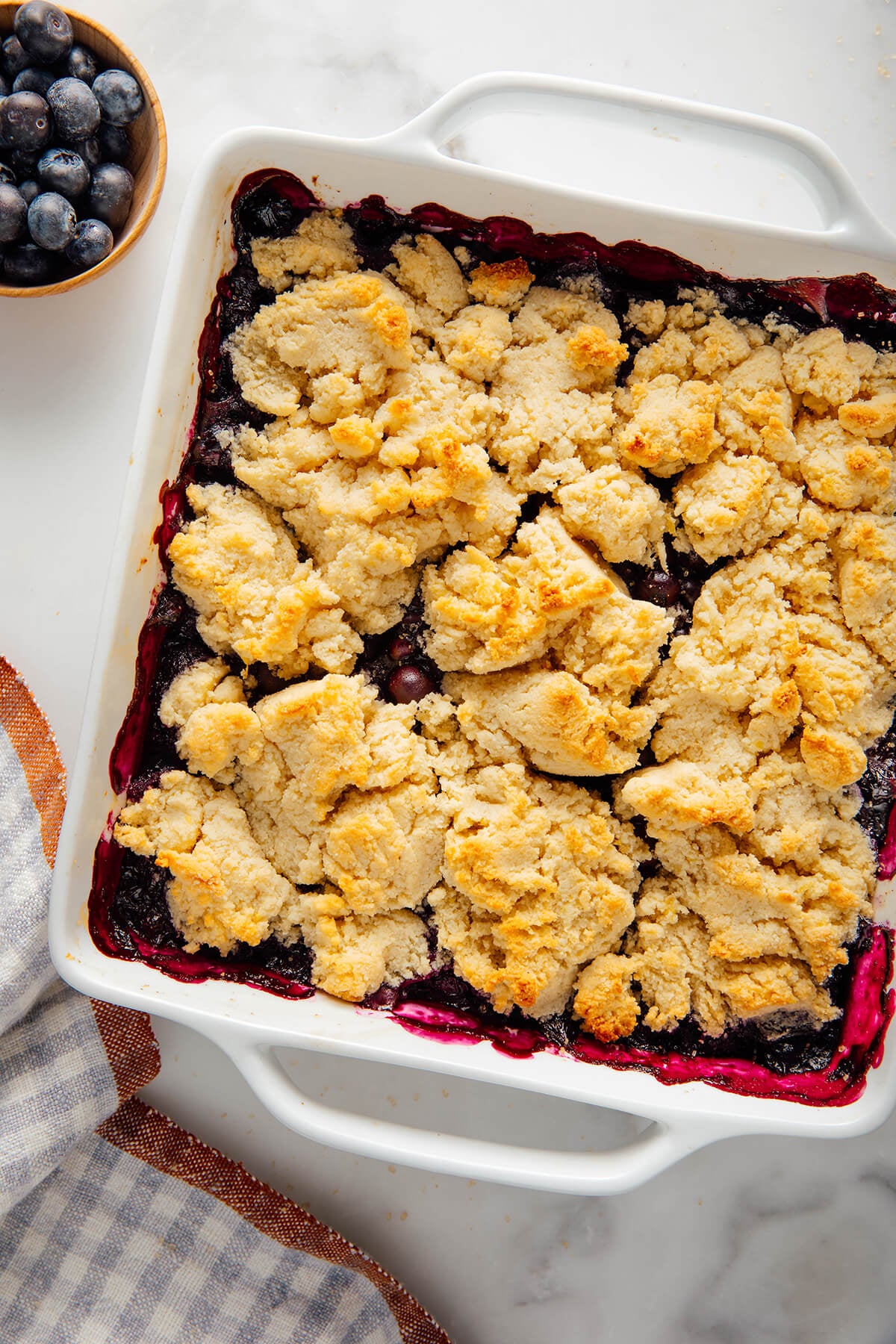
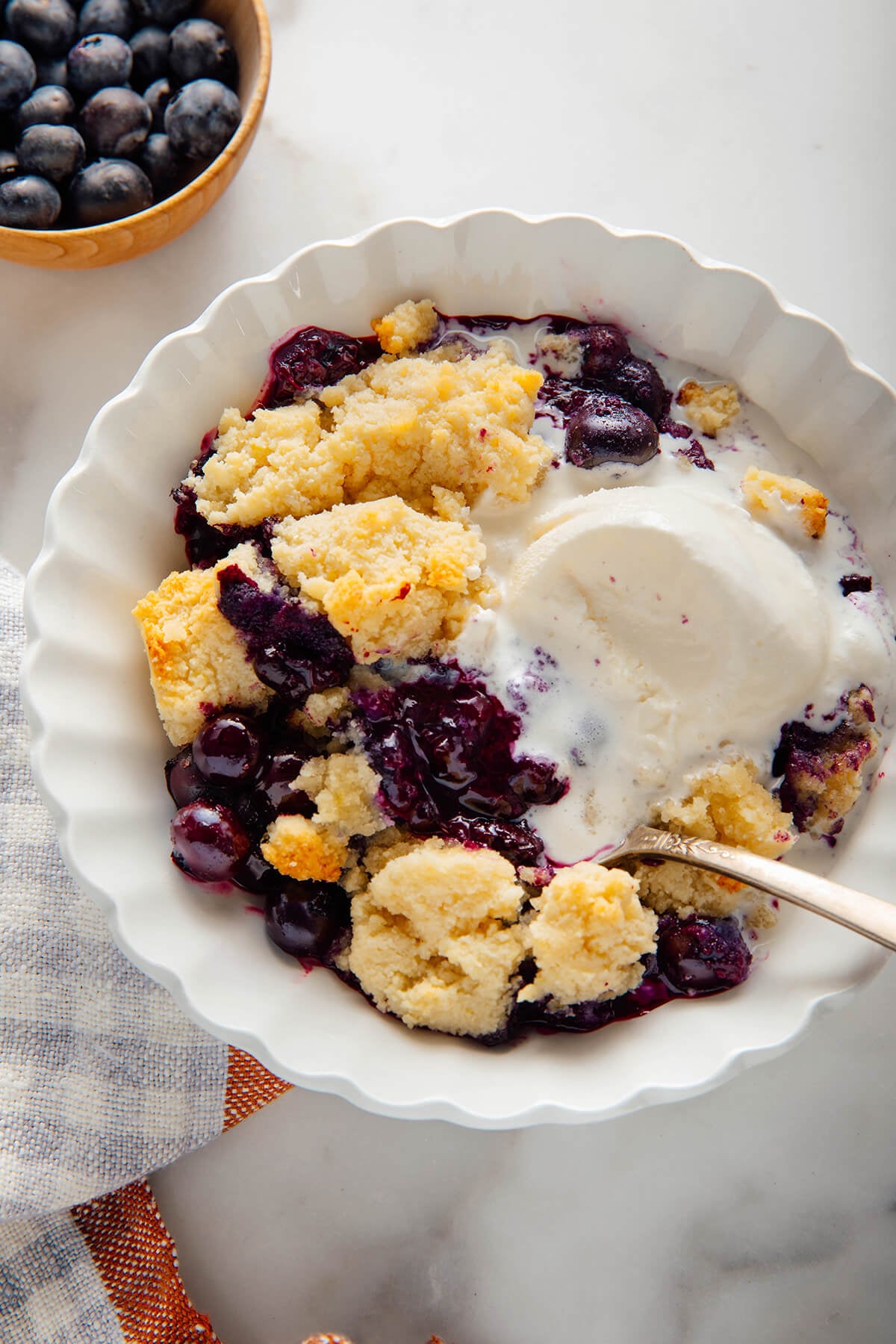
The acclaimed food blog Cookie and Kate has officially released a new recipe, the Gluten-Free Blueberry Cobbler with Almond Topping, positioned as a quintessential summer dessert. Developed by Kathryne Taylor, the recipe features ripe, "jammy" blueberries nestled beneath an almond flour-based biscuit topping, designed to be both tender internally and possess a distinctively crisp, craggy texture along its edges. This latest culinary offering is anticipated to become a staple for home bakers seeking a delicious and accessible gluten-free option during the warmer months, building on Taylor’s established reputation for innovative and health-conscious recipes.
A Culinary Heritage: The Evolution of American Cobblers and Crisps
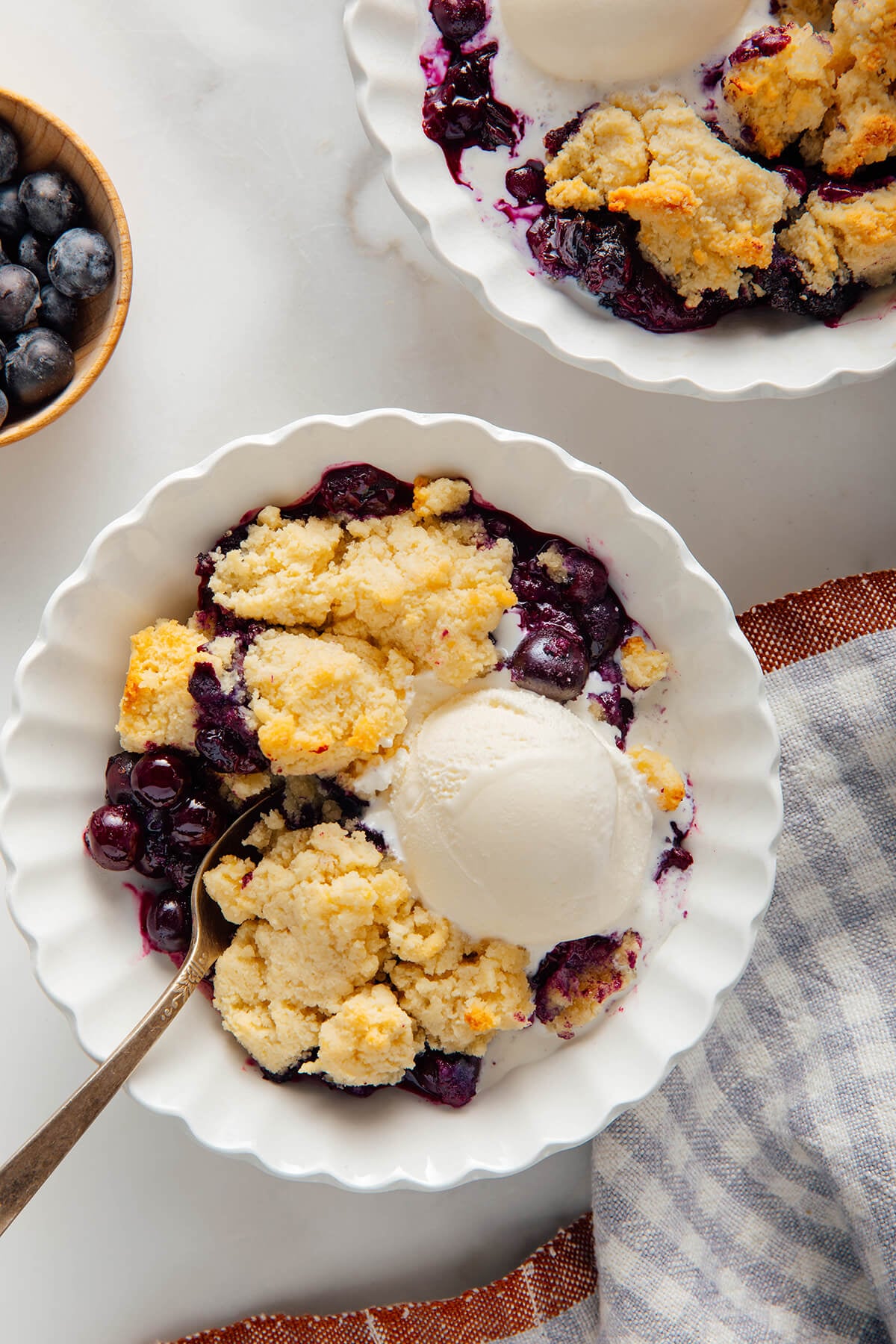
Cobblers and crisps represent beloved categories within American dessert traditions, each offering a unique textural interplay between fruit and a baked topping. Historically, cobblers emerged as a simpler form of pie, often made by pioneers who lacked proper pie plates or ingredients for elaborate crusts. They typically feature a fruit base topped with dollops of biscuit dough, which bakes into a soft, cake-like crust. Crisps, on the other hand, distinguish themselves with a streusel-like topping, often incorporating oats, flour, sugar, and butter, yielding a crumbly, crisp texture. Both desserts share a common thread: celebrating seasonal fruits with minimal fuss, making them ideal for home cooks. Taylor’s new blueberry cobbler recipe pays homage to this heritage while introducing contemporary dietary considerations. By adopting the cobbler format, she leans into the comforting, biscuit-like topping while innovating with ingredient choices, particularly in the realm of gluten-free baking. This recipe signifies a modern interpretation of a classic, demonstrating how traditional comfort foods can evolve to meet current health and taste preferences without sacrificing their inherent appeal.
Kathryne Taylor’s Iterative Development: From Crisp to Cobbler
The introduction of this blueberry cobbler marks a significant, yet logical, evolution in Taylor’s baking repertoire, drawing direct inspiration from her previously popular creations. This new recipe is explicitly presented as a "cobbler version" of her widely acclaimed blueberry crisp with an almond topping, indicating a deliberate effort to diversify her dessert offerings while leveraging successful flavor combinations. Furthermore, its structural and methodological foundations are rooted in her peach cobbler recipe, a dessert Taylor herself highlighted as "arguably the most delicious made in my kitchen last summer." This lineage underscores an iterative development process, where proven techniques and favored flavor profiles are refined and adapted across different fruit bases and dessert styles.
Taylor’s progression from a self-professed affinity for "fruity crisps" to an embrace of cobblers suggests a broadening of her culinary exploration. This transition allows her to offer her audience diverse textural experiences – from the crumbly texture of a crisp to the softer, biscuit-like quality of a cobbler – while maintaining her commitment to fresh, seasonal ingredients and approachable recipes. Her statement that this new blueberry cobbler is "certainly a winner in my repertoire" functions as a strong expert endorsement, signaling confidence in its quality and appeal. This continuous refinement and expansion of her dessert collection solidify her reputation as a thoughtful and innovative recipe developer within the online food community.
The Gluten-Free Revolution: Almond Flour’s Ascendancy in Modern Baking
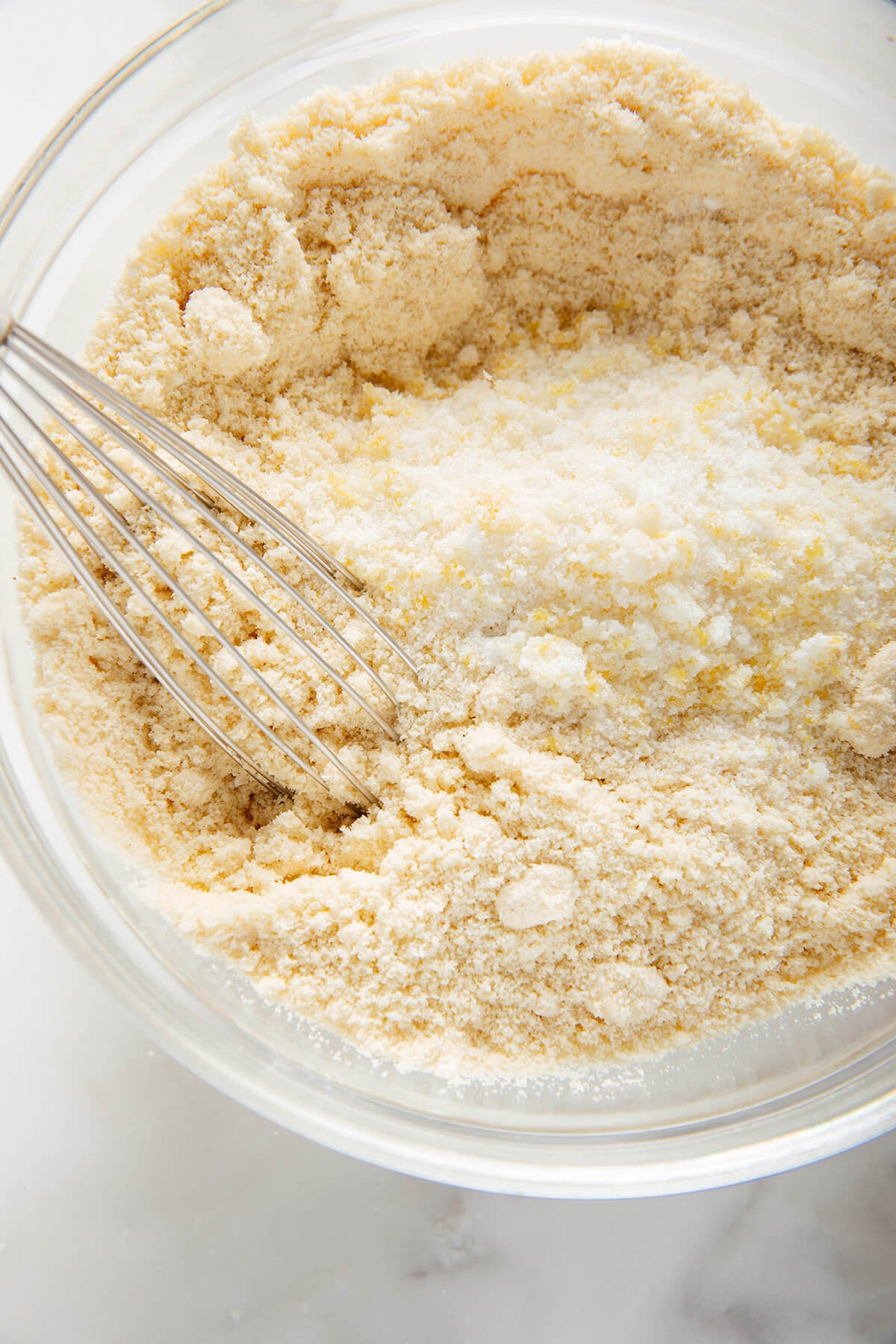
A central distinguishing feature of this new cobbler, and a key factor in its relevance, is its innovative use of almond flour for the topping. This choice not only renders the dessert naturally gluten-free but, according to Taylor, significantly enhances its overall appeal, potentially surpassing traditional cobblers made with conventional wheat flour. Taylor’s enthusiasm for the almond flour topping is palpable, stating, "I’m obsessed with this almond flour topping, and genuinely prefer it to standard cobblers made with plain flour." She attributes this preference to almond flour’s ease of workability compared to all-purpose flour, along with its superior taste profile.
The rise of almond flour in baking is intrinsically linked to the broader "gluten-free revolution." The global gluten-free products market has experienced exponential growth over the past decade, driven by an increasing number of celiac disease diagnoses, a rise in non-celiac gluten sensitivity, and a growing consumer perception that gluten-free diets are healthier. Market analysts estimate the global gluten-free market size, valued at approximately USD 6.4 billion in 2023, is projected to reach over USD 10 billion by 2030, reflecting a compound annual growth rate (CAGR) of around 6-8%. Almond flour, derived from finely ground blanched almonds, has emerged as a premium alternative to wheat flour due to its unique properties. It is naturally gluten-free, low in carbohydrates, and rich in healthy fats, protein, and fiber. These attributes make it particularly appealing to individuals following ketogenic, paleo, or general health-conscious diets, in addition to those with gluten sensitivities.
Beyond its dietary benefits, almond flour offers distinct culinary advantages. It imparts a subtle, nutty almond flavor that complements a wide array of fruits, including blueberries. Its inherent moisture content contributes to a tender crumb in baked goods, while also developing a desirable golden crust and a light crispness around the edges when properly baked. This combination of flavor, texture, and nutritional benefits has positioned almond flour as a preferred ingredient for many modern bakers, moving it beyond a mere substitute into a desirable primary ingredient. Taylor’s strong endorsement positions the almond flour variant not simply as an accommodation for dietary restrictions but as a superior culinary choice, encouraging even those without gluten sensitivities to explore its unique textural and flavor advantages.
Mastering Texture and Flavor: The Two-Step Baking Process and Sensory Profile
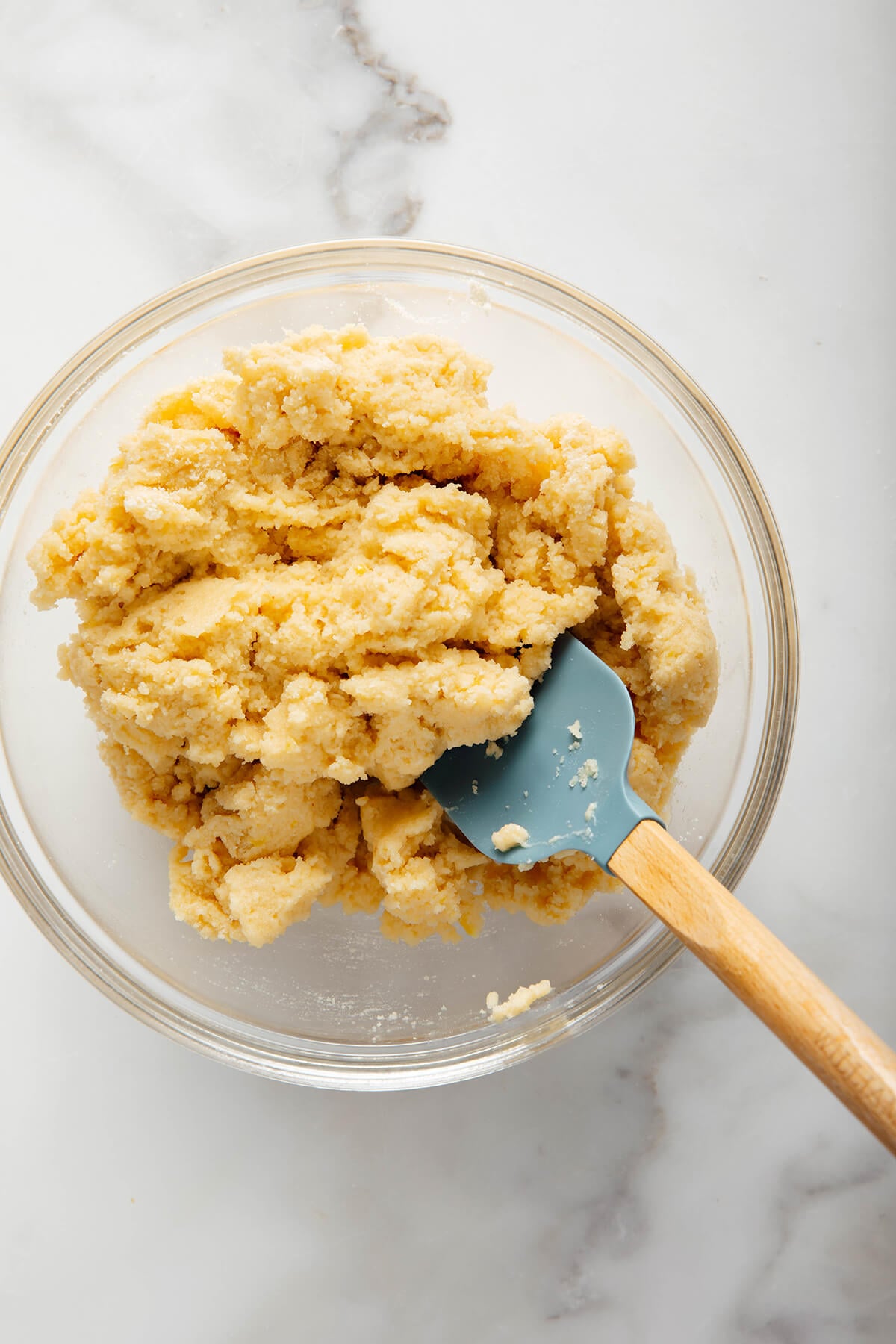
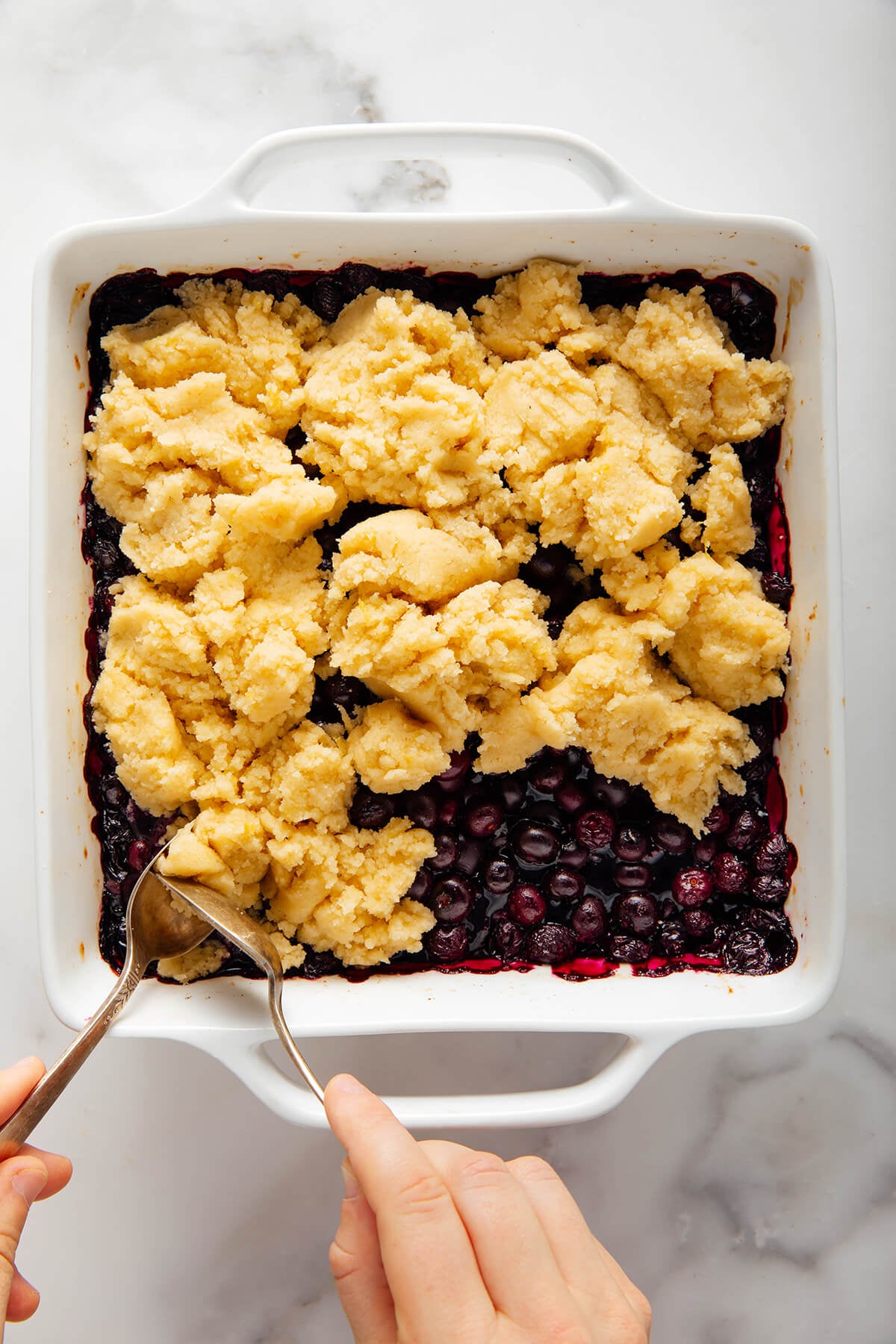
The preparation of the Gluten-Free Blueberry Cobbler involves a meticulously designed two-step baking process, a technique Taylor highlights as crucial for achieving optimal results. This method is engineered to ensure that the blueberry filling achieves a perfectly "bubbly, condensed" consistency while the almond flour topping develops its signature golden hue and crispness without over-baking. The first step typically involves pre-baking the blueberry filling for approximately 15 minutes, allowing the fruit to begin breaking down, release its juices, and thicken slightly. This initial thermal treatment concentrates the flavors and ensures a richer, less watery fruit base. Subsequently, the almond flour biscuit topping is carefully spooned over the partially cooked fruit, and the dessert is returned to the oven for the final baking phase.
This sequential approach is a calculated move to prevent common baking pitfalls. If the fruit and topping were baked simultaneously from the start, the almond flour topping, with its quicker cooking time and tendency to brown rapidly, would likely achieve its golden, crisp finish prematurely. This could leave the blueberry filling beneath undercooked, watery, or insufficiently "jammy." The two-step method, therefore, acts as a precise calibration of heat transfer and ingredient transformation, ensuring that both components reach their ideal states concurrently. The result is a harmonious balance: the blueberries transform into a succulent, thickened, and intensely flavored base, while the almond flour topping achieves a tender interior encased by perfectly crisp and "craggy" golden edges. This careful calibration of baking times underscores a practical understanding of ingredient properties and thermal dynamics, aiming for a superior sensory experience.
Ingredient Spotlight: Nutritional Powerhouses of Blueberries and Almonds
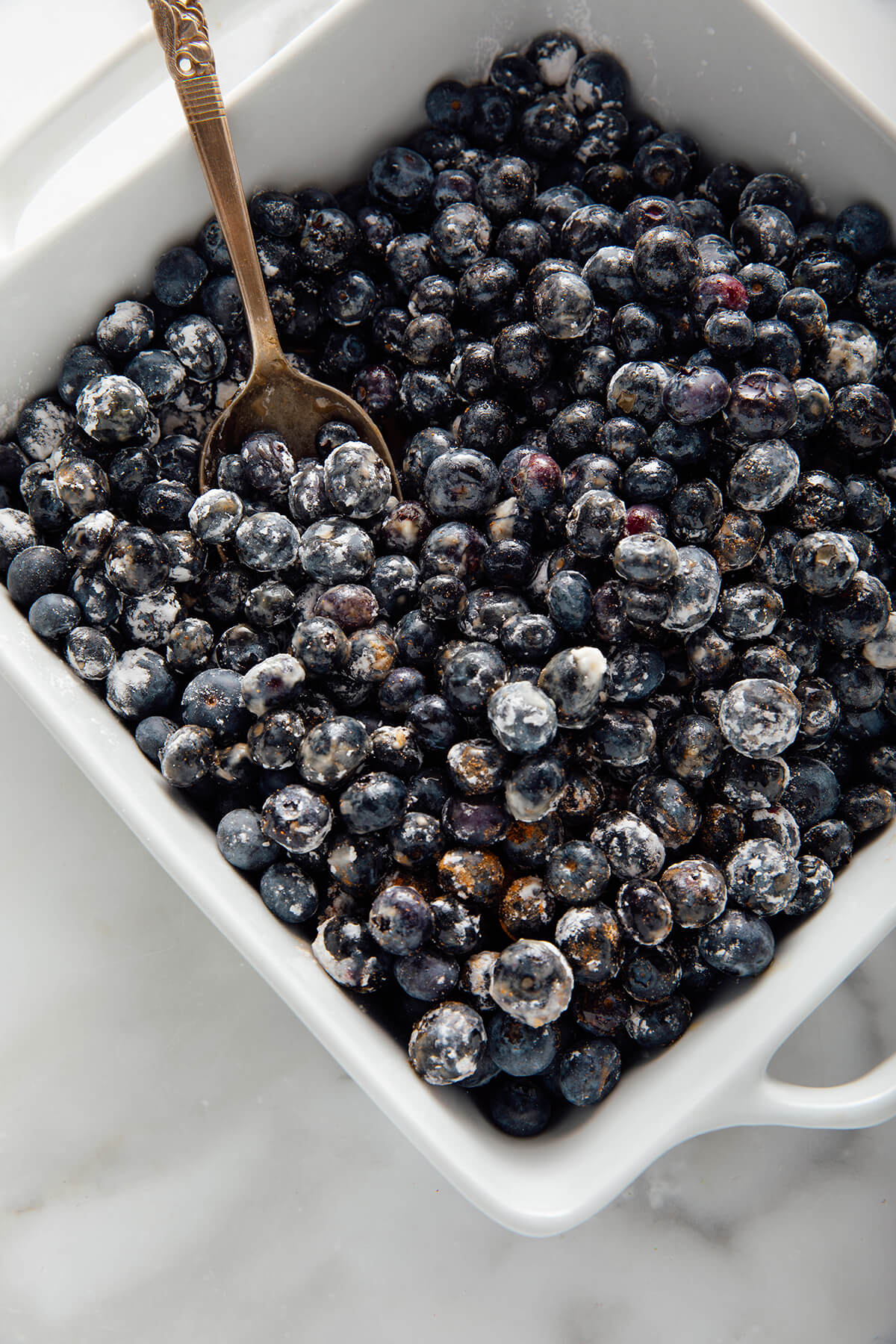
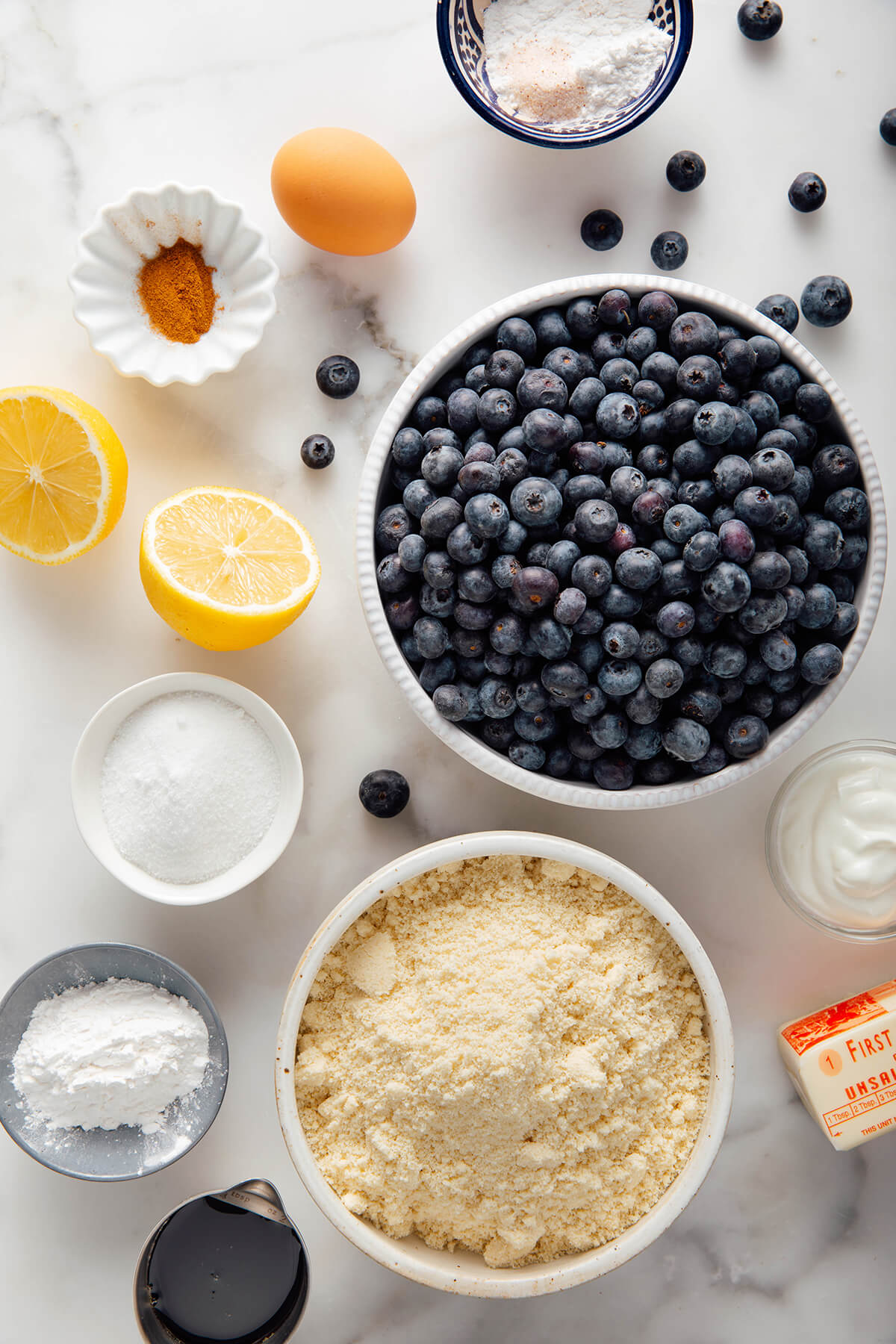
The careful selection of ingredients for the Gluten-Free Blueberry Cobbler is pivotal for its success, both in terms of flavor and nutritional value. The blueberry filling relies on fresh, ripe blueberries, complemented by a sweetener such as maple syrup, a thickener like cornstarch or arrowroot powder, and often a touch of acidity from lemon juice or zest. The lemon brightens the fruit’s natural sweetness and prevents it from tasting flat. For the almond flour topping, key components include fine almond flour, a leavening agent (baking powder), a fat source (butter or coconut oil for a dairy-free option), a sweetener, and a binding liquid (such as milk or a milk alternative).
Blueberries, often lauded as a superfood, are a nutritional powerhouse. They are exceptionally rich in antioxidants, particularly anthocyanins, which give them their vibrant blue hue and are linked to various health benefits, including reduced oxidative stress and anti-inflammatory effects. They are also a good source of vitamin C, essential for immune function and skin health, and vitamin K, crucial for blood clotting and bone health. Furthermore, blueberries contribute dietary fiber, aiding digestive health and promoting satiety. Their inclusion in this dessert not only contributes to its exquisite flavor but also offers significant health benefits, aligning perfectly with the growing consumer demand for "better-for-you" indulgences.
Almond flour, the star of the topping, similarly adds substantial nutritional value. As a complete protein source, it provides essential amino acids. It is rich in monounsaturated fats, which are beneficial for heart health, and contains a good amount of dietary fiber, supporting digestive regularity and blood sugar control. Almonds are also packed with essential minerals such as magnesium, manganese, and vitamin E, an antioxidant. The use of almond flour in this recipe thus transforms a traditional dessert into a more nutrient-dense option, offering healthy fats, protein, and fiber, in contrast to refined white flour which offers limited nutritional benefits. Taylor’s specific notes on suitable almond flour brands, recommending "Bob’s Red Mill’s super-fine almond flour and Whole Foods 365’s almond flour," provide valuable guidance, ensuring bakers can achieve the desired texture and consistency, highlighting the attention to detail in high-quality recipe development.
Strategic Recipe Design: Adaptability and User Experience
The recipe’s design further emphasizes its accessibility and user-friendliness. Taylor has ensured the cobbler is adaptable to both fresh and frozen blueberries, a strategic choice that extends its seasonal appeal and practicality. For frozen blueberries, specific instructions are provided: defrosting them overnight in the refrigerator (without draining excess juices to preserve flavor and moisture) or gently warming them in the oven during preheating until thawed but still cool. This flexibility is crucial for home bakers, allowing them to enjoy this dessert year-round, irrespective of fresh blueberry availability or season. This adaptability significantly broadens the recipe’s utility and convenience, catering to varied schedules and pantry staples.
Beyond the fruit, Taylor’s meticulous testing of almond flour brands, explicitly naming "Bob’s Red Mill’s super-fine almond flour and Whole Foods 365’s almond flour," underscores her commitment to user success. This level of detail in ingredient specification is a hallmark of high-quality recipe development, guiding consumers toward optimal outcomes and minimizing potential frustration from ingredient variability. Such specific recommendations act as a form of quality assurance, building trust and confidence among her audience. The comprehensive approach to recipe writing, including detailed notes and a visual guide, demonstrates a strong focus on enhancing the overall user experience.
The Influence of Digital Gastronomy: Cookie and Kate’s Enduring Impact
Kathryne Taylor, through her platform Cookie and Kate, has cultivated a significant following since its inception in 2010, establishing herself as a leading voice in the vegetarian, whole-food, and health-conscious cooking space. Her consistent emphasis on fresh, seasonal, and often plant-forward ingredients resonates deeply with a growing demographic of consumers prioritizing wellness and ethical eating. The launch of the Gluten-Free Blueberry Cobbler with Almond Topping reinforces her commitment to developing innovative recipes that cater to diverse dietary needs without compromising on flavor or enjoyment. Her track record, which includes bestselling cookbooks, attests to her substantial influence in shaping contemporary home cooking practices and inspiring healthier culinary choices.
Food blogs like Cookie and Kate play a pivotal role in today’s digital gastronomy landscape. They serve not only as recipe repositories but also as community hubs, educational platforms, and trendsetters. Taylor’s ability to consistently produce recipes that are both aspirational and achievable has fostered a loyal community of home bakers and cooks. The "summertime delight" framing of this recipe skillfully taps into a cultural association of warm-weather fruits and outdoor gatherings, positioning the cobbler as an ideal dessert for picnics, barbecues, and family meals. This strategic marketing, coupled with the increasing demand for convenient yet wholesome dessert options, further bolsters the potential impact and widespread adoption of such a well-developed recipe. The engagement fostered through comments and feedback channels also creates a dynamic, responsive environment for recipe refinement and community interaction.
Broader Culinary Implications and Market Outlook
The release of this Gluten-Free Blueberry Cobbler with Almond Topping extends beyond individual kitchens; it serves as a powerful exemplar of how traditional comfort foods can be successfully reimagined to meet modern dietary requirements and evolving consumer preferences. The recipe’s success in achieving desirable textures and flavors using almond flour, a gluten-free alternative, demonstrates the increasing sophistication of allergen-friendly baking. This achievement encourages further innovation within the food industry, proving that dietary restrictions can be catalysts for creative and delicious culinary solutions rather than limitations.
The recipe’s alignment with several prominent culinary trends – including the sustained growth of the gluten-free market, the rising interest in whole foods and plant-forward eating, and the demand for healthier indulgence – positions it for significant market resonance. As consumers become more discerning about ingredient sourcing, nutritional content, and the environmental impact of their food choices, recipes that transparently address these concerns while delivering on taste are likely to gain considerable traction. The cobbler’s potential to become a widely adopted summertime favorite could influence other recipe developers and food brands to invest further in gluten-free, fruit-based dessert innovations. This contribution enriches the broader culinary narrative, proving that deliciousness and dietary considerations are not mutually exclusive but can, in fact, enhance one another.

In conclusion, Kathryne Taylor’s Gluten-Free Blueberry Cobbler with Almond Topping represents more than just a new dessert recipe; it embodies a convergence of culinary innovation, dietary consciousness, and seasonal celebration. Its carefully crafted components, from the intensely flavored, jammy blueberry base to the uniquely textured and flavorful almond flour topping, are designed to deliver a superior sensory experience. By effectively addressing the growing demand for gluten-free options with a recipe that is both accessible and exceptionally flavorful, Cookie and Kate continues to solidify its position as an influential source for modern, health-conscious cooking. The recipe’s strategic release as a quintessential summertime treat, coupled with its adaptability and significant nutritional benefits, ensures its broad relevance and enduring appeal across a wide spectrum of home bakers and culinary enthusiasts.
