

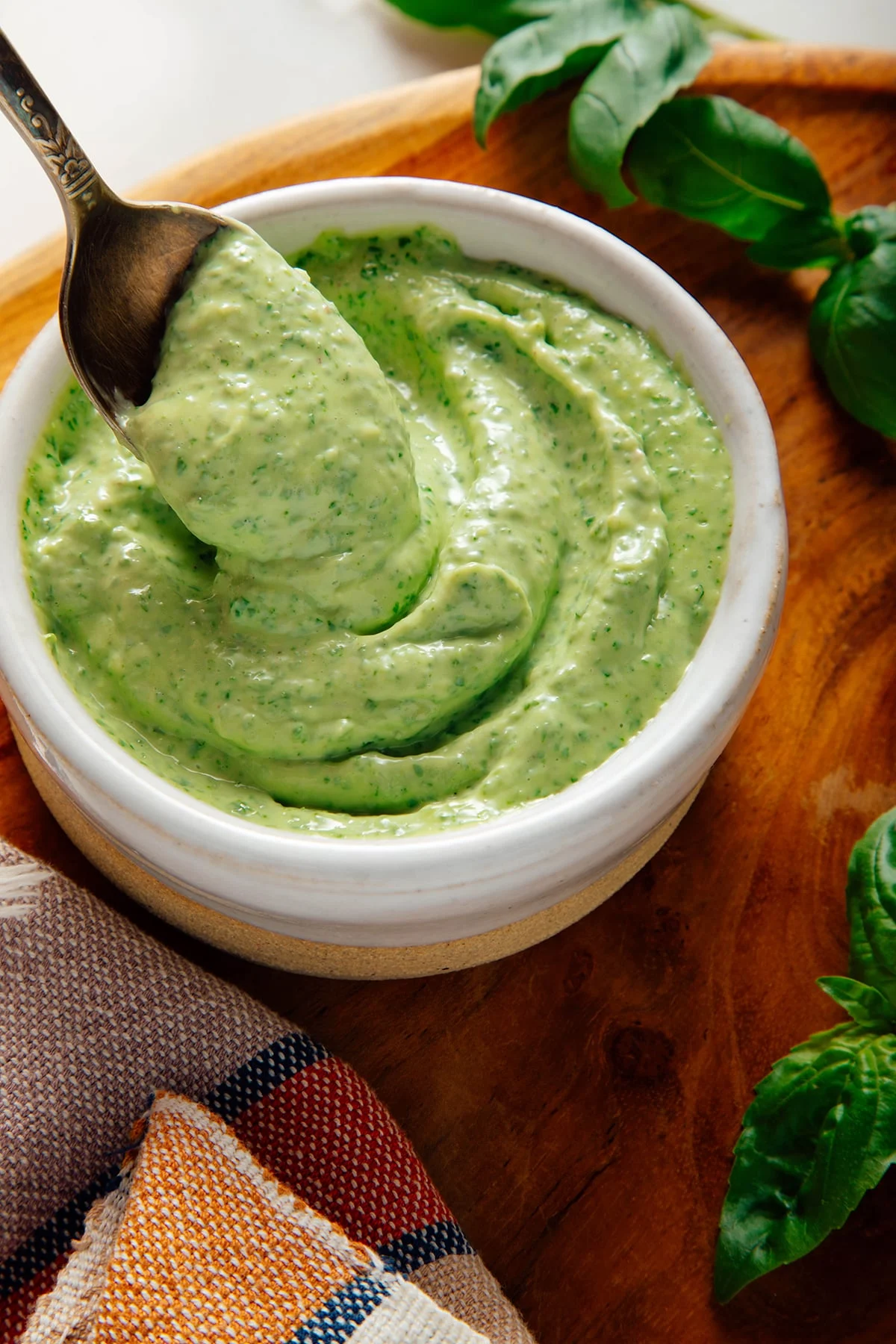
A newly highlighted creamy basil sauce is rapidly gaining attention for its exceptional freshness, versatility, and ease of preparation, positioning itself as a potential culinary staple for the summer season. Described as a vibrant, summertime alternative to traditional aioli, this sauce promises to elevate everyday meals and snacks with minimal effort, capitalizing on the seasonal abundance of fresh basil. Its simple yet impactful ingredient list and broad application are resonating with home cooks and culinary enthusiasts alike, prompting discussions about its broader implications for the condiment market and sustainable home gardening practices.
The Enduring Appeal of Basil and Culinary Evolution
Basil, derived from the Greek word "basilikos" meaning "royal," boasts a rich history stretching back thousands of years, originating in India and spreading across Asia and the Mediterranean. Revered for its aromatic leaves and distinctive peppery, slightly sweet flavor profile, basil has long been a cornerstone of numerous cuisines, most notably Italian and Thai. Beyond its culinary prowess, basil is recognized for its potential health benefits, packed with essential vitamins like K, A, and C, as well as antioxidants and anti-inflammatory compounds. Its enduring presence in kitchens worldwide underscores its fundamental role in enhancing flavor and providing nutritional value.
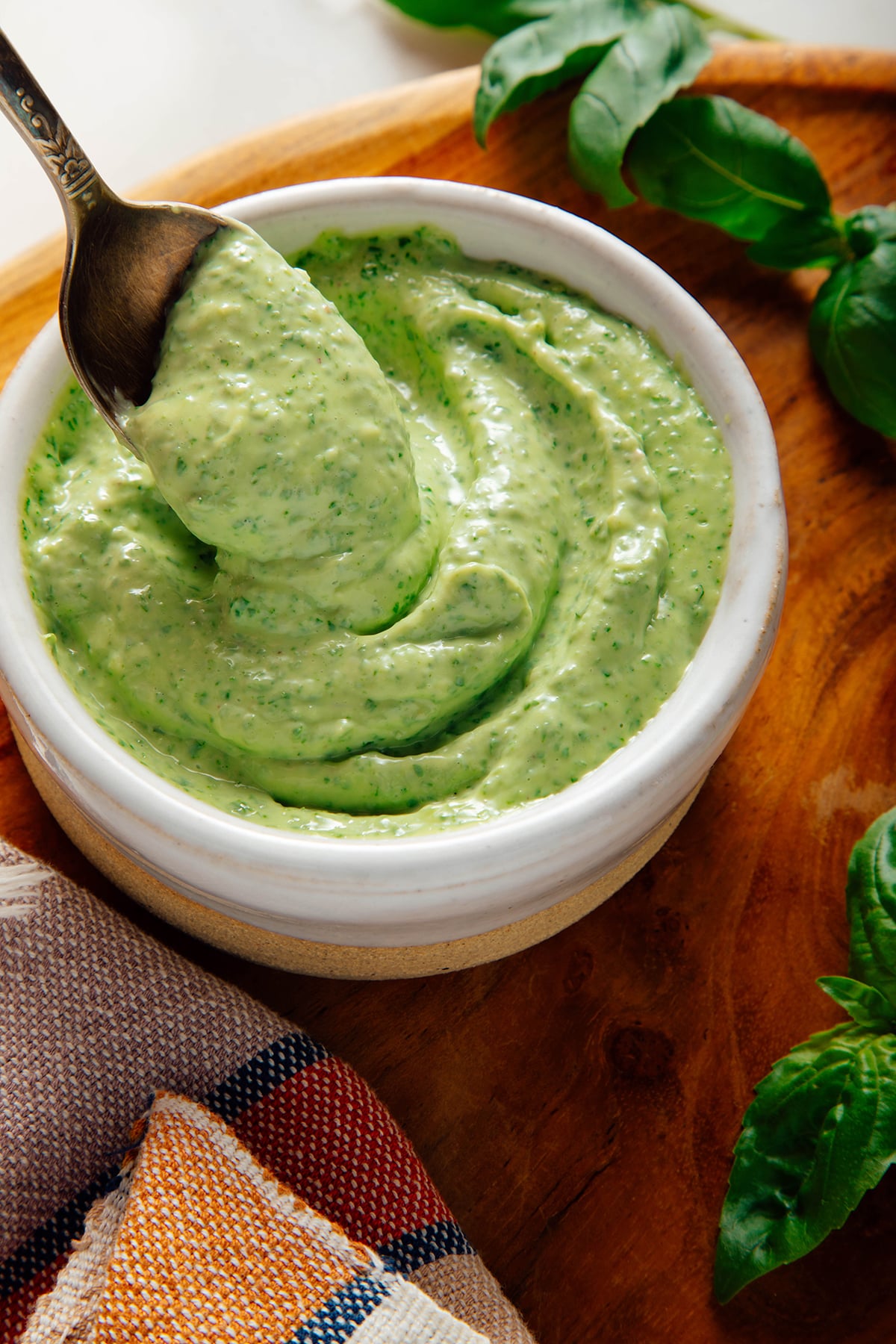
The evolution of sauces, from ancient gravies to modern emulsions, reflects humanity’s continuous quest to enrich and diversify culinary experiences. Condiments, in particular, serve as crucial flavor boosters, capable of transforming simple ingredients into memorable dishes. Historically, basil has been central to iconic sauces like pesto, an unctuous blend of basil, pine nuts, garlic, Parmesan cheese, and olive oil, originating from Genoa, Italy. Pesto’s robust flavor and vibrant green hue have secured its place as a global favorite. Similarly, aioli, a Mediterranean sauce traditionally made from emulsified garlic and olive oil, has seen numerous variations, including herb-infused versions. The emergence of this creamy basil sauce marks a contemporary evolution, offering a lighter, mayonnaise-based alternative that retains the fresh essence of basil while providing a distinct textural and flavor profile. This innovation speaks to a broader trend in modern gastronomy: a desire for fresh, easily reproducible flavors that bridge the gap between gourmet dining and everyday home cooking.
Crafting the Creamy Basil Sauce: Simplicity Meets Flavor
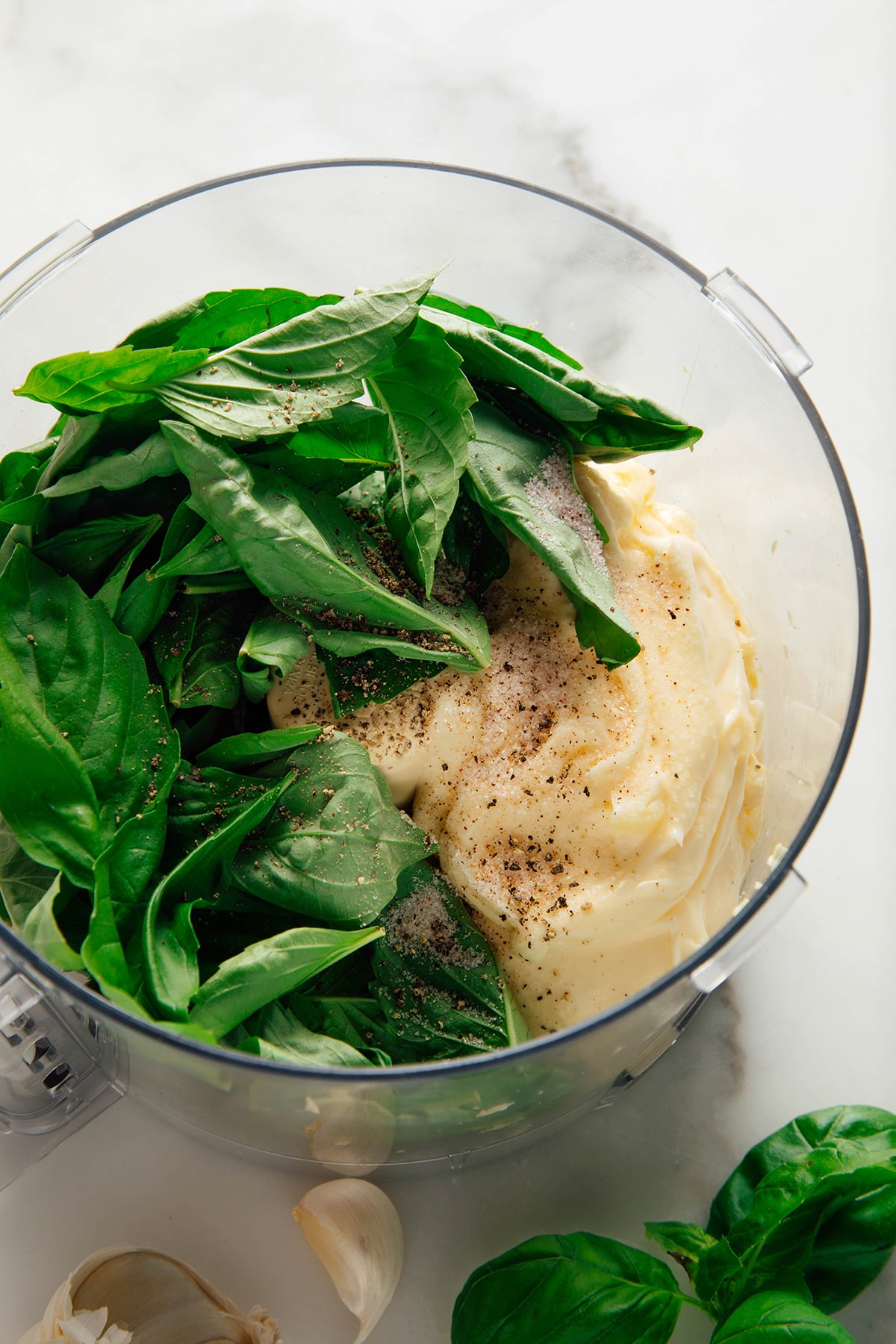
The allure of this creamy basil sauce lies in its remarkable simplicity, proving that extraordinary flavor often requires only a few high-quality ingredients. The core components are strikingly straightforward: fresh basil, a single clove of garlic, mayonnaise, and a judicious seasoning of salt and black pepper. This minimalist approach allows the inherent freshness of the basil to shine, creating a sauce that tastes far more complex than the sum of its parts.
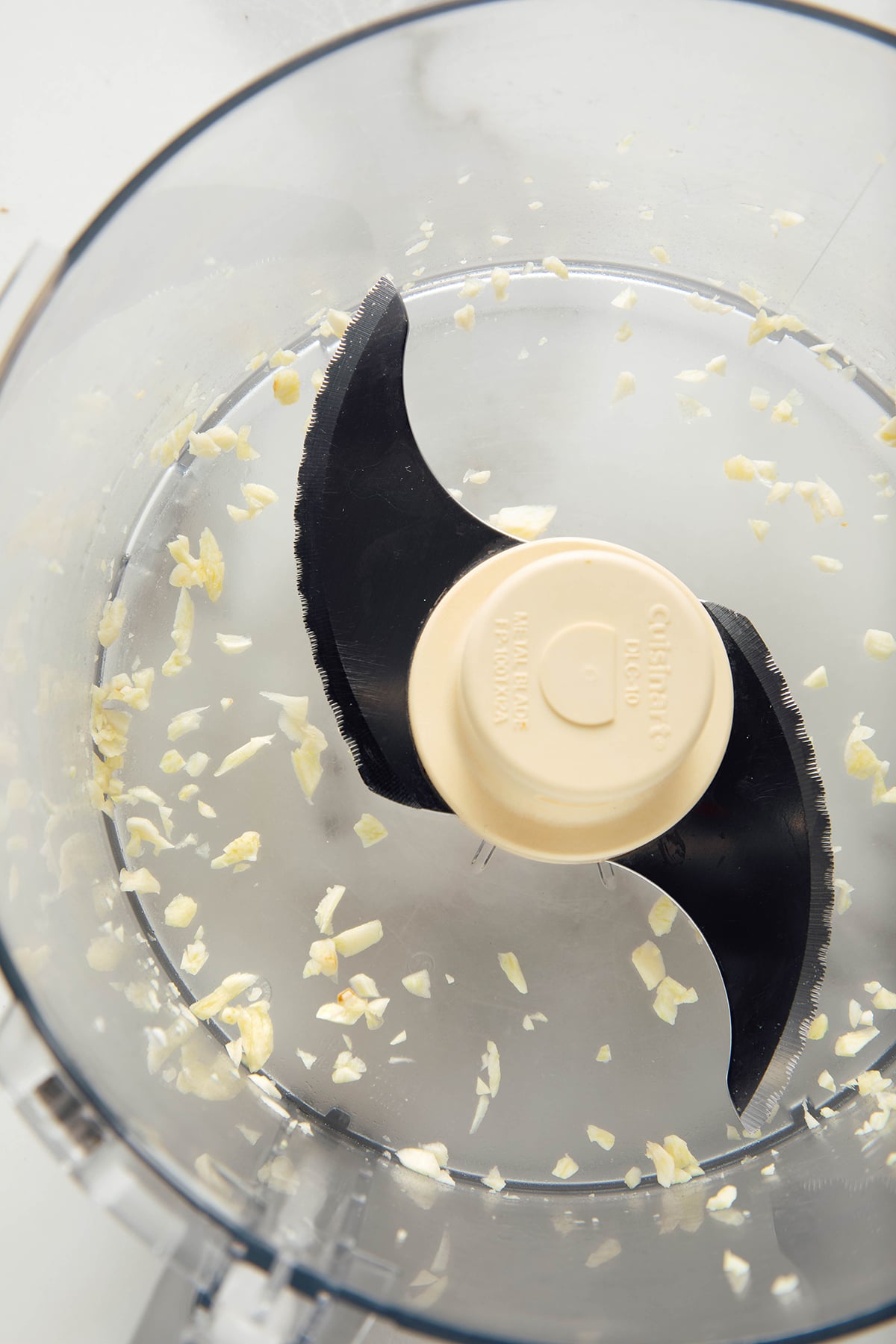
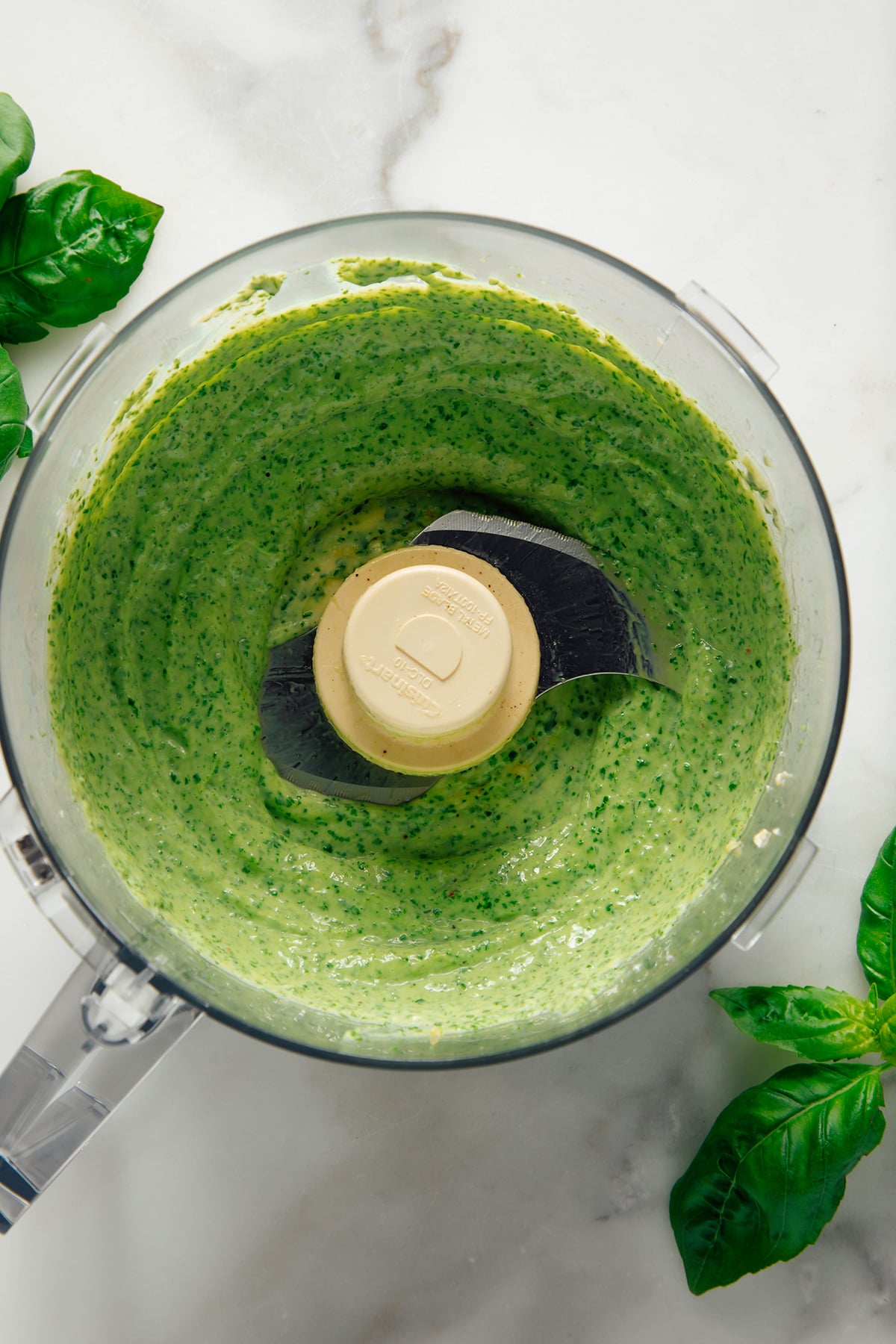
The preparation method further emphasizes accessibility. Utilizing a food processor, the process begins with blitzing a single garlic clove, a practical step that eliminates the need for a separate garlic press or chopping board, streamlining kitchen cleanup. This initial pulverization ensures the garlic’s pungent essence is evenly distributed throughout the sauce. Following this, generous quantities of fresh basil leaves—along with their delicate stems, while discarding thicker ones to maintain a smooth consistency—are added to the food processor. The basil is then blended with the pre-processed garlic until finely chopped, releasing its vibrant aromas and verdant pigments.
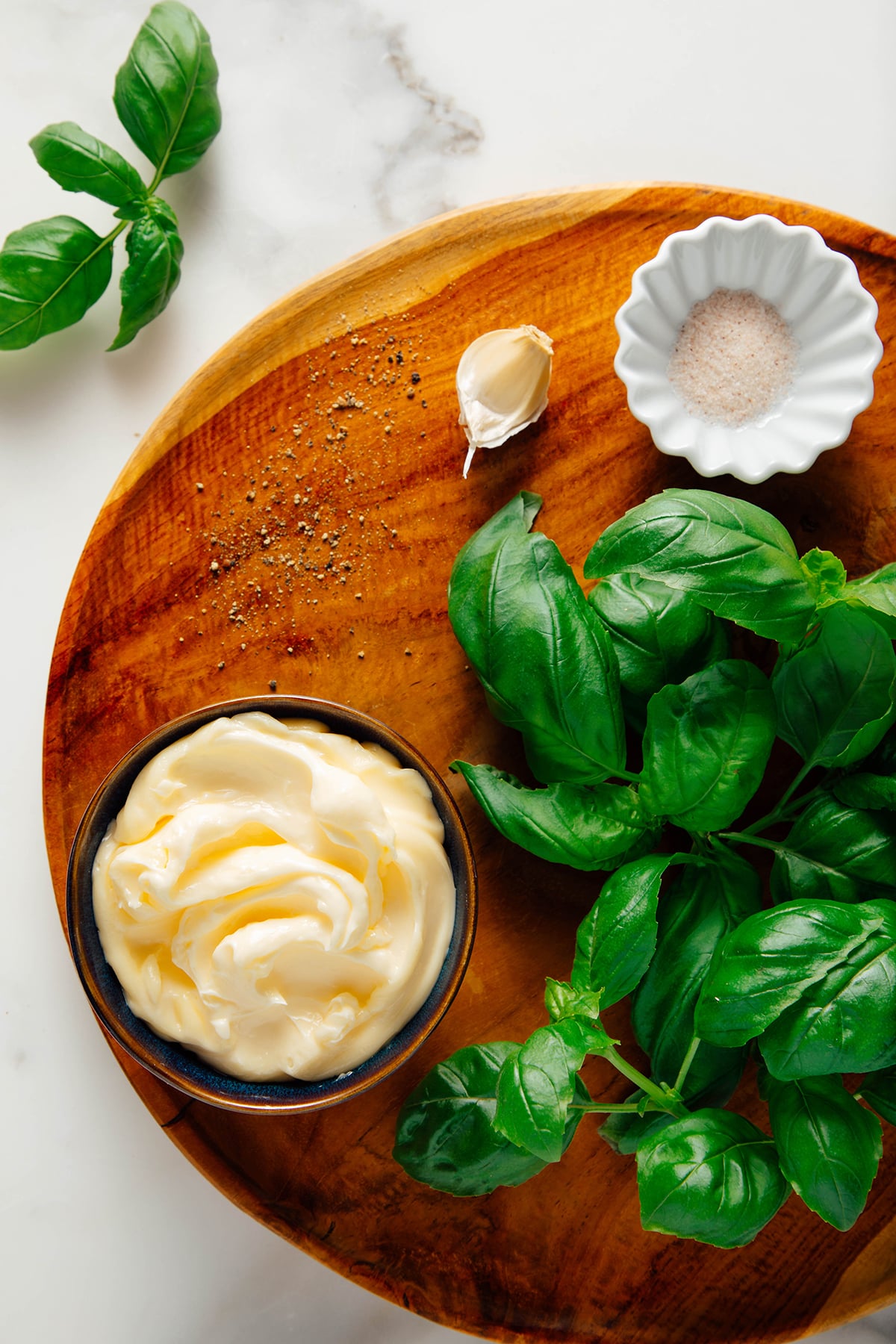
The critical emulsifying agent in this sauce is mayonnaise, which provides a luxuriously creamy, slightly tangy base that is difficult to replicate with other ingredients. While various mayonnaise brands exist, some culinary preferences lean towards specific formulations, such as Duke’s mayonnaise, noted for its distinctive flavor profile. However, the growing consumer demand for healthier alternatives has led to the popularity of mayonnaise made with avocado oil, offering a similar creamy texture with potentially beneficial monounsaturated fats. The choice of mayonnaise can subtly influence the final taste and nutritional aspect of the sauce, catering to diverse dietary considerations. Finally, the inclusion of salt is paramount, as it acts as a flavor enhancer, amplifying the nuanced notes of both basil and garlic. A generous grind of black pepper adds a subtle kick, contributing to the sauce’s overall vivacity.
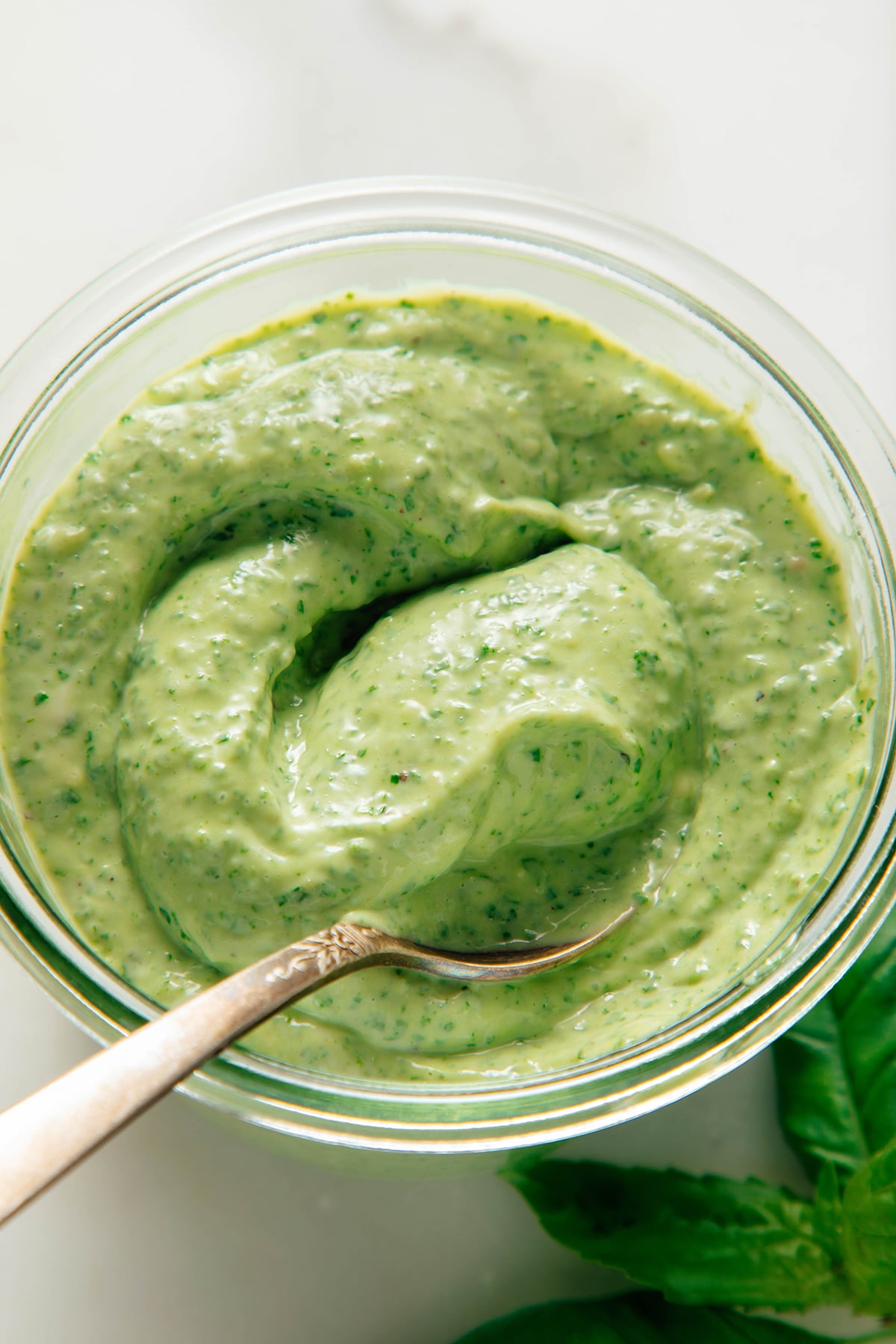
To ensure the sauce achieves its characteristic bright green hue and optimal flavor, a key tip involves ensuring the basil is thoroughly dry before blending. Moisture can dilute the sauce’s intensity and affect its texture. Gently washing the basil under cool water, patting it dry, and then allowing it to air dry for a short period helps preserve its integrity. This meticulous attention to ingredient preparation, despite the overall simplicity, underscores the emphasis on quality and technique that defines truly exceptional culinary outcomes. The entire process typically takes mere minutes, making it an ideal choice for busy households seeking to infuse fresh, vibrant flavors into their daily meals without extensive preparation time. This rapid turnaround from raw ingredients to a finished, gourmet-quality condiment highlights its appeal in a fast-paced modern lifestyle.
Capitalizing on Summer Abundance: Basil’s Peak Season
The timing of this sauce’s prominence aligns perfectly with the summer season, a period when fresh basil is in its prime, thriving in warm temperatures and abundant sunlight. This natural seasonality makes the creamy basil sauce an ideal solution for home gardeners and local farmers who often find themselves with a surplus of basil during peak harvest months. Unlike some herbs that can be challenging to grow, basil is relatively forgiving, making it a popular choice for backyard gardens, window boxes, and community plots.
Data from horticultural associations and gardening surveys consistently indicate a rising trend in home gardening, particularly for herbs. Over the past five years, there has been an estimated 15-20% increase in urban and suburban residents cultivating their own produce, with herbs like basil, mint, and parsley leading the charge due to their ease of growth and immediate culinary utility. During the summer, a single basil plant can produce an impressive volume of leaves, often exceeding the immediate consumption needs of a household. This abundance frequently leads gardeners to seek creative ways to utilize their harvest beyond traditional pesto, which, while delicious, can become repetitive.
This creamy basil sauce presents itself as a timely and innovative alternative for managing basil surplus. While pesto typically involves nuts and cheese, which can alter its flavor profile and dietary considerations, this mayonnaise-based sauce offers a distinct taste and texture. It provides an excellent option for those looking to diversify their basil-centric recipes or cater to dietary restrictions that might preclude traditional pesto ingredients. The emphasis on utilizing fresh, seasonal ingredients also resonates with the growing consumer movement towards sustainable eating and reducing food waste. By offering a delicious and straightforward method for preserving the essence of summer basil, the sauce encourages greater self-sufficiency in food preparation and fosters a deeper connection to the source of one’s food. This aligns with broader societal trends valuing freshness, local sourcing, and environmental consciousness in culinary practices.
Beyond the Sandwich: Diverse Applications of the Basil Sauce
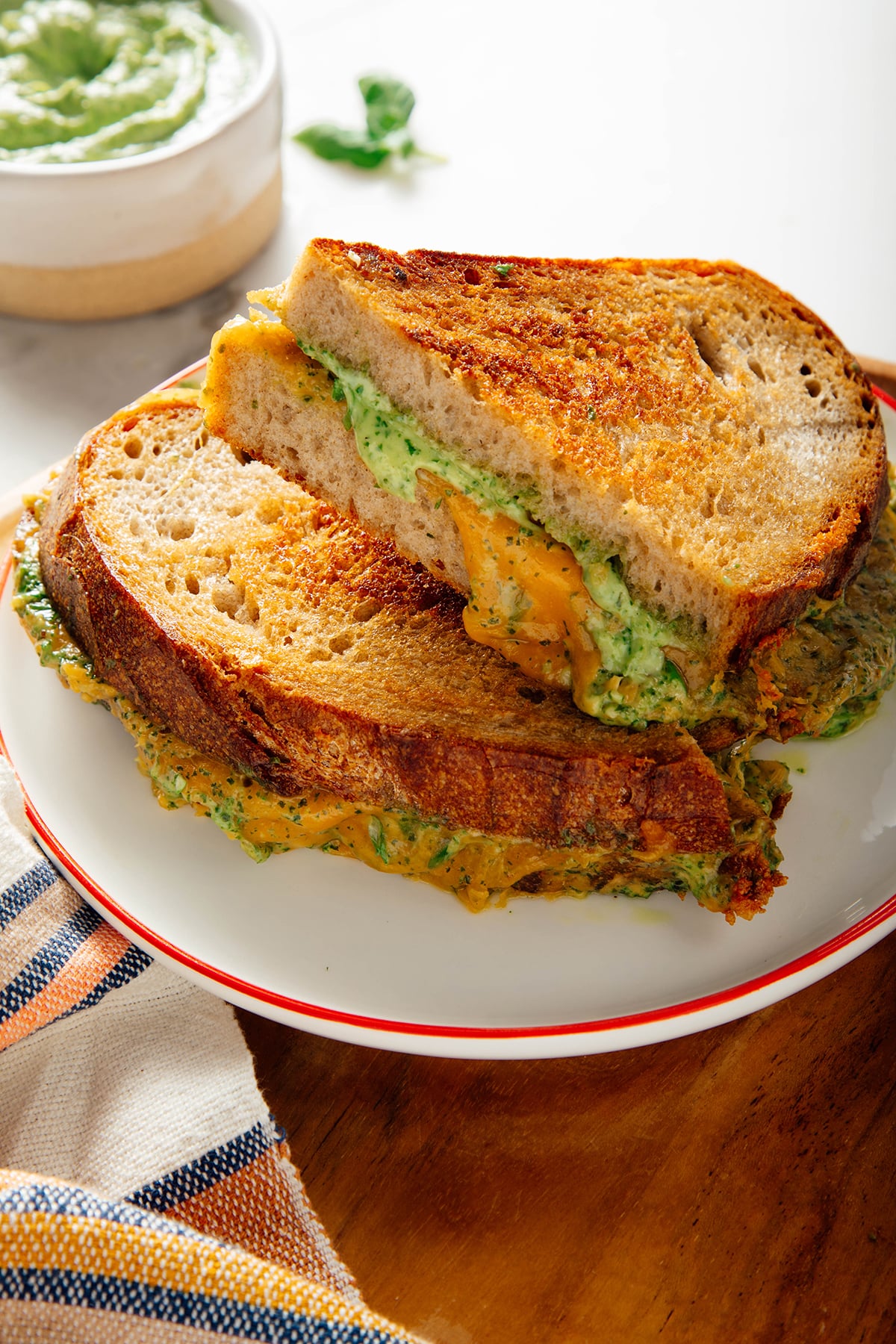
While initially highlighted as a superlative enhancement for sandwiches and snacks, the creamy basil sauce demonstrates remarkable versatility, extending its utility across a wide spectrum of culinary applications. Its bright, herbaceous, and tangy profile makes it an ideal companion for a variety of dishes, particularly those featuring other quintessential summertime produce.
Culinary experts and food trend analysts suggest that the sauce’s adaptable nature positions it as a "flavor chameleon" in the kitchen. Dr. Eleanor Vance, a prominent food scientist specializing in condiment development, remarked in a recent industry brief, "This creamy basil sauce is a testament to the power of simple ingredients. Its balanced acidity and freshness allow it to complement, rather than overpower, a vast array of dishes, making it incredibly appealing to both home cooks and professional chefs looking for versatile flavor enhancers."
Beyond its obvious role in elevating a simple grilled cheese or a deli sandwich, the sauce pairs exceptionally well with grilled or roasted vegetables. Imagine a drizzle over sautéed zucchini, a common summer garden yield, or alongside charred corn on the cob. Its creamy texture provides a luxurious counterpoint to the smoky notes of grilled bell peppers or asparagus. It can also be incorporated as a vibrant dressing for summer salads, adding a fresh dimension to mixed greens, cherry tomatoes, and cucumber. For those seeking a more robust application, it serves as an excellent topping for baked potatoes or sweet potato fries, offering a fresh alternative to sour cream or ketchup.
Furthermore, the sauce’s compatibility extends to protein-based dishes. It can be smeared onto grilled chicken or fish, providing a burst of Mediterranean-inspired flavor. As a dip, it shines alongside crudités, offering a more sophisticated option than conventional ranch or hummus. When considering flavor enhancements, a touch of thick balsamic vinegar or a rich balsamic glaze can introduce an additional layer of complexity, marrying the herbaceous notes of basil with a sweet and tangy acidity, creating a truly gourmet experience. This adaptability underscores its potential to become a true "go-to" flavor booster, inspiring creative culinary exploration throughout the summer months and beyond. The ability to transform everyday ingredients into elevated dining experiences with minimal effort is a significant factor in its growing appeal.
A Health-Conscious Choice? Nutritional Profile and Dietary Trends
In an era increasingly focused on health and wellness, the nutritional profile and dietary implications of food items are under constant scrutiny. While the creamy basil sauce is celebrated for its fresh flavor and versatility, a brief examination of its components reveals how it aligns with, or diverges from, contemporary health trends.
Basil itself is a nutritional powerhouse. As previously noted, it is rich in Vitamin K, crucial for blood clotting and bone health, and a good source of Vitamin A (in the form of beta-carotene), essential for vision and immune function. It also contains Vitamin C, an antioxidant, and various other beneficial compounds that contribute to its anti-inflammatory and antioxidant properties. Incorporating fresh herbs like basil into the diet is generally encouraged by nutritionists for their high nutrient density and low caloric impact.
The primary ingredient that raises nutritional questions is mayonnaise. Traditional mayonnaise, typically made with egg yolks, vinegar, and vegetable oil (often soybean or canola), can be high in saturated fats and calories. However, the food industry has responded to consumer demand for healthier options. The article’s mention of "health-conscious options made with avocado oil" highlights this trend. Avocado oil mayonnaise, for instance, replaces less desirable oils with avocado oil, which is rich in monounsaturated fats—often referred to as "healthy fats" known for their potential to support heart health. This shift allows consumers to enjoy the creamy texture and binding properties of mayonnaise while mitigating some of the traditional health concerns.
The overall impact on dietary trends is positive, particularly for those seeking to incorporate more fresh, unprocessed ingredients into their meals. The sauce encourages the use of fresh herbs, which aligns with the "clean eating" movement that prioritizes whole, natural foods. For individuals conscious of their fat intake, using a smaller portion or opting for a lighter, homemade mayonnaise base could further enhance the sauce’s health credentials. Moreover, making condiments at home provides greater control over ingredients, allowing individuals to avoid artificial preservatives, excessive sodium, or unwanted additives often found in commercially produced sauces. This aligns with the broader consumer preference for transparency and control over their food choices.
Implications for the Food Industry and Retail Market
The rising popularity and versatile applications of the creamy basil sauce carry significant implications for the broader food industry and retail market. As consumers increasingly gravitate towards fresh, flavorful, and easy-to-prepare options, this sauce could influence product development, marketing strategies, and even agricultural supply chains.
From a product development standpoint, the success of this homemade sauce could inspire commercial food manufacturers to explore similar fresh, herb-based, mayonnaise-alternative condiments. Market research consistently shows a growing demand for gourmet, ready-to-use sauces that offer unique flavor profiles beyond traditional options. A commercially produced creamy basil sauce, if executed well, could tap into this burgeoning market, offering convenience to consumers who lack the time or inclination to prepare it from scratch. This could lead to new product lines, potentially featuring organic or locally sourced ingredients to appeal to health-conscious and environmentally aware consumers.
Furthermore, the emphasis on fresh basil could bolster demand for basil cultivation. If the sauce gains widespread adoption, local farmers and large-scale agricultural operations might see increased opportunities for basil production. This could have a positive impact on agricultural economies, particularly in regions conducive to basil growth. "We’ve observed a sustained increase in demand for fresh herbs over the last decade, driven by culinary trends emphasizing fresh flavors and plant-forward diets," stated a representative from the National Farmers’ Alliance. "A popular recipe like this creamy basil sauce could further stimulate that demand, benefiting growers across the country."
Retailers, particularly grocery stores and specialty food shops, could capitalize on this trend by featuring fresh basil prominently during peak season, alongside complementary ingredients like quality mayonnaise and garlic. They might also curate recipe displays or in-store demonstrations highlighting the sauce’s versatility. The potential for cross-promotion with other summer produce, such as tomatoes, zucchini, and corn, offers additional marketing avenues. The sauce’s appeal to diverse culinary uses, from casual snacks to more refined meal accompaniments, suggests a broad market demographic. This indicates a robust potential for sustained consumer interest, making it a valuable addition to both home kitchens and the broader culinary landscape.
The Future of Fresh Flavors: A Summer Staple in the Making
The emergence of the creamy basil sauce signifies more than just a new recipe; it represents a convergence of contemporary culinary preferences, seasonal ingredient utilization, and a desire for accessible gourmet flavors. Its ease of preparation, combined with its vibrant taste and extensive versatility, positions it as a strong contender for becoming a definitive summertime staple in kitchens across the nation.
This sauce capitalizes on the abundant availability of fresh basil during warmer months, offering an innovative and delicious alternative to classic basil preparations like pesto. By providing a simple yet impactful method to harness the essence of this aromatic herb, it empowers home cooks to elevate their everyday meals with minimal effort and maximum flavor. The movement towards fresh, homemade condiments aligns with broader trends in food consumption, emphasizing natural ingredients, controlled preparation, and a connection to the source of food.

As consumers continue to seek fresh, wholesome, and versatile additions to their culinary repertoire, the creamy basil sauce stands out as a prime example of how simple ingredients can yield extraordinary results. Its ability to transform everything from a basic sandwich to a sophisticated grilled entrée underscores its potential to become a cherished and frequently revisited "flavor booster." The enthusiasm surrounding this sauce suggests a lasting impact, cementing its place as an indispensable element in the lexicon of summer cooking and inspiring further exploration into the boundless possibilities of fresh, herb-infused condiments. The trajectory of this creamy basil sauce points towards a future where vibrant, natural flavors take center stage, enriching dining experiences one spoonful at a time.
