


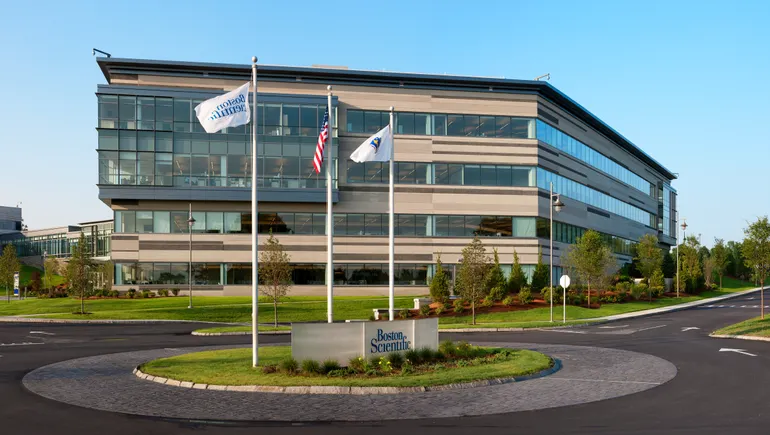
Boston Scientific has successfully restored its global manufacturing, order fulfillment, and shipping operations following a significant cybersecurity incident that paralyzed the company’s infrastructure for several weeks. In a formal statement released on Wednesday, the Marlborough, Massachusetts-based medical device giant confirmed that its distribution network is currently operating at or above normal capacity as it aggressively works to clear a substantial backlog of orders that accumulated during the disruption. The recovery marks a critical turning point for the company, which had been forced to take its primary systems offline in late August to contain a digital intrusion.
The restoration of services comes at a precarious time for the multinational corporation. CEO Mike Mahoney, speaking at the Wells Fargo Healthcare Conference on Thursday, provided a candid assessment of the damage, noting that the shutdown of plants and distribution centers likely resulted in lost market share as hospitals and healthcare providers were forced to seek alternative suppliers for critical medical components. While the technical recovery is largely complete, the financial repercussions are expected to linger, casting a shadow over the company’s performance for the remainder of the 2026 fiscal year.
A Chronology of the Disruption
The crisis began on August 25, 2026, when Boston Scientific’s internal monitoring systems identified unauthorized activity within its network. Following established security protocols, the company immediately initiated containment procedures, which involved taking several key systems offline. This proactive "scorched earth" approach to containment successfully prevented the spread of the threat but effectively shuttered the company’s global operations overnight.
For nearly three weeks, the company’s ability to process new orders, manufacture specialized medical devices, and ship existing inventory was severely compromised. On Wednesday, the company clarified that it has been working alongside CrowdStrike and other third-party cybersecurity experts to conduct a forensic investigation. As of mid-September, the investigation has found no evidence of ongoing threat activity or any indication that the company’s medical products or customer data were compromised.
Despite the successful containment, the operational vacuum created a ripple effect throughout the healthcare supply chain. Because Boston Scientific provides essential tools for cardiology, endoscopy, and urology, the inability to ship products meant that some elective and semi-elective procedures had to be postponed or redirected to competitors.
CEO Mike Mahoney Addresses the Investor Community
During his appearance at the Wells Fargo Healthcare Conference, CEO Mike Mahoney offered more granular detail regarding the extent of the shutdown. He confirmed that the impact was truly global, affecting every manufacturing plant and distribution hub in the company’s network. Mahoney acknowledged the difficult position this placed on healthcare providers, stating that while some regions had adequate local inventory to weather the first few days of the outage, many did not.
"Hospitals were unsure—as we were at the time—how long the disruption would last," Mahoney told investors. "In that environment of uncertainty, it is entirely understandable that some hospitals placed orders with our competitors to ensure they could continue providing patient care. Our priority now is to regain that trust and demonstrate that our supply chain is back to full strength."
One of the most pressing questions facing the company is the "recapture rate"—the percentage of lost orders that can be recovered now that operations have resumed. Mahoney noted that while some procedures were merely delayed and will eventually be performed using Boston Scientific products, others were lost entirely to rival firms. The company is currently analyzing data to determine the exact dollar amount of the lost business, a figure that Mahoney admitted is currently "hard to pinpoint."
Financial Guidance and Market Reactions
The cybersecurity incident has forced Boston Scientific to admit that it will likely miss its previously issued third-quarter and full-year sales and earnings guidance. This announcement has been a significant blow to investor confidence, particularly given that the company had already lowered its financial outlook twice earlier in 2026 due to unrelated operational struggles within its key business units.
In a research note, analysts at Stifel expressed a somber view of the company’s current trajectory, suggesting that many in the investment community now view 2026 as a "lost year" for Boston Scientific. The combination of stagnant growth in certain sectors and the massive cost of the cyberattack—including forensic fees, lost sales, and the expenses associated with accelerated shipping to clear backlogs—has created a difficult path forward.
Boston Scientific has indicated that it will provide a comprehensive update on the financial impact of the attack during its next quarterly earnings call, scheduled for October 28, 2026. Analysts expect the company to report significant one-time charges related to the breach, as well as a downward revision of organic growth targets.

The Rising Tide of Cyberattacks in the MedTech Sector
The incident at Boston Scientific is not an isolated event but rather part of a troubling trend of sophisticated cyberattacks targeting the healthcare and medical technology industries in 2026. Earlier this year, several other high-profile medical device firms and healthcare conglomerates reported similar breaches, highlighting the vulnerability of the global medical supply chain.
Industry experts point to the high value of healthcare data and the critical nature of medical manufacturing as primary reasons why these companies are targeted. For a medical device maker, downtime doesn’t just mean lost revenue; it means a direct impact on patient outcomes. Ransomware groups and other bad actors often leverage this urgency to demand exorbitant payments.
In response to the increasing frequency of these attacks, the Food and Drug Administration (FDA) has recently been granted expanded authorities to oversee the cybersecurity of medical devices. While these regulations primarily focus on the security of the devices themselves (to prevent hacking of pacemakers or insulin pumps), there is growing pressure for the agency to implement more rigorous standards for the operational resilience of the companies that manufacture these life-saving tools.
Operational Recovery and Future Resilience
To mitigate the impact on patients and providers, Boston Scientific is currently prioritizing the distribution of its most critical products. The company stated that it is working to fulfill orders "as quickly as possible," including those that were pending prior to the August 25 incident.
The recovery process has involved a massive logistical undertaking. By operating distribution centers at above-normal levels, the company is attempting to compress several weeks of shipping into a matter of days. However, the company cautioned that some customers may still experience "temporary delays" as the system recalibrates.
The partnership with CrowdStrike has been central to the company’s recovery strategy. By deploying advanced endpoint detection and response (EDR) tools across its entire network, Boston Scientific aims to create a "hardened" environment that is more resistant to future intrusion attempts. The company has also signaled that it will be investing more heavily in decentralized IT infrastructure to ensure that a breach in one region or department cannot trigger a total global shutdown in the future.

Implications for the Healthcare Industry
The Boston Scientific breach serves as a case study in the fragility of the "just-in-time" inventory model used by many modern hospitals. When a major supplier goes offline, the lack of significant on-site inventory means that clinical operations are impacted almost immediately.
For the broader MedTech industry, the fallout from this event is likely to lead to a shift in how vendor contracts are structured. Hospitals may begin to demand more robust "business continuity" guarantees and could seek to diversify their supplier base to avoid being overly reliant on a single manufacturer.
Furthermore, the competitive landscape of the medical device market may shift slightly in the wake of the breach. Competitors who were able to step in and fill the void left by Boston Scientific over the past three weeks now have an opportunity to secure long-term contracts with those accounts. Boston Scientific’s sales force faces a grueling fourth quarter as they attempt to defend their market share and reassure nervous hospital administrators.
Looking Ahead to the October Earnings Call
As the medical community and the financial markets look toward the October 28 earnings call, the focus will be on three key metrics: the total cost of the remediation effort, the estimated revenue lost to competitors, and the updated guidance for 2027.
The company’s ability to bounce back will depend largely on the strength of its product pipeline and whether it can convince the market that the "lost year" of 2026 was a result of extraordinary circumstances rather than systemic management failures. While the restoration of operations is a necessary first step, the road to full recovery—both financial and reputational—will likely be a long one.
Boston Scientific remains a titan of the industry, but the August 25 cyberattack has exposed vulnerabilities that will require years of investment and strategic pivoting to fully address. For now, the company remains focused on the immediate task at hand: delivering its products to the patients and doctors who depend on them, and closing the book on one of the most challenging chapters in its corporate history.
