

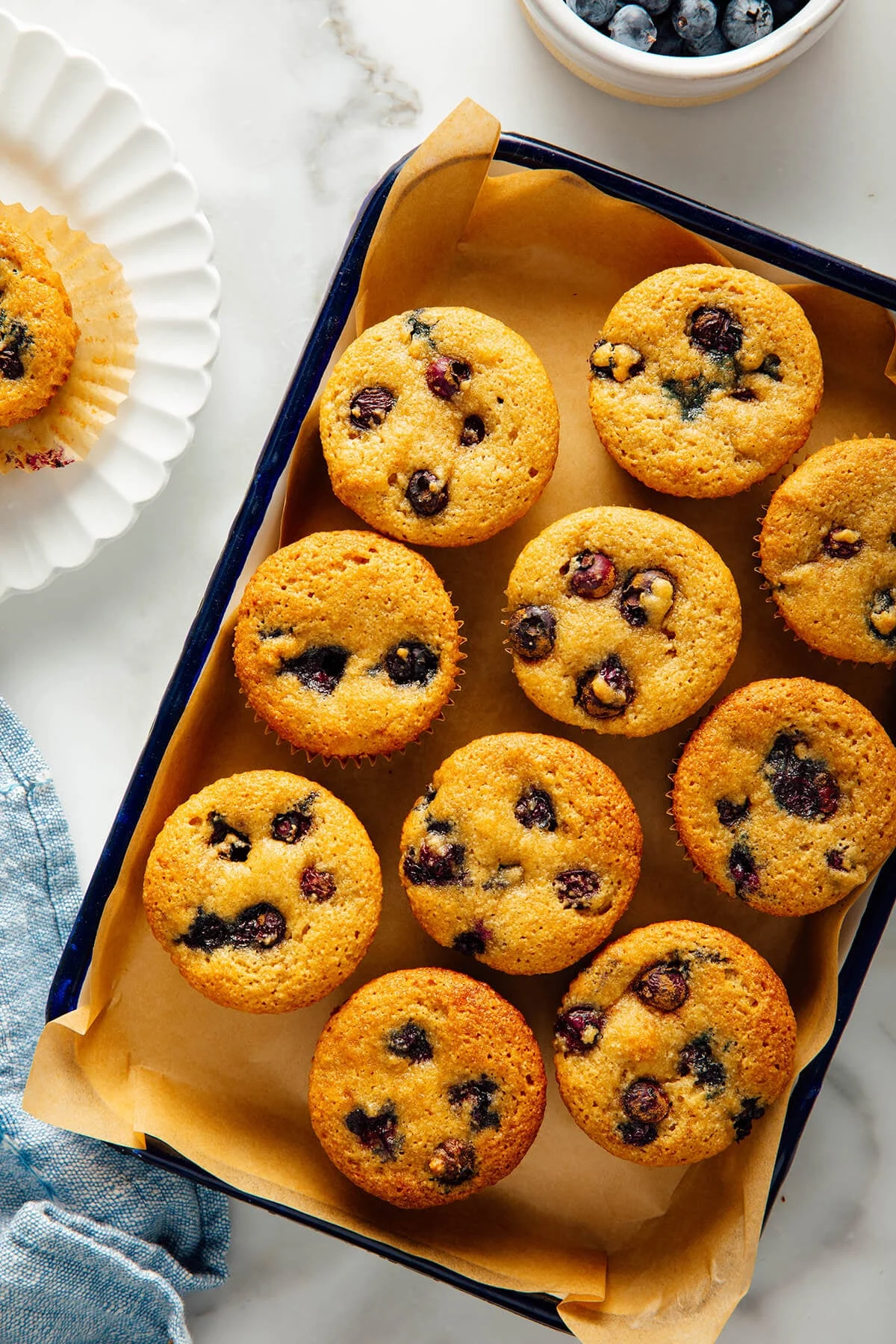
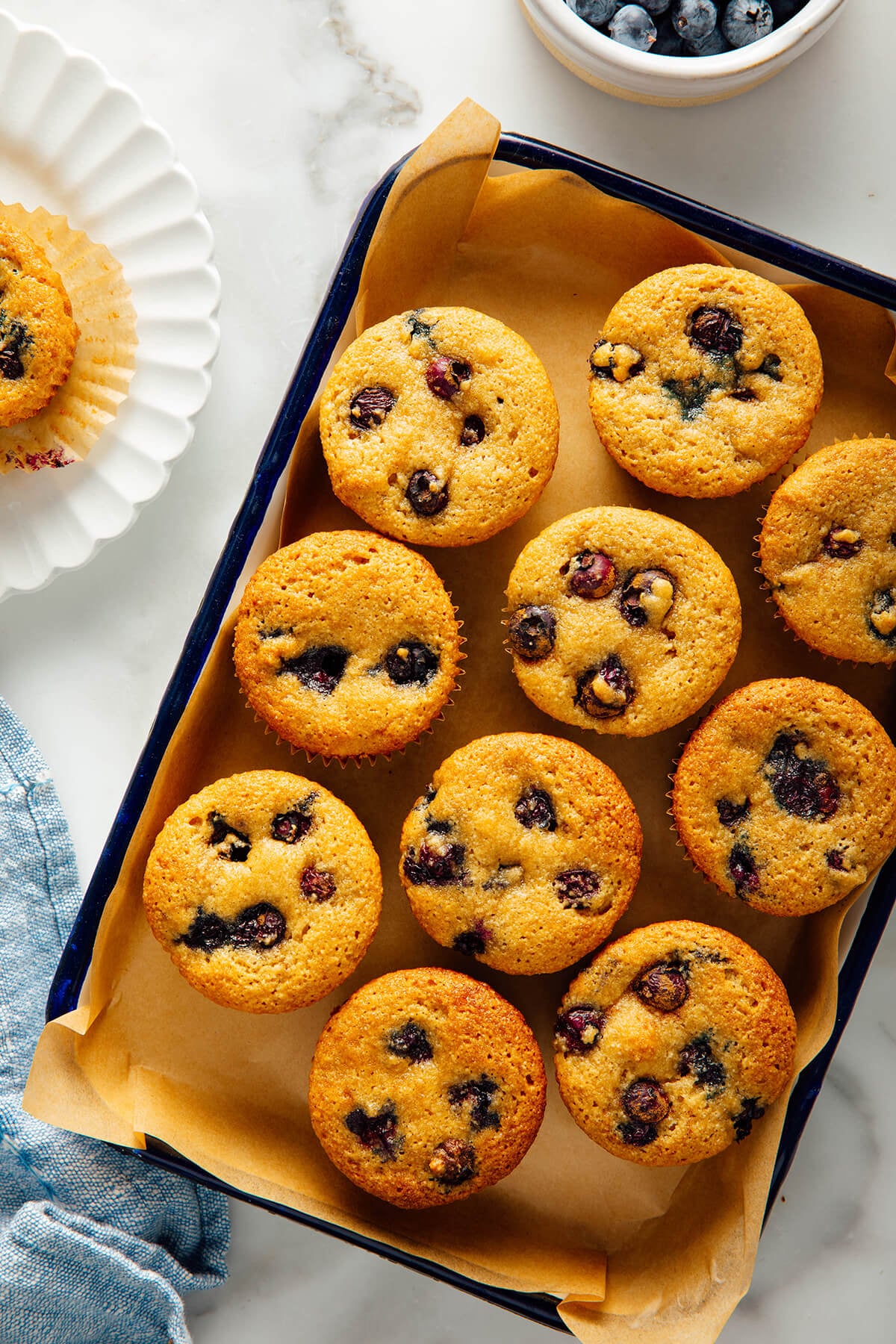
The culinary world is abuzz with the introduction of a new gluten-free blueberry muffin recipe that promises to revolutionize home baking for individuals seeking wholesome yet indulgent treats. Developed through rigorous testing and innovative ingredient applications, these muffins, crafted primarily with almond flour, offer a golden exterior, a remarkably fluffy interior, and pockets of jammy blueberries, challenging conventional expectations for gluten-free baked goods. This development marks a significant stride in making nutritious and delicious options accessible to a broader audience without compromising on taste or texture.
The Evolution of Gluten-Free Baking: A Persistent Challenge
For years, gluten-free baking has presented a formidable challenge to both professional chefs and home cooks. The absence of gluten, the protein network found in wheat that provides structure and elasticity, often results in baked goods that are dense, crumbly, or possess an undesirable texture. Early gluten-free alternatives frequently relied on a complex blend of starches and gums, such as xanthan gum, to mimic gluten’s properties. While these blends offered a solution, they often lacked nutritional value and could impart an artificial taste.
The shift towards single-ingredient, naturally gluten-free flours, such as almond flour, represents a maturation in the gluten-free market. However, transitioning traditional wheat-based recipes to alternative flours like almond flour is far from straightforward. Almond flour, being less absorbent than wheat flour and naturally containing a higher fat content, necessitates a complete re-evaluation of liquid and fat ratios. This intricate balancing act often demands extensive experimentation. The creator of this particular recipe reportedly undertook over ten distinct iterations to perfect the muffin’s texture, a testament to the dedication required to achieve a product that rivals its gluten-containing counterparts. This meticulous development process underscores the scientific and artistic endeavor inherent in modern recipe innovation, especially within specialized dietary categories.
Almond Flour: A Nutritional and Culinary Game Changer
The growing preference for almond flour in baking is not merely a trend but is underpinned by several compelling advantages, particularly for health-conscious consumers and those managing dietary restrictions. Unlike many gluten-free all-purpose blends that are heavily reliant on starches offering minimal nutritional benefit, almond flour is simply finely ground almonds. This inherent simplicity translates into a wealth of nutritional advantages.
Firstly, almond flour boasts a significantly lower carbohydrate content compared to traditional wheat flour, making it an attractive option for individuals monitoring their carbohydrate intake, such as those following ketogenic or low-glycemic diets. It is also rich in healthy fats, protein, and dietary fiber, contributing to a more satiating and nutrient-dense baked good. A typical serving of almond flour can provide a substantial amount of Vitamin E, magnesium, and other essential minerals, enhancing the overall nutritional profile of the final product. According to recent market analysis from industry research firms, the global almond flour market is projected to grow at a Compound Annual Growth Rate (CAGR) of approximately 8-10% over the next five years, reflecting increasing consumer awareness of its health benefits and versatility.
Secondly, from a culinary perspective, almond flour imparts distinct and desirable characteristics to baked goods. It consistently yields products that are wonderfully golden in color, tender in crumb, and remarkably moist. Anecdotal evidence from chefs and bakers suggests that almond flour does not dull other flavors, allowing ingredients like blueberries and lemon to shine through more brightly. This characteristic also often permits a reduction in added sweeteners, as the natural sweetness and nutty undertones of almond flour contribute to the overall flavor profile. This aligns with broader consumer trends favoring reduced sugar intake and more natural ingredients.
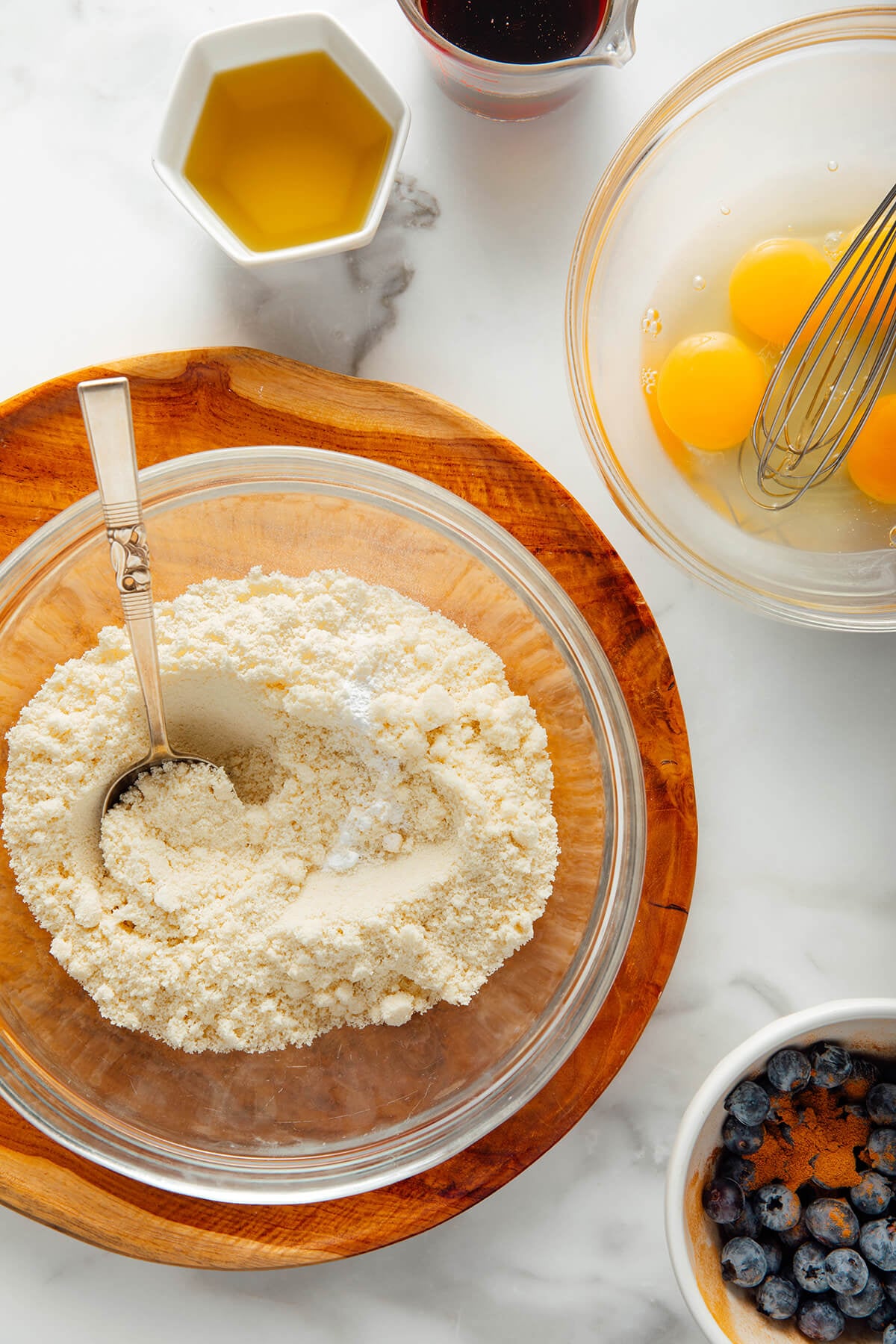
Finally, the ease of use of almond flour is a significant draw for home bakers. Unlike wheat flour, which can develop tough textures if overmixed due to gluten development, almond flour is forgiving. Its lack of gluten means that vigorous stirring will not negatively impact the final texture, making it an ideal ingredient for less experienced bakers or for involving children in the baking process. This accessibility expands the demographic of home bakers who can confidently produce high-quality gluten-free treats.
Ingredient Innovation and Scientific Precision
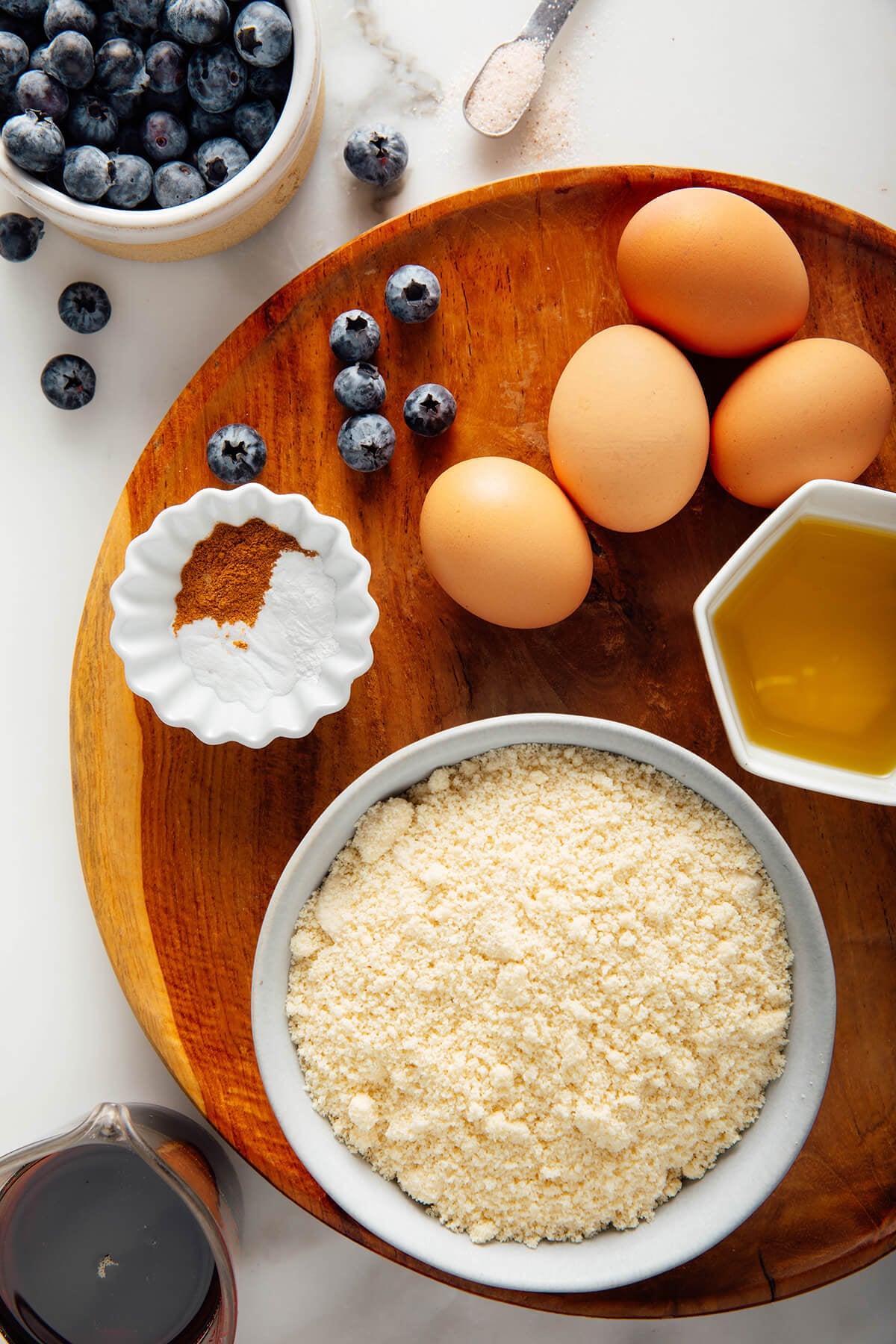
The success of these almond flour blueberry muffins hinges on several carefully considered ingredient choices and innovative techniques. The selection of specific brands of fine blanched almond flour, such as Bob’s Red Mill or Whole Foods 365 365, is crucial. Variations in grind and blanching processes between brands can significantly impact the final product’s texture and moisture absorption, necessitating consistency for reliable results. Precise measurement, using the "spooned and leveled" method rather than scooping, is also emphasized to prevent over-densification.
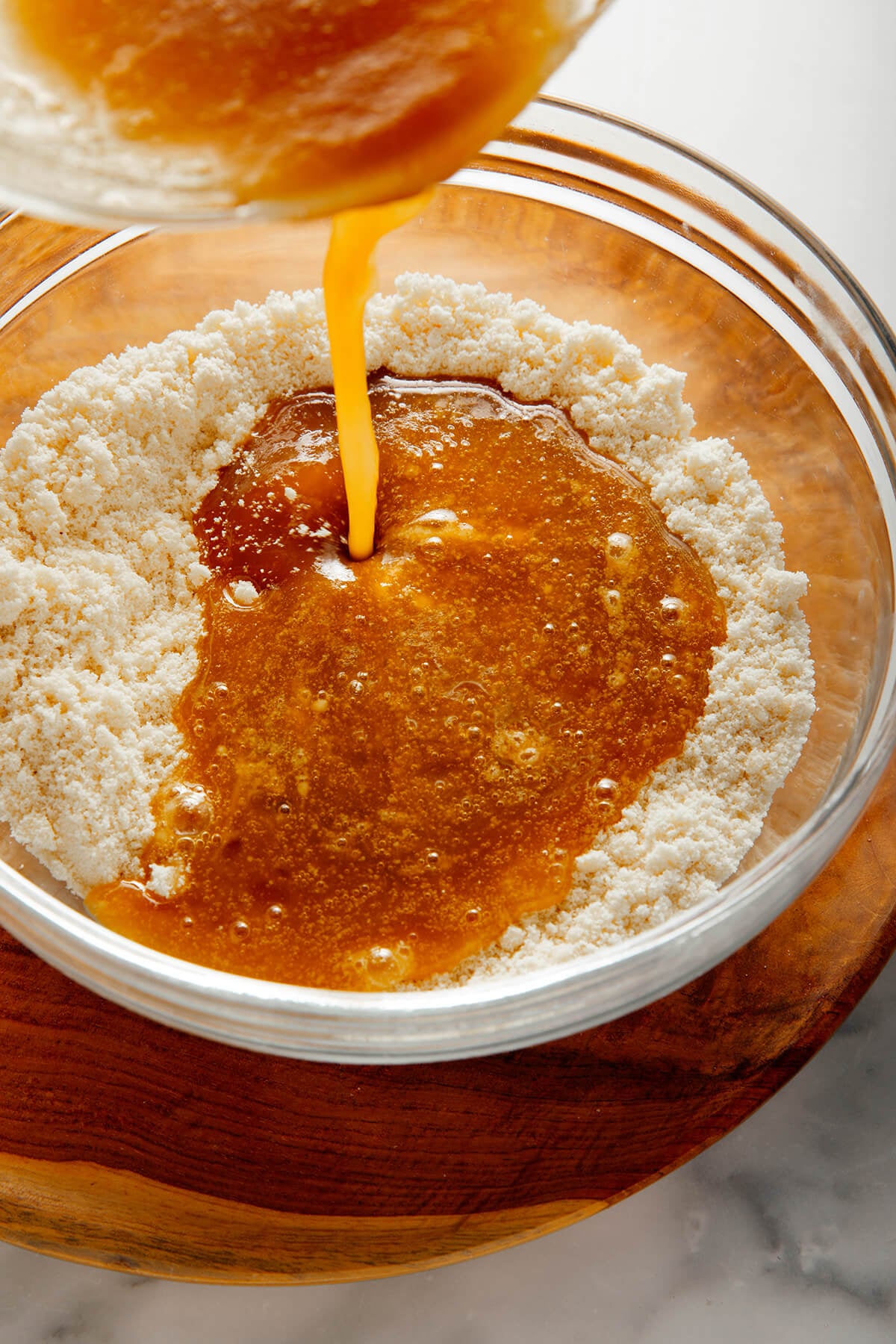
The choice of natural sweeteners, maple syrup or honey, reflects a commitment to wholesome ingredients. While maple syrup offers a more subtle flavor, allowing other elements to dominate, honey provides a more pronounced sweetness and distinct taste profile. Both options align with consumer preferences for naturally derived sugars over refined alternatives. Similarly, the recommendation of mild extra-virgin olive oil, such as California Olive Ranch, as an alternative to butter, highlights the flexibility for dietary preferences while maintaining a neutral flavor profile. The fat content, whether from olive oil or butter, is integral to the muffin’s tender crumb, especially in the absence of gluten.
A critical, often overlooked, ingredient is lemon juice. Beyond simply adding a bright flavor that complements the blueberries, lemon juice plays a vital chemical role. Its acidity counteracts the alkalinity of baking soda, preventing an unappetizing greenish discoloration around the blueberries during baking. This attention to detail underscores the scientific understanding applied in modern recipe development to ensure both aesthetic appeal and optimal flavor.
Furthermore, the recipe’s requirement for four eggs, a higher quantity than many traditional muffin recipes, is a deliberate structural necessity in gluten-free baking. Eggs provide essential binding and leavening properties that are typically supplied by gluten, ensuring the muffins maintain their shape and achieve a fluffy consistency without tasting overtly eggy.
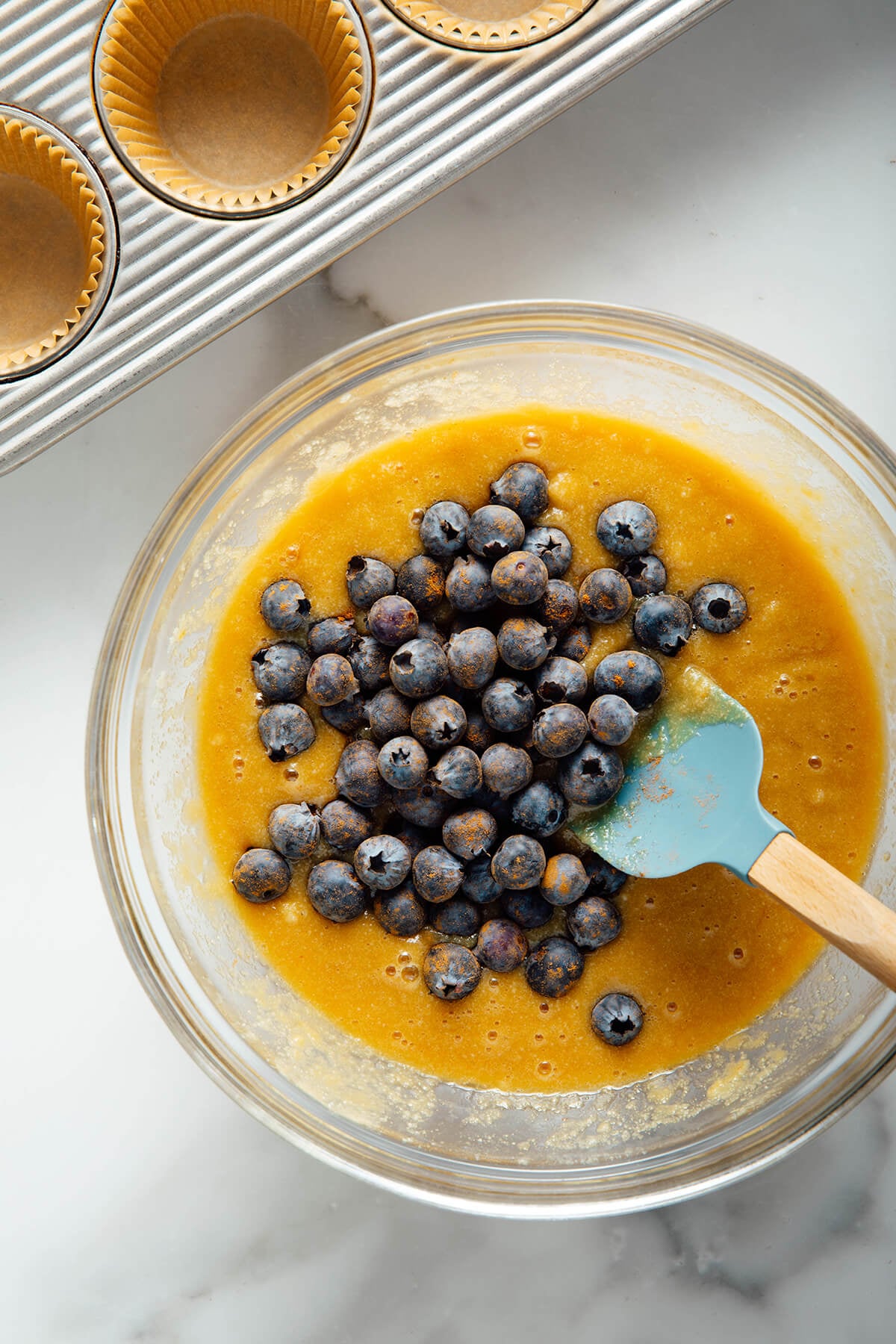
Perhaps the most ingenious innovation lies in the method for preventing blueberries from sinking to the bottom of the muffins. A common frustration for bakers, this issue often results in soggy bases and uneven berry distribution. While tossing berries in flour is a conventional approach, it proved ineffective in this almond flour-based recipe. The breakthrough came with tossing the blueberries in ground cinnamon. This simple yet effective technique not only ensures even distribution of the berries throughout the batter but also adds a warm, aromatic spice that enhances the overall flavor profile. This clever solution illustrates how persistent problem-solving can lead to elegant and flavorful advancements in baking.
The recipe also accommodates both fresh and frozen blueberries, providing practical flexibility for home cooks. While fresh berries are noted to yield the best results, frozen berries (used directly from the freezer without defrosting) also produce excellent muffins, albeit with a slight tinting of the batter and potentially a few extra minutes of baking time. This adaptability makes the recipe viable year-round, regardless of seasonal availability.
Broader Impact and Implications for the Culinary Landscape

The successful development and popularization of recipes like these almond flour blueberry muffins have significant implications for the broader culinary landscape. They empower individuals with celiac disease, gluten sensitivities, or those simply choosing a gluten-free lifestyle, by expanding their options beyond processed alternatives. This recipe demonstrates that gluten-free does not equate to flavorless or texturally inferior, but can, in fact, offer a superior and more nutritious product.
This trend is consistent with a wider movement towards "clean eating" and "whole foods" that emphasizes natural, minimally processed ingredients. Consumers are increasingly scrutinizing ingredient lists and seeking transparent, wholesome options. Recipes that leverage single-ingredient flours like almond flour directly address this demand, providing baked goods that are not only free from common allergens but also nutritionally robust.
Moreover, the emphasis on rigorous testing and precise ingredient ratios, as evidenced by the "ten tries" to perfect this muffin, sets a higher standard for recipe development within the online food community. It highlights the value of culinary expertise and scientific understanding in transforming theoretical dietary needs into practical, delicious solutions for everyday meals and treats. Food bloggers and recipe developers, like the creator of these muffins, play an increasingly vital role in disseminating these innovations, making sophisticated baking techniques and wholesome recipes accessible to millions of home cooks.
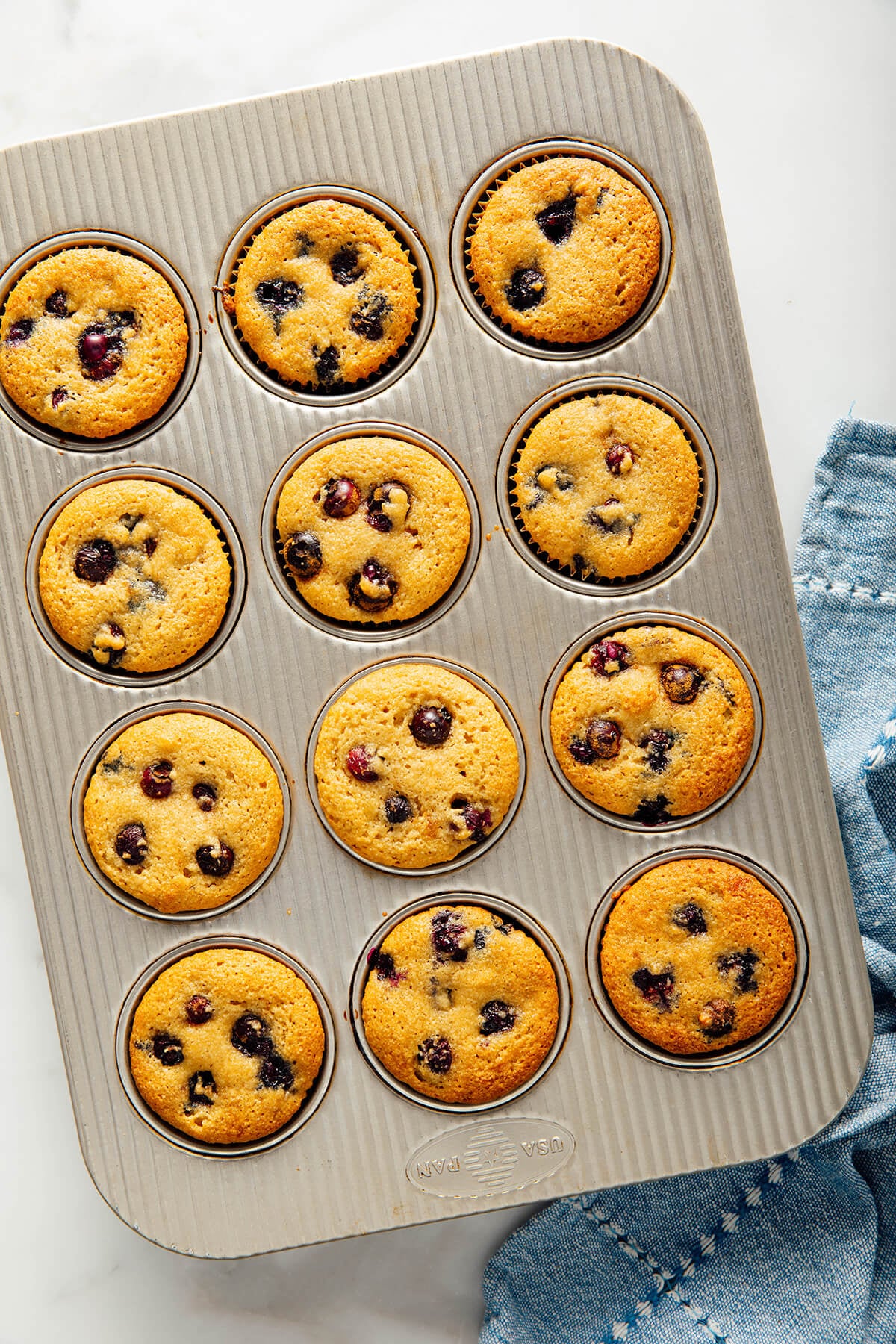
In conclusion, the emergence of a truly exceptional almond flour blueberry muffin recipe, free from gluten, starches, and gums, represents more than just another baked good. It signifies a culinary breakthrough, showcasing how meticulous development, an understanding of ingredient science, and a commitment to wholesome nutrition can yield products that delight the palate while catering to evolving dietary needs. As the demand for healthy, delicious, and inclusive food options continues to grow, innovations like these muffins will undoubtedly shape the future of home baking and the broader food industry. The dedication to achieving a "golden on the outside, fluffy on the inside, and punctuated by jammy blueberries" experience, while simultaneously being "quite wholesome but still tastes like a treat," is a testament to the ongoing evolution of mindful and delectable cuisine.
