

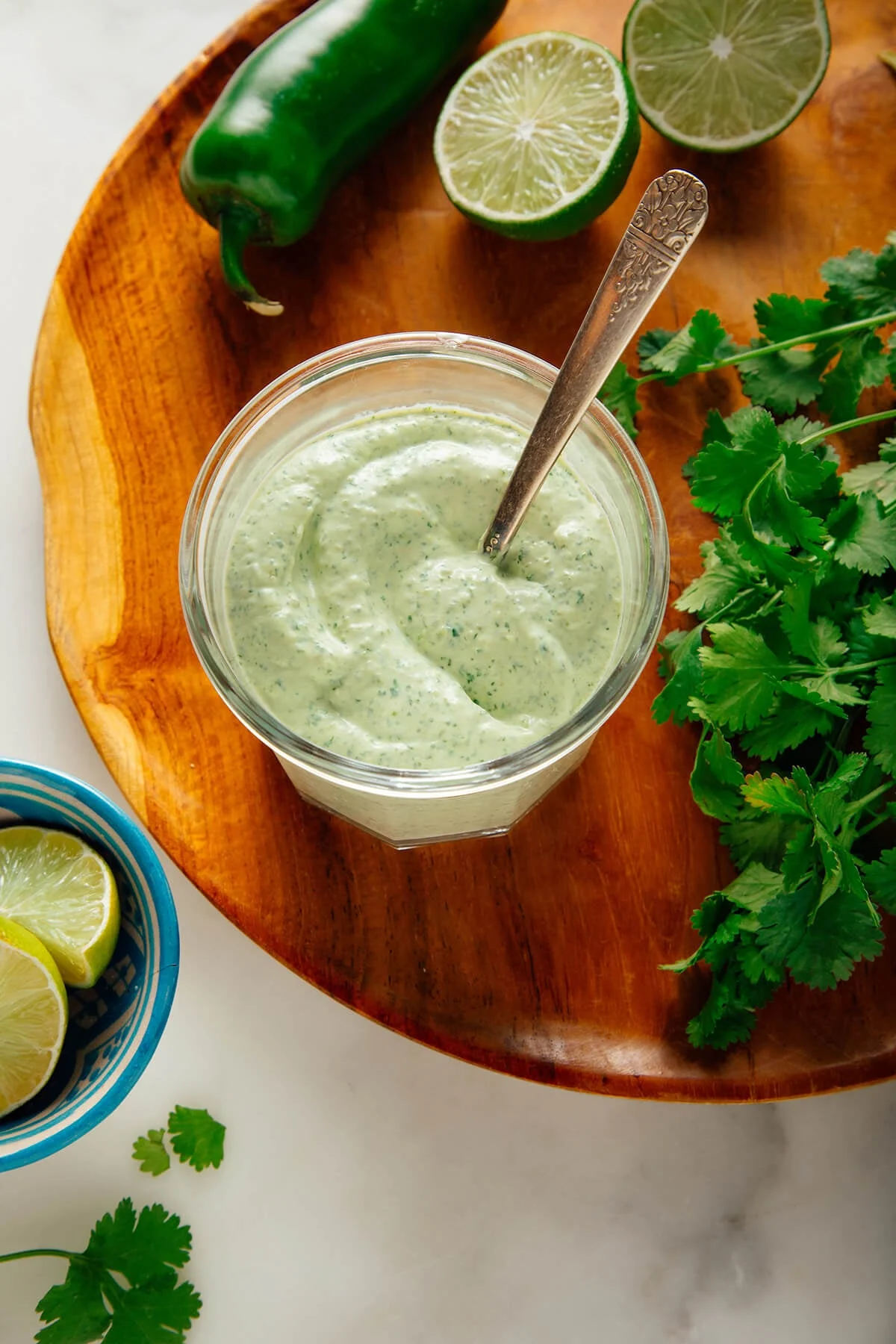
The introduction of Chipotle’s cilantro lime sauce has not only captivated the palates of fast-casual diners but has also ignited a significant movement within the home cooking community, inspiring enthusiasts to meticulously reverse-engineer and perfect their own versions. This creamy, vibrant, and subtly spicy condiment has swiftly transitioned from a mere menu addition to a culinary benchmark, emblematic of the broader shifts in consumer preferences towards fresh, customizable, and flavor-forward dining experiences. Its rapid ascent in popularity underscores a pivotal moment where restaurant innovation directly influences and empowers a robust culture of domestic culinary creativity.
The sauce, characterized by its distinctive blend of fresh cilantro, zesty lime, robust Mexican spices—primarily cumin—creamy sour cream, and the nuanced heat of roasted jalapeños, offers a complex profile that elevates standard burrito bowls and tacos into gourmet experiences. This unique flavor combination has become a significant draw, prompting a wave of dedicated food bloggers and home chefs to deconstruct its components, aiming to replicate its elusive balance of freshness, creaminess, and piquant undertones. The pursuit of this particular recipe highlights a burgeoning trend where consumers, increasingly discerning about their food choices and eager for culinary adventures, are turning their kitchens into experimental labs, bridging the gap between professional gastronomy and everyday meals.
The Rise of Fast-Casual and Flavor Innovation
Chipotle Mexican Grill has long been at the forefront of the fast-casual dining revolution, a segment that emerged to offer a compelling alternative to traditional fast food by emphasizing higher-quality ingredients, transparent sourcing, and customizable meal options. Since its inception in 1993, Chipotle’s business model has resonated with a growing demographic of consumers who prioritize both speed and freshness, willing to pay a premium for food perceived as healthier and more ethically produced. The introduction of the cilantro lime sauce fits seamlessly into this philosophy, aligning with the brand’s commitment to bold, authentic flavors derived from fresh components.
While the exact timeline of the sauce’s widespread adoption is tied to its gradual rollout and increasing visibility on Chipotle’s menu boards and digital platforms, its impact on consumer ordering habits has been palpable. Data from internal restaurant analytics and third-party food delivery platforms indicate a steady increase in requests for the cilantro lime sauce, often as a preferred alternative to plain sour cream or other traditional toppings. This trend suggests a strategic success for Chipotle, which continually seeks to innovate its menu to maintain its competitive edge in a crowded market. Industry reports from firms like Technomic and NPD Group consistently highlight the growing demand for distinctive sauces and condiments as key drivers of customer satisfaction and repeat visits in the fast-casual sector. For instance, a 2023 Technomic report indicated that 65% of consumers view unique sauces as a significant factor in their dining choices, a 10% increase over the past five years.
The Craft of Reverse-Engineering: A Culinary Detective Story
The process of reverse-engineering a popular restaurant recipe is a testament to the dedication of the modern home cook. Unlike traditional recipe development, which often starts with a concept, reverse-engineering begins with a finished product and works backward, dissecting its flavor profile, texture, and visual cues. For the cilantro lime sauce, this endeavor typically involves a meticulous examination of ingredient lists provided by the restaurant, often available on their websites or packaging due to regulatory requirements and consumer demand for transparency.
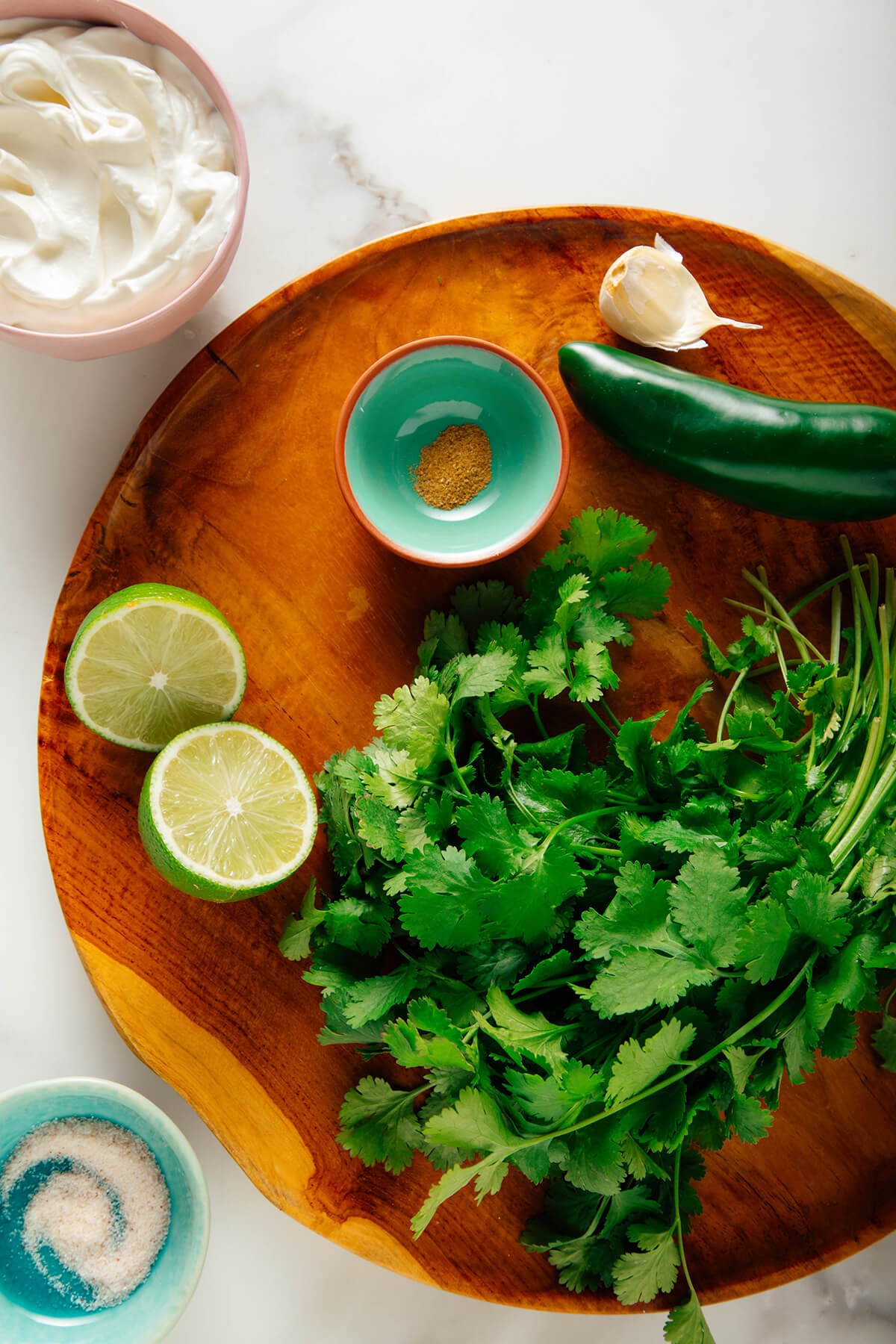
The public ingredient list for Chipotle’s sauce, for example, typically includes cilantro, lime juice, sour cream, jalapeños, and a blend of spices. However, the true challenge lies not just in identifying the ingredients but in discerning their precise proportions and preparation methods. This is where empirical testing, often involving side-by-side taste comparisons with the original sauce, becomes crucial. Early attempts by home chefs might yield results that are close but lack the exact depth or balance. Through iterative adjustments—tweaking the ratio of lime to cilantro, experimenting with different types of cumin or other "Mexican spices," and critically, perfecting the jalapeño preparation—the replicas gradually converge with the original.
Many culinary experts, such as food scientist Dr. Anya Sharma from the Culinary Institute of America, observe that "the success of reverse-engineering often hinges on understanding the subtle processing techniques. For Chipotle’s sauce, the decision to roast or char the jalapeños, rather than using them raw, is a game-changer for flavor complexity and mouthfeel. It transforms the raw heat into a smoky, mellow warmth." This observation underscores the importance of not just ingredient identification but also culinary technique in achieving authentic replication.
The Nuance of Charred vs. Fresh Jalapeños
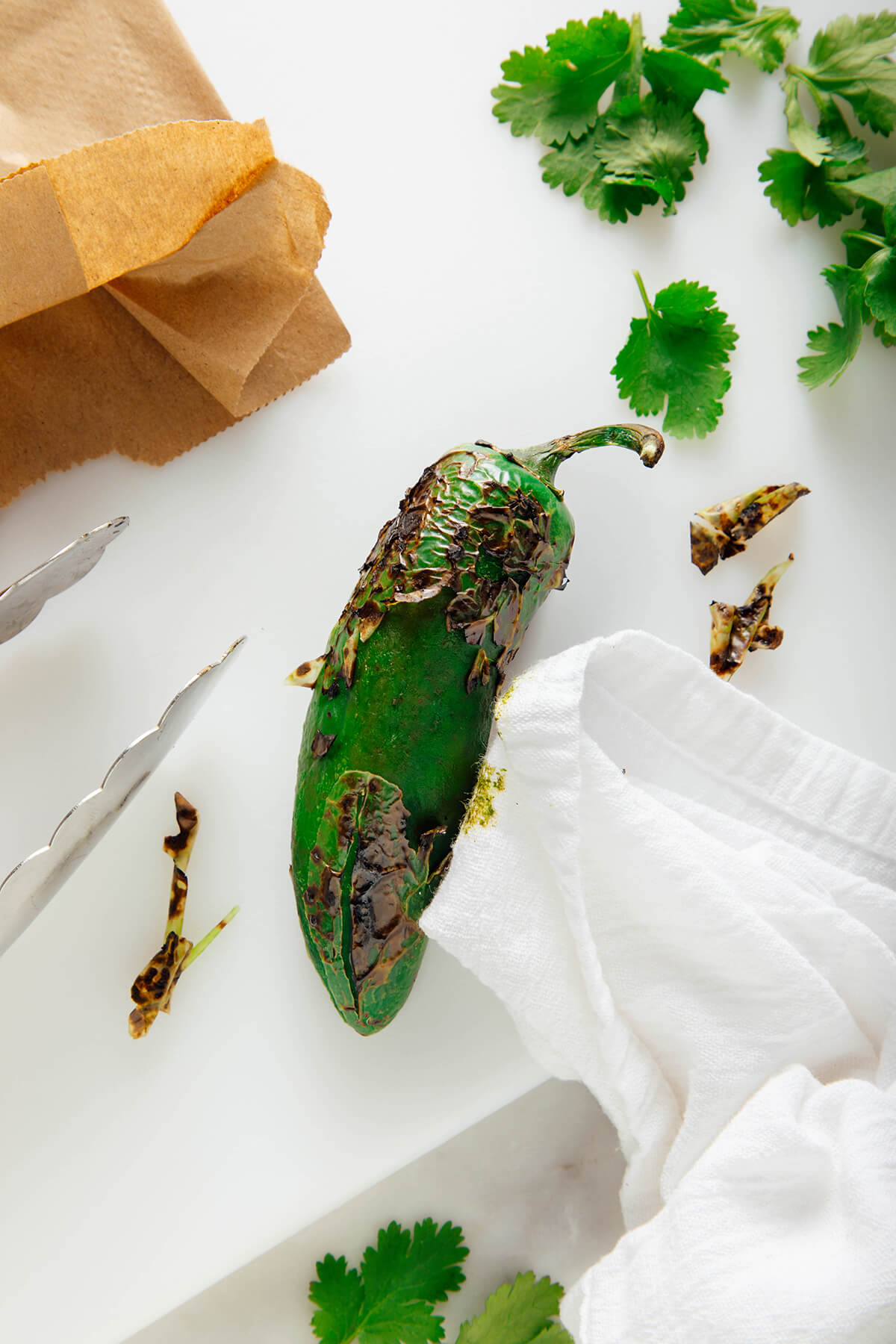
A significant discovery in the reverse-engineering journey has been the critical role of the jalapeño preparation. Chipotle’s sauce specifically utilizes charred jalapeños, a detail that initially might seem minor but profoundly impacts the final product. Charring the pepper serves multiple purposes: it significantly mellows the capsaicin, the compound responsible for the jalapeño’s heat, making the sauce more palatable to a broader audience. Simultaneously, the charring process introduces a layer of smoky complexity and umami, enhancing the overall flavor profile beyond mere spiciness. Furthermore, the softening of the jalapeño skin through charring contributes to a smoother, more homogenous sauce texture, a characteristic often sought after in commercial condiments.
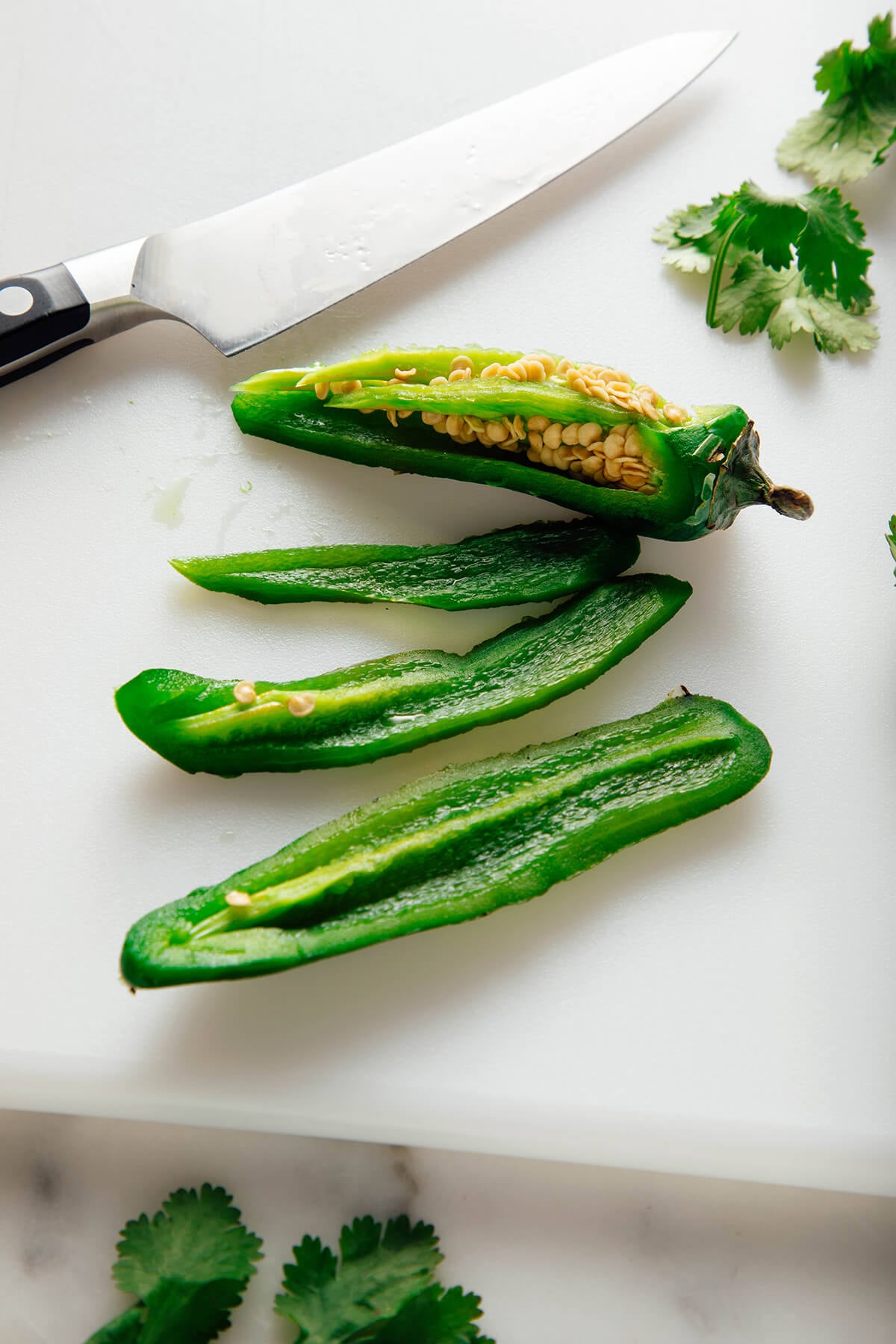
For home cooks, achieving this char can be accomplished through various methods. Over a gas flame, the jalapeño can be held with heat-safe tongs directly over a medium flame for about 60 to 90 seconds per side until largely blackened. Alternatively, in a cast iron or stainless steel skillet (non-stick pans are generally avoided for charring due to potential chemical release at high temperatures), the pepper can be heated over medium-high heat until blistered on both sides, a process taking several minutes per side. After charring, the jalapeño is typically placed in a paper bag or a plastic-wrapped bowl for approximately 10 minutes to steam, which aids in loosening the charred skin. The skin is then carefully wiped off with a clean tea towel, and the green flesh is sliced into smaller pieces for blending.
While charring offers a distinct flavor advantage, the option to use fresh jalapeños remains viable for those seeking a quicker preparation or a bolder, more immediate spicy kick. However, culinary replication efforts consistently reveal that fresh jalapeños, due to their higher capsaicin content, may require a more cautious approach. Starting with half a pepper and gradually adding more to taste is a common recommendation to prevent overwhelming the sauce with heat, preserving the delicate balance of flavors. Food bloggers often emphasize that while fresh jalapeño works, the sauce will inherently possess a different character, lacking the depth and subtle smokiness that charring imparts.
Customization and Dietary Adaptations
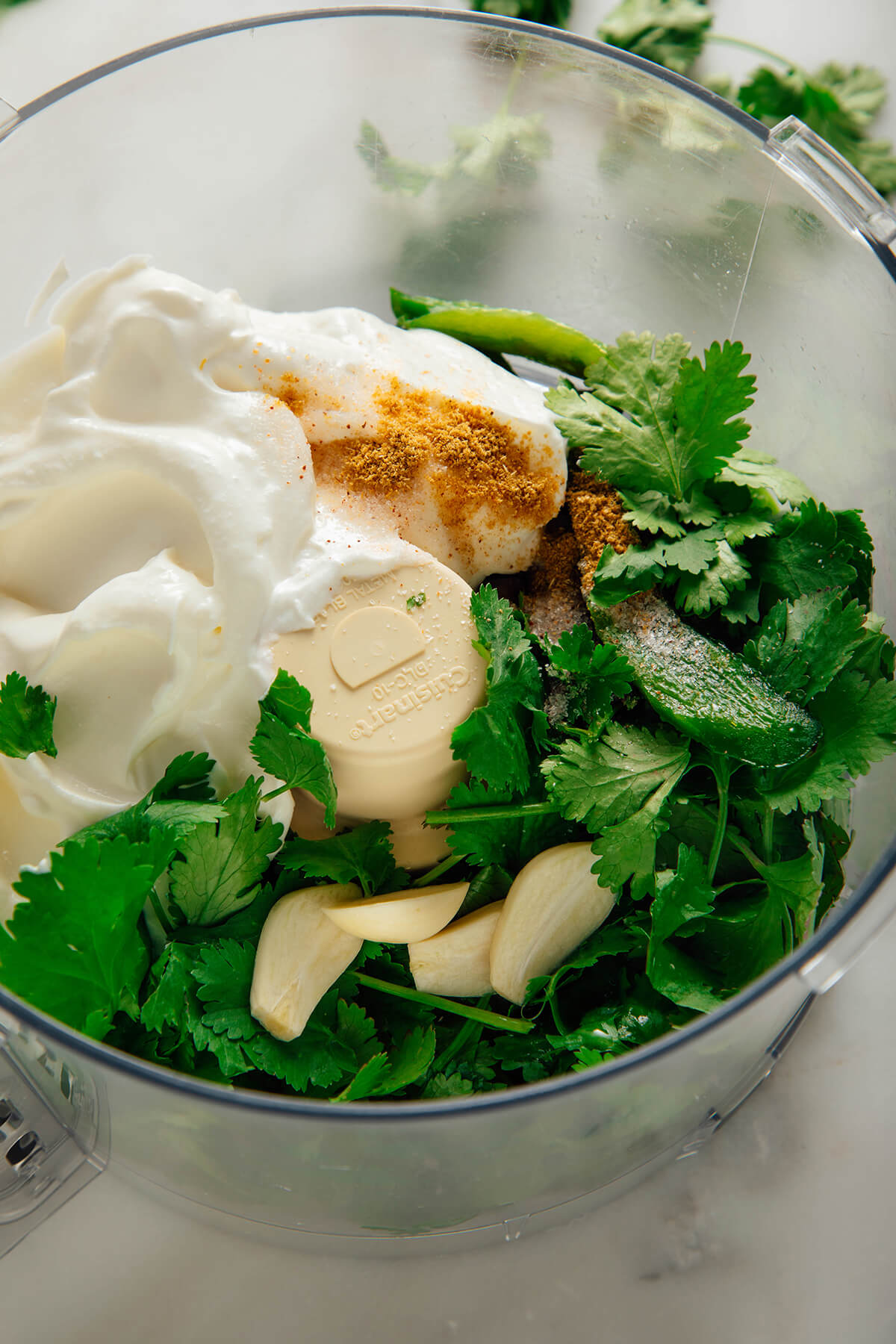
The home kitchen revolution around this sauce also champions customization, a hallmark of both fast-casual dining and contemporary home cooking. The ability to control the spice level is paramount for many home chefs. By carefully measuring the amount of jalapeño, and even removing the ribs and seeds (where most of the capsaicin resides), cooks can tailor the sauce to suit individual preferences, from mild to fiery. This adaptability ensures that the sauce can be enjoyed by a wide range of palates, including those sensitive to intense heat.
Beyond spice control, the desire for dietary inclusivity has led to creative adaptations. For individuals adhering to dairy-free or vegan diets, substituting traditional sour cream with plant-based alternatives—such as cashew-based vegan sour cream or a blend of silken tofu and lime juice—has become common practice. These substitutions allow a broader audience to enjoy the sauce’s distinctive flavors without compromising dietary restrictions, further illustrating the innovative spirit of the home cooking community. The accessibility of such plant-based ingredients in mainstream grocery stores has facilitated these adaptations, making it easier for home cooks to experiment and diversify their culinary repertoire.
Broader Implications for the Food Industry
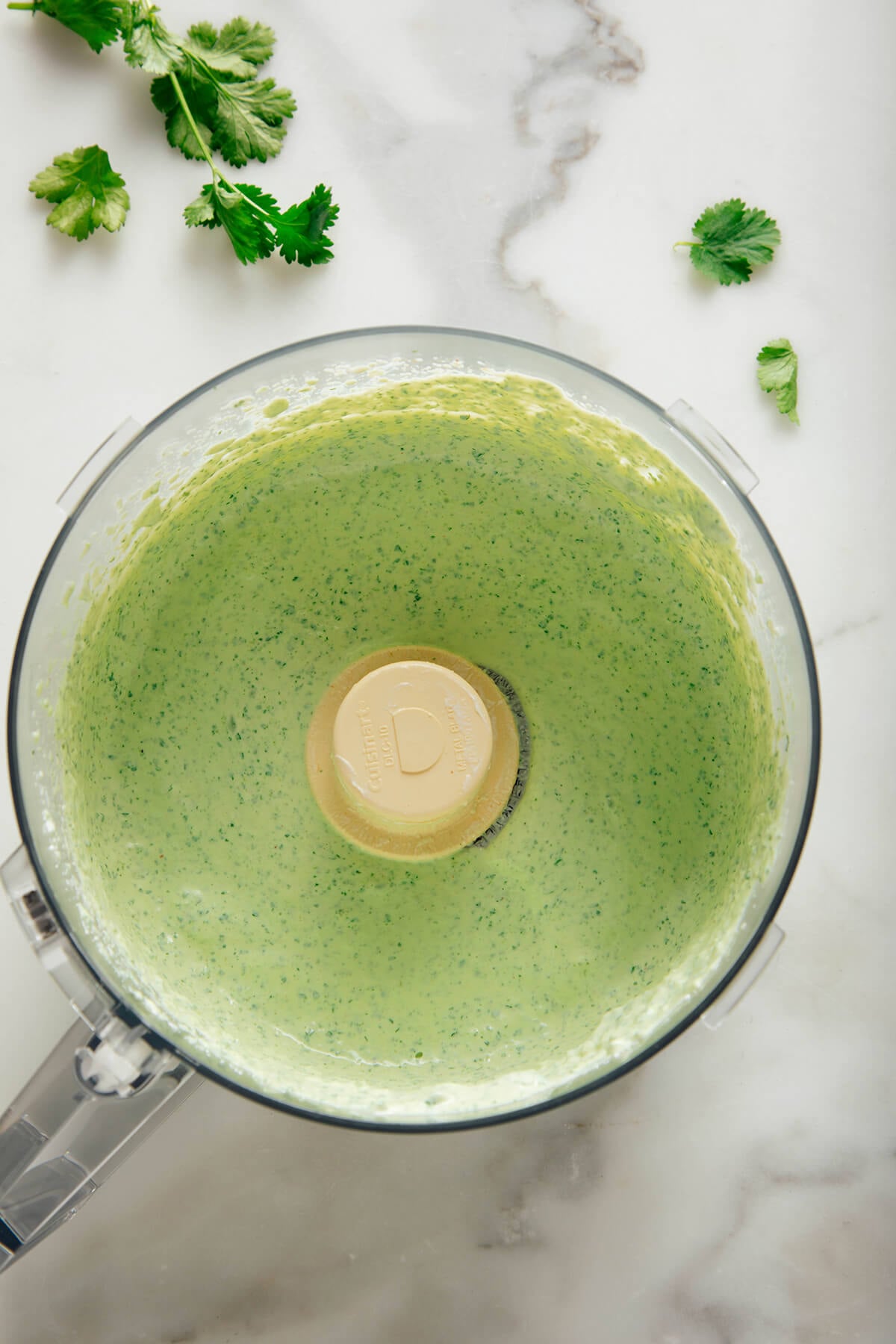
The phenomenon of the cilantro lime sauce, from its commercial success to its enthusiastic home replication, carries several implications for the wider food industry. Firstly, it highlights the increasing influence of specific menu items, particularly distinctive sauces, as brand identifiers and drivers of consumer loyalty. Restaurants that successfully innovate in this space can create signature flavors that customers actively seek out and even attempt to recreate, fostering a deeper engagement with the brand.
Secondly, it underscores the persistent consumer demand for transparency and the ability to recreate restaurant-quality meals at home. This trend, amplified by the proliferation of food blogs, social media platforms, and online recipe communities, suggests that consumers are more empowered than ever to take control of their food preparation. While this might seem to pose a threat to restaurant sales, many industry analysts, including Mr. David Chang, CEO of a prominent culinary consulting firm, argue that "the act of home replication can actually serve as a form of free marketing. It keeps the restaurant’s flavors in the public consciousness and often drives consumers back to the original for the convenience or the authentic experience."
Furthermore, the focus on fresh, vibrant ingredients in sauces like this reflects a larger societal shift towards healthier eating and a preference for natural, less processed foods. This pushes both fast-casual chains and home cooks to prioritize quality produce and herbs, influencing supply chains and agricultural practices. The enduring popularity of fresh herbs like cilantro and citrus like lime in diverse cuisines also speaks to a globalized palate, where consumers are increasingly open to exploring and integrating flavors from various culinary traditions into their daily diets.
Versatility and Culinary Applications
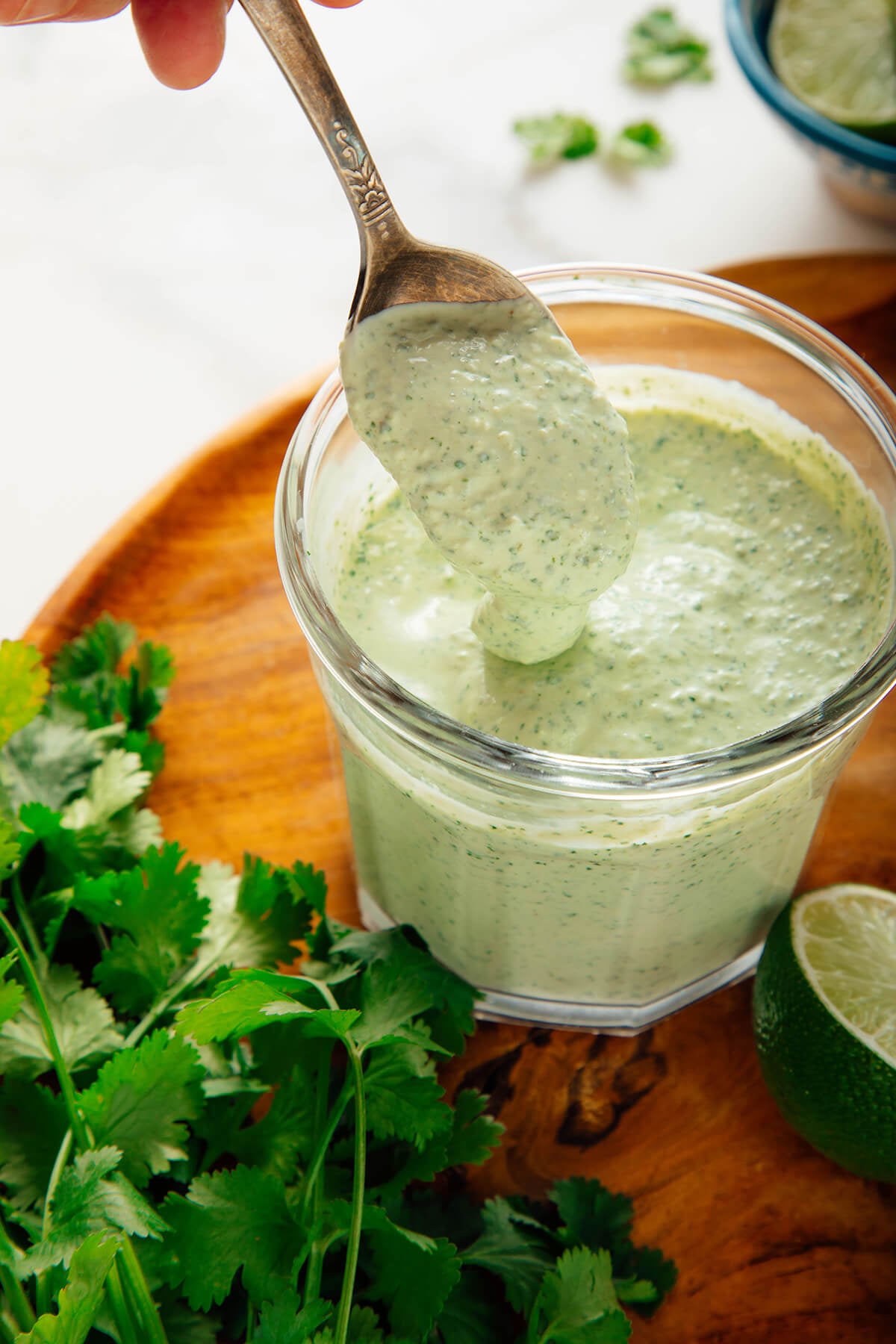
The homemade cilantro lime sauce, much like its Chipotle inspiration, boasts remarkable versatility, making it a valuable addition to any culinary arsenal. Its primary applications often revolve around Mexican-inspired dishes:
- Nachos and Quesadillas: A generous dollop can cut through the richness of cheese and provide a refreshing counterpoint.
- Tacos and Burrito Bowls: It serves as a superior alternative to plain sour cream, adding depth and a spicy kick that transforms the entire dish. It pairs exceptionally well with various fillings, from traditional carnitas and chicken to plant-based options like sofritas.
- Salad Dressing: By incorporating a touch of mayonnaise or a dairy-free equivalent, the sauce can be thinned into a creamy and tangy salad dressing, perfect for Mexican-inspired salads or as a vibrant dressing for grain bowls.
- Dipping Sauce: Its creamy texture and bold flavor make it an ideal dip for tortilla chips, crudités, or even as a spread for sandwiches and wraps.
- Accompaniment to Grilled Meats: Its bright, herbaceous notes provide an excellent contrast to the savory richness of grilled steak, chicken, or fish, reminiscent of a chimichurri sauce but with a distinct Mexican flair.
This broad range of applications ensures that the effort invested in preparing the sauce yields multiple delicious returns, further cementing its status as a must-have condiment for those who appreciate fresh, impactful flavors in their cooking.
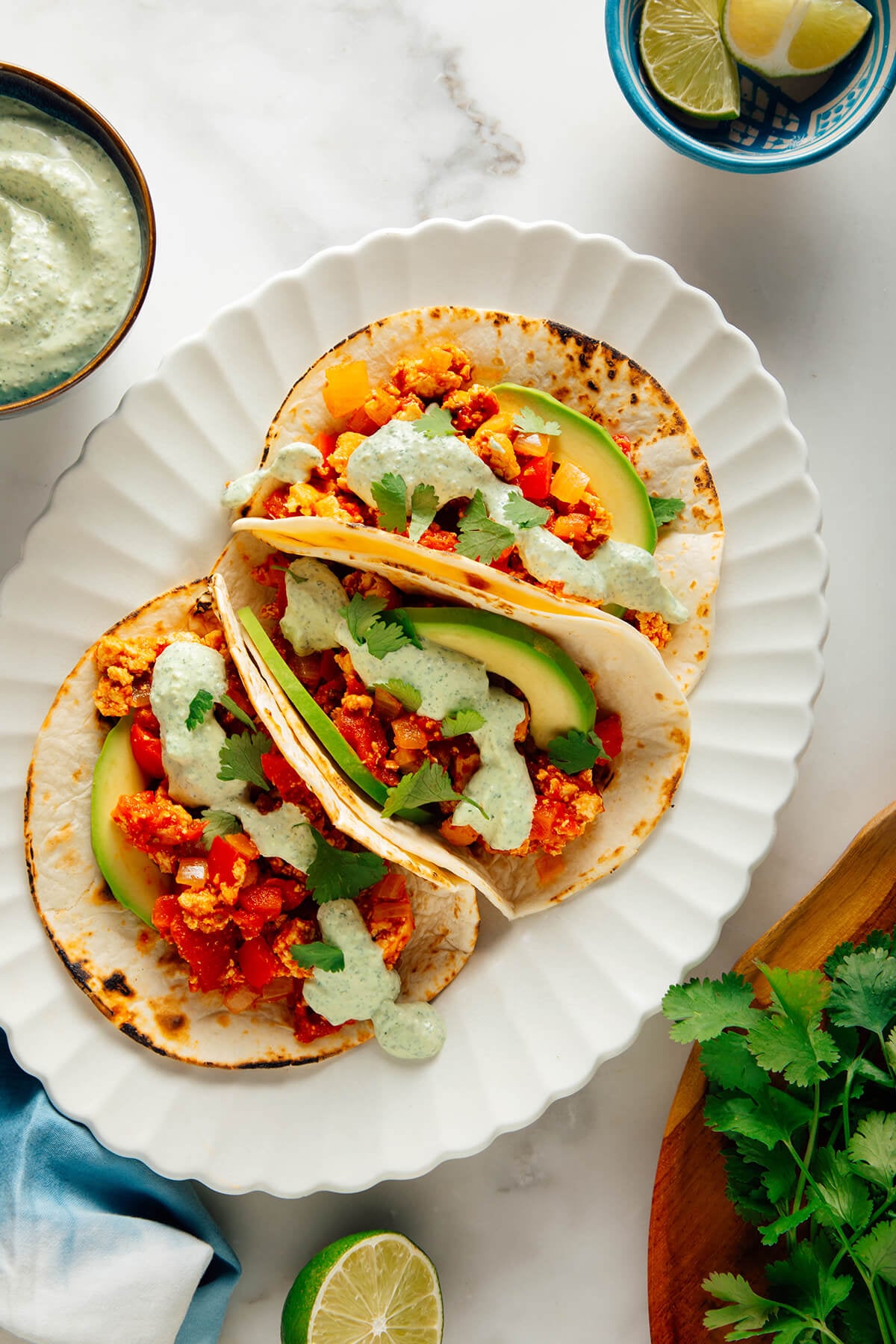
In conclusion, the journey of Chipotle’s cilantro lime sauce—from a popular menu item to a home kitchen obsession—illustrates more than just a passing food trend. It represents the dynamic interplay between commercial food innovation and the burgeoning desire for culinary self-sufficiency among consumers. The meticulous efforts to reverse-engineer this specific sauce underscore a broader cultural shift towards valuing fresh ingredients, understanding food preparation techniques, and embracing the joy of personalized cooking. As consumers continue to seek distinctive flavors and greater control over their diets, the influence of such signature sauces is poised to grow, continually inspiring new waves of culinary exploration and innovation, both within professional kitchens and in homes worldwide. The continued dialogue between restaurant offerings and home experimentation promises a vibrant and evolving landscape for the food industry for years to come.
