

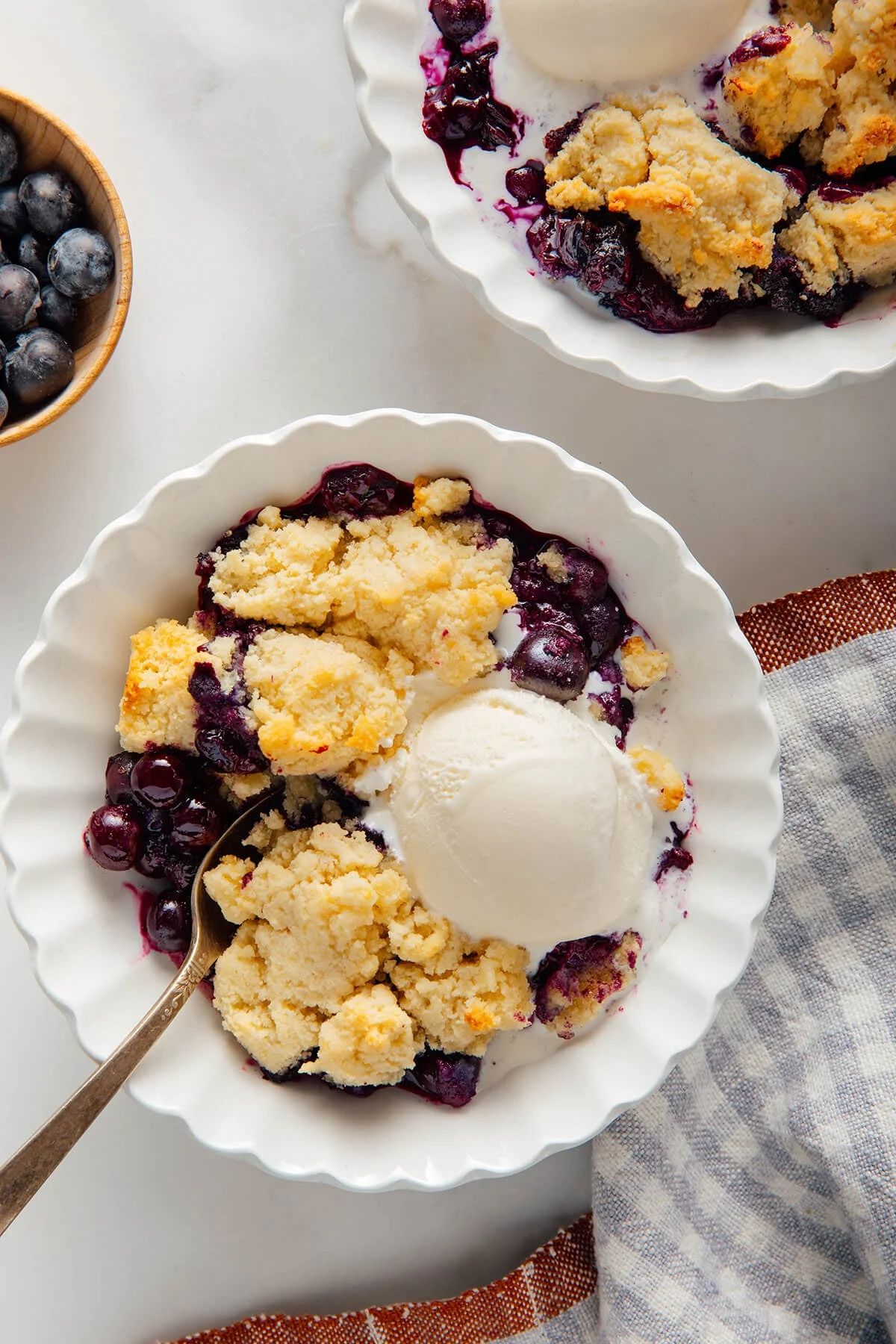
A groundbreaking recipe for blueberry cobbler, featuring a distinctive almond flour-based biscuit topping, is poised to become a staple for summer dessert enthusiasts, particularly those seeking gluten-free alternatives without compromising on flavor or texture. Developed by renowned food blogger Kathryne Taylor of Cookie and Kate, this culinary creation presents a fresh interpretation of a beloved classic, earning accolades for its tender interior, crisp edges, and complementary almond notes. The recipe not only caters to dietary restrictions but also elevates the traditional cobbler experience, demonstrating a growing trend in home baking towards healthier and more inclusive ingredient choices.
A Summertime Staple Reimagined
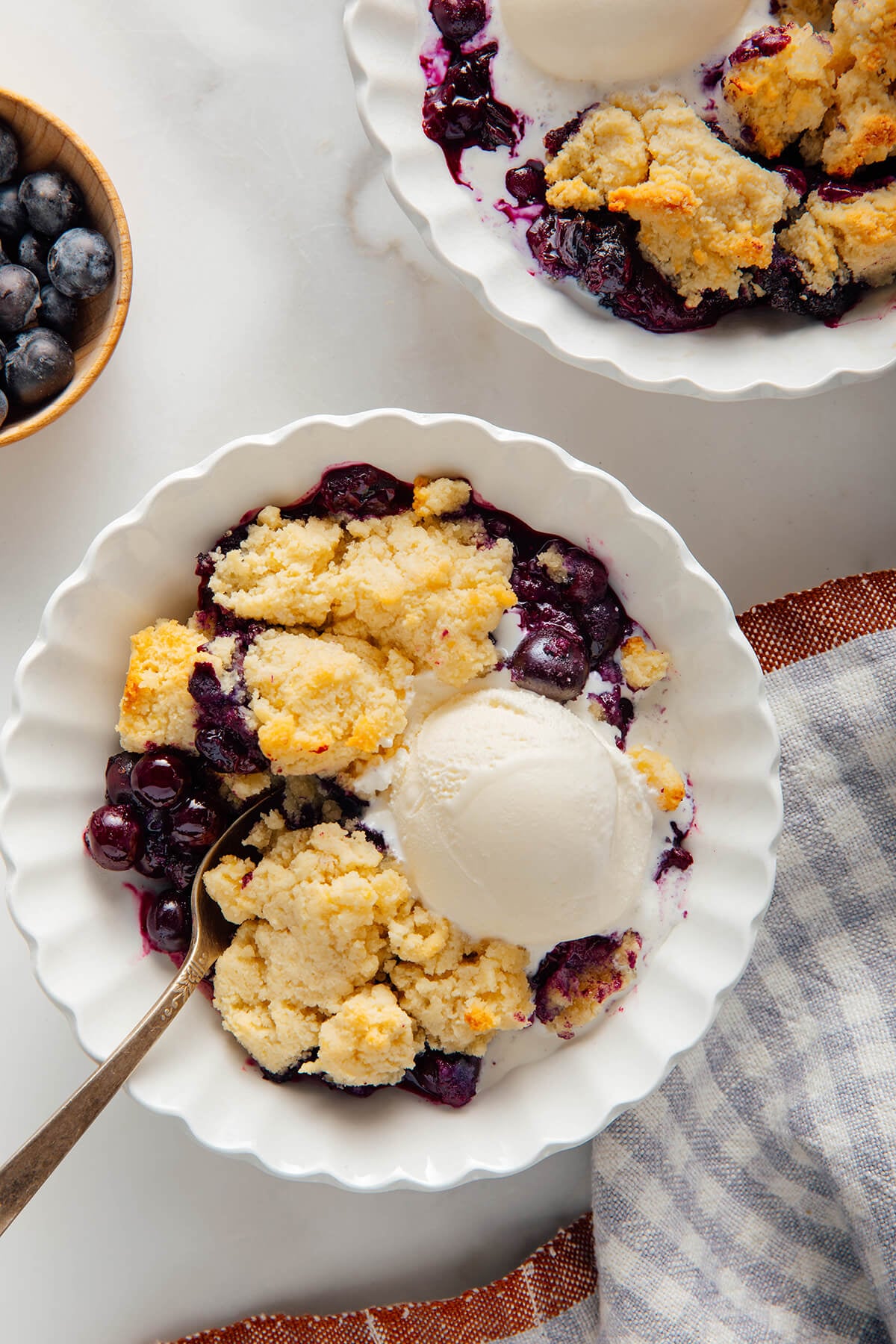
The blueberry cobbler, a quintessential American dessert, typically conjures images of juicy, ripe berries bubbling beneath a rustic, biscuit-like topping. Historically, cobblers emerged as a resourceful dessert in early American settlements, a simpler alternative to pies, where fruit was topped with a dough that was "cobbled" together. This new rendition, however, introduces a modern twist by substituting traditional wheat flour with almond flour for its topping. This deliberate choice by Taylor is not merely a concession for dietary needs but a fundamental enhancement to the dessert’s profile, offering a subtle nuttiness that harmonizes exquisitely with the sweet-tart blueberries.
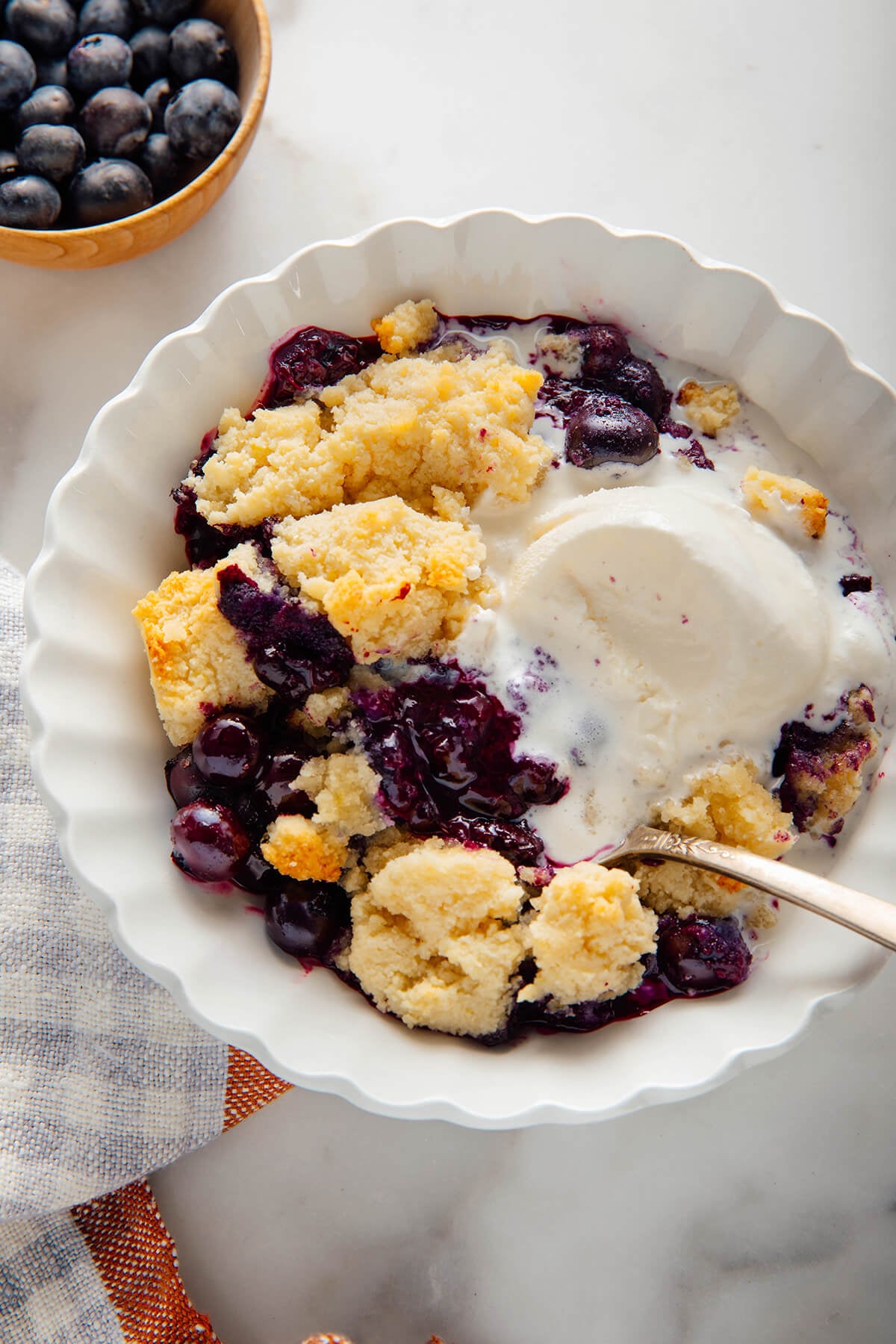
The recipe’s foundation lies in its successful predecessors: Taylor’s popular blueberry crisp and a highly acclaimed peach cobbler. Her transition from mastering fruit crisps to exploring cobblers signifies a natural evolution in her culinary repertoire, reflecting a continuous pursuit of innovative yet comforting dessert solutions. The current blueberry cobbler is described as a "summertime delight," with its "jammy ripe blueberries" contrasted by an "almond flour-based biscuit topping that’s tender on the inside and perfectly crisp and craggy along the edges." This textural interplay is central to its appeal, promising a multifaceted sensory experience with every spoonful.
The Rise of Gluten-Free Baking and Dietary Consciousness
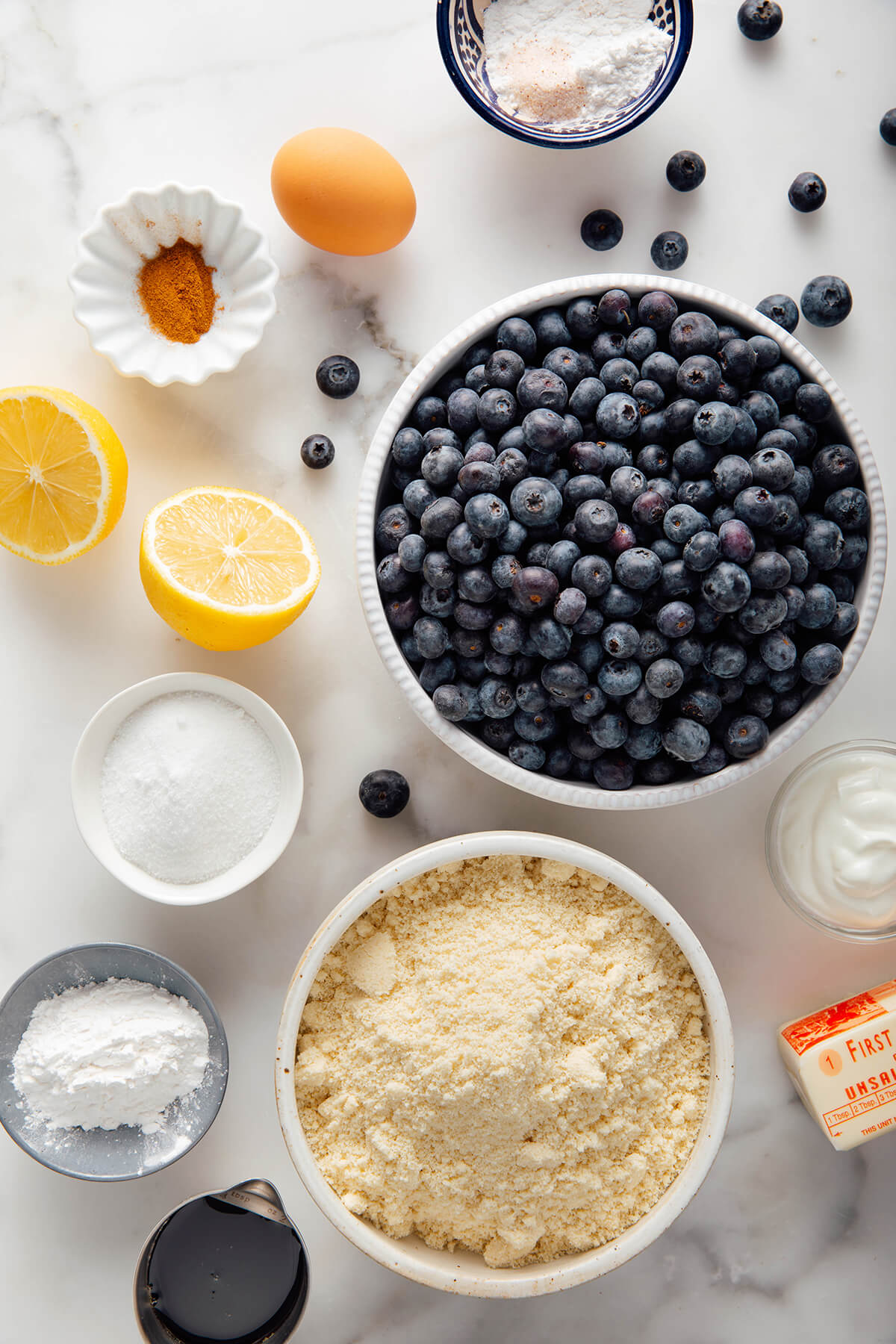
The prominence of almond flour in this recipe speaks to a broader societal shift towards increased dietary awareness and the burgeoning market for gluten-free products. According to a 2023 report by Grand View Research, the global gluten-free products market size was valued at USD 6.9 billion in 2022 and is projected to grow at a compound annual growth rate (CAGR) of 9.2% from 2023 to 2030. This growth is driven by a rising prevalence of celiac disease, non-celiac gluten sensitivity, and a general consumer perception of gluten-free diets as healthier.
For individuals diagnosed with celiac disease, consuming gluten—a protein found in wheat, barley, and rye—triggers an immune response that damages the small intestine. An estimated 1 in 100 people worldwide are affected by celiac disease. Beyond medical necessity, a significant portion of the population opts for gluten-free foods due to perceived health benefits, digestive comfort, or as part of a lifestyle choice. This trend has spurred food manufacturers and home bakers alike to explore alternative flours and ingredients, pushing the boundaries of traditional recipes. Almond flour, derived from finely ground almonds, has emerged as a particularly versatile and popular substitute, offering both nutritional advantages and desirable baking characteristics.
Almond Flour: A Culinary Game Changer
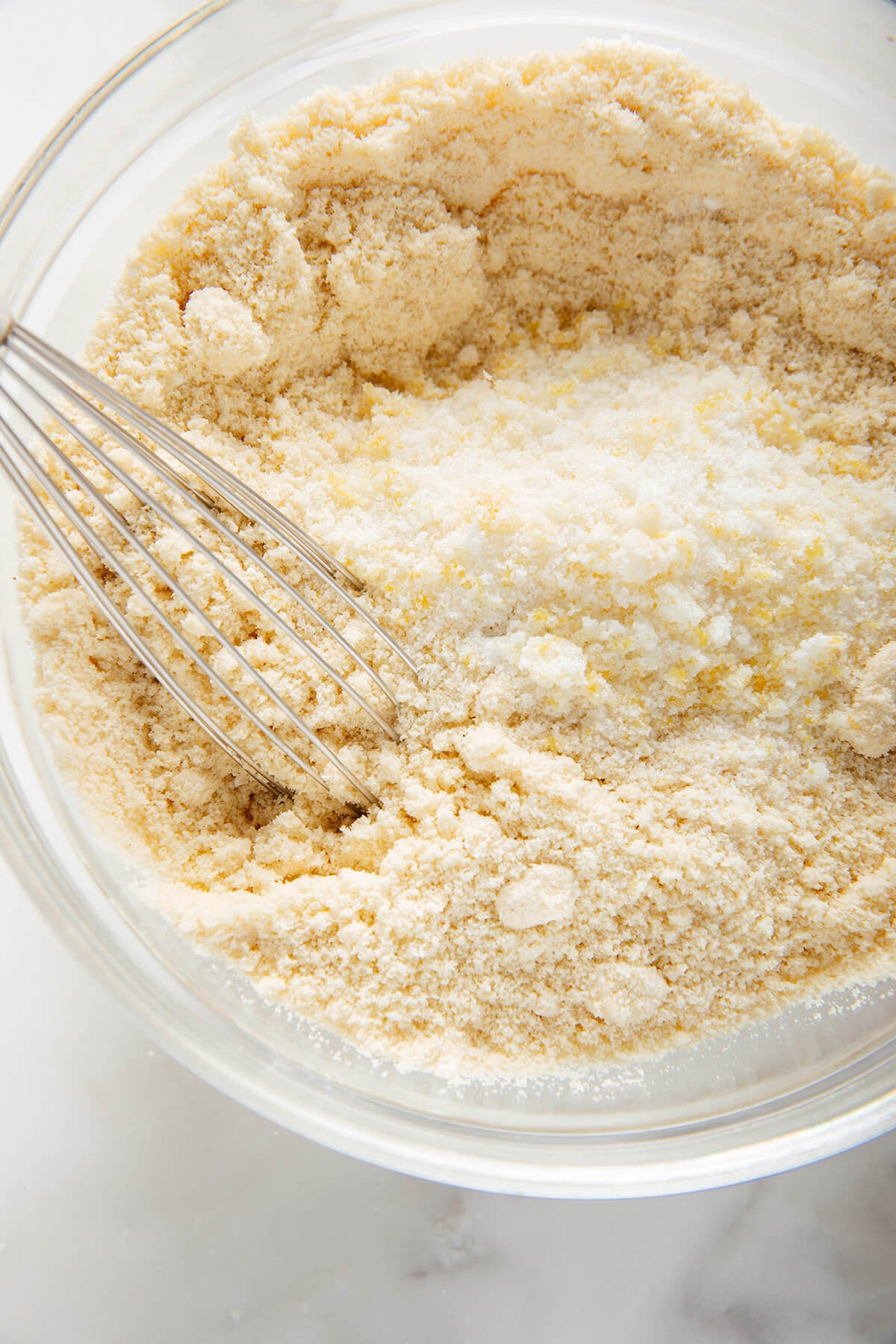
Kathryne Taylor’s assertion that "The Best Blueberry Cobbler is Gluten-Free" underscores her conviction in almond flour’s superiority for this particular application. She notes a genuine preference for its use over standard plain flour, citing its ease of handling and distinctive taste profile. Unlike all-purpose wheat flour, which can sometimes be finicky in gluten-free applications requiring specific binders or blends, almond flour often behaves more predictably, contributing to a more consistent final product.
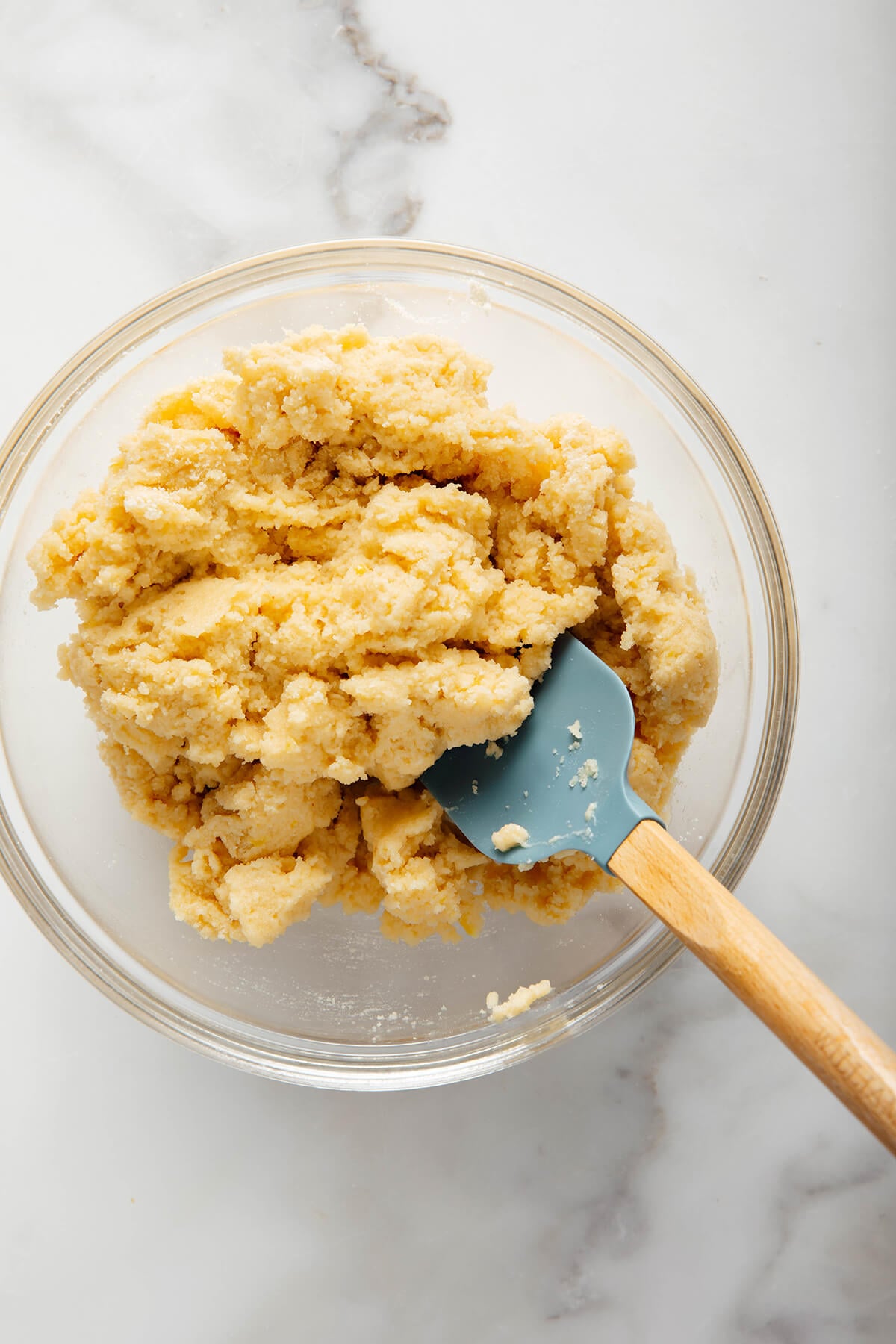
The unique properties of almond flour contribute significantly to the cobbler’s success. It imparts a subtle, earthy almond flavor that naturally complements the sweetness of blueberries, creating a more complex taste than a plain flour topping might. Furthermore, almond flour is inherently moist due to its fat content, which helps prevent the topping from drying out while baking. This inherent moisture also aids in developing a "lovely golden crust and light crispness around the edges," providing the desired textural contrast to the tender, fruity filling. Taylor’s experience, backed by successful tests with brands like Bob’s Red Mill’s super-fine almond flour and Whole Foods 365’s almond flour, suggests that the quality and fineness of the almond flour are key to achieving optimal results.
Beyond its functional benefits in baking, almond flour offers a robust nutritional profile. It is significantly lower in carbohydrates and higher in protein and fiber compared to wheat flour. Almonds are also a rich source of healthy monounsaturated fats, vitamin E, magnesium, and antioxidants. This makes the cobbler not only a delicious indulgence but also a dessert with enhanced nutritional value, aligning with consumer demand for "better-for-you" options.
The Allure of Blueberries: Nutritional Powerhouse and Seasonal Delight
The choice of blueberries as the primary fruit in this cobbler is no accident, tapping into both seasonal appeal and significant health benefits. Blueberries are celebrated as a quintessential summer fruit, reaching their peak sweetness and juiciness during the warmer months. Their vibrant color and burst of flavor make them a popular choice for desserts, jams, and fresh consumption. The term "jammy ripe blueberries" in the recipe description perfectly captures the desired consistency and intensity of flavor that the fruit brings to the dish when baked.
From a nutritional standpoint, blueberries are often hailed as a "superfood." They are exceptionally rich in antioxidants, particularly anthocyanins, which give them their distinctive blue hue and are linked to various health benefits, including improved heart health, enhanced brain function, and anti-inflammatory effects. They are also a good source of vitamin C, vitamin K, and manganese, while being relatively low in calories. Incorporating such nutrient-dense fruit into a dessert recipe adds to its overall appeal for health-conscious consumers.
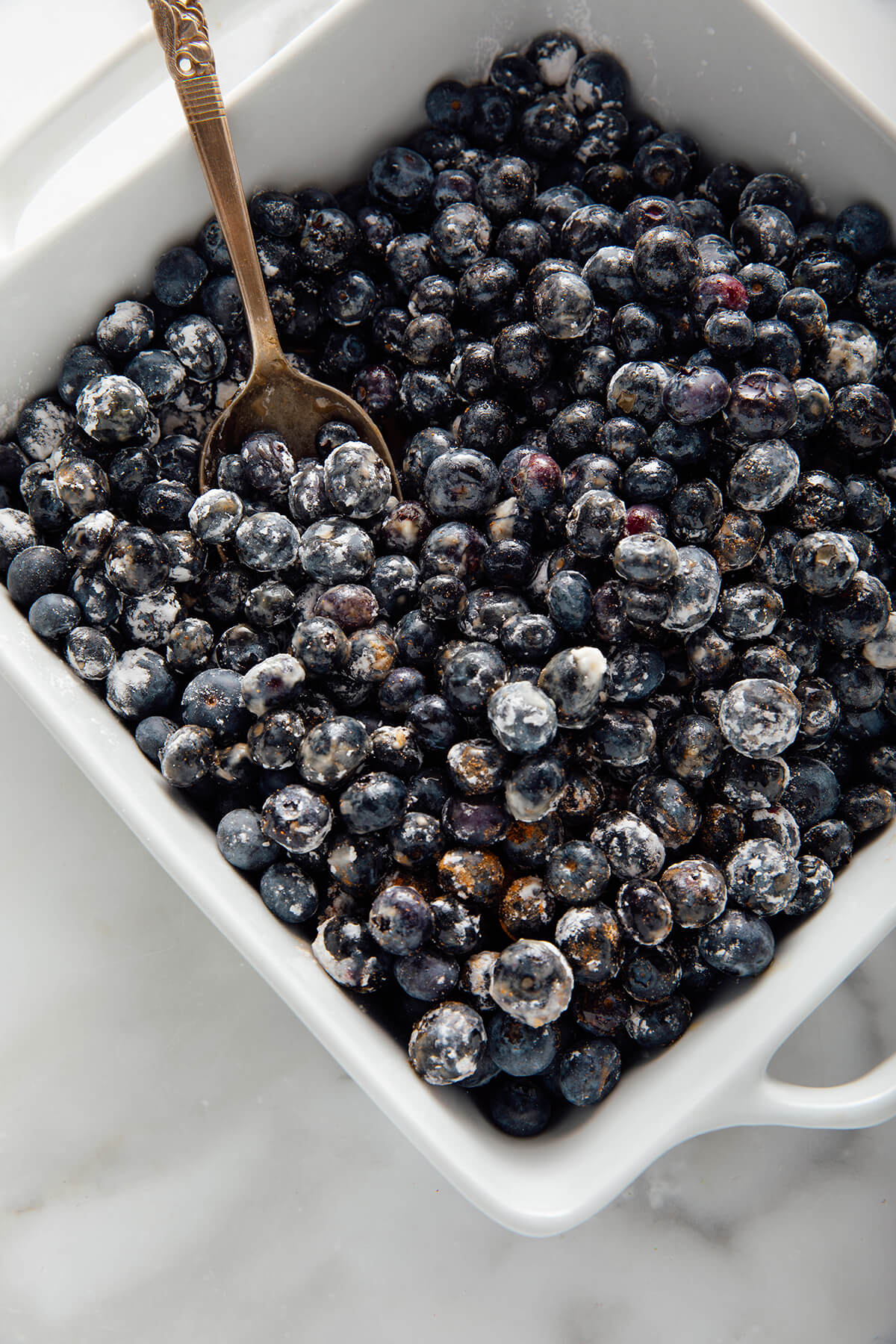
The recipe also thoughtfully addresses the use of frozen blueberries, a practical consideration for those outside peak season or looking for convenience. By suggesting methods like overnight thawing or warming them in the oven before assembly, Taylor ensures that the quality and consistency of the filling remain optimal, preventing excessive moisture that could dilute the flavor or affect the texture of the cobbler. This flexibility allows the "summertime delight" to be enjoyed year-round.
Crafting the Perfect Cobbler: A Chef’s Approach
The development of this blueberry cobbler recipe reflects a methodical approach to baking, drawing lessons from previous culinary experiments. Taylor’s journey from crafting "fruity crisps" to mastering cobblers indicates a dedication to understanding the nuances of different dessert categories. Her successful peach cobbler recipe, which she describes as "arguably the most delicious dessert made in my kitchen last summer," served as a direct inspiration and structural blueprint for this blueberry variation. This iterative process of recipe development, where successful elements are adapted and refined, is a hallmark of experienced culinary professionals.
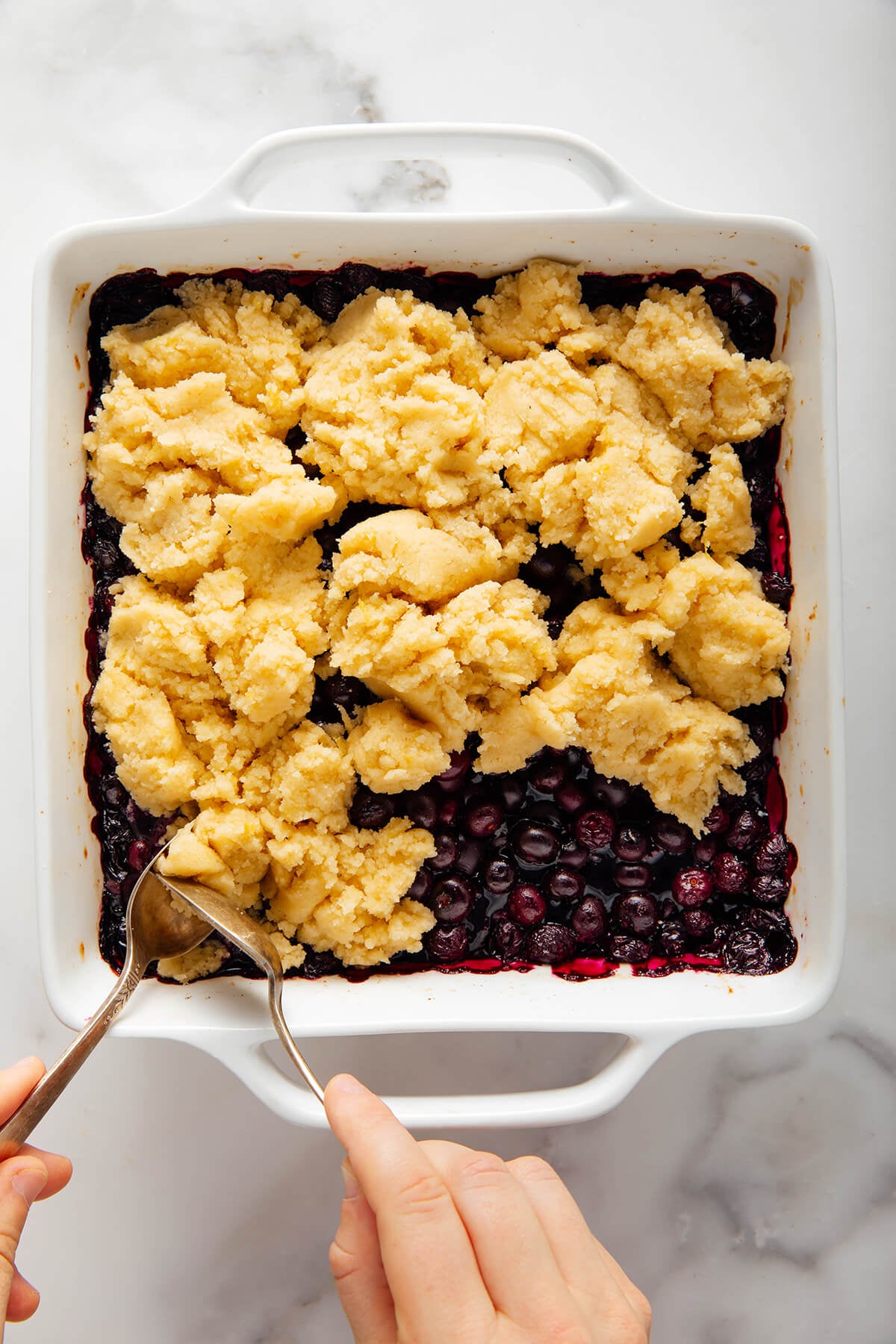
The recipe’s design emphasizes simplicity without sacrificing sophistication. While the full recipe details are provided separately, the article highlights a crucial "simple two-step baking process" as key to its success. This process is designed to ensure both the fruit filling and the topping achieve their ideal states simultaneously.
The Two-Step Baking Advantage
The distinct two-step baking process outlined by Taylor is a critical technical detail that distinguishes this recipe and contributes significantly to its superior outcome. This method involves partially baking the blueberry filling before adding the almond flour topping. The rationale behind this approach is purely scientific: "If you try to bake it all together at once, the topping will turn too golden before the filling is done."
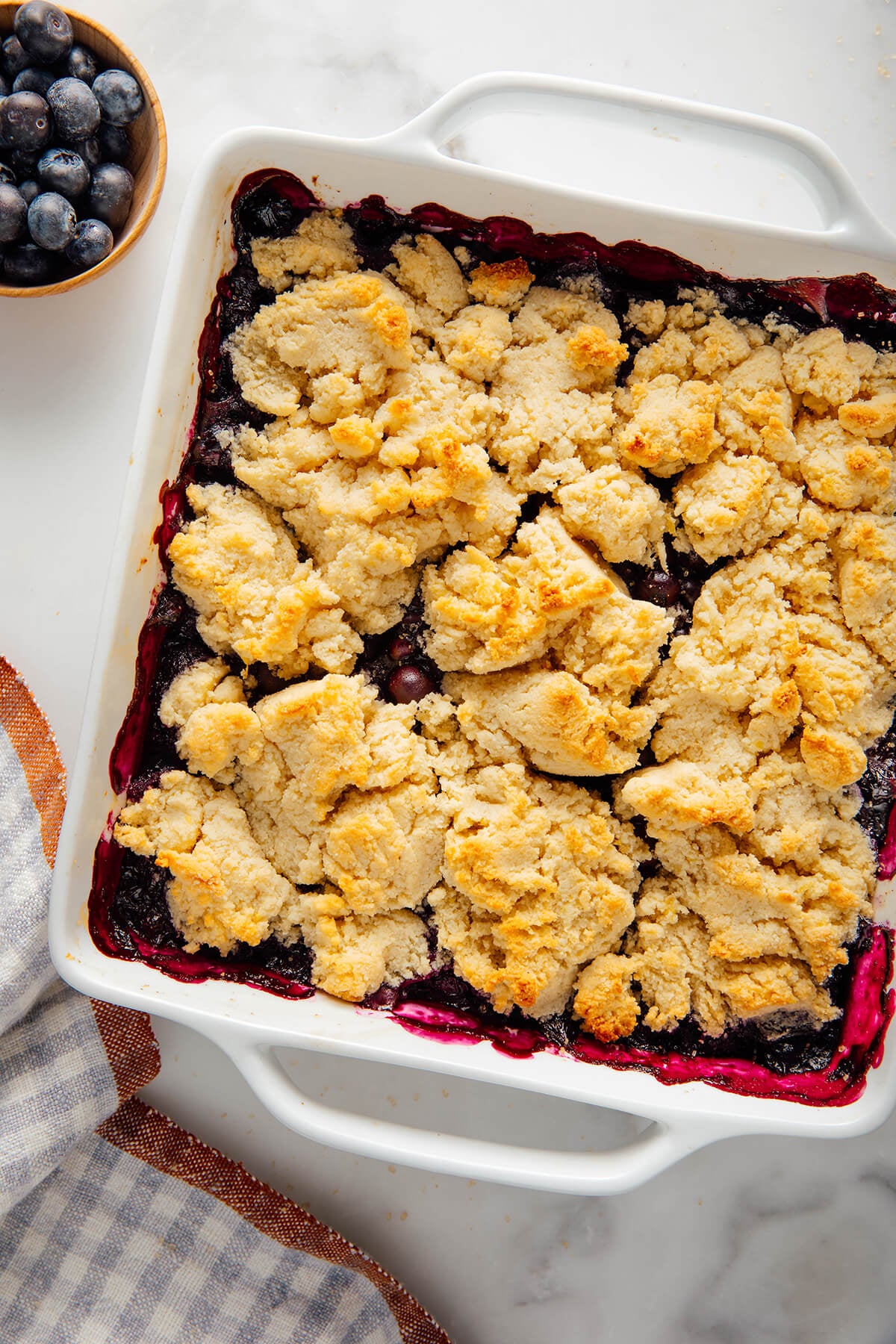
By allowing the blueberries to pre-bake, the fruit has sufficient time to soften, release its juices, and thicken into a "bubbly, condensed" consistency. This initial baking phase ensures the fruit base is perfectly cooked through, achieving the desired jammy texture and concentrated flavor. Once the fruit is adequately cooked, the topping is added, and the cobbler is returned to the oven for the final baking phase. This controlled approach allows the almond flour topping to develop its "perfectly golden" crust and characteristic crisp-craggy edges without overcooking or burning, resulting in a harmonious balance of textures and temperatures between the warm, soft fruit and the crisp, tender topping. This attention to the physics of baking is a testament to the recipe’s thoughtful development.
Beyond the Cobbler: Broader Implications for Home Bakers and the Food Industry
The introduction of this almond flour blueberry cobbler carries broader implications for both home bakers and the wider food industry. For home bakers, it offers a compelling, accessible option for creating delicious, crowd-plepleasing desserts that accommodate gluten sensitivities without requiring specialized baking skills or hard-to-find ingredients. The endorsement from a reputable food blogger like Kathryne Taylor lends credibility and encourages experimentation with alternative flours. Her willingness to declare a gluten-free version superior to traditional ones could inspire a new wave of culinary converts, as she herself became.
For the food industry, this recipe serves as a micro-example of macro trends. It underscores the continued demand for innovative, health-conscious products that do not compromise on taste. It also highlights the influential role of food bloggers and online culinary platforms in shaping consumer preferences and driving recipe adoption. As consumers increasingly seek transparent ingredient lists, plant-based options, and allergen-friendly alternatives, recipes like this blueberry cobbler demonstrate that traditional comfort foods can be successfully reimagined to meet modern dietary needs and preferences. The emphasis on seasonal ingredients also aligns with growing consumer interest in sustainable and locally sourced produce.
In conclusion, Kathryne Taylor’s gluten-free blueberry cobbler with almond topping represents more than just a seasonal dessert. It is a thoughtfully crafted culinary innovation that marries tradition with modern dietary requirements. By championing almond flour and a precise two-step baking method, the recipe delivers a superior textural and flavor experience, challenging conventional notions of what a cobbler can be. This delightful creation not only promises to be a popular addition to summer tables but also exemplifies the evolving landscape of home baking, where health, taste, and inclusivity converge.
