

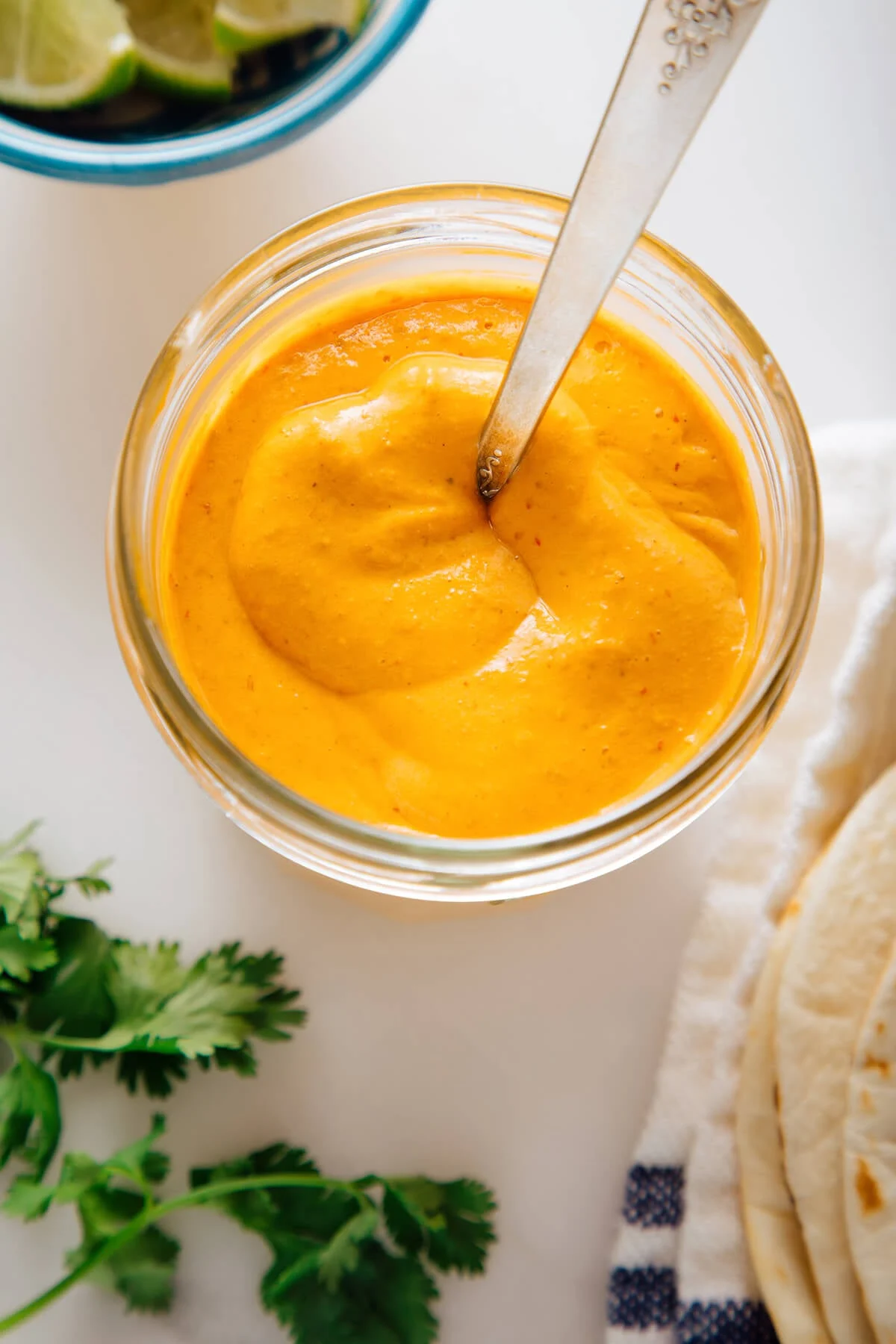
The culinary landscape is currently experiencing a significant shift towards bold, dynamic flavors and personalized dining experiences, a trend perfectly encapsulated by the growing popularity of versatile condiments like the homemade creamy chipotle sauce. This particular recipe, which promises a potent blend of smoky heat and rich creaminess, exemplifies how home cooks are increasingly seeking to elevate everyday meals with accessible, yet impactful, additions. Far from a mere accompaniment, this sauce is designed to act as a unifying element for component-based dishes such as tacos and burrito bowls, or to stand alone as an irresistible dipping option, offering a distinct advantage over its thinner counterpart, chipotle mayonnaise, with its superior texture and depth of flavor.
The Anatomy of a Modern Condiment: Ingredients and Customization
At its core, the creation of this creamy chipotle sauce relies on a foundation of readily available ingredients, emphasizing simplicity without compromising on complexity of taste. The base typically comprises sour cream, though Greek yogurt is suggested as a lighter alternative, catering to evolving dietary preferences and health-conscious consumers. The signature smoky heat is derived from chipotle peppers in adobo sauce, a pivotal ingredient whose rich history and unique processing contribute significantly to the sauce’s character. A dollop of mayonnaise is incorporated to achieve a silky smooth texture, while dried garlic granules introduce an element of aromatic intrigue. The final seasoning with salt and pepper ensures a balanced flavor profile.
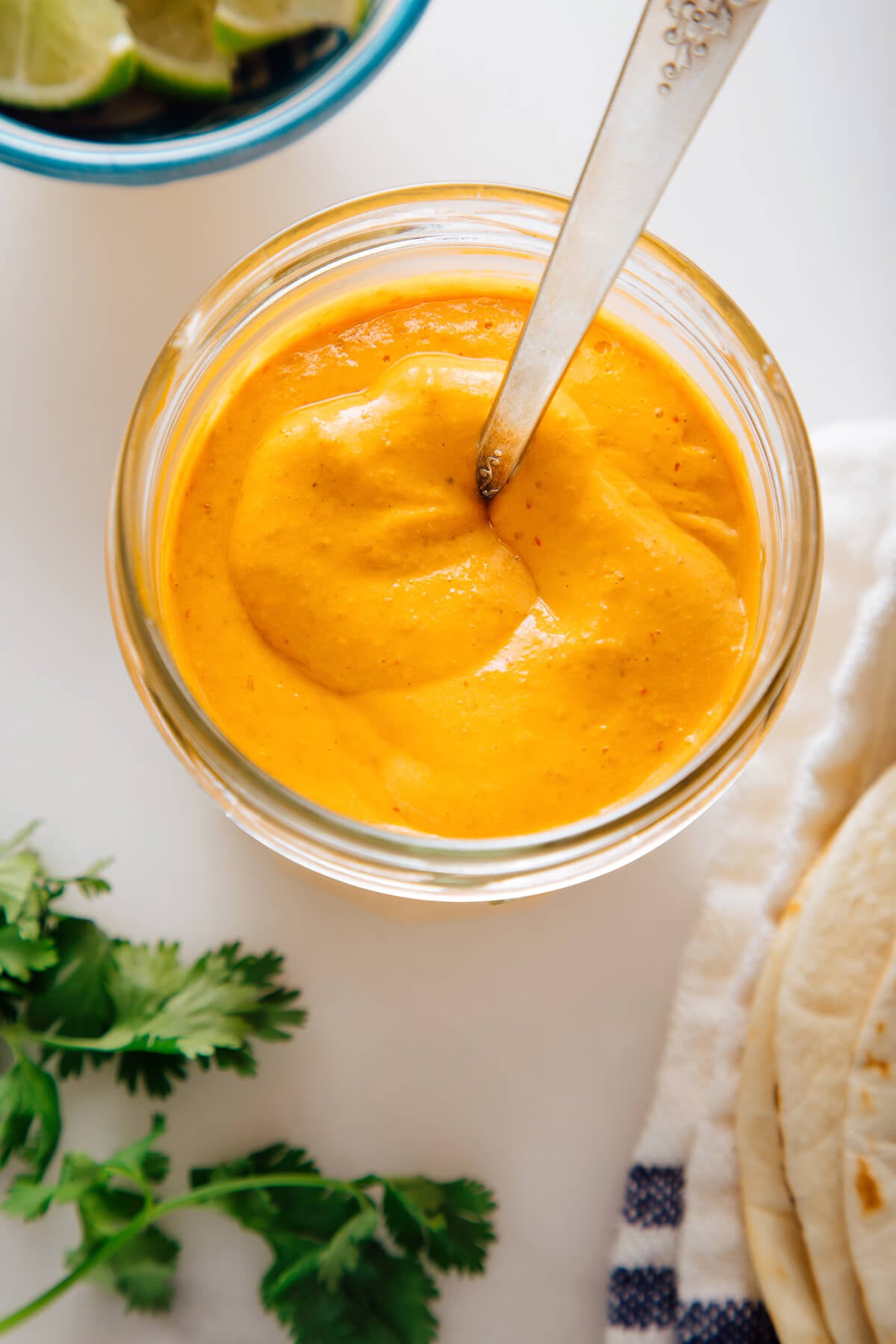
A key advantage of preparing such a sauce at home is the inherent control over its most defining characteristic: spice level. The recipe explicitly outlines a flexible approach, recommending an initial, conservative quantity of chipotle peppers, allowing the cook to taste and incrementally adjust the heat to their personal preference. This level of customization resonates strongly with contemporary culinary trends, where individual taste and dietary needs are paramount, enabling a wide spectrum of palates, from those who prefer a subtle warmth to those who crave an intense fiery kick, to find their ideal balance. This adaptability underscores a broader movement in home cooking that values bespoke flavors over one-size-fits-all solutions.
Chipotle Peppers in Adobo: A Culinary Cornerstone
To truly appreciate the essence of this sauce, one must delve into the origins and nature of chipotle peppers in adobo sauce. Chipotles are not a distinct pepper variety but rather fully ripened red jalapeños that have undergone a meticulous process of smoking and drying. This ancient technique, rooted in Mesoamerican culinary traditions, imbues the peppers with their characteristic deep, smoky flavor and a moderate heat that distinguishes them from fresh jalapeños. The adobo sauce, typically a tangy, savory blend of vinegar and tomato paste, serves to rehydrate these dried peppers, infusing them with an additional layer of complexity and creating a rich, ready-to-use ingredient.
The historical significance of chipotle peppers extends back centuries, originating with the Aztecs who developed the smoking process as a means of preserving jalapeños. This preservation method allowed for the storage and transportation of peppers, making them a staple in their diet and a valuable commodity. Over time, as culinary traditions evolved and merged, chipotles became an indispensable component of Mexican cuisine, contributing their distinctive flavor to a vast array of dishes, from robust salsas and hearty chilis to more specialized preparations like tofu sofritas and stuffed poblano peppers. Their journey from a regional staple to a globally recognized flavor enhancer reflects a broader appreciation for authentic and complex taste profiles.
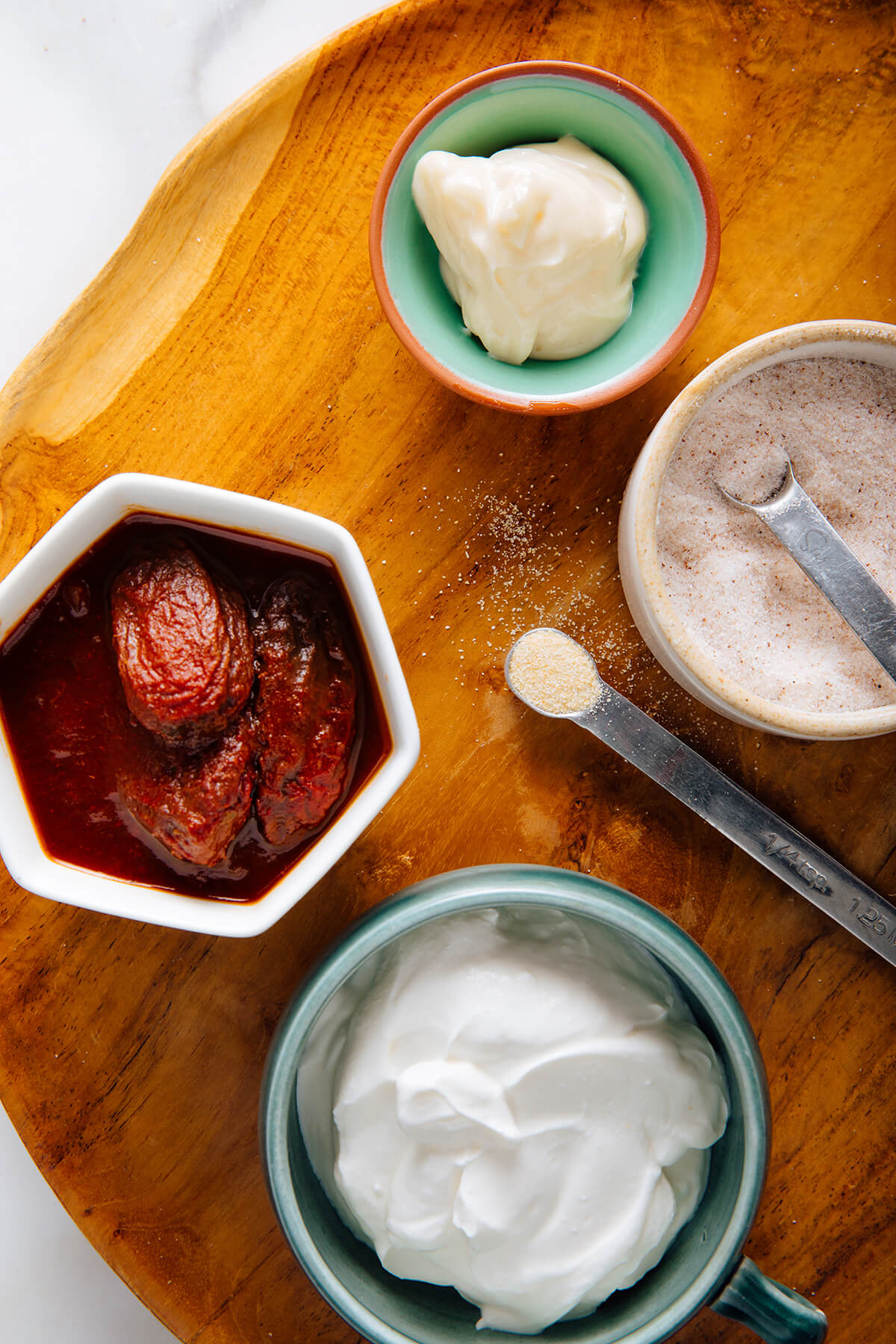
Finding chipotle peppers in adobo sauce has become increasingly straightforward in the modern grocery landscape. They are typically available in the international aisle of well-stocked supermarkets, often nestled among other Mexican ingredients, or can be sourced from dedicated Mexican grocery stores. This widespread availability is a testament to their rising popularity and integration into diverse culinary traditions beyond their traditional origins.
Practical storage solutions for leftover canned chipotle peppers further enhance their appeal for the home cook. Transferring the contents to a glass jar with a lid allows for refrigeration for several weeks, ensuring freshness and convenience for multiple uses. For extended preservation, up to six months, freezing the peppers flat in a small freezer bag is recommended, enabling cooks to portion out precisely what they need without thawing the entire batch. This practical advice not only minimizes food waste but also encourages continuous experimentation with this versatile ingredient, fostering a more sustainable and economically efficient approach to home cooking.
Preparation Methods: Efficiency Meets Culinary Craft
The versatility of this chipotle sauce extends beyond its ingredients to its preparation methods, catering to various levels of culinary equipment and skill. The recipe highlights three primary approaches: using a food processor, an immersion blender, or preparing it entirely by hand.
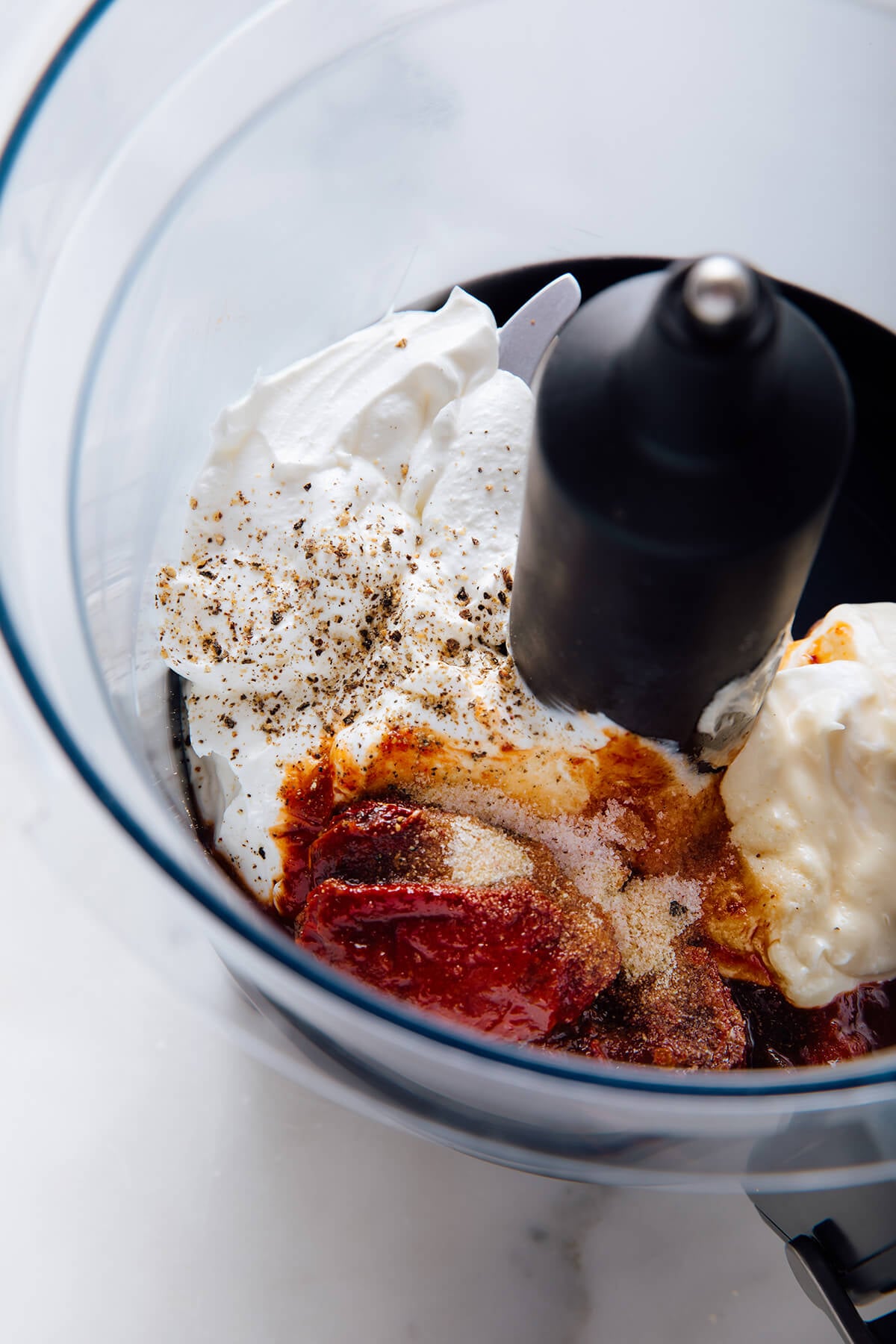
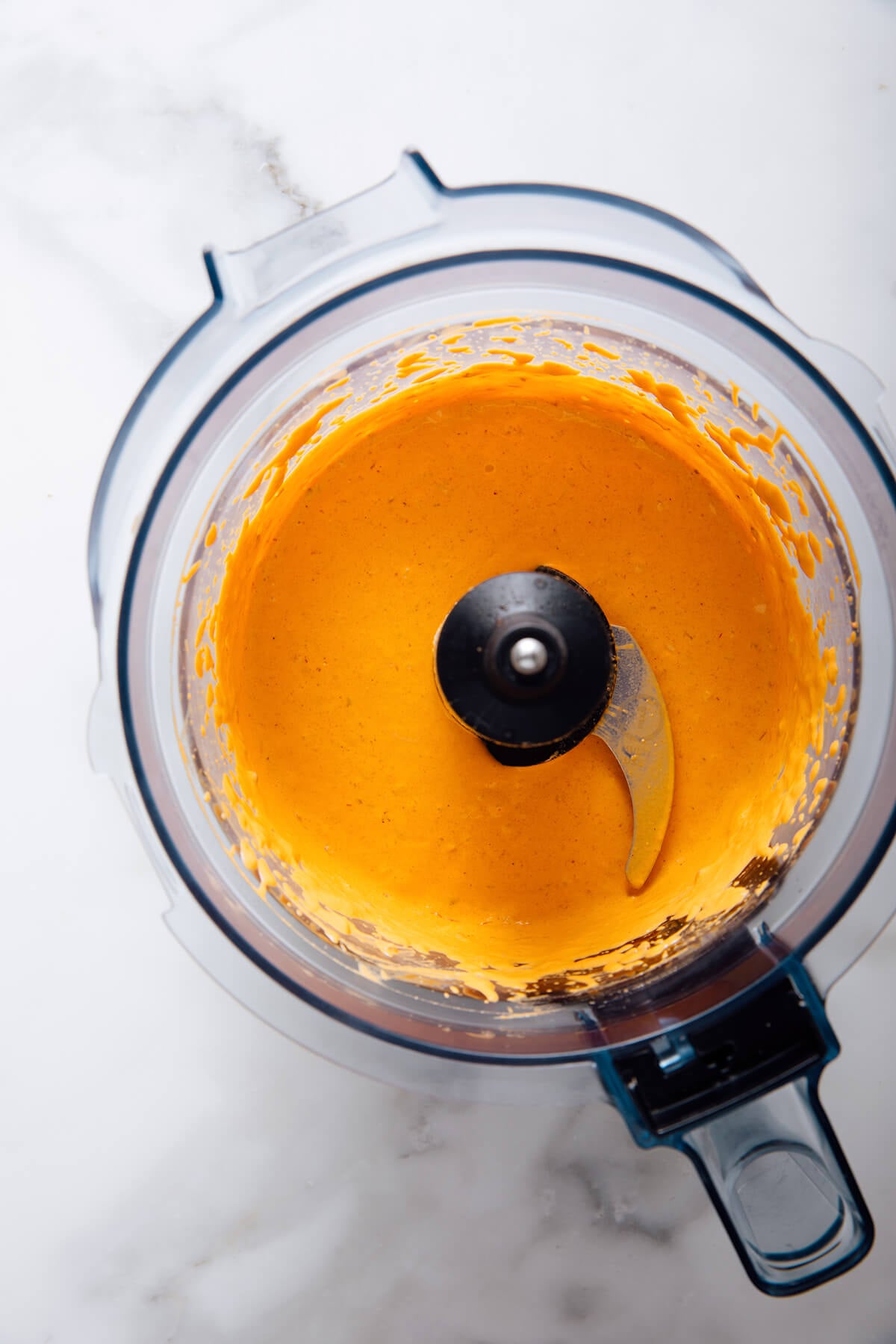
The food processor method, visually depicted in accompanying photographic guides, offers a quick and efficient way to achieve a perfectly smooth, emulsified sauce. This approach is ideal for those seeking a uniform texture and minimal effort, allowing the machinery to break down the chipotle peppers and blend all ingredients seamlessly.
An immersion blender presents an equally effective alternative, often favored for its convenience and reduced cleanup. Its ability to blend directly within the mixing vessel eliminates the need for transferring ingredients, making it a time-saving option for busy cooks. Both mechanical methods ensure that the smoky notes of the chipotle peppers are thoroughly integrated into the creamy base, yielding a homogenous and visually appealing condiment.
For those who prefer a more traditional, hands-on approach or lack specialized equipment, the sauce can also be made by hand. This method necessitates a slight adaptation to ensure a pleasant texture. If a smooth consistency is desired without the aid of a blender, the adobo sauce alone can be used, omitting the fibrous pepper solids which would require fine chopping. However, for cooks who appreciate a slight textural element in their sauce, a thorough chopping of the peppers before whisking them into the other ingredients will suffice. This flexibility in preparation underscores the recipe’s accessibility, ensuring that culinary enthusiasts of all skill levels can successfully create this flavor-packed sauce.
Serving Suggestions and Broader Culinary Impact
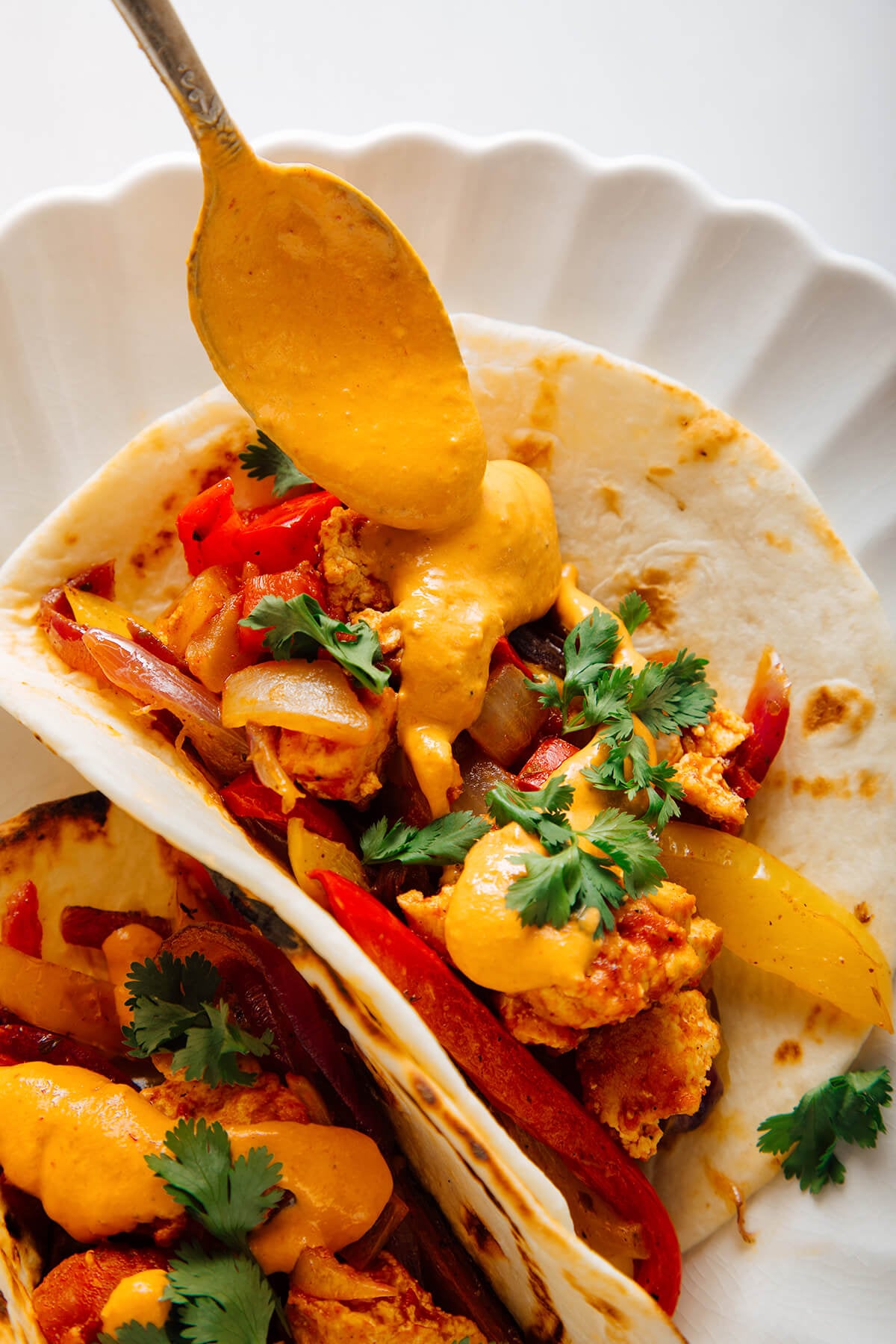
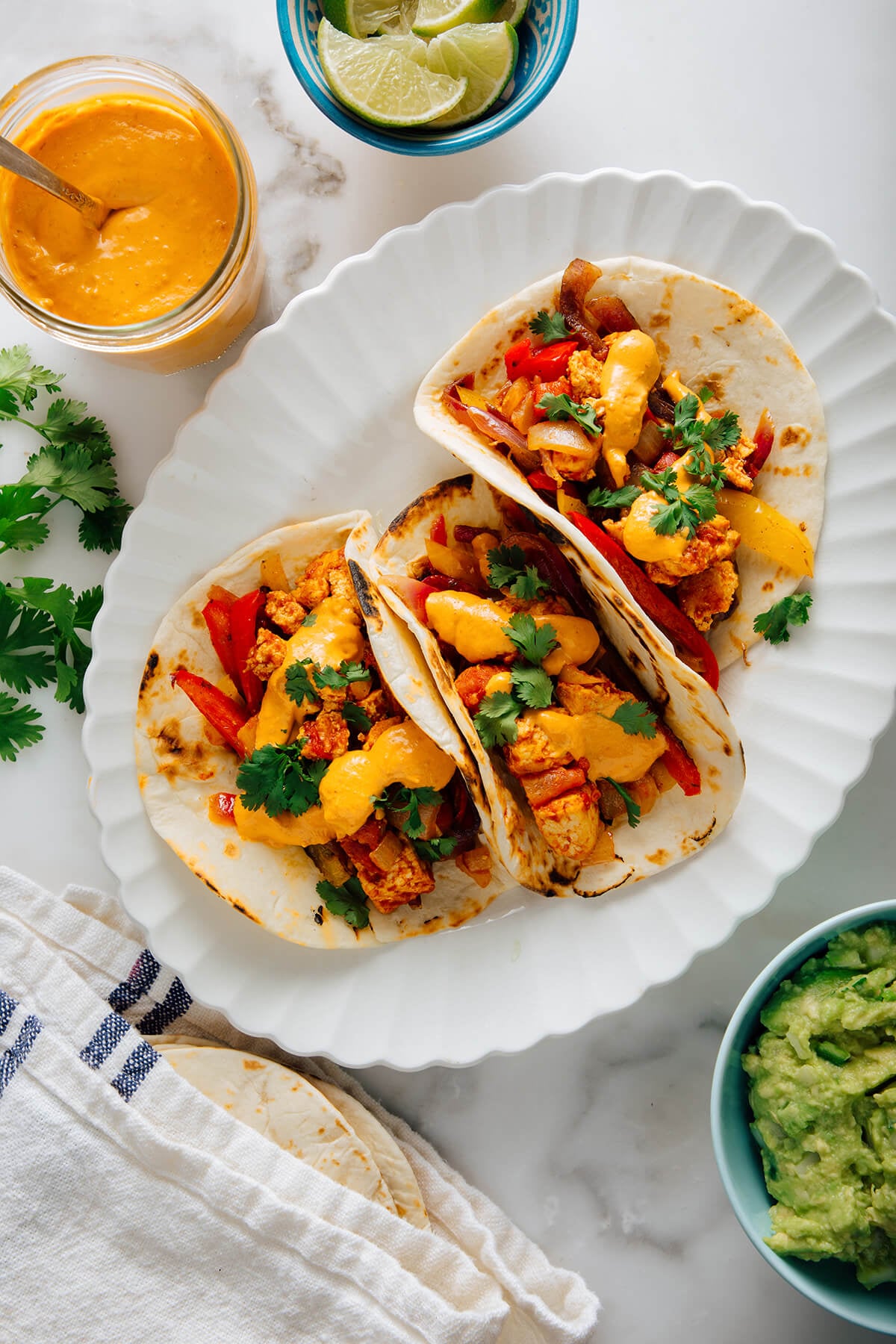
The true power of this creamy chipotle sauce lies in its remarkable versatility. While the original article provides an empty placeholder for serving suggestions, the context of "tacos and burrito bowls" and "irresistible dipping sauce" strongly implies a broad application across various meal types. This sauce is designed to be a game-changer for dishes that benefit from a unifying, bold flavor.
Imagine it drizzled generously over grilled chicken or fish tacos, its smoky heat cutting through the richness of the protein and complementing fresh slaw. For vegetarian options, it would perfectly elevate black bean or roasted vegetable tacos, adding a layer of depth that transforms simple ingredients into a gourmet experience. In burrito bowls, it can bind together diverse components like rice, beans, corn, avocado, and protein, creating a cohesive and intensely flavorful meal.
Beyond Mexican-inspired cuisine, the sauce’s potential extends significantly. As a dipping sauce, it could accompany crispy sweet potato fries, crunchy onion rings, or even fresh crudités, offering a more sophisticated alternative to standard ketchup or mayonnaise. It could also be incorporated into sandwich or wrap spreads, lending a distinctive kick to everyday lunches. Some creative applications might include stirring it into scrambled eggs for a spicy breakfast, using it as a base for a creamy salad dressing, or even dolloping it onto baked potatoes or loaded nachos. The possibilities are vast, limited only by the imagination of the cook.
This versatility has significant implications for the modern kitchen. In an era where home cooks are constantly seeking novel ways to refresh their meal routines, a single, adaptable sauce like this can unlock a multitude of new flavor combinations and applications. It encourages culinary experimentation and reduces meal fatigue, transforming ordinary ingredients into extraordinary dishes. This aligns with broader food industry trends that highlight consumer demand for multi-functional ingredients and customizable meal solutions.
Nutritional Considerations and Dietary Adaptations
While the original article includes a standard nutritional disclaimer, emphasizing that information provided is an estimate and not a substitute for professional advice, it also thoughtfully addresses dietary adaptations. The suggestion to replace sour cream with vegan sour cream and to consider vegan mayonnaise highlights a conscious effort to cater to diverse dietary requirements, particularly the growing vegan and dairy-free communities. This inclusivity reflects a wider industry trend towards accommodating various dietary needs and preferences, ensuring that flavor-rich experiences are accessible to everyone.
For instance, using Greek yogurt instead of sour cream offers a protein-rich, lower-fat alternative without compromising significantly on creaminess, appealing to health-conscious consumers. The option to omit vegan mayonnaise if the texture is already satisfactory demonstrates an understanding of ingredient optimization and a commitment to clean eating where desired. These flexible approaches not only broaden the sauce’s appeal but also empower individuals to tailor their meals to specific health goals or ethical considerations.
The Broader Impact: A Reflection of Culinary Evolution
The emergence and popularization of recipes like this creamy chipotle sauce are symptomatic of several overarching trends in the food industry. Firstly, there is an undeniable and sustained consumer demand for bold, global flavors. As palates become more sophisticated and exposure to international cuisines increases, there is a greater appetite for ingredients that deliver intense, complex taste profiles. Chipotle, with its unique smoky and spicy notes, perfectly fits this criterion, transcending its traditional culinary boundaries to become a mainstream favorite.
Secondly, the "do-it-yourself" movement in home cooking continues to gain momentum. Driven by a desire for fresh ingredients, control over food quality, and often, cost savings, more individuals are embracing the preparation of condiments and staples from scratch. Recipes that are easy to follow, require basic ingredients, and offer customizable elements are highly valued in this context. The chipotle sauce recipe, with its simple instructions and adaptable nature, is a prime example of a dish that empowers home cooks to create high-quality, flavorful additions to their meals without excessive effort.
Culinary experts and food industry analysts consistently point to the role of digital platforms, such as food blogs, in disseminating these trends. Websites like "Cookie and Kate," the source of this recipe, play a crucial role in democratizing culinary knowledge, offering accessible instructions, ingredient insights, and practical tips to a global audience. These platforms foster a community of enthusiastic home cooks, encouraging experimentation and the adoption of new flavors and techniques.
In conclusion, the creamy chipotle sauce is more than just a recipe; it is a microcosm of current culinary trends. Its blend of historical roots, accessible ingredients, customizable spice levels, and versatile applications makes it a standout example of how modern cooking is embracing bold flavors, personalized experiences, and the empowerment of the home chef. As consumers continue to seek innovative ways to enrich their dining experiences, such thoughtfully crafted and adaptable condiments will undoubtedly remain at the forefront of the gastronomic evolution.
