

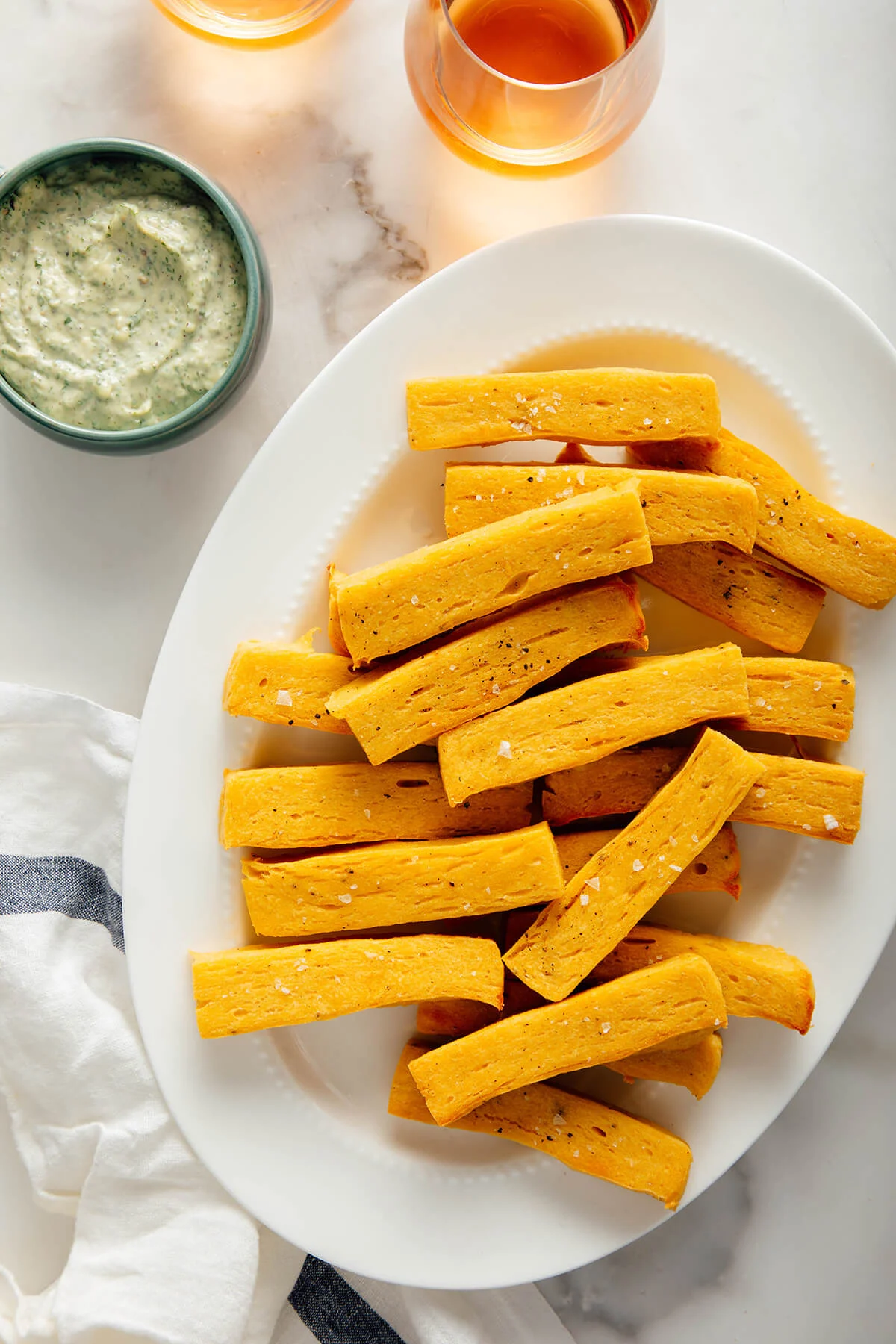
The culinary landscape is continually rediscovering and reinterpreting traditional dishes, and among the latest to capture attention are panisses, the distinctive chickpea fries originating from the sun-drenched Provence region of France. These irresistible golden-hued snacks, characterized by their remarkably crisp exteriors and luxuriously pillowy-soft interiors, offer a compelling alternative to conventional potato fries, appealing to a growing global appetite for healthful, plant-based, and gluten-free options. Once a regional delicacy, panisses are now emerging as a significant feature on international menus, celebrated for their unique texture, robust flavor, and impressive nutritional profile.
A Deep Dive into Provencal Culinary Heritage
Panisses represent a quintessential element of Provencal street food and aperitif culture, deeply embedded in the culinary traditions of cities like Nice and Marseille. Their presence in the south of France is a testament to the region’s historical ties with Mediterranean trade routes and the enduring influence of North African and Italian culinary practices. The very name "panisse" is thought to derive from the Italian "panissa," a similar dish found in Liguria, Italy, highlighting a shared gastronomic heritage across the Ligurian Sea. This chickpea-based staple speaks to a time when ingenuity and readily available ingredients formed the bedrock of daily sustenance, transforming humble chickpea flour into a delightful and satisfying treat.
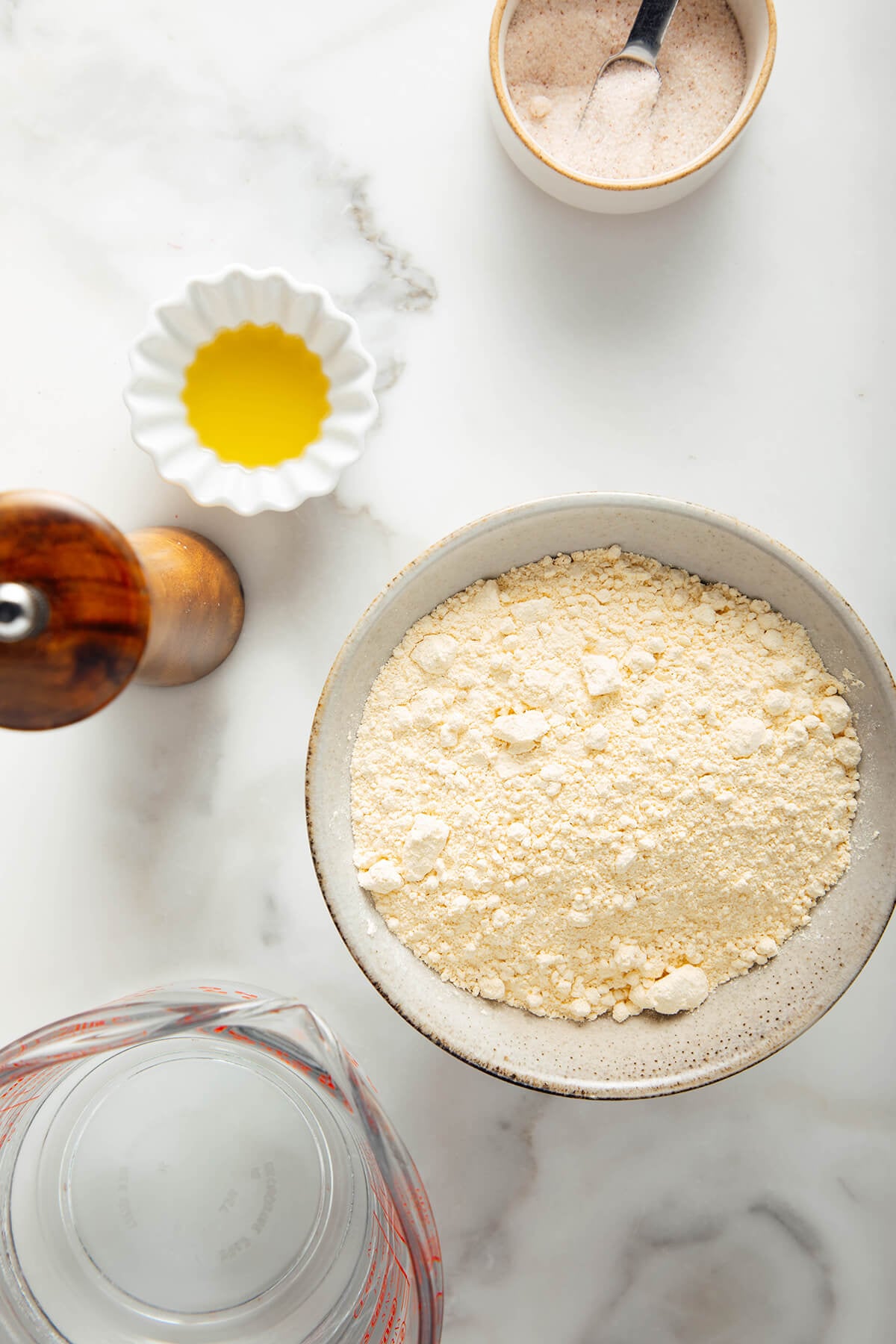
The fundamental ingredients for panisses—chickpea flour, water, olive oil, salt, and pepper—are remarkably simple, yet they combine to create a dish of profound character. This simplicity underscores a broader Mediterranean culinary philosophy that values fresh, wholesome components and straightforward preparation methods. The process, while requiring a few distinct stages, is a testament to the transformative power of cooking: a liquid batter is meticulously cooked to a thick consistency, allowed to set, and then cut and prepared for its final crisping stage. This two-part cooking process is crucial to achieving the signature texture that differentiates panisses from other fried snacks.
A Chronology of Chickpea Flour in Mediterranean Cuisine
The use of chickpea flour, or farinata as it is known in Italian, stretches back millennia in the Mediterranean basin. Archaeological evidence suggests that chickpeas were cultivated and consumed in the Middle East as early as 7,500 years ago, eventually spreading throughout the Roman Empire and becoming a dietary staple.
- Ancient Roots (Pre-Roman Era – 1st Century CE): Chickpeas were a vital source of protein and sustenance for ancient civilizations in Mesopotamia, Egypt, Greece, and Rome. Their flour was likely used in various forms of unleavened breads and porridges.
- Roman Expansion (1st Century CE – 5th Century CE): Roman legions and traders spread chickpea cultivation and culinary techniques across their vast empire, including Gaul (modern-day France) and the Italian peninsula. The durability and nutritional density of chickpea flour made it a valuable commodity.
- Medieval Period (6th Century CE – 15th Century CE): With the decline of the Roman Empire, regional variations of chickpea dishes began to solidify. In Liguria, "farinata" (or "socca" in Nice) emerged as a thin, savory pancake, often cooked in wood-fired ovens. This period likely saw the precursors to panisses taking shape as a thicker, cuttable form of chickpea dough.
- Renaissance and Early Modern Era (16th Century CE – 18th Century CE): As culinary traditions formalized, panisses became a distinct preparation in Provence, particularly favored in port cities where access to olive oil and maritime trade routes facilitated a rich exchange of ingredients and recipes. They were likely consumed as a hearty, affordable snack or side dish.
- 19th and 20th Centuries: Panisses continued their role as a beloved local specialty, primarily found in homes, local eateries, and markets throughout Provence. Their traditional preparation involved deep-frying in olive oil, a practice still revered for its authentic flavor and texture.
- 21st Century Resurgence: Driven by global food trends emphasizing plant-based eating, gluten-free diets, and the appreciation of traditional, authentic cuisine, panisses have experienced a renewed interest. Chefs and home cooks worldwide are rediscovering their versatility and health benefits, adapting traditional methods for modern kitchens.
Nutritional Superiority: A Healthier Fry
One of the most compelling aspects of panisses, particularly in an era focused on health and wellness, is their superior nutritional profile compared to traditional potato fries. Chickpeas, the primary ingredient, are renowned for being a powerhouse of nutrients.
- Protein and Fiber: Unlike potatoes, which are primarily carbohydrates, chickpeas are an excellent source of plant-based protein and dietary fiber. A typical serving of panisses can contribute significantly to daily protein intake, essential for muscle repair and growth, and fiber, crucial for digestive health, blood sugar regulation, and prolonged satiety. This makes them a more filling and metabolically favorable snack.
- Healthy Fats: When prepared with olive oil, panisses offer a source of monounsaturated fats, widely recognized for their cardiovascular benefits. These healthy fats can help lower bad cholesterol levels and reduce the risk of heart disease. In contrast, many potato fries are cooked in less healthy vegetable oils, often high in saturated or trans fats.
- Gluten-Free and Allergen-Friendly: Made exclusively from chickpea flour, panisses are naturally gluten-free, making them an ideal option for individuals with celiac disease or gluten sensitivity. Furthermore, they are typically dairy-free, egg-free, nut-free, and soy-free, catering to a broad spectrum of dietary restrictions and preferences. This inherent inclusivity positions them as a versatile choice for diverse culinary needs.
- Micronutrients: Chickpeas also provide essential vitamins and minerals, including folate, iron, magnesium, and zinc, contributing to overall well-being.
Nutrition experts frequently emphasize the benefits of incorporating legumes like chickpeas into daily diets. Dr. Anya Sharma, a leading nutritionist specializing in plant-based diets, states, "The shift towards chickpea-based alternatives like panisses is a positive trend. They offer a nutrient density that many common fried snacks lack, providing sustained energy and supporting gut health, which are crucial for a balanced diet."
Mastering the Art of Preparation: Traditional vs. Modern Methods
The preparation of panisses, while not overtly complex, demands attention to detail and a multi-stage process, distinguishing it from the simpler act of slicing and frying potatoes. The two primary methods—traditional pan-frying and modern baking—each offer distinct advantages.
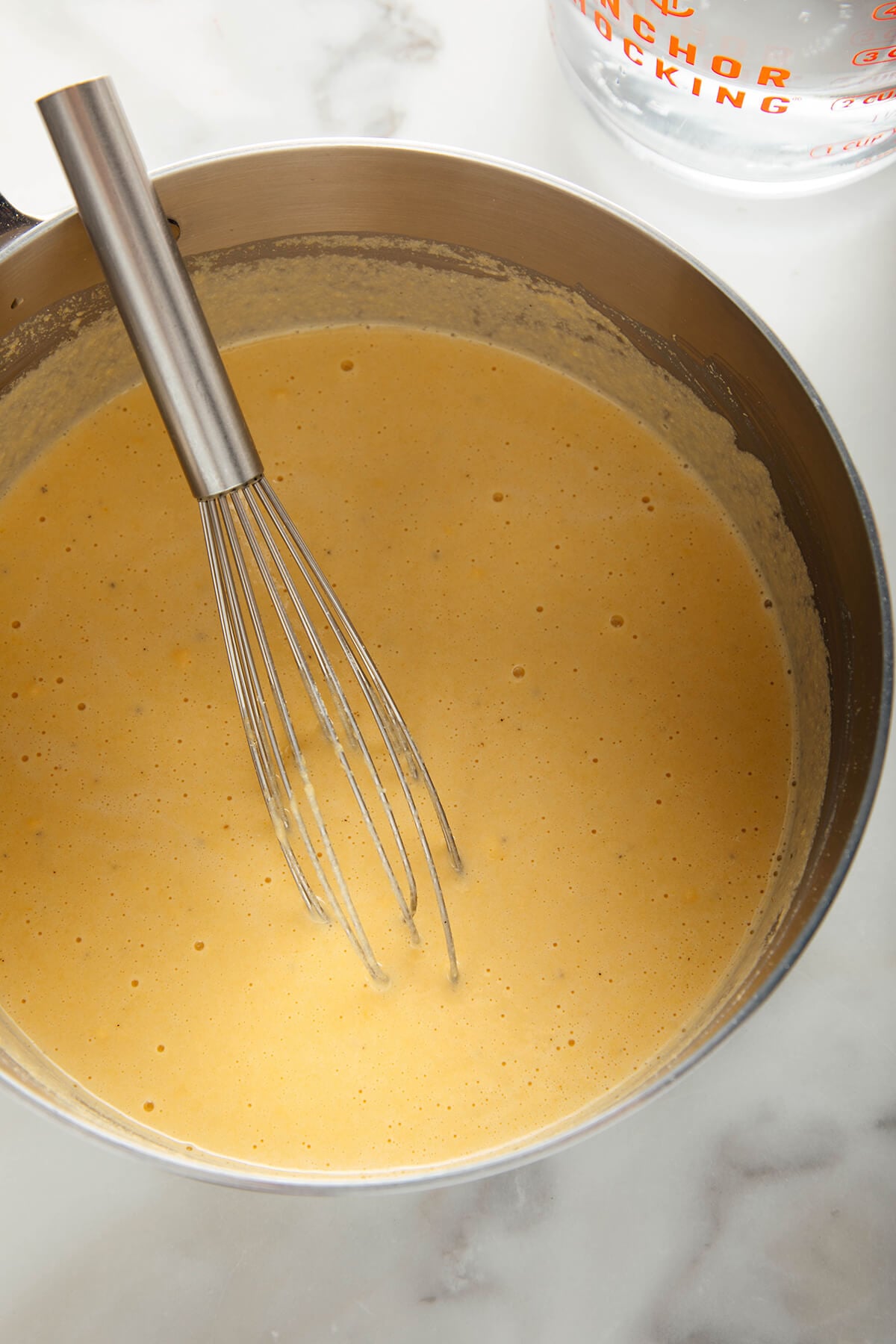
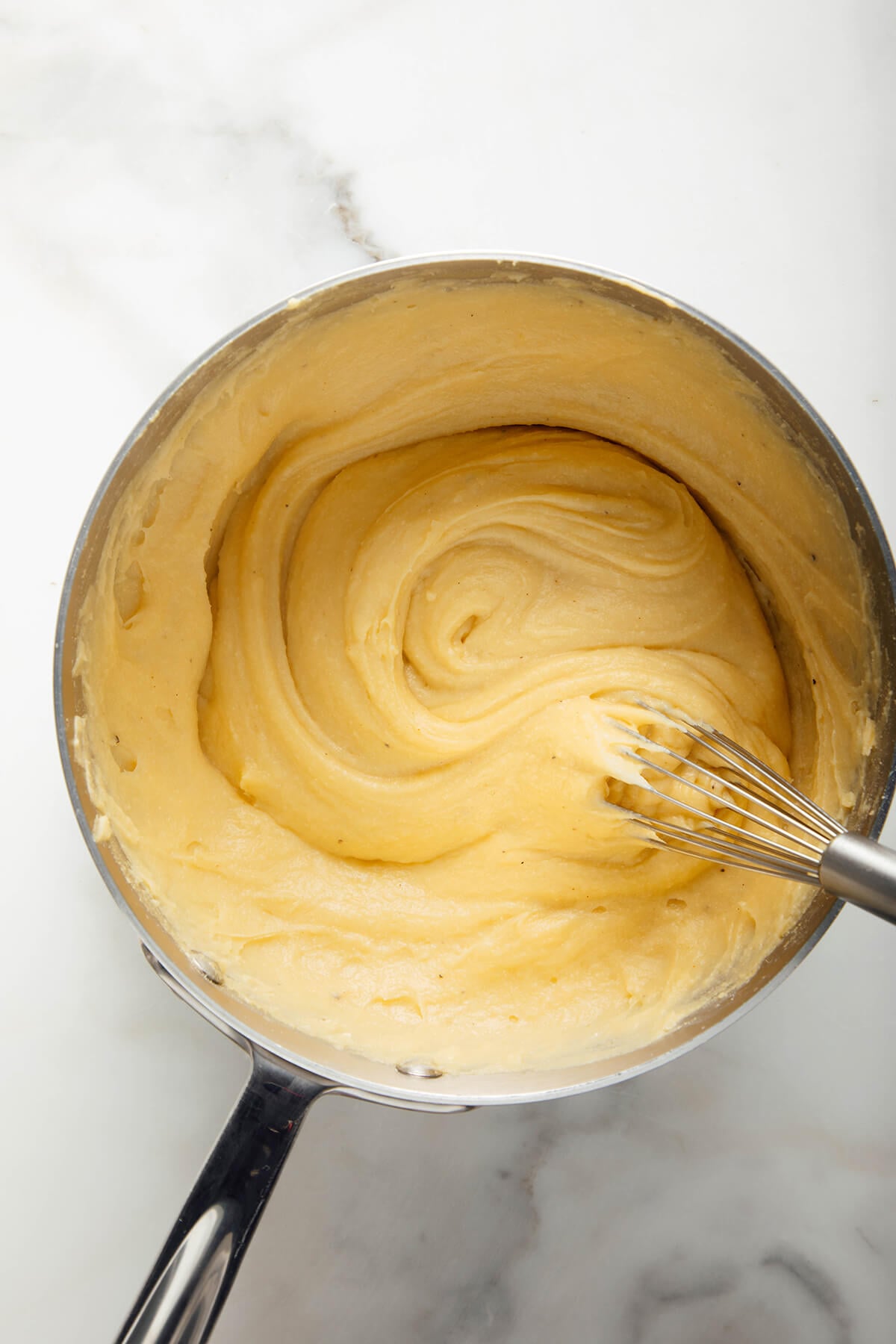
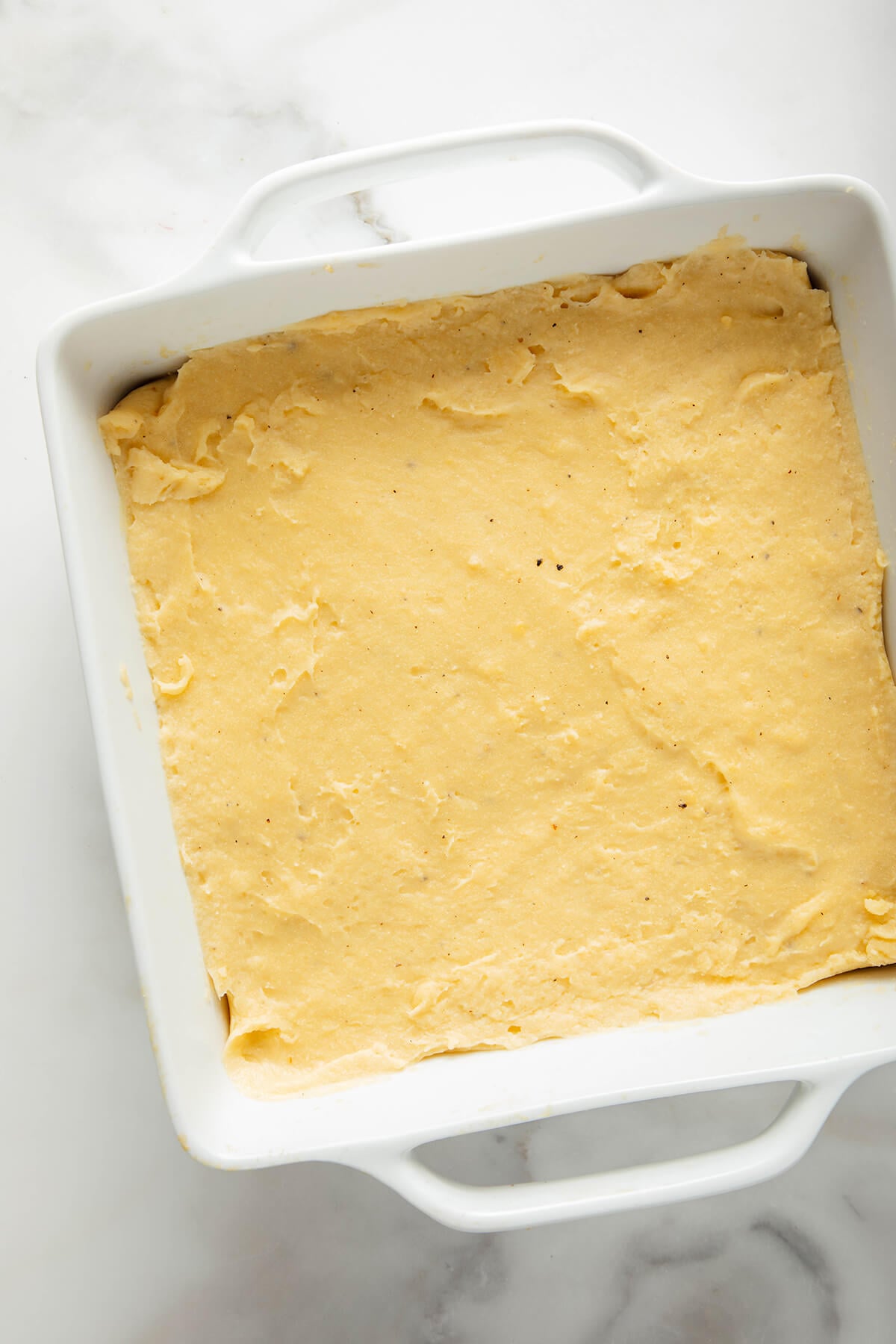
The Foundational Steps: The journey to perfect panisses begins with creating a smooth, lump-free batter from chickpea flour, water, olive oil, and seasonings. This batter is then cooked over medium heat, stirring continuously, until it thickens into a consistency akin to creamy polenta. This cooking process gelatinizes the starches in the chickpea flour, creating a pliable dough. The cooked batter is then spread into a thin layer and allowed to cool and firm up, typically for several hours or overnight. This crucial resting period transforms the soft batter into a solid, sliceable block, ready for shaping into fries.
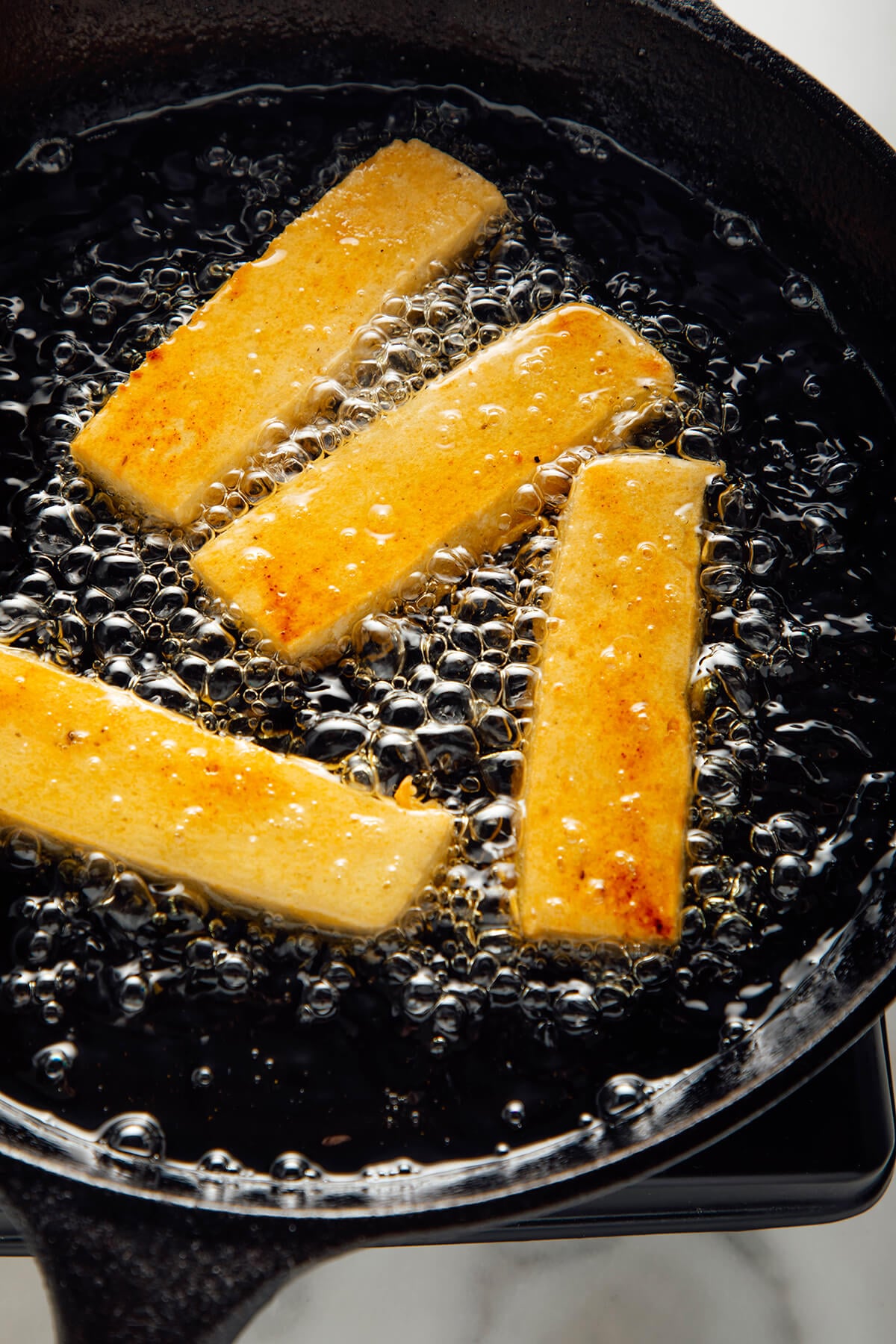
Traditional Pan-Frying: In France, the authentic method involves pan-frying the cut panisses in hot olive oil or a blend of olive and vegetable oils. This technique yields an exceptionally crisp and deeply golden exterior, a hallmark of traditional panisses. The intense heat of the oil causes a rapid Maillard reaction, developing complex flavors and a satisfying crunch. However, this method can be finicky. Olive oil has a relatively low smoke point, making it prone to smoking and burning if not carefully managed. Culinary professionals often advise using oils with higher smoke points, such as avocado oil, when frying at higher temperatures, to prevent unwanted smoke and maintain oil integrity. The process requires constant supervision to achieve the desired golden-brown crust without overcooking the delicate interior.
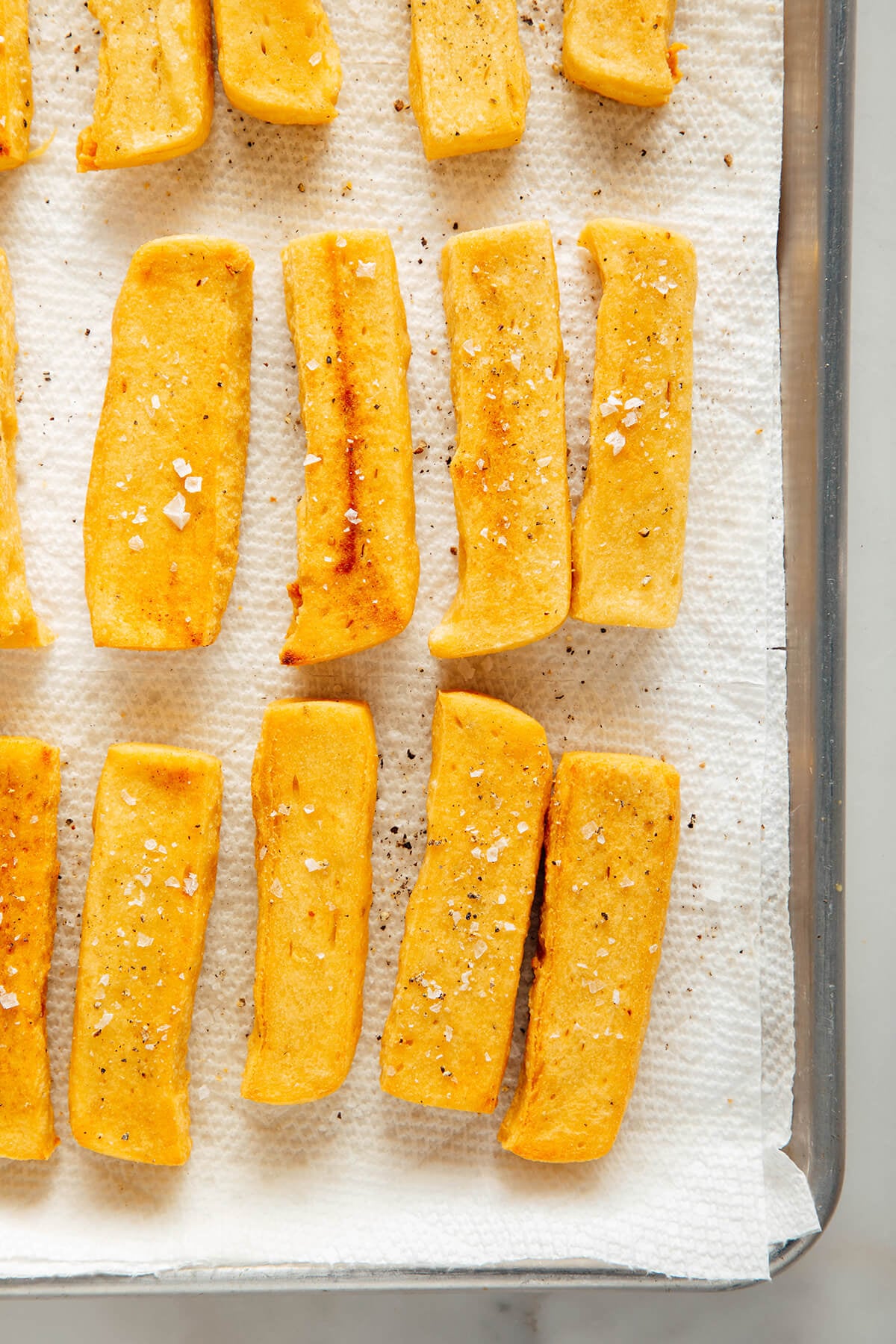
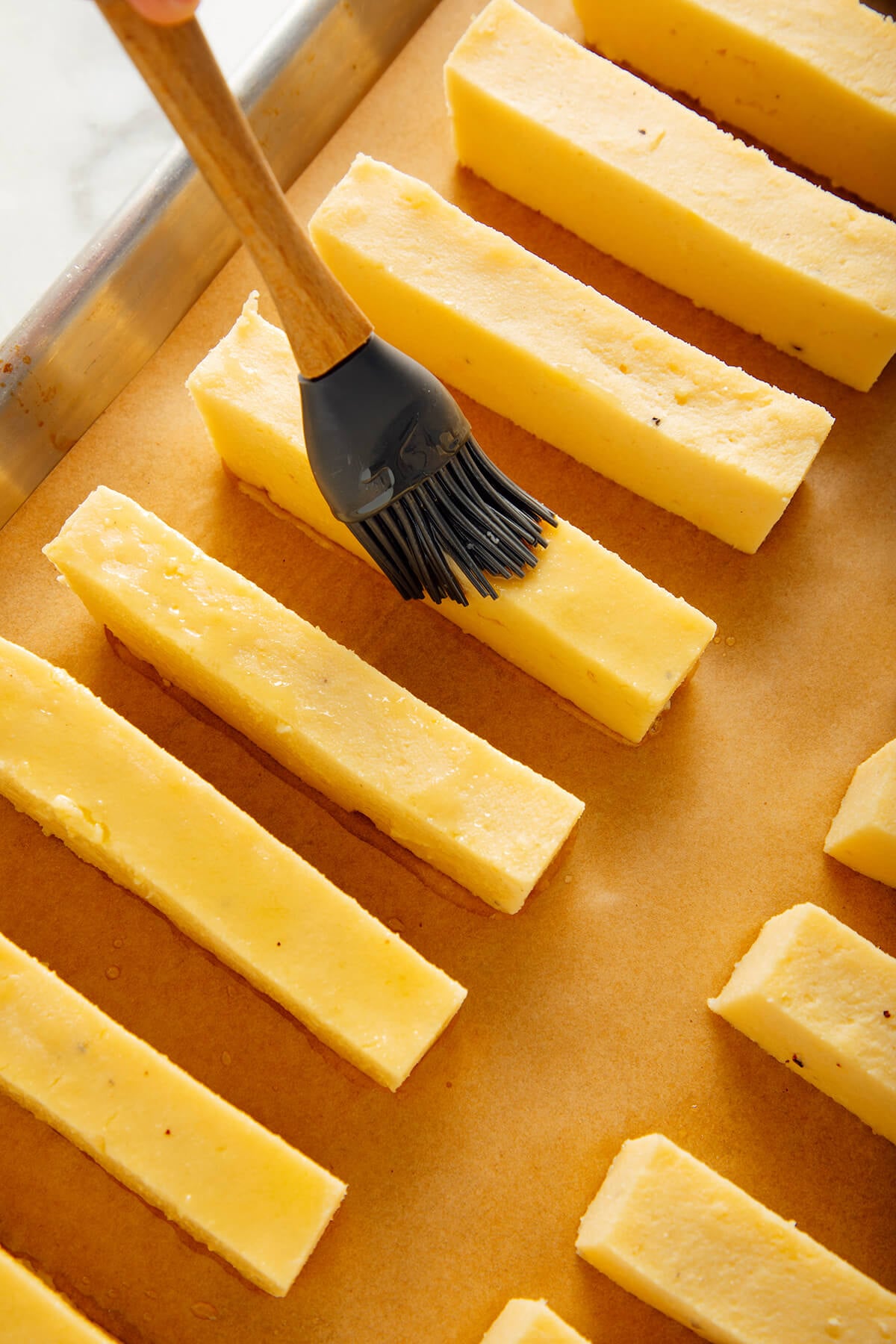
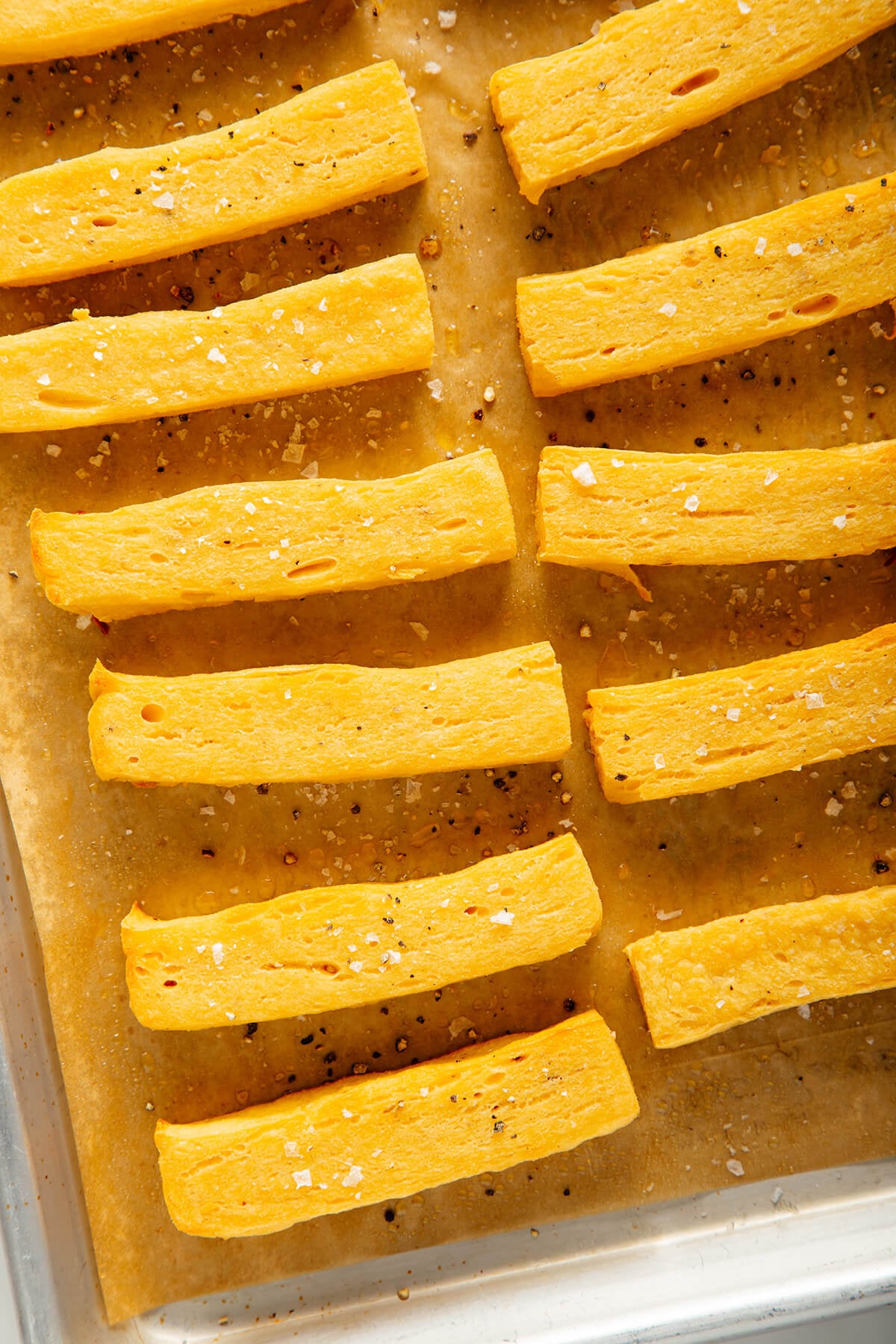
Modern Baked Approach: Recognizing the desire for convenience and potentially lighter preparations, a baked method for panisses has gained popularity. This approach eliminates the need for standing over a hot stove and offers a more hands-off cooking experience. Baked panisses, when prepared correctly, still achieve a delightful crispness and even golden color. The key to successful baking lies in proper oil application: brushing the panisses with olive oil before baking, and then, after an initial bake, drizzling additional oil before the final cooking phase. This "drizzling" technique, as observed in recent culinary experiments, often yields a crispier, more "fried-like" texture than simply re-brushing, ensuring the oil penetrates evenly for optimal browning and crunch. While taking longer, the baked method offers a consistent and less laborious path to delicious panisses, aligning with modern home cooking preferences.
Serving Suggestions and Culinary Pairings
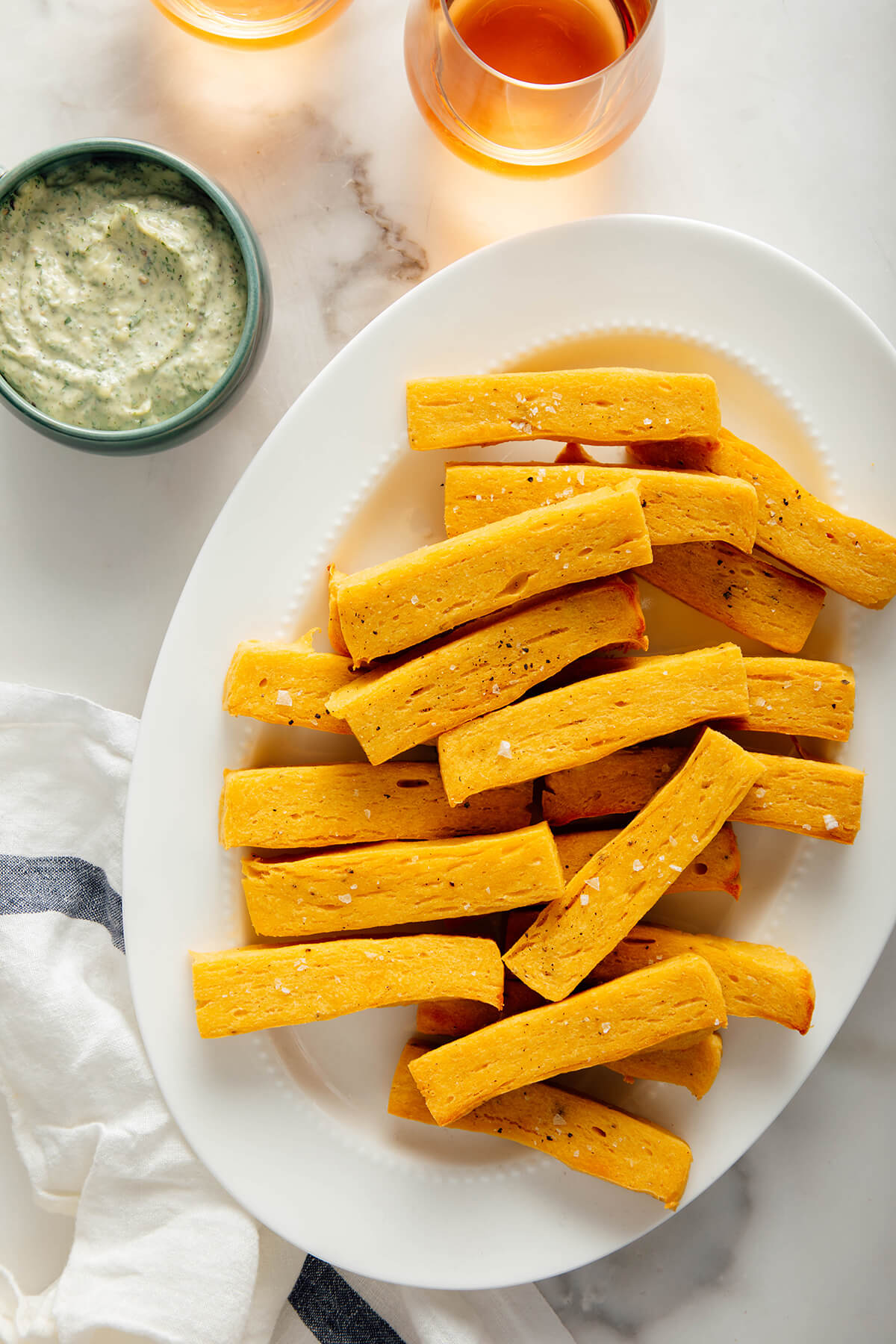
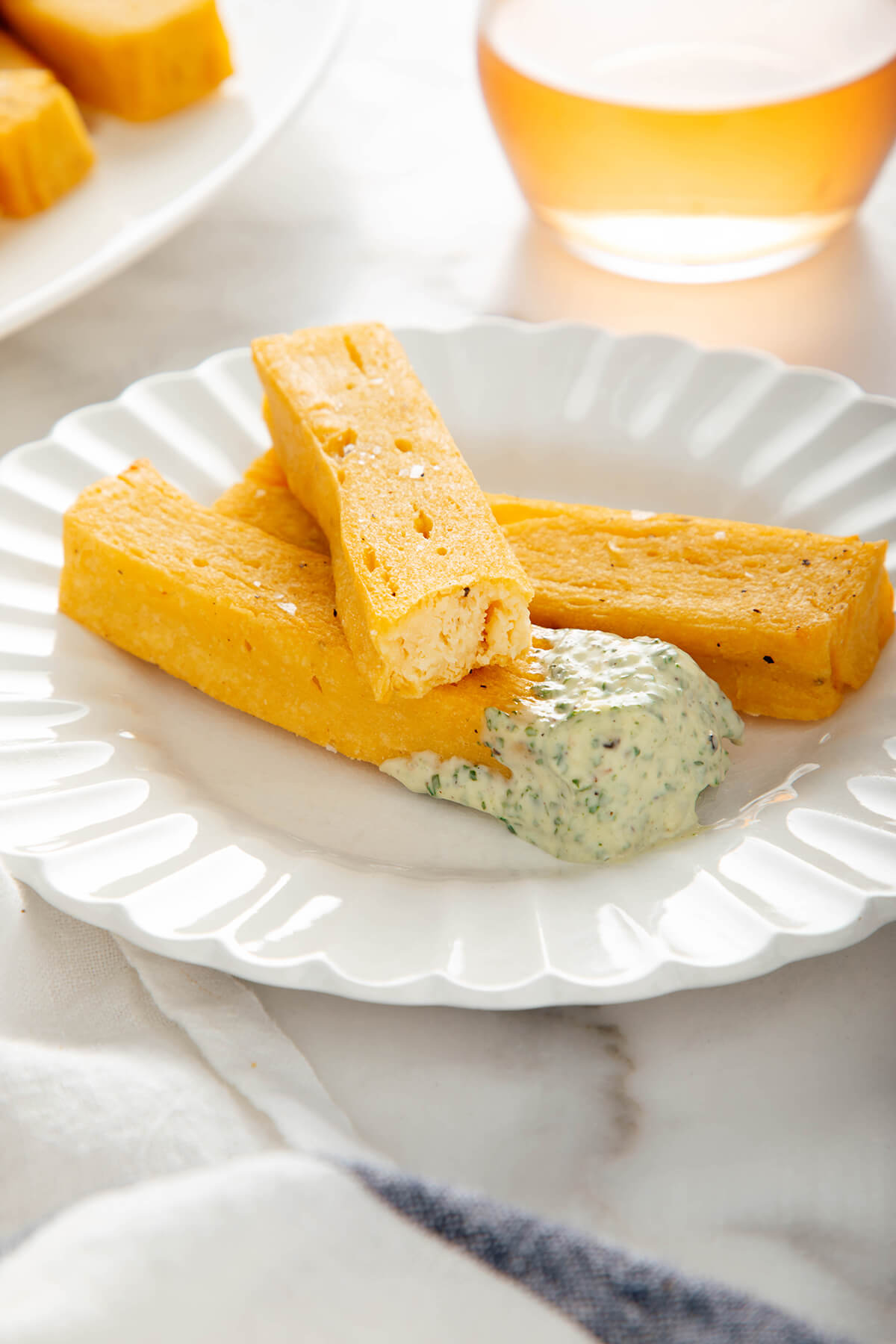
Panisses are incredibly versatile and can be served in numerous ways, reflecting their adaptable nature. Traditionally, they are enjoyed warm, often accompanied by a chilled glass of rosé wine, a classic Provencal pairing that balances the richness of the fries with the wine’s refreshing acidity.
- Dipping Sauces: The article highlights the importance of a creamy dipping sauce. While the original suggests a Creamy Basil Sauce, a range of options can complement the panisses’ earthy flavor. Mayonnaise-based sauces, infused with flavors like pesto, romesco, harissa, or even a simple lemon-garlic aioli, provide a rich, tangy counterpoint. Other popular choices include hummus, spicy tomato sauce, or a cooling yogurt-mint dip.
- As Part of a Mezze or Tapas Spread: Their snackable format makes panisses an excellent addition to a Mediterranean-style mezze platter or Spanish tapas spread. They pair wonderfully with olives, marinated vegetables, cheeses, and various dips.
- Light Meal Accompaniment: Panisses can transform a simple salad into a more substantial and satisfying meal. Their hearty texture and nutritional content make them a robust complement to fresh greens and vibrant vinaigrettes.
- Global Adaptations: Beyond traditional pairings, panisses are being integrated into fusion cuisine, served alongside grilled meats, as a creative side dish in contemporary restaurants, or even as a base for open-faced sandwiches.
Broader Impact and Culinary Implications
The growing interest in panisses extends beyond their immediate culinary appeal, touching upon broader trends in the food industry and sustainable eating.
- Plant-Based Movement: As consumers increasingly adopt plant-based and flexitarian diets, panisses offer an exciting, protein-rich alternative to animal-derived snacks, fitting seamlessly into this global dietary shift.
- Gluten-Free Innovation: The demand for gluten-free products continues to rise, and panisses provide a delicious and naturally gluten-free option that doesn’t compromise on taste or texture, offering innovation in a market often limited to rice or corn-based alternatives.
- Rediscovery of Ancient Grains/Ingredients: The re-emergence of chickpea flour in popular cuisine is part of a larger movement to rediscover and utilize ancient grains and traditional ingredients, promoting biodiversity and diverse flavor profiles.
- Sustainable Food Systems: Chickpeas are a relatively drought-tolerant crop, requiring less water than many other protein sources. Their increased consumption could contribute to more sustainable agricultural practices and food security in various regions.
- Culinary Globalization: The journey of panisses from a regional specialty to an internationally recognized dish exemplifies the ongoing globalization of food. As chefs and food enthusiasts explore diverse culinary traditions, dishes like panisses find new audiences and interpretations, enriching the global food tapestry.
Storage and Reheating
For convenience, panisses can be prepared in advance and stored. They remain fresh in the refrigerator for up to five days, allowing for quick snacks or meal additions throughout the week. For longer storage, they can be frozen for up to six months. While best served hot and fresh, reheating them gently, perhaps in a microwave or a warm oven, can restore some of their desirable texture.
In conclusion, panisses are far more than just a simple fried snack. They are a flavorful link to Provencal history, a nutritional powerhouse meeting modern dietary needs, and a versatile culinary component poised for global recognition. Their journey from the humble kitchens of Southern France to the forefront of international culinary trends underscores the enduring appeal of traditional foods that offer both exceptional taste and substantial health benefits. As the world continues its quest for innovative, delicious, and sustainable food options, panisses stand ready to claim their rightful place as a beloved staple.
