

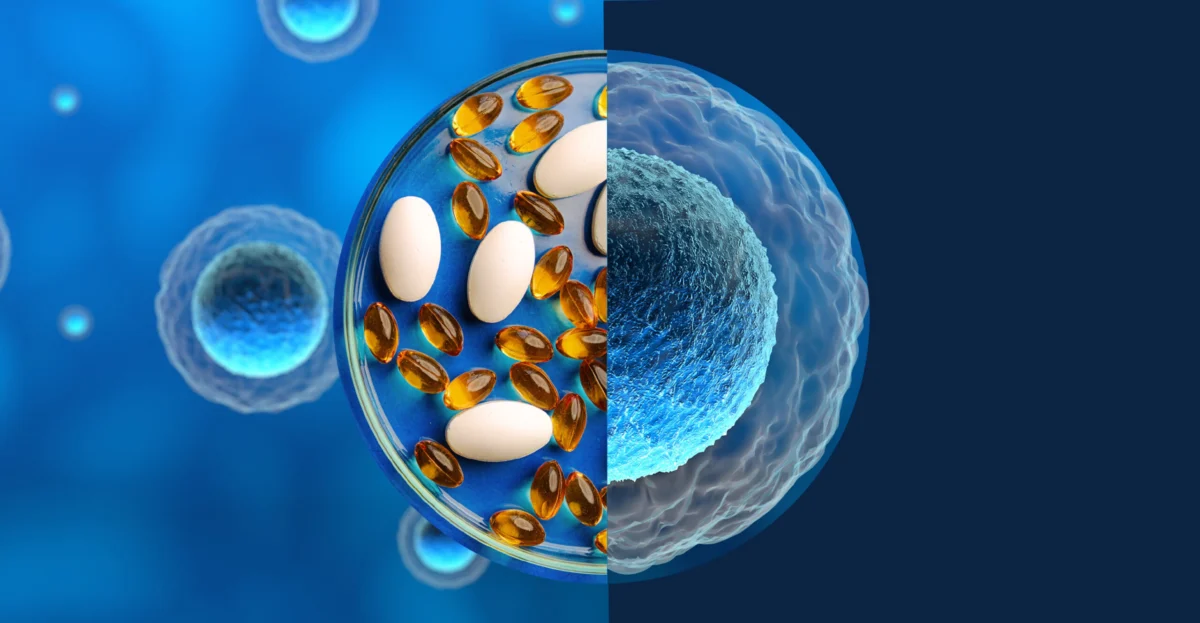
The landscape of human longevity is undergoing a profound transformation, shifting the focus from merely extending lifespan to optimizing "healthspan" – the period of life characterized by quality of life, vitality, and functional independence. This paradigm shift is fueled by groundbreaking cellular and molecular research, which is illuminating the intricate mechanisms of aging and offering unprecedented opportunities to enhance how we age from the inside out. Dietary supplement manufacturers and ingredient providers are at the forefront of this revolution, translating cutting-edge longevity science into tangible solutions for consumers seeking to maximize their well-being throughout their lives.
The Science of Cellular Rejuvenation Takes Center Stage
At the core of this evolving health and wellness sector is a deep dive into the fundamental hallmarks of aging at the cellular level. Innovators are no longer content with broad-spectrum nutritional support; instead, they are developing and validating targeted interventions. Prominent among these are NAD+ precursors, such as nicotinamide riboside (NR), which plays a critical role in cellular energy production and DNA repair. The burgeoning field of senolytics, compounds designed to identify and clear senescent cells – often referred to as "zombie cells" – which accumulate with age and contribute to chronic inflammation and tissue dysfunction, is another area of intense focus. Fisetin and quercetin, for instance, are being rigorously studied for their senolytic properties.
This commitment to scientific validation is evident in the increasing investment in human clinical trials. The landmark COSMOS study, which investigated the impact of multivitamins on biological aging, serves as a prime example of the industry’s move towards evidence-based claims. Beyond traditional nutritional science, ingredient manufacturers are also prioritizing enhanced bioavailability. Advanced delivery systems are being developed to ensure that potent compounds like curcumin and CoQ10, known for their antioxidant and anti-inflammatory benefits, can effectively reach their intended cellular targets within the body, maximizing their therapeutic potential.
A New Era: From "Anti-Aging" to Healthspan Optimization
The terminology surrounding aging interventions has evolved significantly, mirroring the scientific advancements and shifting consumer priorities. The outdated and often misleading "anti-aging" moniker has given way to "longevity" and, more recently, "healthspan." This evolution reflects a broader understanding that consumers are not merely seeking to stave off the visible signs of aging but are actively pursuing a more holistic approach to well-being.
Content Director Christine Kapperman notes that contemporary consumers are prioritizing cognitive function, mental well-being, and cardiovascular health, often beginning these proactive health measures at younger ages than previously observed. This shift necessitates a more sophisticated understanding of aging processes and the development of solutions that address these multifaceted concerns. The demand for comprehensive health, extending beyond superficial cosmetic concerns, is driving innovation and shaping the product development pipeline within the health and wellness industry.
Unraveling the Biological Hallmarks of Aging
Understanding the intricate biological processes that underpin aging is crucial for developing effective interventions. Research has identified several key hallmarks, each presenting a target for innovative supplement ingredients:
- Cellular Senescence: As cells age, they can enter a state of senescence, ceasing to divide but remaining metabolically active and secreting inflammatory factors. These "zombie cells" contribute to tissue damage and age-related diseases. Senolytics, such as fisetin and quercetin, aim to selectively eliminate these cells, promoting tissue rejuvenation.
- Mitochondrial Dysfunction: Mitochondria, the powerhouses of cells, become less efficient with age. The process of cellular energy production generates reactive oxygen species (ROS), or free radicals, which can damage mitochondrial DNA (mtDNA). This damage impairs energy production and contributes to cellular aging. Ingredients that support mitochondrial function and combat oxidative stress are therefore highly sought after.
- Genomic Instability: Over time, DNA accumulates damage from various sources, including oxidative stress and replication errors. This genomic instability can lead to cellular dysfunction and an increased risk of disease. Repair mechanisms and compounds that protect DNA integrity are crucial for healthy aging.
- Epigenetic Alterations: Epigenetic modifications, which control gene expression without altering the underlying DNA sequence, can change with age. These alterations can lead to the inappropriate activation or silencing of genes, contributing to age-related decline. Research is exploring ways to influence these epigenetic marks.
- Loss of Proteostasis: The ability of cells to maintain the proper folding and function of proteins declines with age. Misfolded proteins can accumulate and disrupt cellular processes, contributing to neurodegenerative diseases and other age-related conditions.
Navigating the Regulatory Landscape: The "Healthspan Gold Rush"
The surge in consumer interest in longevity has sparked what some are calling a "healthspan gold rush" within the industry. Brands are eager to capture this growing market, leading to the proliferation of buzzwords such as "anti-aging," "age reversal," "cellular rejuvenation," and "telomere support." However, this linguistic enthusiasm presents a significant challenge: the very language consumers are using to search for solutions is also the language that regulators are legally obligated to scrutinize and potentially prosecute.
The U.S. Food and Drug Administration (FDA), for instance, has stringent regulations regarding health claims made for dietary supplements. Claims that suggest a product can treat, prevent, or cure a disease, or that imply it can "reverse" aging processes, are generally considered illegal unless supported by robust scientific evidence and approved through the New Drug Application (NDA) process. This creates a delicate balance for brands, who must communicate the benefits of their products effectively without crossing regulatory lines. Companies that can substantiate their claims with rigorous scientific data and adhere to regulatory guidelines are best positioned for sustainable growth in this dynamic market.
The Evolving Role of Supplements in Longevity
The question of whether supplements can contribute to healthy aging has largely moved beyond a simple "if" to a more nuanced "how." As highlighted by editor Devon Gholam, the conversations at major industry events like Natural Products Expo West consistently revolve around longevity, with new research continually emerging to support the role of dietary supplements. The link between multivitamins and slower biological aging, as suggested by studies like COSMOS, underscores their potential contribution.
Beyond established nutrients, the functional ingredients landscape is rapidly expanding. Creatine, once primarily confined to the athletic performance category, has emerged as a buzzy functional ingredient for healthy aging. Its benefits extend beyond muscle health to potentially support cognitive function and cellular energy metabolism, making it relevant for a broader consumer base interested in maintaining vitality as they age.
Implications for Business and Consumer Choice
The accelerating innovation in the healthy-aging sector offers significant takeaways for both businesses and consumers:
-
For Businesses:
- Scientific Substantiation is Paramount: Companies must invest in rigorous clinical research to validate product claims. Relying solely on anecdotal evidence or broad marketing terms will not suffice in the long run and can lead to regulatory scrutiny.
- Focus on Healthspan, Not Just Lifespan: Marketing and product development should emphasize the quality of life, functional independence, and vitality that consumers can achieve, aligning with the healthspan paradigm.
- Navigate Regulatory Compliance: A thorough understanding of regulatory requirements for health claims is essential. Transparency and accurate communication are key to building consumer trust.
- Embrace Targeted Interventions: As scientific understanding of aging deepens, so too will the demand for specific ingredients that target particular biological hallmarks.
-
For Consumers:
- Informed Decision-Making: Consumers should critically evaluate product claims and seek out supplements backed by scientific evidence. Understanding the underlying science can empower them to make better choices.
- Holistic Health Approach: The focus on healthspan encourages a broader view of well-being, encompassing physical, cognitive, and mental health.
- Proactive Engagement: The trend of younger individuals engaging in proactive health measures highlights the increasing awareness of the long-term benefits of healthy lifestyle choices.
The journey towards optimizing healthspan is a complex but increasingly accessible one, driven by scientific discovery and a growing consumer desire for a longer, healthier, and more vibrant life. As research continues to unravel the mysteries of aging at the cellular level, the tools available to support this journey will undoubtedly become even more sophisticated and effective.
