

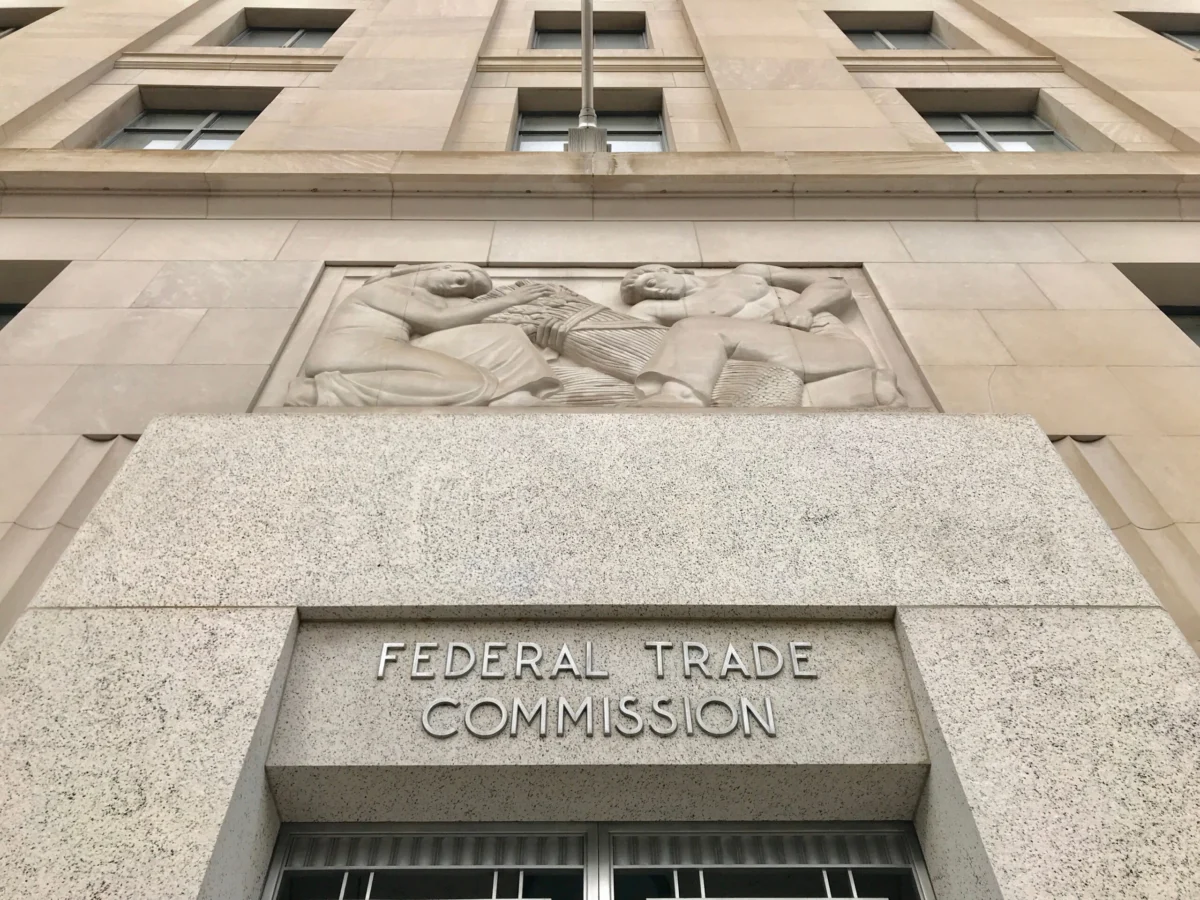
The U.S. Federal Trade Commission (FTC) has imposed a significant $225 million penalty on Amway and two of its affiliated entities, World Wide Group, L.L.C. (WWG) and Leadership Team Development Inc. (LTD), for engaging in unfair and deceptive business practices. This landmark settlement, brought forth in conjunction with the state of Washington, addresses allegations of inflated earnings claims made to Amway’s Independent Business Owners (IBOs), the term the company uses for its distributors, and the coercive sale of mandatory training and materials. The ruling marks one of the largest penalties ever levied by the FTC against a multi-level marketing (MLM) company for issues related to pyramid scheme-like operations.
The FTC’s complaint, filed on September 18, 2026, detailed a systemic pattern of misleading practices designed to entice individuals into the Amway network. Central to the allegations is the claim that Amway, through its affiliates WWG and LTD, misrepresented the earning potential of its IBOs. Prospective distributors were allegedly presented with unrealistic income projections, fostering the belief that substantial financial success was readily achievable. This narrative, the FTC contends, was a primary driver for recruitment, overshadowing the actual realities of income generation within the Amway structure.
A Pattern of Deception: Inflated Earnings and Mandatory Costs
At the heart of the FTC’s action lies the alleged manipulation of earnings claims. The complaint asserts that Amway and its affiliates consistently presented a rosier picture of income potential than was statistically supported for the majority of IBOs. This strategy, the Commission argues, lured individuals into the business opportunity under false pretenses. Many IBOs, the FTC found, ultimately spent more on Amway products and mandatory training and events than they earned in commissions, resulting in a net financial loss for a significant portion of the distributor base.
The two affiliates, WWG and LTD, identified as "Preferred Providers," played a crucial role in this alleged scheme. They were accused of selling training sessions, educational materials, and access to events that were presented as indispensable for an IBO’s success. These offerings, while not explicitly mandated by Amway’s core policies, were allegedly heavily promoted and implicitly expected, creating a significant financial burden for new and aspiring distributors. The profits generated from these sales were reportedly shared with Amway, indicating a collaborative effort to capitalize on the IBO network.
The complaint highlights that while IBOs are not contractually obligated to join these preferred providers, the structure of the business model created a strong expectation and practical necessity for doing so. WWG and LTD have a particularly strong presence in West Coast states, which explains the involvement of the state of Washington in the federal investigation and subsequent legal action. The financial strain on IBOs is quantified by the FTC, which estimates that the costs associated with WWG’s training, educational materials, messaging apps, and event attendance can accumulate to as much as $2,100 annually per IBO. This figure represents a substantial outlay for individuals who often join MLMs seeking supplementary income.
Furthermore, the FTC’s complaint detailed allegations that WWG and LTD actively induced IBOs to purchase products they otherwise would not have acquired and to falsely report sales to consumers that did not actually occur. In the context of multi-level marketing, a common practice involves distributors being required to maintain a certain volume of product purchases to qualify for commissions and maintain their ranking within the organization. The FTC’s findings suggest that this pressure to purchase, coupled with the alleged falsification of sales figures, created an artificial appearance of success and demand within the Amway network.
FTC’s Stance: Prioritizing Consumer Protection and Fair Competition
Christopher Mufarrige, Director of the FTC’s Bureau of Consumer Protection, issued a strong statement following the settlement, emphasizing the Commission’s commitment to combating deceptive practices in the direct selling and multi-level marketing industries. "Amway and its affiliates misled prospective workers with false earnings claims and then pressured them to buy Amway products they were unlikely to be able to sell," Mufarrige stated. "Today’s action makes clear that the FTC will not tolerate any company deceiving workers – whether through deceptive earnings claims or by promoting reports of false sales to make direct selling or multilevel marketing opportunities look appealing to consumers."
The FTC’s statement specifically detailed that Amway and its distributors allegedly "create the appearance that the Amway opportunity revolves around selling products rather than attempting to recruit new IBOs to purchase Amway products." This distinction is critical in regulatory scrutiny of MLMs, as a business model primarily focused on recruitment and product sales to distributors, rather than to genuine end consumers, often skirts the line of illegality and can resemble a pyramid scheme.
The proposed settlement, which has been presented as a stipulated order, includes not only the substantial financial penalty but also mandates significant changes to Amway’s operational practices. The $225 million fine will be allocated to provide refunds to IBOs who were allegedly defrauded, after deducting administrative costs associated with the process.
Mandated Reforms: Ensuring Genuine Consumer Sales
Going forward, Amway will be required to implement stringent new policies to ensure greater transparency and a focus on actual consumer sales. A key reform includes a mandate for IBOs to sell at least 70% of the products they purchase each month to actual consumers. Failure to meet this threshold will result in a substantial reduction in commission eligibility, creating a direct financial disincentive for distributors to stockpile inventory. The company is also explicitly prohibited from falsely reporting sales to consumers, a practice that the FTC found contributed to the misleading portrayal of the business opportunity.
This regulatory action against Amway is part of a broader, ongoing effort by the FTC and other regulatory bodies to address persistent issues within the multi-level marketing industry. For decades, critics and regulators have pointed to the MLM model’s inherent risks, often resulting in distributors accumulating vast quantities of unsold products, sometimes referred to as "garage full of inventory." This concern is frequently echoed by stock analysts who question the sustainability and true consumer-driven nature of sales reported by publicly traded MLMs.
Historical Context: The Evolution of MLM Scrutiny
The origins of the MLM model can be traced back to Nutrilite, founded in 1945, which pioneered many of the distribution strategies that Amway, founded by former Nutrilite distributors, would later adopt and expand upon. Amway’s product lines, which include personal care and household items, have grown significantly over the years, with its supplement division now operating under the Nutrilite brand.
The FTC’s current action against Amway is being billed as the largest fine for an MLM concerning pyramid scheme allegations in the agency’s history. While the $225 million figure is substantial, it’s important to contextualize it against previous penalties. For instance, in 2016, Herbalife agreed to a $200 million fine (approximately $278 million in 2026 dollars), which included significant restructuring requirements. In that settlement, Herbalife was compelled to cease using misleading recruitment materials, such as images of distributors on superyachts and in front of mansions, and was mandated to provide greater transparency regarding typical distributor earnings. Herbalife’s reporting indicated that in a typical month, over half of its 107,000 U.S. distributors in 2025 earned no commissions, with a mere 10% earning over $5,000 per month and less than 1% reaching earnings above $22,000 monthly, often after an average of 5 to 12 years in the business. Herbalife also revamped its commission structure to emphasize end-user sales over recruitment and eliminated mandatory minimum monthly product purchases.
Another high-profile case involved supplement marketer AdvoCare, which in 2019 agreed to pay a $150 million fine (approximately $197 million in 2026 dollars) to settle FTC allegations of operating an illegal pyramid scheme. The AdvoCare settlement necessitated the company’s complete cessation of MLM operations, transitioning to a single-level commission structure focused solely on direct sales to consumers.
Implications for the Supplement Industry and Beyond
The significant fine and mandated operational changes for Amway carry broad implications for the entire multi-level marketing sector, including the supplement industry, which has seen a substantial presence of MLM models. This ruling underscores the FTC’s continued vigilance in scrutinizing business opportunities that rely heavily on recruitment and potentially misleading income claims.
For companies operating within the MLM framework, the Amway settlement serves as a stark reminder of the regulatory landscape and the potential consequences of deceptive practices. It reinforces the critical need for transparency in earnings disclosures, a genuine focus on product sales to actual consumers, and ethical recruitment strategies. The emphasis on the 70% consumer sales requirement could set a new benchmark for compliance within the industry, potentially prompting other MLMs to re-evaluate their internal policies and commission structures to align with regulatory expectations.
The long-term impact may include increased scrutiny of other MLM companies, potentially leading to further investigations and settlements. It could also encourage a shift in business models, with companies prioritizing direct-to-consumer sales channels or adopting more traditional retail strategies to mitigate regulatory risks. For consumers and potential distributors, the ruling offers a clearer understanding of their rights and the red flags to watch for when considering MLM opportunities, promoting a more informed decision-making process. The FTC’s action signals a robust commitment to protecting individuals from deceptive marketing and ensuring a more equitable marketplace within the direct selling industry.
