

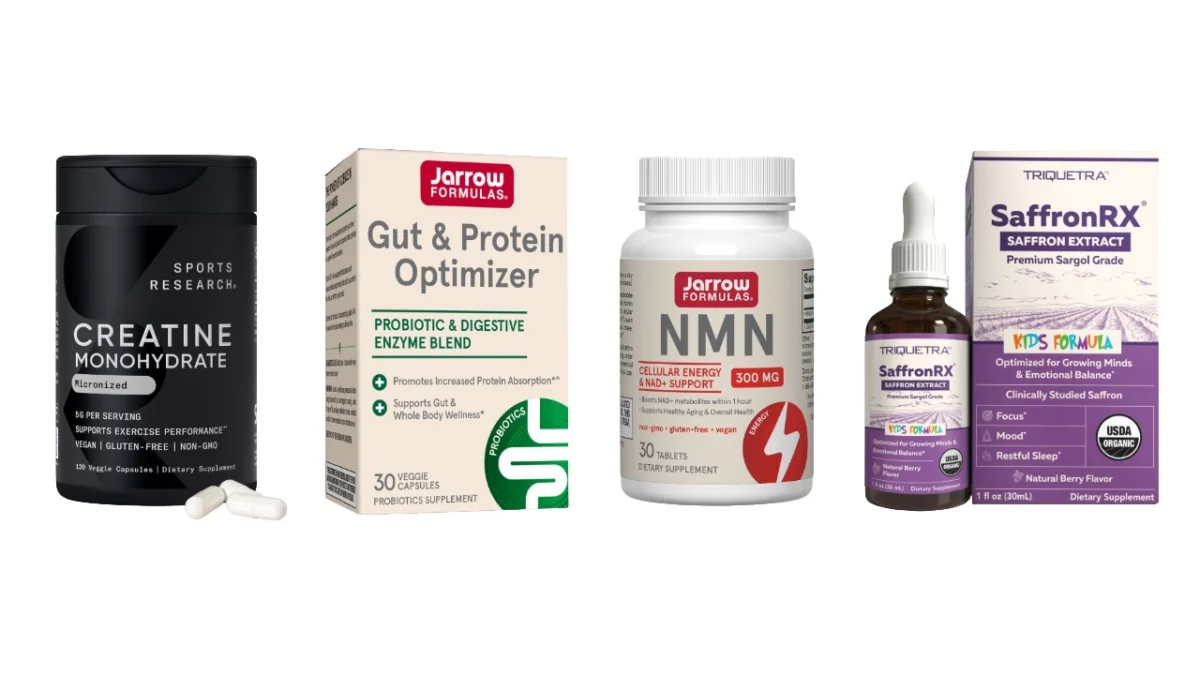
The dietary supplement industry is experiencing a period of significant consolidation and innovation, marked by a series of high-profile acquisitions and the introduction of novel products leveraging cutting-edge research. In a landscape increasingly defined by strategic partnerships and scientific advancements, key players are reshaping their portfolios and expanding into new market segments. This edition of Supplement Shorts delves into the most impactful developments, from major brand acquisitions to promising preclinical research and the launch of finished products featuring trending ingredients like creatine, NMN, and saffron.
cbdMD’s Strategic Acquisition of Twinlab Brands Signals Continued Industry Consolidation
The dietary supplement market is witnessing a flurry of acquisition activity, with major corporations and specialized companies strategically acquiring established brands to expand their market reach and diversify their offerings. This trend underscores a dynamic environment where brand equity, distribution networks, and emerging science are key drivers of growth.
Most recently, on September 2, cbdMD, a prominent CBD and hemp company, announced a definitive agreement to acquire the Twinlab brands. This significant move, which includes the acquisition of Twinlab, Reserveage, Metabolife, and Alvita Tea, represents a departure from the typical acquisition patterns seen recently, such as global consumer packaged goods giants or private equity firms investing in wellness brands. However, this strategic acquisition is projected to significantly boost cbdMD’s revenue by an impressive 40%.
This latest development follows a series of notable transactions that have reshaped the industry’s competitive landscape. Earlier, Procter & Gamble made headlines with its agreement to purchase Thorne, a move that signaled the consumer goods giant’s deepening commitment to the health and wellness sector. Subsequently, Kirin announced its intentions to acquire Jamieson Wellness, further illustrating the global interest in established supplement brands. In another substantial divestment, Nestle recently offloaded its Holistic Health platform for a reported $1 billion, indicating a strategic refocusing for the food and beverage conglomerate.
Ronan Kennedy, CEO of cbdMD, emphasized the strategic value of the Twinlab acquisition, stating, "Twinlab is the kind of brand equity that companies spend decades trying to build. The brands, distribution channels, and team are highly complementary to what we already operate, and this transaction gives these brands the stability and support they need for their next chapter." This sentiment highlights the enduring power of established brands and the potential for synergy when integrated into a larger, financially robust entity.
Anthony Zolezzi, CEO of Twinlab, echoed the enthusiasm for the transaction, noting, "cbdMD is the right home for these brands. Together, we will bring a uniquely complete wellness portfolio spanning foundational vitamins, minerals and nutrition through botanicals, beauty, longevity, functional mushrooms, cannabinoids and the emerging breakthroughs defining where this industry is headed." This forward-looking statement suggests a vision of a comprehensive wellness ecosystem that integrates traditional supplements with emerging categories.
The impact of these acquisitions extends beyond finished product brands. On July 31, BIO-CAT, a supplier of enzyme and microbial ingredients, announced its acquisition by Lallemand. Antoine Chagnon, Lallemand CEO, stated that the move significantly expands the company’s American footprint and strengthens its presence within the burgeoning dietary supplement market. This acquisition of a key ingredient supplier demonstrates a vertical integration strategy aimed at securing supply chains and leveraging specialized expertise.

These ongoing strategic maneuvers highlight a maturing industry where companies are seeking to achieve scale, expand into adjacent markets, and enhance their competitive positioning through targeted acquisitions and partnerships. The ability to integrate diverse brands and product portfolios, coupled with robust scientific backing, will be crucial for success in this evolving market.
Emerging Science and Preclinical Research Fueling Innovation
Beyond the corporate consolidation, the scientific underpinnings of the dietary supplement industry continue to advance, with promising preclinical research paving the way for new product development. One area of particular interest is the exploration of botanical ingredients for their cosmetic and anti-aging benefits.
Recent preclinical research has focused on a specific botanical nutricosmetic, investigating its potential to enhance skin health and combat the visible signs of aging. While specific details of the research are proprietary, the focus on plant-derived compounds for internal beauty and wellness applications aligns with a growing consumer demand for natural and holistic approaches to skincare. Nutricosmetics, which combine nutrition and cosmetics, represent a significant growth area, with consumers increasingly seeking ingestible solutions that offer benefits beyond topical applications. This trend is driven by a deeper understanding of the gut-skin axis and the role of internal health in external appearance.
Such research often involves in-vitro studies and animal models to assess the efficacy of botanical extracts in improving skin elasticity, reducing inflammation, and providing antioxidant protection. If successful, these findings could translate into the development of new supplement lines specifically targeting skin rejuvenation, hydration, and protection against environmental stressors. The industry’s investment in this area reflects a strategic effort to tap into the lucrative beauty-from-within market, which is projected to continue its upward trajectory.
The validation of such botanical compounds through rigorous scientific study is critical for building consumer trust and ensuring product efficacy. As consumers become more discerning, the demand for supplements backed by credible research is expected to grow, prompting manufacturers to invest more heavily in scientific validation.
New Product Launches Showcase Trending Ingredients: Creatine, NMN, and Saffron
The innovation pipeline within the dietary supplement sector is robust, with manufacturers consistently introducing new products that cater to evolving consumer needs and leverage scientific advancements. This quarter has seen a notable influx of finished products featuring ingredients such as creatine, Nicotinamide Mononucleotide (NMN), and saffron, each addressing distinct health and wellness objectives.
Creatine: Once primarily associated with athletic performance and muscle building, creatine is now being recognized for its broader cognitive benefits. New product launches are increasingly incorporating creatine into formulations aimed at supporting brain health, focus, and mental energy. This expanded application reflects a growing body of research highlighting creatine’s role in cellular energy production within the brain, akin to its function in muscle tissue. The demand for cognitive enhancement supplements is soaring, and creatine’s established safety profile and emerging neuroprotective evidence position it as a key ingredient in this category. Manufacturers are targeting a wider demographic, including students, professionals, and older adults seeking to maintain cognitive function.
Nicotinamide Mononucleotide (NMN): NMN, a precursor to NAD+ (Nicotinamide Adenine Dinucleotide), continues to be a focal point in the longevity and anti-aging supplement market. NAD+ levels naturally decline with age, and NMN is believed to help restore these levels, potentially influencing cellular repair, energy metabolism, and overall cellular health. New product introductions featuring NMN are often positioned as "longevity boosters" or "cellular rejuvenators," appealing to consumers interested in optimizing their healthspan. While research is ongoing, the scientific community and consumers alike are showing significant interest in NMN’s potential to support healthy aging. The market for NAD+ precursors is highly competitive, with ongoing research aiming to further elucidate the specific mechanisms and long-term benefits of NMN supplementation.
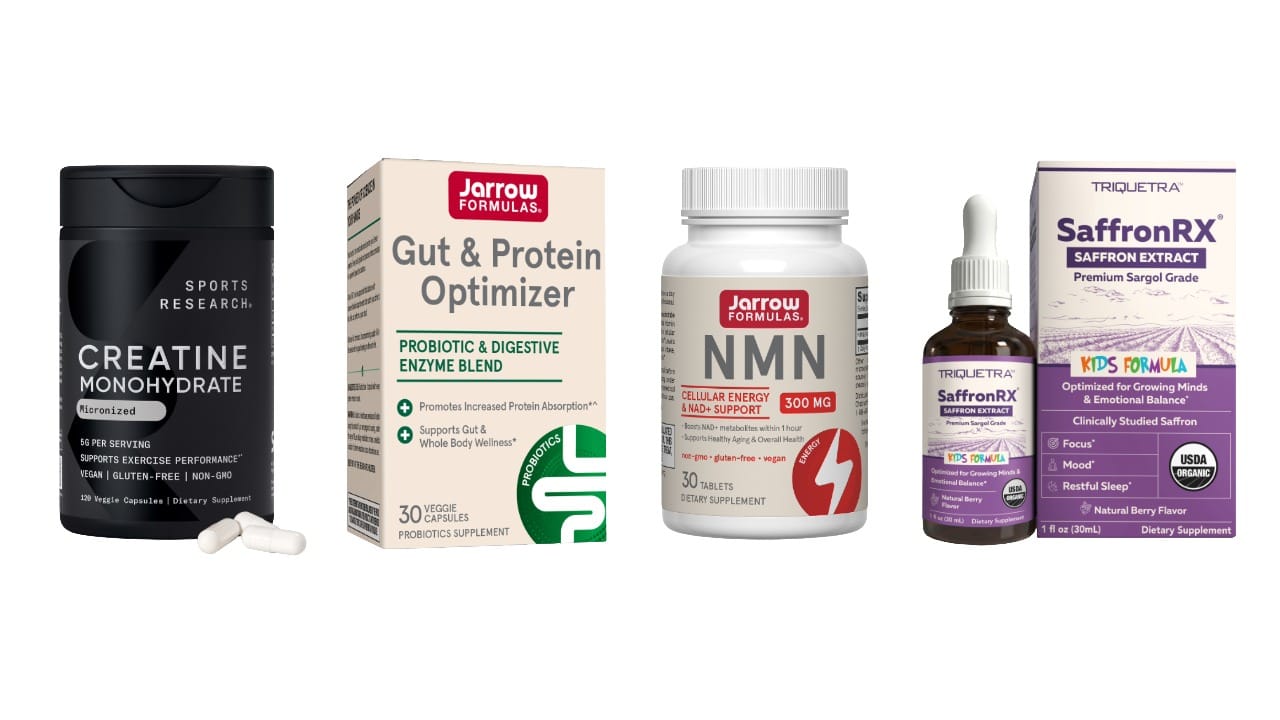
Saffron: Recognized for its culinary and medicinal uses for centuries, saffron is experiencing a resurgence in the dietary supplement market, particularly for its potential mood-supporting and stress-reducing properties. Several new product launches highlight standardized saffron extracts formulated to promote emotional well-being and a positive outlook. This aligns with a growing global awareness of mental health and an increasing demand for natural solutions to manage stress and anxiety. Saffron’s mechanism of action is thought to involve influencing neurotransmitters like serotonin, dopamine, and norepinephrine. The appeal of saffron lies in its natural origin and its potential to offer a gentle yet effective approach to mood enhancement, differentiating it from synthetic alternatives.
These product launches exemplify the industry’s ability to translate scientific discoveries and consumer trends into tangible finished goods. The inclusion of these specific ingredients signals a strategic response to consumer interest in areas such as cognitive function, healthy aging, and mental wellness. As research continues to evolve, the applications for these and other innovative ingredients are expected to expand, further diversifying the supplement market.
The confluence of strategic acquisitions, promising preclinical research, and innovative product development paints a dynamic picture of the dietary supplement industry. Companies are actively seeking to expand their portfolios, secure market share, and leverage scientific advancements to meet the growing demands of health-conscious consumers. The ongoing consolidation and the introduction of science-backed products underscore a sector that is both maturing and rapidly innovating, promising continued growth and evolution in the years to come.
To stay informed about the latest developments in this fast-paced industry, readers are encouraged to subscribe to the SupplySide Supplement Journal newsletter.
About the Author:
Devon Gholam, Ph.D., serves as an editor for SupplySide Supplement Journal. With nearly two decades of experience in the functional food and nutraceutical industries, her career has spanned product development, innovation, technical sales, and technical writing at esteemed organizations including the Kellogg Co., Ganeden Biotech (now part of Kerry), and Step Change Innovations. Dr. Gholam possesses a profound passion for women’s health and is keenly interested in the impact of GLP-1 medications on the food, beverage, and supplement sectors. She is dedicated to sharing her expertise and the principles of credible science to foster an environment of innovation and collaboration within the nutraceutical community.
