

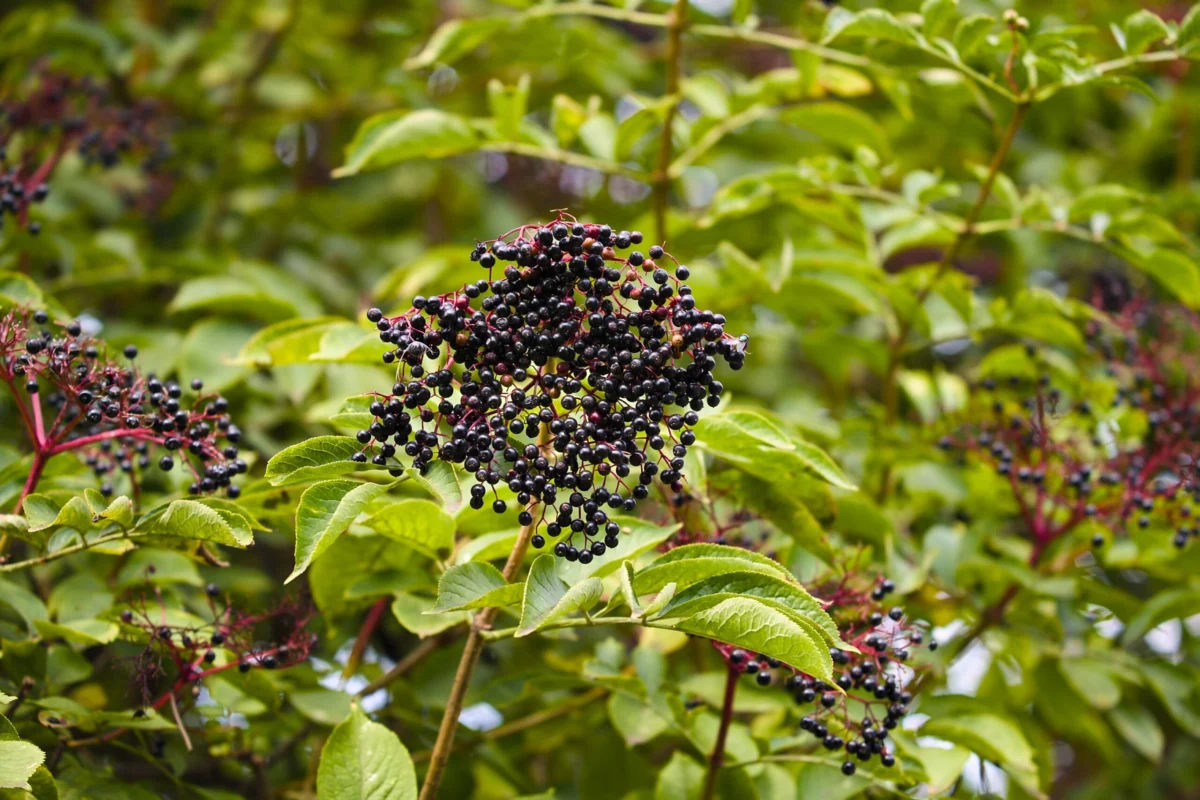
A critical new guidance document released by the Botanical Adulterants Prevention Program (BAPP) is set to equip responsible companies with enhanced tools to detect the adulteration of European elderberry (Sambucus nigra) products. Despite a significant decline from its peak popularity during the COVID-19 pandemic, elderberry remains a cornerstone ingredient in the dietary supplement market, continuing to attract the attention of unscrupulous dealers seeking to profit from its perceived health benefits. This initiative underscores the ongoing commitment of industry stakeholders to ensure product integrity and consumer trust.
The Rise and Persistent Vulnerability of Elderberry in the Supplement Market
European elderberry experienced an unprecedented surge in demand during the global pandemic, driven by its well-documented immune-supporting properties. This heightened consumer interest led to a proliferation of new elderberry-based products entering the market. According to the American Botanical Council’s (ABC) annual Herb Market Report, sales of elderberry products in the United States reached a remarkable $329.6 million in 2020. While this figure saw a slight decrease to $304.9 million in 2021, the market remained robust, reflecting a sustained consumer preference for the botanical.
However, the rapid escalation in demand placed considerable strain on the existing supply chain. Inadequacies in scaling up production quickly enough created an environment ripe for exploitation. A notable consequence was the introduction of products that were either under-strength or contained undisclosed, cheaper ingredients, often referred to as adulterants. This situation provided an opportunity for sophisticated adulterators to develop methods that could circumvent less rigorous analytical testing protocols, further compromising product quality and safety.
A Proactive Response to Evolving Adulteration Tactics
The new Lab Guidance Document, a product of extensive research and expert collaboration, aims to address these evolving challenges. It was meticulously crafted by a trio of distinguished experts: Oleksandr Shulha, Ph.D., a specialist in natural products chemistry and analysis based in Cherkasy, Ukraine; Gökalp Özcan, Ph.D., an expert in botanical microscopy from Anadolu University in Eskişehir, Türkiye; and Golshan Zare, Ph.D., a botanist from Hacettepe University in Ankara, Türkiye. The document underwent a rigorous peer-review process involving 17 additional subject matter experts, ensuring its scientific validity and practical applicability.
Key Methodologies for Ensuring Authenticity
The guidance document delves into a comprehensive array of analytical techniques essential for verifying the authenticity of elderberry products. It thoroughly reviews the most effective chromatographic and spectrometric/spectroscopic methods, which are crucial for dissecting the chemical composition of raw materials and finished products. These advanced techniques allow for the precise identification and quantification of key marker compounds present in genuine Sambucus nigra extracts, thereby distinguishing them from adulterated samples.
Beyond chemical analysis, the document also explores genetic testing methodologies based on DNA analysis. These DNA-based approaches offer a complementary layer of verification by confirming the plant species of origin, a critical step in identifying substitutions with other botanicals. Furthermore, the guidance incorporates original research that evaluates the utility and limitations of both macroscopic (visual examination without magnification) and microscopic (examination using a microscope) testing. These traditional methods, while valuable, are critically assessed for their ability to detect sophisticated adulteration, especially when combined with more advanced analytical tools.
Common Adulterants and the Incentive for Deception
The persistence of adulteration in the elderberry market is driven by the significant financial incentives for unethical suppliers. Despite a projected decline in the combined elderberry product market to $136 million by 2025, the potential for profit remains substantial. Common adulterants identified in elderberry products include extracts from black rice (Oryza sativa) and various other anthocyanin-rich plant extracts. These substitutes are often employed due to their similar color profiles, which can effectively mimic the visual appearance of genuine elderberry extracts, thereby deceiving less discerning analytical methods. Additionally, the use of artificial blue or purple food colorants has also been reported as a means to disguise the presence of inferior or substituted ingredients.
Expert Commentary and Industry Imperatives
Stefan Gafner, Ph.D., Chief Science Officer of ABC and Director of BAPP, emphasized the ongoing need for vigilance. "Despite a slow decline in retail sales since reaching record numbers during the height of the Covid-19 pandemic, elderberry products are still among the most widely used herbal dietary supplements in the U.S. market," Dr. Gafner stated. "The popularity of the ingredient combined with the competitiveness of the U.S. herbal dietary supplement market may prompt some unethical suppliers to sell fraudulent elderberry extracts adulterated with undisclosed lower-cost blue-colored materials."
He further stressed the responsibility of companies in the supply chain: "Therefore, any company purchasing elderberry extracts must use fit-for-purpose laboratory methods to determine ingredient authenticity and detect possible adulteration. The new [guidance] has the most up-to-date information for the selection of reliable analytical methods conveniently summarized in one document."
Mark Blumenthal, Founder of ABC and Founder of BAPP, highlighted the program’s pioneering role. "BAPP is the first scientific program that has published a peer-reviewed document confirming the adulteration of elderberry ingredients sold in the international market," Blumenthal commented. "Now we’ve gone a step further by reviewing and assessing the fitness and reliability of 22 laboratory analytical methods to confirm the identity of authentic elderberry." This comprehensive approach signifies a significant step forward in establishing standardized and reliable methods for ensuring the quality of elderberry ingredients.
A Timeline of Concern and Action
The issue of elderberry adulteration has been a growing concern within the botanical supplement industry for several years. The surge in demand during the pandemic created an immediate need for increased supply, which, as noted, inadvertently opened the door for adulteration.
- 2020-2021: Peak demand for elderberry products driven by the COVID-19 pandemic. Sales reach hundreds of millions of dollars annually in the U.S. market.
- Post-2021: Reports of under-strength and adulterated elderberry products begin to emerge as supply chain pressures become apparent. Sophisticated adulteration methods start to be employed.
- 2023: BAPP publishes an initial bulletin documenting the elderberry adulteration situation, raising further awareness within the industry.
- September 22, 2026: BAPP releases its comprehensive Lab Guidance Document, offering detailed methodologies and expert analysis to combat elderberry adulteration.
This timeline illustrates a reactive but ultimately proactive response from organizations like BAPP and ABC to address a persistent problem that impacts consumer safety and market integrity.
Broader Implications for the Dietary Supplement Industry
The release of this comprehensive guidance document has significant implications beyond just elderberry products. It serves as a strong precedent for how industry-led scientific programs can address specific adulteration challenges. The methodologies detailed in the document, particularly the integration of chromatographic, spectroscopic, genetic, and microscopy techniques, can be adapted and applied to assess the authenticity and quality of a wide range of botanical ingredients.
The focus on "fit-for-purpose" laboratory methods underscores a critical need for a nuanced approach to quality control. Not all analytical methods are suitable for every situation or every type of adulteration. By providing a curated list and critical evaluation of reliable analytical methods, BAPP empowers companies to make informed decisions about their quality assurance protocols.
Furthermore, the collaborative effort involving international experts and extensive peer review lends significant weight and credibility to the guidance. This reinforces the importance of global cooperation in tackling supply chain integrity issues, which are inherently international in scope.
The Role of BAPP and the American Botanical Council
The Botanical Adulterants Prevention Program (BAPP) is a key initiative of the American Botanical Council (ABC), a non-profit organization dedicated to promoting the safe and effective use of herbs and medicinal plants. BAPP’s mission is to provide accurate information to help prevent the adulteration of botanical ingredients and products. Through the publication of bulletins and guidance documents, BAPP plays a vital role in educating manufacturers, formulators, and analytical laboratories about the latest adulteration trends and the most effective methods for detection.
The American Botanical Council, founded by Mark Blumenthal, has been a leading voice in the field of herbal medicine and dietary supplements for decades. Its commitment to scientific research, education, and consumer advocacy makes it a trusted resource for information on botanical products. The council’s work, including the Herb Market Report and initiatives like BAPP, contributes significantly to raising standards and ensuring transparency within the industry.
Conclusion: A Step Towards Enhanced Consumer Confidence
The ongoing challenge of adulteration in the dietary supplement market necessitates continuous innovation and collaboration. The new Lab Guidance Document from BAPP represents a significant advancement in the fight against fraudulent elderberry products. By providing detailed, scientifically validated methods for authentication, the document empowers responsible companies to uphold product quality, protect consumers from potentially harmful or ineffective products, and maintain the integrity of the entire botanical supply chain. As the industry continues to evolve, such proactive and scientifically grounded initiatives will be crucial in building and sustaining consumer confidence in the efficacy and safety of dietary supplements.
