






The intersection of biodiversity conservation and regenerative agriculture has emerged as a critical frontier in the global effort to mitigate climate change and restore degraded landscapes. At the heart of this movement is the Billion Agave Project, a collaborative initiative supported by Vía Orgánica, which seeks to transform arid and semi-arid regions through the strategic planting of agave and nitrogen-fixing trees. Central to the success of this ecological framework is the preservation of keystone species, most notably the bat. In a comprehensive dialogue, Roger D. Jones explores these themes with Dra. Celia Selem, a prominent researcher affectionately known as the "Bat Woman" for her lifelong dedication to chiropterology and ecosystem health.
The Biological Interdependence of Agave and Chiroptera
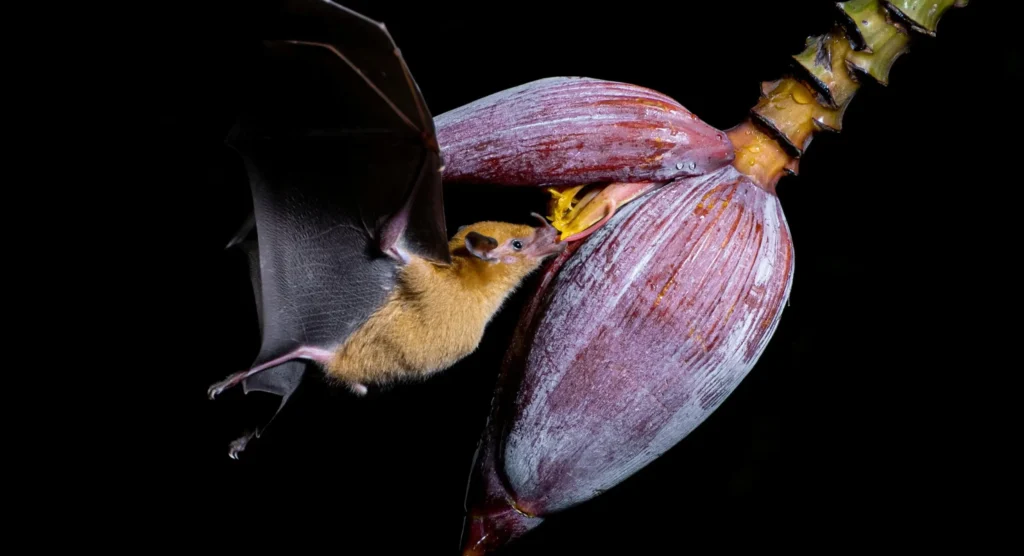
The relationship between agave plants and nectar-feeding bats is one of the most significant examples of co-evolution in the natural world. In the high deserts and tropical dry forests of Mexico, species such as the Greater Long-nosed Bat (Leptonycteris nivalis) and the Lesser Long-nosed Bat (Leptonycteris yerbabuenae) serve as the primary pollinators for dozens of agave species. These bats have evolved specialized long tongues and hovering capabilities that allow them to feed on the nectar of agave flowers, which bloom exclusively at night.
As the bats move from plant to plant, they transport pollen across vast distances, ensuring the genetic diversity of agave populations. This genetic exchange is vital for the resilience of the species, allowing it to adapt to pests, diseases, and shifting climatic conditions. Dra. Selem emphasizes that without this "pollination corridor," the natural regeneration of agave would cease, leading to a collapse of the local ecosystem. Furthermore, many bats are essential seed dispersers; by consuming the fruits of cacti and other desert flora, they facilitate the growth of new vegetation, effectively acting as the architects of the landscape.

The Billion Agave Project: A Model for Climate Resilience
The Billion Agave Project represents a paradigm shift in how land management is approached in water-scarce environments. Traditional monoculture farming often leads to soil exhaustion, erosion, and the depletion of local aquifers. In contrast, the regenerative model promoted by Vía Orgánica utilizes the unique physiological traits of the agave plant to sequester carbon and restore soil health.
Agave plants utilize Crassulacean Acid Metabolism (CAM) photosynthesis, a process that allows them to open their stomata at night to take in carbon dioxide, significantly reducing water loss through transpiration. This makes them exceptionally efficient in arid climates where other crops would fail. When intercropped with nitrogen-fixing trees such as mesquite (Prosopis spp.) or acacia, the system becomes a self-sustaining "forest" that requires no irrigation or synthetic fertilizers.
According to data from the Billion Agave Project, a mature agave-based agroforestry system can sequester between 30 and 60 tons of carbon dioxide per hectare annually. The project aims to plant one billion agaves globally, which would theoretically sequester billions of tons of atmospheric carbon while providing high-protein animal fodder and organic biomass.
Chronology of the Movement and Regulatory Evolution
The integration of bat conservation into agricultural policy has followed a distinct timeline of scientific realization and grassroots advocacy:
- 1990s – Early 2000s: Researchers identify a significant decline in migratory bat populations in North America, primarily due to habitat loss and the industrialization of the tequila and mezcal industries.
- 2014: The "Bat Friendly" certification program is launched by the Tequila Interchange Project in collaboration with UNAM (National Autonomous University of Mexico). This program encourages producers to allow 5% of their agave plants to flower, providing a food source for bats.
- 2020: The Billion Agave Project gains international momentum at the COP25 and COP26 climate summits, highlighting the potential of agave for large-scale carbon sequestration.
- 2022 – Present: Dra. Celia Selem and other conservationists intensify their focus on the Yucatan Peninsula and Central Mexico, mapping bat migration routes and integrating these findings into the Billion Agave Project’s expansion strategy.
Supporting Data and Ecological Impact
The necessity of Dra. Selem’s work is underscored by the current state of biodiversity in Mexico. The country is home to approximately 140 species of bats, accounting for nearly 10% of the world’s bat diversity. Of these, several are classified as endangered or threatened.
Data indicates that a single colony of nectar-feeding bats can visit tens of thousands of flowers in a single night. In the context of the agave industry, the economic implications are profound. The Mexican tequila and mezcal markets, valued at over $5 billion collectively, rely on the long-term health of agave stocks. While industrial farmers often rely on "hijuelos" (clones) to propagate plants, this leads to genetic bottlenecks. Dra. Selem argues that the reintroduction of sexual reproduction via bat pollination is the only way to ensure the industry survives future environmental shocks.
Furthermore, the Billion Agave Project reports that the introduction of agave-mesquite systems has increased local biodiversity by 300% in pilot areas. The presence of bats not only aids agave but also provides natural pest control, as many bat species are insectivorous, consuming up to their body weight in insects every night, thereby reducing the need for chemical pesticides.
Perspectives from the Field: Interdependence as Strategy
Dra. Selem’s advocacy is rooted in the principle of interdependence. In her dialogue with Roger D. Jones, she highlights that conservation cannot exist in a vacuum; it must be integrated into the livelihoods of local communities. "True sustainability," Selem notes, "is a tapestry where the needs of the land, the wildlife, and the people are woven together."
This sentiment is echoed by stakeholders within Vía Orgánica. Agronomists associated with the project point out that the greatest challenge is shifting the mindset of traditional farmers who view bats with suspicion or as a nuisance. Education programs led by Selem have been instrumental in rebranding bats as "allies of the earth."
Reaction from the international scientific community has been largely supportive. Dr. Rodrigo Medellín, a world-renowned bat expert and colleague of Selem, has frequently stated that the survival of the agave-pollinating bat is a barometer for the health of the entire North American dryland ecosystem. The consensus among ecologists is that the Billion Agave Project provides a rare "win-win" scenario where carbon sequestration goals align perfectly with wildlife conservation.
Fact-Based Analysis of Future Implications
The long-term implications of the Billion Agave Project and bat conservation efforts extend beyond environmental restoration; they touch upon food security and economic stability. As climate change increases the frequency and severity of droughts, traditional staple crops like corn and beans become increasingly difficult to cultivate in Mexico’s central highlands.
Agave offers a resilient alternative. The leaves of the agave, when fermented and mixed with mesquite pods, provide a nutrient-dense silage for livestock. This creates a circular economy where the "Bat Woman’s" pollinators ensure the health of the agave, the agave feeds the cattle, and the cattle provide a livelihood for the community—all while the soil is replenished and carbon is drawn from the atmosphere.
However, challenges remain. The scaling of the Billion Agave Project requires significant investment in nursery infrastructure and the protection of migratory corridors. There is also the ongoing threat of urbanization and land-use change, which destroys the caves where bats roost. Analysts suggest that for these regenerative efforts to reach their full potential, there must be a coordinated effort between non-governmental organizations (NGOs), private industry, and federal environmental agencies to create protected "pollination highways."
Conclusion: A Path Rooted in Science and Wisdom
The work of Dra. Celia Selem and the Billion Agave Project represents a synthesis of modern ecological science and ancestral land management wisdom. By recognizing the bat as a fundamental partner in the regenerative process, the movement moves away from exploitative agriculture toward a model of stewardship.
As the global community seeks scalable solutions to the climate crisis, the Mexican agave landscapes serve as a living laboratory. The success of these initiatives suggests that the path to a resilient future is not found in a single technology, but in the restoration of the delicate relationships that have sustained life for millennia. Through the lens of Dra. Selem’s research, the agave is more than a plant, and the bat is more than a pollinator; they are the essential components of a life-affirming system dedicated to the restoration of "Madre Earth."