

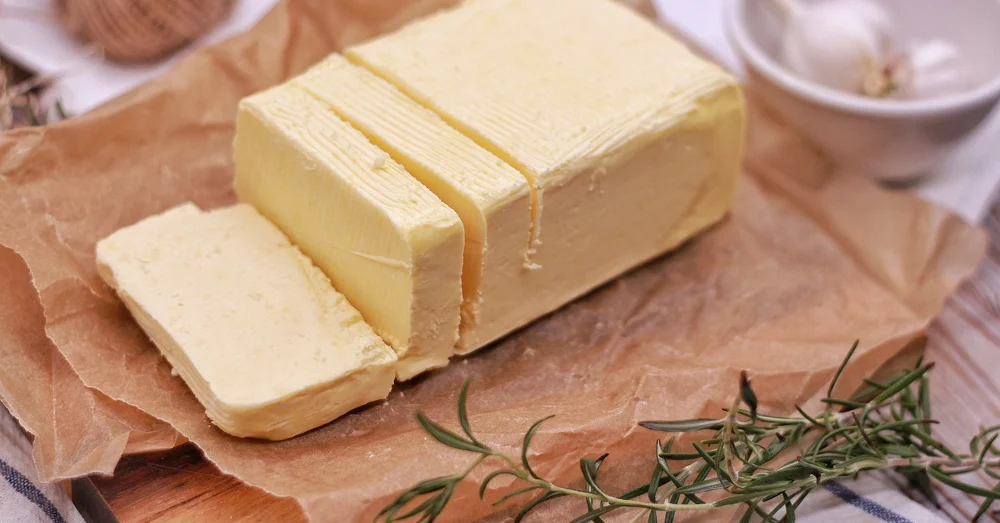
The opening of Le Butter in the heart of the Parisian summer marked a significant milestone in the city’s evolving culinary landscape, occurring amidst a period of extreme climatic volatility and shifting consumer preferences. When Erwan Leo, a 34-year-old entrepreneur with an established background in the Parisian wine trade, decided to launch the city’s first boutique dedicated exclusively to butter, the timing appeared counterintuitive. Temperatures in the French capital were reaching 41°C (105.8°F), and wildfires were devastating various regions of the country. The 8th arrondissement, specifically the affluent "Golden Triangle" near the Eiffel Tower, was unusually quiet as residents fled the heat and tourists gravitated toward air-conditioned museums rather than the cobblestone streets.
Leo’s primary concern during the launch was the integrity of his inventory. Butter, a highly temperature-sensitive product, requires strict climate control to maintain its texture, flavor profile, and microbial safety. "We were just so worried about the fridges," Leo noted during the initial opening phase. "We didn’t think anyone would even turn up." However, the subsequent weeks proved those fears unfounded, as the shop quickly transformed from a niche experiment into a destination for both local gourmands and international culinary professionals.
A New Landmark in the 8th Arrondissement
Le Butter is situated in a historically significant and visually striking pocket of Paris. The shop is located between a wine boutique that Leo established eight years prior and a café famously featured in the explosive street scenes of Christopher Nolan’s 2010 film Inception. This juxtaposition of the traditional and the cinematic provides a unique backdrop for a shop that balances old-world craftsmanship with modern branding.
The interior of the boutique is designed to appeal to the contemporary aesthetic of "Instagrammable" retail. Featuring candy-striped walls and curated displays of buttery merchandise—including specialized knives, branded hats, and tote bags—the shop leverages the "merch culture" that has become a staple of modern boutique food branding. At the core of the operation are two high-performance double fridges, maintained at a precise 3°C (37.4°F), which house over 50 distinct varieties of butter.
By September, the initial skepticism surrounding the shop’s survival in the summer heat had vanished. The demand became so high that Leo was forced to implement crowd-control measures, including a retractable barrier and a wooden bench for patrons waiting in the inevitable queues. The success of the shop underscores a broader trend in the global food industry: the "boutique-ification" of single-ingredient staples.
The Chronology of an Artisanal Venture
The path to Le Butter’s opening began nearly a decade ago when Erwan Leo entered the independent retail market. His experience with a specialized wine shop provided the foundational knowledge of supply chain management, curation, and the importance of provenance—factors that are equally critical in the world of high-end dairy.
In early 2024, Leo identified a gap in the Parisian market. While the city is world-renowned for its patisseries and boulangeries, the fundamental ingredient behind those successes—butter—was largely relegated to supermarket shelves or generalist creameries. The planning phase involved sourcing from small-scale producers across France and abroad, focusing on traditional methods such as wooden churns and long fermentation processes.
The summer launch coincided with one of the most intense heatwaves in recent French history. This environmental factor added a layer of logistical complexity, as the "cold chain" (the temperature-controlled supply chain) had to be maintained from the farm to the customer’s hand. Despite the 41°C external environment, the shop’s internal systems held, and by the time the autumn cool arrived in September, Le Butter had established itself as a fixture of the 8th arrondissement’s high-end retail circuit.
Supporting Data: The French Butter Market and Global Trends
To understand the success of Le Butter, one must examine the broader context of dairy consumption in France. According to data from the International Dairy Federation (IDF), France consistently ranks as the world’s highest consumer of butter per capita, with the average citizen consuming approximately 8 kilograms (17.6 lbs) annually. For comparison, the average American consumes roughly 2.8 kilograms.
The French market is also defined by the Appellation d’Origine Protégée (AOP) system, which protects the geographical indications of specific food products. Three regions in France hold the AOP status for butter:
- Charentes-Poitou: Known for its subtle nutty flavor and high melting point, making it a favorite for pastry chefs.
- Isigny: Produced in Normandy, it is famous for its bright yellow color due to high levels of carotenoids in the grass.
- Bresse: Known for its creamy texture and floral notes.
Leo’s shop capitalizes on this regional diversity, offering selections that go beyond these well-known AOPs to include rare, micro-batch varieties. The global "specialty butter" market is also on the rise. Market analysis by Grand View Research indicates that the artisanal butter segment is expected to grow at a CAGR (Compound Annual Growth Rate) of 4.5% through 2030, driven by a consumer shift away from processed fats and toward high-quality, natural ingredients.
Culinary Perspectives and Professional Demand
The clientele at Le Butter is a mix of curious tourists and seasoned professionals. Among those frequenting the shop is Clifford Yellen, a 66-year-old Italian-American chef and consultant. Yellen’s approach to the shop highlights the professional respect for the ingredient. During a recent visit, he was observed purchasing large quantities of "pure, salted" varieties, which were vacuum-packed for international travel.
"We chefs have a real thing about butter," Yellen explained. His preference for high-fat, high-quality dairy reflects a broader movement in professional kitchens where the quality of the fat is considered as important as the quality of the protein or produce. Yellen noted that while he often works with Italian fats or Japanese Hokkaido butter—known for its exceptionally high milk fat content (often exceeding 80-85%)—the access to 50 curated French varieties in one location represents a significant resource for the culinary community.
This professional endorsement is crucial for Leo’s business model. While "merch" and aesthetics drive foot traffic, the sustained revenue of such a specialized shop often relies on the "heavy users"—chefs and home cooks who view butter as a primary ingredient rather than a mere spread.
The Impact of Climate Change on Dairy Production
The 41°C heatwave that greeted Le Butter’s opening is not merely a background detail; it is a harbinger of the challenges facing the dairy industry. Climate change poses a direct threat to artisanal butter production. Heat stress in dairy cows is known to significantly reduce milk yield and alter the fat and protein composition of the milk.
Research from the French National Research Institute for Agriculture, Food and Environment (INRAE) suggests that as heatwaves become more frequent, the traditional "terroir" of French butter could shift. Producers in regions like Normandy and Brittany are increasingly forced to adapt their grazing schedules and water management to maintain the quality that shops like Le Butter demand. The survival of specialized retail is, therefore, inextricably linked to the resilience of the agricultural sector in the face of global warming.
Broader Implications and the Future of Specialty Retail
The success of Le Butter signals a shift in how urban consumers interact with staple foods. In an era of hyper-convenience and mass-market dominance, there is a counter-movement toward "hyper-specialization." We have seen the rise of boutiques dedicated solely to olive oil, salt, or honey; Le Butter is the latest iteration of this trend.
This phenomenon has several implications for the future of urban commerce:
- Educational Retail: Shops like Le Butter serve as educational hubs where consumers learn about the chemistry of food (e.g., the role of cultures and fermentation in butter flavor).
- Tourism and Gastronomy: Specialized shops contribute to the "gastronomic tourism" sector, providing unique experiences that cannot be replicated online.
- Support for Small Producers: By providing a high-visibility platform for micro-producers, Leo’s shop helps sustain traditional farming practices that might otherwise struggle to compete in a supermarket-dominated economy.
As Erwan Leo looks toward the winter season—traditionally a peak time for butter consumption due to the holidays—the infrastructure of Le Butter is prepared for the influx. The shop stands as a testament to the idea that even in a digital age, and even in the face of extreme environmental challenges, there remains a profound market for the tangible, the artisanal, and the specific. The sight of patrons comparing purchases and discussing the nuances of salt crystals outside a shop in the 8th arrondissement suggests that in Paris, at least, butter is far more than just an ingredient; it is a cultural cornerstone undergoing a modern revival.
