






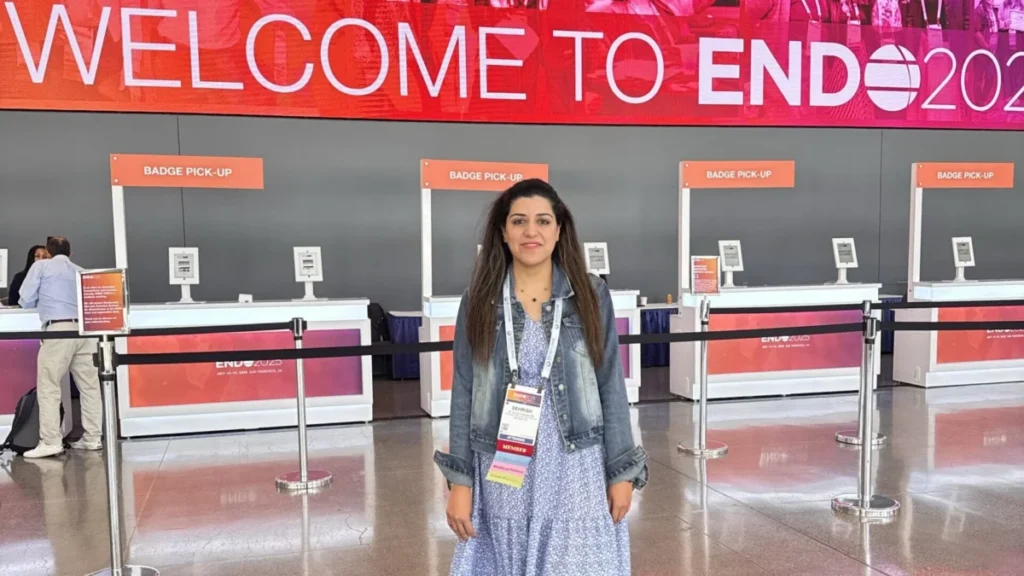
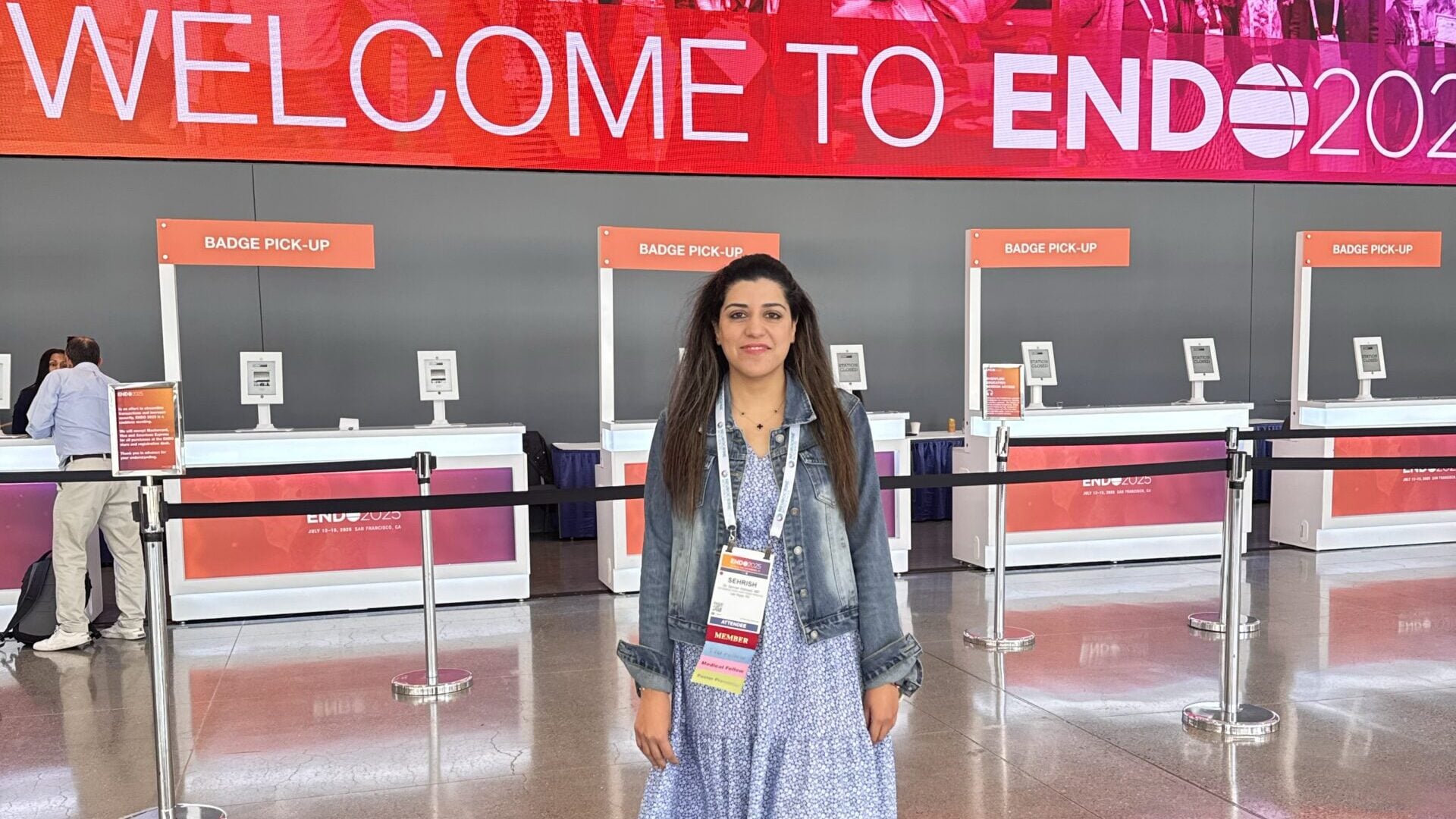
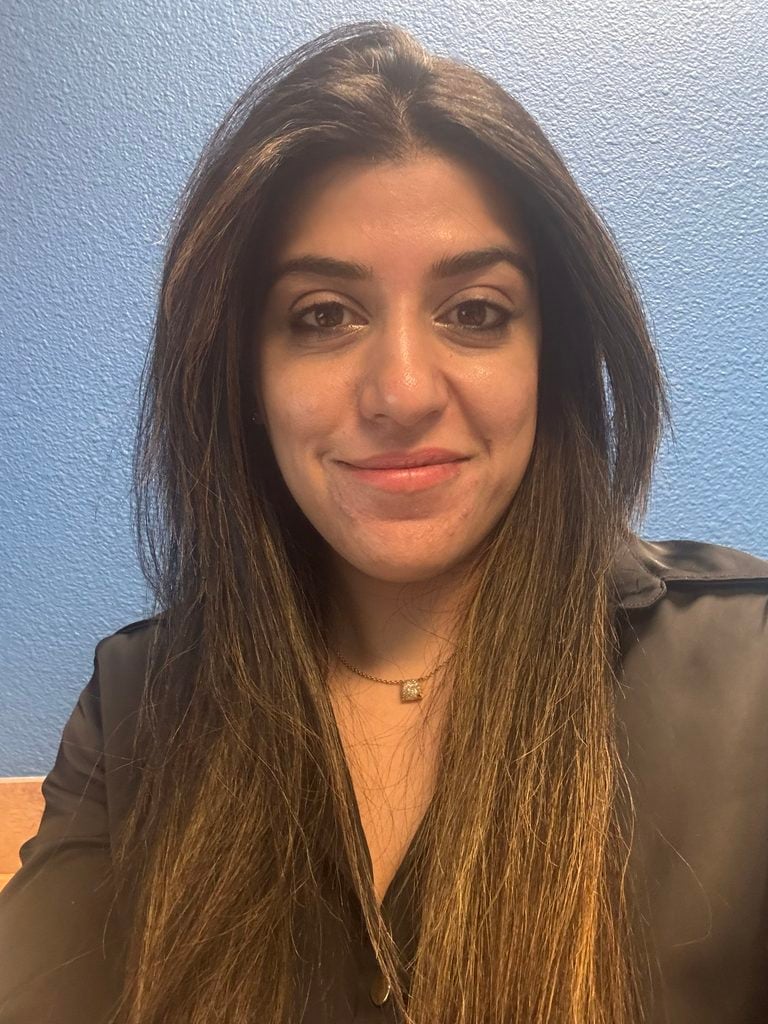
The landscape of modern endocrinology is undergoing a significant transformation, driven by a new generation of physicians who balance rigorous clinical standards with digital outreach. Dr. Sehrish Waheed, a Las Vegas-based endocrinologist known to the digital world as “@NoSugarMD,” has emerged as a prominent figure in this shift. By documenting her journey through the American Board of Internal Medicine (ABIM) Endocrinology, Diabetes, and Metabolism certification process and sharing the realities of her medical practice, Dr. Waheed is redefining the boundaries between the physician and the public. Her approach emphasizes not only the technical mastery of hormonal health but also the human connection necessary to treat complex, stigmatized conditions such as obesity.
Currently practicing at Platinum Hospitalists in Las Vegas, Nevada, Dr. Waheed’s career trajectory illustrates the intensive preparation required for specialized medicine. After completing her fellowship at MountainView Hospital, she transitioned into a full-time clinical role in August 2025. Her professional focus is rooted in the management of metabolic disorders, with a particular emphasis on obesity—a field that remains one of the most challenging and misunderstood areas of contemporary healthcare. Through her use of social media and her involvement with professional organizations like the Endocrine Society, Dr. Waheed is working to dismantle the clinical intimidation that often prevents patients from seeking care.
A Chronology of Professional Development and Certification
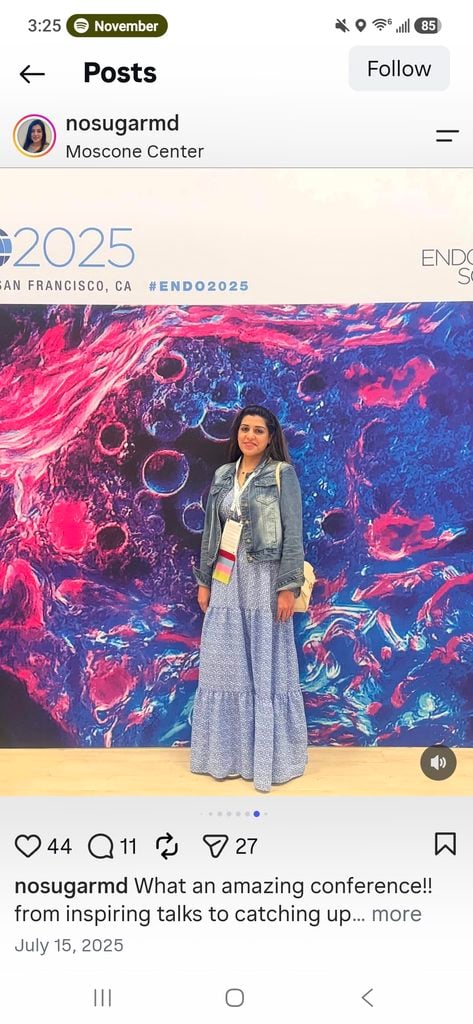
The path to becoming a board-certified endocrinologist is a multi-year endeavor that culminates in the ABIM certification exam. For Dr. Waheed, this process reached a critical juncture in October of the previous year, when she began a period of intensive study. Board certification in this subspecialty requires a deep understanding of diverse topics, including adrenal disorders, bone metabolism, diabetes mellitus, pituitary function, and reproductive health.

To navigate this complex curriculum, Dr. Waheed utilized the Endocrine Society’s Endocrine Board Review (EBR) program. This comprehensive suite of resources is designed specifically to mirror the format and rigor of the official ABIM examination. Her preparation involved a systematic approach:
- Early Integration: Dr. Waheed began working on practice questions and self-assessment modules early in her fellowship training, rather than waiting until the final months before the exam.
- Specialized Resources: She relied on the Endocrine Self-Assessment Program (ESAP) and in-training examination questions to identify knowledge gaps.
- Live Study Sessions: In the fall, she participated in live study sessions, highlighting lectures by experts such as Dr. Stephanie Page and Dr. Margaret F. Lippincott. These sessions provided clarity on nuances in hormonal therapy and women’s health—areas that are often underrepresented in standard fellowship rotations.
- Clinical Transition: Following the successful completion of her fellowship at MountainView Hospital, she joined Platinum Hospitalists in August 2025, bringing her specialized knowledge to the Las Vegas community.
This timeline reflects a broader trend in medical education where digital tools and interactive case studies are replacing traditional rote memorization, allowing for a more dynamic understanding of patient care.
The Strategic Role of Social Media in Modern Medicine
While many physicians view social media with skepticism, Dr. Waheed has embraced it as a tool for public health advocacy. Under the handle @NoSugarMD, she provides a "behind-the-scenes" look at the life of a physician, aiming to humanize a profession that is often perceived as clinical and unapproachable. Her blogging strategy serves two primary purposes: combating medical misinformation and building patient trust.
In an era where health myths proliferate on platforms like Instagram and TikTok, Dr. Waheed uses her credentials to provide evidence-based information. She specifically addresses common misconceptions regarding insulin levels and conditions such as Polycystic Ovary Syndrome (PCOS), which is increasingly referred to in clinical circles as Polyendocrine Metabolic Ovarian Syndrome (PMOS). By clarifying these complex topics in a relatable format, she extends her influence beyond the four walls of the examination room.
Furthermore, her digital presence acts as a bridge for patients who may feel intimidated by the healthcare system. By sharing her own struggles with maintaining a healthy lifestyle while managing a demanding career, she fosters a sense of community. This relatability is particularly vital in the field of endocrinology, where chronic conditions require long-term, collaborative management between the doctor and the patient.
Addressing the Global Crisis: Obesity and the Impact of Stigma
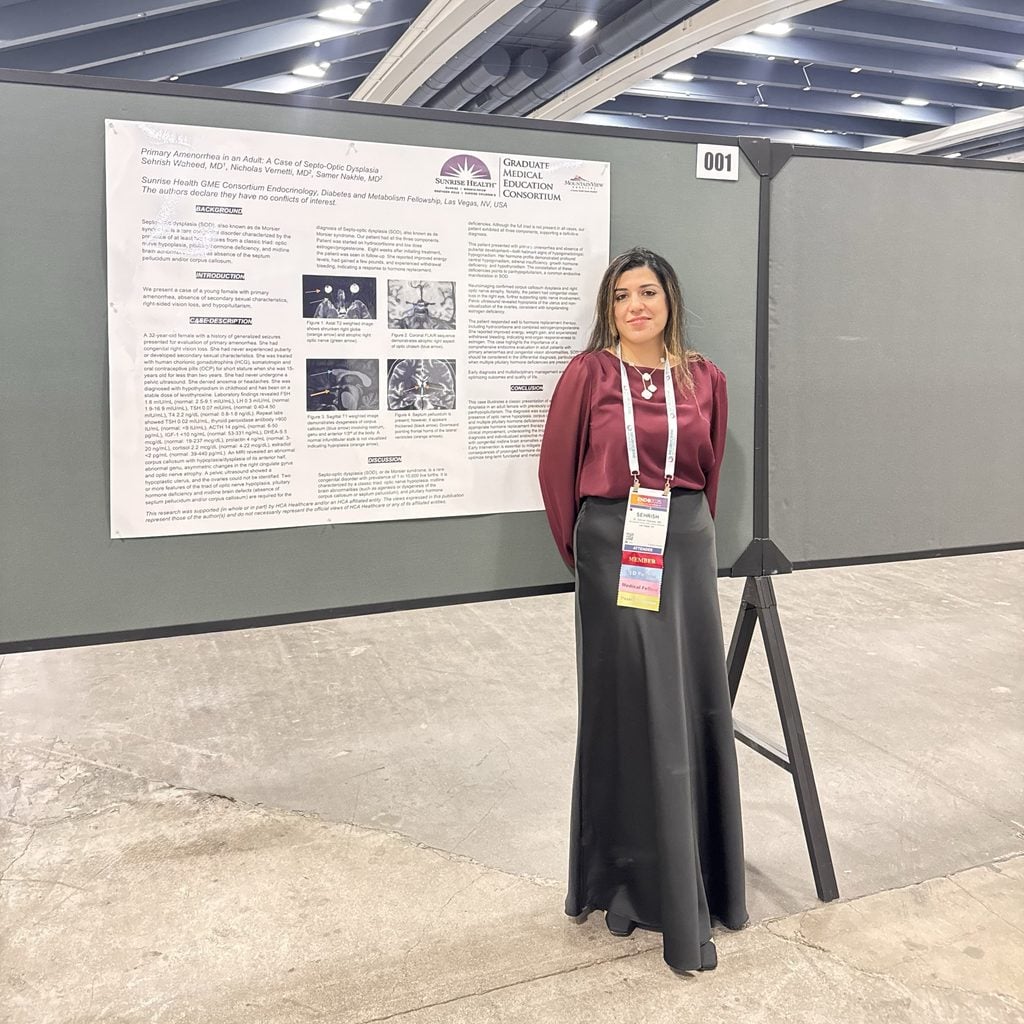
A central pillar of Dr. Waheed’s practice is the treatment of obesity, a condition that the Centers for Disease Control and Prevention (CDC) reports affects more than 40% of adults in the United States. Despite its prevalence, obesity remains one of the most stigmatized conditions in healthcare. Research consistently shows that weight bias among healthcare providers can lead to lower quality of care, as patients may avoid follow-up appointments to escape judgment.
Dr. Waheed’s clinical philosophy is built on the foundation of a non-judgmental, trusting relationship. She notes that many of her patients have experienced years of medical gaslighting or shame related to their weight. By utilizing her platform to speak openly about obesity as a complex biological disease rather than a moral failing, she empowers her patients to take control of their health without the burden of stigma.
The implications of this approach are significant. When patients feel seen and respected, adherence to treatment plans—including pharmacotherapy, nutritional changes, and physical activity—tends to increase. In the Las Vegas area, where healthcare access can be fragmented, Dr. Waheed’s commitment to building long-term relationships provides a model for patient-centered metabolic care.
Institutional Support and the Importance of Mentorship
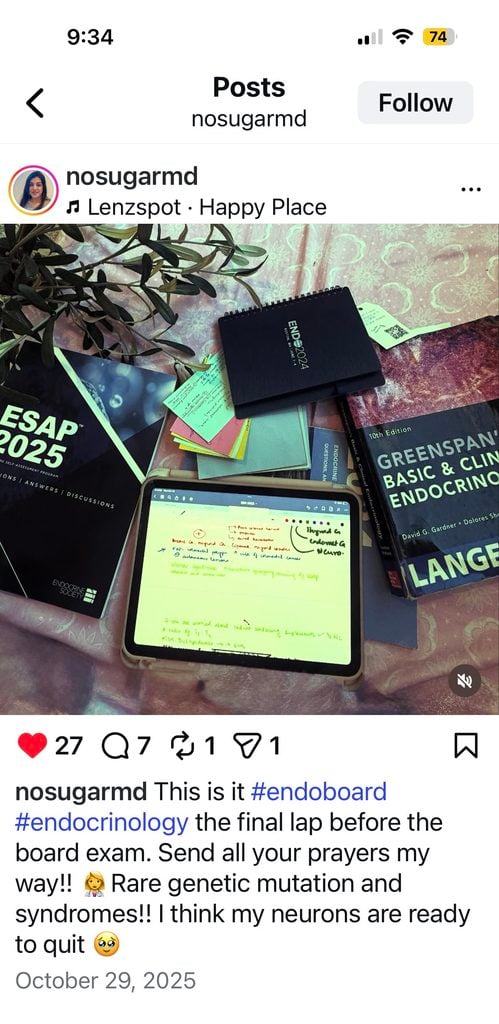
The transition from a medical fellow to an attending physician is fraught with challenges, ranging from administrative burdens to the pressure of staying current with rapidly evolving clinical guidelines. Dr. Waheed credits much of her early-career success to the support provided by the Endocrine Society. This professional organization offers more than just study materials; it provides a framework for networking and professional growth.
Through the Society’s mentorship program, Dr. Waheed was able to connect with senior leaders in the field, gaining perspectives that are rarely found in textbooks. She also participated in specialized tracks, such as the Diabetes Type 1 and Obesity Fellow Programs. These initiatives are designed to foster expertise in high-demand subspecialties, ensuring that the next generation of endocrinologists is equipped to handle the rising tide of metabolic disease.
One of the most striking aspects of Dr. Waheed’s experience is the recognition she received from the Society despite having a modest social media following. This highlights a shift in how professional medical organizations are engaging with their members—moving away from exclusive focus on high-profile researchers to supporting the "rank-and-file" physicians who are doing the daily work of patient care and community education.
Broader Implications for the Future of Endocrinology
Dr. Waheed’s story is indicative of several emerging trends that will likely shape the future of the medical profession:
- The Rise of the "Human" Physician: The traditional "god complex" associated with doctors is being replaced by a more transparent, relatable persona. This shift is essential for addressing the mental health and burnout crisis within the medical community, as well as improving patient satisfaction.
- Integrated Digital Education: The success of resources like the Endocrine Board Review suggests that future board preparation will continue to move toward interactive, multi-media formats that allow for flexible learning.
- A Shift in Obesity Discourse: As more physicians like Dr. Waheed specialize in obesity medicine, the medical community is moving toward a more sophisticated understanding of the hormonal and genetic drivers of weight, effectively moving the needle away from "eat less, move more" toward comprehensive metabolic intervention.
- Community-Based Specialist Care: By practicing within a hospitalist group in a major metropolitan area like Las Vegas, Dr. Waheed demonstrates the importance of bringing specialized endocrine knowledge to the front lines of inpatient and outpatient care.
In conclusion, Dr. Sehrish Waheed’s dual role as a clinician and a digital advocate represents a modern blueprint for medical practice. Her dedication to mastering the complexities of endocrinology, coupled with her passion for patient advocacy and the elimination of obesity stigma, positions her as a vital voice in the healthcare landscape. As she continues her work at Platinum Hospitalists and expands her reach through @NoSugarMD, the impact of her approach will likely be felt in the improved health outcomes and strengthened trust of the patients she serves. Her journey underscores a fundamental truth in medicine: while technical expertise is required to treat a disease, it is the human connection that truly heals the patient.