








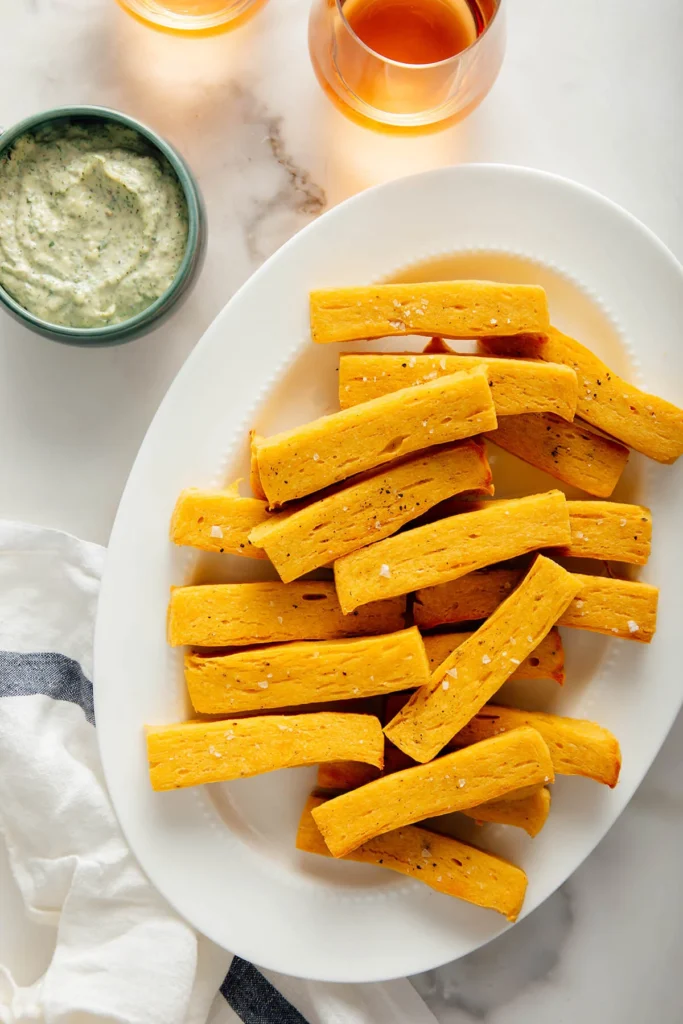
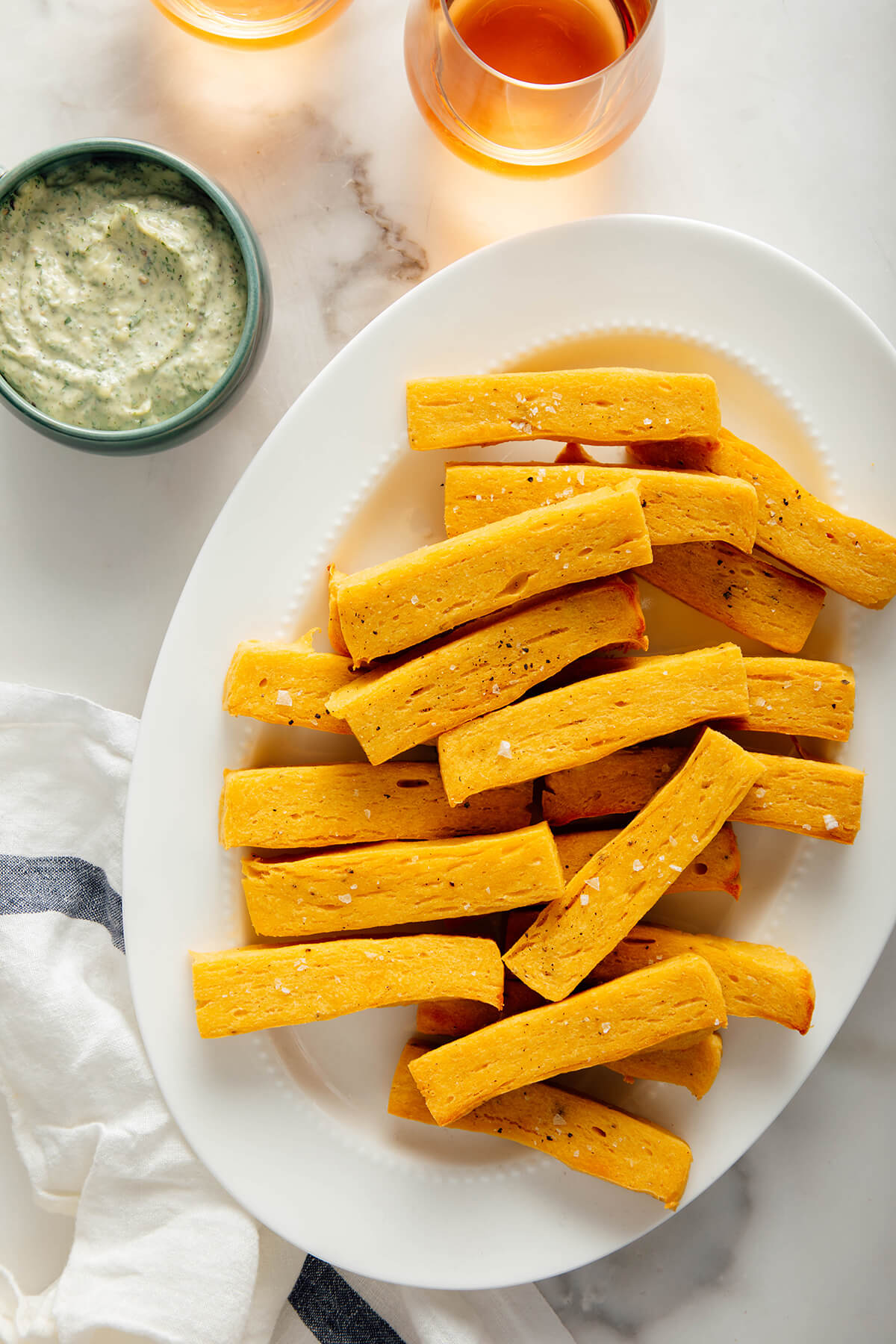
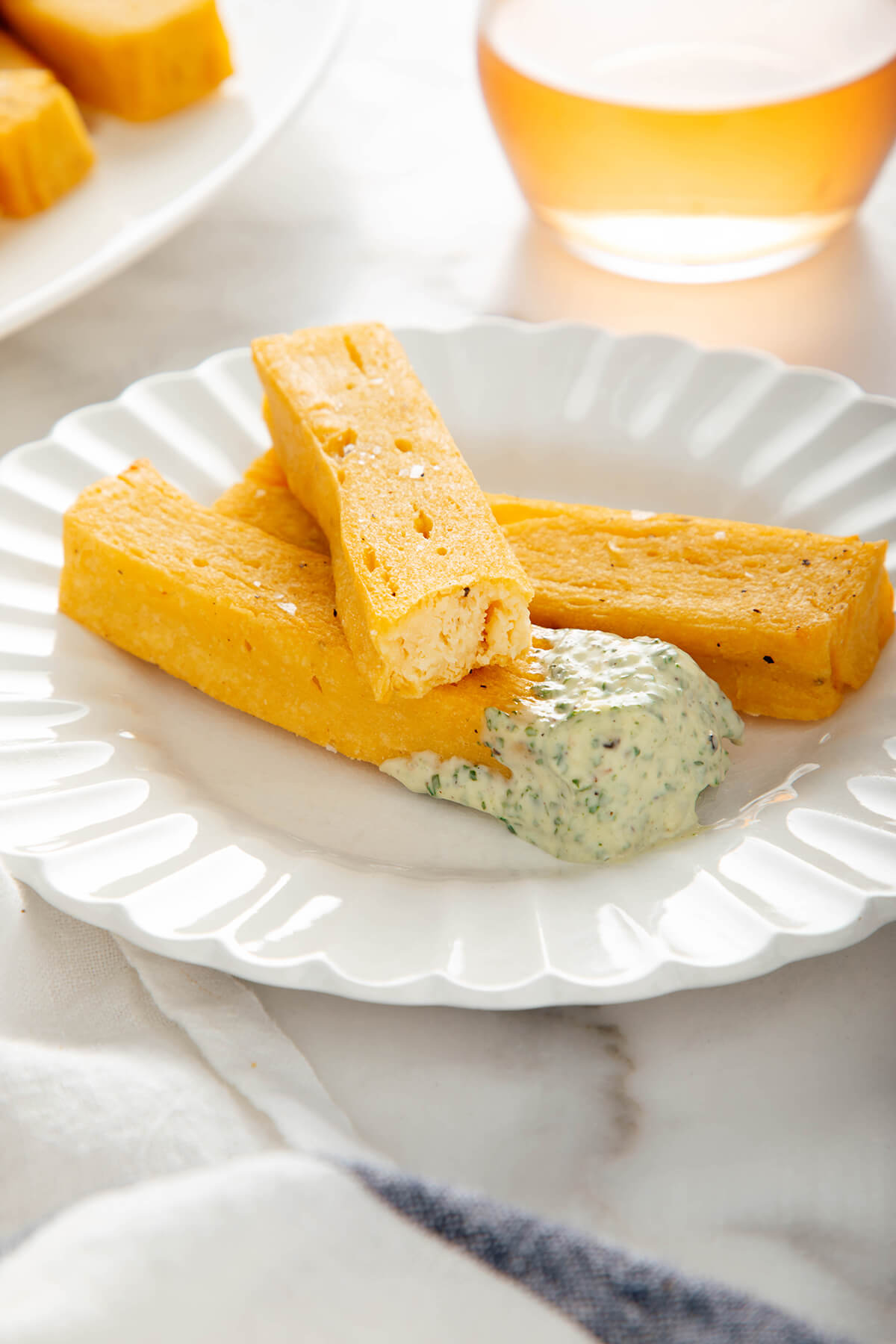
The culinary landscape is witnessing a notable elevation of traditional regional specialties, with Panisses, the distinctive chickpea fries from the sun-drenched Provence region of France, emerging as a prime example. This irresistible snack, characterized by its remarkably crisp, golden exterior and a luxuriously pillowy-soft interior reminiscent of creamy polenta, is gaining international recognition not only for its unique texture and flavor but also for its compelling nutritional profile. Unlike conventional potato fries, Panisses offer a robust source of protein, dietary fiber, and beneficial monounsaturated fats, positioning them as a superior and increasingly sought-after alternative in health-conscious gastronomic circles. Their inherent simplicity, crafted from basic ingredients—chickpea flour, water, olive oil, salt, and pepper—belies a profound culinary versatility and historical depth that connects them to a broader Mediterranean culinary heritage, including celebrated cousins like socca and farinata.
Historical Roots and Mediterranean Lineage
The story of Panisses is intrinsically linked to the ancient history of chickpeas and their cultivation across the Mediterranean basin. Chickpeas (Cicer arietinum) are among the oldest cultivated legumes, with archaeological evidence suggesting their presence in the Middle East as early as 7,500 years ago. From there, their cultivation spread westwards, becoming a staple in the diets of ancient Egyptians, Romans, and Greeks. The flour derived from ground chickpeas, known as farine de pois chiche in French or cecina in Italian, became an essential ingredient, particularly in coastal regions where wheat was sometimes less abundant or where specific soil conditions favored chickpea cultivation.
The direct ancestors of Panisses, such as farinata in Liguria, Italy, and socca in Nice, France, are ancient flatbreads or pancakes made from chickpea flour batter, traditionally baked in wood-fired ovens. Panisses represent a subsequent evolution, transforming this simple batter into a more substantial, fry-like form. The exact chronology of this transformation is difficult to pinpoint with precision, but the practice of shaping a cooked chickpea flour paste into various forms and then frying or baking them has deep roots in Provençal culinary traditions, particularly in areas like Marseille and Nice. They emerged as a popular street food, easily prepared and consumed, offering a hearty and affordable snack to laborers and travelers alike. This historical context underscores Panisses not merely as a dish, but as a living testament to centuries of resourceful and flavorful cooking.
Nutritional Superiority and Dietary Benefits
In an era increasingly focused on wellness and dietary choices, the nutritional advantages of Panisses stand out. Chickpea flour, the primary ingredient, is a powerhouse of essential nutrients. A typical serving of Panisses, especially when prepared with a moderate amount of olive oil or baked, can significantly contribute to daily nutritional intake.
- Protein Content: Chickpeas are an excellent source of plant-based protein, crucial for muscle repair, growth, and overall bodily function. This makes Panisses an attractive option for vegetarians, vegans, and anyone looking to reduce their meat consumption.
- Dietary Fiber: Rich in both soluble and insoluble fiber, chickpeas promote digestive health, aid in satiety, and help regulate blood sugar levels. The fiber content in Panisses contributes to a feeling of fullness, potentially reducing overall calorie intake.
- Healthy Fats: When prepared with olive oil, Panisses incorporate monounsaturated fats, known for their cardiovascular benefits, including reducing bad cholesterol levels. The article’s recommendation for avocado oil in frying further emphasizes a healthier fat profile due to its high smoke point and beneficial fatty acid composition.
- Gluten-Free Nature: Naturally gluten-free, chickpea flour makes Panisses a safe and delicious option for individuals with celiac disease or gluten sensitivity, aligning with a significant and growing dietary trend.
- Vitamins and Minerals: Chickpeas also provide an array of micronutrients, including folate, iron, magnesium, potassium, and zinc, all vital for various metabolic processes and maintaining good health.
Compared to traditional potato fries, which are often carbohydrate-heavy and can be high in saturated fats depending on the cooking oil, Panisses offer a more balanced macronutrient profile. This nutritional superiority is a key factor in their burgeoning popularity, aligning with public health recommendations for increased plant-based food consumption.
Culinary Innovation: Traditional Frying vs. Modern Baking
The preparation of Panisses traditionally involves pan-frying, a method that yields the coveted extra-crispy, golden exterior. This authentic approach, widely practiced in French kitchens and street stalls, often utilizes olive oil or a blend of olive and vegetable oils. However, as noted in the original article, this method can be somewhat demanding. The delicate smoke point of extra-virgin olive oil, for instance, necessitates close supervision to prevent smoking and potential alarm activation. Culinary experts often advise using oils with higher smoke points, such as avocado oil, for frying to ensure optimal results and a safer cooking environment. The intensity of heat required for proper frying is critical; insufficient heat can lead to greasy Panisses, while excessive heat risks burning the exterior before the interior is perfectly cooked.
Recognizing the practical challenges of traditional frying for home cooks, innovative adaptations have emerged, with baking becoming a highly favored alternative. The development of a baked Panisses recipe addresses concerns about oil usage, active cooking time, and the overall mess associated with deep or pan-frying. Baking offers a less fussy process, appealing to those who prefer a more hands-off approach. The article highlights that baked Panisses can achieve a remarkably crisp and evenly golden exterior, closely rivaling their fried counterparts. The technique of brushing them with olive oil, baking until golden, flipping, and then drizzling with a bit more oil before a final bake, has been refined to maximize crispness and flavor. This drizzling method, as opposed to a second brushing, has been observed to yield a more irresistibly crisp texture, bridging the gap between convenience and culinary excellence. This dual-method approach caters to diverse preferences and skill levels, democratizing the preparation of this exquisite dish.
Global Trends and Expert Commentary
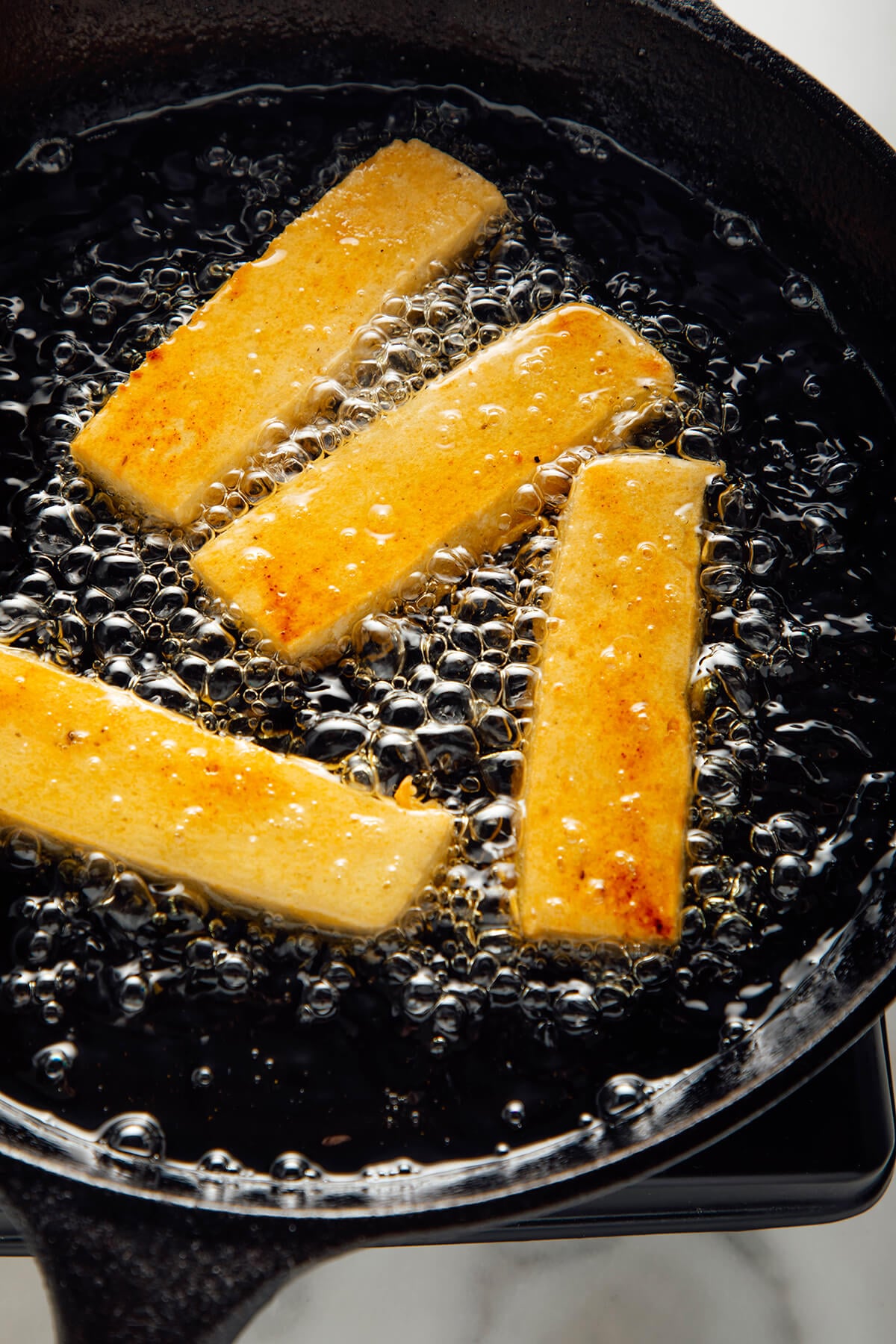
The rising profile of Panisses is not an isolated phenomenon but rather a reflection of broader shifts in global food consumption patterns. The increasing consumer demand for plant-based alternatives, gluten-free options, and healthier snack foods has created a fertile ground for dishes like Panisses to flourish beyond their regional origins.
Food historians and culinary ethnographers often point to the cyclical nature of food trends, where ancient, culturally significant dishes are rediscovered and recontextualized for modern palates. Dr. Eleanor Vance, a prominent food historian specializing in Mediterranean cuisine, notes, "Panisses embody the perfect storm of current culinary desires: they are inherently plant-based, naturally gluten-free, and offer a satisfying texture and flavor profile that appeals to a wide demographic. Their simplicity and robust nutritional value make them ideal for modern adaptations."
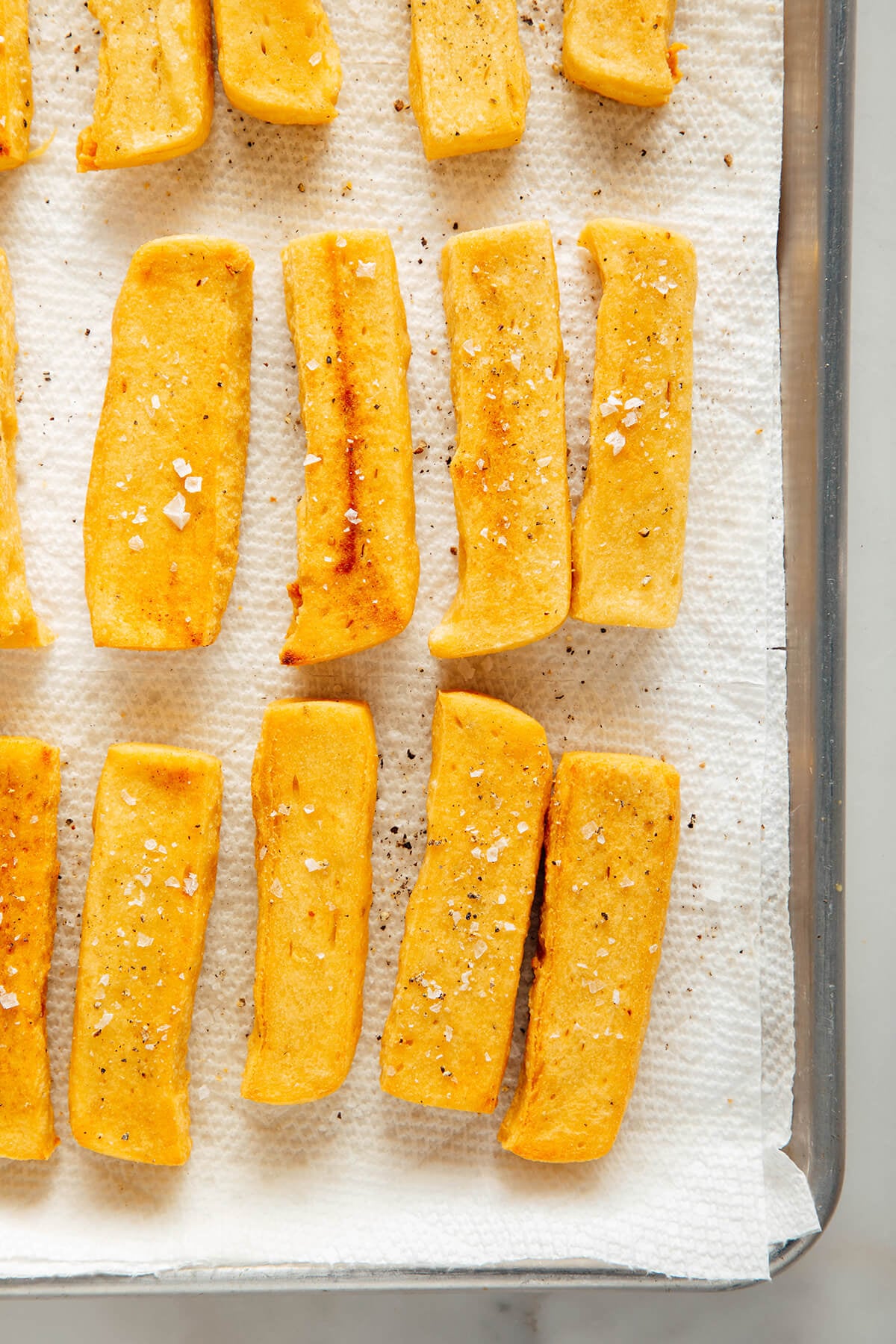
Furthermore, the "tapas culture," which emphasizes small, shareable plates and diverse flavors, has significantly contributed to the international appeal of dishes like Panisses. Restaurants, particularly those specializing in Mediterranean or fusion cuisine, are increasingly featuring Panisses on their menus. For instance, the mention of Panisses being a beloved item at a tapas restaurant in Kansas City exemplifies how these regional delicacies are crossing geographical boundaries and finding new audiences. Chefs appreciate their versatility as an appetizer, a side dish, or even a component of a larger mezze platter, allowing for creative pairings with various sauces and accompaniments.
Serving Suggestions and Culinary Pairings
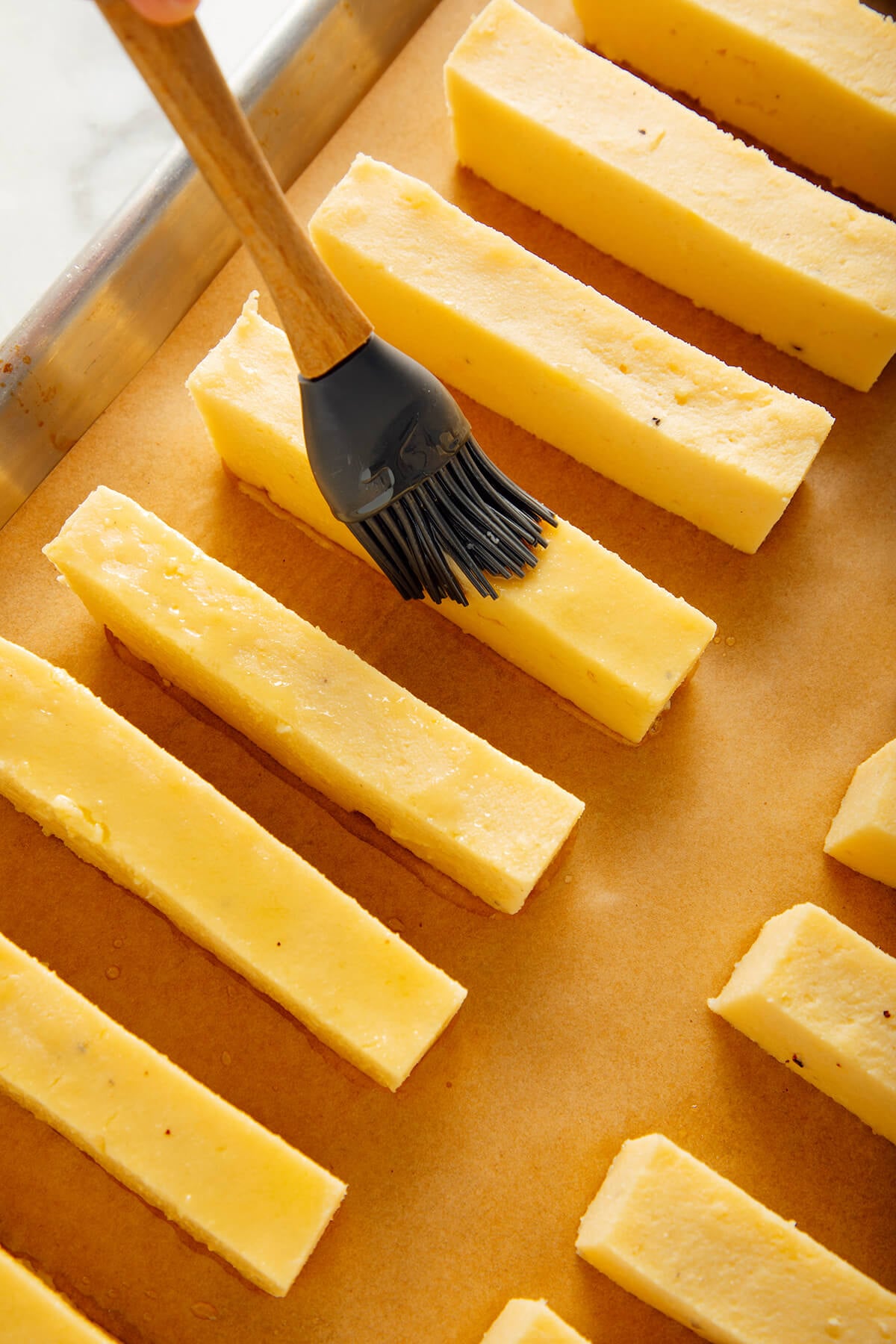
The enjoyment of Panisses is significantly enhanced by appropriate accompaniments, particularly creamy dipping sauces that complement their savory depth and crisp texture. While a simple sprinkling of sea salt is essential to elevate their flavor, a well-chosen sauce transforms them into an extraordinary culinary experience.
Traditional Provençal service often pairs warm Panisses with a cool glass of rosé wine, reflecting the region’s laid-back and convivial dining culture. Beyond this classic pairing, a myriad of sauce options can elevate the dish:
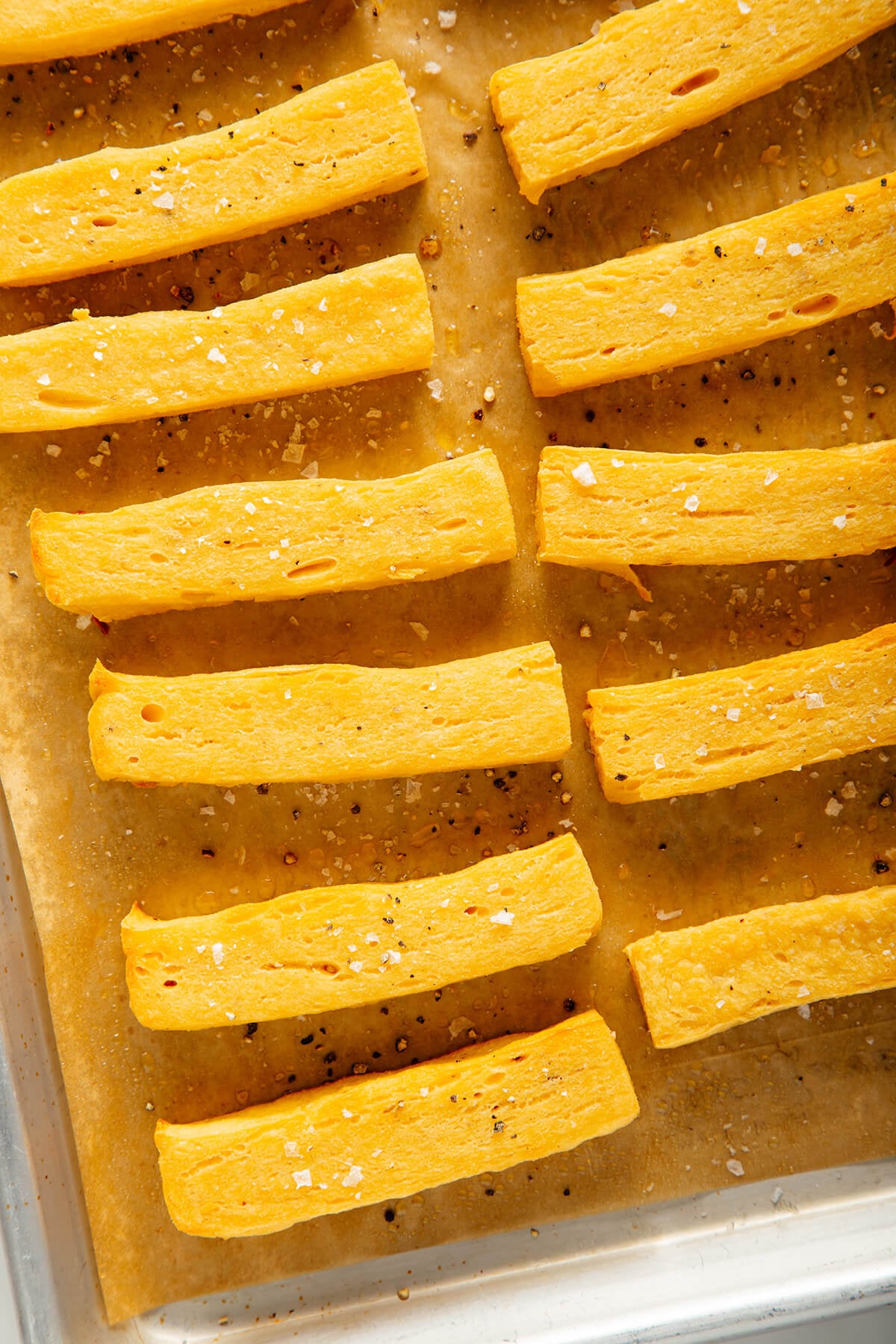
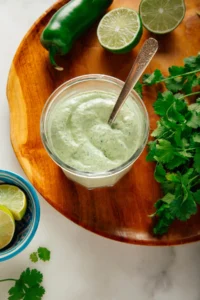
- Creamy Basil Sauce: As suggested in the original article, a vibrant, herbaceous basil sauce provides a fresh counterpoint to the richness of the Panisses.
- Mayonnaise-Based Sauces: A silky, mayo-based sauce offers a luxurious mouthfeel. This can be customized by incorporating various flavor enhancers such as pesto for an Italian twist, romesco for a nutty, roasted pepper complexity, or harissa for a fiery, North African kick. Other additions like finely minced garlic, fresh herbs (chives, parsley), lemon zest, or a pinch of smoked paprika can create bespoke dipping experiences.
- Yogurt or Tahini-Based Dips: For a lighter, tangier alternative, a Greek yogurt dip infused with cucumber and dill (like tzatziki) or a creamy tahini-lemon dressing can offer a refreshing contrast.
- Spicy Aioli: A classic aioli, especially one infused with a hint of chili or roasted garlic, provides a robust and satisfying accompaniment.
Panisses are not confined to being just a snack. They can form the backbone of a light meal when served alongside a fresh, crisp salad. They are also an excellent addition to a larger spread or mezze platter, complementing other Mediterranean-style dishes. Complementary recipes might include vibrant salads featuring fresh vegetables and light vinaigrettes, marinated olives, hummus, baba ghanoush, or grilled halloumi. Their neutral yet savory profile allows them to integrate seamlessly into a diverse array of flavors, making them a highly versatile component of any dining occasion.
Accessibility and Practical Home Preparation
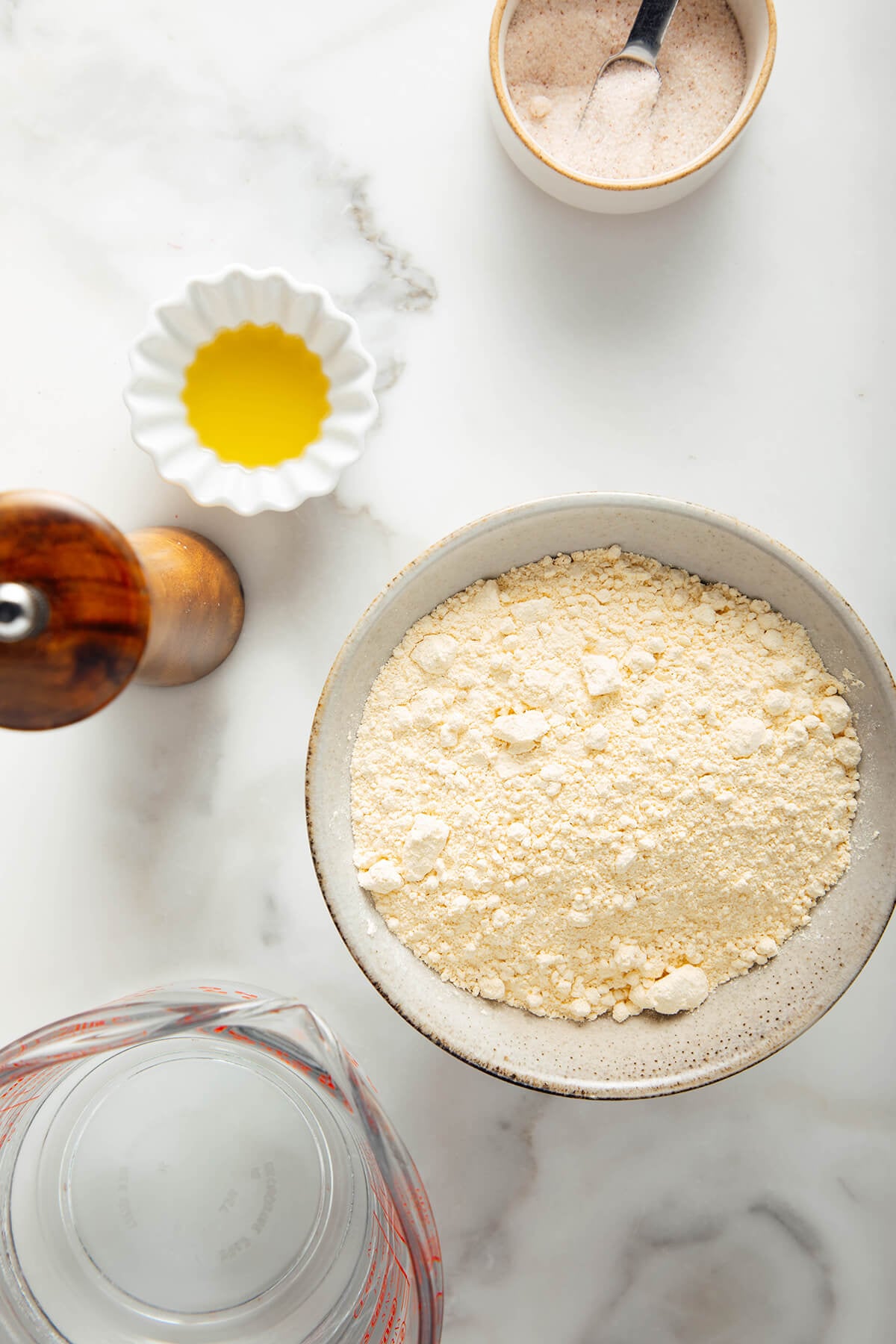
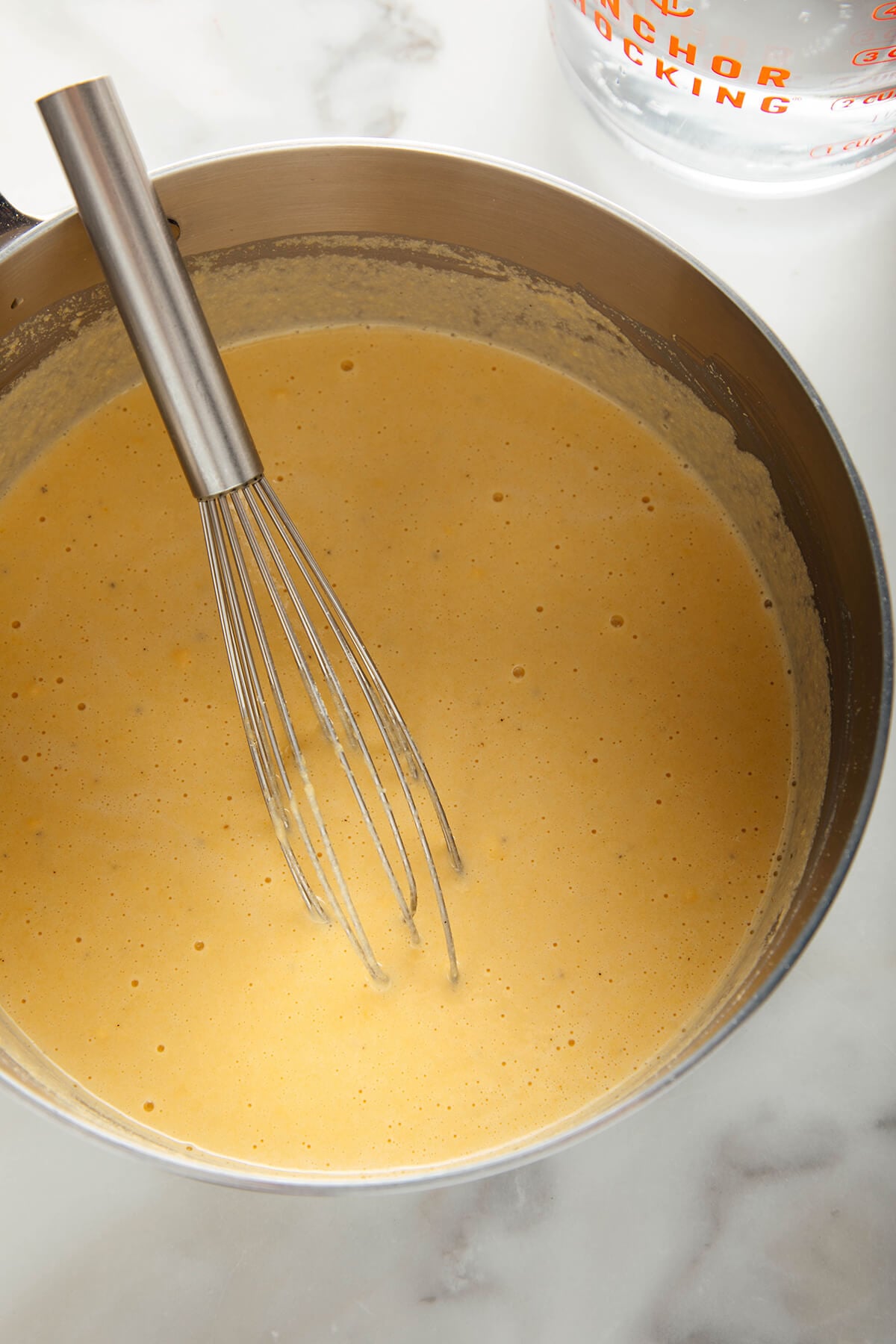
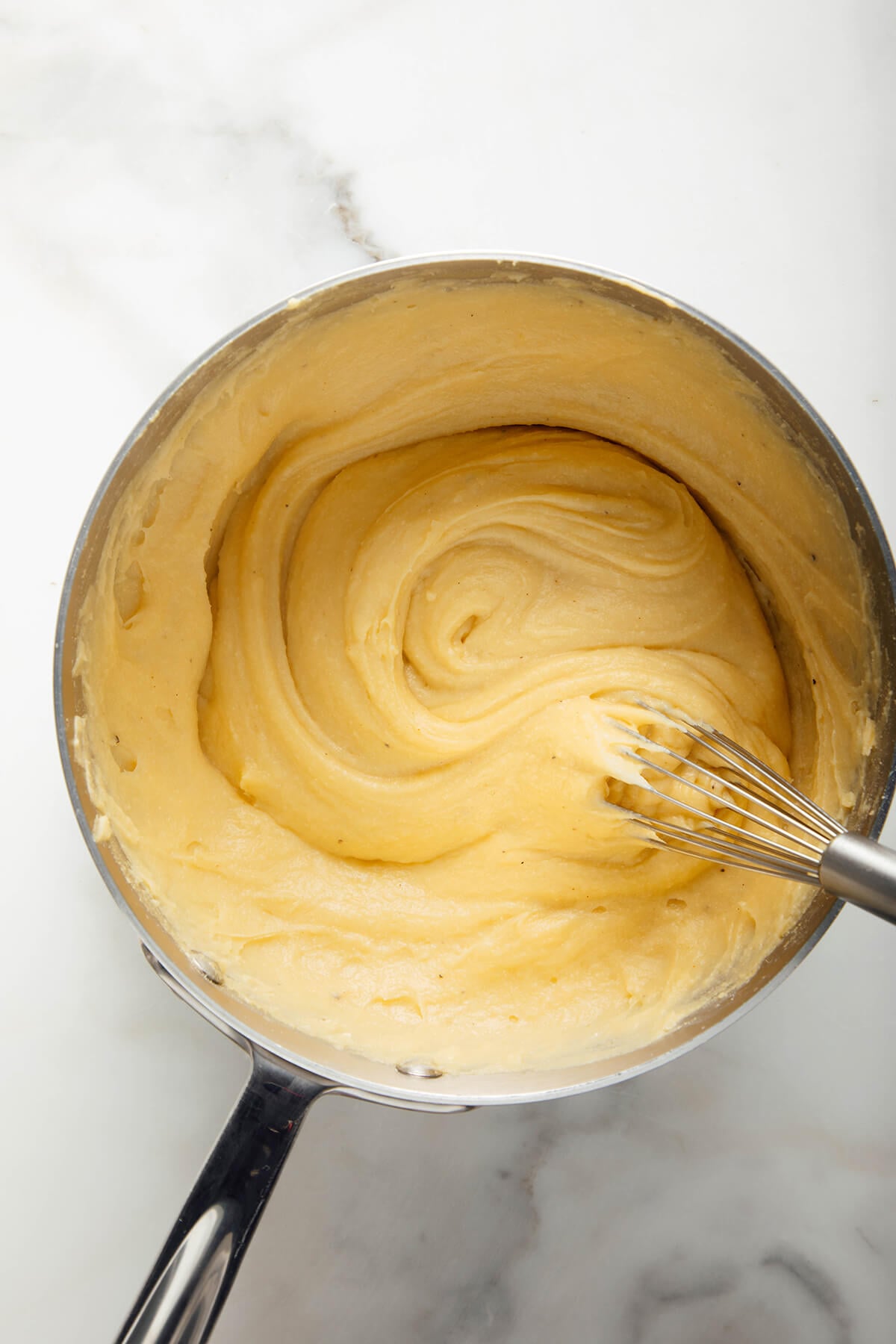
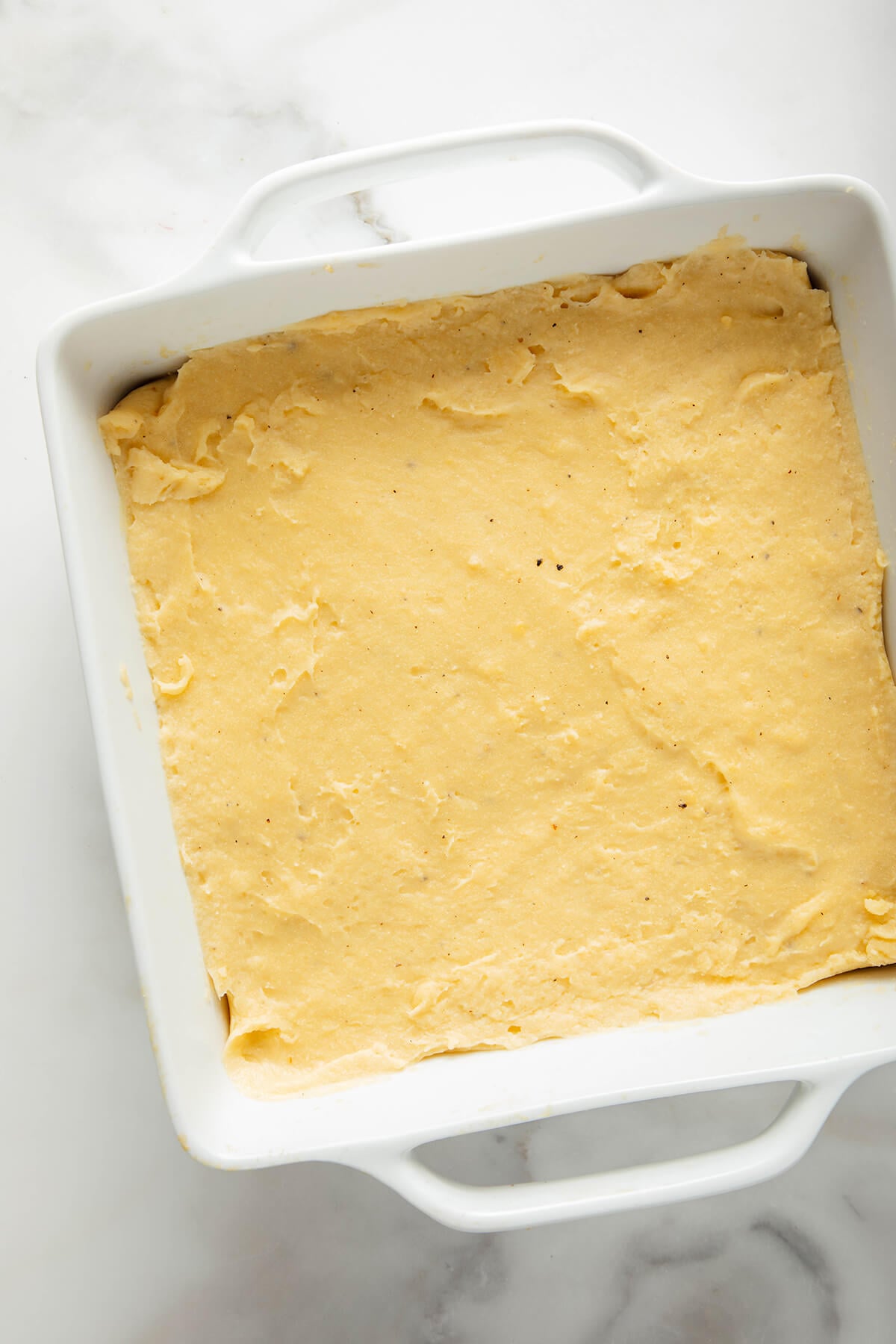
The appeal of Panisses is further amplified by their relative accessibility for home cooks. While the process involves a few distinct steps, it is not inherently difficult, making it a rewarding project for a weekend or a leisurely evening. The core steps typically involve preparing a chickpea flour batter, cooking it down to a thick paste, chilling and shaping this paste, and then frying or baking the individual pieces.
The initial cooking of the batter is crucial, transforming the liquid mixture into a firm, polenta-like consistency that can be spread and molded. Proper chilling is essential to allow the paste to solidify, making it easier to cut into uniform fry shapes. For those new to making Panisses, the provision of a short instructional video, as mentioned in the original article, serves as an invaluable resource, guiding them through each stage and ensuring successful execution.

Storage and reheating options further enhance their practicality. Panisses are best enjoyed hot, immediately after preparation, to savor their optimal crispness and tender interior. However, they store well in the refrigerator for up to five days, and can even be frozen for up to six months, offering a convenient make-ahead option for future snacks or meal components. Reheating them in a microwave or oven can restore much of their original texture, making them a versatile and forgiving dish.
In conclusion, Panisses are far more than just "chickpea fries." They represent a flavorful intersection of history, culture, nutrition, and culinary innovation. From their ancient Mediterranean origins to their modern resurgence as a health-conscious and versatile delicacy, Panisses continue to captivate palates worldwide. Their inherent simplicity, combined with a rich nutritional profile and adaptability to contemporary cooking methods, ensures their enduring appeal and solidifies their position as a significant contribution to the global culinary tapestry. As consumer preferences continue to evolve towards more wholesome, plant-forward, and culturally authentic foods, Panisses are poised to remain a cherished and celebrated dish for generations to come.