







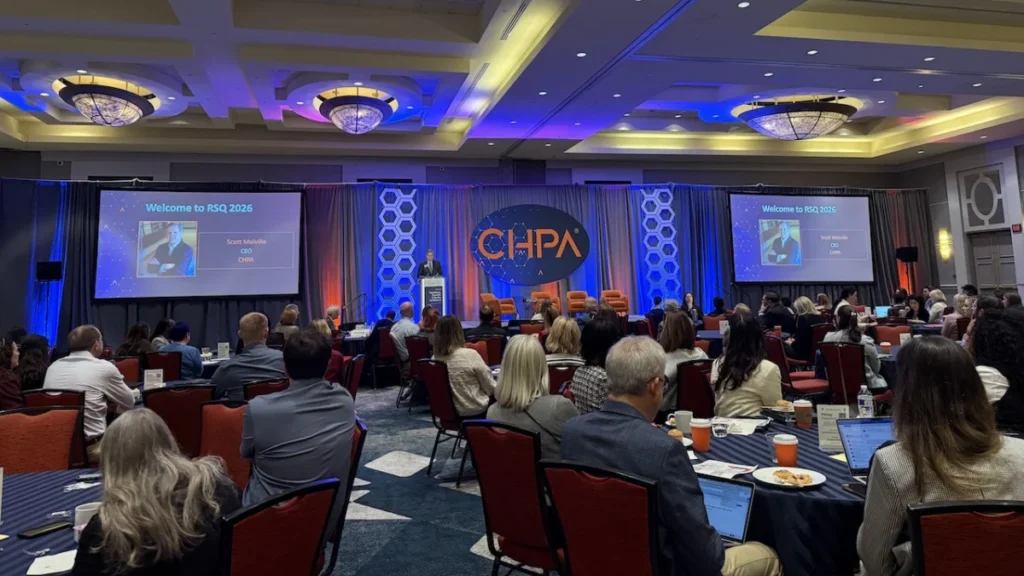
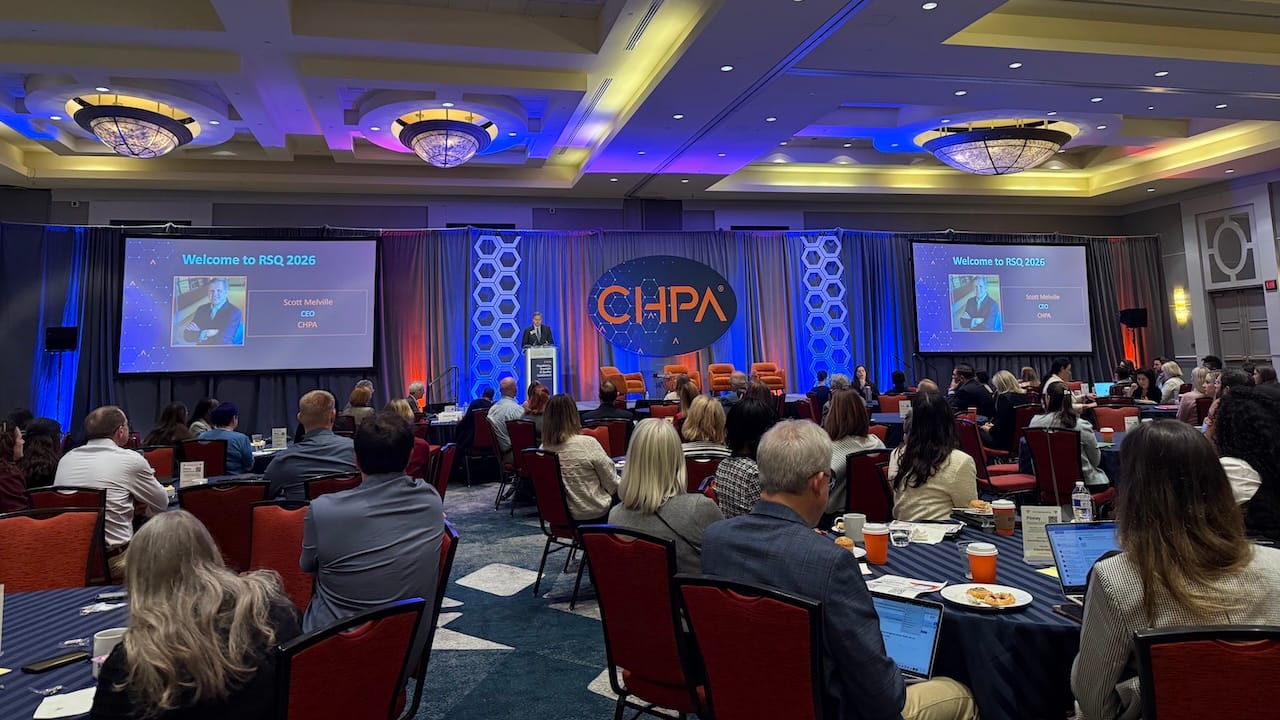
The Consumer Health Products Association (CHPA) Regulatory, Scientific & Quality (RSQ) conference, held in Rockville, Maryland, in September 2026, served as a pivotal forum for industry leaders, regulatory officials, and scientific experts to dissect the evolving landscape of dietary supplements, over-the-counter (OTC) medications, medical devices, and personal care products. The event underscored a collective commitment to consumer well-being, encapsulated by the poignant declaration from Julie Aker, VP and General Manager at IQVIA: "We work AT our organizations; we work FOR the consumer." This guiding principle resonated throughout the discussions, particularly for the dietary supplement sector, which faces a complex interplay of escalating safety expectations, rapid technological advancements, and a dynamic regulatory environment.
A Renewed Emphasis on End-to-End Supply Chain Accountability for Safety and Quality
The pervasive concerns surrounding food safety, highlighted by a recent spate of food recalls and the "summer of diarrhea lettuce," cast a long shadow over the RSQ conference, making safety and quality paramount topics of discussion. Haijing Hu, Ph.D., a supervisory scientific reviewer at the U.S. Food and Drug Administration (FDA), provided a stark reminder of the challenges, detailing four significant salmonella outbreaks in dietary supplements since October 2025. The most prominent of these involved recalls of green products linked to contaminated Moringa oleifera powder. Dr. Hu characterized these incidents as indicative of systemic failures within both the Foreign Supplier Verification Program (FSVP) and the adherence to current good manufacturing practices (cGMPs).

This emphasis on systemic issues signals a critical shift in regulatory perspective. The message from the FDA was unequivocal: responsibility for product safety extends across the entire supply chain, from raw material sourcing to final product distribution. Dr. Hu explicitly stated, "Using a contract testing lab does not transfer responsibility." This sentiment was echoed by Siobhan Taylor and Gary Pecic, both national experts in dietary supplements for the FDA. They emphasized that every stakeholder – manufacturers, brand owners, and warehouse operators – must actively contribute to ensuring products are free from adulteration. While specific regulatory requirements may vary by entity, the overarching imperative of safety serves as the unifying thread. "We’re talking about things that impact someone’s health," Taylor underscored, highlighting the profound human element at the core of these regulatory discussions.
The implications of this reinforced accountability are far-reaching. Companies can no longer delegate safety oversight to third-party testing alone. A more robust, proactive approach to supply chain management, including rigorous supplier qualification, ongoing monitoring, and comprehensive internal quality control systems, is now essential. This necessitates greater transparency and collaboration among supply chain partners, fostering a culture where quality is embedded at every stage. The increased scrutiny on FSVP and cGMPs suggests that future regulatory actions may target broader breakdowns in the supply chain rather than isolated incidents, potentially leading to more significant penalties and operational disruptions for non-compliant entities.
Artificial Intelligence: A Double-Edged Sword of Opportunity and Challenge
Artificial intelligence (AI) emerged as a dominant and provocative theme at the conference, promising transformative potential across various facets of the consumer health industry, from optimizing healthcare workflows to expediting regulatory review processes. The keynote address by Dr. Barry Chaikan offered a prescient encapsulation of AI’s dual nature: "AI with knowledge works great. AI without knowledge works poorly." Dr. Chaikan urged attendees to approach AI with a patient-centric mindset, akin to that of nurses, prioritizing consumer well-being over purely profit-driven objectives.
The FDA is actively exploring AI’s capabilities. Phil Yeager, Ph.D., director of the Division of Research and Evaluation at the FDA, revealed that numerous offices, including the Office of Dietary Supplement Programs (ODSP), are evaluating AI’s role in enhancing the gathering, organization, and integration of scientific evidence. This suggests a future where AI could significantly aid in the complex process of scientific review, potentially accelerating the evaluation of new dietary ingredient (NDI) notifications and other regulatory submissions.
Christine Landry, partner for global healthcare at IT infrastructure services provider Kyndryl, offered a pragmatic perspective on AI implementation, emphasizing the critical need for robust guardrails. She posited that AI’s primary strength lies in its ability to efficiently gather vast amounts of information, thereby freeing up human resources to focus on the crucial task of evaluating that data. This division of labor could lead to more efficient and insightful decision-making within both industry and regulatory bodies.
However, the integration of AI also presents significant challenges. The potential for biased data inputs leading to discriminatory outcomes, the ethical considerations of AI-driven decision-making in healthcare, and the need for robust cybersecurity measures to protect sensitive data are all areas that require careful consideration. The conference highlighted the ongoing dialogue between the promise of AI and the imperative of responsible deployment, ensuring that technological advancements serve to enhance, rather than compromise, consumer safety and regulatory integrity. The industry’s ability to harness AI effectively will depend on developing clear ethical frameworks, investing in skilled personnel, and fostering collaboration between technology developers and regulatory experts.
An Evolving Regulatory Framework: Federal and State Dynamics in Play
The regulatory landscape for dietary supplements continues its dynamic evolution, with significant developments at both federal and state levels. The public meeting on the definition of dietary ingredients held in March 2026 and the proposed GRAS (Generally Recognized As Safe) guidance unveiled in August 2026 underscored the industry’s keen interest in pending regulatory changes. Cara Welch, director of the ODSP, indicated that the agency is undertaking a comprehensive review of existing regulations and guidance documents to identify areas for modernization and to determine which provisions best serve consumer benefit and support industry growth, while also identifying those that may be hindering progress.
Director Welch acknowledged the frustration some firms experience with the current ambiguity surrounding the definition of a dietary ingredient. Her office is meticulously analyzing all comments received following the public meeting, with a stated goal of achieving progress in modernizing this definition within the coming year. This ongoing re-evaluation reflects a broader trend towards greater clarity and predictability in regulatory processes, which is crucial for fostering innovation and investment within the dietary supplement sector.
Simultaneously, the proliferation of state-level legislation has become a significant concern for industry stakeholders. Carlos Gutierrez, VP for state and local government affairs at CHPA, expressed a pragmatic view on the prospects of federal preemption, suggesting it remains a long shot. His pointed advice, "You ignore state capitols and legislature at your own risk," highlights the increasing importance of proactive engagement at the state level. The speed at which state legislatures can enact laws often outpaces federal regulatory processes, creating a complex and fragmented compliance environment.
Mike Prentiss, senior director of state government regulations at Procter & Gamble, advocated for a strategic, long-term approach to state-level advocacy. He urged companies to "do the 411 before the 911," emphasizing the importance of building relationships with key stakeholders and initiating advocacy efforts well in advance of legislative votes. Prentiss also stressed the critical role of "cross-functional collaboration," urging the industry to tailor its engagement strategies to the specific concerns and priorities of lawmakers. This proactive and collaborative approach is essential for navigating the intricate web of state regulations and shaping policies that are both effective and conducive to industry growth. The challenge for companies lies in developing localized strategies that are aligned with a cohesive national advocacy effort.
Innovation Persists Amidst Regulatory Uncertainty
Despite the ongoing efforts to clarify regulatory frameworks, the spirit of innovation within the dietary supplement industry remains undeterred. Dr. Yeager reported an increase in New Dietary Ingredient (NDI) submissions in 2025 and 2026, and Director Welch noted that her office is "seeing new ingredients come into the program every day." This robust pipeline of novel ingredients signals the industry’s continued commitment to scientific advancement and product development.
Dr. Yeager emphasized the delicate balance required: "We have to innovate, but we have to hold to the safety standard." This sentiment underscores the core challenge of fostering innovation while upholding the highest standards of consumer safety. Diane McEnroe, partner at the international law firm Sidley Austin, expressed hope that the proposed GRAS rule would not unduly stifle innovation. She highlighted the inherent risk for individual businesses that choose to bring new ingredients to market while their submissions are under FDA review. McEnroe also called for the FDA to place greater emphasis on developing a "workable" NDI notification (NDIN) process to facilitate the timely and efficient introduction of safe and effective new ingredients.
A particularly dynamic area of innovation discussed at the conference involves peptides. Presentations by Oliver Catlin, president of the Banned Substances Control Group, and Ashish Talati, founding member of Talati Law Firm, illuminated the complex regulatory space surrounding peptides. This category is characterized by multiple potential pathways to market, significant consumer interest, and regulations that are still catching up with the rapid pace of innovation. Mr. Talati articulated the market’s primary question: "Does it work?" contrasting it with the FDA’s regulatory query: "Can it legally be sold?"
Mr. Talati offered insights into the FDA’s likely approach to this emerging category. He predicted an increased focus on peptide ingredient identity and characterization, heightened scrutiny of products derived from precision fermentation and synthetic biology, and more proactive application of drug exclusion rules. Notably, he also indicated that AI-designed peptides are increasingly on the FDA’s radar, suggesting that the agency is actively monitoring the intersection of AI and novel ingredient development. The challenge for companies developing peptide-based products lies in navigating this evolving regulatory terrain, ensuring robust scientific substantiation and transparent communication with regulatory bodies.
Streamlining Operations and Enhancing Staffing: Priorities for Regulatory Agencies
Discussions with FDA officials revealed that staffing shortages, particularly concerning facility inspectors, remain a significant challenge. While the agency is actively onboarding new personnel, there is a clear emphasis on implementing more efficient and intelligent work approaches. Both Director Welch and Dr. Yeager underscored the importance of effective risk management prioritization, with Dr. Yeager referring to this as a "paradigm shift" in how regulatory oversight is conducted.
Director Welch highlighted the substantial workload associated with maintaining robust surveillance systems. Her office is cautiously exploring the potential of AI to streamline internal processes and improve operational efficiency. "I want to make sure employees can be effective and impactful with the resources that they have," Welch stated, emphasizing a commitment to maximizing the utility of existing resources.
Furthermore, the FDA is actively working to align internal resources to enhance operational synergy. Director Welch noted the positive impact of closer alignment between the ODSP and the Food Chemicals Program, recognizing that the scientific principles governing ingredients are consistent whether they are destined for food or dietary supplements. She sees a significant opportunity for greater integration of dietary supplements within the broader Human Foods Program, facilitating coordinated efforts and cross-pillar collaboration on issues such as nutrition and microbiological safety.
Ultimately, Director Welch reiterated the three core priorities guiding the FDA’s approach to dietary supplements: product safety, product integrity, and enabling consumers to make informed decisions. Her concluding questions encapsulated the agency’s mission: "How can we facilitate industry producing high-quality, safe, properly labeled products? How can we facilitate consumers and healthcare providers to make informed decisions about products they purchase?" The answers to these questions will shape the future of the consumer health products industry, demanding continued collaboration, innovation, and an unwavering commitment to consumer well-being.