








The contemporary supplement industry is witnessing a significant confluence of critical trends, notably the intersection of women’s health and weight management, alongside burgeoning research into botanical ingredients and the introduction of innovative products targeting postnatal care and perimenopause. This edition of Supplement Shorts delves into the dynamic world of supplement industry news, encompassing scientific advancements, finished product launches, and the intricate web of developments that connect them.
The Unmet Needs in Women’s Weight Management: A Growing GLP-1 Opportunity
A stark reality is emerging in global health: over half of women worldwide are currently overweight or obese, a figure projected to escalate to 60% by the year 2050. This alarming trend, highlighted in a recent report published in The Lancet Obstetrics, Gynaecology & Women’s Health, underscores a critical public health challenge. Compounding this issue is a notable lag in scientific understanding and clinical guidance concerning the use of glucagon-like peptide-1 (GLP-1) receptor agonist medications among women, despite their increasing widespread adoption.
The efficacy and safety profiles of GLP-1 receptor agonists in women, particularly those residing in low- and middle-income countries, remain inadequately understood due to their consistent underrepresentation in clinical trials. This disparity is not merely a matter of scientific oversight; it carries profound implications for equitable healthcare access and outcomes. Authors of the Lancet report emphasize that while women often experience greater weight loss with these therapies compared to men, they also contend with a unique set of challenges. These include potential impacts on reproduction and fertility, a heightened susceptibility to adverse effects, and an increased vulnerability to the loss of lean muscle mass.

This gap in knowledge and application presents a significant and timely opportunity for dietary supplement brands and manufacturers. The concurrent popularity of GLP-1 support, metabolism enhancement, and women’s health as distinct market segments suggests a fertile ground for innovation. By exploring the synergistic overlaps among these areas, brands can identify unmet consumer needs and develop novel, cost-effective formulations. These new products could offer targeted support, addressing the specific physiological nuances and life stages that women encounter, thereby carving out a unique niche in the market.
The authors of the Lancet study strongly advocate for a coordinated global effort to address the challenges in accessing GLP-1 receptor agonists, positing that such initiatives hold substantial potential for improving women’s health on an international scale. Achieving equitable access, they contend, necessitates a multi-faceted approach. This includes bolstering supply chains to ensure consistent availability, enhancing regulatory vigilance to combat the proliferation of falsified and compounded products, and actively embracing innovative therapeutic solutions that are not only stable and scalable but also possess the potential for greater affordability. The dietary supplement sector, with its agility and consumer-centric focus, is well-positioned to contribute to this innovative landscape by developing complementary or supportive products.
Clinical Currents and Scientific Advancements Shaping the Supplement Landscape
The scientific exploration into weight management and women’s health continues to yield fascinating insights, paving the way for new product development within the dietary supplement arena. Emerging research is increasingly focusing on the intricate mechanisms by which specific nutrients and botanical compounds can support metabolic health, hormonal balance, and overall well-being, particularly during critical life stages for women.
One area of intense scientific scrutiny involves the role of gut health in weight management and hormonal regulation. Studies are beginning to illuminate how specific probiotic strains and prebiotics can influence satiety, nutrient absorption, and even the production of short-chain fatty acids (SCFAs), which play a role in energy metabolism and inflammation. For women, maintaining a healthy gut microbiome is gaining recognition as a crucial factor in managing weight fluctuations and mitigating symptoms associated with perimenopause and menopause, such as mood swings and digestive discomfort.
Furthermore, the field of endocrinology is increasingly recognizing the interconnectedness of metabolic health and reproductive function in women. Research is exploring how certain dietary components might support the body’s natural hormonal pathways, aiding in the management of conditions like polycystic ovary syndrome (PCOS) and insulin resistance, both of which are prevalent among women and often contribute to weight management challenges. This understanding is driving the development of supplements that aim to provide holistic support rather than addressing isolated symptoms.
The scientific community is also delving deeper into the pharmacognosy of various botanical extracts, seeking to identify compounds with demonstrable efficacy in supporting weight management and women’s health. For instance, research into ingredients like green tea extract, Garcinia cambogia, and various adaptogenic herbs is evolving beyond simple claims of metabolism boosting. Current studies are more focused on elucidating the specific bioactive compounds responsible for these effects, their mechanisms of action at a cellular level, and their potential synergistic interactions with other nutrients.
The timeline for translating these scientific discoveries into tangible products for consumers is often a complex interplay of laboratory research, preclinical studies, human clinical trials, and regulatory review. While groundbreaking research might be published today, it can take several years for a novel ingredient to be fully validated and incorporated into a finished supplement product. However, the rapid pace of scientific inquiry, coupled with advancements in analytical techniques and a growing demand for evidence-based natural health solutions, is accelerating this process.
The implications of these scientific currents are far-reaching for the supplement industry. They necessitate a commitment to rigorous scientific validation, transparency in sourcing and manufacturing, and a sophisticated approach to product formulation. Brands that invest in understanding and leveraging these evolving scientific insights are poised to lead the market by offering products that are not only effective but also backed by credible research, thereby building consumer trust and fostering long-term brand loyalty.

Innovations in Finished Products: Addressing Postnatal Health and Perimenopause
The dietary supplement market is responding dynamically to the identified needs within women’s health, with a notable surge in finished product launches specifically targeting the critical periods of postnatal recovery and perimenopause. These new offerings reflect a growing understanding of the unique physiological and psychological challenges women face during these life transitions.
Postnatal Health Innovations:
The period following childbirth is a time of immense physical and emotional adjustment for new mothers. Recognizing this, supplement manufacturers are introducing products designed to support recovery, replenish nutrient stores, and address common concerns such as fatigue, mood regulation, and lactation.
- Nutrient Replenishment: Postnatal vitamins are evolving beyond basic prenatal formulations. New products are emphasizing higher levels of iron to combat postpartum anemia, omega-3 fatty acids (particularly DHA) for brain health and mood support, and B vitamins to help manage energy levels.
- Lactation Support: Ingredients like fenugreek, blessed thistle, and fennel are being incorporated into specialized supplements aimed at supporting milk production. Formulations are also focusing on digestive support for both mother and baby, with probiotics and prebiotics gaining traction.
- Mood and Stress Management: Recognizing the prevalence of postpartum mood disorders, some brands are developing products that combine adaptogens like ashwagandha and rhodiola with mood-supportive nutrients such as magnesium and vitamin D, offering a more holistic approach to emotional well-being.
- Gentle Digestive Support: New mothers often experience digestive discomfort. Supplements featuring gentle fiber sources, digestive enzymes, and probiotics are being formulated to aid in recovery and promote gut health.
Perimenopause and Menopause Solutions:
The menopausal transition, a phase that can span many years, presents a complex array of symptoms that significantly impact women’s quality of life. The supplement industry is stepping up to offer targeted solutions.
- Hot Flash and Night Sweat Management: Isoflavones derived from soy and red clover, alongside black cohosh and evening primrose oil, remain popular ingredients. However, newer formulations are exploring synergistic blends that may offer enhanced efficacy and a broader spectrum of relief.
- Bone Health: As estrogen levels decline, bone density can decrease. Supplements are increasingly featuring calcium, vitamin D, vitamin K2, and magnesium, often combined with minerals like boron and strontium, to support bone strength and reduce the risk of osteoporosis.
- Mood and Cognitive Support: The hormonal shifts during perimenopause and menopause can affect mood, memory, and focus. Ingredients such as ashwagandha, lion’s mane mushroom, and specific B vitamins are being incorporated to address these cognitive and emotional challenges.
- Vaginal Dryness and Comfort: While often addressed by pharmaceutical interventions, some natural supplements are emerging that aim to support vaginal moisture and comfort through ingredients like sea buckthorn oil, known for its fatty acid profile.
- Sleep Support: Disrupted sleep is a common complaint. Formulations are combining traditional sleep aids like melatonin and valerian root with calming botanicals such as chamomile and passionflower, and minerals like magnesium to promote restful sleep.
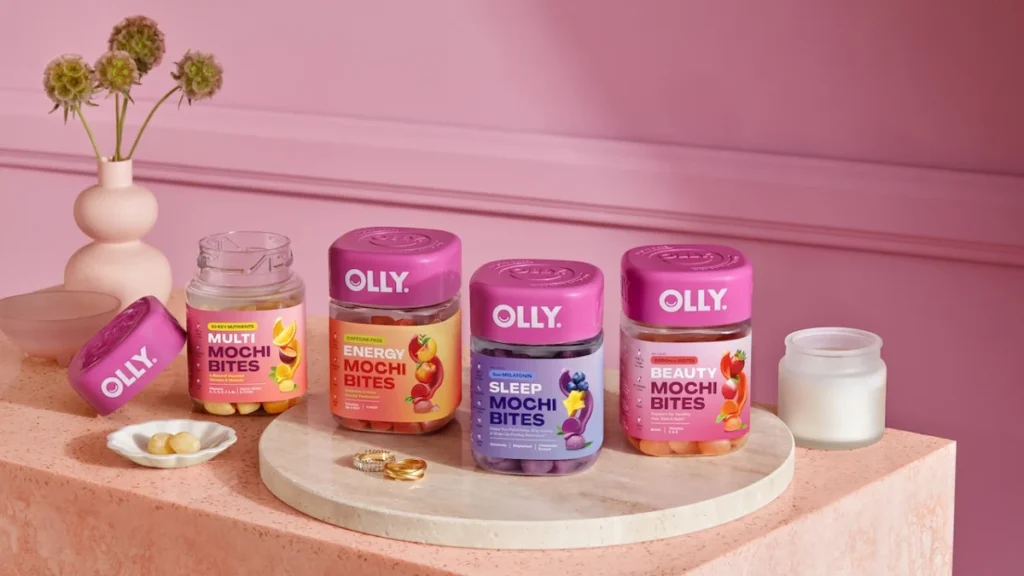
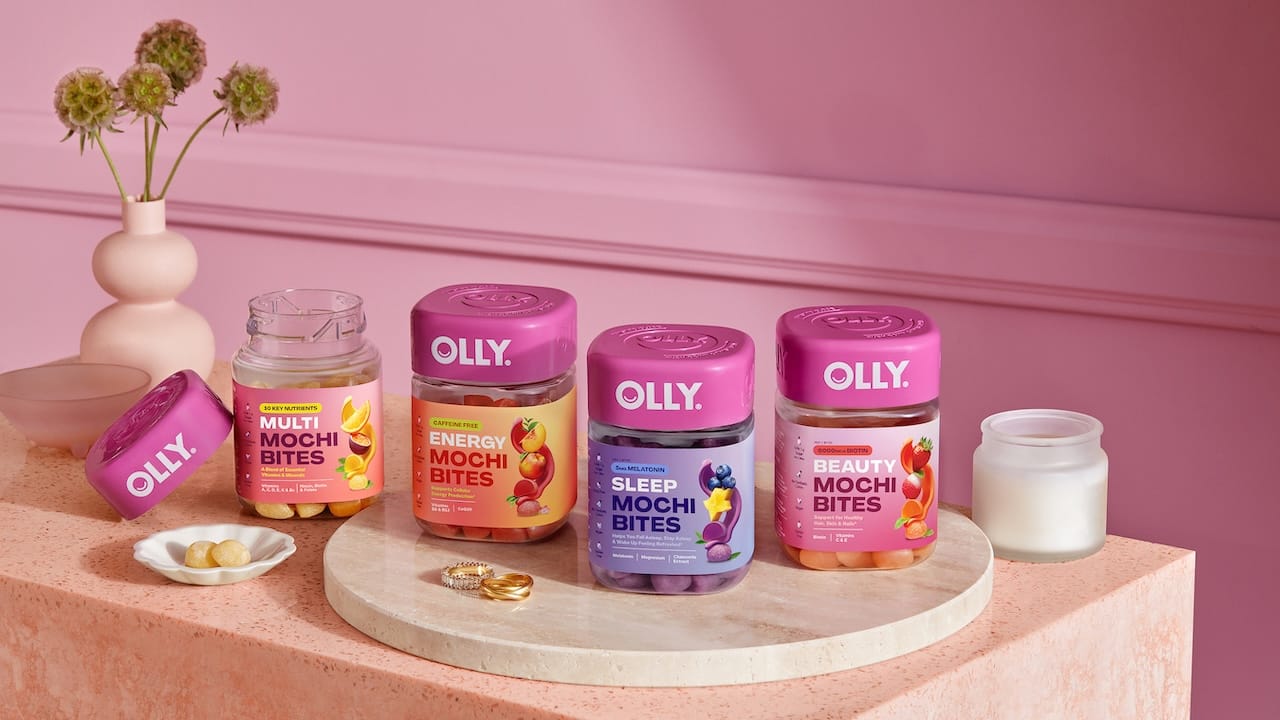
A notable example of innovation in finished products is the introduction of OLLY’s new mochi bites. Available in four distinct formulas, these convenient and palatable formats represent a trend towards making supplement intake more enjoyable and accessible. While the specific functions of each OLLY mochi bite formula are not detailed here, their existence underscores the industry’s drive to cater to diverse consumer preferences and deliver targeted nutritional support in user-friendly formats. This approach not only enhances compliance but also broadens the appeal of dietary supplements to a wider demographic.
The development of these finished products is often informed by ongoing research into ingredient efficacy and consumer feedback. Brands are increasingly focusing on transparency regarding ingredient sourcing, potency, and the scientific basis for their claims. The timeline for product development can range from several months to over a year, involving formulation, stability testing, and regulatory compliance before reaching the market. The competitive landscape in this sector encourages continuous innovation, with companies striving to differentiate their offerings through unique ingredient combinations, delivery systems, and evidence-based marketing.
Company and Organization Updates: Navigating a Dynamic Industry
The functional food and nutraceutical industry is a vibrant ecosystem characterized by continuous innovation, strategic partnerships, and evolving regulatory landscapes. Companies and organizations within this sector are actively engaged in research and development, product launches, and advocacy efforts that shape the future of dietary supplements.
Research and Development Initiatives:
Many companies are investing heavily in R&D to discover and validate novel ingredients and formulations. This includes exploring the synergistic effects of combining different botanical extracts, investigating new delivery systems to enhance bioavailability, and conducting clinical trials to substantiate product claims. The focus on women’s health, in particular, is driving significant research into ingredients that can address the multifaceted needs of this demographic across various life stages.
Product Launches and Market Expansion:
The release of new finished products, such as OLLY’s mochi bites, signifies a key trend: the emphasis on consumer convenience and palatability. Companies are increasingly developing supplements in diverse formats, including gummies, powders, and chewables, to appeal to a broader range of consumers and improve adherence. Market expansion often involves targeting new geographic regions, forming strategic alliances with retailers, and developing specialized product lines for specific health concerns.
Collaborations and Partnerships:
Strategic collaborations between ingredient suppliers, supplement manufacturers, and research institutions are crucial for accelerating innovation. These partnerships can facilitate the sharing of scientific knowledge, the co-development of new technologies, and the pooling of resources for clinical research. For instance, collaborations focused on women’s health might involve partnerships with gynecologists, nutritionists, and women’s health advocacy groups to ensure product development is aligned with evidence-based practices and genuine consumer needs.
Regulatory Engagement and Advocacy:
Companies and industry organizations are actively involved in engaging with regulatory bodies to ensure a clear and supportive regulatory environment for dietary supplements. This includes advocating for science-based regulations, providing input on proposed legislation, and working to combat misleading claims and counterfeit products. Organizations like the Council for Responsible Nutrition (CRN) and the Natural Products Association (NPA) play a vital role in representing the industry’s interests and promoting responsible practices.
Emerging Trends and Future Outlook:
The industry is observing a growing demand for personalized nutrition solutions, driven by advances in genetic testing and biomarker analysis. This trend suggests a future where supplement recommendations may become increasingly tailored to individual needs and physiological profiles. Furthermore, the increasing consumer awareness of sustainability and ethical sourcing is prompting companies to adopt more environmentally conscious practices throughout their supply chains.
The timeline for these company and organization updates is continuous. New product launches and R&D breakthroughs are announced regularly, reflecting the dynamic nature of the market. Regulatory discussions and advocacy efforts are ongoing processes that shape the industry’s operational framework. The overall outlook for the dietary supplement industry, particularly in areas related to women’s health and metabolic support, remains robust, driven by increasing consumer interest in proactive health management and the ongoing scientific exploration of natural ingredients.
SupplySide Supplement Journal’s Call for Submissions:
For companies and organizations engaged in pioneering work within the supplement industry, SupplySide Supplement Journal serves as a critical platform for dissemination. The journal actively seeks to highlight innovative ingredients, groundbreaking clinical trials, and significant company announcements. This commitment to showcasing industry advancements ensures that the broader community remains informed about the latest developments, fostering a collaborative spirit and driving further innovation. Readers and industry stakeholders are encouraged to reach out to Devon Gholam at [email protected] to share their news and contribute to the ongoing dialogue within the nutraceutical community.
About the Author:
Devon Gholam, Ph.D., serves as an editor for SupplySide Supplement Journal, bringing nearly two decades of experience in the functional food and nutraceutical industry. Her career has spanned product development, innovation, technical sales, and technical writing at esteemed companies including Kellogg Co., Ganeden Biotech (now part of Kerry), and Step Change Innovations. Dr. Gholam possesses a deep passion for women’s health and a keen interest in the impact of GLP-1 medication on the food, beverage, and supplement sectors. She is dedicated to leveraging her expertise and enthusiasm for credible science to foster an innovative and collaborative environment within the nutraceutical community.